

Affiliate disclosure: This S&W 642 Airweight review contains affiliate links. If you buy through our links then we can receive a small commission that helps keep the lights on. You don’t pay anything more.
Last updated May 2026 · By Nick Hall, who put 500+ rounds through the S&W 642 Airweight to write this review
- Treat every gun as loaded
- Point the muzzle in a safe direction
- Keep your finger off the trigger until you’re ready to shoot
- Know your target and what’s beyond
Quick Answer: The Smith & Wesson Model 642 Airweight is the best pocket-carry .38 Special revolver you can buy in 2026, an aluminum-frame J-frame with internal hammer that has been the gold standard for pocket-carry snubbies for over 30 years.
After a 500-round pocket-carry test the 642 ran reliably across .38 Special wadcutters, standard pressure defensive loads, and +P loads (rated for limited use). The internal hammer makes the gun draw cleanly from any pocket holster without the snag risk of an exposed hammer. Standard configuration weighs 14.4 ounces empty, light enough for genuine all-day pocket carry.
The biggest mistake new 642 owners make is buying a snubbie and then practicing only with cheap wadcutters. The 642 recoils sharply with +P defensive loads (Speer Gold Dot 135gr +P is the gold standard); plan on at least 200 rounds of dedicated practice with your carry load before trusting the gun in a real defensive context.
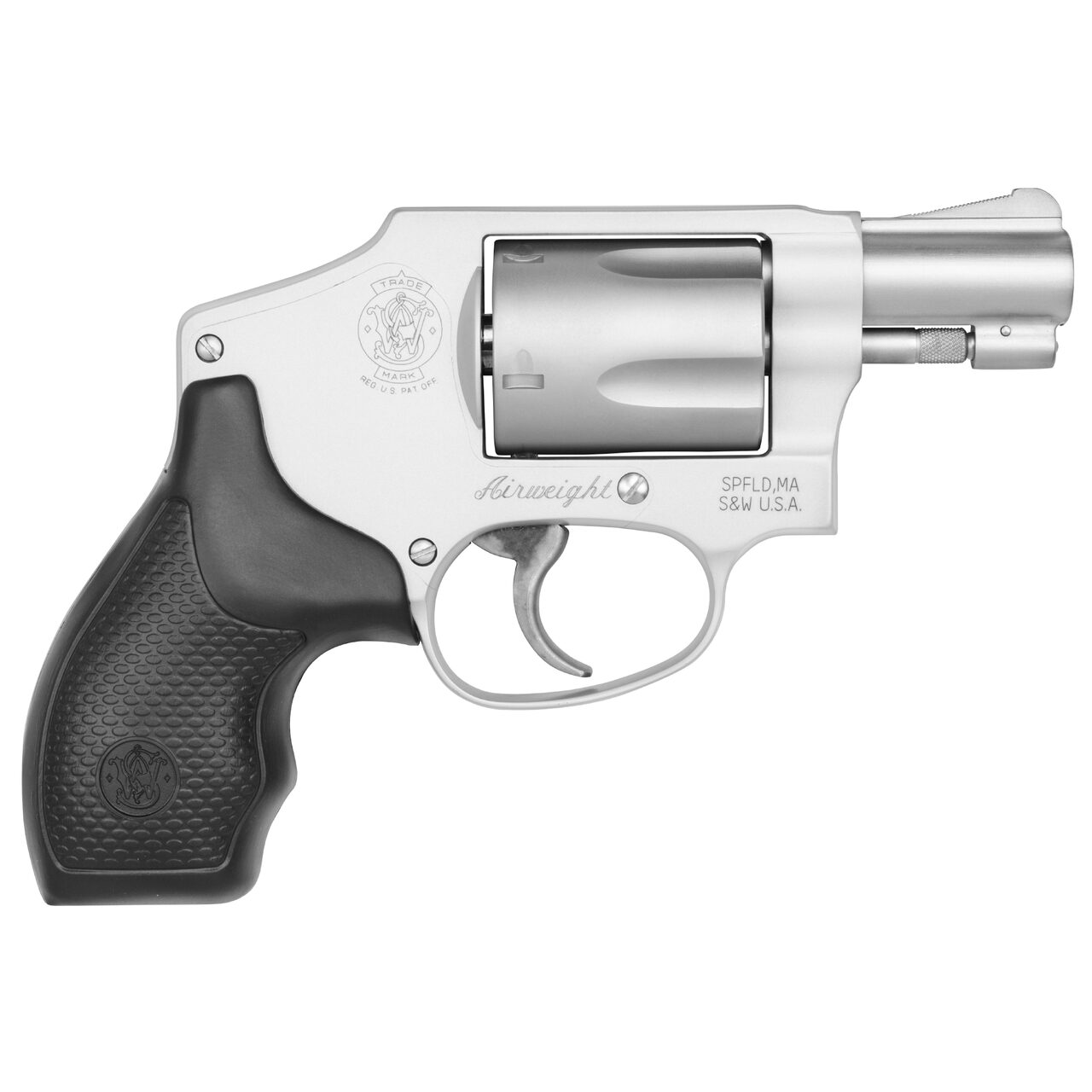
Table of Contents
How we tested: Every pick here is ranked against our testing methodology. Minimum round counts, accuracy and reliability protocols, the failures that disqualify a gun.
Review: Smith and Wesson 642 Airweight – The Pocket Revolver That Refuses to Die
Our Rating: 7.8/10
- MSRP: $569
- Street Price: $489.99 (Check our live pricing for the best current deal)
- Caliber: .38 Special +P
- Action: Double Action Only (DAO)
- Barrel Length: 1.875″
- Overall Length: 6.31″
- Height: 4.3″
- Width: 1.3″
- Weight (unloaded): 14.4 oz
- Capacity: 5 rounds
- Frame: Aluminum Alloy (J-Frame)
- Cylinder: Stainless Steel
- Sights: Integral front ramp / Fixed rear notch
- Safety: Internal hammer block (no manual safety)
- Grip: Black Synthetic Rubber
- Made in: Springfield, Massachusetts, USA
Pros
- Dead reliable. No magazines, no feeding issues, no ejection problems. Period.
- Shrouded hammer means zero snag on the draw from a pocket
- Just under 15 oz disappears in a front pocket with the right holster
- Rated for continuous +P use. Load the good stuff and do not worry.
- Current production (SKU 103810) ships without the controversial internal lock
- Holds value extremely well on the used market
Cons
- Trigger pull is genuinely brutal. 11-12 lbs out of the box, long and heavy.
- Recoil with +P ammo will punish you. This is not a fun range gun.
- Only 5 rounds. In 2026, that feels thin.
- Sights are basically decorative. A groove in the frame and a tiny ramp.

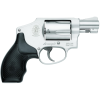
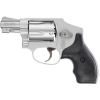
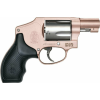
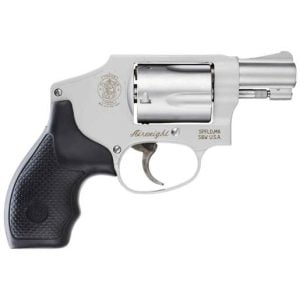
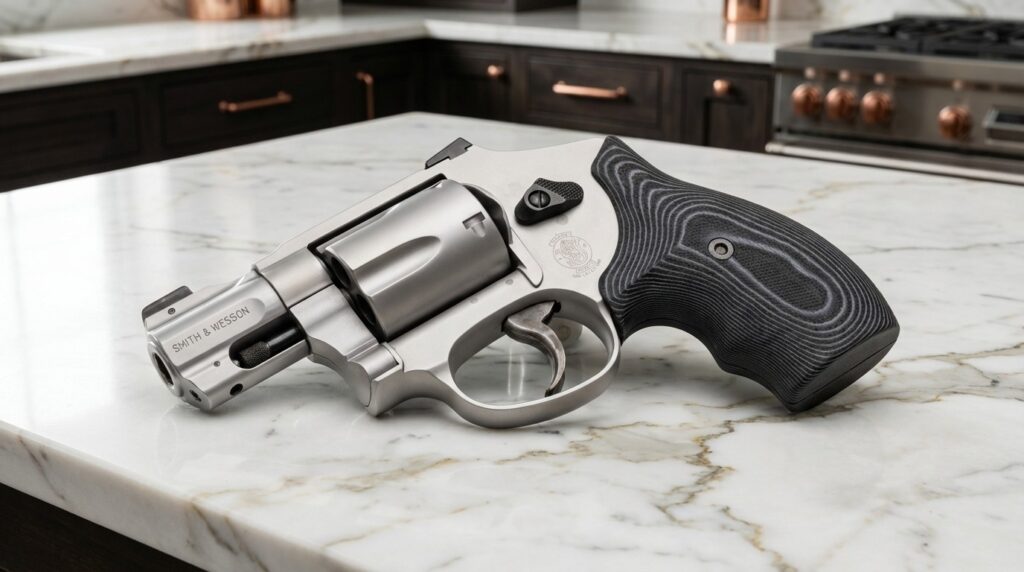
Quick Take
Smith and Wesson 642 has been the default pocket revolver in America for over three decades. And honestly? It still deserves that title. Not because it is the best at anything on paper, but because it does the one thing a carry gun needs to do better than almost anything else: it disappears into your life and goes bang when you need it to.
I put 500 rounds through the current no-lock model (SKU 103810) over several range sessions. The trigger made me work for every one of those rounds. The recoil with +P loads left me questioning my life choices. But the gun never hiccupped. Not once. And at 14.4 ounces, I carried it in a DeSantis Nemesis pocket holster for weeks and genuinely forgot it was there.
642 is not exciting. It is not innovative. It is the Honda Civic of carry guns. You buy it, you load it, you drop it in your pocket, and you stop thinking about it. That is exactly the point.
Best For: Everyday pocket carry, backup gun duty, people who want a dead-simple defensive tool that requires zero thought. If you want a revolver for concealed carry that just works, this is still the answer.
Why Smith and Wesson Built the 642 This Way
Original Model 42 Centennial Airweight hit the market in 1952. The concept was simple: take the J-frame platform, shroud the hammer so it cannot snag, build it light enough to carry in a pocket, and chamber it in .38 Special. That was 70+ years ago. The fact that the formula has not fundamentally changed tells you everything you need to know.
Smith & Wesson was not trying to win a spec sheet war with the 642. They were solving a very specific problem: people need a gun they will actually carry every day. Not one that sits in the safe because it is too heavy or too bulky. The aluminum alloy frame drops the weight to under 15 ounces, which means you can toss it in a jacket pocket and barely feel it. The shrouded hammer means it will not catch on fabric during a draw. The DAO trigger means you do not have to think about safeties or hammer positions under stress.
Every design decision on this gun optimizes for one thing: getting carried. It sacrifices accuracy, shootability, capacity, and comfort at the range because none of those things matter if the gun is sitting in your nightstand instead of on your body. That trade-off frustrates a lot of shooters. It also makes the 642 one of the most carried guns in America.
Current production model (SKU 103810) finally ditched the controversial internal lock that plagued earlier versions. S&W listened. It took them two decades, but they listened.
Competitor Comparison
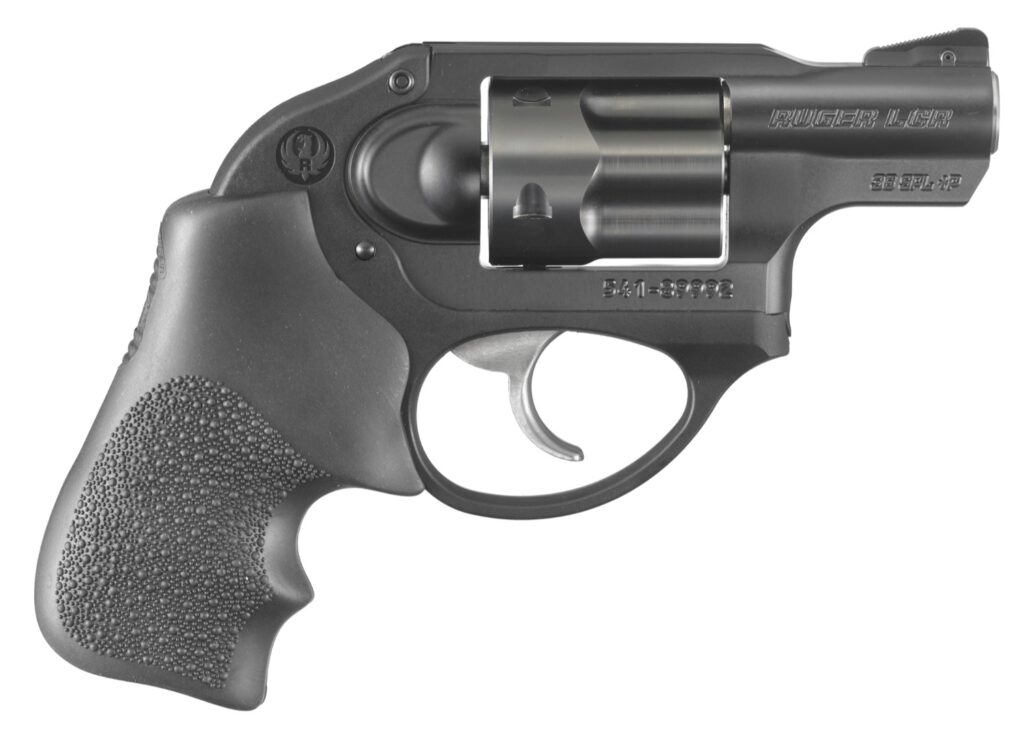
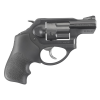
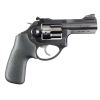
Ruger LCR .38 Special (from $568.99)
Ruger LCR is the 642’s most direct competitor and honestly, it is a toss-up. The LCR has a genuinely better trigger out of the box thanks to Ruger’s friction-reducing cam system. It is also about an ounce lighter at 13.5 oz. The Hogue Tamer grip that comes standard is more comfortable than the 642’s synthetic rubber.
So why does the 642 still outsell it? Brand loyalty and resale value, mostly. The S&W J-frame aftermarket is massive. Every holster maker, every grip company, every laser sight manufacturer has J-frame products. The LCR aftermarket is catching up but it is not there yet. If you are buying blind and do not care about the name on the frame, the LCR is arguably the better gun. But you cannot go wrong either way.
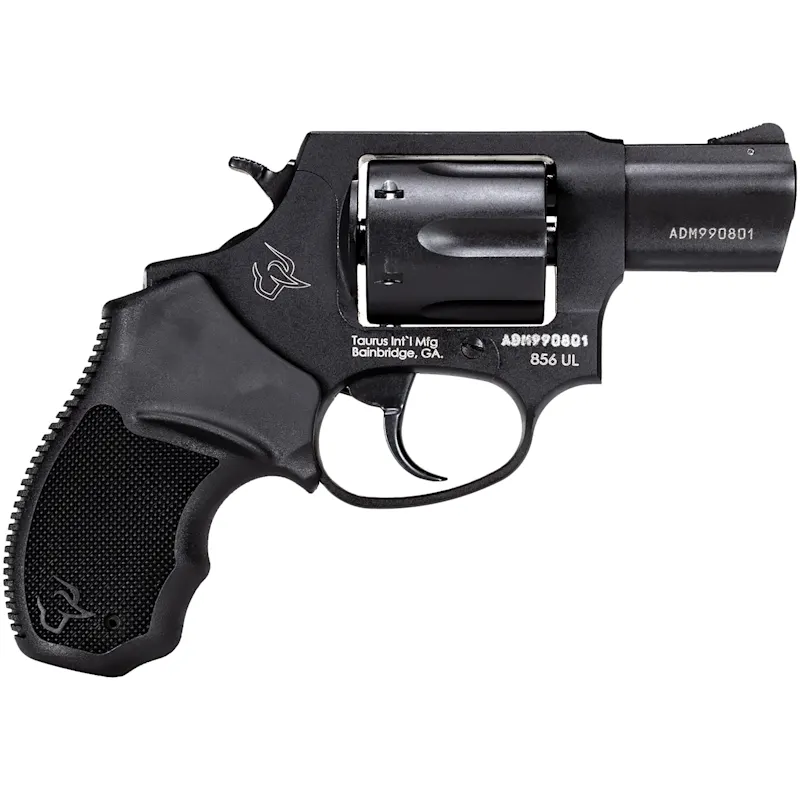
Taurus 856 ($319.99-$350)
Taurus 856 gives you six rounds instead of five for about $150 less. That is a real argument. The catch is weight: at 22 ounces, it is nearly 50% heavier than the 642. You will feel that in your pocket every single day. Build quality and trigger refinement are not in the same league either. But if budget is the primary concern and you do not mind the extra weight, the 856 is surprisingly competent.
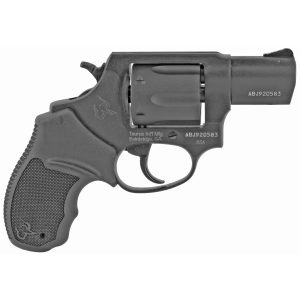
Kimber K6s DASA (from $999.99)
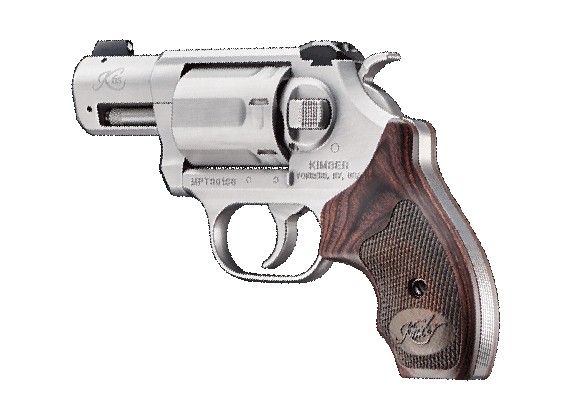
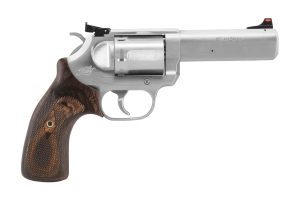
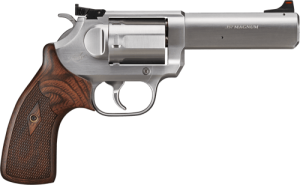
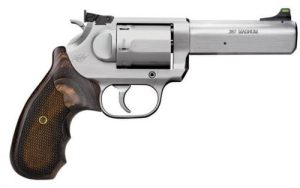
If money is not the issue and you want the best compact revolver on the market, the Kimber K6s is it. Six rounds of .357 Magnum in a beautifully finished package with a DA/SA trigger. The fit and finish make the 642 look like a tool from a hardware store. But at nearly double the price and 23 ounces, it is a different animal entirely. More of a belt gun than a pocket gun.

S&W 340PD ($900-$975)
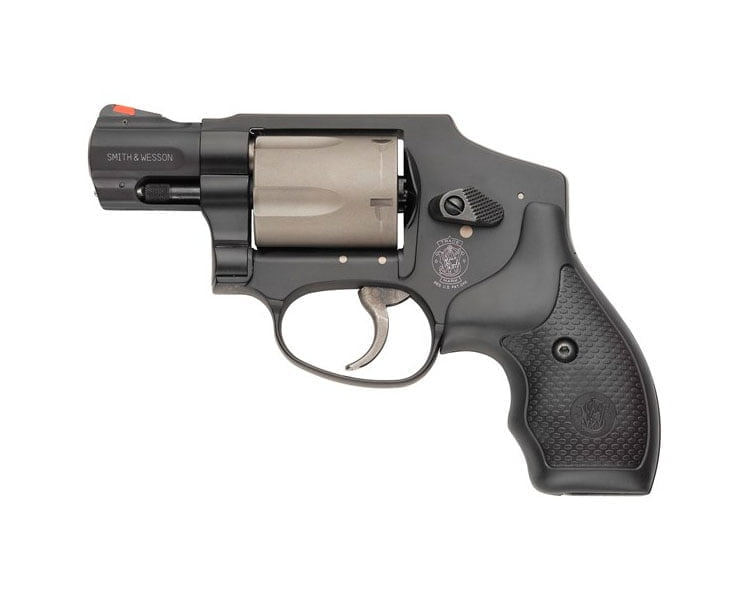
The 340PD is what happens when S&W builds the 642 concept with no budget constraints. Scandium alloy frame, titanium cylinder, 11.4 ounces, and rated for .357 Magnum. It is absurdly light. It is also absurdly painful to shoot with full-power .357 loads.
Most owners end up running .38 +P through it anyway, which raises the question: why not just buy a 642 and save $500? The 340PD makes sense if those 3 extra ounces genuinely matter to you. For everyone else, the 642 is the smarter buy.
Quirks and Features Deep Dive
Frame and Construction
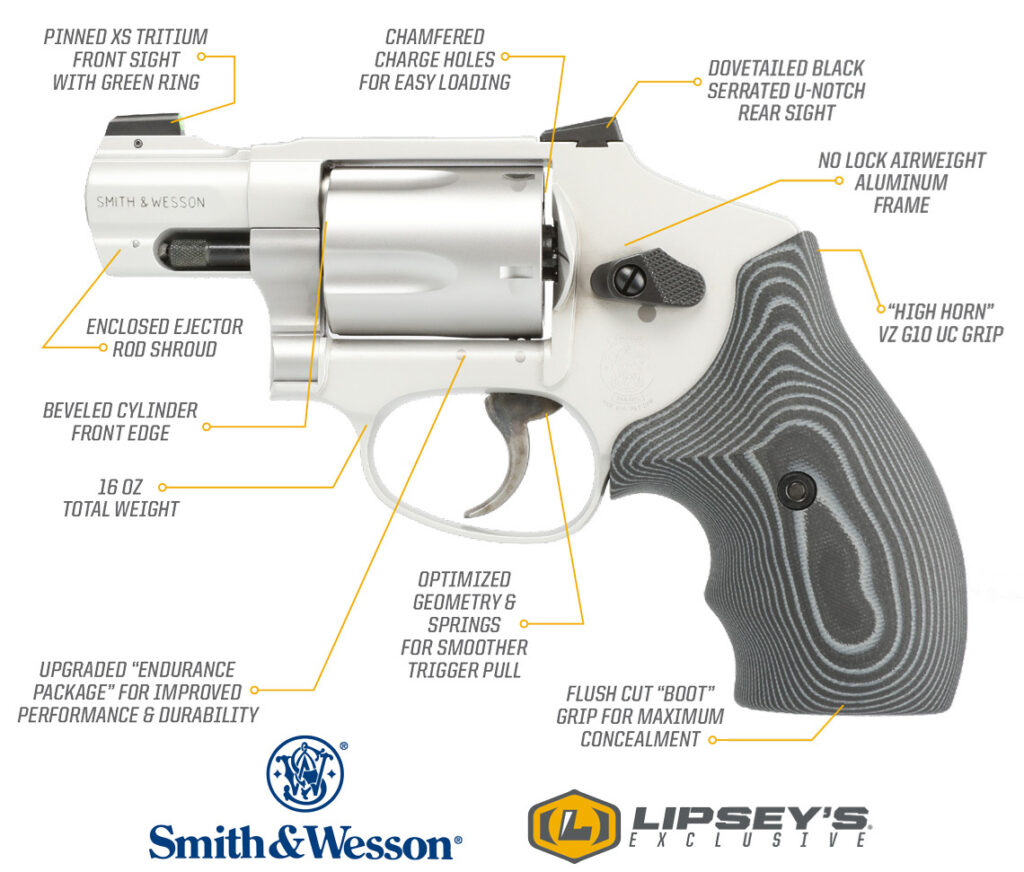
J-frame is the foundation of everything here. Aluminum alloy frame with a stainless steel cylinder and barrel. That combination gives you corrosion resistance where it matters (the parts that touch ammo) and weight savings where it counts (the part you carry). The matte silver finish is utilitarian. It will not win any beauty contests, but it hides holster wear well and does not scream “gun” if it prints slightly through a pocket.
Build quality is what you would expect from Smith and Wesson in 2026. Cylinder lockup is tight with no discernible play. The crane aligns cleanly. Nothing rattles. It feels like a tool that was built to last decades, because it was.
The Trigger (Let Us Be Honest)
I measured the trigger pull at 11.5 pounds on a Lyman gauge. That is about what everyone reports. It is heavy, it is long, and fresh out of the box it has a gritty texture that makes you work for every shot. This is the 642’s biggest weakness and the thing you will see complained about in every forum thread ever written.
Here is the thing though: it smooths out. After 200-300 rounds, the action starts to feel less like dragging a cinderblock across gravel and more like a consistent, predictable pull. It will never be as smooth as the Ruger LCR’s cam trigger, but it becomes manageable. An Apex Tactical spring kit ($25) drops the pull weight by 2-3 pounds and improves the feel significantly. I would call that a near-mandatory upgrade.
Sights (or Lack Thereof)
Sights on the 642 are a serrated front ramp and a groove machined into the top of the frame. That is it. In bright light at 5-7 yards, they are adequate. In low light, you are basically pointing the gun in the general direction of the threat and hoping for the best. XS Sights makes a Big Dot tritium front sight that fits the 642 and it is one of the best $60 upgrades you can make.
Grip and Ergonomics
Factory synthetic rubber grip is fine. Just fine. It provides decent traction and absorbs some recoil, but it is nothing special. The beautiful thing about J-frames is the aftermarket. Hogue Bantam grips ($20) are the most popular swap and they are worth it. They add texture without adding bulk, which is critical for a pocket gun. If you do not mind a slightly larger profile, Hogue Monogrips give you a full third-finger purchase and make the gun dramatically more controllable.
At the Range: 500 Round Test
Break-In Period
First 50 rounds were rough. That heavy, gritty trigger made it hard to shoot with any consistency. By round 100, things started smoothing out. By round 300, the action felt noticeably better. If you buy a 642 and hate the trigger on day one, run 200 rounds of cheap .38 Special through it before you decide to sell it. It genuinely improves.
Ammo Log
- Federal American Eagle 130gr FMJ – 200 rounds
- Winchester White Box 130gr FMJ – 100 rounds
- Federal HST Micro 130gr +P JHP – 50 rounds
- Hornady Critical Defense 110gr FTX – 50 rounds
- Speer Gold Dot Short Barrel 135gr +P – 50 rounds
- Remington UMC 130gr FMJ – 50 rounds
Reliability
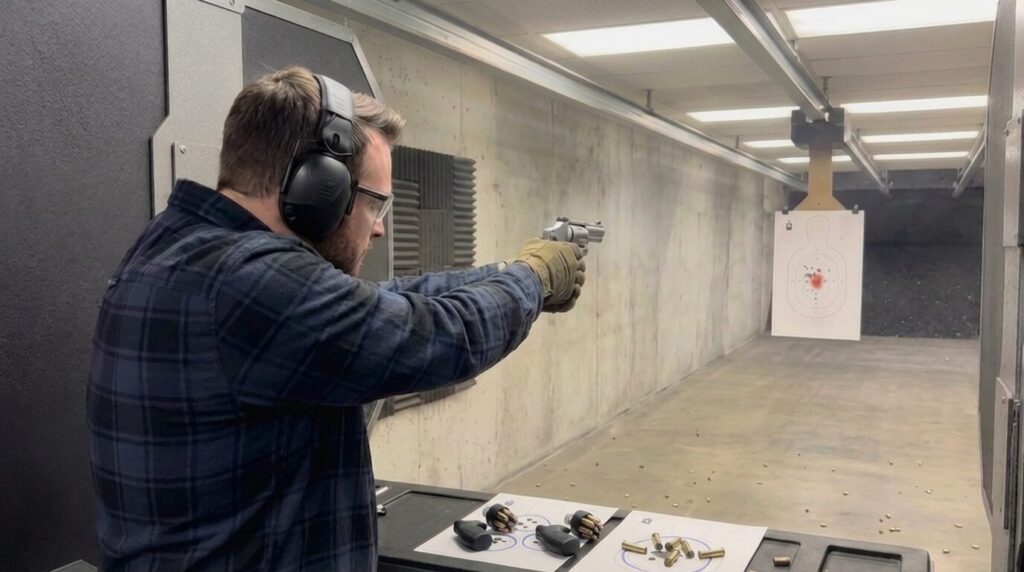
500 rounds. Zero malfunctions. Zero. I know that sounds boring, but that is the entire sales pitch of a revolver. No failures to feed, no failures to eject, no light primer strikes. The cylinder rotated, the hammer fell, the bullet went where it was supposed to. Every single time. That is a 10/10 and I am not even sure what else to say about it.
Accuracy
At 7 yards (the realistic self-defense distance for this gun), I was keeping groups inside a 4-inch circle shooting double-action. That is with the heavy trigger and the vestigial sights. Slow, deliberate fire shrank that to about 2.5 inches with Federal American Eagle. At 15 yards, groups opened up to 6-8 inches, which is still center-mass on a silhouette but nothing to brag about.
The +P defensive loads were slightly harder to group because the increased recoil amplifies any trigger flinch. The Speer Gold Dot Short Barrel 135gr was the most accurate defensive load, which tracks with its purpose-built design for snubbies.
Recoil Reality Check
Standard .38 Special (130gr FMJ) is manageable. Not pleasant, but manageable. You can run through 50-100 rounds in a session without your hand hating you. The +P loads are a different story. Speer Gold Dot 135gr +P through a 14.4-ounce gun is genuinely harsh. After 20 rounds of +P, I was ready to take a break. After 50, I was done for the day.
This is not a range toy. Practice with standard pressure ammo, carry +P defensive rounds, and do not plan on running 200 rounds of hot stuff in one session unless you enjoy pain.
Performance Testing Results
Reliability: 10/10
Perfect function across all 500 rounds with six different loads ranging from cheap FMJ to premium +P hollow points. The revolver action is mechanically simpler than any semi-auto, and it shows. No break-in period for reliability, just instant, boringly perfect function from round one.
Accuracy: 6/10
1.875-inch barrel and crude sights limit you to practical accuracy at defensive distances only. Groups of 3-4 inches at 7 yards with the DAO trigger are realistic for most shooters. The gun is more accurate than its sights let you exploit. An XS Big Dot front sight would probably bump this to a 7.
Ergonomics and Recoil: 7/10
Gun disappears in a pocket. That is a huge ergonomic win for its intended purpose. But the trigger pull and +P recoil dock points for shootability. Standard .38 is tolerable. +P is punishing in a gun this light. Aftermarket grips help considerably.
Fit, Finish and QC: 8/10
Clean matte silver finish with no tool marks, machining flaws, or cosmetic issues on our sample. Cylinder lockup was tight. Timing was correct on all five chambers. The synthetic grip had clean seams. This is a mature product and it shows in the fit and finish.
Known Issues and Common Problems
The Internal Lock (Historical)
Older 642 models (SKU 163810) shipped with Smith and Wesson’s internal lock system (ILS). There are documented cases of this lock self-activating under recoil, locking the gun mid-firing. Was it common? No. Was it terrifying that it happened at all? Absolutely. S&W now ships the 642 (SKU 103810) without the lock. If you are buying used, look for the no-lock version or budget for having a locksmith remove it.
Heavy Trigger
This is not a defect, it is a design feature. But at 11-12 pounds, it causes trigger flinch in many shooters, especially under stress. The Apex Tactical J-Frame spring kit is the most popular fix and it works. Dry-fire practice helps too. A lot.
Cylinder Endshake
High round counts with +P ammo can develop cylinder endshake over time. The aluminum frame is softer than steel. This is a long-term concern (thousands of rounds), not something you will see in the first year. Practice with standard pressure ammo to extend the gun’s service life.
Your Reviews: What Owners Are Saying
We dug through Reddit, gun forums, and owner communities to find what real 642 owners think after living with this gun. Here is what they are saying:
“I have carried my 642 since 1999. No magazines, no feeding issues, no jamming. It just works every single time.”
, S&W Forum member, 25+ years of carry
“The trigger has always been very heavy, notchy, and grainy. The pull is so long you wiggle before detonation.”
, SmithAndWessonForums.com
“I have carried a 642 in my pocket every day for over 4 years. With no hammer to snag, it comes out of a pocket holster with ease.”
, Defensive Carry Forum
“Every press of the trigger makes the gun jump. This is not a fun gun to shoot. But it is a great gun to carry.”
, The Truth About Guns review
“Brand-new out of the box mine measured 11.78 pounds on a trigger gauge. After 500 rounds it smoothed out significantly.”
, Reddit r/revolvers
“After practice she was grouping five rounds into 3-inch groups at 7 yards. More accurate than people give it credit for.”
, SmithAndWessonForums.com
Parts, Accessories and Upgrades
| Upgrade Category | Recommended | Why It Matters | Cost |
|---|---|---|---|
| Grips | Hogue Bantam Rubber | Better recoil control, still pocket-friendly | $20-25 |
| Spring Kit | Apex Tactical J-Frame Kit | Drops trigger pull 2-3 lbs, smooths action | $25 |
| Front Sight | XS Sights Big Dot Tritium | Actually usable sight picture in low light | $60 |
| Laser | Crimson Trace LG-405 | Instinctive activation, proven J-frame laser | $200-250 |
| Speedloader | Safariland Comp I | Push-release, faster than HKS twist-type | $15 |
| Speed Strips | Bianchi Speed Strips | Flat, pocketable spare ammo carrier | $10 |
| Pocket Holster | DeSantis Nemesis | The standard. Sticky exterior, breaks up outline. | $25 |
| IWB Holster | Vedder LightTuck | Best IWB option if you prefer belt carry | $65 |
Compare prices on the 642 and other pocket revolvers using our price comparison tool, or check the gun deals page for current discounts. For more revolver options, see our best revolvers for concealed carry roundup.
The Verdict
Smith and Wesson 642 Airweight is not the most capable defensive handgun you can buy in 2026. Five rounds of .38 Special with vestigial sights and a trigger that could double as a hand exerciser. On paper, a Sig P365 or Shield Plus buries it in every measurable category.
But here is what the spec sheet will not tell you: the 642 gets carried. Every day. In gym shorts, in dress pants, in a jacket pocket while walking the dog. It is so light and so small that the mental friction of “do I really want to strap on a gun today” completely disappears. And when the gun you have is always the one in your pocket, it does not matter that something bigger shoots better at the range.
Current no-lock model fixes the one legitimate mechanical concern the platform ever had. The aftermarket is enormous. The resale value is bulletproof. And the gun itself is as reliable as gravity. If you want a carry gun that requires zero thought and zero excuses, buy a 642. You will carry it more than anything else you own.
Final Score: 7.8/10
Best For: Daily pocket carry, backup gun, women’s concealed carry, anyone who values “always on your body” over “impressive at the range.” Pairs perfectly with a pocket holster and a speed strip.
FAQ: Smith and Wesson 642 Airweight
Is the S&W 642 Airweight reliable?
Extremely reliable. The 642 is a double-action-only revolver with no magazines or feeding mechanisms to fail. We fired 500 rounds across six different loads with zero malfunctions. Revolvers are mechanically simpler than semi-autos, and the 642 exemplifies that simplicity.
What is the trigger pull weight on the S&W 642?
The 642 has a double-action-only trigger that measures approximately 11-12 pounds out of the box. It smooths out considerably after 200-300 rounds. An Apex Tactical J-Frame spring kit can reduce the pull by 2-3 pounds for about 25 dollars.
Does the current S&W 642 have an internal lock?
No. The current production model (SKU 103810) ships without the internal lock. Older models (SKU 163810) had the controversial lock, which had rare but documented cases of self-activating under recoil. Always verify the SKU when buying used.
Is the S&W 642 good for pocket carry?
The 642 is one of the best pocket carry guns ever made. At 14.6 ounces with a shrouded hammer that cannot snag on fabric, it virtually disappears in a front pocket with a holster like the DeSantis Nemesis. The compact J-frame profile is designed specifically for this purpose.
S&W 642 vs Ruger LCR: which is better?
Both are excellent. The Ruger LCR has a smoother trigger and weighs about an ounce less. The S&W 642 has a larger aftermarket for holsters, grips, and accessories, plus stronger resale value. The LCR may be slightly better out of the box, but the 642 has decades of proven carry history.
Can the S&W 642 shoot +P ammo?
Yes, the 642 is rated for continuous +P use. We recommend Federal HST Micro 130gr +P or Speer Gold Dot Short Barrel 135gr +P for defensive carry. Be aware that +P recoil in a 14.6-ounce gun is harsh, so practice with standard pressure ammo.
What are the best upgrades for the S&W 642?
The three most impactful upgrades are Hogue Bantam grips for better recoil control, an Apex Tactical spring kit to improve the trigger, and XS Sights Big Dot tritium front sight for low-light visibility. Total cost is about 105 dollars for all three.
How accurate is the S&W 642 Airweight?
At 7 yards, which is the realistic defensive distance for a snubnose revolver, we held 3-4 inch groups with double-action fire. Slow fire with standard pressure ammo tightened groups to about 2.5 inches. The gun is more accurate than its crude sights suggest.
Related: Our dedicated best snub-nose revolvers roundup goes deeper on the J-frame, K-frame, and Ruger LCR/SP101 platforms.
4,659+ Gun & Ammo Deals
Updated daily from 200+ top retailers. Filter by category, caliber, action type, and price.
Related Guides