

Last updated May 2026 · By Nick Hall, who has tracked gun pricing across 200+ retailers for over 6 years
Affiliate disclosure: USA Gun Shop is reader-supported. When you buy through links on our site, we may earn an affiliate commission at no extra cost to you.
- Treat every gun as loaded
- Point the muzzle in a safe direction
- Keep your finger off the trigger until you’re ready to shoot
- Know your target and what’s beyond
Table of Contents
Why the Same Gun Costs Different Amounts at Different Stores
If you’ve ever priced a Glock 19 at three different stores and gotten three wildly different numbers, you’re not crazy. The gun pricing system is a layered mess of manufacturer suggestions, advertising rules, distributor deals, and plain old market forces. Once you understand how the pieces fit together, though, you can spot a real bargain in about five seconds flat.
There are five main price points you’ll run into: MSRP, MAP, street price, dealer cost, and distributor pricing. Each one plays a different role in what you eventually pay at the counter or the checkout page. Most buyers only see the final number, but knowing what’s behind it gives you a serious edge.
I’ve been tracking gun prices across dozens of retailers for years now, and the patterns are incredibly consistent once you know what to look for. Let’s break it all down so you never overpay again.
MSRP: The Sticker Price Nobody Pays
Every firearm sold through ATF-licensed dealers has a manufacturer suggested retail price. Here is what that actually means and why almost nobody pays it.
MSRP stands for Manufacturer’s Suggested Retail Price. It’s the number you’ll find on the manufacturer’s website and in their catalogs. Think of it as the sticker price on a new car. It’s a starting point for negotiation, not the actual price most people pay. The key word is “suggested,” and retailers are free to sell for whatever they want.
Most popular firearms sell for 15-30% below MSRP. A gun with a $599 MSRP will typically land somewhere between $420 and $510 at street level. The gap between MSRP and street price varies by brand and demand. High-demand guns with limited supply (think new releases) often sell closer to MSRP, while models that have been around a while settle much lower.
There are exceptions. Premium brands like Nighthawk Custom and Wilson Combat actually sell at or very near MSRP because they’re hand-built in small quantities. When a shop only gets a handful of units per month and the waiting list is six months deep, there’s no reason to discount. But for your average Ruger, Smith & Wesson, or Springfield, MSRP is just the ceiling. If someone’s charging full MSRP on a mainstream gun, keep shopping.
MAP: Why Some Guns Never Seem to Go on Sale
MAP stands for Minimum Advertised Price, and it’s the reason you sometimes see “Add to Cart for Price” or “Log In for Price” on gun retailer websites. Manufacturers set a floor price that dealers are allowed to advertise. The key distinction: MAP controls what a retailer can publicly show, not necessarily what they can sell it for. Some dealers will sell below MAP if you call or visit in person, but they can’t put that lower price on their website or in a flyer.
Sig Sauer and Glock are two of the most well-known MAP enforcers. If you’ve noticed that Glock prices look suspiciously similar across every online retailer, that’s MAP at work. Manufacturers enforce these policies to protect their brand image and keep their dealer network happy. If one big online retailer could advertise a Glock 19 for $399 while a local shop needs to charge $499 to keep the lights on, it would gut the brick-and-mortar dealer network.
Not every manufacturer enforces MAP, and the ones that do enforce it at different levels. Some brands set MAP just barely below MSRP, while others give retailers more breathing room. When you see identical prices across multiple retailers for a specific gun, you’re almost certainly looking at a MAP-enforced product. It’s not price-fixing in the illegal sense. It’s a manufacturer protecting their retail channel. Just know that when MAP is in play, the “deal” is usually a thrown-in accessory or free shipping rather than a lower sticker price.
Which Brands Enforce MAP Strictly?
Glock is the poster child for strict MAP enforcement. Try to find a Glock 19 advertised below about $499 online. You will not, because Glock will pull dealer agreements from retailers who advertise below MAP. Sig Sauer is similarly strict, especially on the P365 family. This is why you rarely see massive Sig sales despite the guns being everywhere.
On the other end, brands like Taurus, Canik, and some Turkish importers have looser MAP policies or none at all. This is why you see their prices fluctuate wildly between retailers. A Canik METE MC9 might be $379 at one store and $329 at another on the same day. No MAP means the free market sets the price, and competition drives it down.
Smith and Wesson sits in the middle. They enforce MAP on some models but not others. The M&P Shield Plus has relatively consistent pricing, but older models like the SD9 VE see huge variance. Springfield Armory runs frequent manufacturer rebates instead of allowing MAP drops, which gives them price control while making buyers feel like they are getting a deal.
Street Price: What You Actually Pay
Street price is the real-world market price. It’s what guns actually sell for when you look across multiple retailers. Street price is driven by supply, demand, competition, and time of year. It’s the number that actually matters when you’re budgeting for a purchase. Our price comparison tool tracks live street prices across 200+ retailers so you can see exactly what guns are selling for right now, not what a manufacturer wishes they’d sell for.
Street prices can swing dramatically based on external factors. After elections, prices spike on AR-15s and magazines. During panic buys, even basic 9mm ammo and entry-level pistols see crazy markups. But when supply normalizes, street prices drop back down and sometimes dip below pre-panic levels as retailers clear bloated inventory. Tracking street price over time is the single best way to know if you’re getting a good deal or getting taken for a ride.
Seasonal patterns matter too. Black Friday and the weeks leading up to Christmas consistently produce the lowest street prices of the year. Tax refund season (February through April) tends to see slightly higher prices because demand is up. If you can be patient and buy when everyone else isn’t buying, you’ll save real money.
Real MSRP vs Street Price Examples
Here is what the gap between MSRP and street price actually looks like on popular guns in 2026:
Street prices from USA Gun Shop price comparison tool, April 2026. Prices change daily.
As you can see, the savings range from 17% to 31% below MSRP. The guns with the biggest gaps are the ones where competition is fiercest and where manufacturers allow retailers to advertise lower prices. For the latest street prices on any gun, use our price comparison tool.
Dealer Cost and Distributor Pricing
Here’s how the supply chain actually works. The manufacturer (Ruger, S&W, Sig, etc.) sells to a distributor (companies like Lipsey’s, Davidson’s, Sports South, or RSR Group). The distributor then sells to the dealer (your local gun shop or online retailer). The dealer sells to you. Each step adds a markup, but the margins in the gun business are thinner than most people think.
A typical dealer might pay 20-30% below MSRP for a gun from their distributor. Their actual profit per firearm often falls in the $30-$75 range on mainstream models. That’s why local shops push accessories, ammo, range time, and training. The gun itself is practically a loss leader to get you in the door. Volume dealers like Palmetto State Armory and Brownells negotiate better distributor pricing because they move enormous quantities. That volume advantage is a big part of why their prices are consistently lower.
Some manufacturers also run “buy” programs where dealers who commit to purchasing a certain volume per quarter get access to lower pricing tiers. This is why you’ll sometimes see a smaller retailer offer a screaming deal on one specific model. They might have committed to a volume buy and need to move inventory fast to meet their targets. Those flash sales are often genuinely good deals, not marketing tricks.
Why Online Guns Are Cheaper Than Local Stores
This is probably the most common question I get, and the answer is straightforward: overhead. A local gun shop pays rent on a retail space, employs counter staff, maintains a range (maybe), pays for insurance on inventory customers handle daily, and serves a geographically limited customer base. An online retailer operates from a warehouse, ships nationally, and can spread thin margins across a massive customer base.
Volume makes a huge difference too. Palmetto State Armory moves more guns in a day than many local shops move in a month. That volume means better distributor pricing, which means lower prices for you. Online retailers also compete directly with each other in a way local shops don’t. When three online stores are one click apart, price competition is fierce. Your local shop’s competition is the other shop 20 miles away, and most people won’t drive that far to save $30.
But buying online isn’t totally free. You’ll pay shipping (usually $10-$30) and an FFL transfer fee at your local dealer to actually receive the gun ($20-$50 in most areas). Even with those added costs, online prices are typically $50-$200 cheaper than local shops on the same gun. If you’ve never bought a gun online before, check out our complete guide to buying a gun online. It’s easier than you’d think.
How to Find the Actual Lowest Price
This is what we built USA Gun Shop to do. Our price comparison tool pulls live pricing from over 200 retailers and shows you the lowest current price on any gun you search for. No more opening 15 tabs and comparing prices manually. We also run a dedicated deals page that highlights the biggest discounts and best values every single day.
Beyond our tools, here are some tactics that consistently save money. Sign up for email lists at PSA, Brownells, and EuroOptic. They all run subscriber-only sales that don’t show up on their main pages. Watch for manufacturer rebates, especially from Ruger, Springfield, and S&W, which frequently run $25-$75 mail-in rebates. And always calculate total cost: gun price plus shipping plus FFL transfer fee. A gun that’s $20 cheaper at one store but charges $30 for shipping isn’t actually a better deal.
If you’re looking for the cheapest online gun stores or trying to figure out how much guns actually cost, we’ve got detailed breakdowns on both. And if you want to know the best time to buy a gun, we’ve tracked the seasonal patterns so you don’t have to.
Gun Pricing Trends: Are Guns Getting Cheaper or More Expensive?
According to NSSF industry data, the firearms market has seen significant price normalization since the 2020-2022 surge. Here is where things stand now.
After the 2020-2021 panic buying frenzy, gun prices have largely normalized. Many models are actually cheaper now than they were pre-pandemic thanks to increased production capacity and a wave of new budget-friendly options hitting the market. The golden age of affordable firearms is arguably right now, at least for domestic models.
Election cycles still cause predictable price spikes. Every four years, AR-15s and standard-capacity magazines see a demand surge in the months before a presidential election. If you’re in the market for anything politically sensitive, buy in off-years when nobody’s panicking. The savings can be 20-40% compared to peak election-season pricing.
Import restrictions have changed the landscape for some categories. Turkish shotguns have flooded the budget market, giving you semi-auto shotguns for under $300 that simply didn’t exist a decade ago. On the flip side, Russian ammo import bans have permanently raised the floor on certain calibers like 7.62×39. Budget guns across the board are better than they’ve ever been. A $300 pistol today is genuinely more reliable and better built than a $500 pistol from 15 years ago. Competition is a beautiful thing for buyers.
Current Deals Worth Checking
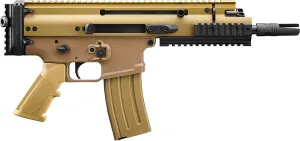
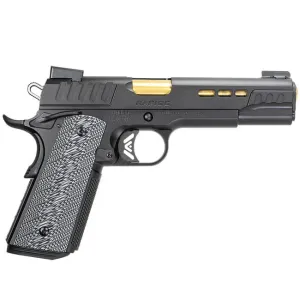
Now that you understand how gun pricing works, put that knowledge to use. Below are today’s best deals with at least 20% off, pulled live from our tracking system.
Updated: September 30, 2026 at 6:29 AM EST
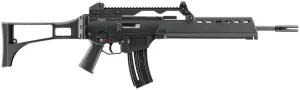
We've scoured the top firearms retailers to find today's biggest discounts. Here are the best gun deals available right now, ranked by percentage off retail price.
September 30, 2026
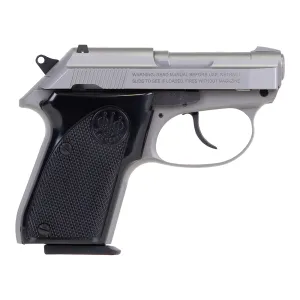
Top 8 Handgun Deals

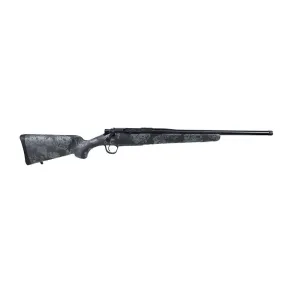
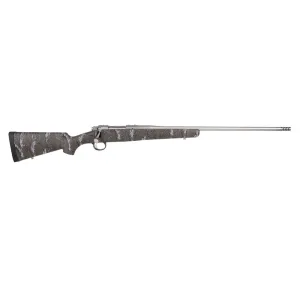
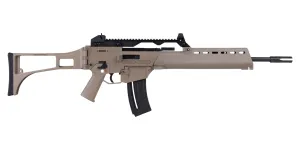
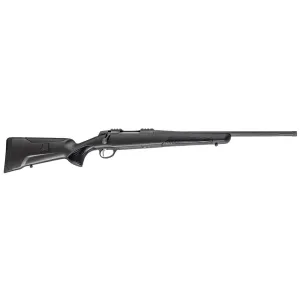
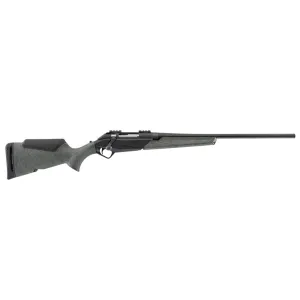
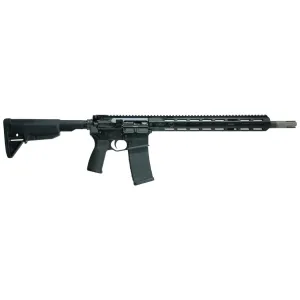
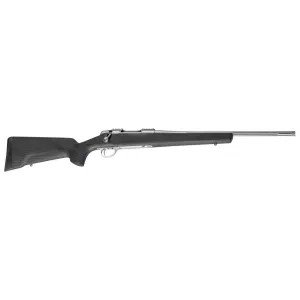
Top 8 Rifle Deals
Top 8 Shotgun Deals

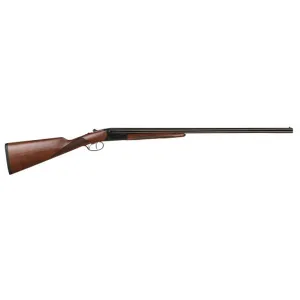

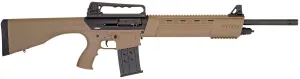
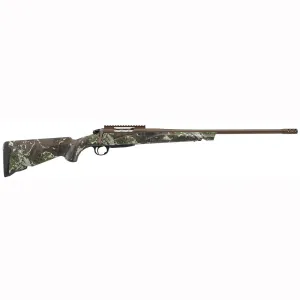
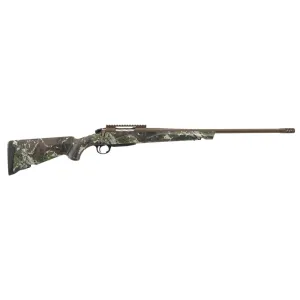
4,715+ Deals on Guns & Ammo
Browse, filter, and search thousands of deals from the top firearms retailers.
Prices and availability are subject to change. Deals are checked daily but may expire. Links may contain affiliate tracking — this helps support USA Gun Shop at no extra cost to you.
Want more? Hit our deals page for the full list. We also break out the best gun deals by category if you’re looking for something specific. Now that you know what MSRP, MAP, and street price mean, you’ll be able to instantly tell which deals are actually worth your time.
Want to put this knowledge to work? Learn about FFL transfer fees to understand the full cost of buying online, then read our guide on buying guns online cheaper for practical savings strategies. Considering the used market? Our used vs new guns comparison breaks down when buying used actually makes sense.
Gun Pricing FAQ
What is MSRP on a gun?
MSRP (Manufacturer Suggested Retail Price) is the price the manufacturer recommends retailers charge. Almost nobody actually pays MSRP. Street prices typically run 15-25% below MSRP, and online retailers often beat it by even more.
What is MAP pricing on firearms?
MAP (Minimum Advertised Price) is the lowest price a retailer is allowed to show publicly. Manufacturers enforce MAP to protect dealers from being undercut. Many online stores use Add to Cart to reveal the actual price below MAP.
Why do gun prices vary so much between stores?
Stores pay different wholesale costs based on volume, distributor relationships, and buying power. Big online retailers buy in bulk and operate with lower overhead, so they can sell cheaper. Local shops have rent, staff, and lower volume, which pushes prices up.
What is dealer cost on a gun?
Dealer cost is the wholesale price a retailer pays the distributor or manufacturer. It is typically 20-40% below MSRP depending on the brand and model. High-volume dealers negotiate better costs, which is why their retail prices are often lower.
How do I find the actual street price of a gun?
Use a price comparison tool like our Gun Price Check to see real-time prices across dozens of online retailers. Street price is what people are actually paying, not MSRP. Comparing multiple stores gives you the true market price.
What does Add to Cart price mean?
Add to Cart price means the retailer cannot display the actual selling price on the product page due to MAP restrictions. You have to add the item to your shopping cart to see the real (lower) price. This is common with popular firearms.
Do gun prices go up or down over time?
Gun prices fluctuate based on demand, politics, supply chain issues, and manufacturer production. Prices tend to spike during election years and after proposed legislation. They usually come back down once supply catches up to demand.
Is MSRP the most you should pay for a gun?
Yes, MSRP should be treated as a ceiling, not a target. If you are paying full MSRP, you are almost certainly overpaying. The only exception is limited-edition or hard-to-find models where demand exceeds supply.
4,715+ Gun & Ammo Deals
Updated daily from 200+ top retailers. Filter by category, caliber, action type, and price.
Related Guides