

For most shooters, Hoppe’s No. 9 is the best dedicated solvent and Break-Free CLP is the best all-in-one, and together they cover nearly any cleaning need. If you want one versatile product safe on wood and leather too, Ballistol is the pick, while hard-use shooters reach for Slip 2000 lubricant and M-Pro 7 for carbon. Here are the six best gun cleaning solvents, oils, and CLPs for 2026, and how to choose. New to it? See how to clean a gun.
Some of the links below are affiliate links, meaning at no additional cost to you, we may earn a commission if you click through and make a purchase.
Table of Contents
How we tested: Every pick here is ranked against our testing methodology. Minimum round counts, accuracy and reliability protocols, the failures that disqualify a gun.
Best gun cleaning chemicals at a glance
| Product | Best for | Type |
|---|---|---|
| Hoppe’s No. 9 | Cleaning | Solvent |
| Break-Free CLP | All-in-one | Cleaner, lube, protectant |
| Ballistol | Versatility | Multi-use oil |
| Slip 2000 EWL | Lubrication | Synthetic lubricant |
| Lucas Oil Extreme Duty | Protect and lube | Gun oil |
| M-Pro 7 | Carbon removal | Cleaner |
How to choose cleaning chemicals
Gun chemicals fall into three jobs: solvents that dissolve fouling, lubricants that reduce friction and wear, and protectants that prevent rust. A CLP tries to do all three in one bottle for simplicity, while dedicated products do each job better individually. The right choice depends on whether you value one-bottle simplicity or maximum performance, how hard you run your guns, and whether odor and toxicity matter for indoor cleaning. Pair your chemicals with a cleaning kit to apply them.
1. Hoppe's No. 9: Best Solvent
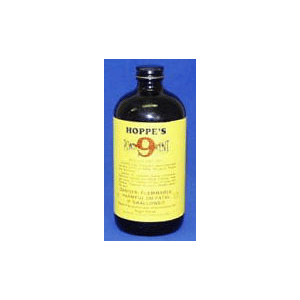
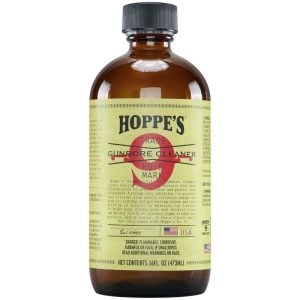
If there is one gun product everyone recognizes, it is Hoppe’s No. 9, and it remains the best dedicated bore solvent you can buy. That unmistakable smell has hung in gun rooms for over a century because the stuff works, dissolving powder, carbon, and copper fouling out of a bore better than most modern blends. For cleaning, as opposed to lubricating, it is the standard.
It is a cleaner first and foremost, so you use it to scrub fouling out and then follow with a separate oil to protect the metal. A bottle lasts a long time, it is inexpensive, and it is available everywhere, which is part of why generations of shooters have never felt the need to switch. Soak a patch or a brush, let it work, and it pulls the gunk out.
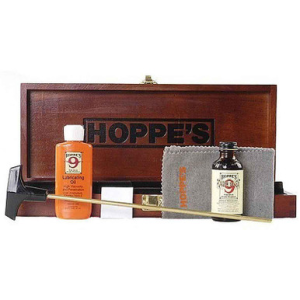
Because it is a solvent and not a lubricant, you do need an oil to finish the job, and the strong odor is not for everyone, but for raw cleaning power and proven results, Hoppe’s No. 9 is the classic for good reason. Pair it with a cleaning kit and a quality oil.
Pros
- Legendary, proven bore-cleaning power
- Dissolves carbon, powder, and copper
- Inexpensive and available everywhere
- A little goes a long way
Cons
- A cleaner only, needs a separate oil
- Strong signature odor
Best for: Anyone who wants the proven classic dedicated bore solvent.
2. Break-Free CLP: Best All-in-One CLP
When you want one bottle that does everything, Break-Free CLP is the benchmark. CLP stands for Cleaner, Lubricant, and Protectant, and Break-Free is the product that defined the category, cleaning fouling, lubricating moving parts, and leaving a corrosion-resistant film in a single application. The US military has used it for decades, which tells you it works.
The appeal is simplicity: instead of a separate cleaner, oil, and rust preventative, you carry one bottle and one routine. It is excellent for field maintenance, for a carry gun you wipe down regularly, and for anyone who wants effective protection without a complicated process. It penetrates, lifts fouling, and protects in one step.
A dedicated solvent will out-clean it on truly heavy fouling and a dedicated grease will out-lubricate it under extreme stress, but for the vast majority of cleaning and protection, one bottle of CLP covers it. For simplicity and proven all-around performance, Break-Free is the all-in-one to beat.
Pros
- Cleans, lubricates, and protects in one
- Military-proven for decades
- Simplifies the whole routine
- Great for field and carry maintenance
Cons
- Out-cleaned by dedicated solvent on heavy fouling
- Out-lubricated by grease under extreme stress
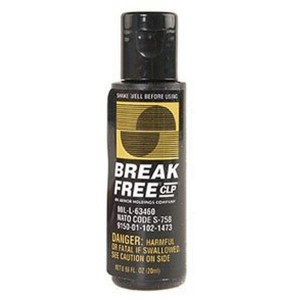
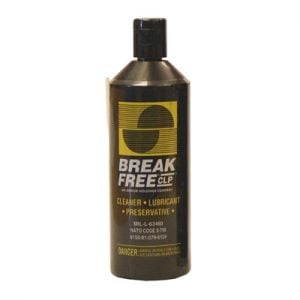
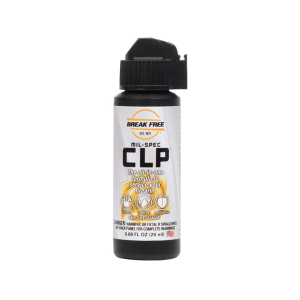
Best for: Shooters who want one simple bottle that does everything.
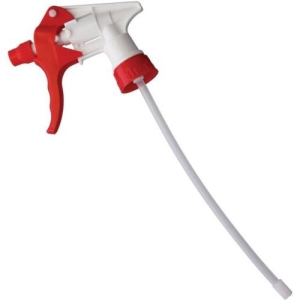
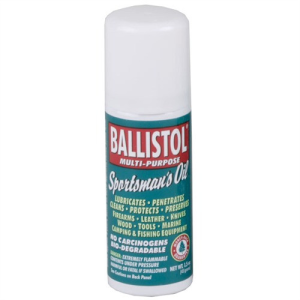
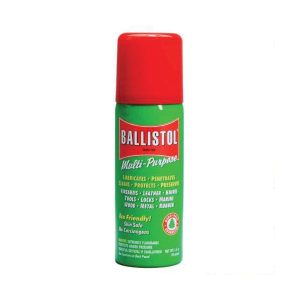
3. Ballistol: Best Versatile
Ballistol is the do-anything, nearly non-toxic wonder oil that shooters keep finding new uses for. Originally developed for the German military, it cleans, lubricates, and protects metal, and it is also safe on wood stocks, leather slings and holsters, and even skin, which almost no other gun product can claim. It is biodegradable and far less harsh than typical solvents.
That versatility is the point: one can handles your metal, your wood furniture, and your leather, and the mild, biodegradable formula makes it pleasant to use indoors without choking on fumes. It is especially loved by owners of older guns with wood and leather, and by anyone who wants a gentler, multi-purpose product.
It is not the most aggressive copper solvent for a hard-fouled match barrel, and the smell, while milder, is distinctive, but as a versatile clean-lube-protect product safe on every part of a traditional gun, Ballistol is hard to beat. It is the can that earns a permanent spot on the bench.
Pros
- Cleans, lubricates, and protects
- Safe on wood, leather, and skin
- Biodegradable and low-toxicity
- One product for the whole gun
Cons
- Not the most aggressive copper solvent
- Distinctive smell
Best for: Owners of traditional wood-and-leather guns and anyone wanting a gentle multi-use product.
4. Slip 2000 EWL: Best Lubricant
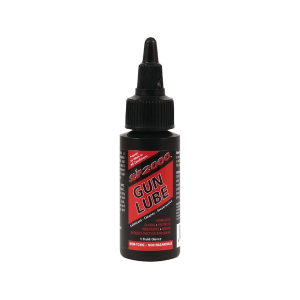
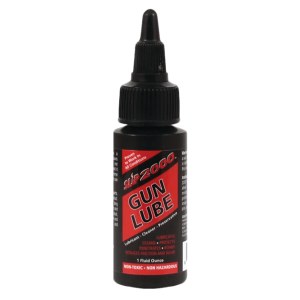
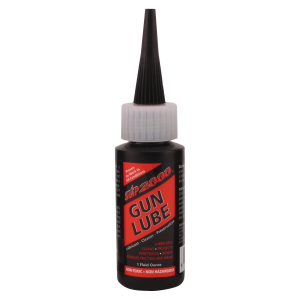
When the job is lubrication, the Slip 2000 EWL, or Extreme Weapons Lubricant, is a favorite among hard-use shooters. It is a synthetic, non-toxic lubricant engineered to stay put under heat and friction, reduce carbon buildup so the gun runs cleaner longer, and keep working when a thin oil would burn off. For a hard-running AR or a high-round-count pistol, it shines.
Unlike a CLP that splits its effort three ways, a dedicated lubricant like EWL focuses on reducing friction and wear where it matters, and shooters report guns running smoother and fouling less with it. It clings to rails and bolts under sustained fire, which is exactly when cheap oil fails. The non-toxic formula is a bonus for indoor use.
It is a lubricant rather than a heavy-duty bore solvent, so you still want a cleaner for fouling, but as the oil that keeps your action running under stress, the EWL is excellent. Pair it with a dedicated solvent for a clean-then-lube routine on hard-used guns.
Pros
- Synthetic lube that stays put under heat
- Reduces carbon buildup for cleaner running
- Excellent for hard-use ARs and pistols
- Non-toxic formula
Cons
- A lubricant, not a heavy bore solvent
- Still need a cleaner for fouling
Best for: Hard-use shooters who want a lubricant that survives sustained fire.
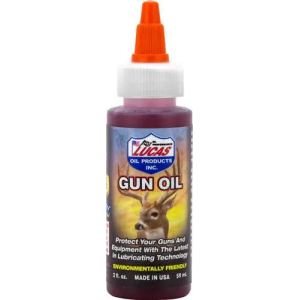
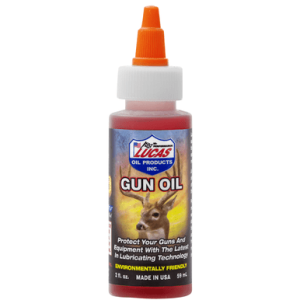
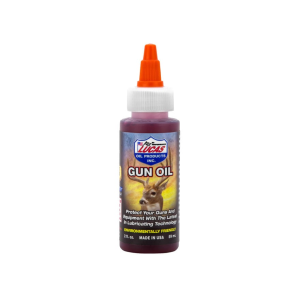
5. Lucas Oil Extreme Duty Gun Oil: Best Gun Oil
Lucas Oil built its name on lubricants, and the Extreme Duty Gun Oil brings that expertise to firearms. It is a high-quality oil formulated to cling to metal, resist slinging off under recoil, and protect against wear and corrosion across a wide temperature range, which makes it a dependable choice for lubricating and protecting just about any gun.
It applies cleanly, a little goes a long way, and it holds up in cold and heat where lesser oils thin out or gum up. For a shooter who wants a straightforward, trusted oil to lubricate the action and protect the metal after cleaning, it does exactly that without fuss, from a precision dropper bottle or an aerosol.
Like any oil it is for lubrication and protection rather than heavy bore cleaning, so it follows a solvent rather than replacing it, but as a reliable, widely available gun oil from a lubrication specialist, the Lucas Extreme Duty is a solid, no-drama pick for the protect-and-lube step.
Pros
- Clings to metal, resists slinging off
- Protects across a wide temperature range
- From a trusted lubrication specialist
- Clean application, a little goes far
Cons
- Lubricant and protectant, not a solvent
- Follows cleaning rather than replacing it
Best for: Shooters who want a dependable dedicated oil for the lube-and-protect step.
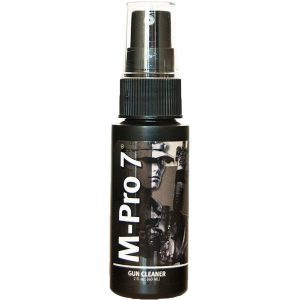
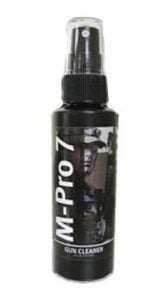
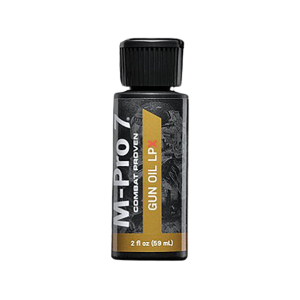
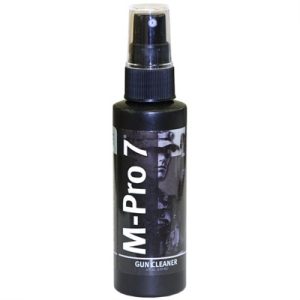
6. M-Pro 7 Gun Cleaner: Best Carbon Remover
M-Pro 7 is the modern, low-odor cleaner that excels at lifting baked-on carbon, the fouling that builds up hardest on hard-run guns and suppressed setups. Its water-based, non-toxic formula breaks down carbon without the harsh fumes of traditional solvents, so you can clean indoors comfortably, and it is gentle on finishes while being tough on the gunk.
Shooters who run guns hot, especially ARs and suppressed hosts that cake on carbon, reach for M-Pro 7 because it dissolves that fouling where a general solvent struggles. It rinses and wipes clean, does not stink up the room, and the non-toxic formula makes cleanup easy. As a dedicated carbon cleaner, it is among the best.
It is a cleaner, so you still finish with an oil to protect and lubricate, and for heavy copper fouling a dedicated copper solvent does more, but for cutting carbon with low odor and low toxicity, M-Pro 7 is excellent. It pairs well with a good oil for a modern, comfortable cleaning routine.
Pros
- Cuts baked-on carbon exceptionally well
- Low-odor, water-based, non-toxic
- Gentle on finishes, easy cleanup
- Great for ARs and suppressed guns
Cons
- A cleaner, still need an oil
- Less aggressive on heavy copper fouling
Best for: Hard-use and suppressed shooters fighting baked-on carbon.
Gun chemicals buyer’s guide
Solvent vs lubricant vs protectant
These are three different jobs. A solvent dissolves and lifts fouling out of the bore and action during cleaning. A lubricant reduces friction between moving parts so the gun cycles smoothly and wears less. A protectant leaves a film that prevents rust and corrosion during storage. A traditional routine uses a solvent to clean, then an oil to lubricate and protect. Understanding which job you need keeps you from, say, lubricating with a solvent that offers no protection.
What CLP means
CLP stands for Cleaner, Lubricant, and Protectant, a single product that does all three jobs at once. The appeal is simplicity: one bottle, one step, ideal for field maintenance and carry guns. The trade is that a CLP is a compromise, out-cleaned by a dedicated solvent on heavy fouling and out-lubricated by a dedicated grease under extreme stress. For most casual cleaning, a good CLP like Break-Free is genuinely all you need.
Carbon vs copper fouling
Two kinds of fouling build up in a bore. Carbon, from burnt powder, is the common black residue that most solvents and CLPs handle, and modern cleaners like M-Pro 7 excel at it. Copper, deposited by jacketed bullets, is more stubborn and may need a dedicated copper solvent for a precision rifle chasing accuracy. For most shooting, a general solvent handles carbon fine; copper removal matters most to the accuracy crowd.
Oil vs grease
Lubricants come as thin oils and thicker greases. Oil flows into tight spaces, is easy to apply, and suits most lubrication points and cold weather. Grease stays put under high stress and heat and is favored on slide rails and high-friction surfaces of hard-used guns. Many shooters use oil for general lubrication and a dab of grease on the highest-wear points. Match the viscosity to the part and the conditions.
Odor, toxicity, and indoor cleaning
Traditional solvents are effective but harsh-smelling and not something you want to breathe in a closed room. Modern water-based and biodegradable products like M-Pro 7 and Ballistol clean effectively with far less odor and lower toxicity, which matters if you clean indoors, around family, or simply dislike the fumes. If ventilation is limited, a low-odor non-toxic product makes the whole routine more pleasant.
How I evaluated these chemicals
I weighed these on how well each does its actual job: cleaning power on carbon and copper for the solvents, staying power and friction reduction for the lubricants, corrosion protection for storage, the convenience of an all-in-one versus the performance of a dedicated product, and odor and toxicity for indoor use. Value counted too, since a little of most goes a long way. The best choice depends on whether you want one simple bottle or a dedicated clean-then-lube routine, and how hard you run your guns.
Mistakes to avoid with gun chemicals
- Lubricating with a solvent. A solvent cleans but does not protect or lubricate. Always follow a dedicated solvent with an oil or CLP.
- Over-oiling. Too much oil attracts grit and can cause issues, especially in cold. A thin film on the right points is the goal, not a dripping gun.
- Ignoring copper fouling. If a precision rifle loses accuracy, carbon cleaner alone may not be enough. Use a dedicated copper solvent periodically.
- Cleaning harsh solvents indoors with no air. Traditional solvents need ventilation. Use a low-odor non-toxic product or open a window.
- Using the wrong product on wood or leather. Harsh solvents can damage stocks and slings. Use a safe multi-purpose product like Ballistol on those parts.
Bottom Line
For a classic clean-then-lube routine, pair Hoppe’s No. 9 solvent with a quality oil like Lucas Oil Extreme Duty. Want one simple bottle? Break-Free CLP cleans, lubricates, and protects in a single step. Ballistol is the versatile, low-toxicity pick safe on wood and leather, Slip 2000 EWL is the lubricant for hard-use guns, and M-Pro 7 is the carbon-cutting cleaner for ARs and suppressed setups. Match the product to the job, apply it with a good cleaning kit or bore snake over a cleaning mat, and follow our guide on how to clean a gun.
Last updated June 5th 2026
What does CLP stand for?
CLP stands for Cleaner, Lubricant, and Protectant, a single product that cleans fouling, lubricates moving parts, and leaves a corrosion-resistant film all in one application. It simplifies cleaning to one bottle and one step, which is ideal for field and carry maintenance. The trade-off is that dedicated products clean and lubricate better individually for heavy-duty needs.
What is the difference between solvent and lubricant?
A solvent dissolves and lifts fouling, carbon, and copper out of the bore and action during cleaning. A lubricant reduces friction between moving parts so the gun cycles smoothly and wears less, and most also protect against rust. A traditional routine uses solvent to clean first, then oil to lubricate and protect. They do different jobs and a solvent does not lubricate.
Is CLP good enough, or do I need separate products?
For most casual cleaning, a quality CLP like Break-Free is genuinely all you need, cleaning, lubricating, and protecting in one simple step. If you run guns hard, shoot suppressed, or chase precision accuracy, dedicated products, a strong solvent for heavy fouling and a dedicated lubricant or grease for high stress, perform better. Match the approach to how demanding your shooting is.
What is the best solvent for removing carbon?
Modern water-based cleaners like M-Pro 7 excel at breaking down baked-on carbon with low odor, and classic Hoppe's No. 9 also handles carbon well. For the heavy carbon that builds up on hard-run ARs and suppressed guns, a dedicated carbon cleaner makes the job much easier than a general-purpose CLP. Follow any cleaner with an oil to protect and lubricate.
Can you over-oil a gun?
Yes. Too much oil attracts dust and grit, can migrate onto ammunition, and may gum up or run in cold weather. The goal is a thin film on the correct lubrication points, not a dripping gun. Apply oil sparingly to the rails, bolt, and friction points the manual specifies, then wipe off the excess. A little goes a long way.
Is Ballistol safe on wood and leather?
Yes, which is a big part of its appeal. Ballistol is a low-toxicity, biodegradable product safe on metal, wood stocks, leather slings and holsters, and even skin, unlike harsh solvents that can damage wood and leather. It makes a great single product for traditional guns with wood furniture, though it is not the most aggressive copper solvent for a match barrel.
How do you remove copper fouling?
Copper fouling, left by jacketed bullets, is more stubborn than carbon and often needs a dedicated copper solvent, which you let dwell in the bore and then patch out, sometimes repeating until the patches come clean. General solvents and CLPs handle carbon but may not fully remove heavy copper. Copper removal matters most for precision rifles where it affects accuracy.
Do you need oil after using a solvent?
Yes. A solvent cleans the fouling but leaves the metal bare and unprotected, so you must follow it with a lubricant and protectant, either a gun oil or a CLP, to lubricate the action and prevent rust. Skipping this step leaves your gun prone to corrosion. Clean with solvent, wipe dry, then apply a light film of oil.
4,021+ Gun & Ammo Deals
Updated daily from 200+ top retailers. Filter by category, caliber, action type, and price.
Related Guides