

Last updated June 13th 2026
Some of the links below are affiliate links, meaning at no additional cost to you, we may earn a commission if you click through and make a purchase.
- Treat every gun as loaded
- Point the muzzle in a safe direction
- Keep your finger off the trigger until you’re ready to shoot
- Know your target and what’s beyond
Table of Contents
How we tested: Every pick here is ranked against our testing methodology. Minimum round counts, accuracy and reliability protocols, the failures that disqualify a gun.
Quick Verdict: Walther PDP vs Glock 19
If you want the better stock trigger, more aggressive ergonomics and a feature-rich modern striker pistol straight from the box, the Walther PDP is the standout. If you want the most proven, most supported and most affordable striker pistol with the deepest aftermarket and a track record measured in decades, the Glock 19 is the safer, more practical pick. The PDP arguably wins on shooting feel and out-of-the-box features, while the Glock 19 wins on ecosystem, reliability reputation, resale and value. Both are excellent carry and duty guns; the choice comes down to trigger and feel versus proven support.
Specs Comparison: Walther PDP vs Glock 19
| Metric | Walther PDP Compact | Glock 19 |
|---|---|---|
| Caliber | 9mm | 9mm |
| Capacity | 15+1 | 15+1 |
| Barrel length | ~4.0 in | ~4.0 in |
| Weight (loaded) | ~30 oz | ~30 oz |
| Trigger | Performance Duty Trigger | Safe Action (flat on Gen 6) |
| Optics ready | Yes, standard | MOS / Gen 6 ORS |
| Slide serrations | Aggressive SuperTerrain | Standard (front on Gen 6) |
| Typical price | $550 to $700 | $450 to $650 |
Pros
- Excellent Performance Duty Trigger out of the box
- Aggressive, grippy ergonomics and texture
- Optics-ready as standard
- Raised SuperTerrain slide serrations grip easily
- Comfortable, controllable shooter
Cons
- Smaller aftermarket than Glock
- Higher price than a base Glock 19
- Fewer holsters and accessories
- Shorter track record than the Glock
Pros
- Decades-proven reliability and durability
- The deepest aftermarket and holster selection of any pistol
- Affordable and easy to find
- Excellent resale and availability
- Latest Gen 6 adds optics cut, flat trigger and front serrations
- Simple, consistent manual of arms
Cons
- Stock trigger is good but not PDP-crisp
- Grip texture and feel are less aggressive than the PDP
- Less exciting out-of-the-box feature set
Two Modern Striker Pistols
This is a comparison between two polymer striker-fired 9mm pistols built for the same jobs: carry, duty and home defense. On paper they are remarkably close, with the same caliber, the same 15+1 capacity, similar size and similar weight. Both are optics-ready, both are reliable, and both make excellent everyday guns, so the differences live in the details rather than the broad strokes.
The Glock 19 is the established king, the gun every striker pistol is measured against, while the Walther PDP is the modern challenger built specifically to beat it on trigger and ergonomics. Understanding the comparison means understanding that the PDP is trying to out-feel and out-feature the Glock, while the Glock counters with an unmatched track record and ecosystem. That framing explains every practical difference below.
Background: Established King vs Modern Challenger
The Glock 19 arrived in 1988 as the compact version of the Glock 17 and grew into arguably the most popular handgun in the world, carried by police, militaries and civilians everywhere. Its reputation for running reliably with little maintenance, combined with a massive aftermarket, made it the default striker pistol for decades, and the current Gen 6 keeps it modern.
The Walther PDP launched in 2021 as Walther’s serious bid for the duty and carry market, building on the well-regarded PPQ with a new trigger, optics-ready slides and aggressive ergonomics. Walther has a long pedigree in fine pistols, and the PDP represents its focused effort to give shooters a gun that feels better than a Glock while matching it on capacity and reliability. It is the newcomer with something to prove.
Trigger
This is the PDP’s headline advantage. Its Performance Duty Trigger is widely praised as one of the best stock striker triggers available, with a clean break, short travel and a crisp reset that many shooters prefer immediately over a stock Glock. Out of the box, the PDP simply gives you a better trigger, and that translates into easier accurate shooting for many people.
The Glock 19 trigger is good, consistent and reliable, and the new Gen 6 flat-faced trigger is the best factory Glock trigger yet, narrowing the gap. But stock for stock, the PDP leads on trigger feel. The counterpoint is that the Glock’s enormous aftermarket means a cheap trigger upgrade can transform it, so a Glock owner willing to spend a little can close the gap, while the PDP gives it to you for free.
Ergonomics and Grip
The PDP is built around feel. Its grip texture is aggressive and secure, the beavertail lets you ride the gun high, and the overall ergonomics are designed to lock the pistol into your hand for control. Many shooters find the PDP points naturally and feels planted, and Walther offers different grip sizes and the F-Series for smaller hands to dial in the fit.
The Glock 19’s ergonomics are more neutral and familiar, with the well-known Glock grip angle and the Gen 5 and Gen 6 grip texture and interchangeable backstraps. Plenty of shooters love how a Glock feels and adapt to the grip angle instantly, while others prefer the PDP’s more aggressive hold. Grip feel is personal, so handling both is the only way to know, but the PDP is the more deliberately ergonomic of the two.
Slide Serrations and Manipulation
The PDP’s SuperTerrain slide serrations are raised rather than cut into the slide, giving an unusually positive grip for racking and press-checks even with wet or gloved hands, which is a genuinely useful and distinctive feature. Combined with the aggressive frame texture, the PDP is easy to manipulate under stress.
The Glock 19 uses conventional cut serrations, and the Gen 6 adds front serrations for easier press-checks, which earlier generations lacked. They work fine and most shooters never think about them, but the PDP’s raised serrations are objectively easier to grip. This is a small but real point in the PDP’s favor for hands-on manipulation.
Capacity
Capacity is a tie at the standard level, with both holding 15+1 rounds of 9mm in their compact form, and both accepting larger magazines for more capacity. Neither has an advantage here, which is part of why this comparison comes down to feel and ecosystem rather than numbers.
Both also scale up: the PDP comes in full-size versions with higher capacity, and the Glock 19 accepts 17-round Glock 17 magazines and larger sticks. So whichever you choose, you can run more rounds when you want to, and the 15+1 baseline is identical. Magazine capacity simply is not a deciding factor between these two.
Size and Concealment
The two are very close in size, both being compact-class 9mm pistols with roughly 4-inch barrels that conceal well for most carriers while remaining shootable. Neither has a meaningful concealment edge in their comparable forms, and both ride comfortably inside the waistband in a good holster.
The Glock 19 has a slight advantage in that its exact dimensions are the reference point the entire holster industry designs around, so it disappears into any setup. The PDP conceals just as well physically, but you have a smaller pool of holsters to choose from. For pure concealability the two are equals; the difference is in how many ways you can carry each.
Optics Ready
Red dots are now standard equipment, and both guns are built for them. The PDP is optics-ready as standard across the lineup, using a plate system to mount popular dots, which makes setting up a red dot straightforward right from purchase. For a shooter who wants a dot, the PDP makes it easy and expected.
The Glock 19 covers this with its MOS optics-ready models and the new Gen 6 Optic Ready System, which mounts a dot cleanly at the correct height. So both are fully optics-capable, and the playing field is level, though you should buy the optics-ready version of the Glock specifically, whereas the PDP comes that way. Either supports the modern red-dot setup well.
Reliability
The Glock 19 has the longer and more documented reliability record, with a worldwide reputation for running dirty, wet and neglected through enormous round counts, which is exactly why agencies and militaries trust it. When the priority is a proven, no-excuses reliable pistol, the Glock’s track record is unmatched and reassuring.
The PDP has earned a solid reliability reputation since its 2021 launch and is built to duty standards, and most shooters find it dependable. It simply has not had the decades of hard global use that have cemented the Glock’s reputation. Both are reliable guns you can trust, but if you weigh proven longevity heavily, the Glock 19 has the edge by virtue of its long, hard-tested history.
Recoil and Shootability
Both are mild, controllable 9mm pistols, but the PDP’s aggressive ergonomics and excellent trigger give it a slight edge in how easy it is to shoot well. The secure grip and clean trigger help many shooters print tighter groups and run faster strings, and the PDP is frequently praised as one of the more shootable duty pistols out of the box.
The Glock 19 is also very shootable, with mild recoil and a familiar feel, and it dominates practical shooting and duty use precisely because it is so controllable. A skilled shooter will run either gun fast and accurately. The PDP’s advantage is mostly in the trigger and grip making good shooting come a little easier, which is a real but modest edge rather than a night-and-day difference.
Accuracy
Both are accurate enough for any practical defensive or duty purpose, and at typical distances a good shooter will see no meaningful difference on target. The PDP’s superior stock trigger can make it easier to wring out precise shots, since a clean trigger is the biggest factor in practical accuracy, so deliberate slow-fire may favor the PDP slightly.
The Glock 19 is plenty accurate and any gap shrinks to nothing with a trigger upgrade or simple practice. Mechanical accuracy between two quality 9mm compacts like these is close, and shooter skill matters far more than the gun. In short, both are accurate tools, with the PDP offering a small head start thanks to its trigger.
Aftermarket and Holsters
This is the Glock 19’s biggest advantage. It has the deepest aftermarket of any handgun on earth, with holsters, sights, triggers, barrels, slides, magazines and parts available everywhere at every price, often without a gunsmith. If you like to customize, or you simply want endless cheap holster options, nothing matches the Glock ecosystem.
The PDP’s aftermarket has grown steadily and now covers the essentials like holsters, sights, optics plates and magazines, but it is far smaller and pricier than the Glock’s. You will find what you need for a PDP, just with less choice and at higher cost. For a shooter who values a vast, affordable accessory ecosystem, the Glock 19 wins this category decisively.
Price and Value
The Glock 19 is generally cheaper, especially on the used market, and that lower price buys a complete, reliable, duty-grade pistol that needs no upgrades to trust. Combined with its strong resale value and easy availability, the Glock 19 is the value leader and a low-risk purchase whether new or used.
The PDP costs a bit more than a base Glock 19, though you are paying for that excellent trigger and optics-ready slide as standard, which softens the difference since a Glock owner might spend on a trigger and optics cut anyway. Still, for pure dollars-in, the Glock is the more affordable entry, while the PDP asks a small premium for its out-of-the-box feature set.
Duty and Home Defense Use
Both are genuine duty-grade pistols suitable for police, home defense and serious carry, with the capacity, reliability and optics support those roles demand. The Glock 19 is the more common duty choice simply because of its track record and the support infrastructure agencies rely on, from holsters to armorer parts.
The PDP is fully capable in these roles and is gaining adoption, offering its trigger and ergonomics as advantages for shooters who run it hard. For an individual buyer either is an excellent duty or home-defense gun; the Glock’s edge is institutional support and proven longevity, while the PDP offers a better shooting experience for those who prioritize that.
Variants and Family
Both come in useful families. The PDP is offered in compact and full-size frames, with the F-Series tailored for smaller hands, the PDP Pro with a longer slide and threaded barrel, and various slide lengths, so you can match the gun to your hand and role. This flexibility is a real strength of the modern PDP line.
The Glock 19 sits in the broader Glock family, sharing magazines and parts with the full-size Glock 17 and the subcompact Glock 26, and is available in Gen 5 and the latest Gen 6, plus MOS optics-ready versions. That family commonality lets you build a matched set of Glocks on shared magazines, which is a practical advantage the PDP cannot fully match.
Common Myths
Myth: the PDP is unproven and risky. It has a solid reliability record since 2021 and is built to duty standards, just with less history than the Glock. Myth: the Glock trigger cannot compete. Stock, the PDP leads, but a cheap Glock trigger upgrade closes most of the gap. Myth: they are basically the same gun. They are similar on paper but feel quite different in the hand. Myth: you must pick the popular one. Buy the one that fits your hand and budget; both are excellent.
Sights and Night Sights
Both ship with usable iron sights, and both are easy to upgrade, but the details differ. The PDP commonly comes with quality three-dot or fiber sights depending on the configuration, and because it is optics-ready as standard, pairing it with a red dot is the expected path. The combination of good factory irons and a ready optics cut makes the PDP simple to set up the way most modern shooters want.
The Glock 19’s factory sights are basic and the first thing many owners replace, usually with steel night sights, and the huge aftermarket means those upgrades are cheap and plentiful. Night-sight and optic options are deeper for the Glock simply because of its market size. So both end up well-sighted, with the PDP slightly ahead from the box and the Glock offering more and cheaper upgrade choices.
The F-Series and Hand Fit
Walther deserves credit for the PDP F-Series, a version engineered specifically for smaller hands with a reduced grip circumference, shorter trigger reach and an easier-to-rack slide. For shooters whose hands are not well served by standard duty pistols, the F-Series is a genuine advantage and shows Walther’s focus on fitting the gun to the shooter rather than the reverse.
The Glock 19 addresses hand fit with interchangeable backstraps on the Gen 5 and Gen 6, which adjust the grip somewhat but do not shrink the reach as dramatically as the dedicated F-Series. For shooters with small hands or short fingers, the PDP F-Series is often the more comfortable fit, while those with average or larger hands will be at home on either gun.
Maintenance and Field Stripping
Both strip without tools and are simple to maintain, asking only for basic cleaning and lubrication to keep running. The Glock requires a trigger press to disassemble, which demands strict clearing discipline, while the PDP uses a takedown process some shooters prefer. Day to day, neither is fussy, and both tolerate the normal neglect of a carry gun better than older designs.
Parts and armorer support again favor the Glock, whose simplicity and ubiquity mean replacement parts and knowledgeable gunsmiths are everywhere. The PDP is also easy to service, with growing parts availability, but the Glock’s ecosystem makes long-term upkeep marginally easier and cheaper. For most owners, both are low-maintenance guns that simply work with minimal attention.
Resale and Long-Term Value
The Glock 19 holds its value exceptionally well thanks to enormous, steady demand and a huge used market, so it is easy to buy, sell or trade at predictable prices, making it a low-risk purchase. That liquidity is a real, if unglamorous, advantage of choosing the most popular pistol in the world.
The PDP holds value reasonably well on the strength of its quality and growing reputation, but its smaller market means a slightly thinner used scene and a bit more variability when selling. Neither will leave you stranded, but for pure resale certainty the Glock leads. Factor in that a Glock buyer might spend on a trigger and optics cut, and the long-term value gap between the two narrows.
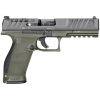
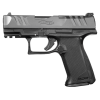
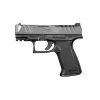
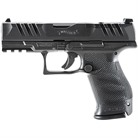
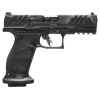
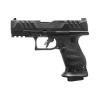
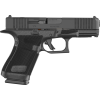
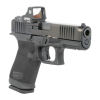
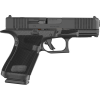
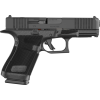
Walther PDP Live Prices
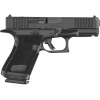
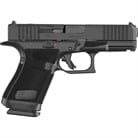
Glock 19 Live Prices

Which Should You Buy?
Buy the Walther PDP if you want the better stock trigger, more aggressive ergonomics and an optics-ready feature set out of the box, and you do not mind a smaller aftermarket and a slightly higher price. Buy the Glock 19 if you want the most proven, most supported and most affordable striker pistol, the deepest holster and parts ecosystem, and strong resale. The honest take: the PDP is the better-feeling gun out of the box, while the Glock 19 is the safer, more flexible long-term platform, and both will serve you well for carry or duty.
How I Compared These
This comparison is based on hands-on experience with both pistols, their published specifications, and the practical realities of carrying, shooting and supporting each. I weighed trigger feel, ergonomics, reliability record, optics support, price and aftermarket depth against how these guns actually perform for carry and duty, and I checked live pricing across the retailers we track. The aim is an honest, use-case-based recommendation rather than brand loyalty, because both are genuinely excellent and the right pick depends on what you value most.
Bottom Line
The Walther PDP and Glock 19 are two of the best striker-fired 9mm pistols you can buy, and you would be well armed with either. The PDP wins on stock trigger, ergonomics and out-of-the-box features, making it the better-shooting gun for many people. The Glock 19 wins on proven reliability, the deepest aftermarket, lower price and resale, making it the safer, more flexible long-term choice. Decide whether you value feel and features or ecosystem and track record, and the right pistol is clear.
Frequently Asked Questions
Is the Walther PDP better than the Glock 19?
It depends on what you value. The PDP has a better stock trigger, more aggressive ergonomics and an optics-ready slide as standard, so many shooters find it the better-shooting gun out of the box. The Glock 19 has a longer proven track record, a far deeper aftermarket, a lower price and stronger resale. Both are excellent.
Does the Walther PDP have a better trigger than the Glock 19?
Out of the box, yes. The PDP Performance Duty Trigger is widely considered one of the best stock striker triggers, with a clean break and crisp reset. The Glock 19 trigger is good and the Gen 6 flat trigger improves it, but a stock Glock still trails the PDP unless you add an aftermarket trigger.
Are the PDP and Glock 19 the same size and capacity?
Very close. The compact PDP and the Glock 19 are both compact-class 9mm pistols with roughly 4-inch barrels, similar weight and 15+1 capacity. They conceal and carry similarly, so size and capacity are not deciding factors between them.
Which has more holster and accessory options?
The Glock 19, by a wide margin. It has the deepest aftermarket of any handgun, with holsters, sights, triggers and parts available everywhere at every price. The PDP aftermarket has grown and covers the essentials, but it is smaller and more expensive.
Is the Walther PDP reliable enough for carry and duty?
Yes. The PDP has earned a solid reliability reputation since its 2021 launch and is built to duty standards. It simply has less history than the Glock 19, whose decades of hard global use give it the more proven record. Test any carry gun with your defensive ammo first.
3,979+ Gun & Ammo Deals
Updated daily from 200+ top retailers. Filter by category, caliber, action type, and price.
Related Guides