

Last updated March 5th 2026
Some of the links below are affiliate links, meaning at no additional cost to you, we may earn a commission if you click through and make a purchase.
- Treat every gun as loaded
- Point the muzzle in a safe direction
- Keep your finger off the trigger until you’re ready to shoot
- Know your target and what’s beyond
What Is an FFL Transfer Fee?
So you found a killer deal on a gun online. Maybe it is $100 cheaper than anything your local shop has on the shelf. You add to cart, check out, and then reality hits: that gun can not ship to your front door. Federal law requires all firearm transfers to go through a licensed dealer, also known as a Federal Firearms Licensee. That is where the FFL transfer fee comes in.
Here is how it works. You buy the gun online, the retailer ships it to a local FFL dealer of your choosing, and that dealer handles the paperwork and runs your NICS background check. For this service, they charge a transfer fee. Think of it as the toll you pay for the privilege of buying guns on the internet. And honestly? It is almost always worth it.
The problem is these fees vary wildly. I have seen FFLs charge as little as $15 and others ask $75 or more for the exact same process. Your state, your city, and your specific dealer all play a role. That is why I put together the full state-by-state breakdown below.
Average FFL Transfer Fees by State
| State | Average FFL Fee | Notes |
|---|---|---|
| Alabama | $20 – $35 | |
| Alaska | $25 – $50 | Remote areas may charge more |
| Arizona | $20 – $35 | |
| Arkansas | $20 – $30 | |
| California | $35 – $75 | + mandatory $37.19 DROS fee on top |
| Colorado | $25 – $40 | |
| Connecticut | $30 – $50 | |
| Delaware | $25 – $40 | |
| Florida | $20 – $35 | |
| Georgia | $20 – $30 | |
| Hawaii | $25 – $50 | Registration fees may apply |
| Idaho | $20 – $30 | |
| Illinois | $25 – $50 | FOID card required |
| Indiana | $20 – $30 | |
| Iowa | $20 – $35 | |
| Kansas | $20 – $30 | |
| Kentucky | $15 – $30 | Often the cheapest in the country |
| Louisiana | $20 – $35 | |
| Maine | $25 – $40 | |
| Maryland | $30 – $50 | |
| Massachusetts | $30 – $50 | |
| Michigan | $25 – $40 | |
| Minnesota | $25 – $40 | |
| Mississippi | $20 – $30 | |
| Missouri | $20 – $30 | |
| Montana | $20 – $35 | |
| Nebraska | $20 – $35 | |
| Nevada | $25 – $40 | |
| New Hampshire | $20 – $35 | |
| New Jersey | $35 – $75 | State permits add cost and time |
| New Mexico | $20 – $35 | |
| New York | $30 – $75 | Varies widely by county |
| North Carolina | $20 – $35 | |
| North Dakota | $20 – $30 | |
| Ohio | $20 – $35 | |
| Oklahoma | $20 – $30 | |
| Oregon | $25 – $40 | |
| Pennsylvania | $25 – $40 | |
| Rhode Island | $25 – $40 | |
| South Carolina | $20 – $30 | |
| South Dakota | $20 – $30 | |
| Tennessee | $20 – $35 | |
| Texas | $20 – $35 | |
| Utah | $20 – $35 | |
| Vermont | $25 – $40 | |
| Virginia | $25 – $40 | |
| Washington | $25 – $50 | Extra fees for semi-auto rifles |
| West Virginia | $20 – $30 | |
| Wisconsin | $25 – $40 | |
| Wyoming | $20 – $30 |
Important: These are approximate averages based on commonly reported fees. Your local FFL may charge more or less. Always call ahead and confirm the fee before shipping a firearm.
Why Do FFL Transfer Fees Vary So Much?
Location is the biggest factor. A home-based FFL in rural Alabama has almost no overhead, so charging $20 still puts money in his pocket. A storefront dealer in downtown San Francisco is paying rent that would make your eyes water. That cost gets passed straight to you. Urban areas almost always mean higher fees, and there is not much you can do about it besides driving to the suburbs.
Business model matters too. Some FFLs make their money selling inventory off the shelf, so the transfer fee is basically a courtesy. They will charge $20 and not think twice. But a home-based FFL who does nothing but transfers? That fee is their entire revenue stream. They might charge $40 or $50 because that is how they keep the lights on. Neither approach is wrong. It just changes your cost.
Competition drives fees down. In areas with a dozen FFLs within 20 miles, nobody can get away with charging $75 because the guy down the road does it for $25. Places with fewer options give dealers more pricing power. Big box stores like Bass Pro and Cabela’s do free or low-cost transfers on guns purchased through their own inventory, which keeps smaller shops honest on pricing.
How to Find the Cheapest FFL Near You
Start with a simple Google search: “[your city] FFL transfer fee.” You will probably find a handful of dealers within driving distance. Call at least three. Prices can vary by $30 or more in the same zip code, so spending five minutes on the phone can literally save you enough to buy an extra box of ammo. GunBroker also has a built-in FFL finder that lets you search by location and see fees upfront.
Ask at your local range. Lots of shooting ranges have an FFL on site, and regulars usually know who charges what in the area. The gun community is pretty good about sharing this kind of info. You can also check forums and local Facebook groups where people post their recent transfer experiences.
Here is a pro tip: home-based FFLs are often the cheapest option. These are guys running a small operation out of their house, doing transfers for $15 to $20 because their overhead is next to nothing. They might not have a fancy showroom, but your 4473 gets filled out the same way. Just make sure they are actually licensed and set up an appointment before you have a gun shipped to them.
States with Extra Fees and Requirements
California is the big one. On top of whatever your FFL charges for the transfer, you are paying a mandatory $37.19 DROS (Dealer Record of Sale) fee to the state. So even if you find a dealer who charges $35 for the transfer, your real cost is over $72 before you even count sales tax. And then you get to wait 10 days to pick up your gun. Living the dream out there.
New York is a mixed bag depending on where you live. Some counties tack on extra permit requirements, especially for handguns, and those come with their own fees. New Jersey requires purchase permits for handguns and a Firearms Purchaser ID card, both of which add cost and processing time. Illinois requires a FOID card just to possess a firearm, and some FFLs charge extra to verify it during the transfer process.
Washington state added extra requirements for semi-automatic rifle purchases, including additional background check steps and a mandatory waiting period. That sometimes means an extra fee from the dealer. The pattern here is simple: states with more regulations tend to have higher total transfer costs. If you live in one of these states, factor in all the extras when you are calculating whether that online deal is actually a deal. Check our state gun law pages for the latest requirements in your area.
How to Factor FFL Fees Into Your Gun Purchase
The math is pretty simple. Your total cost is the gun price plus shipping plus FFL transfer fee plus any applicable tax. Most online retailers charge $15 to $30 for shipping, and transfer fees average $25 to $35 in most states. So you are looking at roughly $40 to $65 in extra costs on top of the gun price. That sounds like a lot until you compare it to what the same gun costs at a local store.
Let me give you a real-world example. Say you find a Smith and Wesson M&P Shield Plus online for $449. Add $20 for shipping and $25 for the FFL transfer. That is $494 out the door. Your local gun shop has the same gun for $549. You just saved $55 by buying online, even after all the extra fees. That is a couple boxes of quality defensive ammo. Or a decent holster. The savings add up.
Use our price comparison tool to check current prices across dozens of retailers. It takes 10 seconds and can save you hundreds. I use it myself before every purchase because prices swing constantly in this market. And if you are looking for the cheapest online gun stores, we have a full breakdown of who consistently offers the lowest prices.
Do Any Retailers Offer Free Transfers?
Sort of. Bass Pro Shops and Cabela’s will waive the transfer fee when you buy a gun from their own inventory and have it shipped to one of their stores. That is a solid perk if you have a location nearby. Some smaller chains run similar programs. But understand that “free transfer” usually means free transfer on their guns, not on firearms you bought somewhere else. Nobody is doing charity work here.
Major online retailers like Palmetto State Armory, Brownells, and Guns.com will ship to any FFL you choose, but the transfer fee is between you and your dealer. Some retailers have partnered with FFL networks to offer reduced transfer fees at participating locations. It is worth checking if your preferred FFL is on any of those partner lists. Even $5 or $10 off the transfer fee adds up if you buy a few guns a year. For the best current gun deals, check our daily updated page.
Current Gun Deals (Even After Transfer Fees, These Are Steals)
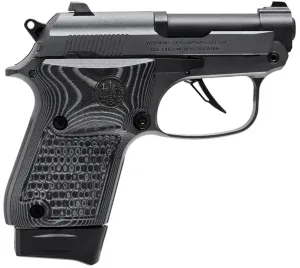
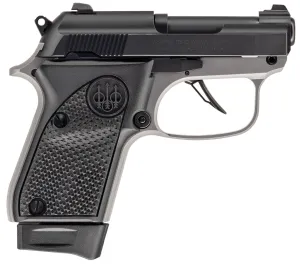
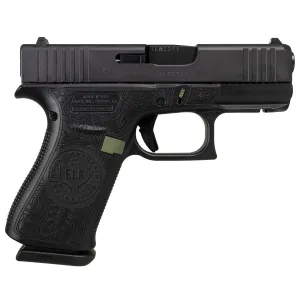
These deals are so good that even after you add shipping and a transfer fee, you are still coming out way ahead of retail. We update these daily, so bookmark this page and check back often. Or just head over to our full gun deals page for everything we have got.
Updated: April 1, 2026 at 12:09 AM EST
We've scoured the top firearms retailers to find today's biggest discounts. Here are the best gun deals available right now, ranked by percentage off retail price.
April 1, 2026
Top 8 Handgun Deals
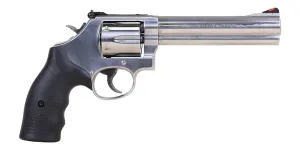

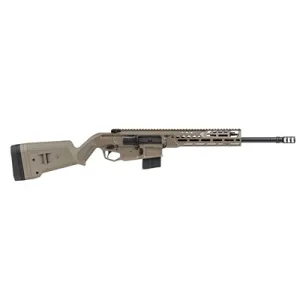
Top 8 Rifle Deals
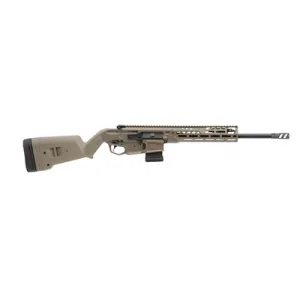
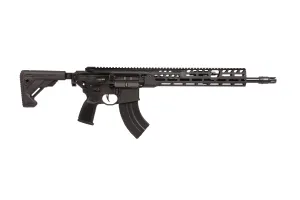


Top 8 Shotgun Deals



14,522+ Deals on Guns & Ammo
Browse, filter, and search thousands of deals from the top firearms retailers.
Prices and availability are subject to change. Deals are checked daily but may expire. Links may contain affiliate tracking — this helps support USA Gun Shop at no extra cost to you.
Now that you understand transfer fees, learn the full process in our how to buy a gun online guide. Want to offset those fees with bigger savings? Read how to buy guns online cheaper and find the right retailer on our best online gun stores list. For a deeper dive into why prices vary so much, check our how gun pricing works explainer.
FFL Transfer Fees FAQ
What is an FFL transfer fee?
An FFL transfer fee is the charge a licensed firearms dealer collects to process the paperwork and run a NICS background check when you buy a gun online and have it shipped to their shop. Fees typically range from $15 to $75 depending on the dealer and state.
What is the average FFL transfer fee?
The national average FFL transfer fee is roughly $25 to $35. Southern and rural states tend to be cheaper ($15 to $30), while states like California, New York, and New Jersey can run $50 to $75 or more due to extra state requirements.
How do I find the cheapest FFL near me?
Google your city plus FFL transfer fee, check GunBroker's FFL finder tool, or ask at your local shooting range. Home-based FFLs often charge the least, sometimes as low as $15 to $20. Always call ahead to confirm fees before shipping a firearm.
Can you avoid FFL transfer fees?
You cannot legally avoid the FFL transfer process when buying a gun online, as federal law requires it. However, you can minimize costs by shopping around for low-fee FFLs, buying from retailers like Bass Pro that offer free transfers to their own stores, or purchasing in person to skip the transfer entirely.
Do all gun stores charge transfer fees?
Most gun stores charge a transfer fee for firearms purchased elsewhere and shipped to them. Fees vary by store. Some big box retailers waive the fee on their own inventory shipped to their stores. A few dealers offer free transfers as a customer incentive, but this is uncommon.
Why are California FFL transfer fees so high?
California adds a mandatory $37.19 DROS (Dealer Record of Sale) fee on top of whatever the FFL charges for the transfer. So even a dealer charging $35 means you pay over $72 total. Add sales tax and the 10-day waiting period and California is consistently the most expensive state for transfers.
How do I find an FFL near me?
Use GunBroker's FFL finder, search Google for FFL transfer near your city, or check the ATF's FFL lookup tool. Local shooting ranges and gun forums are also great resources. Call multiple dealers and compare fees before choosing one.
Are FFL transfer fees negotiable?
Sometimes. Small or home-based FFLs may offer discounts if you do multiple transfers or become a regular customer. Some dealers offer reduced fees for military, law enforcement, or first responders. It never hurts to ask, especially if you plan to buy several guns a year.
Author

14,522+ Gun & Ammo Deals
Updated daily from 10+ top retailers. Filter by category, caliber, action type, and price.