
- Treat every gun as loaded
- Point the muzzle in a safe direction
- Keep your finger off the trigger until you’re ready to shoot
- Know your target and what’s beyond
Night vision and thermal optics open up an entirely different world of shooting. Whether you’re running hogs at night, doing surveillance, or just want to see what’s bumping around your property after dark, the technology has gotten dramatically better and more affordable over the past few years. Digital NV, Gen 3 tubes, and thermal are all competitive options depending on your use case and budget.
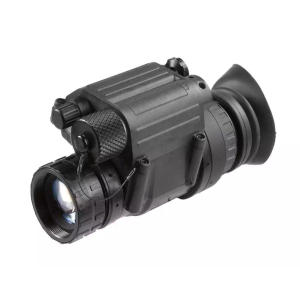
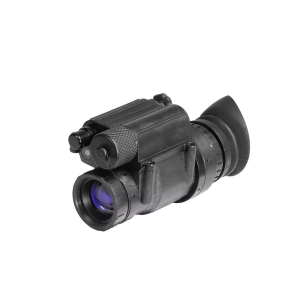
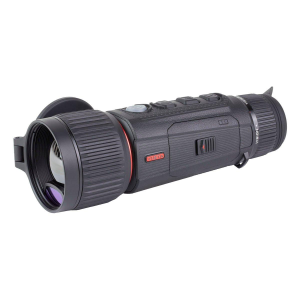
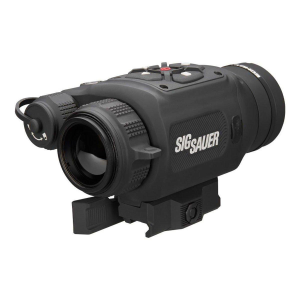
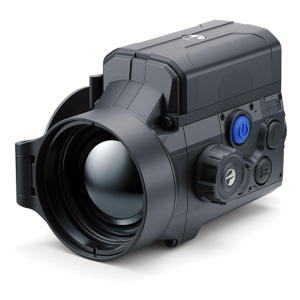
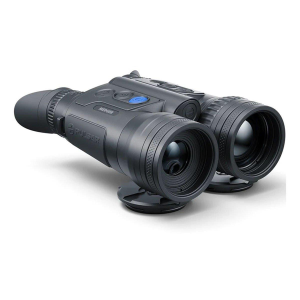
We compare night vision and thermal products from 200+ retailers. Browse NV goggles, monoculars, thermal scopes, thermal monoculars, clip-on devices, and rangefinders. Filter by brand, price, and type.
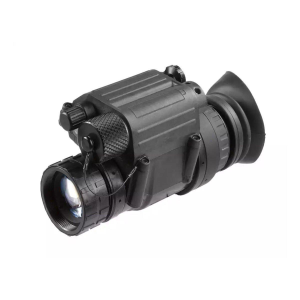
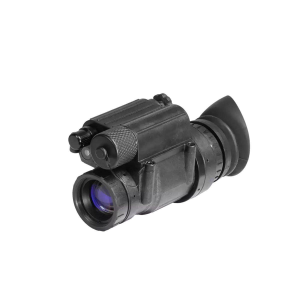
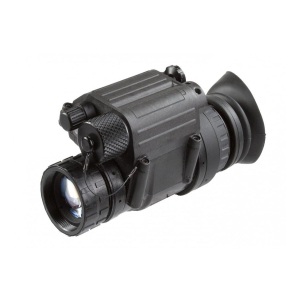
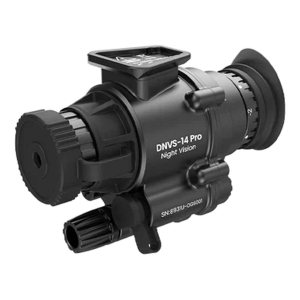
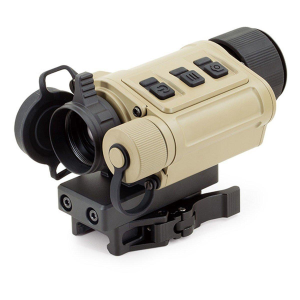
InfiRay Outdoor Rico Micro V2 640 Multifunction Thermal Monocular
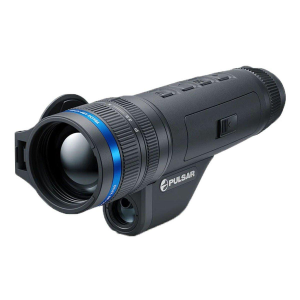
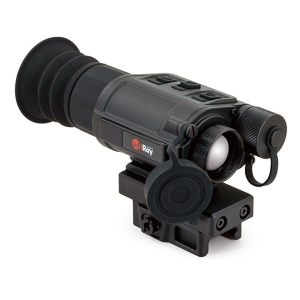
InfiRay Outdoor Rico Micro V2 384 Multifunction Thermal Monocular
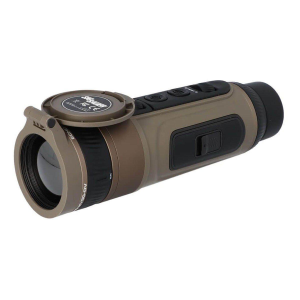
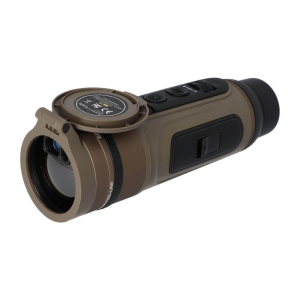
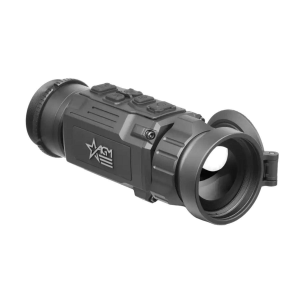
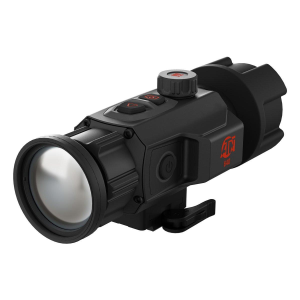
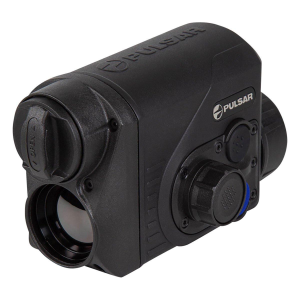
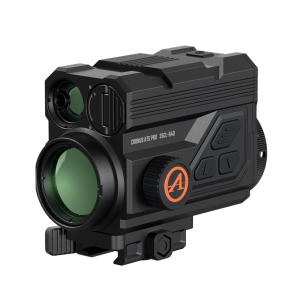
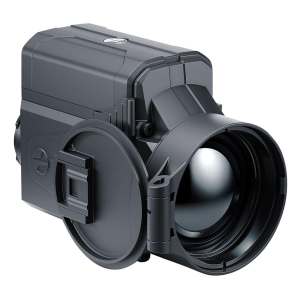
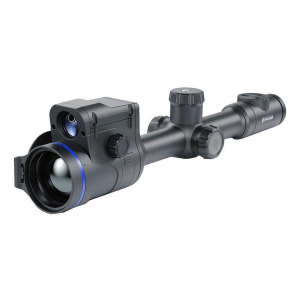
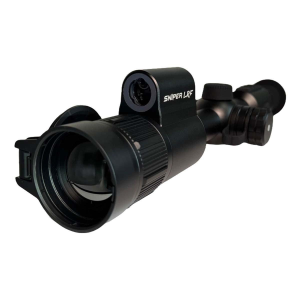
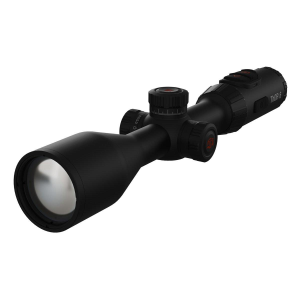
Predator Thermal Optics Sniper LRF 50 - 640 Thermal Scope
FAQ: Night Vision & Thermal
What is the difference between night vision and thermal?
Night vision amplifies existing light (moonlight, starlight) to create a visible image, usually in green or white phosphor. Thermal detects heat signatures and works in complete darkness, through smoke, and in fog. Night vision gives better image detail and depth perception. Thermal is better for detection and works in zero-light conditions.
Is digital night vision worth it?
For the budget-conscious, yes. Digital NV (like ATN and Sionyx) costs a fraction of analog Gen 3 tubes and offers recording capability. Image quality is lower than Gen 3 especially in very low light, but for casual use, hog hunting, and property surveillance, digital NV is a solid entry point.
What is a good entry-level thermal scope?
The AGM Rattler and Pulsar Thermion series offer quality thermal imaging starting around $1,500 to $2,500. For clip-on thermal, the IRay RICO Mk1 and Pulsar Krypton are popular mid-range options that mount in front of your existing scope.
How far can a rangefinder reach?
Budget rangefinders ($100 to $200) reliably range to 600-800 yards on reflective targets. Mid-range units ($200 to $400) like the SIG Kilo and Vortex Ranger reach 1,000 to 1,500 yards. High-end rangefinders ($500+) can reach 2,000+ yards. Actual range depends heavily on target size, reflectivity, and conditions.
6,308+ Gun & Ammo Deals
Updated daily from 200+ top retailers. Filter by category, caliber, action type, and price.