
Last updated and checked October 29, 2026 · By Nick Hall
- Treat every gun as loaded
- Point the muzzle in a safe direction
- Keep your finger off the trigger until you’re ready to shoot
- Know your target and what’s beyond
Reloading turns your empty brass into the next box of ammo, and done right it builds better ammo than you can buy for most rifles. It’s also the one corner of shooting where a careless mistake can wreck a gun, so the gear and the habits matter. This page covers the equipment. It doesn’t publish load data, and neither should anyone who isn’t the powder or bullet maker.
We compare reloading equipment from 200+ retailers: presses, dies, scales and powder dispensers, case prep tools, tumblers, calipers and manuals. Filter by type, brand and price. Below the finder, I’ve laid out how the three press types differ, what a starter bench costs at maker prices, where to get official load data, and how SAAMI says to store powder and primers.

 -34%
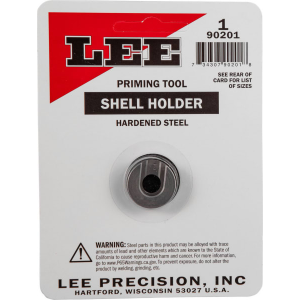
Lee Precision Shell Holder #15 Reloading Accessory, 25 ACP, Steel, For Auto Prime/Priming Tools.
 -19%
Lee X-Press Shellholder 1 for Lee APP Reloading Press
 -19%
Lee X-Press Shellholder 2 for Lee APP Reloading Press
 -19%
Lee X-Press Shellholder 3 for Lee APP Reloading Press
 -19%
Lee X-Press Shellholder 4 for Lee APP Reloading Press
 -19%
Lee X-Press Shellholder 5 for Lee APP Reloading Press
 -19%
Lee X-Press Shellholder 6 for Lee APP Reloading Press
 -19%
Lee X-Press Shellholder 7 for Lee APP Reloading Press
 -19%
Lee X-Press Shellholder 11 for Lee APP Reloading Press
 -19%
Lee X-Press Shellholder 12 for Lee APP Reloading Press
 -19%
Lee X-Press Shellholder 14 for Lee APP Reloading Press
 -19%
Lee X-Press Shellholder 19 for Lee APP Reloading Press
 -19%
Lee X-Press Shellholder 21 for Lee APP Reloading Press
 -55%
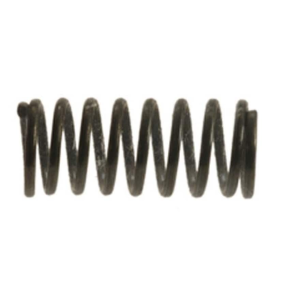
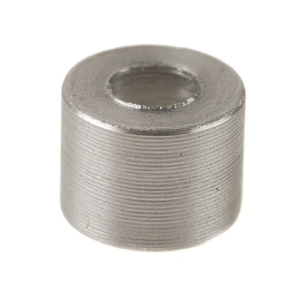
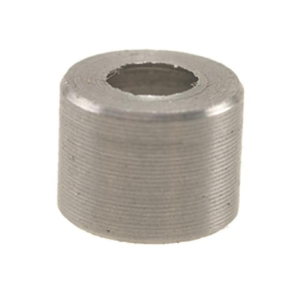
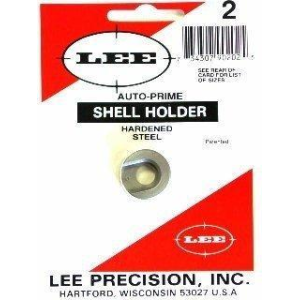
Lee Precision 90202 Auto Prime Shell Holder #2 Priming Tool
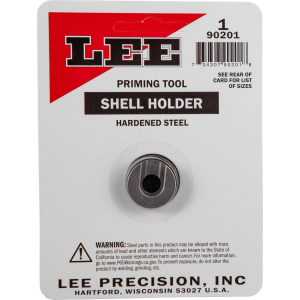
Lee Precision #7 Priming Tool Shell Holder, Reloading Accessory, 30 Carbine/32 ACP, Fits Lee Hand Primers
Table of Contents
Single Stage, Turret or Progressive?
| Press type | How it works | Example and maker price |
|---|---|---|
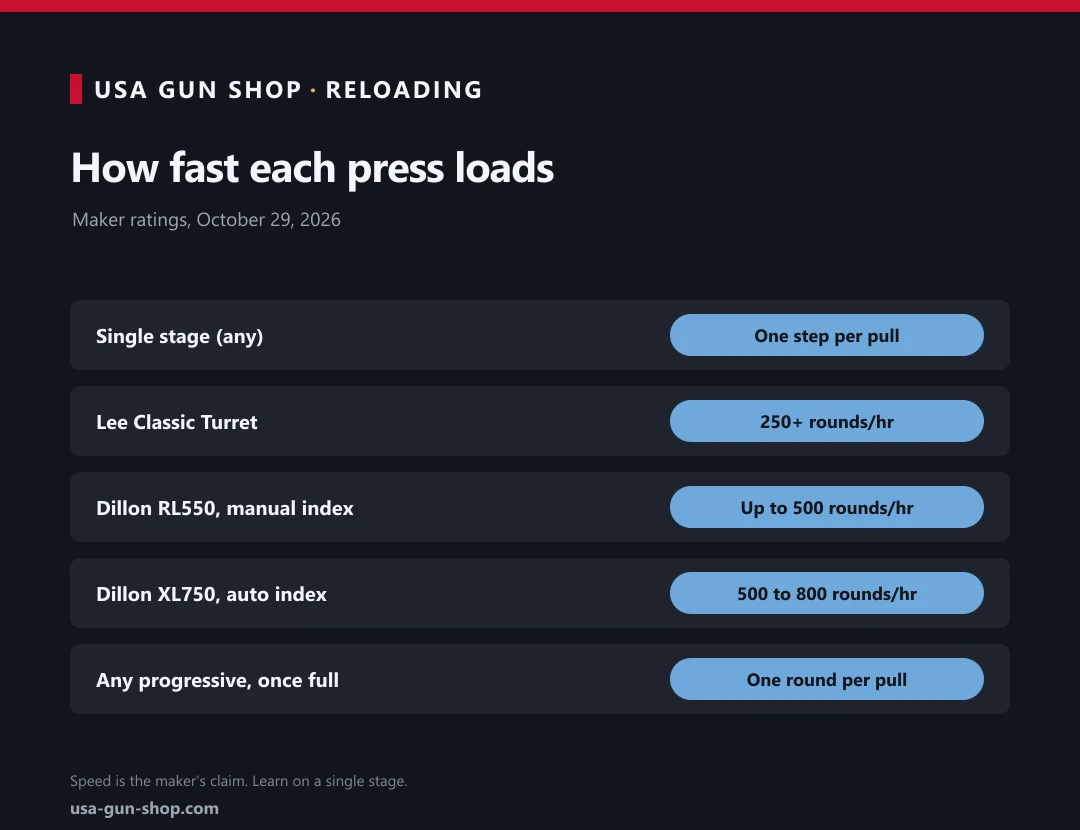
| Single stage | One die, one step per pull | Lee Challenger III, $120; RCBS Rock Chucker Supreme, $259.99 |
| Turret | Several dies on a rotating head | Lee Classic Turret, rated 250+ rounds per hour |
| Progressive, manual index | Several cases at once; you advance the shellplate | Dillon RL550, $675, up to 500 rounds per hour |
| Progressive, auto index | Advances itself; a round drops each pull once full | Dillon XL750, $850, 500 to 800 rounds per hour |
A single stage press does one operation per pull of the handle, so you size a whole batch, then change dies and seat the whole batch. It’s slow, and that’s the point when you’re learning: you see every step. Hornady puts it plainly: a single stage “is perfect for both beginners and those who want complete control over the entire process.” It’s also what precision rifle shooters keep on the bench forever.
A turret press holds three or four dies on a head that rotates, so you don’t swap dies between steps. Lee rates its Classic Turret at 250+ rounds per hour, and its 4-hole turret makes caliber changes quick. A progressive press works on several cases at once and drops a finished round with each pull once it’s full. Dillon’s RL550 has a manually indexed shellplate; the XL750 indexes itself. Our best reloading presses guide ranks them.
What a Starter Bench Costs
A kit is the cheapest way in. Lee’s Challenger Kit is $259 and includes the press and the basic tools, and Lee’s 9mm Classic Turret kit is $345 with the dies for that cartridge. RCBS’s Rock Chucker Supreme Master Reloading Kit is $514.99. Add dies for each cartridge: a Lee 9mm 3-die set is $49, the Breech Lock version is $59, and the 4-die set is $88. Then calipers: Frankford Arsenal’s electronic caliper is $40.99.
After that, the expensive extras are speed and convenience: an electronic powder dispenser like RCBS’s ChargeMaster Link ($299.99) or ChargeMaster Supreme ($439.99), and a tumbler. Our best reloading kits guide compares the full kits, and is reloading worth it? runs the math on whether you’ll save money.
Dies: What the Set Does
A die set does the actual work. The sizing die squeezes the fired case back to spec and pushes out the spent primer. An expander opens the case mouth for the bullet, and the seating die sets the bullet to length. A fourth die, most commonly a factory crimp die, adds a final crimp, and on pistol rounds it’s worth having. Carbide pistol dies let you size straight-wall cases without lube. Breech Lock and similar quick-change bushings let you leave each die set adjusted and swap it in seconds. More in our best reloading dies guide.
Scales and Powder Dispensers
You can’t reload safely without a scale you trust. Every charge comes from the data, and a scale is how you confirm the measure is throwing it. A beam scale needs no batteries and doesn’t drift. A digital scale is faster but needs warm-up and check weights. An electronic dispenser weighs and trickles each charge for you, which is where most precision rifle loaders end up. Whatever you use, check it against a known weight at the start of every session.
Calipers and Measuring
Calipers are how you check overall length, case length and the setup of every die, so buy a decent pair on day one. Frankford Arsenal’s electronic caliper is $40.99 and its stainless dial caliper is $49.99 from the maker. A dial caliper never needs a battery and doesn’t drift when the battery runs low, which is why a lot of loaders keep one even after they buy a digital pair. Zero them before every session and measure the same way every time, because a few thousandths of inconsistent technique hides real variation in your ammo.
For rifle loading, add a bullet comparator insert so you measure to the ogive instead of the tip. Bullet tips vary, and the ogive is where the bullet meets the rifling, so it’s the number that matters for consistency.
Priming: On the Press or by Hand
Most presses can seat primers as the ram comes down, and every progressive does it automatically. A separate hand priming tool gives you more feel, so you can tell when a primer is seated flush and when a pocket is loose and that case should be retired. Whichever you use, seat primers fully, flush with or just below the case head. A high primer can cause a slam fire or a misfire, and it’s the most common mistake on a new loader’s first batch.
Keep only the primers you’re using on the bench, and put the rest back in their factory trays and the box before you walk away.
Precision or Volume?
Decide what you’re reloading for before you buy, because it changes the whole bench. If you shoot a lot of 9mm and want cheaper practice ammo, the answer is a progressive press, carbide dies and a good powder measure, and your time per round is what matters. If you shoot a bolt rifle at distance, the answer is a single stage press, a good scale or dispenser, a trimmer and calipers with a comparator, and consistency per round is what matters. Plenty of loaders end up with both setups on one bench.
Case Prep and Tumblers
Clean brass is easier on your dies and easier to inspect for cracks. A vibratory tumbler with corncob or walnut media is the cheap, common choice. A wet rotary tumbler with stainless pins gets brass clean inside and out, including the primer pocket: Frankford Arsenal’s Platinum Series 7L lists at $336.99, and retailers sell it for less. Rifle brass also stretches, so you’ll need a trimmer and a chamfer tool once cases grow past the trim length in your manual. Our best brass tumbler guide covers the options.
Where to Get Official Load Data
Use data from the maker of the powder or bullet you’re loading, every time. The Hodgdon Reloading Data Center covers Hodgdon, IMR, Winchester and Accurate powders online with no login. Alliant, Vihtavuori, Sierra and Nosler post data on their own sites too. Hornady charges for its data: “as low as 99¢ per cartridge” in its app, or in the printed 12th Edition Handbook of Cartridge Reloading. Lyman’s current book is the 51st Edition.
Check for errata before you load from any printed manual. Hornady has posted an errata notice for its 12th Edition. Never take a charge weight from a forum, a video or a friend’s notebook. Start low, work up, and watch for pressure signs.
How to Store Powder
SAAMI’s guidance is short and worth following to the letter. Keep smokeless powder in a cool, dry place, in its original DOT-approved container, and never pour it into anything else. “Many small containers are safer than one large container,” so don’t store it all in one place. If you build a cabinet, SAAMI says it should be made of insulating material with “a weak wall, seams, or joints” so it vents rather than bursts. Throw out old powder that shows signs of breaking down.
How to Store Primers
Primers are the dangerous part. SAAMI says to “store primers only in their original factory containers” and calls glass bottles, fruit jars and other bulk containers “extremely hazardous.” Keep primers away from powder and anything else that burns, and never use a vacuum to pick up spilled ones. SAAMI also warns that primers “dust,” shedding small particles of priming compound, so clean your priming system regularly.
Federal and Local Storage Rules
ATF doesn’t cap how much smokeless powder or how many primers you keep at home. 27 CFR 555.141 exempts “small arms ammunition and components of small arms ammunition,” which covers primers and smokeless propellants. The 50-pound federal figure you’ll see quoted applies to black powder for antique firearms, not smokeless. Home quantity limits come from your state and local fire code, which are based on NFPA 495 or the International Fire Code, so check with your fire marshal before you buy in bulk.
Lead Safety at the Bench
Reloading puts lead on your hands. A New York State health department study of target shooters found they can be exposed to lead “through reloading their ammunition and tumbling the casings.” Primer compound and fired brass both carry it. Wash your hands and face when you finish, don’t eat or drink at the bench, handle dry tumbling media outdoors or with a mask, and keep kids away from the work area.
My Shopping Order
Buy a manual first, and read the front half before you buy a press. Then a single stage kit or a turret kit, dies for one cartridge, calipers and a scale. Load that one cartridge for a few hundred rounds before you add another. Only buy a progressive once you know the steps cold, because a progressive does five things at once and hides mistakes. Start with our how to reload 9mm or how to reload .223 and 5.56 walkthroughs.
Facts and Figures

- No federal cap on smokeless powder or primers for personal use, per 27 CFR 555.141
- Original containers only for primers and powder, per SAAMI
- Dillon XL750: $850 direct, 500 to 800 rounds per hour
- Lee Challenger Kit: $259 from the maker
- Hornady 12th Edition is the current Hornady handbook
Related Guides
- Best reloading presses
- Best reloading kits
- Best reloading dies
- Best brass tumblers
- Is reloading worth it?
- How to reload 9mm
Frequently Asked Questions
What is the difference between a single stage, turret and progressive press?
A single stage press does one operation per pull of the handle, so you run each step on a whole batch before changing dies. A turret press holds several dies on a rotating head, and Lee rates its Classic Turret at 250+ rounds per hour. A progressive press works on several cases at once and drops a finished round with each pull once it is full.
How fast is a Dillon RL550C compared with an XL750?
Dillon rates the RL550 at up to 500 rounds per hour, with a 4-station toolhead you index by hand. The XL750 has a 5-station toolhead with an automatic-indexing shellplate, and Dillon rates it at 500 to 800 rounds per hour. On Dillon's own store the RL550 is $675 and the XL750 is $850 before dies and caliber kits.
Where can I find official reloading data?
The Hodgdon Reloading Data Center covers Hodgdon, IMR, Winchester and Accurate powders online, and Alliant, Vihtavuori, Sierra and Nosler also post data on their own sites. Hornady charges for its data, from 99 cents per cartridge in its app or in the printed 12th Edition handbook. Use data from the maker of the powder and bullet you are loading.
Which reloading manual is current from Hornady and Lyman?
Hornady's current book is the 12th Edition Handbook of Cartridge Reloading, Item #99242, and Hornady has posted an errata notice for it. Lyman's current book is the 51st Edition Reloading Handbook. Check the maker's site for errata before you load from any printed manual.
How should I store primers?
SAAMI says to keep primers only in their original factory containers and never in jars, bottles or other bulk containers. Store them away from powder, solvents, heat and direct sunlight. Follow all local rules on quantity and storage method.
How should I store smokeless powder?
SAAMI says to keep powder in its original DOT-approved container in a cool, dry place away from heat, sparks and flame. Spread it across several small containers instead of one large one, and use a self-venting cabinet with a weak wall or seams. Throw out old powder that shows signs of breaking down.
Does federal law limit how much powder and how many primers I can keep at home?
No. ATF exempts small arms ammunition and its components, including smokeless powder and primers made for small arms, under 27 CFR 555.141. The 50-pound federal figure covers black powder for antique firearms, not smokeless powder. Home quantity limits come from your state and local fire code, so check with your fire marshal.
Is reloading a lead hazard?
Yes. A New York State health department study of target shooters found that shooters are exposed to lead "through reloading their ammunition and tumbling the casings." Wash your hands and face after reloading or handling tumbling media. Do not eat or drink at the bench, and keep children away from the work area.
4,367+ Gun & Ammo Deals
Updated daily from 200+ top retailers. Filter by category, caliber, action type, and price.