
Last updated May 2026 · By Nick Hall, CCW instructor (3+ dry-fire sessions per week for the past five years)
Some of the links below are affiliate links, meaning at no additional cost to you, we may earn a commission if you click through and make a purchase.
- Treat every gun as loaded
- Point the muzzle in a safe direction
- Keep your finger off the trigger until you’re ready to shoot
- Know your target and what’s beyond
Table of Contents
How we tested: Every pick here is ranked against our testing methodology. Minimum round counts, accuracy and reliability protocols, the failures that disqualify a gun.
Why Dry Fire Is the Best Free Training You Can Get
Ammo is not getting cheaper. If you are burning through 100 rounds every range trip at 40 cents a pop, that is $40 gone before you even factor in range fees and drive time. Most concealed carriers hit the range once a month, maybe twice if life cooperates. And then they wonder why their draw is still slow and their first shot still misses low left.
Here is the thing: the best shooters in the world dry fire more than they live fire. Jerry Miculek, Bob Vogel, Ben Stoeger. These guys put in thousands of dry reps for every live session. It is not a secret. It is just that most people don’t want to hear that the boring stuff is what actually works.
Fifteen minutes of focused dry fire three days a week will do more for your shooting than a monthly range trip where you dump mags into paper and call it training. I’m not knocking live fire. You need it. But dry fire is where you build the neural pathways, the muscle memory, and the consistency that makes live fire count. And it costs you absolutely nothing. USCCA and the NRA both maintain dry-fire programs worth checking if you want a structured progression instead of figuring it out alone.
Dry Fire Safety Rules
I’m putting this up front because it’s the most important section in this entire article. People have negligently discharged firearms during “dry fire” because they got lazy with the safety protocol. Don’t be that person. Every single time you pick up your gun for dry practice, you follow these steps. No exceptions. Not once. Not ever.
Unload your firearm completely. Drop the magazine, lock the slide back, and visually and physically inspect the chamber. Then check it again. Then check it a third time. I’m serious. Remove ALL live ammunition from the room. Not just out of the gun. Out of the room entirely. Put your loaded magazines in a drawer in another room. If live ammo is within arm’s reach during dry fire, you’re setting yourself up for a tragedy.
Pick a designated dry fire area with a safe backstop, something that would actually stop a bullet if the absolute worst happened. An exterior brick wall works. A bookshelf full of books works. Your apartment wall with a neighbor on the other side does not. Use snap caps or dummy rounds so you can visually confirm your gun isn’t loaded with live ammo. When you’re done with dry fire, announce it out loud: “Dry fire is over.” Then put the gun away before you bring live ammo back into the space. Never mix live ammo and dry fire practice in the same session.
What You Need
The beauty of dry fire is you barely need anything. Your carry gun (not a different gun, your actual carry gun), a pack of snap caps in your caliber, and something to aim at. A target on the wall works fine, but honestly a light switch plate across the room is one of the best aiming points you’ll find. Small, defined, and it forces you to be precise. Download a free shot timer app on your phone, something like the IPSC Shot Timer or Splits, so you can track your draw times and add some pressure to your reps.
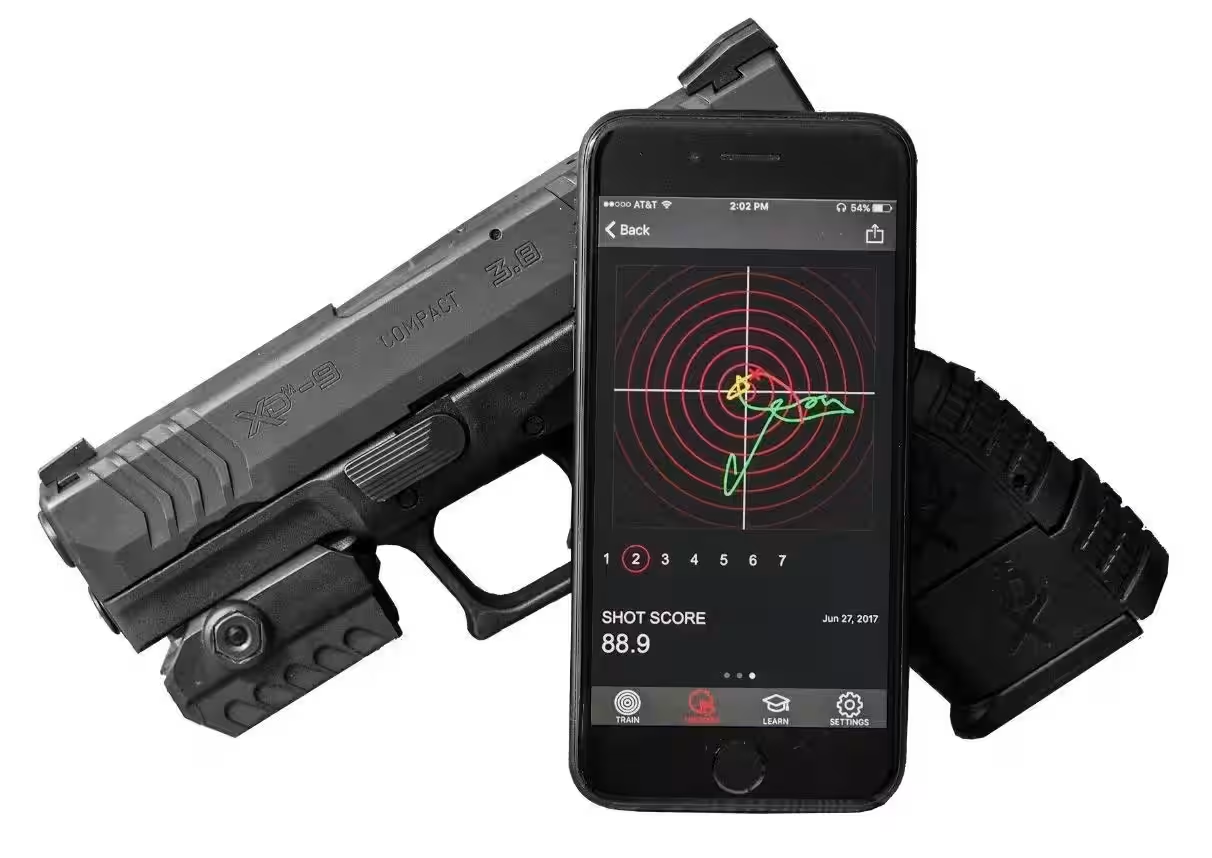
If you want to level up, grab a laser training cartridge. Companies like MantisX and LaserLyte make cartridges that fit in your chamber and emit a laser pulse when the striker hits. You can literally see where your “shot” lands. It’s the single best dry fire investment you can make. But it’s not required. Plenty of world-class shooters built their skills with nothing more than an unloaded gun and a blank wall.
Drill 1: The Wall Drill (Trigger Control)
This is the most boring drill on the list and probably the most valuable. Stand one foot from a blank wall. No target. Just a flat, featureless surface. Get a solid grip, bring the gun up to eye level, align your sights, and slowly press the trigger straight to the rear. Your only job is to make sure the front sight doesn’t move when the striker drops.
That’s it. No target to “aim at” means your brain can focus entirely on what your trigger finger is doing. Most shooters push or pull the gun slightly as they press the trigger, and they don’t even realize it because the target is far enough away that the movement seems small. One foot from the wall, you’ll see every single flinch, every anticipatory push, every tiny movement. Do 20 reps. If your sights are rock solid through the break, you’re doing it right.
Common mistake: going too fast. This is a slow, deliberate drill. If you’re ripping through it in 30 seconds, you’re not getting anything out of it. Each rep should take 3 to 5 seconds of trigger press.
Drill 2: Draw and Present (4-Count Draw)
Your draw is the most critical skill in concealed carry. If you can’t get the gun out and on target quickly, nothing else matters. The standard 4-count draw goes like this: grip (hand establishes full firing grip on the holstered gun), clear (gun clears the holster and rotates muzzle toward threat), join (support hand meets the gun at chest level), and press (arms extend, sights align, trigger press). Practice this from your actual carry holster and in your actual carry position, whether that’s appendix, 3 o’clock, or wherever you carry.
Start slow. Your first reps should take 3 seconds or more. Focus on smoothness and consistency. Every rep should look identical. Same grip, same path, same presentation. Once you’re smooth at 3 seconds, start pushing speed. A good benchmark for a concealed draw is 1.5 seconds from buzzer to first shot on target. That’s fast but achievable with practice. Do 15 reps per session.
The biggest mistake I see is people gripping the gun differently every time. If your hand has to adjust after you clear the holster, your draw is already broken. Get the full firing grip on the gun while it’s still in the holster. Every single time.
Drill 3: First Shot from Ready
This is the simpler cousin of the draw drill. Start at low ready, gun in both hands, muzzle angled down at about 45 degrees. On your timer beep or a mental “go,” punch the gun out to full extension, pick up the front sight on your target, and press the trigger. You’re training the presentation, the sight acquisition, and the trigger press as one fluid motion.
Why bother when you already practice the full draw? Because this isolates the last half of the draw sequence. The push-out, sight pickup, and trigger press are where most people lose time. They get the gun out of the holster fine, but then they fish around for the sights or hesitate before pressing the trigger. This drill fixes that. Fifteen reps, and you should be able to go from low ready to a clean trigger press in under a second.
Drill 4: Trigger Reset Drill
Most shooters have no idea how far they need to release the trigger before it resets. They let it fly all the way forward after every shot, which wastes time and movement. This drill teaches you exactly where the reset point is on your specific gun.
Press the trigger and hold it to the rear. Have a buddy rack the slide for you, or do it yourself with your support hand. Now, with the slide forward and the striker reset, slowly release the trigger forward. Don’t let it fly. Ease it out until you feel and hear the click of the reset. Stop right there. That’s your trigger reset point. Now press again from that point. Hold. Rack. Release to reset. Repeat 20 times.
After a few sessions of this, you’ll instinctively know exactly how much trigger release you need between shots. It’s a small thing that makes a huge difference in split times when you go back to live fire. Especially on guns with longer trigger travel like the Sig P365 or Glock 43X.
Drill 5: Target Transitions
Set up two or three small targets on a wall, spaced a few feet apart. Sticky notes work great. Small dots, playing cards, whatever. Present to the first target, press the trigger, then transition your eyes (not the gun, your eyes) to the next target. The gun follows your eyes. Press the trigger on the second target, then transition to the third. That’s one rep.
What this teaches you is how to move between threats efficiently. The key insight is that your eyes lead the gun. Look where you want to shoot first, then bring the gun there. Beginners do it backwards. They push the gun toward the next target and then try to find it with their eyes. Slow and sloppy. Ten reps per set, and you should be getting a clean trigger press on each target without overswinging or hunting for the dot.
Spread the targets wider as you improve. Start with targets 2 feet apart, then 4 feet, then across the room. The wider the transitions, the more your body has to work, and the more your fundamentals get tested.
Drill 6: One-Handed Strong Side
Nobody wants to practice one-handed shooting. It’s uncomfortable, you feel clumsy, and your groups (when you do it live) look terrible. That’s exactly why you need to practice it. In a real defensive encounter, your support hand might be injured, occupied holding a child or opening a door, or simply not available. If you’ve never fired your carry gun one-handed, you don’t actually know how to run your carry gun.
Draw and present with your dominant hand only. Focus on a solid, high grip and keeping the front sight steady through the trigger press. Your wrist will want to break under the perceived recoil (even though there isn’t any in dry fire). Fight that tendency. Lock your wrist and let your elbow and shoulder absorb the extension. Ten reps. It’ll feel weird at first. That’s the point. You want to get past the awkward phase in your living room, not during the worst moment of your life.
Drill 7: One-Handed Support Side
Now do the same thing with your weak hand. And yeah, it’s going to feel terrible. Your non-dominant hand is going to feel like it belongs to someone else. The trigger press will be rough, the sight picture will wobble, and you’ll probably question whether this drill is even worth it. It is. Trust me.
The trick here is to start painfully slow. Don’t try to be fast with your weak hand. Just focus on getting a consistent grip and pressing the trigger without yanking the sights off target. If you can’t draw one-handed from your holster with your weak hand (most people can’t, especially from appendix), just start with the gun in your support hand at low ready. Work the presentation and trigger press. Ten reps, nice and slow.
This is one of those drills that pays off massively if you ever need it, and that you’ll never develop the skill for unless you specifically train it. Nobody gets good at weak-hand shooting accidentally.
Drill 8: Emergency Reload
Your gun goes click when it should go bang, the slide locks back, and you need to get it running again. Fast. The emergency reload sequence is simple: press the mag release, let the empty mag drop free, grab a fresh magazine from your belt or pocket, seat it firmly, release the slide, and get back on target. In dry fire, you’re using a couple of dummy-loaded magazines and running the whole sequence.
Where most people fumble is the magazine insertion. Under stress, people miss the mag well. They try to guide the magazine in by looking down at the gun, which takes their eyes off the threat. Practice inserting the magazine by feel. Index the front of the magazine against the front of the mag well and let it slide in. You should be able to do this without ever looking down. Ten reps, and your goal is to get the whole sequence under 3 seconds. Sub-2 is where you want to be eventually.
Drill 9: Malfunction Clearance (Tap-Rack-Bang)
You press the trigger and nothing happens. No bang, no slide lock, the gun just doesn’t fire. Could be a bad primer, a failure to feed, or a dozen other things. Your immediate action drill is tap-rack-bang: smack the base of the magazine firmly upward (tap), rack the slide aggressively to the rear and release (rack), and then get back on target and press the trigger (bang). This clears about 90% of common semi-auto malfunctions.
In dry fire, just present to target, simulate a “click” (the snap cap will give you this anyway), and run the tap-rack sequence. The key is aggression. Don’t baby the slide. Rip it all the way back and let the recoil spring do its job slamming it forward. Tentative rack attempts are what cause double feeds. Ten reps, and make it violent. You want this response to be completely automatic so that when a malfunction happens at the range or in a real situation, your hands fix the problem before your brain even finishes processing what went wrong.
Drill 10: The 5-Second Drill (Full Sequence)
This is the final boss. Everything you’ve practiced, chained together into one continuous sequence. From concealment, draw and fire two shots on target. Emergency reload. Fire two more shots on target. The whole thing in 5 seconds or less. If you can do this clean, you’ve got a solid set of concealed carry skills.
In dry fire, you’ll hear four trigger clicks and one slide release. The timer on your phone will tell you if you’re hitting the 5-second mark. Don’t get discouraged if you’re at 7 or 8 seconds when you first try this. That’s normal. The draw eats up time, the reload eats up time, and the transitions between each phase eat up time. Five reps per session, and track your times. You’ll be amazed at how fast you improve over a few weeks.
Common mistake: rushing the trigger presses to save time. Speed comes from eliminating wasted motion between phases (a faster draw, a smoother reload), not from jerking the trigger. Press the trigger the same way you do in the wall drill. Always.
Building a Weekly Practice Schedule
You don’t need to do all ten drills every session. That would take forever and you’d burn out in a week. Instead, pick three or four drills per session and rotate through the full list over the course of a week. Monday might be wall drill, draw, and trigger reset. Wednesday might be target transitions, weak hand, and the reload drill. Friday you run the 5-second drill and work on whatever felt rough during the week.
Fifteen minutes per session, three days a week. That’s 45 minutes of focused practice. In a month, that’s three hours of quality reps. Most people don’t get three hours of quality practice at the range in an entire year. Track your draw times in a notebook or your phone’s notes app. You want to see the numbers going down over time. And be honest with yourself. A fast draw that misses isn’t a good draw. Accuracy first, then speed.
Here’s the real talk: it takes roughly 1,000 focused repetitions of a skill before it becomes truly automatic. That sounds like a lot, but at 15 reps per session and three sessions per week, you’ll hit 1,000 reps in about five months. That’s five months to own a skill for the rest of your life. Worth it.
Gear That Helps
Snap caps are non-negotiable. A pack of 5 in your caliber runs about $10 and they protect your firing pin while giving you visual confirmation that the chamber is clear of live ammo. A-Zoom makes the most popular ones and they last forever. Beyond that, a laser training cartridge is the single biggest upgrade for dry fire. The MantisX system is probably the best on the market. It attaches to your rail, tracks your muzzle movement through the entire trigger press, and gives you a score and diagnostics on your phone. It’s like having a shooting coach in your living room. LaserLyte makes a simpler option that just shows a laser dot where your “shot” lands. Both work great.
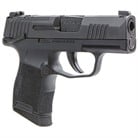
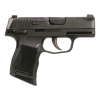
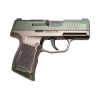
For a shot timer, don’t spend money on a dedicated one just for dry fire. The free apps on your phone work fine. You’re not shooting live ammo, so the app doesn’t need to pick up gunshot sounds. Just use the par time or random start features. And obviously, you need to be practicing with your actual carry gun. Dry firing a full-size range toy is fun but it won’t help your concealed carry skills one bit. If you’re shopping for a great everyday carry gun that’s also excellent for dry fire practice, here are some current deals.
Final Thoughts
Dry fire isn’t glamorous. Nobody posts Instagram reels of themselves clicking an empty gun at their living room wall. But it’s the single most effective thing you can do to improve your shooting skills without spending a dime on ammo. These drills cover every fundamental skill a concealed carrier needs: trigger control, draw speed, reloads, malfunction clearances, and shooting under time pressure. You don’t need fancy equipment or a lot of time. You need consistency and honest self-assessment.
Start this week. Pick three drills, set a timer for 15 minutes, and get to work. You’ll feel the difference the next time you hit the range. Your draw will be smoother, your first shot will be faster, and your overall confidence with your carry gun will be noticeably higher. That’s not theory. That’s what happens when you put in the reps. Now go practice.
Looking for the best prices? Check our gun deals page and price comparison tool to compare prices from 200+ retailers before you buy.
Frequently Asked Questions
Is dry fire safe for my gun?
Yes, dry fire is safe for virtually all modern centerfire handguns. Striker-fired guns like Glocks, Sig P365s, and Smith and Wesson M&Ps are designed to handle dry fire without damage. Use snap caps for extra peace of mind and to protect rimfire firearms where dry fire can damage the firing pin.
How often should I dry fire practice?
Three times per week for 15 minutes per session is the sweet spot for most concealed carriers. This gives you roughly 45 minutes of focused weekly practice, which is more quality trigger time than most people get at the range in a month. Consistency matters more than session length.
Do I need snap caps for dry fire?
Snap caps are strongly recommended but not always required for modern centerfire pistols. They protect your firing pin, give you visual confirmation the chamber is clear of live ammo, and are essential for reload drills. A pack of five costs about ten dollars and lasts years. Worth every penny.
Can dry fire replace live fire training?
No. Dry fire builds mechanics, muscle memory, and consistency, but you still need live fire to manage recoil, confirm zero, and validate that your dry fire skills transfer under real conditions. Think of dry fire as the foundation and live fire as the validation. You need both.
What is the best dry fire drill for beginners?
The wall drill is the best starting point. Stand one foot from a blank wall, align your sights, and press the trigger without the front sight moving. It isolates trigger control, which is the most fundamental shooting skill. Master this before adding speed or complexity to your practice.
How long should a dry fire session be?
Keep sessions between 10 and 20 minutes. Shorter focused sessions are more productive than long unfocused ones. Once your concentration drops, you start reinforcing bad habits instead of building good ones. Quality reps over quantity every single time.
Will dry fire damage my striker?
Modern striker-fired pistols are built to handle dry fire without issues. Glock, Sig Sauer, Smith and Wesson, and most other major manufacturers confirm this. The only guns where dry fire can cause damage are rimfire firearms. Use snap caps with rimfire guns and you are good to go.
What is a good draw time from concealment?
A solid benchmark for concealed carry is 1.5 seconds from a standing start to first shot on an 8-inch target at 7 yards. Competitive shooters can hit sub-1.0 seconds, but for defensive purposes, 1.5 seconds is fast, practical, and achievable with consistent dry fire practice over a few months.
4,659+ Gun & Ammo Deals
Updated daily from 200+ top retailers. Filter by category, caliber, action type, and price.
Related Guides