

Last updated March 30th 2026
Disclosure: Some links on this page are affiliate links. If you buy through them, we may earn a small commission at no extra cost to you. We only recommend gear we’d actually use.
- Treat every gun as loaded
- Point the muzzle in a safe direction
- Keep your finger off the trigger until you’re ready to shoot
- Know your target and what’s beyond
Table of Contents
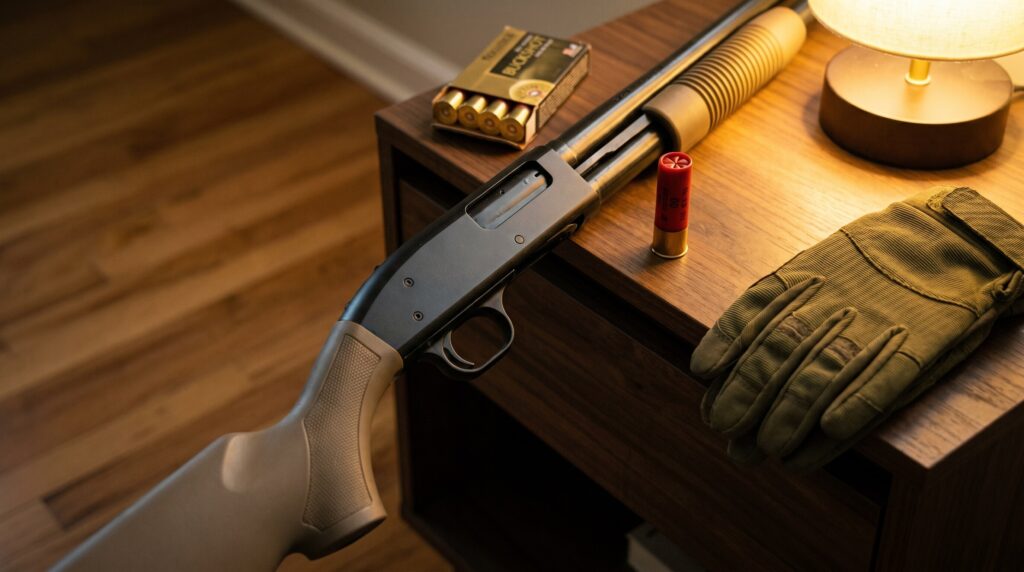
How we tested: Every pick here is ranked against our testing methodology. Minimum round counts, accuracy and reliability protocols, the failures that disqualify a gun.
You Do Not Need to Spend $3,000 to Defend Your Home
Pick up any gun magazine or watch any gear influencer and you’d think home defense requires a $1,200 optic-equipped pistol, a $400 weapon light, a $1,500 rifle backup, and a $500 safe. That’s not home defense. That’s a gear collection. The actual requirement is much simpler and much more affordable.
A complete, functional, and genuinely effective home defense setup can be assembled for under $1,000 including the gun, defensive ammunition, a quick-access safe, a weapon light, and a basic training class. Under $700 if you’re disciplined about choices. This guide builds that setup from scratch, spending each dollar in priority order so that if you have to stop partway through, you’ve made the most important purchases first.
I’m not cutting corners on safety or reliability to hit the budget. I’m choosing options that are proven, widely recommended by defensive shooting instructors, and genuinely good at what they do. Everything on this list I’d hand to a family member setting up their first home defense setup.
Priority 1: The Gun (~$250-$375)
The gun is the most important piece and also the one people overthink the most. Your criteria are: reliable, chambered in an effective defensive caliber, able to accept a weapon light, and within budget. There are two options that consistently get recommended by instructors and come in at the right price point.
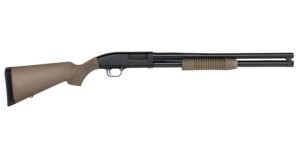
Mossberg Maverick 88 ~$250
Best For: bedroom-defense barricade plans where you do not need to move room-to-room with a child in tow.
Pros
- Most bang-per-dollar of any home-defense firearm: shared Mossberg 500 internals at $250
- 12 gauge 00 buckshot is devastating at home-defense distances with wide pattern forgiveness
- Pump-action simplicity: nothing to short-stroke if you train fundamentals
Cons
- Indoor 12-gauge report is hearing-damage loud without ear protection
- Less maneuverable than a handgun in tight indoor spaces
- Requires two hands, ruling it out if you need to retrieve a child
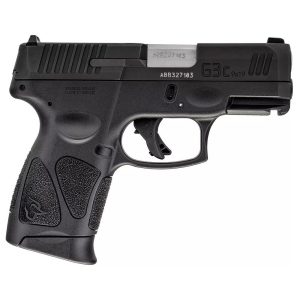
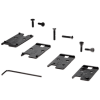
Taurus G3c $290-$310
Best For: first-time defensive handgun buyers, apartment defense where over-penetration matters, or anyone who needs one hand free to retrieve a child.


Pros
- 12+1 capacity and a Picatinny weapon-light rail at $290-$310 is class-leading value
- Strong G3c-specific reliability track record from defensive-shooting instructors
- 9mm chambering opens the door to top-tier defensive ammo (HST, Gold Dot)
Cons
- Taurus QC is less consistent than Glock or Sig. buyer-luck factor
- Trigger is adequate but mediocre by 2026 standards
- Fit and finish trails premium-brand competitors at twice the price
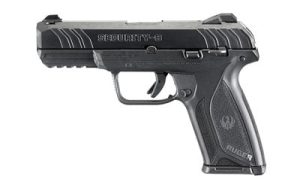
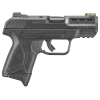
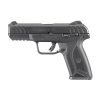
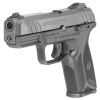
Ruger Security-9 ~$349
Best For: buyers who can spend another $50 to escape Taurus QC variability and get a more refined trigger out of the box.

Pros
- Ruger QC is meaningfully more consistent than Taurus across production runs
- 15+1 of 9mm in full-size beats most budget pistols on capacity
- Better factory trigger and Picatinny rail for weapon-light mounting
Cons
- $349 is about $50-60 more than the G3c, taking the gun-line off the strict budget floor
- Not as refined ergonomically as Glock or Sig at twice the price
- Limited aftermarket compared to Glock-pattern guns
Priority 2: Ammunition (~$80-$120)
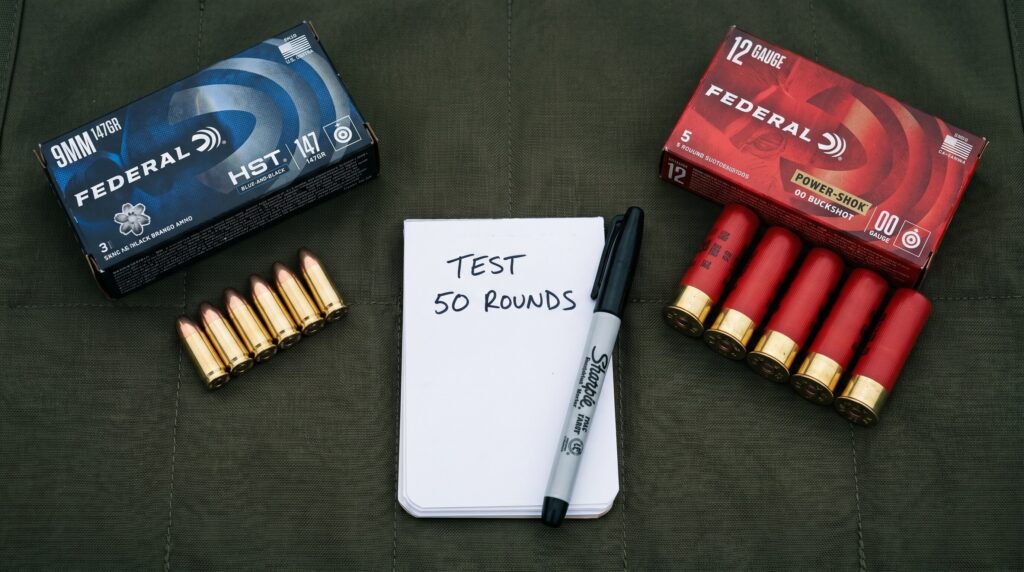
Buy two categories of ammunition: defensive ammo for home use and practice ammo for training. Do not practice with your defensive ammo (it’s too expensive) and do not defend with practice ammo (it doesn’t expand and over-penetrates). You need both.
Defensive Ammo: 100 Rounds
For 9mm: Federal HST 147gr or Speer Gold Dot 124gr are the two most recommended defensive rounds by law enforcement and defensive shooting instructors. Either one runs around $25-30 for a 20-round box, so 100 rounds costs about $125-150.
That’s more than you need staged in the gun (you need one magazine’s worth, maybe two), but having 100 rounds means you can run your defensive ammo through the gun to confirm reliable function.
This is important: always test your defensive ammo before trusting it. Run 50-100 rounds of your carry/defense load through your specific gun without malfunctions before you rely on it.
For 12 gauge: Federal or Remington 00 buckshot, 5-round box runs about $8-12. Buy a box for the gun and a box for practice. 10 shells total is $16-24. Shotgun ammo is cheap.
Practice Ammo: 200 Rounds
For 9mm: steel-case or brass-case FMJ from Federal, Winchester, or Blazer Brass runs around $11-15 per 50 rounds. 200 rounds is $44-60.
Buy it, take it to the range, and run it through the gun until you’re comfortable with the fundamentals. Trigger press, sight alignment, reloads.
Then stage the gun with the defensive ammo.
Total ammunition budget: figure $100-120 for a realistic starting load of both defensive and practice ammo in 9mm, or $30-40 if you went with the shotgun and are buying buckshot only.
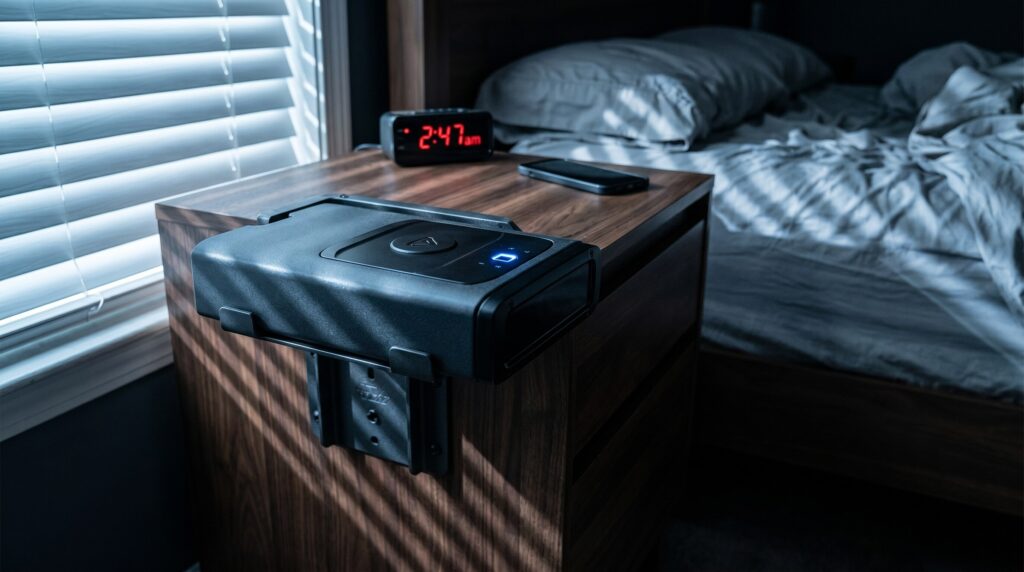
Priority 3: Quick-Access Safe (~$100-$150)
A quick-access safe is not optional. It is especially not optional if you have children, guests, or roommates who access your living space. This is the piece of the setup most people skip and it’s the most important safety component.
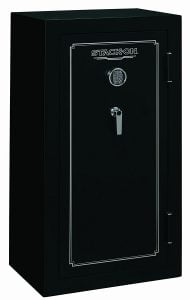
Stack-On Quick-Access Pistol Safe $50-$80
Best For: the pure budget build, knowing it is an entry-level product and not the permanent solution.
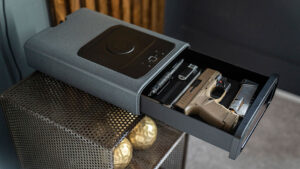
Vaultek VT10i $130-$150
Best For: primary home-defense safe that you will actually trust against a determined teenager or opportunistic thief.
Mount it. Every quick-access safe comes with mounting hardware. Bolt it to the nightstand, bedframe, or wall. An unsecured safe can be taken and opened at leisure by a determined thief or a determined child. Mounting takes 10 minutes and takes the safe from “adequate” to “actually secure.”
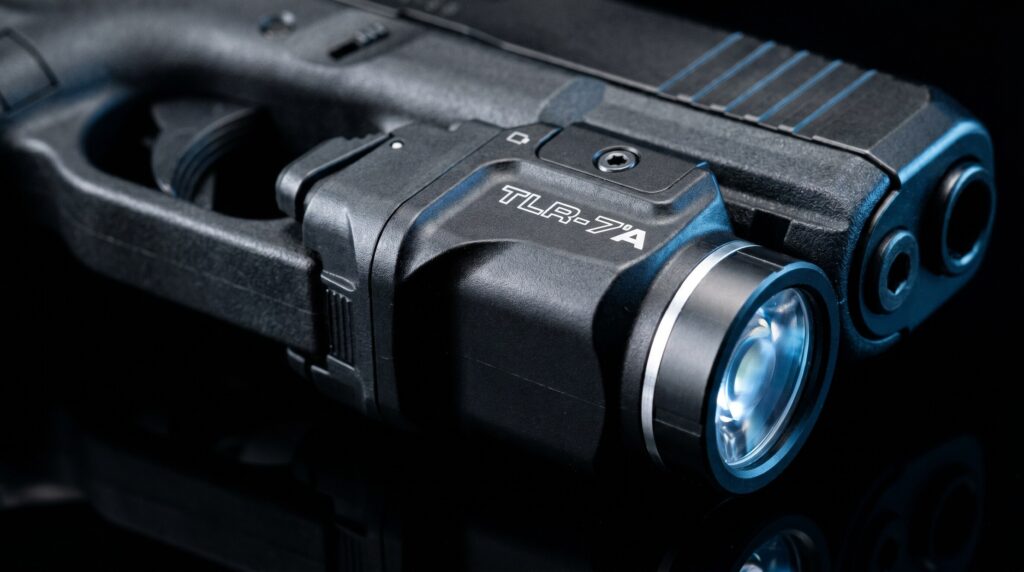
Priority 4: Weapon Light (~$70-$120)
You cannot safely defend yourself with a firearm in the dark without a weapon light. Target identification before firing is both a legal and moral requirement. This is not a nice-to-have. If you’re buying a handgun with a rail (the Taurus G3c, Ruger Security-9), budget for this at the same time as the gun.
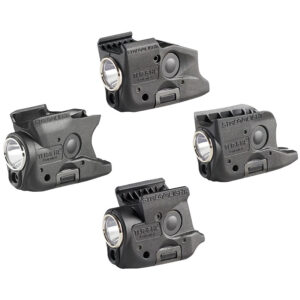
Streamlight TLR-6 ~$70
Best For: truly budget-constrained builds on subcompact pistols where the $50 saved over the TLR-7A buys range time.
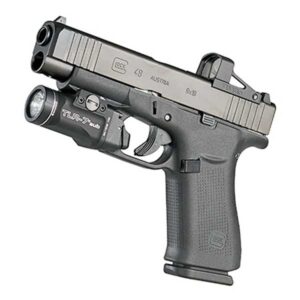
Streamlight TLR-7A ~$120
Best For: the home-defense gun I’d hand to a family member. The right light if you can spend $120 once and never think about it again.
For the Maverick 88 shotgun, you’ll need either a mount that adds a picatinny rail to the magazine tube or a dedicated shotgun light mount. The Streamlight HS1 is designed specifically for Mossberg platforms and runs about $100. Alternatively, a handheld light held alongside the shotgun (not ideal, but functional) keeps the cost lower.
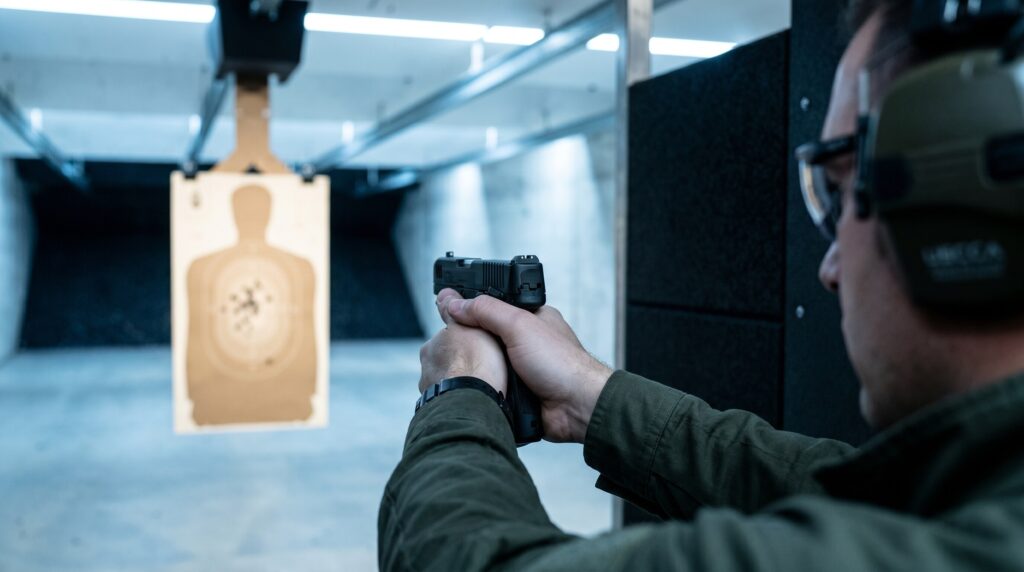
Priority 5: Training (~$100-$200)
Most people skip this. Do not skip this.
A defensive firearms class is the single highest-leverage investment in your home defense capability. More than a better gun. More than better ammo.
A trained person with a mediocre gun is dramatically more effective than an untrained person with a great gun.
A one-day defensive pistol fundamentals class from an USCCA-certified or NRA-certified instructor runs $100-200 in most markets. You’ll cover the fundamentals of defensive handgun use: safe handling, draw from ready position, shooting while moving, shooting under stress, reloads, and malfunction clearance. All in a controlled environment with an instructor who can identify and fix bad habits before they become ingrained.
Find a class through the USCCA instructor locator, the NRA instructor database, or by asking at your local gun range. Look for classes specifically labeled “defensive pistol” or “home defense” rather than pure competition or target shooting courses. The skills overlap, but the context and scenarios are different.
If a formal class is genuinely unaffordable right now, YouTube is a reasonable interim substitute. Lucky Gunner Ammo’s YouTube channel, Tier 1 Citizen, and Active Self Protection all have free content that covers fundamentals. Not as good as a class, but better than nothing while you save for the real thing.
Priority 6: Security Additions (~$50-$80)
With the remaining budget after the gun, ammo, safe, light, and training, there are two security upgrades that deliver outsized value for minimal cost.
Door Frame Reinforcement (~$30-$50)
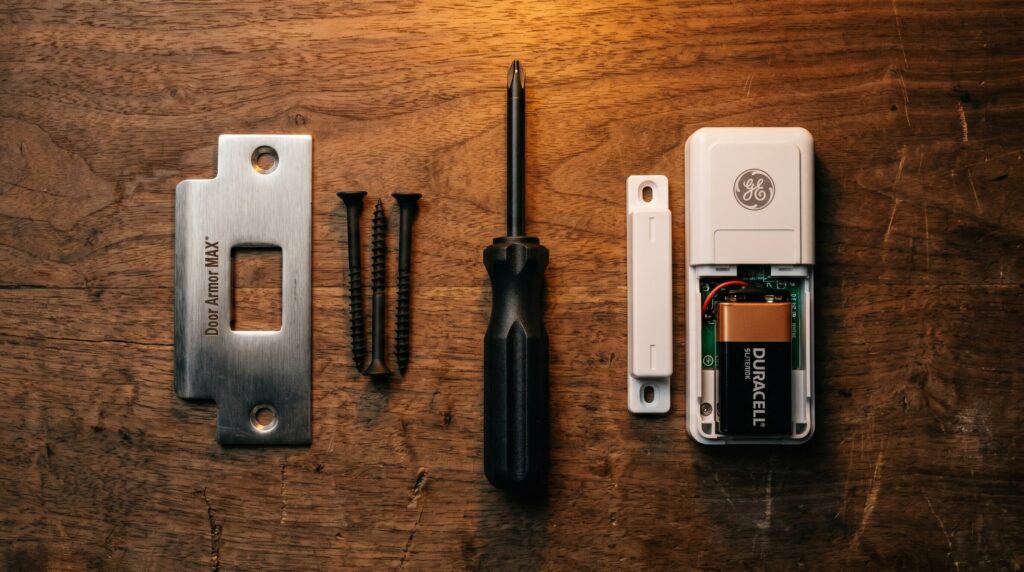
Door Armor MAX strike plate kit from Armor Concepts runs about $40-50 and replaces the standard 3/4-inch screw strike plate with a heavy-gauge steel plate using 3-inch screws into wall studs.
This single upgrade dramatically increases the number of kicks required to break through your door. Tests show it can take 12+ kicks to defeat a reinforced door versus 1-2 kicks for a standard door.
Install time is about 20 minutes. No specialized tools required. Just a screwdriver and the template.
If you rent and can’t modify the door frame, a Master Lock door security bar (around $30) achieves similar results by bracing against the floor. It prevents inward-swinging doors from being pushed open regardless of lock status.
Window Alarms (~$20-$30)
Basic door and window alarms from GE, Sabre, or First Alert run $15-30 for a 6-pack. These are simple magnetic contact alarms: when the door or window opens, a 120 dB alarm sounds.
No subscription required. No hub. No installation expertise. Stick the sensor to the frame, the magnet to the door or window, and it works.
Not a full security system, but it provides alert coverage for entry points without any ongoing cost.
Put them on every ground-floor window and any secondary door. The alarm serves as an early warning system and a deterrent. Most intruders prefer quiet and will avoid locations where they know an alarm will sound when they breach a window.
The Full Budget Breakdown
Here’s the full setup by scenario, both at minimum spend and at a slightly better equipped level, both under $1,000:
| Item | Budget Pick | Cost | Slightly Better | Cost |
|---|---|---|---|---|
| Gun | Mossberg Maverick 88 or Taurus G3c | $250-$310 | Ruger Security-9 | $349 |
| Defensive Ammo | Federal HST or Speer Gold Dot, 50 rounds | $65-$80 | Same | $65-$80 |
| Practice Ammo | Blazer Brass 9mm FMJ, 200 rounds | $44-$55 | Same | $44-$55 |
| Quick-Access Safe | Stack-On Quick Access | $55-$70 | Vaultek VT10i | $130-$150 |
| Weapon Light | Streamlight TLR-6 | $70 | Streamlight TLR-7A | $120 |
| Training | One-day defensive pistol class | $100-$150 | Same | $100-$150 |
| Door Reinforcement | Door Armor MAX strike plate | $40-$50 | Same | $40-$50 |
| Window Alarms | GE or First Alert 6-pack | $20-$30 | Same | $20-$30 |
| TOTAL | ~$644-$815 | ~$868-$984 |
Either way you build it, you’re under $1,000 for a complete, genuinely capable home defense setup. Not the fanciest setup anyone has ever assembled. An effective one.
What to Buy First If You Have to Split the Purchase
If you’re building the setup over time and can’t do it all at once, here’s the order that matters. Gun first, because without a gun you have no primary defense tool.
Then the safe the same week if you have children in the house. Then defensive ammo. Then practice ammo. Then the weapon light.
Training can happen at any point and should happen early, ideally before you’re relying on the gun for defense.
The door reinforcement and window alarms are cheap enough to buy any time and are worth doing regardless of where you are in the rest of the setup.
The worst mistake is buying the gun and stopping there. An unsecured gun without ammo testing without a light without any training is not a home defense setup.
It’s a liability with a trigger. The full system is what creates real capability. Build the whole thing.
Related Guides
- Best Gun Safe for an Apartment
- Home Defense Strategies With Firearms
- Best Concealed Carry for Seniors
- Best Home Defense Guns
FAQ: Home Defense on a Budget
What is the best home defense gun under $300?
The Mossberg Maverick 88 pump-action shotgun at around $250 is the best home defense value at this price point. For a budget handgun, the Taurus G3c at $290-$310 holds 12+1 rounds of 9mm, has a rail for a weapon light, and has a solid reliability track record. The Ruger Security-9 at $349 is a step up in quality if you can stretch the budget.
Can you build a complete home defense setup for under $1,000?
Yes. A complete setup including a reliable gun, defensive and practice ammunition, a quick-access safe, a weapon light, a defensive training class, door frame reinforcement, and window alarms can be assembled for $644-$984 depending on the specific choices. This guide builds that setup in priority order.
Is the Taurus G3c reliable enough for home defense?
The G3c specifically has a strong reliability track record among budget handguns. Run 50-100 rounds of your chosen defensive ammo through it to confirm function before relying on it. Taurus quality control is less consistent than Glock or Sig, so personal testing is more important than with premium brands. Most G3c owners report reliable function.
What weapon light should I buy on a budget?
The Streamlight TLR-6 at around $70 is the entry-level recommendation: 100 lumens, reliable construction, and it fits on standard handgun rails. The TLR-7A at $120 is meaningfully better with 500 lumens and a more solid activation switch. Buy the TLR-7A if you can.
Is a quick-access safe really necessary?
Yes, especially if you have children, guests, or roommates. An unsecured loaded firearm in a nightstand drawer is a significant liability. A quick-access safe keeps the gun accessible to you in seconds while keeping it inaccessible to everyone else. The Stack-On basic models run $50-80 and provide real protection against child access and opportunistic theft.
Should I buy a shotgun or a handgun for budget home defense?
Depends on your situation. The Mossberg Maverick 88 shotgun gives you more stopping power per dollar but is harder to maneuver with one hand and takes up more space. A handgun like the Taurus G3c or Ruger Security-9 is more maneuverable, easier to use with one hand if retrieving a child, and less dramatic for neighbors in apartments. Families with young children should lean toward the handgun.
How much should I spend on defensive ammo?
Buy enough to test your gun (50-100 rounds through the specific defensive load to confirm reliable function) and to keep the gun staged (one or two magazines worth). Federal HST and Speer Gold Dot are both around $1.25-$1.50 per round, so 50 rounds costs $65-$75. Do not skip defensive ammo and stage the gun with cheap ball ammo. The difference in terminal performance is significant.
What is the most important purchase if I can only buy one thing at a time?
The gun, followed immediately by a quick-access safe if you have children in the house. Without the gun you have no primary defensive tool. Without the safe (if children are present) you have a serious liability. Get both within the same week if at all possible. The weapon light, ammo, and training can follow, but the gun and safe are the foundation.
4,715+ Gun & Ammo Deals
Updated daily from 200+ top retailers. Filter by category, caliber, action type, and price.
Related Guides