

If there is a pump shotgun behind a bedroom door, in a patrol car, or in a duck blind somewhere in America, there is a very good chance it says Mossberg on the side. For more than a century the family-owned company has built plain, rugged, affordable shotguns that just work — led by the Mossberg 500, one of the best-selling shotguns ever made, the battle-tested 590 and 590A1, the semi-auto 940 competition guns, and the blunt little 590 Shockwave. Here is who they are, what they make, and what is worth buying.
Mossberg Deals — 30% Off or Better
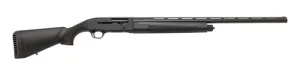
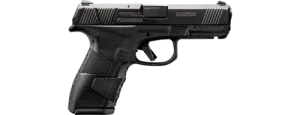

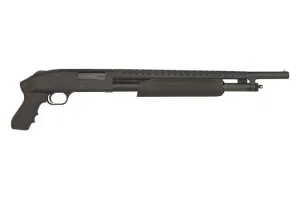

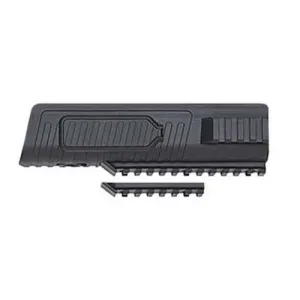
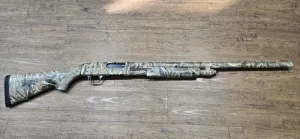
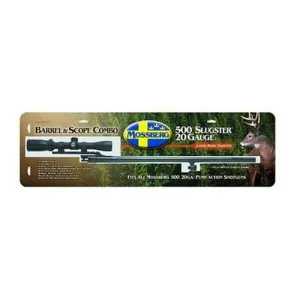
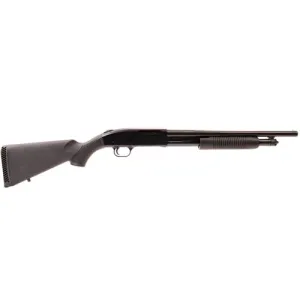
Table of Contents
Who Mossberg is
Mossberg is America’s oldest family-owned gunmaker, founded in 1919 in New Haven, Connecticut. For over a century it has built plain, rugged, affordable shotguns that just work, led by the Mossberg 500 and the mil-spec 590A1, and it is known for its top-tang safety.
O.F. Mossberg & Sons was founded in 1919 in New Haven, Connecticut by Oscar Frederick Mossberg, a Swedish immigrant who had already spent years designing guns for Iver Johnson, Marlin, and Stevens before striking out on his own with his two sons. More than a hundred years later the company is still owned and run by the Mossberg family — it is the oldest family-owned firearms manufacturer in America, and that continuity is a genuine point of pride, not marketing. The blue-and-yellow oval logo even carries the Swedish flag and three crowns as a nod to Oscar’s roots.
The company’s very first product was not a shotgun at all. It was the Brownie, a four-barreled .22 pocket pistol aimed at trappers and outdoorsmen, sold from 1919 into the early 1930s. Mossberg spent its early decades on .22 rifles and modest sporting guns, and did not introduce the gun that would define it — the Model 500 pump — until 1960. In a neat bit of symmetry, the company returned to handguns in 2019, exactly a century after the Brownie, with the MC1sc concealed-carry pistol.
Mossberg sits squarely in the value tier, and that is the whole pitch. Their long-running slogan, “more gun for the money,” is an honest description of the product. You are buying function over finish: a shotgun that runs, that you can afford to actually shoot, and that a huge aftermarket already supports.
What Mossberg makes
The 500 and its family
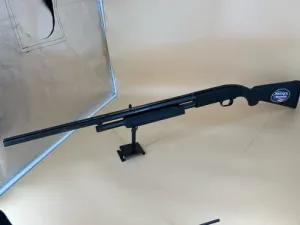
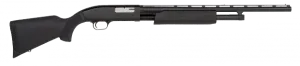
The Mossberg 500 is the backbone — a 12-, 20-, or .410-gauge pump that has been built in the millions for hunting, home defense, and everything between. Its defining feature is the top-mounted tang safety, sitting right under your thumb as you mount the gun, ambidextrous and natural in a way the cross-bolt safety on a rival pump is not. The budget Maverick 88 is the same basic action at an even lower price, and the 590 series steps it up with a heavier barrel and a metal trigger guard.
The 590A1 — the military gun
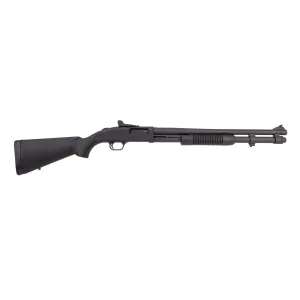
The 590A1 is the serious one: a thick-walled barrel, a metal safety and trigger guard, and a bayonet lug. It is the only pump-action shotgun that has passed all of the U.S. military’s punishing Mil-Spec 3443 torture test, which is why it has served with American forces for decades. If you want the toughest version of the Mossberg pump, this is it.
Semi-autos and the 940
The 940 series — including the JM Pro tuned with competitive shooter Jerry Miculek — is Mossberg’s modern gas semi-auto, built to run thousands of rounds between cleanings for 3-gun and sport shooting. The older 930 filled the same role at a lower price.
Rifles and the Shockwave
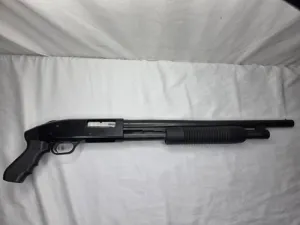
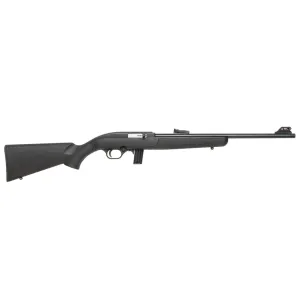
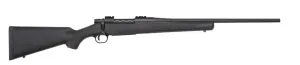
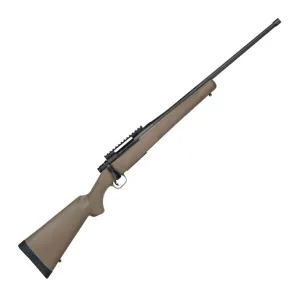
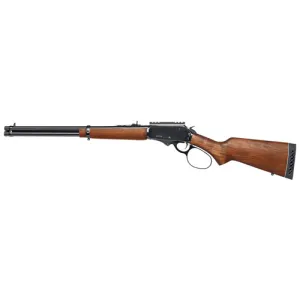
Beyond shotguns, Mossberg builds the Patriot bolt-action hunting rifle, the 464 lever gun, and a range of .22 rifles. The 590 Shockwave deserves its own mention: with a bird’s-head grip and a short barrel it is legally a “firearm” rather than a shotgun, which keeps it off the NFA registry while staying genuinely handy.
Parts that keep them running
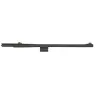
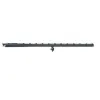
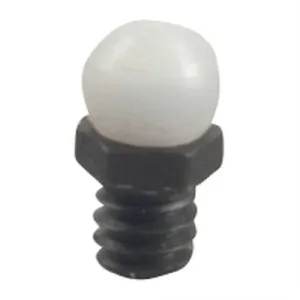
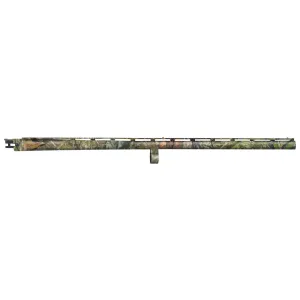
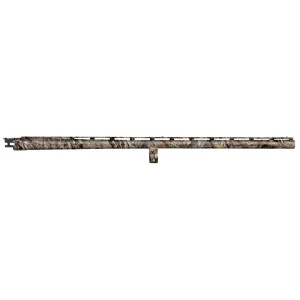
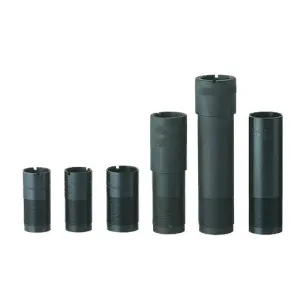
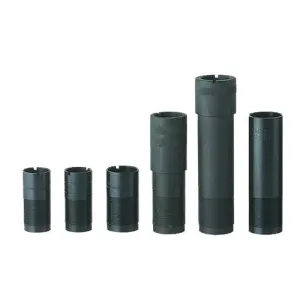
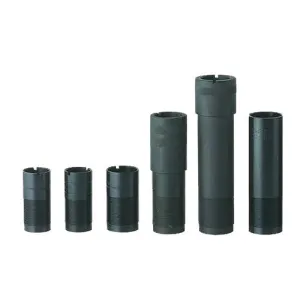
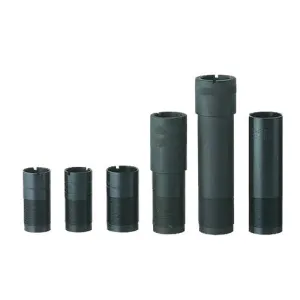
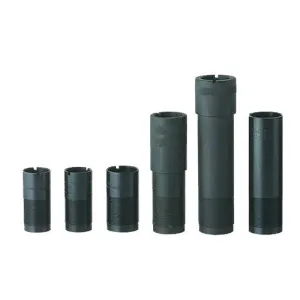
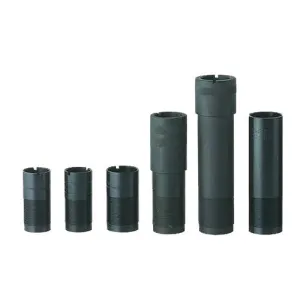
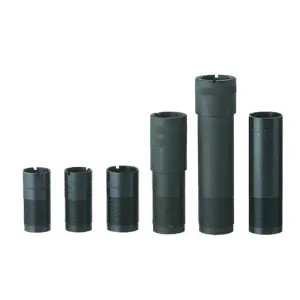
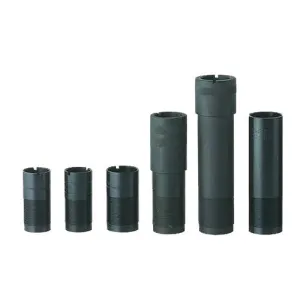
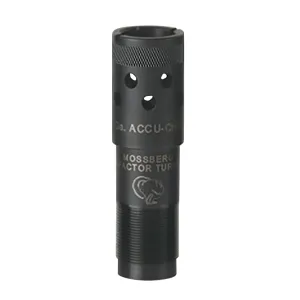
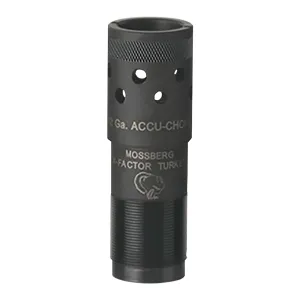
Because the 500 platform is everywhere, factory barrels, stocks, forends, chokes, and small parts are cheap and plentiful. Swapping a 28-inch field barrel for an 18.5-inch security barrel turns one gun into two, and the Accu-Choke and X-Factor tubes let you tune patterns for turkey, slugs, or buckshot.
Build quality and where it is made
Mossberg shotguns are built in the United States, with manufacturing in Eagle Pass, Texas and the company headquartered in North Haven, Connecticut. The honest trade-off is right here: the 500’s receiver is aluminum alloy rather than steel, which keeps the gun light and affordable but is the main reason some shooters reach for a heavier all-steel pump instead. The barrels and bolt are steel, the lockup is into a steel barrel extension, and decades of hard use have proven the design holds up. The fit and finish are utilitarian, not pretty — and at the price, that is the point.
How Mossberg compares
The eternal rivalry is the Mossberg 500 versus the Remington 870. The 870 has a steel receiver and a slightly slicker feel that many shooters prefer; the Mossberg counters with its better-placed tang safety, a lighter gun, an easy barrel swap, and usually a lower price. Against the semi-auto Benelli M4, a 590A1 is a fraction of the cost and nearly as tough, though the Benelli cycles faster and softer. The summary is simple: Mossberg rarely wins on prestige or refinement, and almost always wins on value.
Who should buy what
- The first-time home-defense buyer: a Mossberg 500 or 590 in 12 or 20 gauge with an 18.5-inch barrel.
- The buyer who wants the toughest pump: the 590A1, full stop.
- The hunter: a 500 field model, or a 940 semi-auto for waterfowl and clays.
- The competitor: the 940 JM Pro.
- The shooter on a tight budget: the Maverick 88 — the same action for less money.
If you want a heirloom-grade walnut shotgun or the lightest-recoiling semi-auto on the market, look elsewhere. Mossberg is the right call when you want a dependable working gun and would rather spend the savings on ammunition.
The Mossberg philosophy
Everything Mossberg builds follows the same idea: make a tool that an ordinary person can afford, learn quickly, and trust. The tang safety, the easy barrel swaps, the enormous parts ecosystem, and the deliberately plain finish all serve that goal. It is engineering aimed at the person who actually has to use the gun, not the person admiring it in a case.
How to choose your Mossberg setup
Start with gauge and purpose. For home defense, a 12 or 20 gauge with an 18.5-inch security barrel and a tang safety you can reach is the classic answer; add a light and a sling and you are done. For hunting, pick the barrel length and choke for your game, and remember a single 500 can wear both a long field barrel and a short slug or security barrel. If you want the most durable build, step up to the 590A1. From there the upgrades are simple and cheap: a better stock for fit, a fiber or ghost-ring sight, and the right choke tube for the pattern you need.
A century of arming the people
Mossberg has spent a hundred years as the un-glamorous workhorse of American shooting — the gun on the budget, in the truck, behind the counter, and in basic training. It has armed the U.S. military, equipped police departments, taken untold deer and turkeys, and stood in countless bedrooms as a first and last line of defense. The company never chased prestige; it chased the working shooter, and four generations of family ownership later it is still the most-recommended first shotgun in the country. The parts on this page are how you keep one of those guns running for the next hundred thousand rounds.
What Mossberg owners upgrade
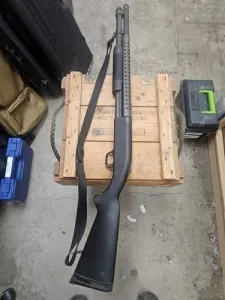
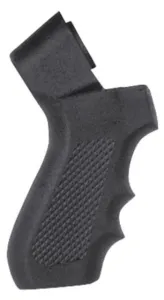
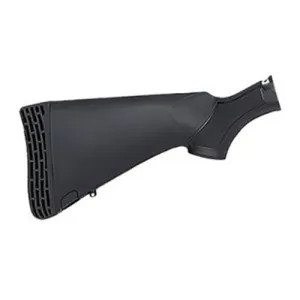
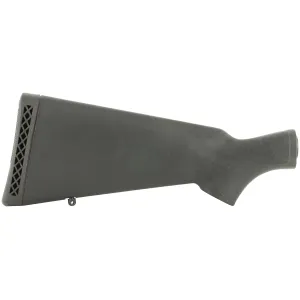
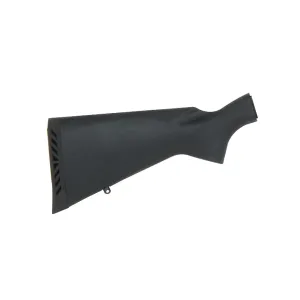
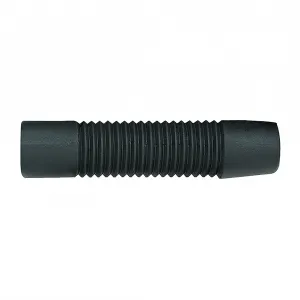
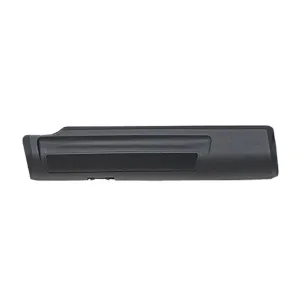
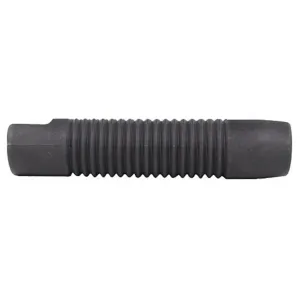
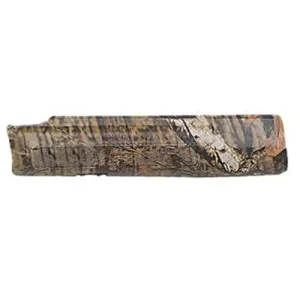
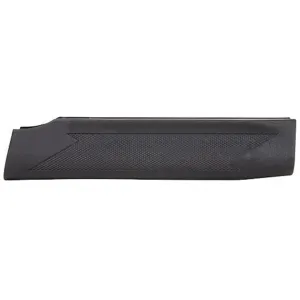
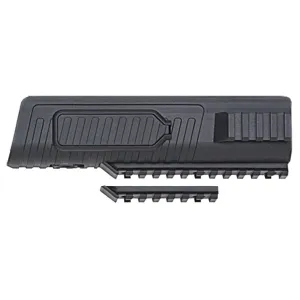
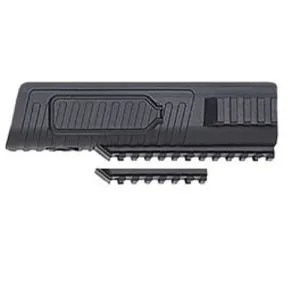
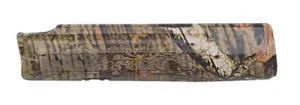
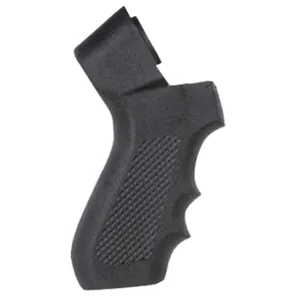
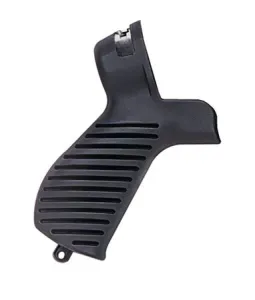
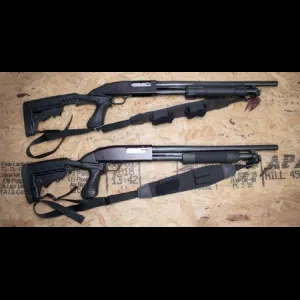
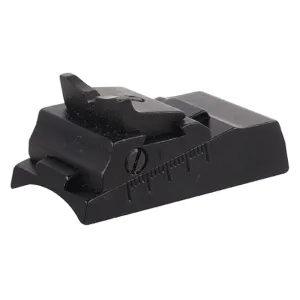
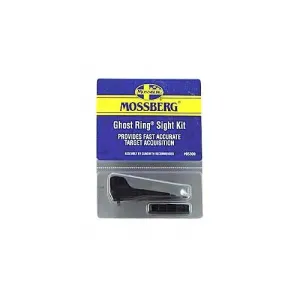
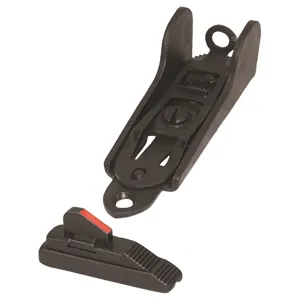
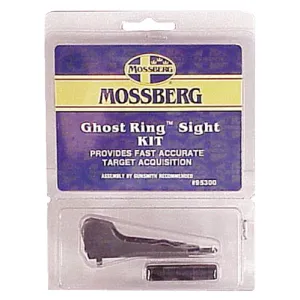
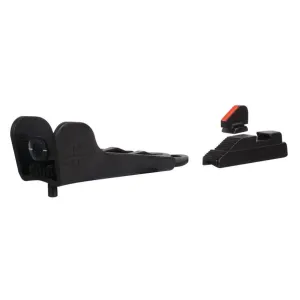
The 500 and 590 are defensive-shotgun blank canvases, and the upgrade list is long. The most popular additions are a side-saddle shell carrier on the receiver, an extended magazine tube for more rounds, a replacement forend (often with a built-in light mount), and ghost-ring or rifle sights in place of the bare bead. A Magpul SGA adjustable stock and MOE forend are among the most common swaps, and many owners add an oversized aftermarket safety button and a quality sling.
Because the 500 and 590 share so many parts, accessories cross over widely between them, and Mossberg’s top-tang safety stays usable with almost any stock, which is one reason the platform is so friendly to modify. The same goes for the semi-auto 930 and 940, which take extended tubes, oversized controls and better recoil pads.
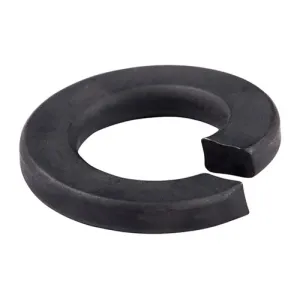
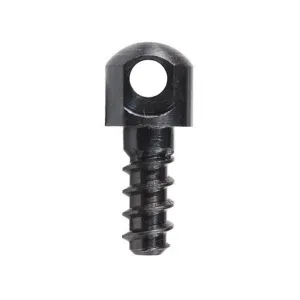
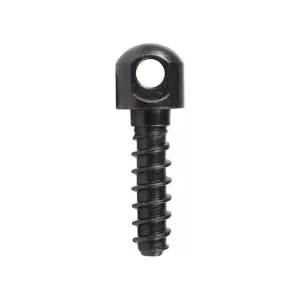
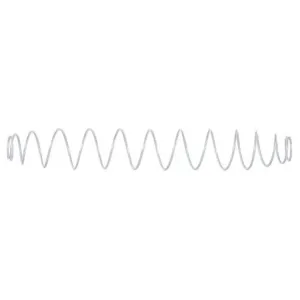
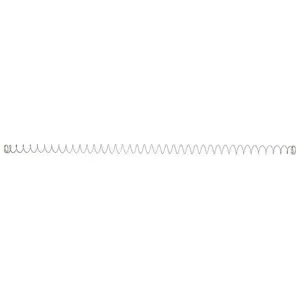
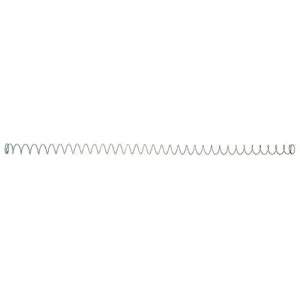
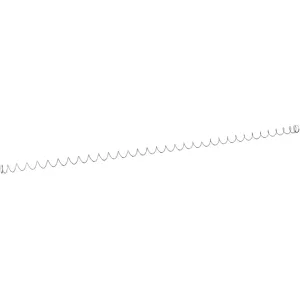
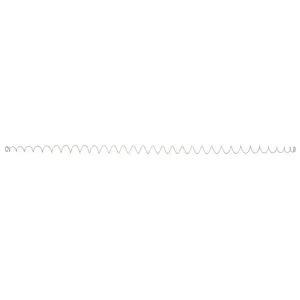
As with any working shotgun, it pays to keep the wear parts close. Spare followers, magazine springs, extractors and firing pins are cheap and easy to swap. From a duck-blind field gun to a bedside defensive setup, most of a Mossberg build is bolt-on, and the parts are listed in the carousels below.
Shop Mossberg Parts & Prices
Live Mossberg products and current prices, organized by department and updated automatically.
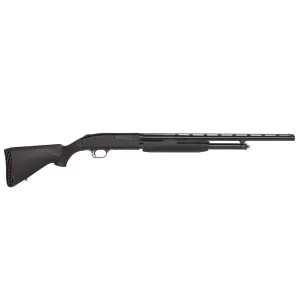
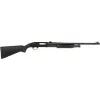
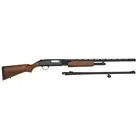
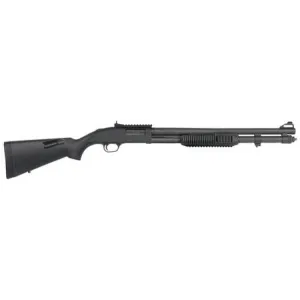
Mossberg Shotguns
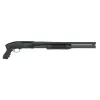
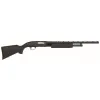
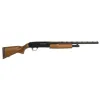
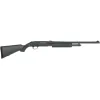
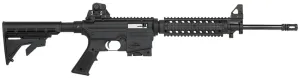
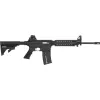
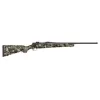
Mossberg Rifles
Stocks
Forends
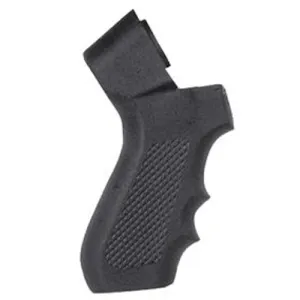
Grips
Sights
Choke Tubes
Magazines

Where Mossberg Fits in Our Buying Guides
- The Best Mossberg Shotguns
- Best Home-Defense Shotgun Under $500
- Benelli M4 vs Mossberg 590
- The Best 12-Gauge Shotguns
- The Best Turkey Shotguns
- The Best Budget Shotguns
Mossberg FAQ
Where are Mossberg shotguns made?
In the United States. Manufacturing is in Eagle Pass, Texas, and the company is headquartered in North Haven, Connecticut, where it was founded in 1919.
Is Mossberg really the oldest family-owned gun company in America?
Yes. O.F. Mossberg & Sons has been owned and operated by the Mossberg family continuously since 1919, which makes it the oldest family-owned firearms maker in the country.
What is the difference between the Mossberg 500, 590, and 590A1?
The 500 is the standard pump. The 590 adds a heavier barrel and metal trigger guard. The 590A1 goes further with a thick-walled barrel and all-metal parts, and is the only pump shotgun to pass the U.S. military’s full Mil-Spec 3443 test.
Mossberg 500 or Remington 870 — which is better?
The 870 has a steel receiver and a slightly slicker feel; the Mossberg has a better-placed tang safety, an easier barrel swap, lighter weight, and usually a lower price. Both are excellent; the choice comes down to safety placement and budget.
What does the tang safety do?
It is a sliding safety mounted on top of the receiver, right under your thumb as you grip the gun. It is fully ambidextrous and falls naturally to hand, which many shooters consider Mossberg’s single best feature.
Can I swap barrels on a Mossberg 500?
Yes, and easily. A 500 can wear a long field barrel and a short security or slug barrel, swapped in seconds, effectively giving you two guns in one — one of the platform’s biggest practical advantages.
What was Mossberg’s very first product?
The Brownie, a four-barrel .22 pocket pistol, in 1919. Mossberg returned to handguns a century later with the MC1sc, exactly 100 years after the Brownie.
What tier is Mossberg?
Value: affordable, American-made, utilitarian shotguns and rifles backed by a huge parts ecosystem — “more gun for the money,” as the company puts it.
Related Firearm Manufacturers Brands
USA Gun Shop may earn a commission on purchases made through the links on this page, at no extra cost to you. We list products on merit; prices and availability are pulled live and can change.
5,743+ Gun & Ammo Deals
Updated daily from 200+ top retailers. Filter by category, caliber, action type, and price.