

If you have ever shot a .22 rifle at a tin can, carried a pocket pistol, or cocked the hammer on a stainless revolver, there is a good chance it wore the red eagle. Sturm, Ruger & Co. is one of the two largest firearm makers in America, and it got there by building guns that are rugged, affordable, and unmistakably over-built. The Ruger 10/22 is the best-selling rimfire rifle ever made. The GP100 and SP101 are among the strongest revolvers you can buy. The LCP helped launch the modern pocket-pistol craze, the Mini-14 has guarded ranches for fifty years, and the Precision Rifle put real long-range accuracy in reach of working people. Here is who they are, what they make, and what is worth buying.
Ruger Deals — 31% Off or Better
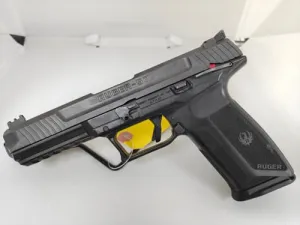
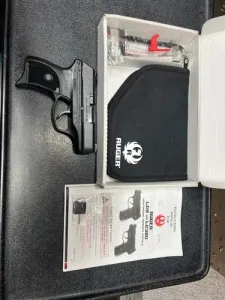
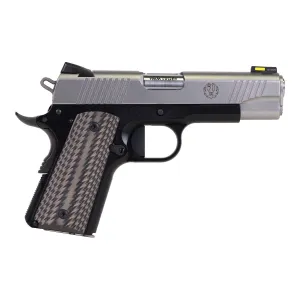
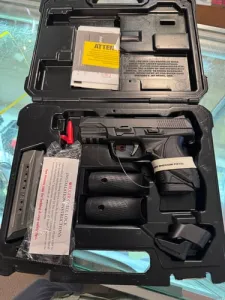
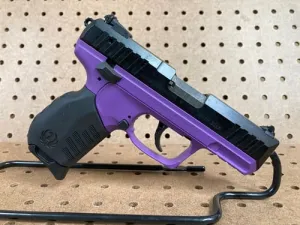
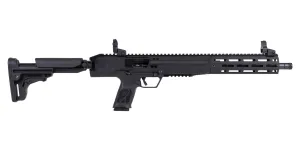
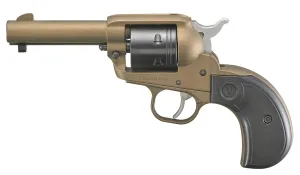
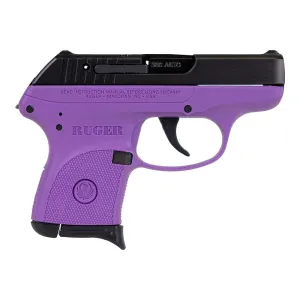
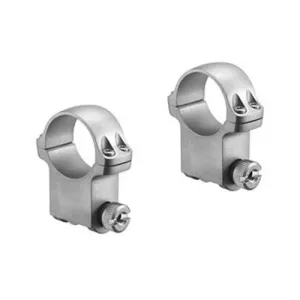
Table of Contents
Who Ruger is
Ruger is an American firearms company founded in 1949 in Southport, Connecticut, by Bill Ruger and Alexander Sturm. It is one of the largest gun makers in the United States, known for rugged, affordable, all-American-made rimfire rifles, revolvers, pistols and bolt-action rifles built largely from its own investment castings.
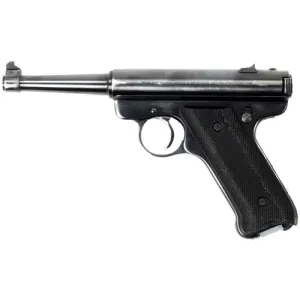
The company started in a rented machine shop with a single product: the Ruger Standard, a sleek .22 pistol whose silhouette borrowed the grip rake of a German Luger and ideas from the Japanese Nambu that Bill Ruger had studied after the war. Alexander Sturm, a young artist and heraldry enthusiast, put up the $50,000 in seed money and drew the company’s emblem — a stylized red eagle. The little pistol sold by mail order for $37.50 and was an instant hit, and Sturm, Ruger was off and running.
Then came the moment that still shows up in collector circles. Alexander Sturm died in 1951 at just 28 years old. In mourning, Bill Ruger changed the eagle on the company’s logo from red to black, and the black eagle stayed there until the 50th anniversary in 1999. Original “red eagle” Rugers are now prized by collectors precisely because of that small, sad gesture. (You can read the company’s own version of the story on Ruger’s official site.)
Where Ruger sits in the market is easy to summarize: value to mid-tier, and proud of it. The brand’s whole reputation is “more gun for the money” — strong actions, honest reliability, and a price that undercuts the premium names. The engine behind that is investment casting. In 1963 Ruger opened its Newport, New Hampshire plant and founded Pine Tree Castings, giving it in-house control of a casting process most gunmakers had to farm out. Cast frames and parts let Ruger make guns that are enormously strong for the dollar, which is exactly why Ruger revolvers have a reputation for handling heavy loads that would worry a lesser gun.
Ruger is not without controversy, and it is worth being straight about it. In a 1989 letter to every member of Congress, founder Bill Ruger proposed banning magazines that hold more than 15 rounds, and in 1992 he told NBC’s Tom Brokaw that “no honest man needs more than 10 rounds in any gun.” A real boycott followed among gun owners who felt the founder of a major firearms company had handed ammunition to the other side, and some of that resentment lingers to this day. Bill Ruger Sr. died in 2002; the modern company sells standard-capacity magazines and markets itself as “Arms Makers for Responsible Citizens.” It is part of the history, and pretending otherwise would be dishonest.
What Ruger makes
Rimfire rifles and pistols
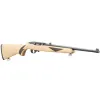
This is the heart of the brand. The 10/22, introduced in 1964, is the best-selling .22 rifle in history — a reliable rotary-magazine carbine that has become the most heavily customized rifle on earth, with a whole aftermarket built around it. The Mark IV (the latest in the Standard / Mark I-II-III line that started it all) is a superb .22 target and plinking pistol, and the one-button takedown finally fixed the famously fiddly reassembly of the earlier guns. The Wrangler brought a $200-ish single-action .22 six-gun to the masses.
Revolvers
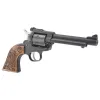
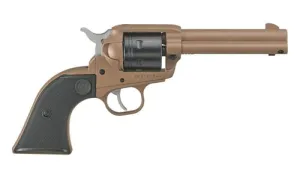
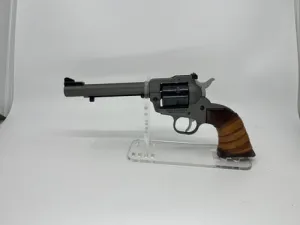
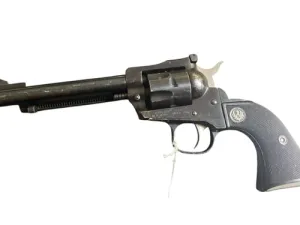
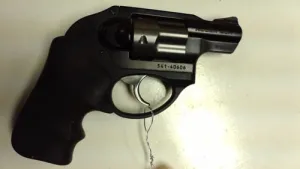
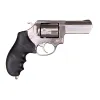
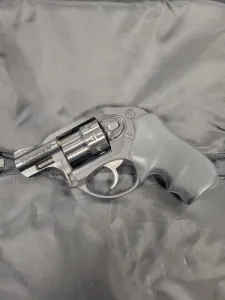
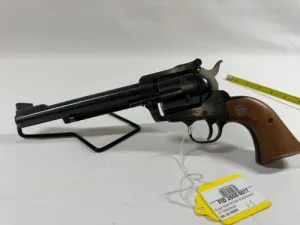
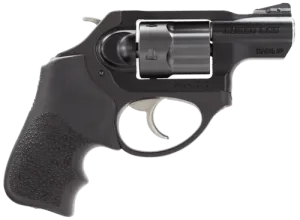
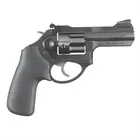
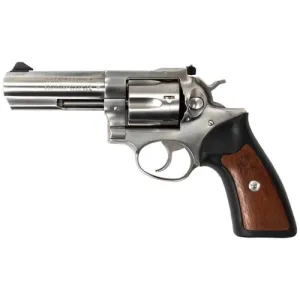
Ruger is one of the few companies still treating the revolver as a serious, evolving product. The double-action GP100 and compact SP101 are built like bank vaults; the polymer-framed LCR is one of the best modern carry revolvers; and the Redhawk and Super Redhawk swallow the biggest magnum hunting loads. On the single-action side, the Single-Six, Blackhawk and Super Blackhawk are the modern cowboy guns that revived the type when Colt had walked away from it.
Centerfire pistols
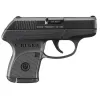
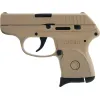
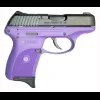
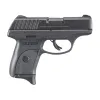
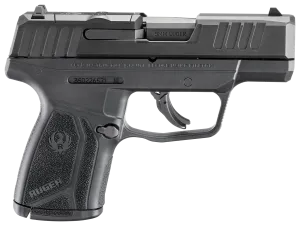
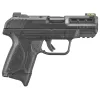
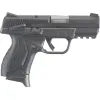
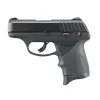
The pocket-sized LCP and its LCP MAX and LCP-DS descendants own the deep-concealment .380 niche. The MAX-9 and Security-9 cover budget micro- and compact-9mm carry, the American Pistol is a full-size duty striker gun, and the stainless SR1911 is a lot of 1911 for the money. The newest arrival, the RXM, is a Magpul-collaboration modular 9mm built on a Glock-compatible footprint.
Centerfire rifles
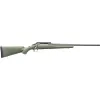
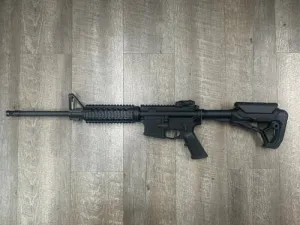
The American Rifle is the value-bolt benchmark; the Precision Rifle democratized the long-range chassis gun; the Mini-14 is the soft-shooting, Garand-action ranch rifle; the AR-556 is Ruger’s honest, no-frills AR-15; the PC Carbine is a takedown 9mm that feeds from Ruger and Glock magazines; and the No.1 is a classic falling-block single-shot for traditionalists.
Marlin
In September 2020 Ruger bought Marlin Firearms out of Remington’s bankruptcy for $30 million and revived the lever-gun line in North Carolina. The reborn Marlin 1895 and Model 336 have been widely praised as better-made than the late-Remington guns — a genuine rescue of an American icon.
Build quality and the investment-casting idea
Ruger’s signature is strength for the dollar, and the reason is manufacturing. Investment casting — pouring molten steel into precise ceramic molds — lets Ruger form complex, strong parts without machining them from billet, and Pine Tree Castings means it happens in-house. That is why a GP100 frame shrugs off full-house .357 loads and why an American Rifle costs what it does. Every Ruger is made in the United States, across plants in Newport, New Hampshire; Prescott, Arizona; and Mayodan, North Carolina — a point the company markets hard.
The honest trade-off is refinement. Ruger fit and finish is utilitarian, not jewel-like, and the company’s biggest weak spot for decades has been triggers: stock Ruger triggers are often heavy or gritty out of the box, which is why the aftermarket sells so many Ruger trigger kits, springs and BX-Trigger drop-ins. You are buying toughness and value, not a hand-fitted match gun.
How Ruger compares
Against Smith & Wesson, Ruger’s closest rival, the split is classic: S&W revolvers tend to have smoother factory actions and a more refined finish, while Ruger revolvers are generally stronger and a bit cheaper. In striker pistols, Glock and SIG Sauer beat Ruger on aftermarket depth and resale, but a Security-9 or MAX-9 undercuts them on price. In bolt rifles, the American trades blows with Savage and Mossberg Patriot on value while Tikka and Bergara win on out-of-box smoothness for more money. The pattern is consistent: Ruger rarely makes the single best gun in a category, but it very often makes the most gun you can get for the price.
Who should buy what
- First-time shooter or plinker: a 10/22 or a Wrangler — cheap to feed, easy to run, impossible to wear out.
- Everyday concealed carry: an LCP MAX for deep pocket carry, a MAX-9 for a little more gun, or an LCR if you want a revolver.
- Home-defense revolver fan: a GP100 in .357 Magnum — strong, simple, and good for decades.
- Hunter: an American Rifle for general use, a Super Redhawk for handgun hunting, or a Marlin 1895 in the brush.
- Long-range or precision shooter on a budget: the Ruger Precision Rifle.
- Buy elsewhere if: you want a tuned competition trigger out of the box or premium hand-fitted finish — that is Smith & Wesson Performance Center, Wilson Combat or a custom shop, not stock Ruger.
The Ruger philosophy
Bill Ruger’s instinct was to look at a category, find the version most people actually wanted, and build a strong, honest one they could afford. He did it with the .22 pistol, with the single-action revolver during the 1950s TV-Western boom, with the ranch rifle, and with the budget bolt gun. The throughline is democratization: take a gun that used to be expensive or fussy, cast it strong, price it fair, and put it in working hands. It is not the flashiest way to build firearms, but it is the reason the red eagle is on so many gun-safe shelves in America.
How to choose your Ruger setup
Start with the job. For cheap practice and teaching, almost nothing beats a 10/22 plus a stack of BX magazines. For carry, decide revolver or auto first — an LCR/SP101 if you trust a wheel gun, an LCP MAX/MAX-9 if you want capacity and flatness. For the range and the field, an American Rifle covers most hunting, and a GP100 is the do-everything magnum revolver. Then budget a little for the two upgrades Rugers most reward: a better trigger (a BX-Trigger for the 10/22, a spring kit or aftermarket trigger for the revolvers and centerfire rifles) and, on the rifles, a set of Ruger’s own scope rings, which clamp into the integral bases machined right into many Ruger receivers.
The red eagle and the cowboy-gun revival
Two stories explain Ruger better than any spec sheet. The first is the black eagle — a logo that turned dark in 1951 to mourn a 28-year-old co-founder and stayed that way for half a century. The second is the single-action revolver. By the early 1950s Colt had stopped making the Single Action Army, and the classic cowboy six-gun looked finished. Bill Ruger watched the country fall in love with TV Westerns, figured every kid and cowboy-at-heart would want one, and in 1953 released the Single-Six, followed by the Blackhawk. He brought the American six-gun back from the dead and built an entire revolver dynasty on it. Seventy-five years on, that mix of sentiment and shrewd, plainspoken product sense is still the company in a nutshell.
Shop Ruger Firearms & Parts
Live Ruger firearms, magazines and parts with current prices, organized by department and updated automatically.
Ruger Pistols
Ruger Revolvers
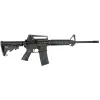
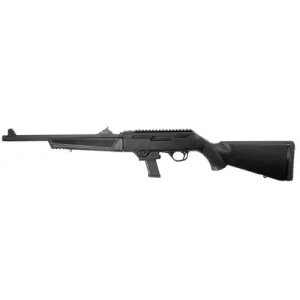
Ruger Rifles

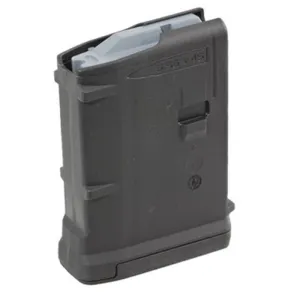
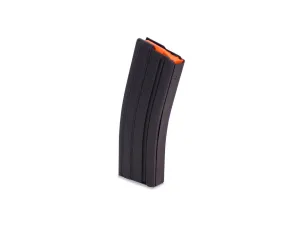
Factory Magazines
Where Ruger Fits in Our Buying Guides
- Best Ruger Rifles
- Best Ruger Mark IV Pistols
- Ruger American Rifle Gen II Review
- Best .380 ACP Pistols
- Best Concealed Carry Handguns
- Best Revolvers
- Best Hunting Rifles
- Best AR-15 Rifles
Ruger FAQ
Where is Ruger based, and are its guns made in America?
Sturm, Ruger & Co. is headquartered in Southport, Connecticut, and every Ruger firearm is made in the United States — at plants in Newport, New Hampshire; Prescott, Arizona; and Mayodan, North Carolina.
What is the most popular Ruger gun?
The Ruger 10/22, a .22 LR rimfire carbine introduced in 1964, is the best-selling rimfire rifle in history and the brand’s signature product.
Why are original “red eagle” Rugers collectible?
Co-founder Alexander Sturm designed the company’s red-eagle logo and died in 1951 at age 28. Bill Ruger changed the eagle to black in mourning, so the early red-eagle guns mark the company’s first two years and are sought after by collectors.
What is investment casting and why does Ruger talk about it?
Investment casting pours molten steel into precise ceramic molds to form strong, complex parts without machining them from solid billet. Ruger does it in-house through its Pine Tree Castings subsidiary, which is how it builds famously strong guns at a moderate price.
Is Ruger or Smith & Wesson better for revolvers?
Both are excellent. Smith & Wesson revolvers usually have smoother factory actions and more refined finishes; Ruger revolvers are generally stronger and a little cheaper. For heavy magnum loads on a budget, Ruger is hard to beat.
Does Ruger really own Marlin now?
Yes. Ruger bought Marlin Firearms out of Remington’s bankruptcy in September 2020 for $30 million and revived the lever-action line in North Carolina, where the reborn 1895 and 336 have been well received.
What is the catch with Ruger guns?
The main one is triggers and finish. Stock Ruger triggers are often heavy or gritty and the fit-and-finish is utilitarian, which is why the aftermarket sells so many Ruger trigger kits and springs. You are paying for strength and value, not refinement.
What tier is Ruger?
Value to mid-tier — rugged, all-American, over-built guns that deliver more capability per dollar than almost anyone, without the polish or price of the premium names.
Related Firearm Manufacturers Brands
USA Gun Shop may earn a commission on purchases made through the links on this page, at no extra cost to you. We list products on merit; prices and availability are pulled live and can change.
6,232+ Gun & Ammo Deals
Updated daily from 200+ top retailers. Filter by category, caliber, action type, and price.