

Last updated June 27th 2026
Some of the links below are affiliate links, meaning at no additional cost to you, we may earn a commission if you click through and make a purchase.
Table of Contents
How we tested: Every pick here is ranked against our testing methodology. Minimum round counts, accuracy and reliability protocols, the failures that disqualify a gun. Where we have not shot a specific variant ourselves, we say so in that section.
Quick Verdict
The 6.8 Western and the .270 Winchester fire the same .277-inch bullets but represent opposite philosophies. Choose the 6.8 Western if you want a modern, heavy-bullet, fast-twist cartridge for elk and long-range work with more downrange authority. Choose the .270 Winchester if you want a lighter-recoiling, flat-shooting classic with the cheapest, most available ammo and the deepest rifle selection on earth.
This is one of the most interesting cartridge comparisons going, because the two share a bullet diameter but almost nothing else. The .270 is a 1925 deer-slaying legend built around light, fast bullets, while the 6.8 Western is a 2021 design built to wring long-range, elk-class performance out of heavy, high-BC bullets the .270 was never meant to shoot. Same caliber, very different jobs.
6.8 Western vs .270 Winchester: Specs at a Glance
| Spec | 6.8 Western | .270 Winchester |
|---|---|---|
| Introduced | 2021 | 1925 |
| Bullet diameter | .277″ | .277″ |
| Action length | Short action | Long action |
| Common bullet weights | 165-175 gr | 130-150 gr |
| Typical load | 165 gr at ~2,970 fps | 130 gr at ~3,060 fps |
| Muzzle energy | ~3,200 ft-lbs | ~2,700 ft-lbs |
| Standard twist | 1:8 or 1:7.5 | 1:10 |
| Recoil | Moderate | Mild-moderate |
| Ammo availability | Limited | Excellent |
The Same .277 Bullet, Different Philosophy
The key to this whole comparison is twist rate. The .270 Winchester uses a slow 1:10 twist because it was designed in 1925 for light, 130 to 150-grain bullets pushed very fast. That recipe makes it flat-shooting and mild, but it can’t stabilize the long, heavy bullets that dominate modern long-range shooting.
The 6.8 Western flips that script. Winchester and Browning gave it a fast 1:8 or even 1:7.5 twist specifically to stabilize heavy 165 to 175-grain high-BC bullets, the kind that hold velocity and buck wind at distance. Same .277 bore, but the 6.8 Western is built to shoot the heavy bullets the .270 cannot, which is the entire reason it exists.
6.8 Western Pros & Cons
Pros
- Fast twist shoots heavy, high-BC bullets the .270 can’t stabilize
- More downrange energy and a flatter long-range trajectory for elk and distance
- Short-action efficiency in a modern, capable package
- Heavier bullets penetrate deeper on big game
Cons
- Ammo is far less common and pricier than .270
- More recoil than the lighter-bulleted .270
.270 Winchester Pros & Cons
Pros
- A century-proven deer and all-around cartridge with a legendary reputation
- The cheapest, most available .277 ammo on every shelf
- Lighter recoil than the 6.8 Western, easy for most shooters
- A vast selection of new and used rifles at every price
- Blistering speed and flat trajectory with light bullets
Cons
- Slow twist limits it to lighter bullets, capping long-range performance
- Less energy and penetration on elk than the heavy-bullet 6.8 Western
Velocity and Energy
The .270 wins the speed race with light bullets, sending a 130-grain load around 3,060 fps for roughly 2,700 foot-pounds, and it’s famously flat-shooting. The 6.8 Western trades some of that muzzle velocity for bullet weight, pushing a 165-grain bullet near 2,970 fps for about 3,200 foot-pounds.
That energy gap, roughly 500 foot-pounds at the muzzle, grows downrange because the 6.8 Western’s heavier, higher-BC bullets retain velocity and energy better. So while the .270 starts fast, the 6.8 Western hits harder at the distances where elk are often shot, which is exactly the performance window it was built for.
Trajectory and Long-Range Performance
At normal deer ranges inside 300 yards, both are flat enough that the difference hardly matters. The .270’s light, fast bullets actually shoot a touch flatter up close, which is part of its legendary reputation as a point-and-shoot deer cartridge.
Past 400 yards, the 6.8 Western’s heavy high-BC bullets take over. They resist wind better and retain more energy, so for deliberate long-range shooting and elk at distance, the 6.8 Western is the more capable tool. The .270 can reach out too, but it gives up wind performance and downrange punch to the modern cartridge.
Recoil
The .270 Winchester is the milder of the two, one of the reasons it’s been recommended to new and recoil-shy hunters for generations. Its lighter bullets and standard pressures produce manageable recoil in most rifles.
The 6.8 Western kicks more, the price of launching heavier bullets with more energy, though it’s still moderate and far from punishing. In a standard-weight rifle most shooters handle it fine, and a brake or suppressor tames it further. If low recoil is a priority, the .270 has the edge.
Ammo Cost and Availability
This is the .270’s decisive win. After a century in production, .270 Winchester ammo is on every shelf in every brand, including cheap hunting loads, and you’ll never struggle to find it. It’s one of the most available centerfire rifle cartridges in the world.
The 6.8 Western, as a newer and less popular cartridge, has a narrower selection that comes mainly from Winchester and Browning, and it’s pricier and harder to find, especially away from a well-stocked shop. For a hunter who buys ammo locally or wants affordable practice, the .270 is far easier to feed.
Rifle Selection
The .270 has been chambered in nearly every bolt-action rifle made since 1925, so the new and used market is enormous and spans every price point. If you want the widest possible choice of rifles, the .270 is unmatched.
The 6.8 Western has strong, modern support led by Browning and Winchester, with Christensen, Seekins, and others chambering it, all with the fast twist it needs. See our best 6.8 Western rifles guide for the top picks. The 6.8 Western also has the advantage of fitting in a short action, which makes for a slightly lighter, stiffer rifle than the long-action .270.
Hunting: Deer, Elk, and Beyond
For deer, both are excellent, and the .270’s century-long reputation as one of the best deer cartridges ever is well earned. Inside 400 yards on deer-sized game, you cannot go wrong with either, and the .270’s mild recoil and cheap ammo make it the easier choice for a dedicated deer rifle.
For elk and larger game at distance, the 6.8 Western pulls ahead. Its heavy, deep-penetrating, high-BC bullets deliver more energy where it counts, making it the better elk and long-range cartridge. If your hunting leans toward elk, mixed bag at distance, or western country, the 6.8 Western is the more purpose-built tool.
Reloading and Bullet Selection
Both reload well and use the same .277 bullet diameter, but they want different projectiles. The .270 handloader sticks to lighter 130 to 150-grain bullets suited to its slow twist, with a century of published load data to draw on. It’s an easy, well-documented cartridge to load.
The 6.8 Western reloader gets to use the heavy 165 to 175-grain high-BC .277 bullets that its fast twist unlocks, which is a genuine advantage for long-range work. The trade is newer, less abundant load data and brass. For a reloader chasing heavy-bullet long-range performance, the 6.8 Western is the more exciting case; for proven simplicity, the .270 wins.
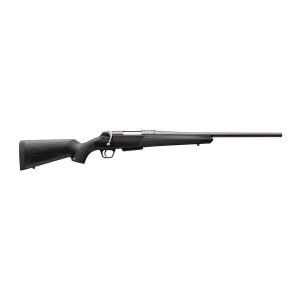
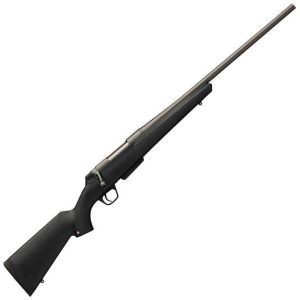
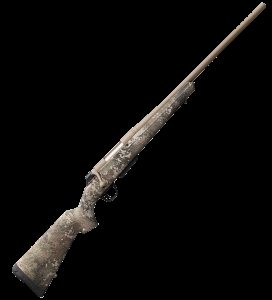
Live 6.8 Western Rifles on Sale
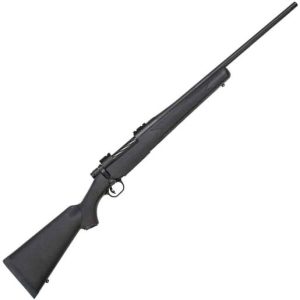
Live .270 Winchester Rifles on Sale

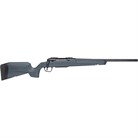
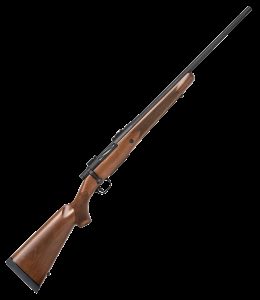
How I Compared These Cartridges
I based this comparison on each cartridge’s published factory ballistics from Winchester, Browning, and the major ammo makers, cross-referenced against the SAAMI specs. I focused on the factors that actually decide the choice: velocity and energy with appropriate bullet weights, downrange trajectory and wind, recoil, twist rate and bullet selection, ammo cost and availability, and rifle options.
The most important thread is bullet weight and twist, because that single difference explains why these same-caliber cartridges suit different jobs. I’ve kept the comparison honest about where the .270’s century of refinement still wins and where the 6.8 Western’s modern design genuinely pulls ahead.
Bottom Line: Which Should You Buy?
Buy the 6.8 Western if you hunt elk, shoot at distance, or want a modern heavy-bullet .277. Its fast twist, heavier high-BC bullets, and greater downrange energy make it the better long-range and elk cartridge, in an efficient short-action package. It’s the .277 bore rebuilt for how we shoot today.
Buy the .270 Winchester if you want a mild-recoiling, flat-shooting deer cartridge with ammo everywhere. A century of proven performance, the cheapest and most available .277 ammo, lighter recoil, and a bottomless rifle selection make it the smarter, easier choice for most deer hunters.
The honest summary: the .270 is the better all-around deer cartridge for the average hunter, and the 6.8 Western is the better elk and long-range cartridge for the shooter who needs heavy bullets. Decide which describes you, and pair your rifle with quality glass from our best long-range scopes guide.
FAQ: 6.8 Western vs .270 Winchester
Is the 6.8 Western better than the .270 Winchester?
For elk and long-range shooting, yes, the 6.8 Western is better, with its fast twist, heavy high-BC bullets, and more downrange energy. For an all-around deer cartridge with mild recoil and cheap, available ammo, the .270 Winchester is the better and easier choice. They share a bullet diameter but suit different jobs.
Is the 6.8 Western just a .270?
They use the same .277-inch bullet diameter, but they are very different cartridges. The .270 is a 1925 long-action design with a slow twist built for light, fast bullets, while the 6.8 Western is a 2021 short-action design with a fast twist built for heavy, high-BC bullets. The 6.8 Western shoots heavy bullets the .270 cannot stabilize.
Does the 6.8 Western kick more than the .270?
Yes, the 6.8 Western recoils noticeably more than the .270 Winchester because it launches heavier bullets with more energy. The .270 is famously mild and easy to shoot, while the 6.8 Western is moderate but still manageable in a standard rifle, and a brake or suppressor tames it.
Is the 6.8 Western good for elk?
Yes, the 6.8 Western is an excellent elk cartridge, arguably better than the .270, because its heavy 165 to 175-grain high-BC bullets deliver more energy and deeper penetration at the distances elk are often shot. The .270 also takes elk, but the 6.8 Western is the more purpose-built elk and long-range choice.
Which is better for deer, 6.8 Western or .270?
For deer, the .270 Winchester is the easier and more practical choice, with milder recoil, cheaper and more available ammo, and a century-long reputation as one of the best deer cartridges ever. The 6.8 Western works fine on deer too, but it is more cartridge than most deer hunting requires.
Do the 6.8 Western and .270 use the same bullets?
They use the same .277-inch bullet diameter, but typically different weights. The .270 runs lighter 130 to 150-grain bullets suited to its slow 1:10 twist, while the 6.8 Western runs heavier 165 to 175-grain high-BC bullets that its fast 1:8 or 1:7.5 twist is designed to stabilize.
Which is cheaper to shoot, 6.8 Western or .270?
The .270 Winchester is far cheaper and easier to shoot. After a century in production it is on every shelf in every brand, including affordable hunting loads, while the 6.8 Western's ammo comes mainly from Winchester and Browning and is pricier and harder to find.
5,380+ Gun & Ammo Deals
Updated daily from 200+ top retailers. Filter by category, caliber, action type, and price.
Related Guides