

Rest a rifle on a bipod and you are almost certainly choosing between these two American companies. Harris invented the affordable spring-loaded bipod in 1979 and it has been the proven, ubiquitous default ever since. Atlas showed up in 2005, added independently positioning legs and pan-and-cant, and became the premium precision standard — even winning the US military’s sniper-rifle bipod contract. Both are made in America. Here is the data, side by side, and which to actually buy.
Short answer: buy Harris if you want the proven, affordable classic — the S-BRM’s spring-loaded legs and swivel do everything most shooters need for about half the price, which is why it has been on rifles for over 40 years. Buy Atlas if you want the premium precision bipod with independently positioning legs, pan and cant, and a rock-solid Picatinny mount — the BT10 and PSR are what serious long-range and competition shooters run. Harris wins on value; Atlas wins on versatility and precision.
Table of Contents
Who wins each category
| Category | Winner |
|---|---|
| Leg positioning versatility | Atlas (5 angles) |
| Pan & cant | Atlas |
| Weight | Atlas (slightly) |
| Build & precision | Atlas |
| Value for money | Harris |
| Proven simplicity | Harris |
| US manufacturing | Even (both USA) |
| Best default for most shooters | Harris (Atlas for precision) |
Harris vs Atlas at a glance
| Harris | Atlas (B&T Industries) | |
|---|---|---|
| Founded | 1979 (Jerry Harris) | 2005 (Atlas Bipods) |
| Headquarters | Barlow, Kentucky | Kansas |
| Made in | USA | USA |
| Known for | The original spring-loaded QD bipod | USSOCOM PSR precision bipod |
| Flagship bipods | S-BRM, 1A2-BRM | BT10, PSR BT46 |
| Best for | Affordable proven prone shooting | Premium precision & positioning |
| Price tier | Value | Premium |
Harris vs Atlas: flagship bipods compared
The signature bipod from each brand, head to head — the Harris S-BRM against the Atlas BT10. Specs from the manufacturers.
| Spec | Harris S-BRM | Atlas BT10 |
|---|---|---|
| Height range | 6–9 in (4 settings) | 5–9 in |
| Leg positions | Fixed forward (spring-loaded) | 5 angles: 0 / 45 / 90 / 135 / 180° |
| Pan & cant | Swivel (cant) via tension knob | Pan & cant |
| Weight | 13 oz | 11 oz |
| Mount | Front sling-swivel stud | Picatinny (QD lever optional) |
| Deployment | Spring-loaded legs, notched | Push-button leg angle |
| Material | Steel & aluminum | Hard-anodized aluminum |
| Made in | USA | USA |
| Street price | around $120 | around $230 |
The split is simplicity versus versatility. The Harris deploys spring-loaded legs, swivels to level on uneven ground, and clamps to a sling stud — everything a prone shooter needs, for about half the price. The Atlas adds five independent leg angles, true pan and cant, and a solid Picatinny mount, which is exactly what precision and competition shooters pay the premium for.
Who each brand is
Harris Engineering is where the modern bipod comes from. Jerry Harris started building bipods in 1965 and founded the company in 1979 in Barlow, Kentucky, where its spring-loaded, quick-detach bipods have been made ever since. Simple, rugged and affordable, the Harris bipod became the default on hunting and precision rifles for over four decades — the design nearly every competitor copies. It is 100% made in the USA.
Atlas is built by B&T Industries in Kansas, which has made Atlas bipods and Accu-Shot monopods since 2005. Atlas rethought the bipod with independently positioning legs (five angles each), true pan and cant, and a rock-solid direct-to-Picatinny mount — features that made it the standard for precision rifle competition and long-range hunting, and earned it the US military’s Precision Sniper Rifle (PSR) bipod contract. It is made in the USA and priced as the premium option it is.
Leg positioning and versatility
This is why Atlas exists. Each Atlas leg locks at five angles — straight down, angled forward or back, all the way to nearly flat — and the head pans and cants to track a target and level the rifle on any terrain. A Harris deploys its spring-loaded legs forward and swivels to cant, which covers most prone shooting well, but it does not match the Atlas for positioning options. For versatility across positions and terrain, Atlas wins clearly.
Edge: Atlas.
Build and precision
Both are tough, but they aim at different bars. The Atlas is a precision instrument — tight tolerances, hard-anodized aluminum, a mount that returns to zero and does not shift under recoil, which is why it won a military sniper contract. The Harris is rugged and reliable, but its sling-stud attachment and spring legs have a touch more play than an Atlas locked to a rail. For the last increment of precision and rock-solid repeatability, Atlas leads.
Edge: Atlas.
Weight and simplicity
The Atlas is actually a bit lighter (about 11 oz versus 13 oz) despite doing more, thanks to its aluminum construction. But the Harris wins on sheer simplicity: spring the legs out, drop prone, shoot — there is almost nothing to learn or adjust. For a shooter who wants a no-fuss bipod that just works, the Harris is hard to beat.
Edge: even — Atlas on weight, Harris on simplicity.
Value
This is Harris’s home ground. At roughly $120, the S-BRM does everything the vast majority of hunters and shooters need for about half the price of an Atlas BT10, and a fraction of a PSR. The Atlas earns its premium for precision users, but the Harris delivers the core job — a stable, repeatable rest — for far less money. For dollar-for-dollar value, Harris wins decisively.
Edge: Harris, decisively.
Where each one wins
Buy Harris if…
- You want the proven, affordable classic: the S-BRM (6–9″, swivel, notched legs) covers most hunting and prone shooting.
- You value simplicity: spring the legs out and shoot — nothing to fuss with.
- You are on a budget: the core bipod job for about half the Atlas price.
Buy Atlas if…
- You want precision-grade versatility: the BT10 for five leg angles, pan and cant; the PSR for the military-grade flagship.
- You shoot long range or compete: the rock-solid Picatinny mount and repeatability earn their keep.
- You want the do-everything bipod: positions and terrain a Harris cannot match.
The honest verdict
There is no wrong answer — both are American-made and both work. For the large majority of hunters and shooters, Harris is the smart buy: the S-BRM gives you a stable, proven, swivel bipod that does the core job for about half the price of an Atlas, which is why it has been the default for over 40 years. Step up to Atlas when you shoot precision or long range and want independently positioning legs, pan and cant, and the rock-solid repeatable mount that earned a military contract — and the premium is worth it. Harris for value and simplicity; Atlas for precision and versatility. Both will steady your rifle for a lifetime.
Shop Harris vs Atlas — live prices
Live Harris and Atlas bipods and current prices, pulled automatically so you can compare both sides at today’s cost.
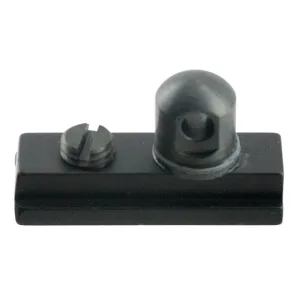
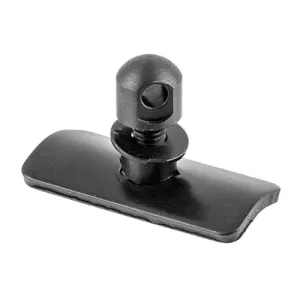
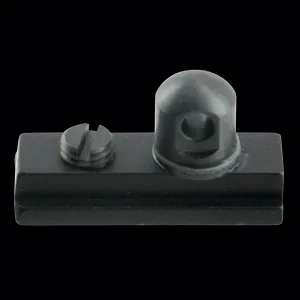
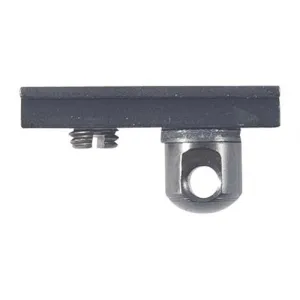
Shop Harris Bipods




Shop Atlas Bipods


Read the full brand profiles
- Harris parts & accessories — the full Harris lineup and history.
- Atlas parts & accessories — the full Atlas lineup and history.
Harris vs Atlas FAQ
Is Atlas better than Harris?
For precision and versatility, yes — Atlas offers five leg angles, pan and cant, and a rock-solid Picatinny mount. But it costs about twice as much. For most hunters and shooters, the Harris does the core job for half the price, which makes it the better value.
Which is cheaper, Harris or Atlas?
Harris, by a wide margin — the S-BRM runs about $120 versus roughly $230 for an Atlas BT10 and $355 for a PSR.
What makes the Atlas bipod special?
Each Atlas leg locks at five angles (0/45/90/135/180°), the head pans and cants, and it mounts directly to a Picatinny rail with a repeatable, rock-solid lockup — which is why it won the US military’s Precision Sniper Rifle bipod contract.
Are Harris and Atlas made in the USA?
Yes, both. Harris bipods are made in Barlow, Kentucky; Atlas bipods are made by B&T Industries in Kansas.
How does the Harris bipod attach?
The standard Harris clamps to the front sling-swivel stud on the stock. Atlas bipods mount directly to a Picatinny rail (with an optional quick-detach lever).
Do military and police use Harris or Atlas?
Both see service, but the Atlas was selected for the USSOCOM Precision Sniper Rifle program, giving it a strong precision-military pedigree. Harris has decades of use across hunting, military and law enforcement.
What is the best Harris bipod?
The S-BRM (6–9″, swivel, notched legs) is the most popular all-round model; the taller 1A2-BRM (9–13″) suits bench and higher positions.
Which should I buy for a hunting rifle?
For most hunting, the Harris S-BRM offers the best value and simplicity; choose an Atlas if you shoot long range or want the extra leg positions and precision mount.
USA Gun Shop may earn a commission on purchases made through the links on this page, at no extra cost to you. We list products on merit; prices and availability are pulled live and can change.
Shop more: browse all slings & bipods.
4,798+ Gun & Ammo Deals
Updated daily from 200+ top retailers. Filter by category, caliber, action type, and price.