

The little red dot that appears on a target the instant you grip your pistol — that idea is largely Crimson Trace. The Oregon company built its name on Lasergrips, replacement grips with a laser built in that switches on the moment you take a normal firing hold. From those grips it grew into the world’s leading laser-sight brand, with the compact Laserguard, the rail-mounted Rail Master, weapon lights, and red dots. Here is who they are, what they make, and what is worth buying.
Crimson Trace Deals — 25% Off or Better
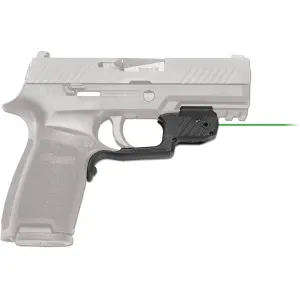
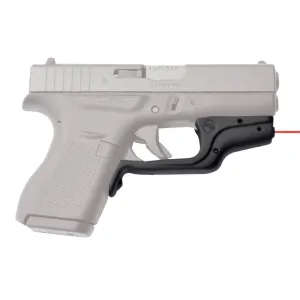
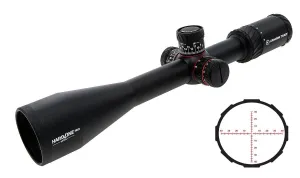
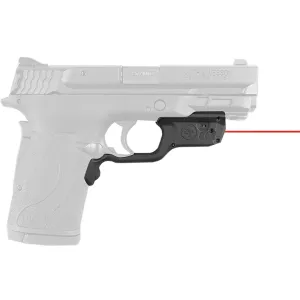
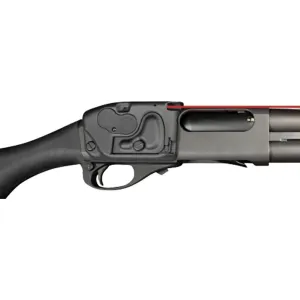
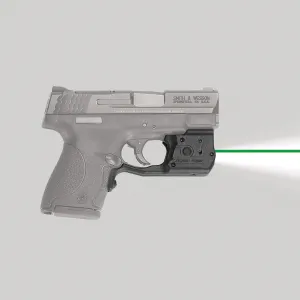
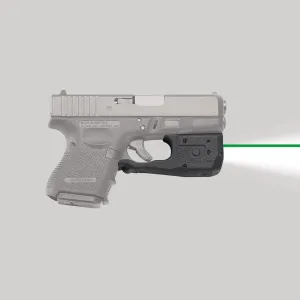
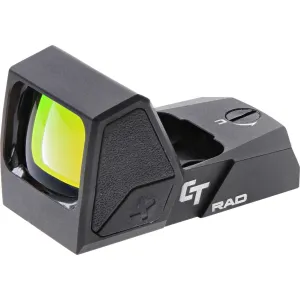
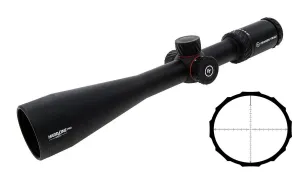
Table of Contents
Who Crimson Trace is
Crimson Trace is the Oregon company that made the laser sight mainstream, built on Lasergrips, replacement grips with a laser that switches on the instant you take a firing hold. It grew into the world’s leading laser-sight brand.
Crimson Trace was founded in 1994 by firearms engineer Lewis Danielson in Wilsonville, Oregon, around one genuinely original idea: instead of bolting a laser onto a gun, build it into the grip so it aims itself. The result was Lasergrips, and the clever part is the instinctive activation — a pressure-sensitive switch on the front strap turns the laser on automatically when you grip the pistol the way you normally would, with no button to remember under stress. That single concept changed how the industry thought about aiming aids.
Over the following decades Crimson Trace expanded from grips into a full portfolio of red and green laser sights, weapon-mounted lights, rangefinders, and optics, and became widely recognized as the world’s leading brand of firearm laser sights, with well over two hundred products serving civilians, police, and military users. The lineup is anchored by three platforms shooters know by name: Lasergrips, Laserguard, and Rail Master.
In August 2016, Smith & Wesson acquired Crimson Trace for $95 million, but the company stayed put — it still engineers and builds its products in Wilsonville, Oregon. On the quality ladder, Crimson Trace sits in the mainstream-to-premium tier for aiming accessories: not the cheapest lasers on the market, but the established, widely trusted name with the broadest gun-specific fitment.
What Crimson Trace makes
Lasergrips — the original
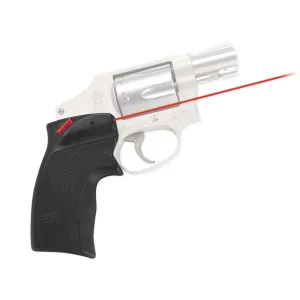
The Lasergrips are still the signature: replacement pistol and revolver grips with an integrated laser and instinctive front-strap or grip activation. Because they replace a part the gun already has, they add a laser without changing the pistol’s size or holster fit — a big deal for snub revolvers and compact carry guns.
Laserguard — compact carry lasers
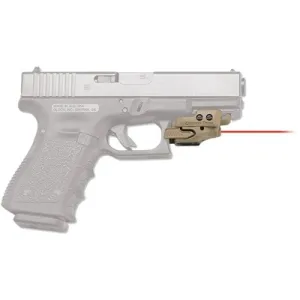
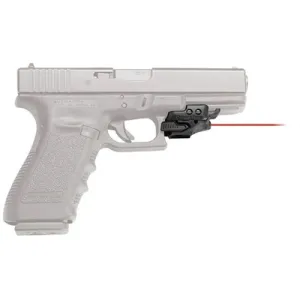
The Laserguard is a small laser that mounts on the front of the trigger guard, sized for modern compact and subcompact carry pistols, again with instinctive activation. Many versions add a white light in the Laserguard Pro form.
Rail Master — universal rail lasers and lights
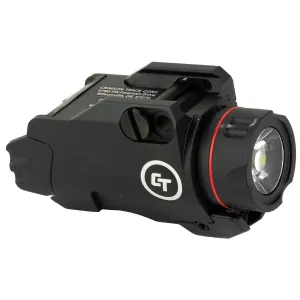
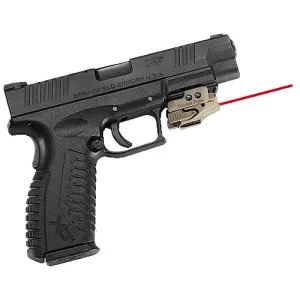
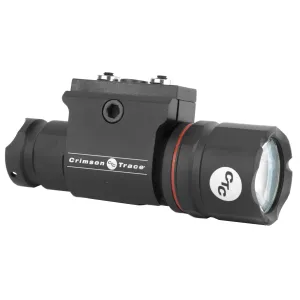
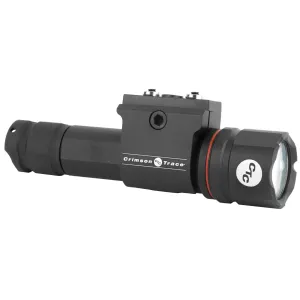
The Rail Master and Rail Master Pro mount on any standard accessory rail and bring a laser, or a combined laser-and-light, to a wide range of pistols and long guns. The Lasersaddle does the same job for defensive shotguns like the Mossberg and Remington pumps.
Red dots, lights, and rangefinders
The line now reaches beyond lasers: the CT-RAD micro red dot for pistols and long guns, standalone weapon lights, and the HorizonLine handheld laser rangefinders for hunters — all from the same Oregon shop.
Build quality and where it is made
Crimson Trace engineers and manufactures in Wilsonville, Oregon, and the products are built to be carried hard — the lasers are designed to hold zero through recoil, and the instinctive-activation switches are the result of decades of refinement. Most units run on common batteries with long runtimes, and the gun-specific fit on the Lasergrips and Laserguard lines is precise. You are paying for proven, gun-matched aiming gear backed by a real company, not a generic clip-on laser.
How Crimson Trace compares
Against Viridian, its main laser rival, Crimson Trace generally offers broader gun-specific fitment and the original instinctive-activation grips, while Viridian counters with its own instant-on holster activation — both are strong, and it often comes down to what fits your specific gun. Against weapon-light specialists like Streamlight and SureFire, Crimson Trace competes on the laser side rather than raw lumens. The honest trade-off today is bigger than any single competitor: pistol red-dot optics have taken over much of the aiming-aid market, and for many shooters a slide-mounted red dot is now the first upgrade. Lasers still shine for pocket pistols, snub revolvers, low-light point-shooting, and shooters who struggle with iron sights — that is exactly where Crimson Trace earns its keep.
Who should buy what
- Snub revolver or pocket-pistol carrier: Lasergrips, which add aiming without changing the gun’s size.
- Compact carry-pistol shooter: a Laserguard, or the Laserguard Pro for a light too.
- Rail-equipped pistol or carbine: the Rail Master Pro laser-light combo.
- Home-defense shotgun owner: the Lasersaddle.
- Hunter who wants a rangefinder: the HorizonLine.
- Shooter set on a modern optic: a slide-mounted red dot — the CT-RAD or a dedicated optic — may suit you better than a laser.
If your plan is a slide-cut pistol with a red dot, a laser may be secondary for you. For carry guns that are hard to mount optics on, for low light, and for anyone who wants the gun to aim itself the instant it is gripped, Crimson Trace is the established choice.
The Crimson Trace philosophy
Everything Crimson Trace makes traces back to that founding idea: the aiming aid should work for you automatically, under stress, without extra steps. Instinctive activation is the purest expression of it — you grip the gun, the laser is on, you put the dot where you are looking. The company has spent thirty years refining that concept and extending it across grips, rail mounts, and lights, always aimed at the defensive shooter who needs simplicity when it counts.
How to choose your Crimson Trace setup
Start with your gun. If it has replaceable grips — many revolvers and full-size pistols do — Lasergrips give you a laser with zero added bulk. If it is a modern compact with a one-piece frame, the Laserguard on the trigger guard is the match, and the Pro version adds a light. If your pistol or carbine has a rail and you want a light too, the Rail Master Pro is the universal answer. Decide between a red laser (cheaper, longer battery life, easy to see in low light) and a green one (more visible in daylight, pricier). Then practice drawing to the dot so the instinctive activation does its job when you need it.
The laser that aims itself
It is easy to take instinctive activation for granted now, but in 1994 the notion that a laser should switch on the instant you grip the gun — no separate button, no fumbling in the dark — was genuinely new. That insight turned a small Oregon startup into the dominant name in firearm lasers and eventually made it worth $95 million to Smith & Wesson. Whatever the optics market does next, the idea that your aiming aid should work the moment your hand closes around the grip is Crimson Trace’s lasting contribution to how people shoot.
Shop Crimson Trace Parts & Prices
Live products and current prices for Crimson Trace, organized by department and updated automatically.
Laser Sights



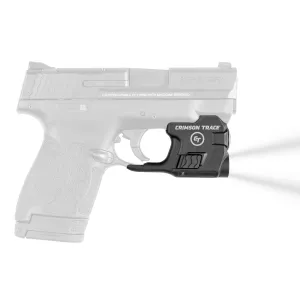

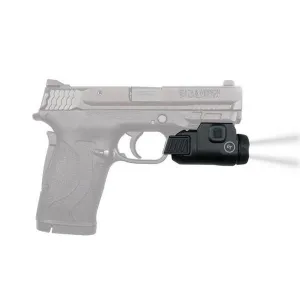

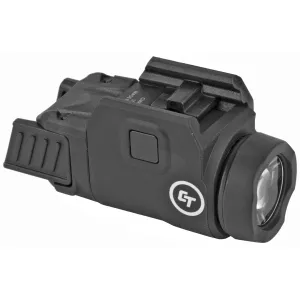
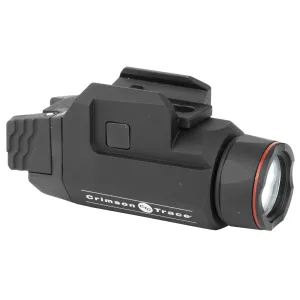
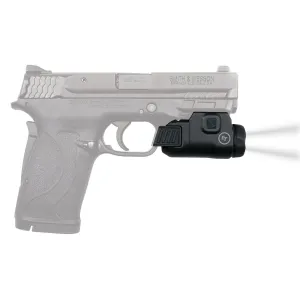
Weapon Lights

Where Crimson Trace Fits in Our Buying Guides
Crimson Trace FAQ
Where is Crimson Trace based?
Wilsonville, Oregon, where it was founded in 1994 and still engineers and builds its products.
What is instinctive activation?
A pressure switch, usually on the front strap or grip, that turns the laser on automatically when you take a normal firing grip — no separate button to find under stress.
What are Lasergrips?
Crimson Trace’s original product: replacement pistol or revolver grips with a built-in laser, adding aiming capability without changing the gun’s size or holster fit.
Is Crimson Trace owned by Smith & Wesson?
Yes. Smith & Wesson acquired Crimson Trace in 2016 for $95 million, but operations remain in Wilsonville, Oregon.
Red laser or green laser?
Red lasers are cheaper and have longer battery life; green lasers are easier to see in bright daylight but cost more and use more power. Choose by where you will use it.
Laser or red dot?
Red dots are now the default for guns that can mount them. Lasers still win for pocket pistols, snub revolvers, low-light point-shooting, and shooters who struggle with irons. Crimson Trace makes both.
Does Crimson Trace make red dot sights too?
Yes. Alongside its laser sights, Crimson Trace now makes compact pistol and rifle red dot optics and rifle scopes, though the Lasergrip and Laserguard lasers remain what the brand is known for.
What tier is Crimson Trace?
The leading mainstream-to-premium brand of firearm laser sights, with the broadest gun-specific fitment and the original instinctive-activation design.
Related Optics, Sights & Lasers Brands
USA Gun Shop may earn a commission on purchases made through the links on this page, at no extra cost to you. We list products on merit; prices and availability are pulled live and can change.
5,743+ Gun & Ammo Deals
Updated daily from 200+ top retailers. Filter by category, caliber, action type, and price.