

Not long ago, thermal and night-vision optics meant spending the price of a used truck, and AGM Global Vision is a big reason that changed. AGM has built its name on putting after-dark capability within reach: the compact Rattler thermal scopes that brought pro-grade heat vision to a hunter’s budget, the combat-proven PVS-14 night-vision monocular, dual-tube NVG-50 goggles, and a deep bench of thermal scopes like the Varmint, Adder, and Taipan. Unusually for this market, AGM does both digital thermal and real image-intensifier night vision. Here is who they are, what they make, and what is worth buying.
AGM Global Vision Deals — 25% Off or Better
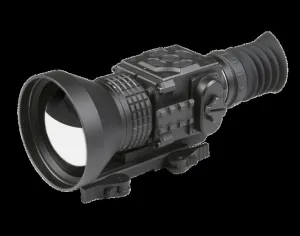
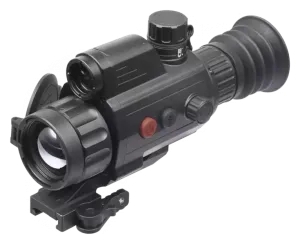
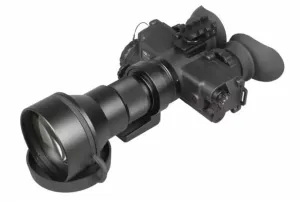
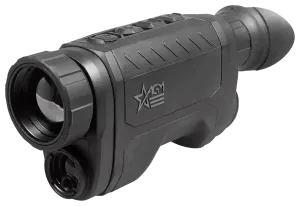
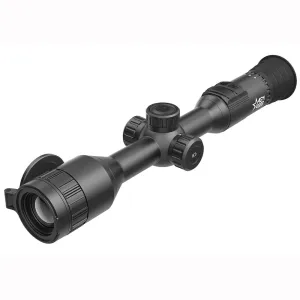
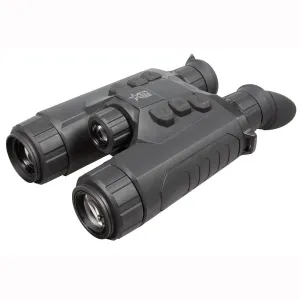
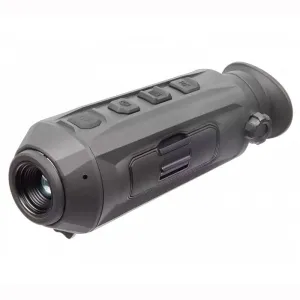
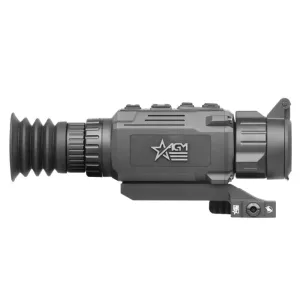
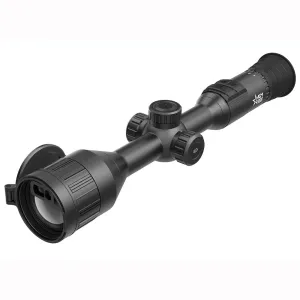
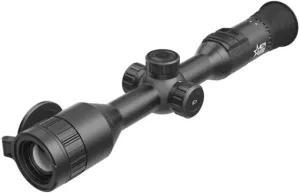
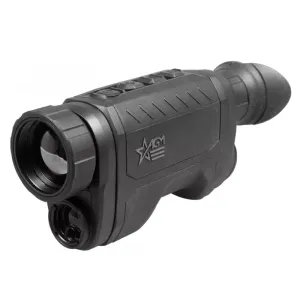
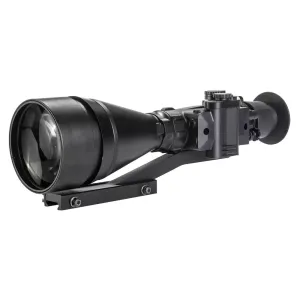
Table of Contents
Who AGM Global Vision is
AGM Global Vision is the maker that helped put thermal and night-vision optics within a hunter’s budget. It is best known for the compact Rattler thermal scopes and the combat-proven PVS-14 night-vision monocular, and is headquartered in Doral, Florida.
AGM Global Vision was founded in 2019 and is based in Grand Prairie, Texas, with operations tied to Springerville, Arizona. The interesting part is who started it: founders Gary Tarakanov and Mark Tarakanov are the same industry veterans behind ATN and Armasight — two of the best-known names in consumer electro-optics. So while AGM is a young company on paper, it was launched by people who had already built major brands in exactly this category. That pedigree shows in how quickly AGM filled out a full lineup.
The company’s stated mission is to become a leading American maker of thermal, night-vision, and digital optics, aimed squarely at hunters, outdoors users, and law enforcement. Its breakthrough came in 2021 with the Rattler line — a genuinely compact thermal scope with professional-grade performance at a price that undercut most of the field. The Rattler did for budget thermal roughly what affordable red dots did for the AR-15: it made the technology normal instead of exotic.
On tier, AGM lives in the value-to-midrange space, and that is the whole pitch — accessible pricing on capability that used to cost far more. Be clear-eyed about the trade-off: AGM is more of an integrator and brand-builder than a from-scratch sensor foundry, it is a newer company than the European giants, and on the night-vision side image quality scales directly with the tube generation and figure-of-merit you pay for. You can buy a bargain AGM that is merely okay, or a high-spec one that is excellent — read the specs, not just the badge.
What AGM Global Vision makes
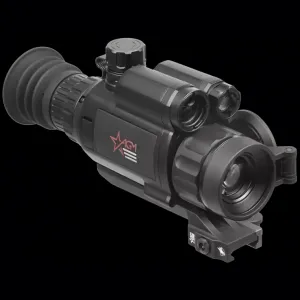
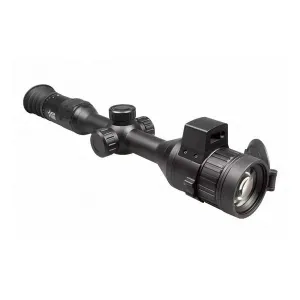
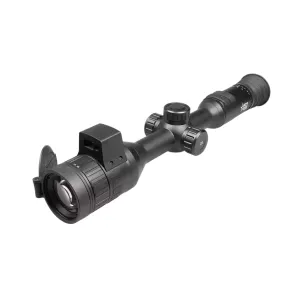
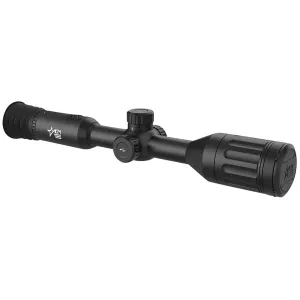
Thermal riflescopes
This is the broadest part of the catalog. The Rattler is the compact flagship; the Varmint, Adder, and Sidewinder step up in objective size and sensor resolution for longer-range work; and the Python sits at the premium end. Model numbers tell the story — a name like TS35-384 or TS50-640 encodes the objective lens in millimeters and the thermal sensor resolution (384×288 versus the sharper 640×512). Higher numbers mean more detection range and a finer image.
Image-intensifier night vision
This is what sets AGM apart from thermal-only brands. AGM sells genuine analog and digital tube night vision, including the legendary PVS-14 monocular — the design originally commissioned by the U.S. military — plus the NVG-40 and NVG-50 dual-tube goggles and the Wolf-7 system. These use real image-intensifier tubes graded by generation (Gen 2+, Gen 3, auto-gated) and figure-of-merit, so you can spend to the level of clarity you need. Thermal sees heat; these see light, which means they show faces, markings, and fine detail thermal cannot.
Thermal monoculars and clip-ons
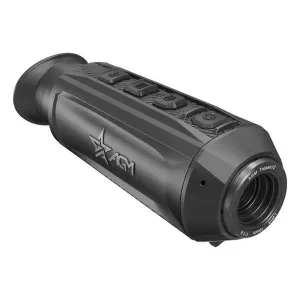
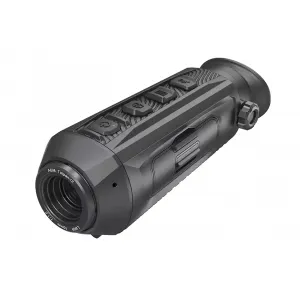
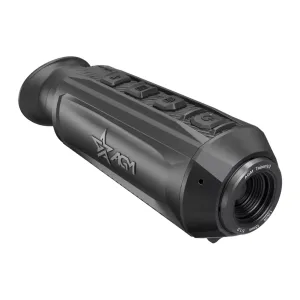
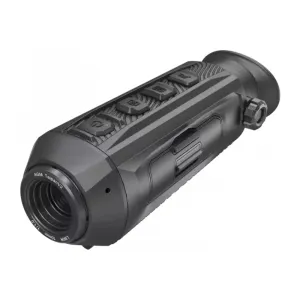
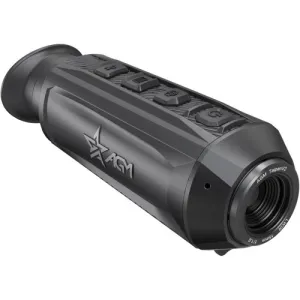
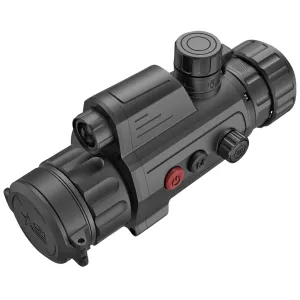
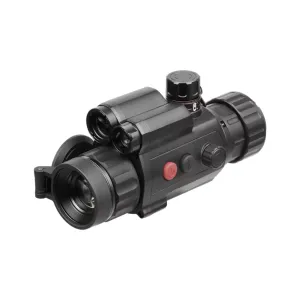
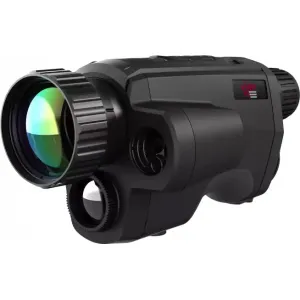
For scanning rather than shooting, AGM makes handheld thermal monoculars like the Rattler TC and Taipan series. And the Rattler-C clip-on mounts in front of your existing day scope to add thermal at night and come off in daylight — the budget path to a thermal-capable rifle you have already zeroed.
Fusion, rangefinders, and accessories
Newer units like the Voyage blend thermal and night-vision sensors into one fused image, several models build in a laser rangefinder (the LRF designation), and AGM rounds it out with mounts, battery packs, helmet hardware, and IR illuminators.
Build quality and the value equation
AGM’s hardware is built for field use — recoil-rated scope bodies, weather sealing, onboard recording, and Wi-Fi streaming to a phone on the digital units. The honest way to think about the brand is value engineering: AGM aims to deliver most of the capability of a premium optic at a noticeably lower price, and for most hunters most of the time, it succeeds. Where you feel the price difference versus a top-tier European unit is at the margins — ultimate image refinement, software polish, and the depth of a long warranty-and-service track record. For the money, AGM gives up less than you would expect.
How AGM compares
Against ATN — a brand AGM’s founders know intimately — the two overlap heavily on value thermal, with AGM often edging ahead on dedicated thermal-scope image quality. Against Pulsar, the premium European benchmark, Pulsar wins on top-end image clarity, software, and resale value, while AGM wins decisively on price and on offering real tube night vision alongside thermal. Sightmark and Bering Optics compete at the budget end, and InfiRay pushes high-end sensor specs. AGM’s distinct advantage is breadth: very few brands let you buy a $1,500 thermal scope and a Gen 3 PVS-14 from the same catalog.
Who should buy what
- The budget night hog or predator hunter: a Rattler thermal scope — compact, capable, and the reason AGM is a household name.
- The hunter who wants longer range: a Varmint or Adder with a 640 sensor and larger objective.
- The shooter who wants true night vision, not thermal: a PVS-14 monocular — pick the tube generation that fits your budget.
- The hands-free operator: an NVG-50 dual-tube goggle for helmet-mounted, depth-perception night work.
- The shooter who loves their current rifle: a Rattler-C clip-on to add thermal without re-zeroing.
- The scanner and scout: a handheld Taipan or Rattler TC monocular to find game before the shot.
Who should look elsewhere? If you want the absolute best image money can buy and price is no object, a top Pulsar, Trijicon, or N-Vision unit will edge AGM out. And as with any night optic, check your state’s hunting regulations first — thermal and night vision are often restricted for big game while allowed for hogs and predators.
The AGM philosophy
AGM’s throughline is access. The company exists to compress the price of capability — to take what used to be a military or wealthy-hunter privilege and make it something a working hunter can actually afford, across both thermal and real night vision. That means a lot of models at a lot of price points, clear spec-based naming so you know exactly what sensor or tube you are buying, and a constant push to put last year’s flagship performance into this year’s mid-tier price. It is a volume-and-value strategy, executed by people who already know the category cold.
How to choose your AGM setup
First, pick your technology: thermal (sees heat through brush and total darkness, best for detecting animals) or night vision (sees light and shows real detail, best for identification and navigation). Next, pick the format — a weapon-mounted scope, a handheld monocular for scanning, a clip-on for your existing optic, or helmet-mounted goggles. Then read the model number: on thermal, a 640 sensor beats a 384; on night vision, a higher generation and figure-of-merit means a cleaner, brighter tube. Decide whether you want a built-in LRF rangefinder, then match a battery and mount. Buy the resolution your distances actually require rather than the cheapest unit on the shelf, and an AGM setup will punch well above its price.
From ATN and Armasight to a brand of its own
AGM Global Vision is one of the more interesting stories in modern optics precisely because it is not really a startup — it is a veteran team’s third act. The same people who helped make consumer thermal and night vision mainstream through ATN and Armasight built AGM to do it again, faster and broader, with the Rattler as the rallying point. In just a few years the brand went from new name to a full catalog spanning budget thermal scopes, fused sensors, and military-pattern night-vision goggles. For hunters and shooters who want to see in the dark without remortgaging the house, that arrival has been very good news.
Shop AGM Optics & Prices
Live AGM Global Vision products and current prices, organized by department and updated automatically.
Thermal Imaging



Night Vision




Rangefinders


Where AGM Fits in Our Buying Guides
- 6 Best Night Vision Devices for 2026: Digital & Analog Ranked
- 9 Best Hog Hunting Rifles: AR-15s, Bolt Guns & Night Rigs
- 9 Best Varmint Rifles: Prairie Dogs to Coyotes
- 6 Best Rangefinders for Hunting & Long Range
- 6 Best Scope Rings & Mounts
AGM Global Vision FAQ
Where is AGM Global Vision based, and who founded it?
AGM was founded in 2019 and is based in Grand Prairie, Texas. Its founders, Gary and Mark Tarakanov, are industry veterans previously behind the ATN and Armasight optics brands.
What is the AGM Rattler?
The Rattler is AGM’s compact thermal line, launched in 2021. It brought professional-grade thermal performance to an accessible price and is the product that made the brand a household name with night hunters.
Does AGM make real night vision or just thermal?
Both. AGM sells genuine image-intensifier night vision — including the PVS-14 monocular and NVG-50 dual-tube goggles with real Gen 2+/Gen 3 tubes — alongside its digital thermal scopes and monoculars.
Is AGM as good as Pulsar?
Pulsar generally wins on top-end image quality, software, and resale value, while AGM wins on price and on offering both thermal and tube night vision. For most hunters, AGM delivers most of the capability for noticeably less money.
How do I read AGM model numbers?
On thermal scopes, names like TS35-384 or TS50-640 give the objective lens in millimeters and the sensor resolution; 640 sensors are sharper and longer-ranged than 384. On night vision, look at the tube generation and figure-of-merit.
What is an LRF model?
LRF means the unit has a built-in laser rangefinder, which helps you range and connect on longer shots in the dark.
What is a good first AGM thermal scope?
The Rattler series is the usual entry point. It is compact, light enough for a carry rifle, and priced for a hunter rather than a government contract, while still giving genuine pro-grade heat vision.
What tier is AGM Global Vision?
Value to midrange. AGM’s whole identity is delivering thermal and night-vision capability at prices well below the premium European brands.
Related Optics, Sights & Lasers Brands
- Aimpoint Parts
- TruGlo Parts
- Warne Parts
- Viridian Parts
- NcSTAR & VISM Parts
- Monstrum Optics & Accessories Parts
USA Gun Shop may earn a commission on purchases made through the links on this page, at no extra cost to you. We list products on merit; prices and availability are pulled live and can change.
5,743+ Gun & Ammo Deals
Updated daily from 200+ top retailers. Filter by category, caliber, action type, and price.