

If you have carried a duty pistol, trained at a police academy, or bought your first 9mm in the last forty years, the odds are very good it was a Glock. The Austrian polymer pistol that cops once dismissed as a “plastic gun” went on to arm roughly two-thirds of American law enforcement and become the default handgun of an entire generation of shooters. The pieces that keep one running are simple and famous: drop-free factory magazines, the cold-hammer-forged OEM barrel, the Safe Action trigger, and a stamped-steel slide over a polymer frame. Here is who they are, what they make, and what is worth buying.
Glock Deals — 30% Off or Better

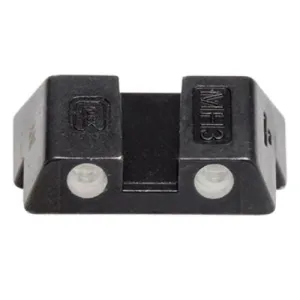

Table of Contents
Who Glock is
Glock is the Austrian maker of the polymer Safe Action pistol, founded by Gaston Glock, whose G17 went on to arm roughly two-thirds of American law enforcement and become the default handgun of a generation. The current production models are Gen 6.
Glock Ges.m.b.H. was founded in 1963 in Deutsch-Wagram, a small town just outside Vienna, Austria, by an engineer named Gaston Glock. For its first two decades the company made no guns at all — it produced polymer products, curtain rods, knife handles, and, for the Austrian military, the Field Knife 78 and an entrenching tool. Gaston Glock had no background in firearms design when, in 1980, the Austrian Army announced it wanted a modern service pistol. He decided to enter anyway.
What he did next is the part that sounds made up but is well documented. He hired two engineers who had worked on Heckler & Koch’s early polymer pistols, studied every handgun he could get his hands on, and designed a pistol from a blank sheet in about a year. He tested the early prototypes by firing them with his left hand — the reasoning being that if a prototype blew up, he would still have his right hand to draw the next blueprint. The finished design was his seventeenth patent, which is where the name Glock 17 comes from. It is a coincidence, not a spec, that the gun also happens to hold seventeen rounds. The Austrian Army adopted it in 1982 as the P80.
Glock sits in the value-to-mid tier and is proud of it. You are not paying for hand-fitting, a pretty finish, or a famous name stamped in gold. You are paying for a pistol that runs filthy, runs wet, runs cold, and keeps running long after fussier guns have choked. That reputation for boring reliability is the whole product, and it is why the parts on this page are the safest replacements you can buy for the pistol you already own.
What Glock makes
The pistol line
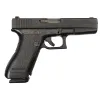
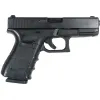
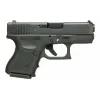
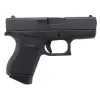
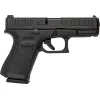
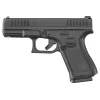
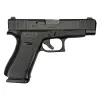
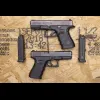
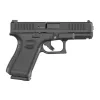
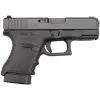
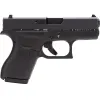
The catalog is organized by frame size and a model number. The full-size Glock 17 and the compact Glock 19 are the two that built the company — the G19 in particular is probably the single most recommended handgun in America for the simple reason that it does everything acceptably. Below them sit the subcompact Glock 26 and the slim single-stack-width Glock 43 and 43X for deep concealment; above them the Glock 34 competition models and the 10mm Glock 20 and .45 ACP Glock 21. In December 2025 Glock announced the Gen 6 line, starting with the G17, G19, and G45, bringing a reworked grip, an updated trigger, and a slide cut so the pistol ships optic-ready from the box.
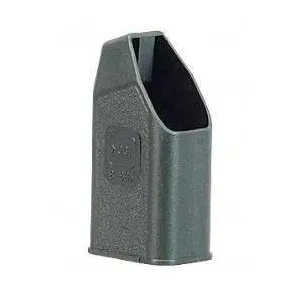
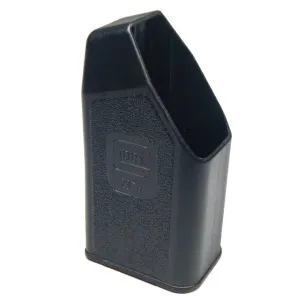
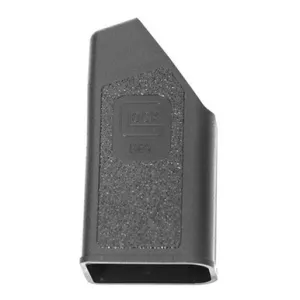
Factory magazines
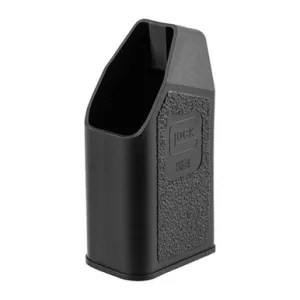
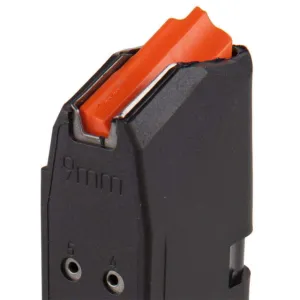
Glock magazines are the gold standard for a reason: a steel insert molded inside polymer, a design so reliable that competitors spent decades trying to match it. They drop free, they feed, and a Gen 6 or Gen 5 mag still runs in a Gen 3 gun. If you buy one accessory for a Glock, buy more factory mags.
Barrels, slides, and frames
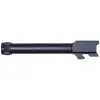
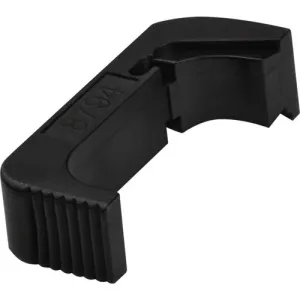
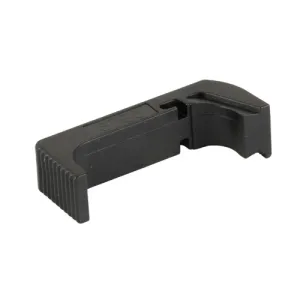
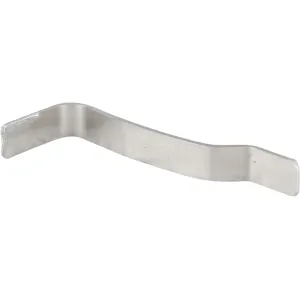
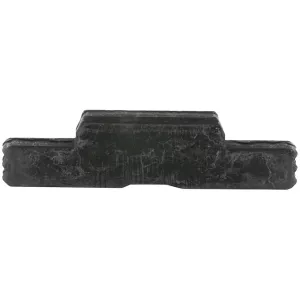
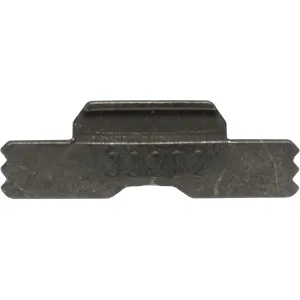
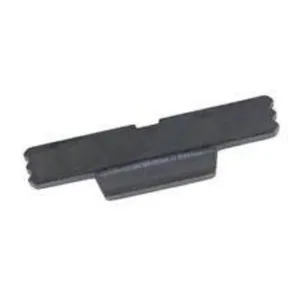
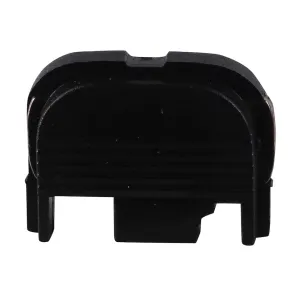
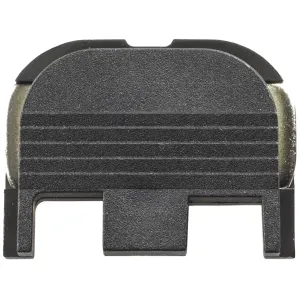
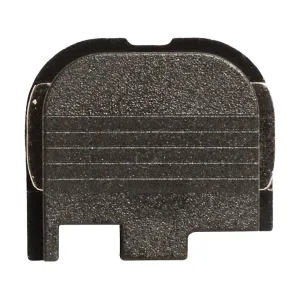
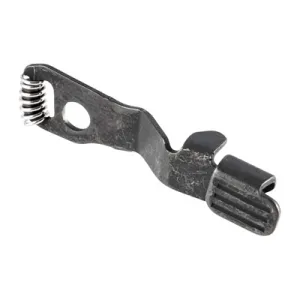
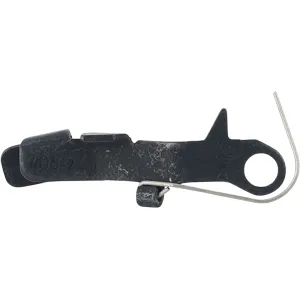
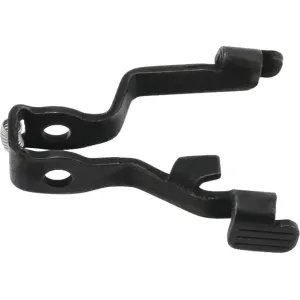
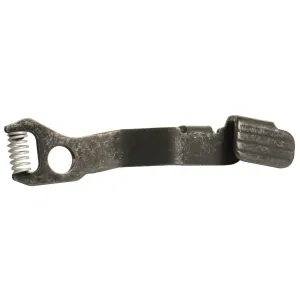
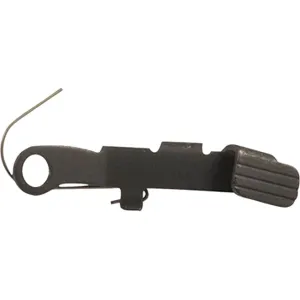
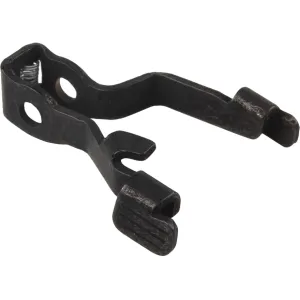
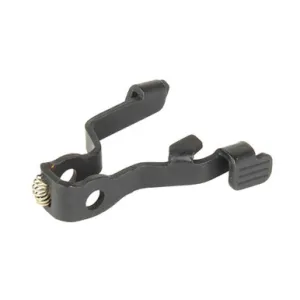
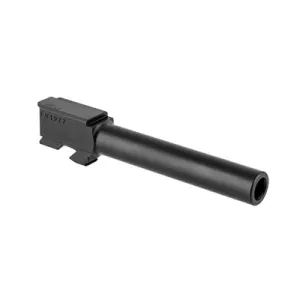
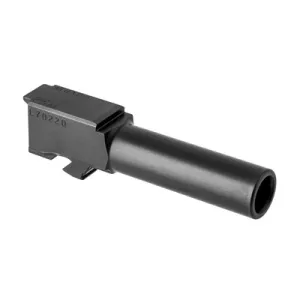
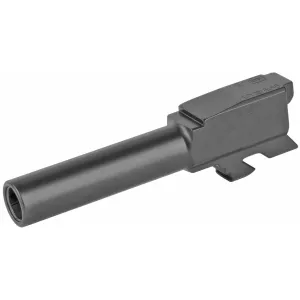
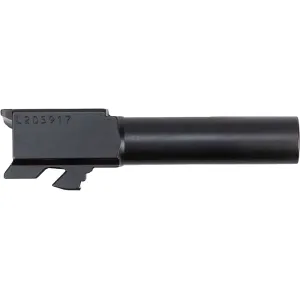
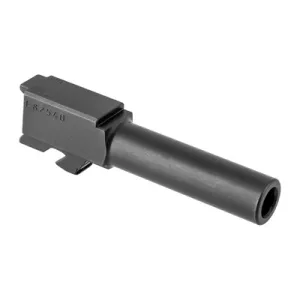
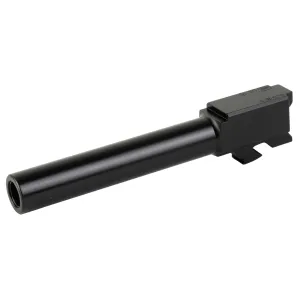
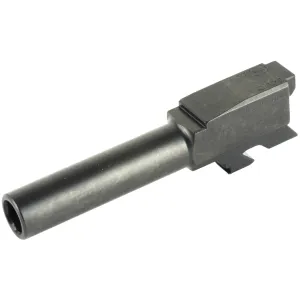
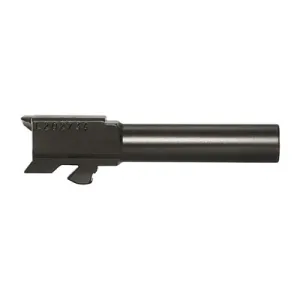
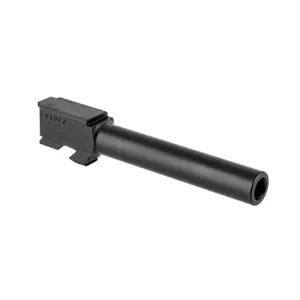
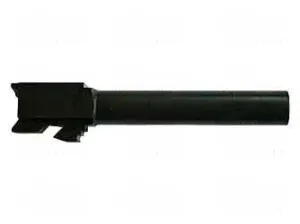
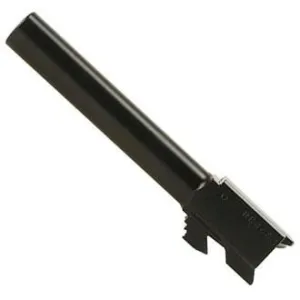
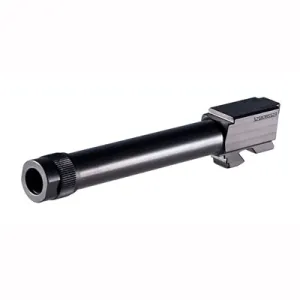
Factory barrels are cold-hammer-forged and carry the same hardened finish as the slide. OEM slides come bare or completed, in standard and optic-ready (MOS) cuts, and are the right starting point for a build that has to be dependable. Frame parts — locking blocks, slide-stop levers, takedown levers, magazine catches — are the small components that wear, and replacing them with genuine Glock parts keeps tolerances where the factory set them.
The Safe Action trigger and internals
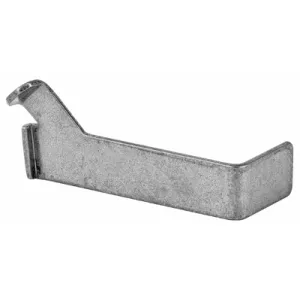
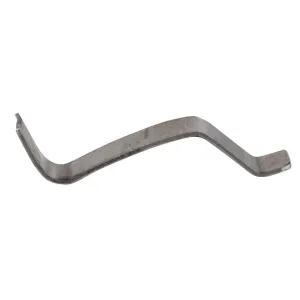
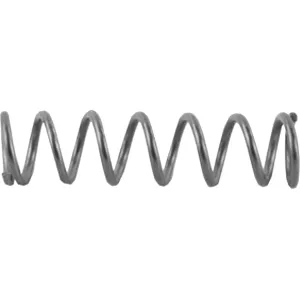
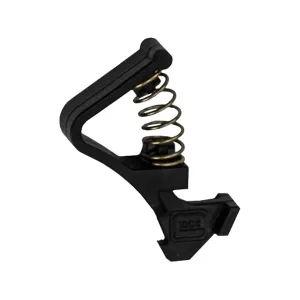
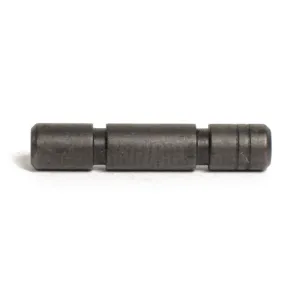
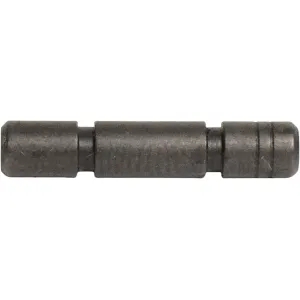
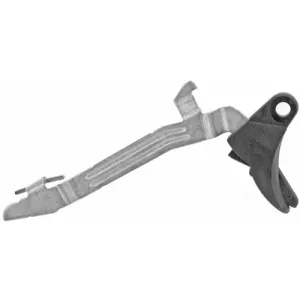
Glock’s Safe Action trigger has no manual safety. Instead it uses three automatic internal safeties — a trigger safety, a firing-pin safety, and a drop safety — that all disengage as you press and re-engage the instant you let off. Factory trigger parts, firing pins, connectors, and the small springs that drive them are cheap insurance for a carry gun, and replacing them on schedule is the kind of maintenance that keeps a duty pistol honest.
Sights
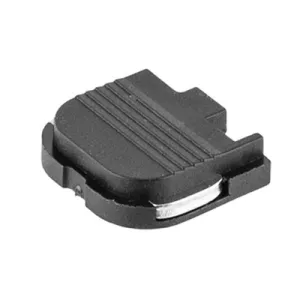
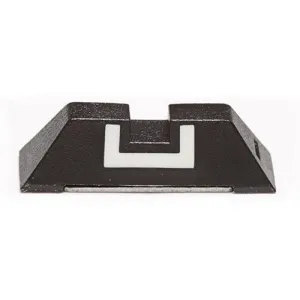
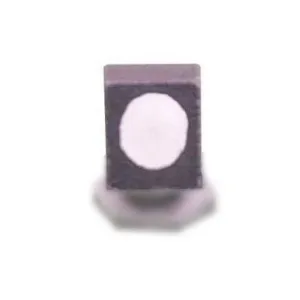
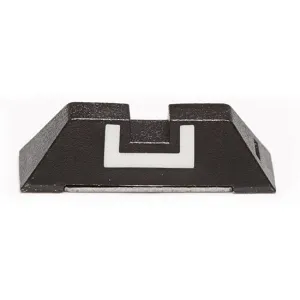
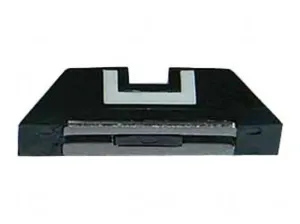
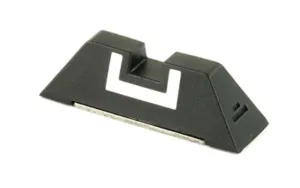
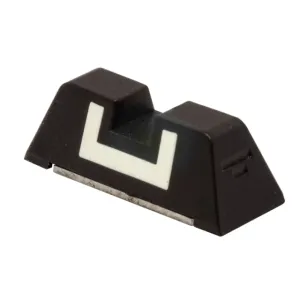
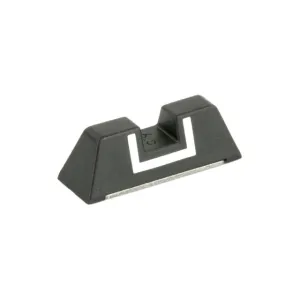
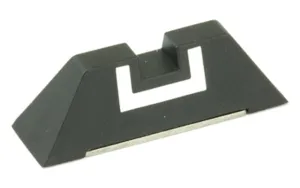
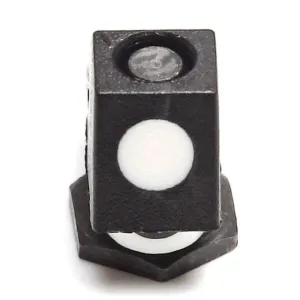
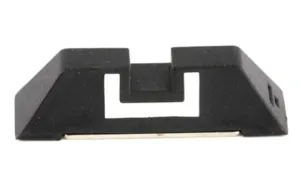
This is the one place Glock is honestly weak, and they would not really argue. The factory polymer sights are functional and not much more — most serious owners replace them on day one. Glock does sell upgraded steel and night-sight options, and the sight cut is the most common aftermarket interface in the world, which is exactly why the sights department here is worth a look.
Build quality and where it is made
Glock pistols are built both in Deutsch-Wagram, Austria and in Smyrna, Georgia, where Glock Inc. runs U.S. manufacturing and assembly. The hallmark is consistency rather than craftsmanship — every gun off the line is the same gun, with the same hardened nitride-class finish (the original Tenifer, now an nDLC process) on the steel and the same proven polymer frame. That sameness is the point. A genuine Glock part is made to the same drawing as the one that left the factory, which is why “just buy OEM” is the standard advice for anything that touches reliability.
How Glock compares
The honest rivals are Smith & Wesson with the M&P, SIG Sauer with the P320, and Walther with the PDP. The M&P and PDP both arguably point more naturally and have better stock triggers; the P320 is modular in a way Glock is not. Where Glock wins is the ecosystem — nobody else has thirty years of holsters, magazines, sights, and aftermarket support built around one sight cut and one magazine well. Buy a Glock and every accessory in the gun store already fits it. That network effect, more than any single feature, is why the platform is hard to leave.
Who should buy what
- The everyday carrier: a Glock 19, and three or four factory magazines before anything else.
- The deep-concealment carrier: a Glock 43X or 26, with a quality holster sized to it.
- The home-defense buyer: a Glock 17 or 45 with a weapon light and an optic-ready slide.
- The competitor: a Glock 34 with an upgraded connector, steel sights, and a red dot.
- The owner maintaining a carry gun: factory springs, a fresh firing pin, and steel night sights — small parts, big payoff.
If you want a tuned trigger out of the box, a thumb safety, or a gun that feels like jewelry, look elsewhere — at a 1911, a CZ, or a custom build. Glock is the right call when you want a tool you can stop thinking about.
The Glock philosophy
Gaston Glock’s whole approach was that of an outsider who did not know which rules he was supposed to respect. He used polymer where everyone used steel, deleted the manual safety the whole industry insisted on, and cut the parts count to a fraction of a traditional pistol. The result looks plain and a little blocky because it was engineered, not styled. Every Glock part on this page reflects the same idea: the fewest pieces that will do the job, each made the same way every time.
How to choose your Glock setup
Start with the frame size that fits your hand and your carry method, not the one with the highest number. Buy the pistol, then spend on magazines until you have at least four — a carry gun with one mag is a single point of failure. Next, replace the sights, because the factory polymer set is the one part everyone agrees should go; pick steel night sights for a carry gun or a fiber front for the range. After that, keep a small parts kit on hand — springs, a spare firing pin, a connector — and learn to detail-strip the gun. A Glock rewards basic maintenance more than it rewards expensive upgrades, and genuine OEM parts keep it running exactly as designed.
The plastic-gun myth and the man who would not die
When the Glock 17 reached the United States in the 1980s it set off a small panic. Politicians and a famous action movie warned of an undetectable “porcelain” pistol that would sail through airport metal detectors. It was nonsense. A Glock is mostly steel by weight — the slide, barrel, and all the internals are steel — and only the frame is polymer; it lights up an X-ray machine like any other gun. The myth says more about how strange a plastic-framed pistol looked in 1985 than about the gun. Gaston Glock himself proved harder to put down than the rumors: in 1999, at age 70, he survived an ambush in a Luxembourg parking garage by a hired attacker swinging a heavy rubber mallet, fighting the man off and knocking out several of his teeth. The plot, hatched by Glock’s own financial adviser, ended with a 20-year sentence. Gaston Glock ran the company he founded until his death in December 2023 at age 94.
What Glock owners upgrade
The Glock is the most heavily upgraded pistol in the world, and the first change nearly every owner makes is the sights. The factory polymer sights are the one part almost everyone swaps, usually for steel or tritium night sights. After that, the common upgrades are a smoother trigger (a minus connector or a drop-in aftermarket trigger), an extended slide stop and magazine release, and a match or threaded barrel.
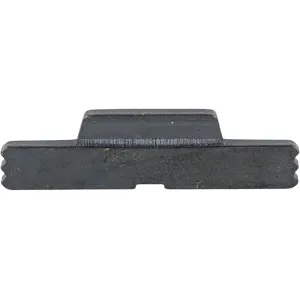
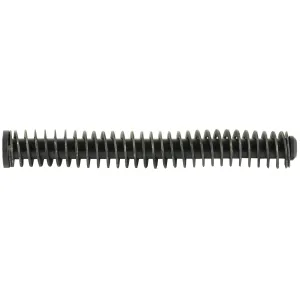
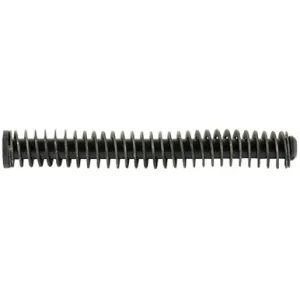
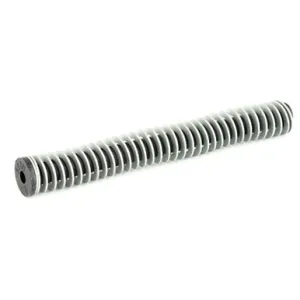
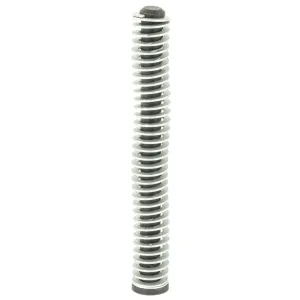
Adding a red dot is now just as common: owners either buy a Modular Optic System slide or have a slide milled, then mount a micro red dot over suppressor-height sights so the irons co-witness. Magazine baseplate extensions, grip tape or a stippled frame, and upgraded recoil springs are the other frequent tweaks. Because Glock standardized its parts across generations, the aftermarket is enormous and most upgrades drop in with a punch and a few minutes.
One note on fitment: with Gen 6 now the current production model, always match parts to your exact model and generation, since slides, frames and a few small parts are generation-specific even though many magazines and internals carry over. The sights, triggers, barrels and controls that most owners want are in the carousels below.
Shop Glock Parts & Prices
Live Glock products and current prices, organized by department and updated automatically.
Glock Pistols
Magazines
Frame Parts
Slides
Sights
Barrels
Triggers
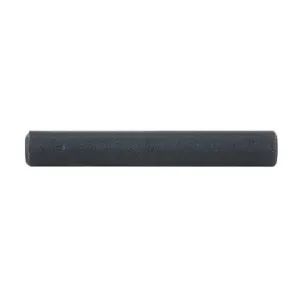
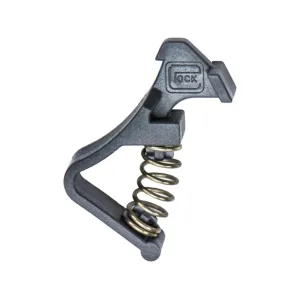
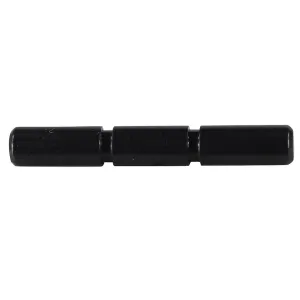
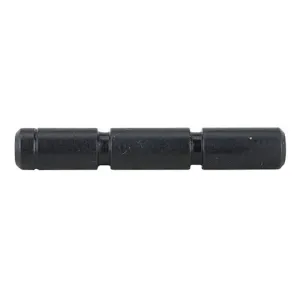
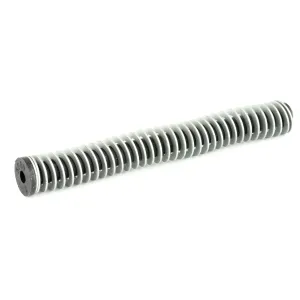
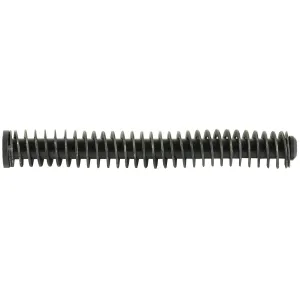
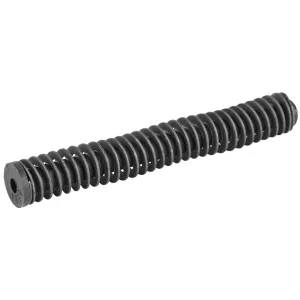
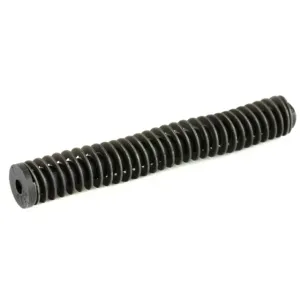
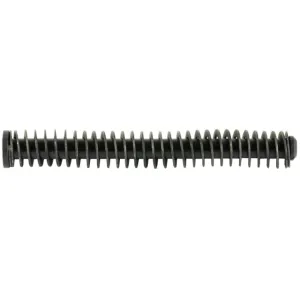
Springs
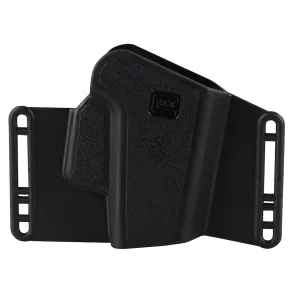
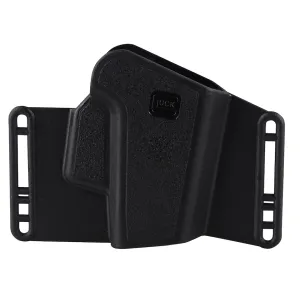
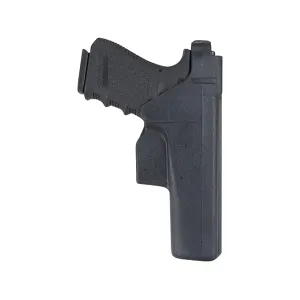
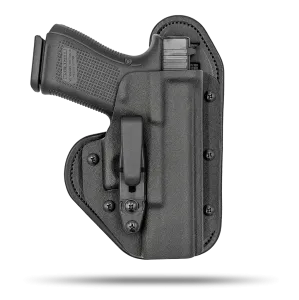
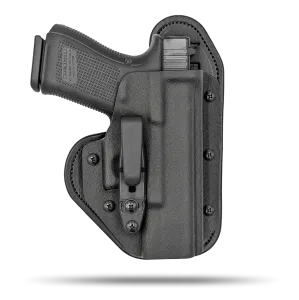
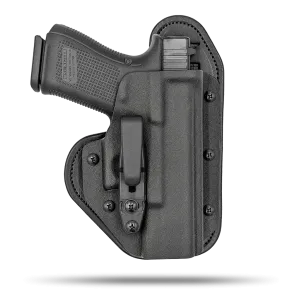
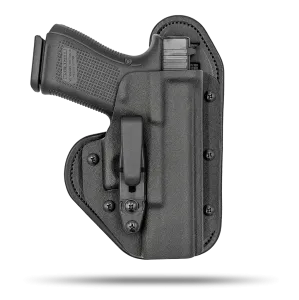
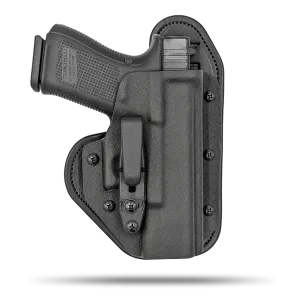
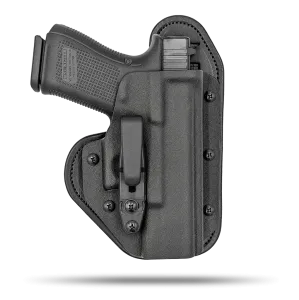
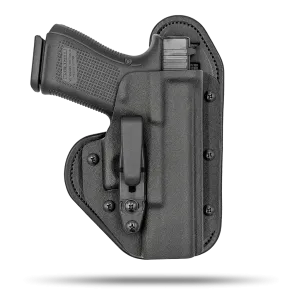
Holsters
Where Glock Fits in Our Buying Guides
- Best Glock Pistols
- The Best Glock Pistols
- Best Glocks for Concealed Carry
- Best Glock Sight Upgrades
- Best Glock Holsters
- Best Pistol Red Dot Sights
- 1911 vs Glock: Which Should You Carry?
Glock FAQ
Where are Glocks made?
Both in Deutsch-Wagram, Austria, where the company was founded, and in Smyrna, Georgia, where Glock Inc. handles U.S. manufacturing and assembly.
Why is it called the Glock 17 if it holds 17 rounds?
The 17 is a coincidence. The pistol was Gaston Glock’s seventeenth patent, and that is where the model number came from — it happens to also hold seventeen 9mm rounds in a standard magazine.
Do Glocks have a safety?
There is no manual safety lever. The Safe Action system uses three automatic internal safeties — trigger, firing pin, and drop — that disengage only as you deliberately press the trigger. That is why holster discipline and trigger discipline matter so much with a Glock.
Will newer-generation magazines work in my older Glock?
Generally yes. A Gen 5 or Gen 6 double-stack 9mm magazine will run in a Gen 3 or Gen 4 gun of the same frame size. Factory magazines are the safest, most reliable choice.
What is the first upgrade I should buy for a Glock?
More factory magazines, then steel sights. The stock polymer sights are the one part almost every owner replaces, and the Glock sight cut is the most widely supported in the world.
Is the Glock 19 Gen 6 the current model?
Yes. Glock announced the Gen 6 line in December 2025, with the G17, G19, and G45 leading it, adding a reworked grip, updated trigger, and a factory optic-ready slide.
Were Glocks ever really undetectable plastic guns?
No. That 1980s panic was a myth. A Glock is mostly steel by weight, and its barrel, slide and internals are all metal that show up clearly on X-ray machines and metal detectors.
What tier is Glock?
Value-to-mid: an affordable, mass-produced, supremely reliable polymer pistol whose real value is the largest parts-and-accessory ecosystem in handguns.
Related Firearm Manufacturers Brands
USA Gun Shop may earn a commission on purchases made through the links on this page, at no extra cost to you. We list products on merit; prices and availability are pulled live and can change.
5,743+ Gun & Ammo Deals
Updated daily from 200+ top retailers. Filter by category, caliber, action type, and price.