
Sig Sauer is the rare gun company you can practically rebuild from a parts tray. Because the modern P320 and P365 are modular by design, a huge share of the pistol is a swappable factory part: grip modules in every size and color, complete slide assemblies, threaded and standard barrels, factory magazines, and flat and curved triggers. This page is the home for genuine Sig Sauer factory and OEM components — the parts that are guaranteed to fit, finish, and function like the gun they came on. Here is who Sig is, how its modular system works, and which factory parts are worth buying.
Sig Sauer Factory & OEM Deals — 34% Off or Better
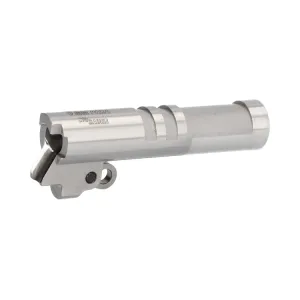
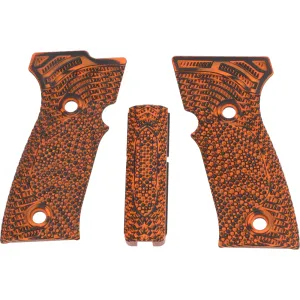
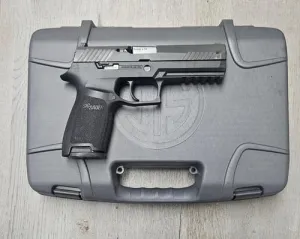
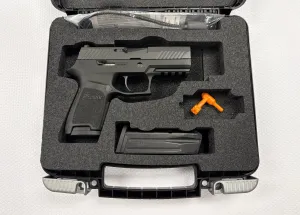
Table of Contents
Who Sig Sauer is
Sig Sauer is a modular gun company whose P320 and P365 pistols are built from swappable factory parts, from grip modules and complete slides to barrels, triggers and magazines. The U.S. operation is based in Newington, New Hampshire.
The story starts a long way from firearms. In 1853 the Swiss company that became SIG — Schweizerische Industrie-Gesellschaft — was founded at the Rhine Falls as the Schweizerische Waggonfabrik, a railway wagon and locomotive factory. It did not make a gun until 1868, when it won a contract to build 140,000 Vetterli rifles for the Swiss Army and pivoted into arms for good. The “Sauer” half is older still: J.P. Sauer & Sohn, founded in Suhl, Germany, in 1751, one of the oldest gunmakers in the world. SIG acquired Sauer in the 1970s, and the SIG Sauer name was born.
The brand most American shooters know is the U.S. company, SIG Sauer, Inc., headquartered in Newington, New Hampshire. It began in 1985 as SIGARMS importing European pistols, moved to domestic manufacturing in New Hampshire by 1990, and adopted the SIG Sauer name in 2007. Today the U.S. operation is the heart of the brand and one of the largest firearms makers in the country.
Sig’s modern reputation was sealed when the P320 won the U.S. Army’s Modular Handgun System competition, entering service as the M17 and M18 and replacing the Beretta M9. Sig has since won the Army’s Next Generation Squad Weapon program as well. That military pedigree is why the parts on this page are not generic clones — they are the same factory components that build service pistols.
How the Sig modular system works
This is the key to understanding Sig parts, and it is genuinely unusual. On a P320 or P365, the legally serialized “firearm” is not the frame or the slide — it is a small stainless chassis called the fire control unit (FCU). Everything wrapped around that FCU is a part: the polymer grip module that gives the gun its size and feel, the slide, the barrel, the sights. Lift the FCU out of one grip module and drop it into another and you have effectively changed the gun — from full-size to compact, from 9mm to .357 SIG, from black to coyote — without buying a new firearm. That is why Sig’s factory catalog is so deep in grip modules, slides, and barrels: the system is built to be reconfigured.
What Sig Sauer factory parts cover
Grip modules
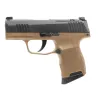
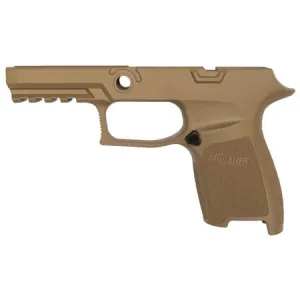
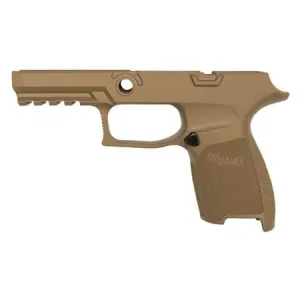
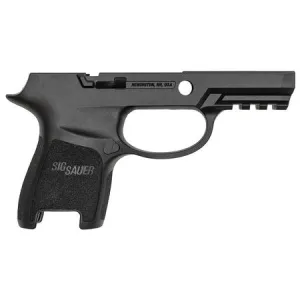
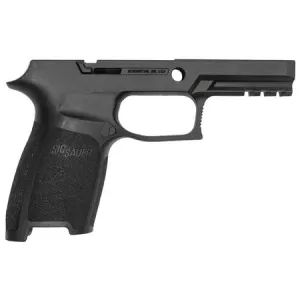
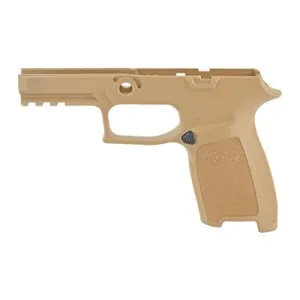
The signature Sig part. Factory P320 and P365 grip modules come in full-size, carry, compact, and subcompact, in standard polymer and the tungsten-infused heavy TXG modules, plus the X-Series and AXG metal options. Picking the right one is how you tune the gun’s size, weight, and grip texture to your hand.
Slide assemblies and slides
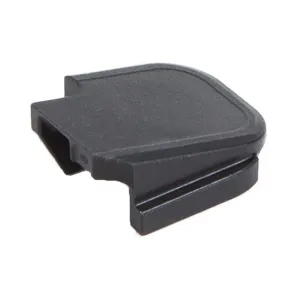
Complete factory slide assemblies — many optic-ready and some shipping with a Romeo red dot installed — let you change caliber, length, or finish, or build a second configuration around one FCU. These carry Sig’s own coatings and XRAY3 night sights.
Barrels
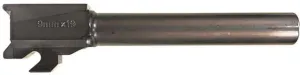
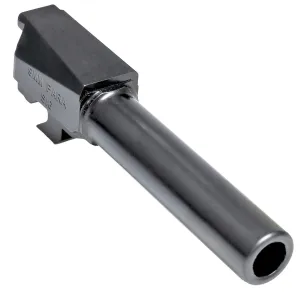
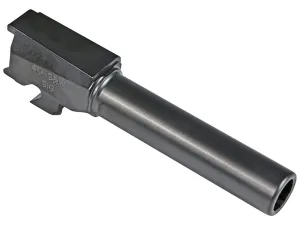
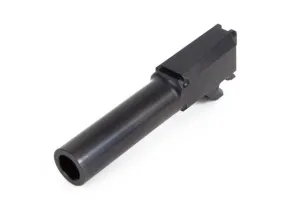
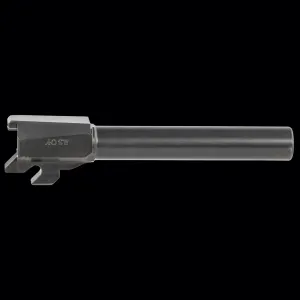
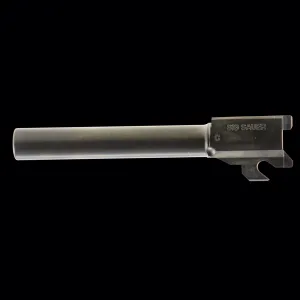
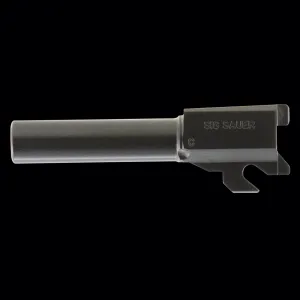
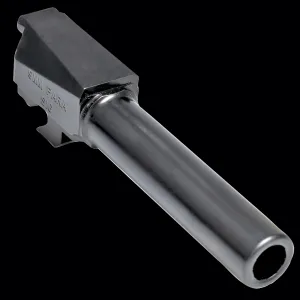
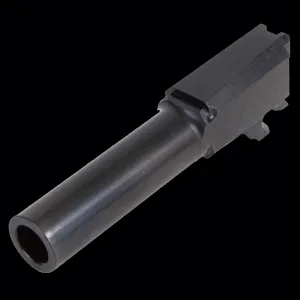
Factory standard and threaded barrels for suppressor and compensator use, in the correct lengths for each P320 and P365 size. Matching a factory barrel to a factory slide is the surest way to keep the tight lockup the gun left the factory with.
Magazines
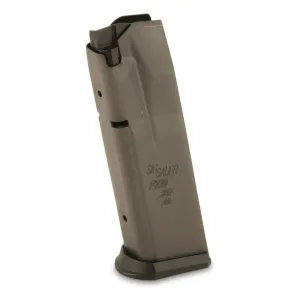
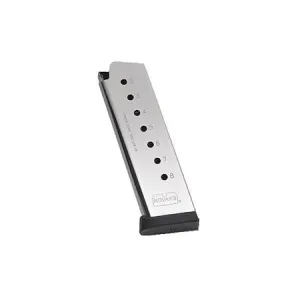
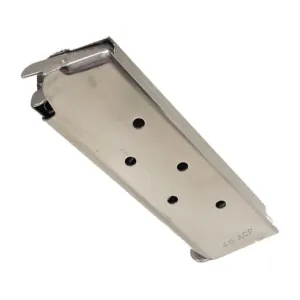
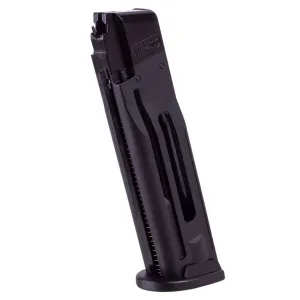
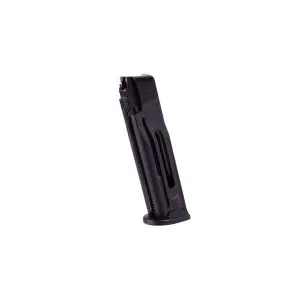
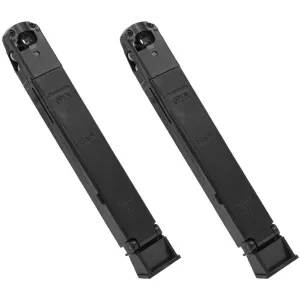
Genuine Sig and Sig Sauer factory magazines across the P320, P365, P226, P229, and the rifle lines — the only mags engineered and warrantied to feed exactly as the gun expects. The P365 family in particular lives or dies on its high-capacity factory mags.
Triggers, sights, and small parts
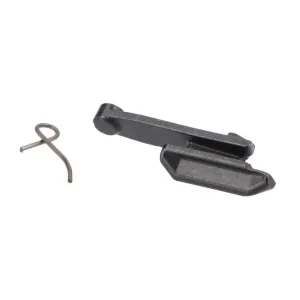
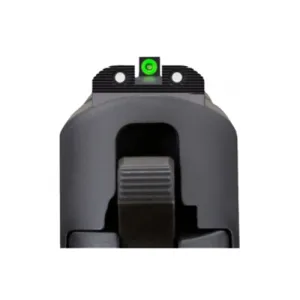
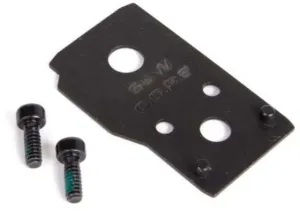
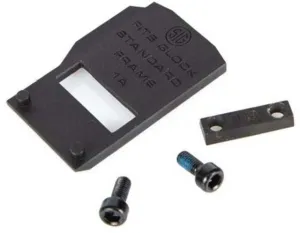
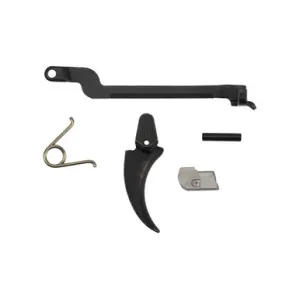
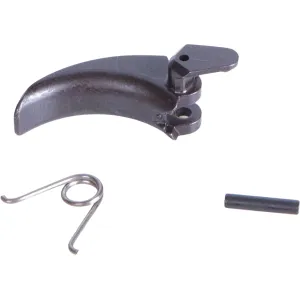
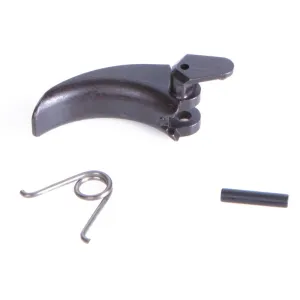
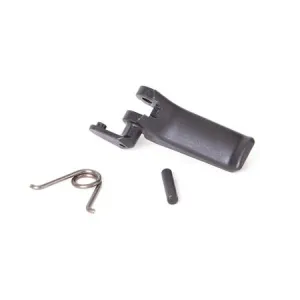
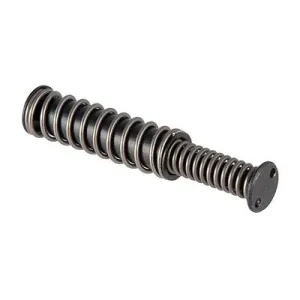
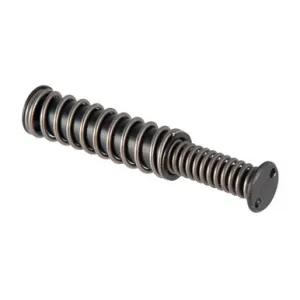
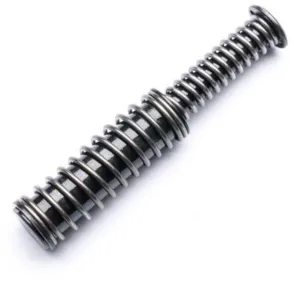
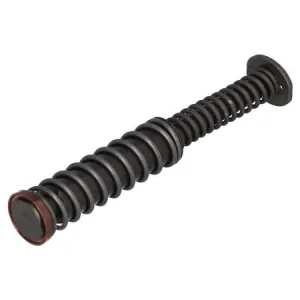
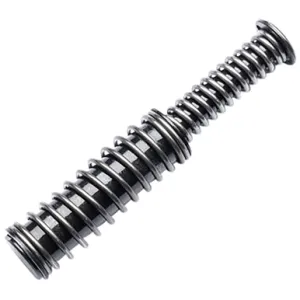
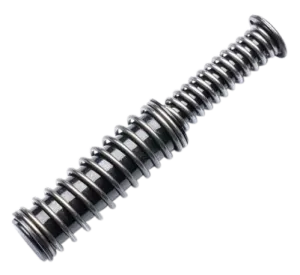
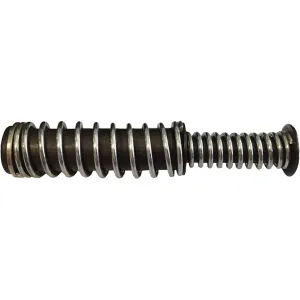
Factory flat and curved trigger kits, XRAY3 and other Sig sights, and the springs, frame parts, and grips that round out a build or a repair.
Genuine factory parts versus aftermarket
There is a thriving aftermarket for Sig — companies like Grayguns, Wilson Combat, and Icarus make excellent grip modules and trigger work, and for some shooters they are the right call. The case for genuine factory parts is fit, finish, and warranty: a Sig slide on a Sig FCU with a Sig barrel is a known quantity that headspaces, feeds, and holds zero exactly as designed, and it keeps your pistol’s factory support intact. The honest trade-off is price — OEM parts usually cost more than budget aftermarket equivalents. For a carry or duty gun, that reliability is worth paying for; for a range toy, aftermarket can stretch the budget. This page lists the factory components so you always have the OEM baseline to compare against.
Who should buy what
- The P320 owner who wants a different feel: a factory grip module in a new size or the heavier TXG.
- The shooter going optics and suppressor: an optic-ready slide assembly and a threaded barrel.
- The one-FCU, two-gun builder: a second slide + grip module + barrel to reconfigure full-size to compact.
- The P365 carrier: spare factory magazines and a flat trigger kit.
- The duty or service-pistol owner: genuine factory replacements only, to keep reliability and warranty intact.
If you are still deciding which Sig to buy in the first place, start with our model guides below rather than the parts bin — pick the pistol, then come back to build it out.
The Sig design philosophy
Sig’s modern philosophy is modularity and serviceability: design the firearm around a serialized core so the shooter — and the armorer — can reconfigure, repair, and upgrade without replacing the whole gun. It is a system built for militaries that need to standardize on one chassis across many roles, and it happens to be a gift to the civilian shooter who likes to tinker. Buy one P320, and you have bought a platform you can keep rebuilding for years from factory parts.
How to choose your Sig parts
Work from the FCU outward. First confirm the platform and size your FCU is built for — a full-size P320 grip module and a compact one are not interchangeable, and P320 parts do not fit P365. Next pick the grip module for the feel you want, then the slide (length, finish, optic cut) and a matching barrel in the same size. Add factory magazines sized to your grip module, and finish with a trigger and sights. Matching factory part to factory part within the same platform and size is the reliable path; mixing sizes or platforms is the most common mistake.
From Swiss railcars to the U.S. Army sidearm
It is a long road from building railway wagons at a Swiss waterfall to arming the United States Army, but that is Sig Sauer’s arc. The company survived more than a century of European arms history, crossed the Atlantic, set up in New Hampshire, and then beat the field for the biggest military pistol contract in a generation. The P320 that came out of that fight reshaped how a handgun is even defined — turning the frame, slide, and barrel into parts and the tiny chassis into the gun. For anyone who shoots a modern Sig, that modular idea is exactly why a deep catalog of genuine factory parts matters.
What Sig Sauer owners upgrade
Because the P320 and P365 are modular by design, a lot of Sig ownership is swapping factory parts rather than buying a whole new gun. The serialized piece is the fire control unit, so a single P320 can become a full-size duty gun, a carry gun and a competition gun just by changing the grip module, slide and barrel around it. Owners size the gun to their hand with different grip modules, drop in a flat or lighter trigger, and fit X-RAY3 or suppressor-height sights.
The other huge category is optics. Most current P320 and P365 slides are cut or available cut for a red dot, so adding a Romeo or another micro red dot is one of the most common upgrades, often alongside a threaded barrel and a compensator for a softer-shooting setup. Magazine extensions, extended controls and lighter striker or trigger springs round out the usual list.
The practical takeaway is that almost nothing on a modern Sig requires a gunsmith. The grip modules, slides, barrels, triggers, sights and magazines that turn a stock P320 or P365 into your gun are genuine factory parts, and they are listed in the carousels below.
Shop Sig Sauer Factory Parts & Prices
Live genuine Sig Sauer factory and OEM parts with current prices, organized by department and updated automatically.
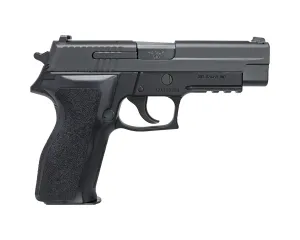
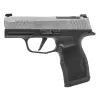
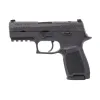
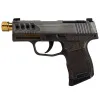
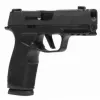
Sig Sauer Pistols
Factory Magazines





Grip Modules

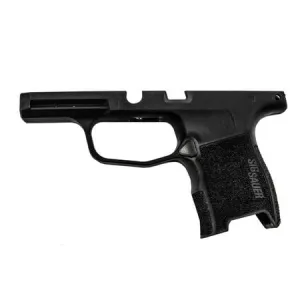
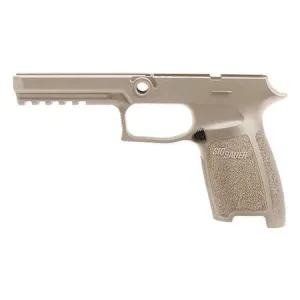




Barrels

Slides & Slide Assemblies




Sights




Triggers







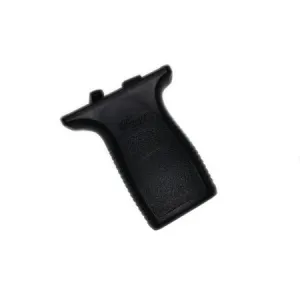
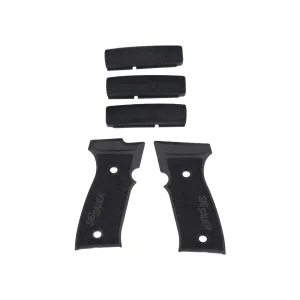
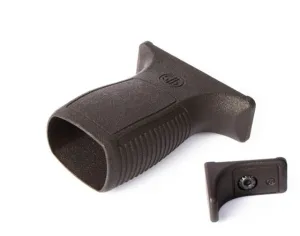
Grips



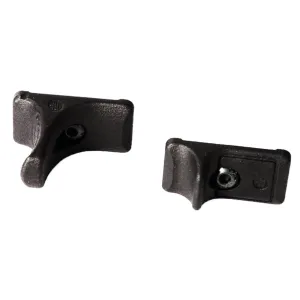


Frame Parts



Picking the Right Sig: Our Model Guides
- 12 Best Sig Sauer Pistols: Every Model Ranked
- Best Sig Sauer for Concealed Carry: 7 Models Ranked
- Best Sig Sauer Deals Right Now: P365, P320, P226 and More
- Best Optics-Ready Pistols
- 10 Best Red Dot Sights for Pistols
Sig Sauer Factory Parts FAQ
Are these genuine Sig Sauer factory parts?
Yes. This page lists genuine Sig Sauer factory and OEM components — grip modules, slides, barrels, magazines, triggers, and sights made by Sig for its own pistols, not third-party clones.
What is a fire control unit (FCU)?
On the P320 and P365, the FCU is the small serialized stainless chassis that is legally the firearm. The grip module, slide, and barrel all wrap around it as swappable parts, which is what makes the platform modular.
Can I swap grip modules on a P320?
Yes — that is the point of the system. You can move the FCU between factory grip modules to change the gun’s size and feel, as long as the modules are for the same platform and the FCU’s size class.
Do P320 parts fit a P365?
No. The P320 and P365 are separate platforms with their own grip modules, slides, barrels, and magazines. Always match parts to the specific model and size.
Why buy factory parts instead of aftermarket?
Factory parts guarantee correct fit, finish, and feeding, and they keep your pistol’s warranty and reliability intact. Aftermarket can offer more options or lower prices, but factory is the safe baseline for a carry or duty gun.
Where is Sig Sauer based?
The American company, SIG Sauer, Inc., is headquartered in Newington, New Hampshire. The brand’s origins trace to Switzerland (SIG, 1853) and Germany (J.P. Sauer & Sohn, 1751).
Which Sig pistol should I buy?
That is a different question than which parts to buy — see our Sig model guides above to pick the right pistol, then come back here to build it out with factory components.
Is the Sig P320 the U.S. military’s pistol?
Yes. A version of the P320 won the U.S. Army’s Modular Handgun System contract in 2017 and serves as the M17 and compact M18, replacing the Beretta M9 across the armed forces.
Related Firearm Manufacturers Brands
USA Gun Shop may earn a commission on purchases made through the links on this page, at no extra cost to you. We list products on merit; prices and availability are pulled live and can change.
5,743+ Gun & Ammo Deals
Updated daily from 200+ top retailers. Filter by category, caliber, action type, and price.