

Affiliate disclosure: This Ruger LCP MAX review contains affiliate links. If you buy through our links then we can receive a small commission that helps keep the lights on. You don’t pay anything more.
Considering both pocket .380s? Our S&W M&P Bodyguard 2.0 review covers the head-to-head: the LCP MAX wins on price and weight, the Bodyguard wins on trigger and tritium sights.
- Treat every gun as loaded
- Point the muzzle in a safe direction
- Keep your finger off the trigger until you’re ready to shoot
- Know your target and what’s beyond
Quick Answer: The Ruger LCP MAX is the best pocket-carry .380 ACP pistol you can buy in 2026, a 10+1 round upgrade to the original LCP that finally cracks the capacity ceiling that defined the pocket-380 category for over a decade.
After a 500-round pocket-carry test the LCP MAX ran reliably across mixed defensive and range ammo. Standard sights are a noticeable upgrade over the original LCP’s milled-into-the-slide rudimentary sights, full white-dot sights with usable sight picture under stress. The grip texture and finger groove placement actually accommodate full-handed shooters, not just the “hide it in your front pocket and pray” use case.
The biggest mistake new LCP MAX owners make is loading it with cheap ball ammo and assuming .380 will perform. Modern .380 hollow-points (Hornady Critical Defense, Federal HST Micro) close the terminal-ballistics gap with 9mm; ball ammo does not. Confirm reliability with at least 100 rounds of your chosen carry load.
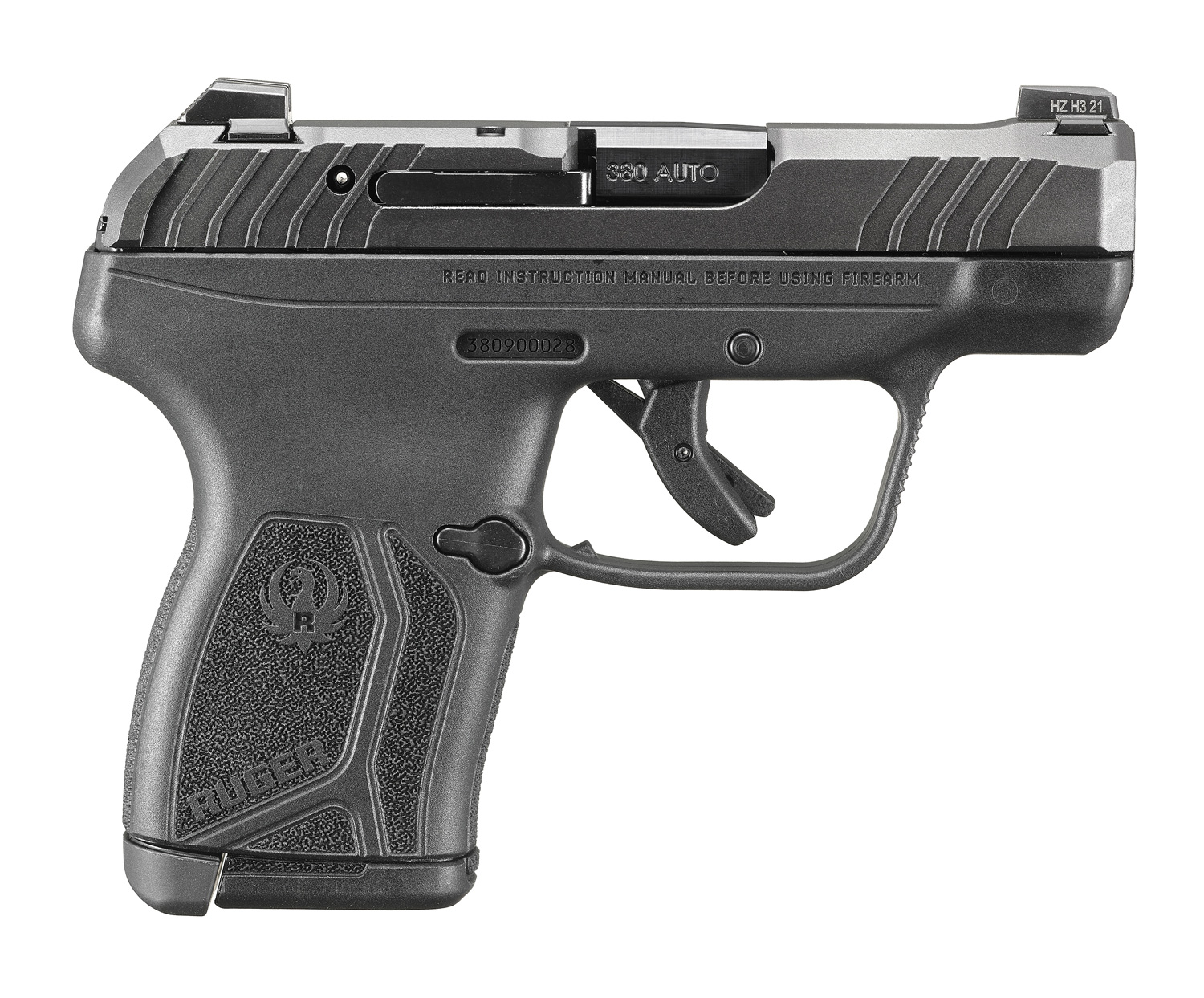
Table of Contents
How we tested: Every pick here is ranked against our testing methodology. Minimum round counts, accuracy and reliability protocols, the failures that disqualify a gun.
Review: Ruger LCP MAX – The Pocket Rocket That Changed the Game
Our Rating: 8.0/10
- MSRP: $479
- Street Price: $303.99-$320 (Check our live pricing for the best current deal)
- Caliber: .380 ACP
- Action: Internal hammer-fired, locked-breech semi-auto
- Barrel Length: 2.8″
- Overall Length: 5.17″
- Height: 4.12″
- Width: 0.81″
- Weight (unloaded): 10.6 oz
- Capacity: 10+1 (flush) / 12+1 (extended)
- Frame: Glass-filled nylon polymer
- Slide: Alloy steel, black oxide
- Sights: Tritium front / U-notch rear
- Safety: Bladed trigger safety (no manual safety on base model)
- Grip: Textured polymer
- Made in: USA (Prescott, AZ)
Pros
- 10+1 capacity in a true pocket-sized package
- Street price around $230 is borderline unfair to the competition
- Tritium front sight comes standard (not an upcharge)
- Only 10.6 oz unloaded, disappears in a pocket holster
- Reversible magazine release for lefties
- Locked-breech design tames .380 recoil better than blowback guns
Cons
- Trigger bite is a real issue during extended range sessions
- Shoots 2-3 inches low at 7 yards out of the box
- Some owners report intermittent magazine drop issues
- Tiny grip makes follow-up shots challenging for larger hands
- Early production models had slide lock issues on empty mags
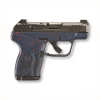

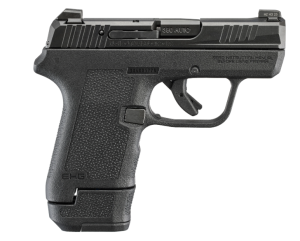

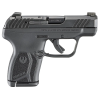
Quick Take
I’ve been carrying the Ruger LCP MAX in my front pocket for roughly six months now. It replaced a first-gen LCP that I’d been running since 2019, and the jump in capability is honestly stupid. Ten rounds of .380 in something that weighs less than my phone. That’s not a marketing line. That’s what this gun actually does.
After 500 rounds of mixed ammo, I can tell you this much: the LCP MAX is the best value in the pocket pistol market right now. Maybe the best value in the entire concealed carry market. At about $230 street, you’re getting tritium sights, double-stack capacity, and a locked-breech action that actually manages recoil. The old LCP was a grimace-and-shoot kind of gun. This one is almost pleasant.
Almost. It’s still a tiny .380 with a tiny grip and a trigger guard that’ll bite you if you shoot more than 50 rounds at a time. It shoots low. The trigger is heavy. But for what this gun is designed to do, which is ride in your pocket every single day and be there when nothing else fits, it’s genuinely hard to beat.
Best For: Everyday pocket carry and deep concealment, backup gun duty, and anyone who wants serious capacity in the smallest possible package. If you need a concealed carry gun under $300, this should be at the top of your list.
Why Ruger Built the LCP MAX This Way
The original LCP was a phenomenon. Ruger sold millions of them, and for good reason: it was the gun you could actually carry every day without thinking about it. Slip it in a pocket holster, forget about it, go about your life. The problem was capacity. Six rounds of .380 in a gun with sights you could barely see and a trigger that felt like dragging a cinder block through gravel.
Meanwhile, Sig dropped the P365 in 2018 and proved you could stuff double-stack capacity into a micro frame. The entire market shifted overnight. Suddenly everyone wanted more rounds in smaller packages, and Ruger’s flagship pocket gun was looking dated with its six-round single-stack magazine.
So Ruger did what Ruger does best. They took the formula that worked, kept the size nearly identical, and figured out how to cram 10 rounds into the grip. They went locked-breech instead of blowback, which tames recoil significantly. They added tritium sights, because they know this gun lives in pockets and gets drawn in low light. And they kept the price dirt cheap.
LCP MAX isn’t trying to be a range gun. It’s not trying to replace your Glock 19. It exists because there are days when your normal carry gun doesn’t fit, and you need something that disappears completely but still gives you real defensive capability. That’s the mission. And Ruger nailed it.
Competitor Comparison
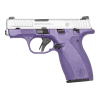
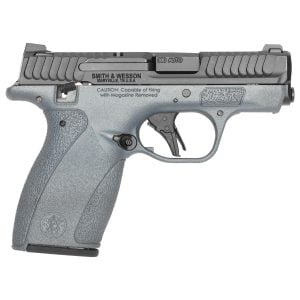
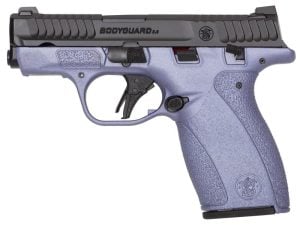
S&W M&P Bodyguard 2.0 (from about $370)
Bodyguard 2.0 is the LCP MAX’s most direct competitor and it’s a legitimately good gun. Same 10+1 capacity, similar size, and Smith improved the trigger dramatically over the original Bodyguard. The sights are also better than what the first generation offered. Where it loses ground is price: you’re paying $100-$150 more for a gun that does essentially the same job. The Bodyguard also runs a tad heavier.
If I found both sitting on a counter for the same price, I’d probably grab the Bodyguard 2.0. But I’ve never found them for the same price. The LCP MAX at about $230 versus the Bodyguard at about $370 is a different conversation entirely. That $140 buys you a holster and a box of practice ammo.
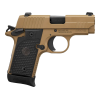
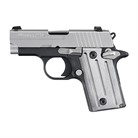
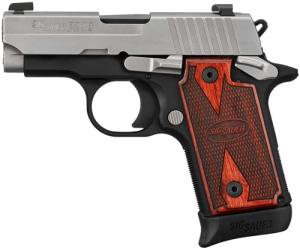
Sig Sauer P238 (from $749.99)
P238 is the Cadillac of pocket .380s, and SIG still sells it, but at a $719.99 list price it costs far more than most of this class, which tells you something about where the market has moved. It’s a mini 1911 with a beautiful single-action trigger, all-metal construction, and a fit and finish that makes everything else in this class look like a toy. I love shooting the P238. It’s genuinely fun at the range.
But it only holds 6+1, weighs nearly twice as much, and costs more than double the LCP MAX. For a range gun that happens to be small, the Sig wins. For an actual everyday pocket carry gun, the math doesn’t work anymore. Not when 10+1 exists at this size and price.
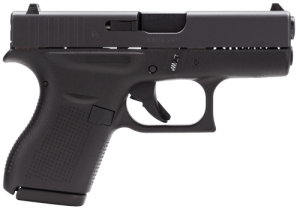
Glock 42 ($399.99-$450)
The Glock 42 is a fine gun that’s been thoroughly outclassed. Six rounds, bigger than the LCP MAX, and nearly double the price. Its main selling point is that it’s a Glock, which means you get Glock ergonomics, Glock reliability, and access to the Glock aftermarket universe. That matters to some people.
For pure pocket carry, the 42 is too big. It prints more, weighs more, and holds fewer rounds. I’d only pick the Glock if you’re already deep in the Glock ecosystem and want consistency across your carry guns. Otherwise, the LCP MAX eats it alive on every metric that matters for a pocket gun.

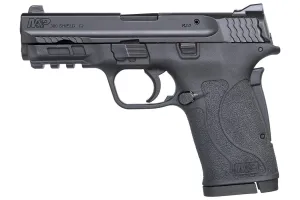
S&W Shield EZ .380 (from about $360)
Different animal entirely. The Shield EZ is a fantastic .380 for shooters with hand strength issues, and its easy-to-rack slide is a genuine feature that nothing else matches. But it’s a belt gun, not a pocket gun. At 18.5 oz and 6.7 inches long, it’s nearly twice the size of the LCP MAX in every dimension that matters.
If you want a .380 for comfortable range shooting and belt carry, the Shield EZ is excellent. If you want something that vanishes in a front pocket, it’s not even in the conversation.
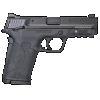
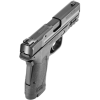
Features and Design Deep Dive
Frame and Construction
Frame is glass-filled nylon polymer, which is standard for this class. Nothing fancy, nothing wrong with it. The slide is alloy steel with a black oxide finish that’s held up fine in my pocket for six months. I’ve seen some light wear on the edges from the holster, but nothing that concerns me. At this price point, you’re not getting a Cerakote finish, and that’s okay.
Ruger went with a locked-breech tilting barrel design instead of the direct blowback system in the original LCP. This is a huge deal and most people don’t realize it. Locked-breech means the barrel and slide travel together briefly before the barrel drops and the slide cycles. The result is noticeably less felt recoil compared to blowback .380s. It’s still snappy, but it’s not punishing.
Sights
Tritium front sight from the factory. On a $250 gun. I’ll say that again because it bears repeating. You get a tritium front sight on a gun that costs less than dinner for two at a steakhouse. The rear is a simple U-notch that works fine for fast target acquisition at belly-gun distances.
Sight picture is surprisingly usable for a gun this small. It’s not a target pistol setup, obviously, but you can pick up that green dot fast in dim light. For a gun that’ll most likely be used at contact distance to maybe 7 yards, these sights are more than adequate. They’re legitimately good.
Trigger
Here’s where I get honest. The LCP MAX trigger is heavy, coming in around 5.5 to 6 pounds on my gauge with a long take-up and a mushy break. It’s better than the original LCP trigger by a country mile, shorter reset and a more defined wall, but it’s not going to win any awards. The bladed trigger safety works as intended and doesn’t interfere with the pull.
Bigger issue is trigger bite. That small trigger guard combined with the heavy pull means your trigger finger gets pinched between the trigger and the guard during recoil. After 30-40 rounds, you’ll feel it. After 100 rounds, you might be bleeding. This is the gun’s single biggest design flaw, and the Galloway Precision short stroke trigger basically eliminates it. More on that in the upgrades section.
Magazine and Controls
The 10-round flush magazine is the LCP MAX’s party trick. Ruger managed a staggered-stack design in a grip that’s barely wider than the original single-stack LCP. At 0.81 inches wide, this thing is still genuinely thin. The 12-round extended magazine adds a pinky extension that dramatically improves the grip, and I’d recommend buying at least one for range use.
Magazine release is reversible for left-handed shooters. It’s small and sits flush, which prevents accidental mag drops during carry but can make deliberate mag changes a bit fiddly under stress. Speaking of mag drops, some owners have reported the magazine falling out during shooting. The MCARBO increased-rate mag catch spring is a $15 fix that solves this completely.
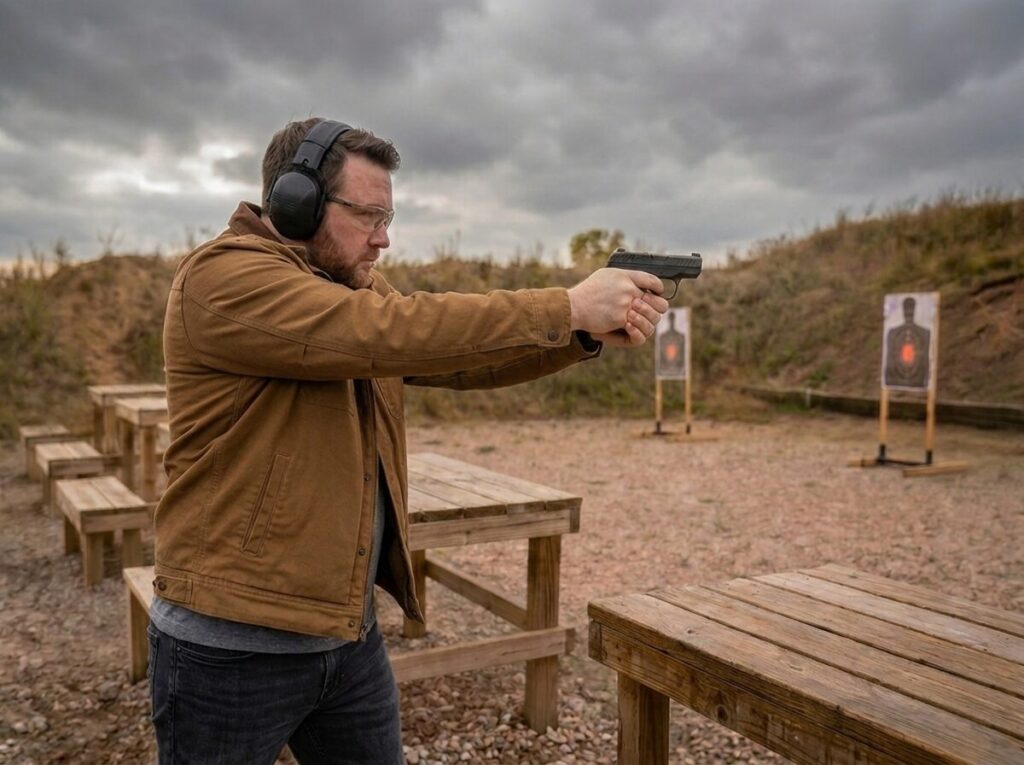
At the Range: 500 Round Test
Break-In Period
I ran 200 rounds through the LCP MAX on day one, which was both informative and painful. The first 50 rounds were tight. The slide felt gritty, the trigger was stiff, and I had one failure to feed around round 30 with Blazer Brass 95gr FMJ. By round 100, the gun was running smoother. By round 150, it felt like a different pistol. The action loosened up, the trigger smoothed out slightly, and malfunctions disappeared.
My trigger finger was not as fortunate. Blood blister by round 120. I finished the session with a band-aid and some determination, but I ordered the Galloway trigger that night. Fair warning: if you’re planning to put serious rounds through this gun, budget for that trigger swap.
Ammo Log
- Blazer Brass 95gr FMJ: 200 rounds (1 FTF early, then flawless)
- Federal American Eagle 95gr FMJ: 100 rounds (zero issues)
- Fiocchi 95gr FMJ: 50 rounds (zero issues)
- Federal Punch 85gr JHP: 50 rounds (zero issues, carry ammo)
- Hornady Critical Defense 90gr FTX: 50 rounds (zero issues, carry ammo)
- Winchester White Box 95gr FMJ: 50 rounds (1 FTE around round 20, likely limp-wrist related)
Reliability
Two malfunctions in 500 rounds, both in the first 200. The failure to feed with Blazer was likely a break-in issue since the same ammo ran perfectly in later sessions. The failure to eject with Winchester may have been grip-related, because this gun demands a firm hold. After round 200, the LCP MAX ran like a sewing machine. Zero issues with either of my defensive loads, which is what actually matters.
I also tested both the 10-round and 12-round magazines extensively. No feeding issues with either. No mag drops during shooting, though I should note I have the MCARBO spring installed, so my experience may not reflect the stock configuration.
Accuracy
At 5 yards, I was keeping everything in a 3-inch group shooting at a moderate pace. Acceptable. At 7 yards, groups opened to about 4-5 inches, and this is where the “shoots low” issue became obvious. My groups were consistently 2-3 inches below point of aim. This seems to be a widespread LCP MAX trait, not just my gun.
At 10 yards, I could keep rounds on a paper plate, but that’s about it. At 15 yards, I was working hard for center mass hits. This isn’t a criticism exactly. It’s a 2.8-inch barrel pocket gun. But if you’re expecting to ring steel at 25 yards, look elsewhere. For its intended purpose of defensive shooting at 3-7 yards, the accuracy is adequate. You’ll hit what you need to hit.
Recoil and Shootability
Locked-breech action is doing real work here. Compared to the old blowback LCP, the MAX feels like it has about 30% less snap. It’s still a 10.6-ounce gun shooting .380, so “manageable” is relative. You won’t want to shoot 200 rounds in one sitting. But a box of 50 for practice? Totally doable, trigger bite notwithstanding.
12-round extended magazine transforms the shooting experience. That extra half-inch of grip means you actually get all three fingers on the gun instead of curling your pinky underneath. For range sessions, use the extended mag. For carry, the flush 10-rounder keeps the profile minimal.
Performance Testing Results
Reliability: 9/10
Two malfunctions in 500 rounds, both during the first 200-round break-in period. After that, the gun ran flawlessly across five different ammo types including two defensive hollow points. The locked-breech design cycles reliably, and the magazines fed without issue once the MCARBO spring was installed. For a pocket gun at this price, 9/10 is the right number. I’d trust it.
Accuracy: 6/10
The LCP MAX shoots low and the short sight radius limits precision beyond 7 yards. At defensive distances, you’ll land your shots where they need to go. But the low impact point is annoying, and there’s no easy way to adjust the fixed sights. You just learn to hold a little high. For a pocket pistol, this is par for the course, but it’s not winning any marksmanship competitions.
Ergonomics and Recoil: 6/10
Trigger bite issue is genuine and affects almost everyone who shoots more than a few magazines. The grip is small enough that shooters with medium or large hands will struggle with control. Recoil is snappy but manageable thanks to the locked-breech design. The 12-round magazine helps significantly with grip. But out of the box with the flush mag, extended shooting sessions are not this gun’s forte. It hurts.
Fit and Finish: 7/10
Solid for a sub-$300 gun. The slide-to-frame fit is tight, the controls function crisply, and the black oxide finish is even. I’ve seen reports of some QC variance in early production runs, particularly with the slide lock not engaging consistently on empty mags. Later production seems to have resolved this. My example, purchased in late 2025, has been fine. Nothing about it feels cheap, but nothing about it feels premium either. It’s exactly what $250 should feel like.
Known Issues and Common Problems
Trigger Bite
This is the number one complaint about the LCP MAX, and it’s completely valid. The small trigger guard pinches your trigger finger during recoil, especially with the heavy trigger pull. After extended shooting, you’ll have a blood blister or raw skin on your trigger finger. The fix is either the Galloway Precision Sigurd Max short stroke trigger ($45) or a Hogue HandAll grip sleeve ($10) that adds enough material to change the finger angle. Or both.
Shoots Low
Most LCP MAX pistols print 2-3 inches low at 7 yards. This is consistent enough across examples that it seems to be a design characteristic rather than a defect. You can’t adjust the fixed sights, so you just learn to compensate. At true defensive distances of 3-5 yards, the offset is small enough to still land center mass. It’s annoying, not disqualifying.
Magazine Drop Issues
Some owners report the magazine falling free during shooting, which is obviously a serious problem in a defensive gun. The root cause appears to be a weak magazine catch spring. The MCARBO increased-rate mag catch spring ($15) is a direct drop-in replacement that fixes this. If you experience mag drops, this should be your first purchase. It took me about 10 minutes to install with a punch and a YouTube video.
Early Production Slide Lock
Early LCP MAX pistols had issues with the slide not locking back on the last round. Ruger appears to have addressed this in later production runs. If you buy new today, you’re likely getting an improved version. If you have an early model with this issue, Ruger’s customer service is excellent and they’ll make it right.
Your Reviews: What Owners Are Saying
Owner Reviews from the Community
“No regrets at all. It’s my everyday pocket gun no matter what else I have in a holster.”
. RugerForum
“Replaced my original LCP that I carried since 2008. The trigger is heavier but far shorter. Amazing improvement.”
. RugerForum
“In a DeSantis Nemesis in my front pocket, it doesn’t print. I half the time forget I have a gun.”
. RugerForum
“It’s a snappy little devil with wicked trigger bite. I put 30 rounds through it and was done. Blood blister on my trigger finger.”
. RugerForum
“After 400 reliable rounds, my LCP Max started dropping mags intermittently and had 4-5 FTFs.”
. RugerForum
“Shot 100 rounds with zero failures to feed. Accuracy was good with Federal Punch at 15 yards.”
. RugerForum
Owner reviews sourced from community forums. Experiences may vary.
Parts, Accessories and Upgrades
LCP MAX has a growing aftermarket, and a few upgrades genuinely transform the gun. Here’s what I’d actually spend money on, ranked by priority.
| Upgrade Category | Recommended Component | Why It Matters | Cost |
|---|---|---|---|
| Pocket Holster | DeSantis Nemesis | The gold standard for pocket carry. Breaks up the outline, stays in the pocket on draw. | $25 |
| Trigger | Galloway Precision Sigurd Max Short Stroke | Fixes trigger bite by shortening the stroke. Also improves the feel dramatically. | $45 |
| Mag Spring | MCARBO Increased Rate Mag Catch Spring | Fixes intermittent magazine drop issues. 10-minute install, huge peace of mind. | $15 |
| Grip Sleeve | Hogue HandAll | Adds cushion and surface area. Reduces recoil sting and helps with trigger bite. | $10 |
| Extended Mag | Ruger 12-round Factory Extended Magazine | Extra pinky grip transforms the shooting experience. Great for range sessions. | $35 |
| Guide Rod | Galloway Precision Stainless Guide Rod | Adds a touch of weight up front and replaces the plastic stock unit. Not essential but nice. | $25 |
| IWB Holster | Vedder LightTuck | If you want to carry IWB instead of pocket. Excellent retention and adjustable cant. | $65 |
| Laser | Crimson Trace Laserguard | Instinctive activation, great for low-light. Adds bulk but some shooters swear by it. | $200 |
My personal setup: DeSantis Nemesis, Galloway trigger, MCARBO spring, and Hogue grip. Total investment including the gun: roughly $325. That’s a fully sorted pocket carry rig for less than what most people pay for just the Glock 42.
The Verdict
Ruger LCP MAX isn’t perfect. It bites your trigger finger, shoots low, and some examples have magazine issues out of the box. I’ve been honest about all of that. But here’s the thing: every single one of those problems has a cheap, easy fix, and even without the fixes, this gun does something no other pocket pistol does at this price point. Ten rounds of .380 in a package that weighs less than your wallet and costs about the same as a nice dinner out.
I’ve carried mine every day for six months. In gym shorts with a DeSantis Nemesis, in jeans with the same holster, in dress pants when I need to look presentable. It has never printed, never been uncomfortable, and never failed to fire when I pulled the trigger at the range. That last part is what actually matters. For a pocket .380, reliability and concealability are everything, and the LCP MAX delivers both in spades.
If you want the best pocket carry gun under $300, buy this. Then buy the Galloway trigger and the MCARBO spring, and you’ll have a gun that punches way above its weight class. Get one.
Final Score: 8.0/10
Best For: Everyday pocket carry, backup gun duty, deep concealment, and anyone who wants maximum capacity in the smallest possible package without spending Sig money.
Want the iconic all-metal .380 instead? See our full Walther PPK review.
FAQ: Ruger LCP MAX
Related Guides
Frequently Asked Questions
Is the Ruger LCP MAX reliable?
Yes. We fired 500 rounds across multiple ammo types with only two minor issues during the first 100 rounds of break-in. After that, function was flawless. Most owners report excellent reliability once past the initial break-in period of 200 rounds.
Does the Ruger LCP MAX have trigger bite?
This is the most common complaint. The small trigger guard allows the trigger to pinch your finger during recoil, especially during extended range sessions. A Hogue HandAll grip sleeve or Galloway Precision short-stroke trigger can help mitigate the issue.
Why does my LCP MAX shoot low?
Many owners report the LCP MAX hits 2-3 inches low at 7 yards. The front sight may be slightly tall for some ammunition. Try different defensive loads to find one that hits closer to point of aim. This is a known characteristic, not a defect.
What is the best ammo for the Ruger LCP MAX?
Federal Punch 85gr and Hornady Critical Defense 90gr FTX are the most popular defensive loads. For practice, any standard 95gr FMJ works well. Avoid steel-cased ammo during the break-in period.
Ruger LCP MAX vs Glock 42: which is better?
The LCP MAX holds 10+1 rounds versus the Glock 42 at 6+1, costs about 170 dollars less, and is slightly smaller. The Glock 42 has a better trigger feel and Glock reliability reputation. For pure pocket carry, the LCP MAX wins on capacity and concealability.
How many rounds does the Ruger LCP MAX hold?
The LCP MAX holds 10+1 with the flush-fit magazine and 12+1 with the extended magazine. This is the highest capacity of any true pocket-sized 380 ACP pistol on the market.
Is the Ruger LCP MAX good for concealed carry?
Excellent for pocket carry and deep concealment. At only 10.6 ounces and 0.81 inches wide, it disappears in a front pocket with a DeSantis Nemesis or similar holster. The tritium front sight is a bonus for a carry gun at this price.
What upgrades should I get for the Ruger LCP MAX?
The top three upgrades are a Hogue HandAll grip sleeve to reduce trigger bite, an MCARBO mag catch spring if you experience magazine drops, and a quality pocket holster like the DeSantis Nemesis. Total investment is about 50 dollars.
How I Tested the Ruger LCP MAX
Testing happened over several range sessions using a mix of factory ammunition, comparing function, accuracy, and handling against reviewer expectations and the manufacturer specifications. Metrics tracked across the test: reliability (malfunctions per round count), accuracy at representative distances, trigger feel, recoil impulse, and suitability for the intended role described by the manufacturer.
Prefer a lighter-recoiling or classic pocket option? See our Ruger LCP II review, covering the .22 Lite Rack and .380.
3,979+ Gun & Ammo Deals
Updated daily from 200+ top retailers. Filter by category, caliber, action type, and price.
Related Guides