
- Treat every gun as loaded
- Point the muzzle in a safe direction
- Keep your finger off the trigger until you’re ready to shoot
- Know your target and what’s beyond
Last updated March 20th 2026
Shotguns have one of the best aftermarkets in the gun world, and most people don’t even realize it. The Mossberg 500/590 and Remington 870 have been customized for decades, and now platforms like the Benelli M4 and Beretta 1301 are getting serious aftermarket attention too. Factory pump shotguns ship pretty bare-bones: cheap plastic furniture, basic sights, and a stock that fits almost nobody well. A few upgrades turn a $400 pump gun into a purpose-built tool.
We compare shotgun parts from Brownells, Palmetto State Armory, MidwayUSA, Optics Planet, and 200+ other retailers. Stocks, forends, barrels, choke tubes, magazine extensions, sights, and accessories for every major platform. Filter by part type, brand, and price. Every link goes straight to the retailer.
Shotgun parts compatibility varies significantly between platforms. A Mossberg 500 stock won’t fit a Remington 870, and a Benelli forend won’t fit either of them. Check the compatibility section below before ordering.
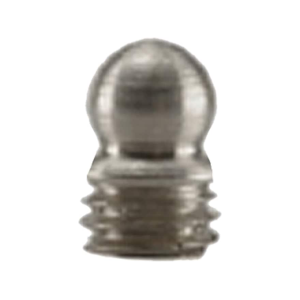
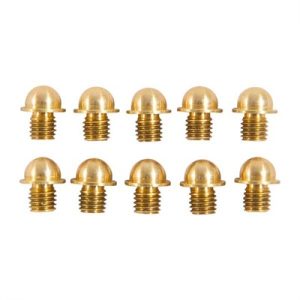
Bradley Non-Skirted Shotgun Bead Front Sight, Silver, .125 Diameter, #3-56 Thread
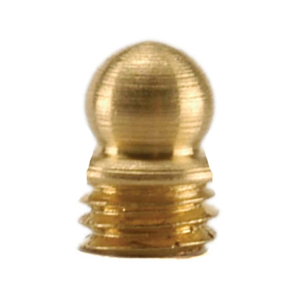
Bradley Non-Skirted Shotgun Bead Front Sight, Gold, .125 Diameter, #3-56 Thread
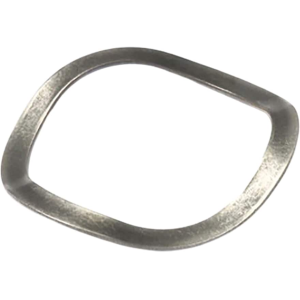
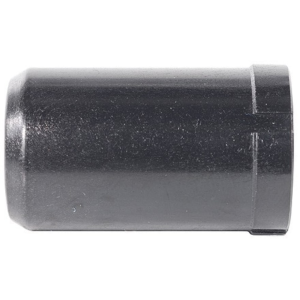
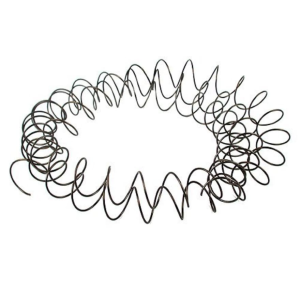
Scattergun Technologies Shotgun Magazine Wave Washer for Remington 870
 -58%
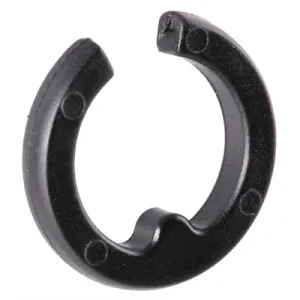
-58%Top Recoil Spring Fixing Ring - Top Recoil Spring Fixing Ring Super 90
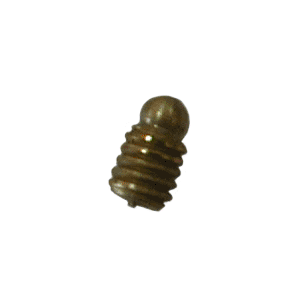
Williams Gun Sight Gold Shotgun Bead Sight No4 Finish 3-56 x 0.067 Shank
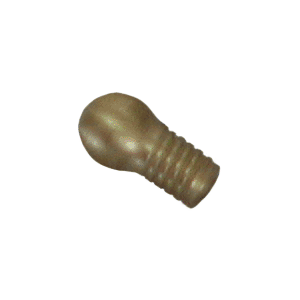
Williams Gun Sight Gold Bead Shotgun Front Sight No 3 One Eighth Shank
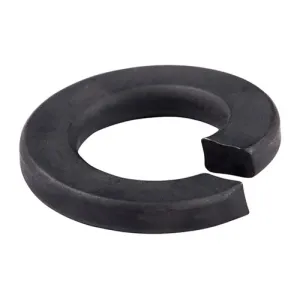
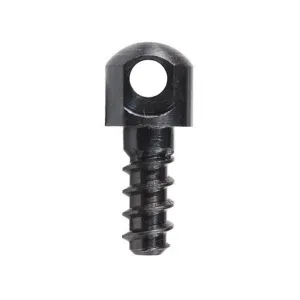


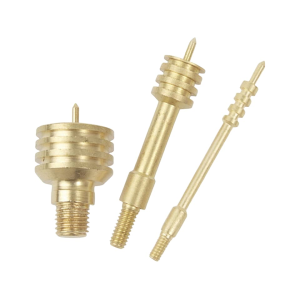
Tetra Gun ProSmith Shotgun Cleaning Jag 20 Gauge 5/16 x 27 Thread Brass
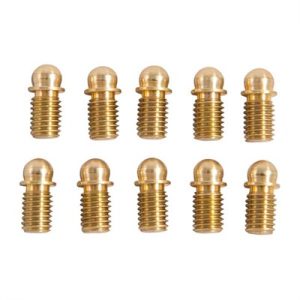
 -28%
-28%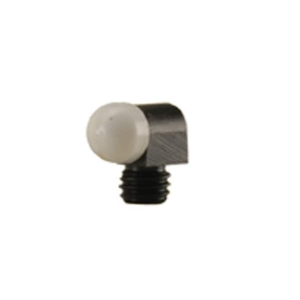
Bradley Standard Shotgun Bead Front Sight .156" Diameter M2.5x0.45 Thread 1/8" Shank White
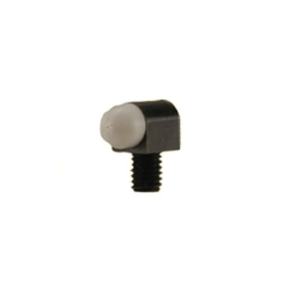
Bradley Standard Shotgun Bead Front Sight .156" Diameter M3x0.5 Thread 5/64" Shank White
Table of Contents
Shotgun Parts by Platform: What Fits What
Unlike the AR-15 world where most parts are standardized, shotgun parts are almost entirely platform-specific. Here’s the breakdown of the major platforms and what’s interchangeable.
Mossberg 500 / 590 / 590A1 / Maverick 88: The most popular pump shotgun family with the deepest aftermarket. Stocks, forends, trigger groups, safeties, and sights swap directly between the 500 and 590. The 590 has an extended magazine tube (7+1 vs. 5+1 on most 500s). The 590A1 adds a heavy-wall barrel and metal trigger guard/safety. The Maverick 88 shares the same receiver and accepts the same stocks and forends but has a crossbolt safety instead of the tang safety and uses a different forend nut system. Most aftermarket furniture is labeled “Mossberg 500/590” and fits both.
Remington 870: The classic American pump gun with its own complete parts ecosystem. Express, Police, and Wingmaster models share the same receiver and most parts interchange. The Police model has a heavier barrel and parkerized finish. The Wingmaster has a higher polish and smoother action. After Remington’s bankruptcy, RemArms is now producing 870s again, and aftermarket support from Magpul, Hogue, Mesa Tactical, and dozens of others never slowed down. You’ll have zero trouble finding 870 parts.
Benelli M4 / M2: Premium Italian semi-autos with a growing tactical aftermarket. Parts are more expensive and harder to find than Mossberg or Remington parts, but Mesa Tactical, Aridus Industries, and Nordic Components are making serious inroads. The M4’s recoil system (ARGO gas) is proprietary and service parts should come from Benelli. Stocks and forends are where the aftermarket shines.
Beretta 1301: The 1301 Tactical is gaining ground in the tactical semi-auto space and the aftermarket is catching up. Nordic Components makes magazine extensions and Aridus Industries makes side saddles. Still more limited than Mossberg or Remington, but improving quickly.
Mossberg Shockwave / Remington TAC-14: These are legally classified as “firearms,” not shotguns, because they were manufactured with a bird’s head grip and never had a stock. Their parts needs are unique: bird’s head grip replacements, short forends, and magazine tube accessories. Swapping to a full stock can change the legal classification, so know your local laws before modifying.
Stocks and Forends: The First Upgrade You Should Make
If you spent $400 on a Mossberg 500 and you’re still running the factory plastic furniture, you’re leaving a better gun on the table. The stock and forend are the single biggest ergonomic upgrade you can make on any shotgun. They change how the gun shoulders, how it handles recoil, and how quickly you can manipulate it.
The Magpul SGA stock is the go-to recommendation for both Mossberg and Remington platforms. Around $100, it has adjustable length of pull (LOP) via spacers, a thick rubber buttpad that absorbs recoil, and a slim profile that works well for all body sizes. I’ve put SGA stocks on three different shotguns and they make every one of them noticeably better to shoot. Available in Mossberg 500/590 and Remington 870 versions.
The Mesa Tactical Urbino is the pistol grip stock option for shooters who prefer that configuration. Adjustable LOP, built-in pistol grip angle, and a riser for cheek weld with optics. Popular for tactical and home defense setups. It runs around $100 to $130.
Hogue OverMolded stocks are the budget play. Around $50 to $70, they replace factory plastic with a rubber-over-fiberglass stock that absorbs recoil better and provides a more secure grip. No adjustable LOP, but the rubber cushion makes up for it on heavy loads.
For forends, the Magpul MOE forend adds M-LOK slots for mounting lights (a weapon light is mandatory on a home defense shotgun) and has a much more comfortable grip than factory plastic. Midwest Industries makes a more robust M-LOK forend that’s slightly heavier but built like a tank. Both are significant upgrades over factory.
Barrels and Choke Tubes: Match the Barrel to the Job
One of the great things about pump shotguns is that you can swap barrels in seconds to change the gun’s purpose. An 18.5″ cylinder bore barrel for home defense, a 28″ vent rib barrel for clays on the weekend, and a 20″ rifled barrel for deer season. Same gun, three completely different roles.
Home defense: 18.5″ cylinder bore. The shortest legal barrel without an NFA stamp (minimum is 18 inches, 18.5″ gives you a safety margin). Cylinder bore means no choke restriction, which produces the widest pattern at close range. This is what most tactical shotguns ship with.
Hunting/clays: 26″ to 28″ vent rib with choke tubes. Longer barrels provide a smoother swing and better sight picture on moving targets. Interchangeable choke tubes let you tighten or open the pattern depending on the game: improved cylinder for close decoying birds, modified for general purpose, full for long-range pass shooting.
Slugs/deer: 20″ rifled or rifled sight barrel. Rifled barrels stabilize sabot slugs for significantly better accuracy at distance. Rifle sights or a scope mount make precise shot placement possible out to 100+ yards.
Critical choke tube note: Choke tube thread patterns are NOT universal. Mossberg uses Accu-Choke threading. Remington uses RemChoke. Benelli uses Crio. Beretta uses Optima or Mobilchoke. Aftermarket companies like Carlson’s, Briley, and Trulock make chokes for all major thread patterns, but you must buy the correct thread for your gun. Installing the wrong choke tube can damage your barrel.
Magazine Extensions, Sights, and the Small Upgrades That Matter
The small upgrades on a shotgun are often the ones that make the biggest practical difference. Magazine capacity, sight acquisition speed, and ammo management are the areas where a few dollars goes a long way.
Magazine tube extensions add rounds to your shotgun’s capacity. Nordic Components makes the gold standard: machined aluminum extensions in +1, +2, and +3 configurations that are lightweight and reliable. GG&G and Choate are also solid options. One important note: most extensions require a longer magazine spring (not always included in the kit). And always check your state’s capacity laws before adding rounds.
Sights are criminally underrated on shotguns. The factory bead sight on most pump guns is adequate for bird hunting but terrible for defensive use. XS Big Dot tritium sights offer fast acquisition in any lighting condition. Hi-Viz fiber optic front sights are bright and cheap. For a full defensive sight package, a ghost ring rear sight paired with a fiber optic or tritium front sight gives you the fastest, most precise sight picture available on a smoothbore.
High-visibility followers are a $10 upgrade that genuinely improves reliability. The orange or yellow follower replaces the factory black follower in your magazine tube, reducing the chance of the follower tilting and jamming. Vang Comp and S&J Hardware make the best ones. It’s the cheapest meaningful upgrade you can make on any pump shotgun.
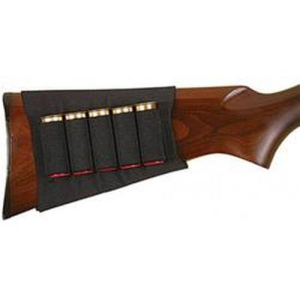
Side saddles and shell carriers keep extra rounds on the gun for fast reloads. Mesa Tactical SureShell carriers are the most popular, mounting directly to the receiver with aluminum hardware. Aridus Industries QDC is a quick-detach system that’s gaining ground for its convenience. Esstac shotgun cards are a lightweight, flexible alternative. Any of these beats loose shells in a pocket when you need to reload under stress.
Triggers: Not a common upgrade on shotguns, and honestly, most people don’t need one. Factory shotgun triggers are serviceable for their intended purpose. But if you shoot 3-gun or competitive shotgun sports, Timney makes a drop-in trigger for the Remington 870 and Mossberg platforms that cleans up the pull significantly. It’s a niche upgrade, but for competition shooters, it matters.
Where to Buy Shotgun Parts Online
Brownells has the deepest shotgun parts catalog of any online retailer. They stock everything from complete barrels to individual springs and detents, and their tech resources and installation guides are genuinely useful. Palmetto State Armory runs frequent sales on Magpul shotgun furniture and accessories. MidwayUSA is excellent for choke tubes, cleaning supplies, and small parts.
Sportsman’s Warehouse is a good option if you want in-store pickup. They carry a solid selection of shotgun barrels and stocks from major brands.
The price comparison grid above pulls from all of these and 80+ more retailers. Shotgun parts pricing can vary wildly between stores, especially on barrels and magazine extensions. Let the grid do the work so you’re not overpaying.
How to Not Screw Up Your First Shotgun Build
A few hard-won lessons from building out more pump shotguns than I should probably admit to.
Check thread patterns before buying chokes. I cannot stress this enough. Accu-Choke, RemChoke, Crio, Mobilchoke, and Optima are all different. Installing the wrong choke tube will damage your barrel threads. Verify your gun’s choke system before ordering.
Mossberg 500 forend nuts need a specific wrench. It’s not a standard socket. You need a Mossberg forend wrench or a deep thin-wall socket that fits the nut without marring it. Save yourself the frustration and buy the right tool for $10 before you start.
Magazine extensions need longer springs. Not all extension kits include the longer spring you need. If the spring is too short, the follower won’t push the last round or two reliably. Always verify the kit includes a spring, or buy one separately.
Loctite your side saddle screws. Side saddles mount to the receiver with small screws that will walk loose under recoil if you don’t use threadlocker. Blue Loctite (not red). Apply it during installation and you’ll never have to retighten them.
Function-check after every barrel swap. Before loading live ammo, manually cycle the action several times with the new barrel installed. Make sure the locking lug engages fully, the action opens and closes smoothly, and the barrel is seated properly. This takes 30 seconds and prevents problems at the range.
Frequently Asked Questions
Browse Other Platforms
1911 Parts & Upgrades – Compare Prices • AK-47 Parts & Upgrades – Compare Prices • AR-10 / .308 Parts & Upgrades – Compare Prices • AR-15 Parts & Upgrades – Compare Prices • Glock Parts & Upgrades – Compare Prices • SIG P320 Parts & Upgrades – Compare Prices • SIG P365 Parts & Upgrades – Compare Prices
Are Mossberg 500 and 590 parts interchangeable?
Mostly, yes. Stocks, forends, trigger groups, safeties, and sights swap directly between the Mossberg 500 and 590. The main differences are magazine tube length (the 590 holds more rounds) and barrel specifications (the 590A1 has a heavy-wall barrel). If you are buying a barrel or magazine tube extension, verify which specific model you have. The Maverick 88 shares the same receiver and accepts the same stocks but has a different safety and forend nut system.
Are Remington 870 parts still available after the bankruptcy?
Yes. RemArms, the company that acquired Remington's firearms division, is producing 870s again. More importantly, aftermarket support from Magpul, Hogue, Mesa Tactical, Nordic Components, and dozens of other manufacturers never slowed down during or after the bankruptcy. You will have no trouble finding Remington 870 parts from multiple retailers.
What is the best first upgrade for a tactical shotgun?
A better stock. Factory pump shotgun stocks are usually cheap plastic with a fixed length of pull that fits almost nobody well. A Magpul SGA stock (around 100 dollars) with adjustable spacers transforms how the gun shoulders and handles recoil. After the stock, add a weapon light mounted on an M-LOK forend. Those two upgrades make the biggest practical difference on any defensive shotgun.
What length shotgun barrel is legal for home defense?
The minimum legal barrel length for a shotgun in the United States is 18 inches, and the minimum overall length is 26 inches. Most home defense barrels are 18.5 inches to provide a small margin above the legal minimum. Cutting a barrel below 18 inches without an NFA tax stamp creates a short-barreled shotgun, which is a federal felony. Always measure from the closed breech face to the muzzle end.
Do I need a specific choke tube for home defense?
For home defense distances of 15 yards or less, cylinder bore or improved cylinder is the best choice. These chokes produce the widest pattern, which is what you want at close range. Tighter chokes like modified or full are designed for hunting and clay shooting at longer distances. If your home defense shotgun has a fixed cylinder bore barrel, no choke tube is needed.
What are the best shotgun magazine tube extensions?
Nordic Components makes the gold standard in magazine tube extensions. They are machined aluminum, lightweight, and extremely reliable. GG&G and Choate are also solid options at lower price points. Make sure your extension kit includes a longer magazine spring, as the factory spring is too short for extended tubes. Also check your state capacity laws before adding rounds.
Can I put a pistol grip on any shotgun?
You can put a pistol grip stock (grip plus shoulder stock combined) on most popular pump shotguns including the Mossberg 500, 590, and Remington 870 with no legal issues in most states. Standalone pistol grips without a stock are legal federally but restricted in some states. For the Mossberg Shockwave and Remington TAC-14, the bird's head grip is part of their legal classification as firearms, and swapping to a traditional stock may change their legal category.
Are aftermarket shotgun triggers worth it?
For most shotgun owners, no. Factory triggers are serviceable for home defense and hunting, where a precision trigger pull is less critical than on a rifle. However, if you shoot 3-gun competition or competitive shotgun sports, a Timney drop-in trigger for the Remington 870 or Mossberg platform does make a noticeable difference in split times and overall shootability. It is a niche upgrade for competitive shooters.
6,510+ Gun & Ammo Deals
Updated daily from 200+ top retailers. Filter by category, caliber, action type, and price.