

Last updated March 24, 2026 · By Nick Hall, CCW instructor who has carried AIWB daily for a decade
Affiliate disclosure: This appendix carry guide contains affiliate links. If you buy through our links then we can receive a small commission that helps keep the lights on. You don’t pay anything more.
- Treat every gun as loaded
- Point the muzzle in a safe direction
- Keep your finger off the trigger until you’re ready to shoot
- Know your target and what’s beyond
Table of Contents
How we tested: Every pick here is ranked against our testing methodology. Minimum round counts, accuracy and reliability protocols, the failures that disqualify a gun. Where we have not shot a specific variant ourselves, we say so in that section.
What Is Appendix Carry (AIWB)?
Appendix inside the waistband carry, or AIWB, means placing your holstered handgun at the front of your body. Roughly the 12 o’clock to 1 o’clock position on your beltline, right around where your appendix sits. That’s where the name comes from. The gun tucks in front of your hip, usually just to the dominant side of your belt buckle.
Ten years ago, most instructors would have told you this was reckless. Now? It’s the default carry position for a huge percentage of serious concealed carriers, competitive shooters, and law enforcement. The shift happened for real, measurable reasons. Not because it’s trendy. Because it genuinely works better for most people once they commit to doing it right.
If you’re still carrying at 4 o’clock and wondering what all the fuss is about, stick around. I’m going to walk you through everything: the gear, the technique, the safety considerations, and why I switched to AIWB years ago and never looked back.
Why AIWB Has Taken Over Concealed Carry
Speed. That’s the biggest one. Drawing from appendix is measurably faster than any other concealed carry position. Your hands naturally fall to the front of your body, your support hand clears the garment, and the gun is right there. No reaching behind your hip. No sweeping your arm back. Straight line from hand to gun to target. I’ve timed it on a shot timer more times than I can count, and the difference between a clean AIWB draw and a strong-side hip draw is typically 0.3 to 0.5 seconds. In a defensive shooting, that gap is everything.
Concealment is the other major win. The front of your torso, right behind the belt buckle area, is a natural valley where a slim pistol practically disappears. Your belt pulls the grip tight against your stomach, and the muzzle sits in the crease of your hip. With the right holster, a Sig P365 in AIWB is invisible under a t-shirt. Try that with a strong-side holster and you’ll be printing every time you reach for something on a shelf.
Weapon retention gets overlooked, but it matters. Your gun is in front of you, where you can see it and protect it with both arms. If someone grabs at it, you’re fighting from a strong position. With a hip carry setup, someone behind you could access your gun before you even realize what’s happening. And here’s the thing people don’t talk about enough: AIWB works sitting down in a car. The gun stays accessible without being jammed into your seat or your spine. That alone sold me on it.
The “it only works for skinny guys” line is tired and wrong. I’ll get into body type specifics later, but the short version is this: modern AIWB holsters with wedges, claws, and adjustable ride heights have made this position viable for just about everyone. The gear caught up to the concept.
The Safety Question: Is Appendix Carry Dangerous?
Let’s address it head-on. Yes, the muzzle points at your body. Specifically, it points at your upper thigh and femoral artery when holstered. That’s a legitimate concern, and anyone who dismisses it entirely isn’t being serious. But here’s the reality: a properly holstered firearm in a quality Kydex holster with full trigger guard coverage cannot fire. Period. The trigger is physically blocked. Nothing can get inside that trigger guard while the gun is in the holster.
Every single AIWB negligent discharge I’ve seen documented (and I’ve looked at a lot of them) happened during one of two moments: holstering or drawing with a finger on the trigger. Not while the gun was just sitting in the holster. The gun doesn’t fire itself. A quality holster and proper technique eliminate the risk. That’s not an opinion. That’s physics.
The critical protocol is reholstering. Never, ever reholster in a hurry. Look the gun into the holster. Watch the muzzle enter. If your cover garment is anywhere near the trigger guard, stop. Some instructors teach removing the holster from your waistband, holstering the gun on a table or flat surface, and then reinserting the whole rig. That’s not paranoia. That’s the standard. I do it this way most of the time, and so do a lot of guys who carry appendix professionally.
Strong-side carry points the muzzle at your leg and the people behind you. Shoulder holsters sweep everyone in the room. Every carry position involves muzzle direction trade-offs. AIWB isn’t uniquely dangerous. It just requires you to be deliberate about one specific moment: getting that gun back into the holster. If you can do that, you’re good. For more fundamentals, check out our concealed carry guide.
Best Guns for Appendix Carry
Size matters here more than almost any other carry position. You’re tucking the gun into a spot where it needs to bend with your body when you sit down, stay flat against your stomach when you stand, and disappear under a single layer of clothing. Micro compacts and slim compacts dominate AIWB for good reason. Skinny-frame carriers in particular benefit, see our best concealed carry guns for skinny guys for picks ranked by width. You can carry bigger guns this way (plenty of people run a Glock 19 up front), but the sweet spot is a slim, short-gripped pistol with 10-15 rounds of 9mm.
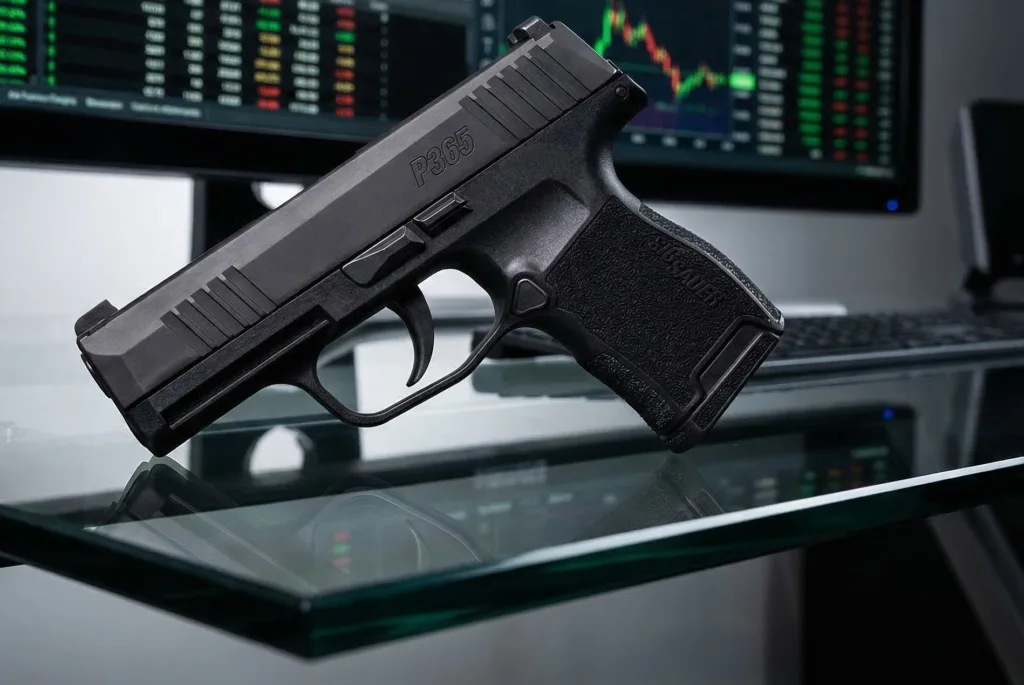
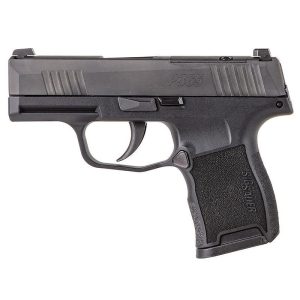
The Sig P365 and P365 XL are the reigning kings of appendix carry. The original P365 practically invented the modern micro compact category, packing 10+1 rounds of 9mm into a package barely bigger than a pocket pistol. The XL adds a slightly longer grip and slide for better shootability without giving up much concealability. If I had to pick one gun for AIWB and nothing else, it would be a P365. Done.
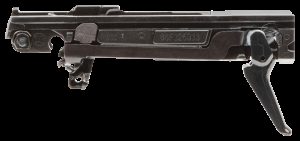
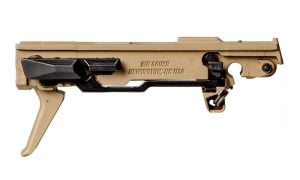
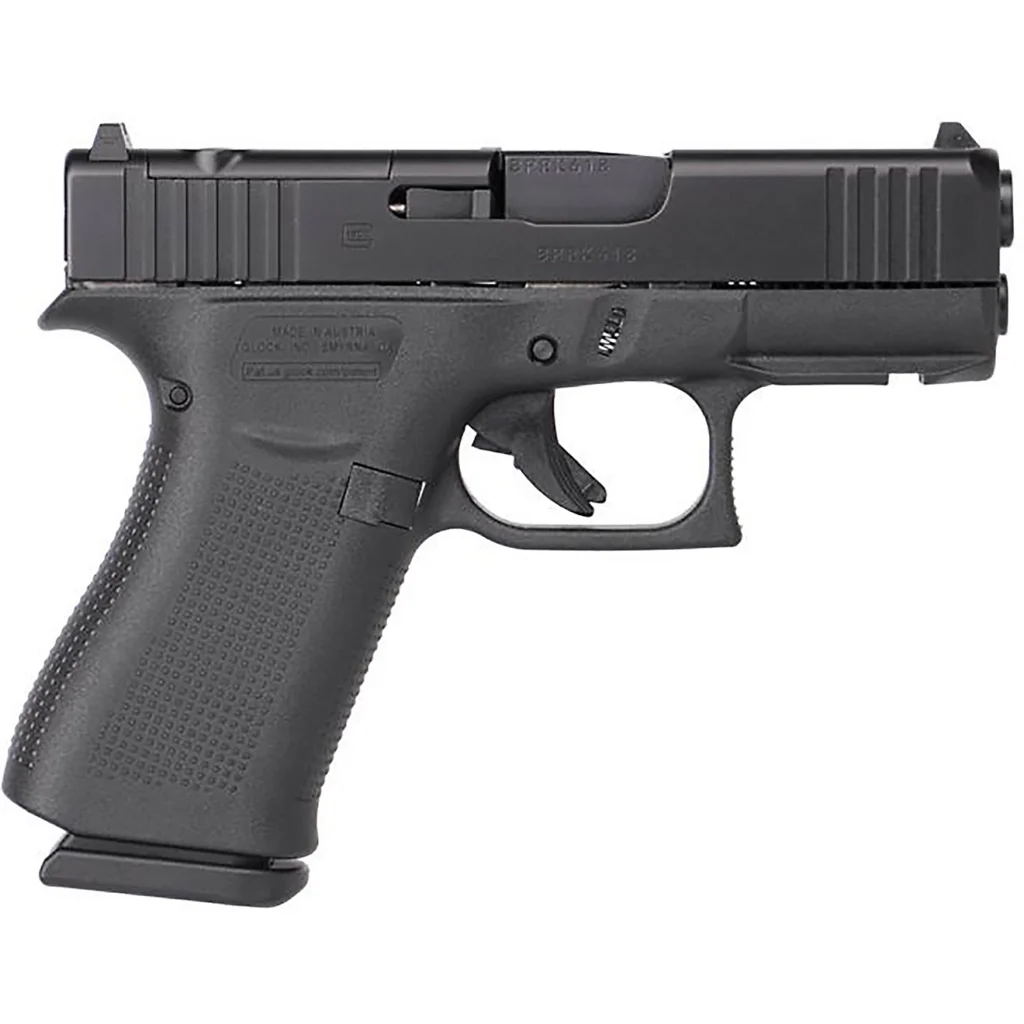
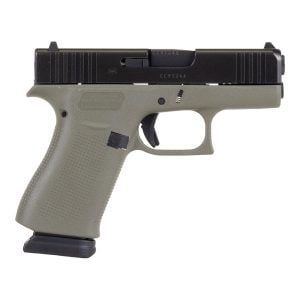
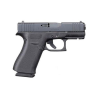
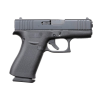
The Glock 43X and Glock 48 brought Glock’s reliability into the slim carry game. Same width as a single-stack but with a 10-round flush mag (and Shield Arms makes a 15-round flush-fit S15 magazine that changes the equation entirely). The 48 gives you a longer sight radius with its 4.17-inch barrel. Both are dead reliable and have massive aftermarket support for holsters, sights, triggers, and everything else. If you’re a Glock person, these are your AIWB guns.
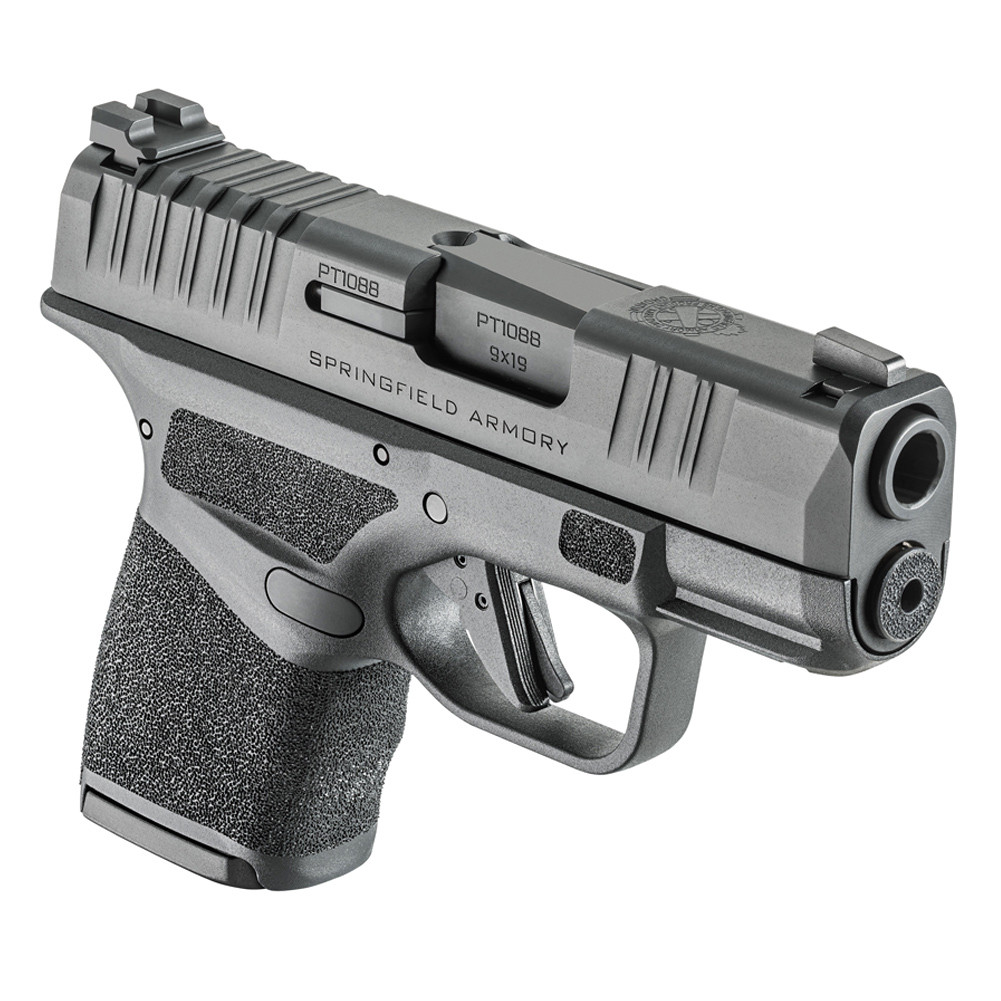
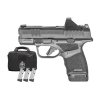
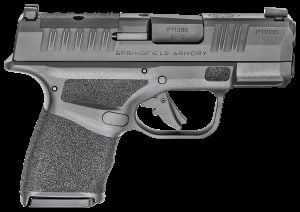
The Springfield Hellcat and Hellcat Pro deserve their spot here too. The original Hellcat was the first to cram 11+1 into a true micro frame, and Springfield kept pushing with the Pro model. Slightly bigger grip, 15-round capacity, optic-ready from the factory. Aggressive little guns that punch above their weight class. The Smith & Wesson Shield Plus rounds out the top tier. It’s been around in various forms for over a decade, and the Plus version with its 13+1 capacity brought it right back to the front of the pack. Flat trigger, slim profile, and it runs like a sewing machine. Check our micro compact roundup and best concealed carry handguns list for more options.
Choosing an AIWB Holster
Your holster is the most important piece of AIWB gear. More important than the gun, honestly. A great gun in a bad holster is uncomfortable, hard to conceal, and potentially unsafe. A good gun in a great holster disappears. Non-negotiable features: full Kydex construction covering the entire trigger guard, adjustable ride height, adjustable retention, and a concealment wing or claw. If your holster doesn’t have all four, you’re making this harder than it needs to be.
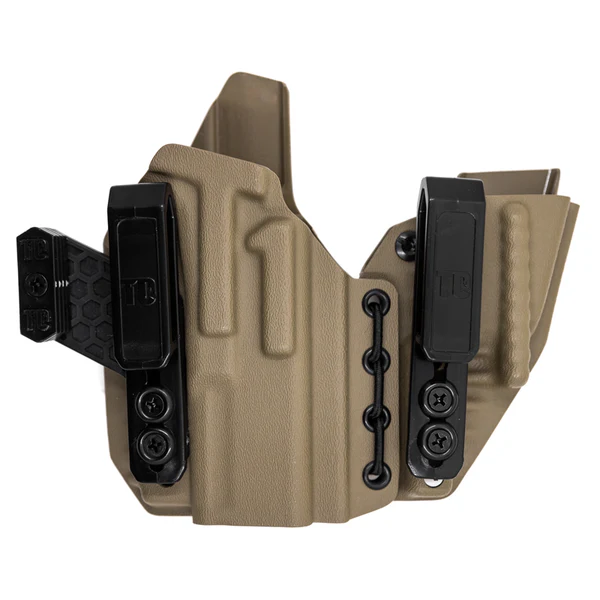
The “sidecar” style holster integrates the gun holster and a spare magazine carrier into one unit. The Tier 1 Concealed Axis Elite is the gold standard here. One piece, rigid, with a flexible hinge in the middle so it conforms to your body. The benefit is that the mag carrier acts as a lever that pushes the grip into your body. The downside is bulk. It’s a bigger footprint on your beltline, and some people find it less comfortable for all-day wear. I run a sidecar setup and love it, but it’s not for everyone.
Standalone holsters give you more flexibility. The Tenicor Velo4 is arguably the best pure AIWB holster on the market right now. Minimal, extremely well-made, and disappears. The Vedder LightTuck is a great budget-friendly option that punches way above its price point. PHLster makes some of the most innovative holster designs around, and their Skeleton and Pro series are favorites in the AIWB community. For a deeper look at options, see our best concealed carry holsters guide.
Whatever you pick, make sure it’s molded specifically for your gun model. Universal holsters have no place in AIWB carry. You need retention that clicks, a trigger guard that’s fully sealed, and a profile that’s been designed for that exact firearm. This isn’t where you cut corners.
The Wing, the Claw, and the Wedge: AIWB Comfort Accessories
Three small accessories make the difference between hating appendix carry and forgetting your gun is there. The concealment wing (sometimes called a claw) is a small piece of plastic that hooks behind your belt. When you clip the holster on, the wing presses against the inside of your belt and levers the grip of the gun into your body. This is the single biggest concealment improvement you can make. Without a wing, the grip sticks out and prints. With one, it tucks flat. Most quality AIWB holsters include one, but you can add aftermarket wings to almost any Kydex holster.
Foam wedge attaches to the bottom (muzzle end) of your holster. It serves two purposes. First, it angles the muzzle slightly away from your body and pushes the grip tighter against your stomach. Second, it fills the gap between the holster and your body, distributing pressure and dramatically improving comfort. A $5 stick-on wedge from Amazon or a DIY piece of Dr. Scholl’s moleskin can transform an uncomfortable holster into an all-day setup. Not kidding. Try it before you give up on AIWB.
DCC Monoblock clips are another upgrade worth mentioning. They’re ultra-low-profile metal clips that grip your belt without adding bulk. Standard plastic clips work fine, but DCC clips sit flatter and hold tighter. They’re popular in the AIWB community for a reason. These are small tweaks, sure. But AIWB comfort is a game of millimeters. Each one of these adjustments compounds, and the result is a carry setup that you genuinely don’t notice during your day.
Belt Selection for AIWB
A dedicated gun belt is not optional if you’re carrying AIWB. Your belt is the foundation that holds everything in place. Too flimsy and the holster sags, shifts, and digs into you. Too stiff and the belt itself becomes a pressure point. You need something rigid enough to support the weight of the gun without flexing, but with enough give that it doesn’t feel like you strapped a two-by-four around your waist. Blue Alpha Gear makes what I consider the best all-around concealed carry belt. Their low-profile EDC belt is stiff where it counts and comfortable everywhere else. Kore Essentials ratchet belts are another solid pick because the ratchet system lets you micro-adjust tension throughout the day. Nexbelt offers a similar ratcheting concept.
Your regular department store leather belt isn’t going to cut it. I know that’s an extra expense on top of the holster and the gun and everything else. But carrying without a proper belt is like running in sandals. You can do it. You shouldn’t. A good gun belt costs $40-80 and lasts years. Just get one. See our best gun belts guide for specific recommendations.
Body Type Considerations
“AIWB only works if you’re built like a marathon runner.” I’ve heard this a thousand times. It’s wrong. Is it easier if you’re lean? Sure. Everything about concealed carry is easier when you’re thin. But modern AIWB holsters with adjustable ride height, wedges, and claws have opened this carry position up to a much wider range of body types than people realize. Larger guys typically need to run the holster slightly lower (more ride height) and rely more heavily on a wedge to angle the gun for comfort. The muzzle tucks into the natural fold at the waist and hip crease. It works.
Shorter torsos sometimes struggle with the muzzle poking into them when they sit. The fix is usually a shorter holster length (many companies offer “short” or “compact” options) or a modwing that adjusts the overall angle. You don’t necessarily need a shorter gun. You just need a holster that’s been designed to accommodate your body geometry.
Women face a different set of challenges. Waistline height, belt placement, and clothing styles all complicate traditional AIWB setups. The PHLster Enigma changed the game here. It’s a chassis system that uses its own internal belt, completely independent of your clothing. You can carry AIWB in leggings, a dress, gym clothes, whatever. It’s not the only solution, but it’s the most versatile one available right now for beltless carry.
Sitting comfort is far and away the number one complaint about appendix carry across all body types. The gun digs into your stomach or thigh when you sit down. Here’s what actually fixes it: first, adjust ride height so the grip isn’t jabbing you. Second, add a wedge to angle the muzzle. Third, consider going down one gun size if you’re spending eight hours a day at a desk. A P365 that you actually wear all day beats a Glock 19 that ends up in your car’s center console by lunchtime. Read more tips in our concealed carry tips and techniques guide.
How to Draw from Appendix
AIWB draw is simple, which is part of why it’s fast. Your non-dominant hand grabs the hem of your shirt and pulls it straight up to your chest. Hold it there. Your dominant hand drives down to the gun and establishes a full firing grip while the gun is still in the holster. Thumb rides the back of the slide, fingers wrap the grip, trigger finger is straight along the frame. Don’t rush this part. A bad grip in the holster means a bad grip on the draw, and you won’t have time to fix it.
Once you have that full grip, press the gun straight out toward the target. The beauty of appendix is that the draw is almost entirely a forward press. No sweeping across your body, no rotating the gun from behind your hip. Just straight out. It’s a natural, efficient motion that takes very little practice to become consistent.
Dry fire practice is how you build this into muscle memory. Ten minutes a day, every day, with a verified-clear firearm. Practice the garment clear, the grip, the draw, the press-out. Do it until it’s boring. Then do it some more. You won’t rise to the occasion in a high-stress moment. You’ll default to your training. Make sure that default is clean.
AIWB in Summer vs Winter
Summer is the real test for appendix carry. Lighter clothing, thinner fabrics, tighter fits. The good news is that AIWB handles summer better than strong-side carry because the gun sits in front where a slightly loose t-shirt drapes over it naturally. The key is gun selection. This is when the P365, Hellcat, and Shield Plus earn their keep. A micro compact with a good holster and wing disappears under a cotton t-shirt. Avoid athletic fit shirts and go slightly roomier. Nobody notices. Dark colors and patterns help, but honestly, with the right setup, even a plain white tee works.
Winter is AIWB on easy mode. Layers cover everything, and access is still fast. Unzip your jacket, pull up the base layer, draw. Some guys even run a slightly bigger gun in winter because concealment isn’t an issue. I stick with the same gun year-round because I want the same draw stroke every single time, but that’s a personal choice. The point is that AIWB adapts to both seasons better than most carry positions. It’s one of the reasons it’s become the go-to for people who carry every single day regardless of weather or wardrobe.
FAQ: Appendix Carry (AIWB)
Final Thoughts
Appendix carry isn’t just a trend. It’s the logical endpoint of decades of concealed carry evolution. Faster draws, better concealment, easier retention, and it works in more situations than any other carry position. The gear has caught up. The training community has embraced it. If you haven’t tried it yet, get a quality Kydex holster with a wing and a wedge, strap on a proper gun belt, and give it an honest two weeks. Most people who try AIWB seriously don’t go back.
Start with a micro compact if you’re new to it. A P365 or a Glock 43X in a Tier 1 or Tenicor holster is about as good as it gets for a first AIWB setup. Check our holster guide for specific recommendations, and hit our concealed carry guide for the big picture. Carry every day. Train your draw. Stay safe out there.
Looking for the best prices? Check our gun deals page and price comparison tool to compare prices from 200+ retailers before you buy.
AIWB Questions That Need a Direct Answer
How do I sit, drive, and tie my shoes with appendix carry?
Sitting requires either a holster with a sufficient cant to push the grip away from the belt buckle, or a hip-shift to the strong side as you sit. Driving requires the holster to ride high enough that the grip clears the steering-column area. Tying shoes requires bending at the hips, not the spine, squat down with a straight back rather than bending forward. The first 60 days of AIWB are about training your body to those three movement patterns; if they still feel forced at day 90, the holster placement or cant is wrong, not the carry method itself.
Is AIWB safe with a striker-fired gun?
Yes, when the holster fully covers the trigger guard and retains the gun under load. The risk window is during re-holstering, not during carry. A modern striker-fired gun in a properly-fitted kydex AIWB holster has the same negligent-discharge risk profile as a thumb-safety gun in the same holster, almost zero, provided the carrier follows the no-look-no-rush re-holstering protocol. Reflexive re-holstering is the actual risk, not the trigger mechanism.
What body shapes do not work with AIWB?
AIWB is harder to conceal on body shapes with significant abdominal load, because the holster pushes outward against the waistband under sitting load. Shorter-torso shooters benefit from holsters with a forward cant and a wedge that tilts the grip in toward the body. Longer-torso shooters can run more vertical cants. The framing is not “AIWB doesn’t work for me”, it’s “this specific holster geometry doesn’t work for my body and a different geometry would.”
Why do experienced carriers move from OWB to AIWB after a few years?
Speed and consistency of the draw. AIWB produces a faster and more consistent draw-stroke than OWB or strong-side IWB for most shooters because the gun is in the natural reach path of the dominant hand. The tradeoff is the longer training curve and the body-shape constraints. Carriers who have trained for one to two years on a slower-draw position often migrate to AIWB once they find a holster that fits, the speed gain is real and durable.
Frequently Asked Questions
Is appendix carry safe?
Yes, when done correctly. A quality Kydex holster with full trigger guard coverage physically prevents the trigger from being pulled. Every documented AIWB negligent discharge happened during holstering or drawing with a finger on the trigger, not while the gun sat in the holster. Use proper reholstering technique (look the gun in, remove the holster if needed) and appendix carry is as safe as any other position.
What is the best gun for appendix carry?
The Sig P365 and P365 XL are widely considered the best AIWB guns. They pack 10-12+ rounds of 9mm into a micro compact frame that disappears at the appendix position. The Glock 43X, Springfield Hellcat, and Smith & Wesson Shield Plus are also excellent choices. The ideal AIWB gun is slim, short-gripped, and lightweight.
Does appendix carry work for big guys?
Yes. The idea that AIWB only works for thin people is outdated. Modern holsters with adjustable ride height, foam wedges, and concealment wings have made appendix carry viable for larger body types. Bigger guys typically need to run the holster slightly lower and use a wedge to angle the gun for comfort. The muzzle tucks into the natural fold at the waist and hip crease.
What holster do I need for AIWB?
You need a full Kydex holster with complete trigger guard coverage, adjustable ride height, adjustable retention, and a concealment wing or claw. Top picks include the Tier 1 Concealed Axis Elite (sidecar style), Tenicor Velo4, Vedder LightTuck, and PHLster Skeleton. The holster must be molded specifically for your exact gun model. Universal holsters are not acceptable for AIWB.
Is appendix carry faster than strong-side?
Yes. Appendix carry consistently produces faster draw times than strong-side (3-4 o clock) carry. The difference is typically 0.3 to 0.5 seconds on a shot timer. Your hands naturally fall to the front of your body, and the draw is essentially a straight forward press rather than a sweeping motion from behind the hip. This is one of the main reasons competitive shooters and law enforcement have adopted AIWB.
Can you appendix carry with a light or red dot?
Absolutely. Most quality AIWB holsters are available with options for weapon-mounted lights (like the Streamlight TLR-7 Sub or SureFire XSC) and red dot optics. The holster needs to be specifically molded to accommodate your light and optic combination. Adding a light increases the holster footprint slightly but also adds length that can help with concealment by leveraging the muzzle end against your body.
Does appendix carry hurt when sitting?
Sitting discomfort is the most common complaint with AIWB, but it is fixable. Adjust your holster ride height so the grip does not jab your stomach. Add a foam wedge to the muzzle end of the holster to angle the gun and distribute pressure. If you sit at a desk all day, consider a smaller gun like the P365 instead of a compact like the Glock 19. These adjustments usually solve the problem completely.
Do you need a special belt for appendix carry?
Yes. A dedicated gun belt is essential for comfortable, secure AIWB carry. Your belt needs to be rigid enough to support the holster and gun without sagging or shifting, but not so stiff that it creates pressure points. Blue Alpha Gear, Kore Essentials, and Nexbelt all make excellent concealed carry belts. A standard department store belt will not provide adequate support and will make the experience miserable.
4,617+ Gun & Ammo Deals
Updated daily from 200+ top retailers. Filter by category, caliber, action type, and price.
Related Guides