
Last updated August 2026 · By Nick Hall, who has coached dozens of first-time shotgun owners through their first range trip
Affiliate disclosure: Some of the links below are affiliate links, meaning at no additional cost to you, we may earn a commission if you click through and make a purchase.
Quick answer: the best shotgun for beginners in 2026 is the Mossberg 500, a reliable, affordable pump with an intuitive tang safety, and in 20 gauge it kicks far less than a 12. For the tightest budget, the Maverick 88 is the cheapest reliable shotgun at around $200, and the Remington 870 Express is the iconic alternative.
If recoil worries you, the Stoeger M3000 semi-auto softens the kick, and the Mossberg 510 Mini fits younger or smaller shooters. Most beginners should start with a 20-gauge pump, because it teaches the fundamentals, costs less, and will not punish you at the range.
- Treat every gun as loaded
- Point the muzzle in a safe direction
- Keep your finger off the trigger until you’re ready to shoot
- Know your target and what’s beyond
How we tested: Every pick here is ranked against our testing methodology. Minimum round counts, accuracy and reliability protocols, the failures that disqualify a gun.
Best Shotguns for Beginners in 2026 at a Glance
| Shotgun | Gauge | Capacity | MSRP | Price |
|---|---|---|---|---|
| BEST FIRST SHOTGUN Mossberg 500 |
12/20 GA | 5+1 | ~$450 | Lowest Price ↓ |
| BEST BUDGET STARTER Maverick 88 |
12/20 GA | 5+1 | ~$230 | Lowest Price ↓ |
| MOST RELIABLE Remington 870 Express |
12/20 GA | 4+1 | ~$450 | Lowest Price ↓ |
| BEST FIRST SEMI-AUTO Stoeger M3000 |
12 GA | 4+1 | ~$500 | Lowest Price ↓ |
| BEST YOUTH Mossberg 510 Mini |
20/.410 | 3+1 | ~$400 | Lowest Price ↓ |
Table of Contents
Introduction: Best Shotgun for Beginners in 2026
Your first shotgun sets the tone for everything that comes after. Pick the right one and you’ll fall in love with shooting. Pick the wrong one and you’ll develop a flinch, hate the recoil, and possibly give up on shotguns entirely. I’ve seen it happen dozens of times, and it’s almost always because someone bought too much gun for their experience level.
The biggest mistake beginners make is jumping straight to a 12 gauge because “it’s the standard.” For a lot of people, 20 gauge is the smarter first choice. Forty percent less recoil, lighter guns, and more than enough payload for anything except long-range waterfowl. I’ll explain when 12 gauge makes sense and when 20 gauge is the better call throughout this guide.
Every gun on this list was chosen specifically for new shooters. Reliable, affordable, forgiving, and backed by good support and aftermarket options. For the full rundown on gauges, actions, and what to look for, start with our shotgun buying guide. Then come back here for the specific recommendations.
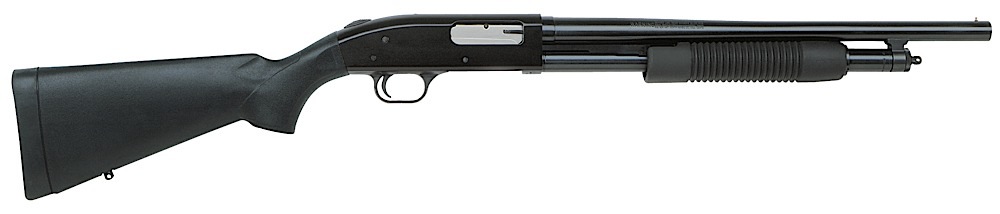
1. Mossberg 500: Best First Shotgun Overall
- Gauge: 12 Gauge (also 20, .410)
- Barrel: 28″ field, 18.5″ security (combo)
- Action: Pump
- Weight: 7.5 lbs (12 GA field)
- Capacity: 5+1
- Chokes: Accu-Set (IC, Mod, Full)
- MSRP: ~$450
Pros
- Combo packages give you field and security barrels for one price
- Ambidextrous tang safety is intuitive for everyone
- Massive aftermarket means you can customize forever
- Available in 12, 20, and .410 to fit any shooter
Cons
- Pump action has a learning curve (short-stroking)
- 12 gauge version kicks noticeably with heavy loads
- Action is a bit rough from factory (smooths with use)
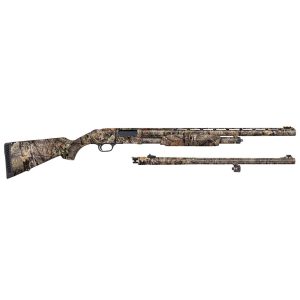
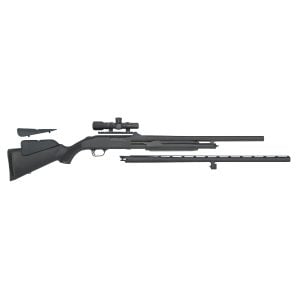
I recommend the Mossberg 500 as a first shotgun more than anything else on the market. The combo package with both a 28-inch field barrel and an 18.5-inch security barrel gives you two guns for the price of one. Hunt with it on Saturday, set it up for home defense on Sunday. Barrel swaps take seconds with no tools required.
For beginners, I specifically recommend the 20 gauge version unless you have a specific reason to go 12 gauge. The 20 gauge 500 is lighter, kicks less, and does everything a new shooter needs. You can always add a 12 gauge later when you’re comfortable with the platform and want more payload for waterfowl or turkey.
The tang safety is a genuine advantage for new shooters. It’s right where your thumb goes naturally, and you can feel whether it’s on or off without looking. That’s important when you’re still building muscle memory with firearm handling. The entire manual of arms on a 500 is intuitive, which matters when everything else about shooting is new. For beginners drawn to traditional double-barrel guns, side-by-side shotguns offer simple operation and visible chamber loading.
One tip: practice your pump stroke at home with snap caps. The biggest beginner issue with pump shotguns is short-stroking, where you don’t pull the forearm back far enough and the action doesn’t fully cycle. Practice until it’s automatic. Aggressive, full strokes every time.
Best For: Anyone buying their first shotgun. The 20 gauge combo is the single best beginner package on the market. Period. See also our best shotguns under $500 for more options at this price.
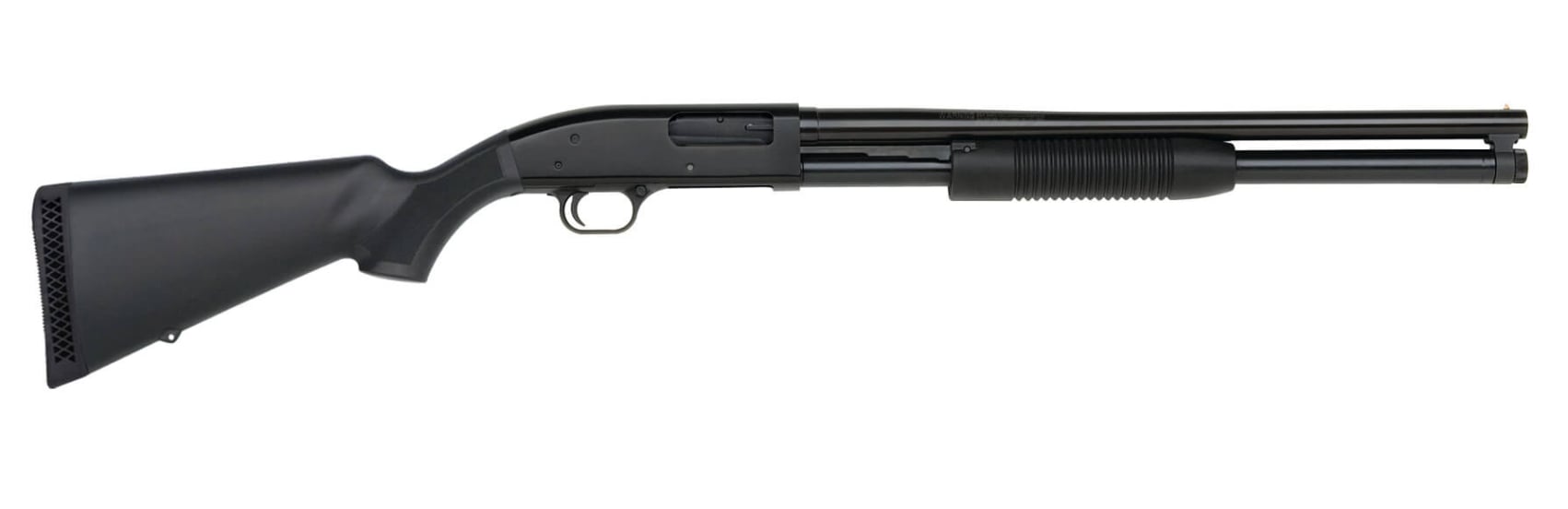
2. Maverick 88: Best Budget Starter Shotgun
- Gauge: 12 Gauge (also 20)
- Barrel: 28″ field or 18.5″ security
- Action: Pump
- Weight: 7.25 lbs
- Capacity: 5+1
- Chokes: Modified (fixed) or Accu-Choke
- MSRP: ~$230
Pros
- Around $200 street price is unbeatable
- Shares barrels with Mossberg 500 (upgradeable)
- Proven reliable with millions sold
- Low investment lets beginners try shotgunning cheaply
Cons
- Cross-bolt safety is less intuitive than tang
- Fixed choke on cheapest models
- No frills whatsoever

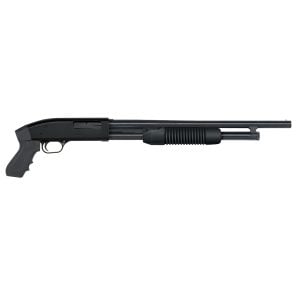
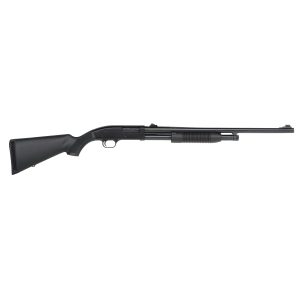
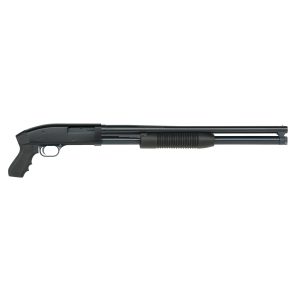
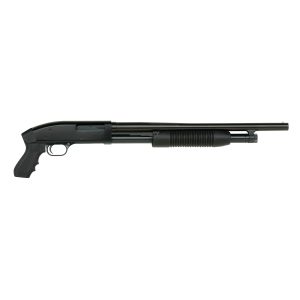
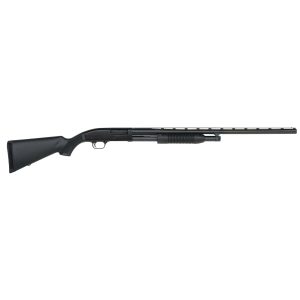
If $450 for a Mossberg 500 feels like a lot for a gun you’re not even sure you’ll use regularly, the Maverick 88 is your answer. For around $200, you get a pump shotgun built on the same Mossberg platform that’s been proven in millions of homes and deer camps. It’s the cheapest reliable shotgun you can buy. Nothing else at this price is worth your money.
For beginners, the Maverick 88 lets you find out if you actually enjoy shotgunning without a major financial commitment. If you love it, you can upgrade to a Mossberg 500 later and the Maverick becomes your beater/truck gun. If shotgunning isn’t for you, you’re only out $200. That’s less than a decent dinner out for two people.
Get the 20 gauge field version with the Accu-Choke system if you can find it. The interchangeable chokes add versatility that the fixed Modified model lacks. And don’t let anyone tell you a $200 shotgun isn’t “good enough.” The Maverick 88 has probably put more birds on tables and protected more homes than any boutique shotgun ever made.
Best For: Budget-conscious beginners who want to try shotgunning without a big investment. The best value in firearms, full stop.
3. Remington 870 Express: The Iconic Beginner Pump
- Gauge: 12 Gauge (also 20)
- Barrel: 28″ field, 26″
- Action: Pump
- Weight: 7.25 lbs
- Capacity: 4+1
- Chokes: Rem Choke (3 tubes)
- MSRP: ~$450
Pros
- Silky smooth pump action after break-in
- Steel receiver for lifetime durability
- Huge aftermarket for customization
- The 20 gauge Express is a perfect starter gun
Cons
- Cross-bolt safety is less intuitive for beginners
- QC issues from Freedom Group era (check before buying)
- 4+1 capacity vs Mossberg’s 5+1
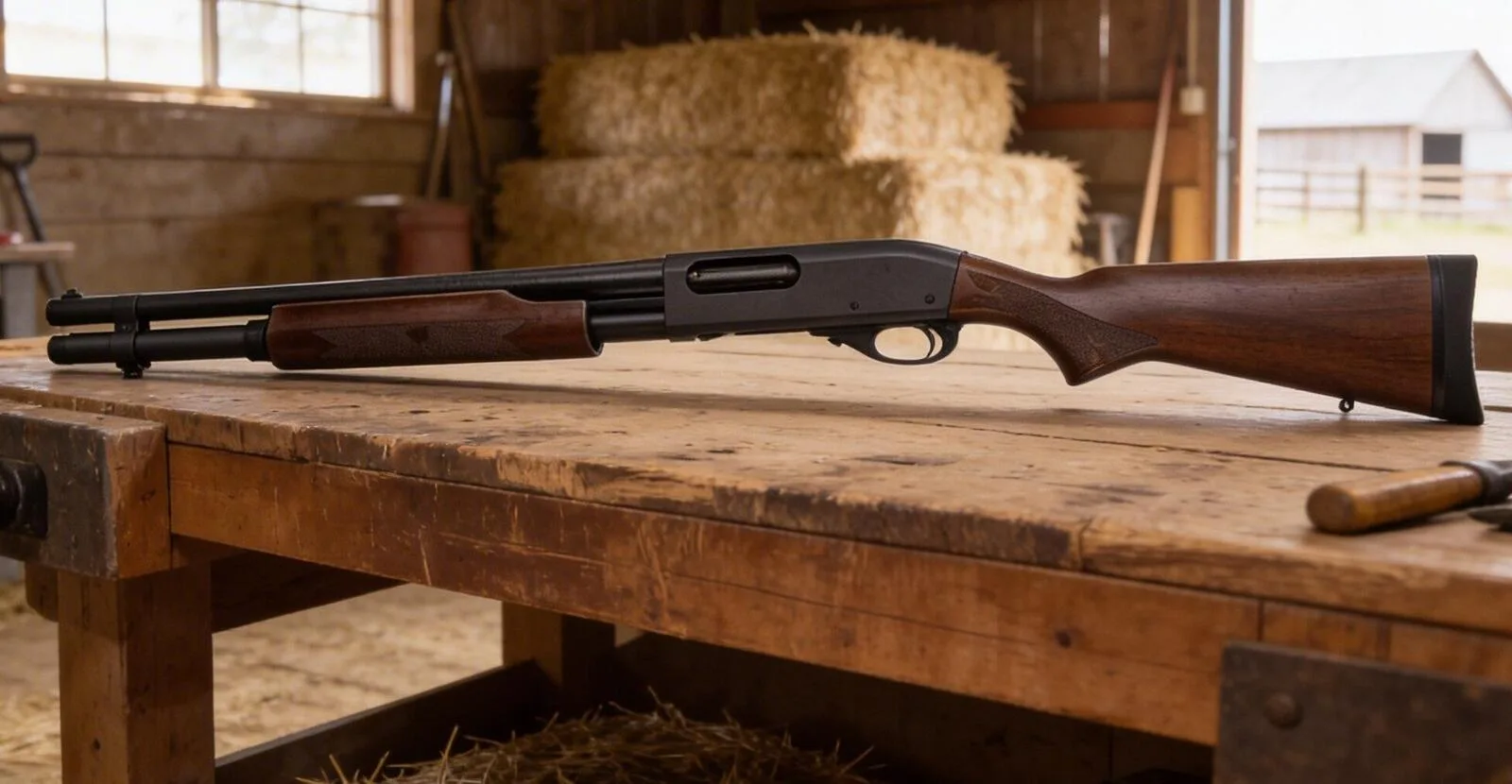
The 870 Express in 20 gauge is one of the best beginner shotguns ever made. It’s lighter than the 12 gauge, the recoil is manageable for shooters of any size, and the 870 action is famous for a reason. Once it’s broken in with a couple hundred shells, that pump stroke becomes so smooth it’s almost effortless. New shooters love the way it feels.
I’d point beginners toward the 20 gauge Youth model specifically. It comes with a shorter 21-inch barrel and a 13-inch length of pull that fits smaller frames. When the shooter grows, swap to a standard 28-inch barrel and a full-size stock. The receiver is the same, so you’re just changing furniture and barrels.
Check the gun carefully before buying. Run a patch down the bore, cycle the action several times, and make sure the finish looks clean. The new RemArms production has been much better than the late Freedom Group era, but it’s still worth being diligent. A good 870 is a forever gun.
Best For: Beginners who prefer Remington’s smoother action feel and want a gun they’ll never outgrow. The 20 gauge Youth model is outstanding for smaller shooters.
4. Winchester SXP: Lightest Full-Size Pump for Beginners
- Gauge: 12 Gauge (also 20)
- Barrel: 28″ or 26″
- Action: Pump (Inertia-Assisted)
- Weight: 6.5 lbs (20 GA)
- Capacity: 4+1
- Chokes: Invector-Plus (3 tubes)
- MSRP: ~$400
Pros
- Lightest pump on this list at 6.5 lbs (20 GA)
- Inertia-assisted action helps with cycling speed
- Invector-Plus chokes are widely available
- Often streets under $350
Cons
- Inertia assist feels different than traditional pumps
- Light weight means more felt recoil
- Not as proven as Mossberg or Remington
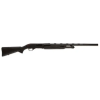
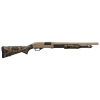

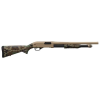
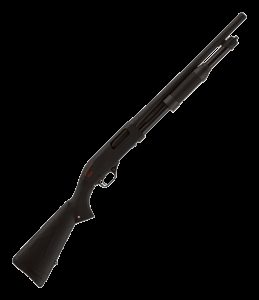
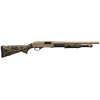
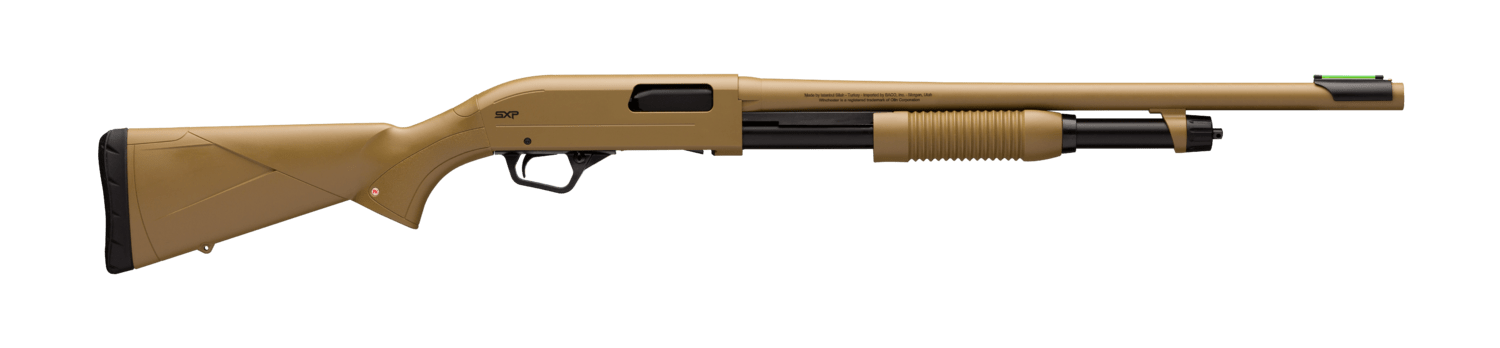
The Winchester SXP in 20 gauge weighs just 6.5 pounds, making it one of the lightest pump shotguns you can buy. For beginners who are worried about handling a heavy gun, or smaller-framed shooters who don’t want to wrestle with an 8-pound pump, the SXP is a breath of fresh air. You can carry it all day without your arms getting tired.
The inertia-assisted action is a nice bonus for beginners. When you fire, recoil starts the pump stroke rearward, so you need less force to cycle the action. That reduces the chance of short-stroking, which is the number one beginner pump-action problem. It’s not fully automatic like a semi-auto, but it helps.
At often under $350 street price, the SXP undercuts both the Mossberg 500 and Remington 870. You give up some brand recognition and aftermarket depth, but the gun itself is well-made and reliable. It’s a sleeper pick that deserves more attention from the beginner market.
Best For: Smaller or lighter shooters who want the lightest possible pump action. The inertia assist makes cycling easier for new pumpers.
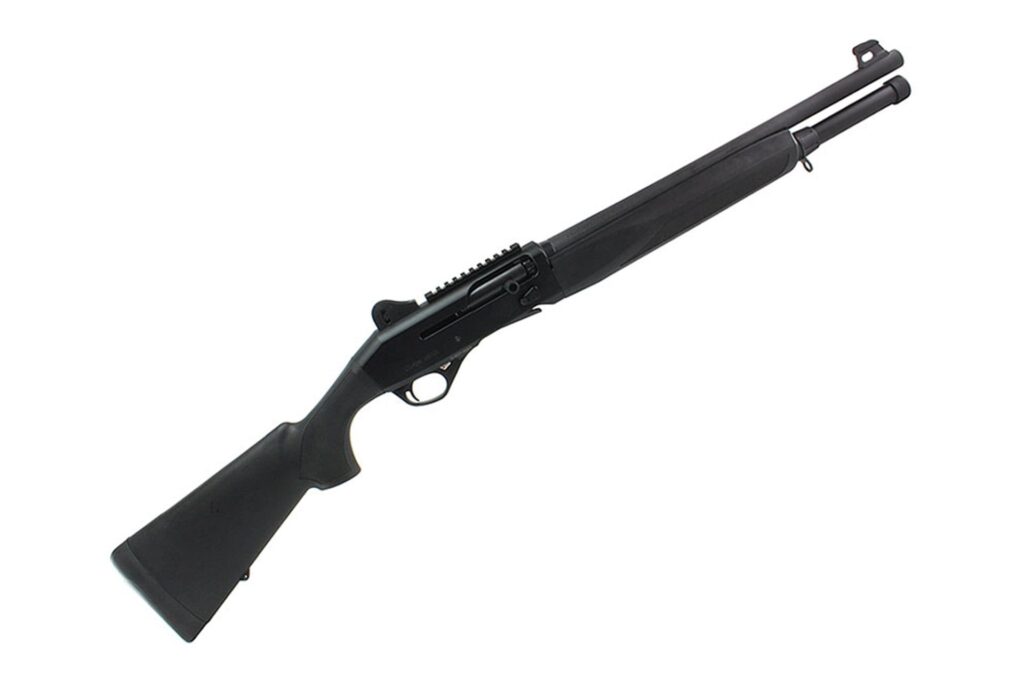
5. Stoeger M3000: Best First Semi-Auto Shotgun
- Gauge: 12 Gauge
- Barrel: 28″ (field), 26″
- Action: Semi-Auto (Inertia)
- Weight: 7.3 lbs
- Capacity: 4+1
- Chokes: 3 choke tubes
- MSRP: ~$500
Pros
- Semi-auto cycling reduces felt recoil significantly
- No pump stroke to learn (one less thing to think about)
- Inertia system based on Benelli technology
- Under $500 for a semi-auto is remarkable
Cons
- Requires 100-200 round break-in with full-power loads
- 12 gauge only (no 20 gauge M3000)
- Can be finicky with light loads before break-in
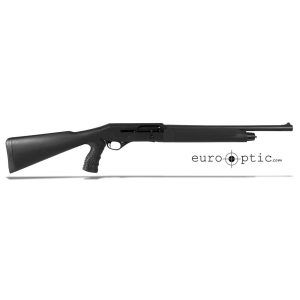
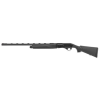
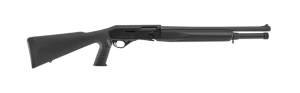
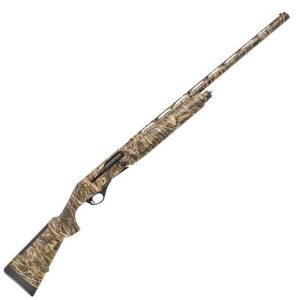
Semi-autos have one huge advantage for beginners: you don’t have to think about cycling the action. Pull the trigger, the gun cycles itself, and you’re ready for the next shot. That’s one less thing to worry about when you’re already juggling trigger control, mounting the gun, leading the target, and remembering to keep the safety on until you’re ready to shoot.
The M3000 also kicks noticeably less than a pump in the same gauge. The inertia system spreads the recoil impulse over a longer duration, and some of that energy goes into cycling the action instead of punishing your shoulder. For recoil-sensitive beginners who want a 12 gauge, the M3000 makes the experience much more pleasant.
The break-in period is the one asterisk. Buy two boxes of full-power field loads (not light target loads) and run them through the gun before you expect it to cycle everything. After that, it’ll eat most 12 gauge ammo without complaint. It’s worth the initial investment in break-in ammo.
Best For: Beginners who struggle with pump actions or want reduced recoil. The simplest manual of arms on this list since it’s just load and shoot.
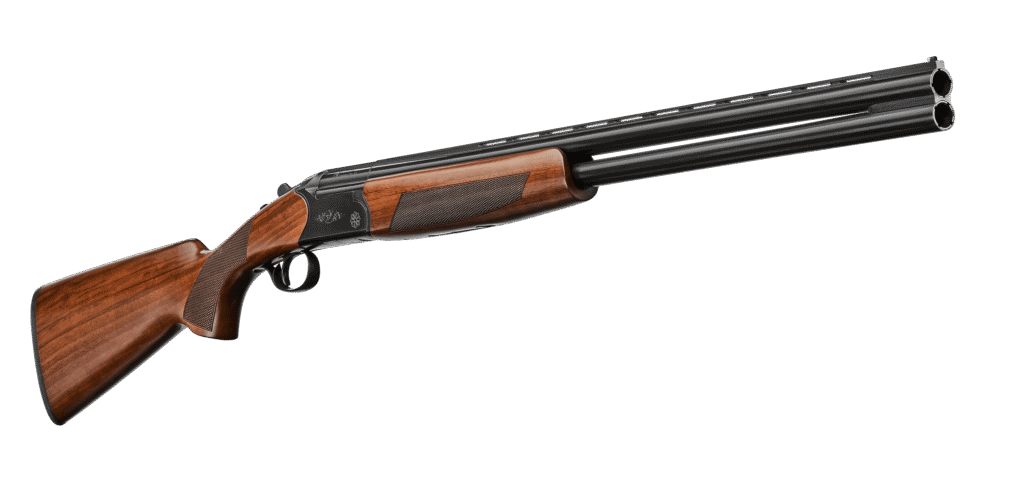
6. CZ Drake: Best First Over/Under
- Gauge: 12 or 20 Gauge
- Barrel: 28″
- Action: Over/Under
- Weight: 7.5 lbs
- Capacity: 2
- Chokes: 5 flush choke tubes
- MSRP: ~$500
Pros
- Cheapest quality O/U you can buy
- 5 choke tubes teach beginners about choke selection
- Simple break-action is easy to learn and safe
- Two-shot capacity is inherently safe for new shooters
Cons
- Extractors only (no ejectors)
- Won’t hold up to extremely high-volume shooting
- Recoil is sharp in a break-action (no gas/inertia buffer)
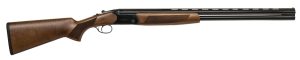
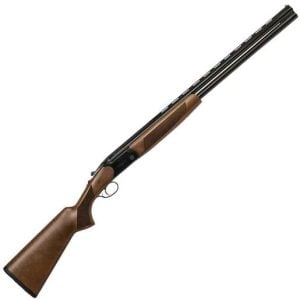
Break-action shotguns are the safest shotguns to learn on. When it’s open, you can see the chambers are empty. When it’s closed, you know there are exactly two rounds loaded. There’s no tube magazine to accidentally leave loaded, no bolt to ride forward unexpectedly. For absolute beginners, especially youth shooters taking a hunter safety course, the simplicity of a break action is a genuine safety advantage.
The CZ Drake gives you that break-action simplicity in an O/U configuration with five choke tubes. Beginners can actually learn about choke selection by swapping tubes and patterning the gun at different distances. That’s a lesson that makes you a better shotgunner for life.
In 20 gauge, the Drake is a particularly nice beginner option for someone interested in sporting clays or upland hunting. The recoil is manageable, the weight is reasonable, and the two-shot capacity forces you to make each shot count, which builds better shooting fundamentals than blasting away with a magazine-fed gun.
Best For: Beginners interested in sporting clays, upland hunting, or anyone who values the inherent safety of a break-action design.
7. Mossberg 510 Mini: Best Youth Shotgun
- Gauge: 20 Gauge or .410
- Barrel: 18.5″
- Action: Pump
- Weight: 5 lbs
- Capacity: 3+1
- Chokes: Accu-Set interchangeable
- MSRP: ~$400
Pros
- Specifically designed for youth and small-framed shooters
- 5 pounds is incredibly light and easy to handle
- Adjustable stock spacers grow with the shooter
- Tang safety same as the 500 platform
Cons
- 18.5″ barrel limits range for wingshooting
- 3+1 capacity
- Kids will outgrow it eventually
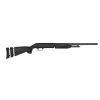

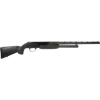
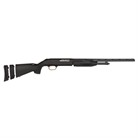
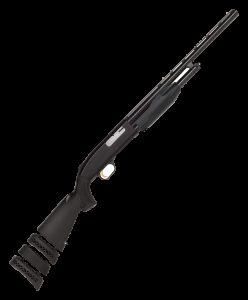
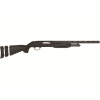
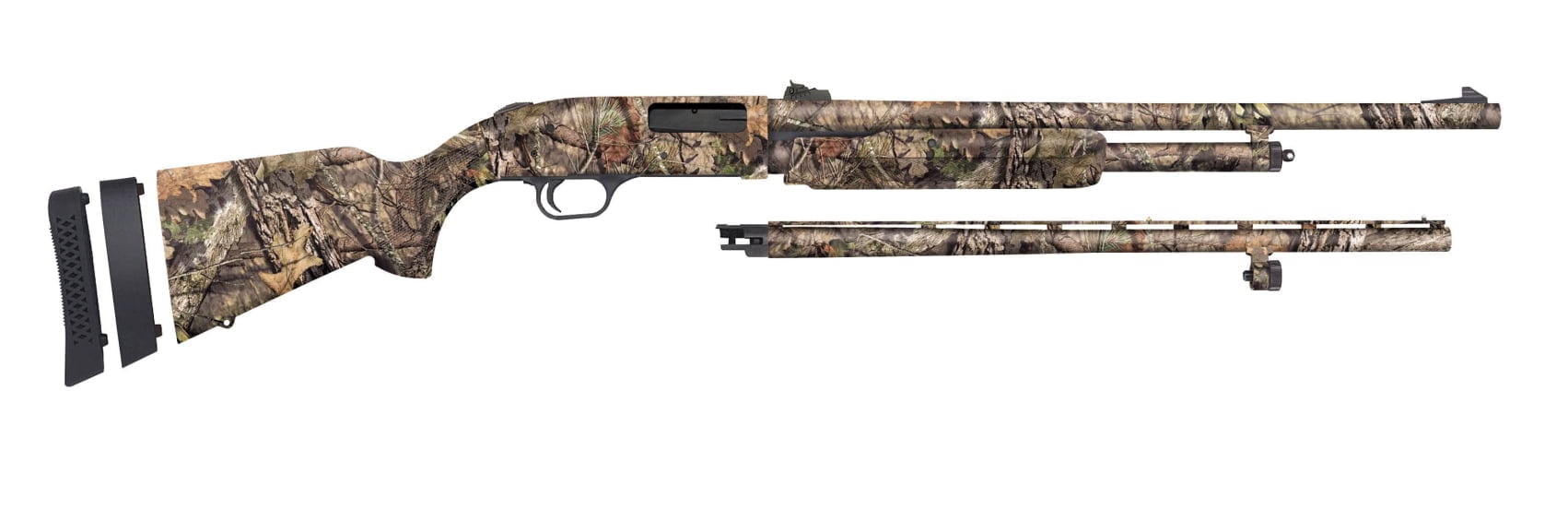
The 510 Mini is built for one purpose: getting young shooters into shotgunning without overwhelming them. At 5 pounds in .410 bore, it’s the lightest, most manageable pump shotgun made. The 12-inch length of pull fits kids as young as 8 or 9 (with proper supervision), and the stock spacers let you extend the LOP as they grow.
Go with the 20 gauge version for serious hunting use and the .410 for pure learning and fun. The .410 has virtually zero recoil, which means zero flinch development. That matters more than people think. A kid who learns to shoot without flinching will be a better shooter for the rest of their life. A kid who develops a flinch from too much recoil might never shake it.
This is a transitional gun, not a forever gun. Most kids will outgrow it by 12-14 and move to a full-size 500 in 20 gauge. But those first few years of learning on a properly sized shotgun are worth the investment. It builds confidence, good habits, and a love for shooting that sticks.
Best For: Young shooters aged 8-13 who need a properly sized shotgun. The .410 is best for pure learning, the 20 gauge for youth hunting. See also our best .410 shotguns.
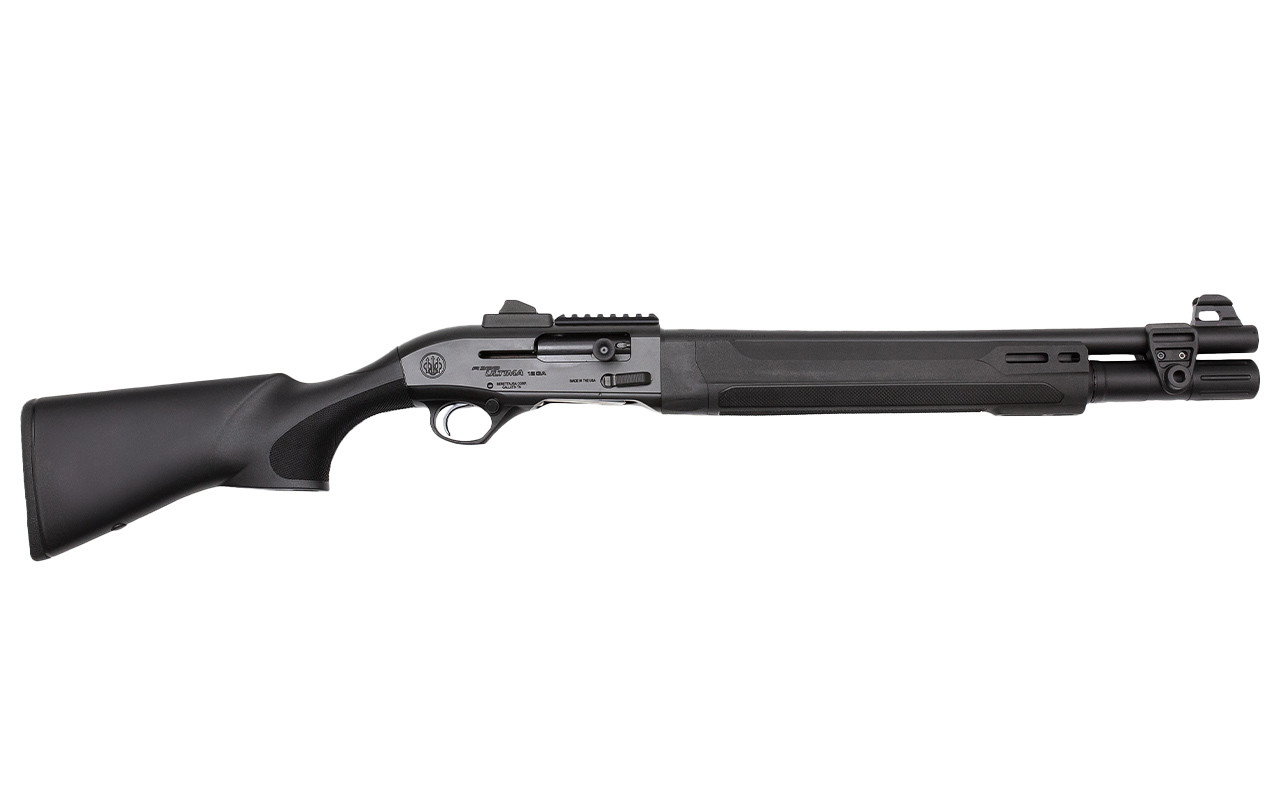
8. Beretta A300 Ultima: Best Step-Up for Committed Beginners
- Gauge: 12 Gauge (also 20)
- Barrel: 28″
- Action: Semi-Auto (Gas)
- Weight: 7.1 lbs
- Capacity: 3+1
- Chokes: MobilChoke (IC, Mod, Full)
- MSRP: ~$850
Pros
- Gas-operated action is the softest-shooting option on this list
- Cycles everything from light loads to magnums
- Beretta quality means you’ll never outgrow it
- Self-cleaning gas system reduces maintenance
Cons
- $850 is a significant investment for a beginner
- Gas system needs periodic cleaning
- Heavier than comparable pumps
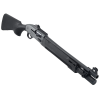

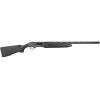
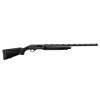
This is for the beginner who knows they’re going to be serious about shotgunning. Maybe you’ve shot a friend’s guns and you’re hooked. Maybe you’re joining a sporting clays league. If you know you’re committed, skip the budget pump and start with the A300 Ultima. You’ll never outgrow it, and you’ll never need to upgrade.
The gas-operated action produces the least felt recoil of any gun on this list. Beginners who shoot the A300 back-to-back with a pump action always comment on how much softer it feels. That reduced recoil means you develop better habits: you don’t flinch, you don’t dread the trigger pull, and you actually enjoy the process of learning.
Beretta has been making guns since 1526. The A300 uses a simplified version of the A400 platform that’s been winning competitions worldwide. You’re buying into one of the most proven firearms lineages on the planet. At $850, it’s not cheap for a first gun, but it’s the kind of purchase you make once and never revisit. See our best shotguns under $1,000 for more context on this price range.
Best For: Committed beginners with a bigger budget who want to buy once and buy right. The softest recoil and the most future-proof option on this list.
Beginner Buyer’s Guide: 12 Gauge vs 20 Gauge for New Shooters
This is the most important decision for a beginner, and most guides get it wrong by defaulting to 12 gauge. Here’s the honest truth: for most new shooters, 20 gauge is the better starting point.
Twenty gauge kicks about 40% less, the guns are lighter, and modern 20 gauge ammo is effective for everything except long-range waterfowl. You can hunt upland birds, deer with slugs, shoot sporting clays, and defend your home with 20 gauge buckshot. It does it all with less punishment. For the full comparison, check our 12 gauge vs 20 gauge breakdown.
Start with 12 gauge only if you’re a larger-framed shooter who doesn’t mind recoil, you specifically plan to hunt waterfowl over decoys, or you need maximum ammo variety. For everyone else, 20 gauge. You can always add a 12 gauge later when you’ve built up your fundamentals and your recoil tolerance.
The best first gun is the one you’ll actually practice with. If recoil makes you not want to go to the range, you won’t practice. If you don’t practice, you won’t improve. Start comfortable and build from there.
Shop Shotgun Accessories
Best-scored accessories across 200+ retailers · Updated every 4 hours
FAQ: Best Shotgun for Beginners
Beginner Shotgun Questions That Get Skipped
Should a beginner buy a 12 gauge or step down to 20 gauge?
For most adult buyers without recoil sensitivity, a 12 gauge with reduced-recoil ammunition is the standard starting point. The 12 gauge’s ammunition variety, parts availability, and resale value all exceed 20 gauge. A 20 gauge is the right choice for smaller-framed shooters, shooters with rotator-cuff sensitivity, or shooters who specifically prioritize lighter weight. The 20 gauge’s defensive effectiveness inside typical home-defense distances matches 12 gauge in most documented incident analyses.
Is a pump-action easier to learn than a semi-auto for a first shotgun?
Yes, in terms of mechanical reliability and ammunition tolerance. A pump-action cycles birdshot, buckshot, slugs, and reduced-recoil loads with equal reliability because the user provides the cycling energy. A semi-auto requires the ammunition to produce enough gas or recoil to cycle the action, which means some lighter loads will not cycle reliably until the shotgun is broken in. The pump-action also forces the shooter to learn shotgun manipulation as a deliberate motor pattern.
How much ammunition does a beginner need to actually become competent?
500 to 1,000 rounds of supervised range time builds basic competence for a first-shotgun owner. The first 100 rounds should be on patterning the chosen defensive load against a target, the next 200 on draw-and-shoot from a low-ready, and the remainder on simulated multi-target sequences. Cheaper light-load birdshot works for most of the training; defensive ammunition should be used in the final 100 rounds for familiarity with felt recoil.
Does the shotgun need a stock-extension or pistol-grip modification for a beginner?
No, in most cases. A factory-configured shotgun with the manufacturer’s stock fits most adult shooters at the standard length-of-pull. Aftermarket modifications introduce variables that complicate the learning curve. The right approach is to learn the shotgun in factory configuration for the first 500 rounds, then evaluate which adjustments would actually improve the shooter’s performance.
Related: New to buying? Our guide breaks down how much guns cost across every category, from budget to premium.
Frequently Asked Questions
What is the best first shotgun to buy?
The Mossberg 500 in 20 gauge is the best first shotgun for most people. The combo package with field and security barrels costs under $450, and the 20 gauge recoil is manageable for any shooter. The tang safety is intuitive for beginners.
Should a beginner start with 12 gauge or 20 gauge?
Most beginners should start with 20 gauge. It produces about 40% less recoil than 12 gauge, the guns are lighter, and modern 20 gauge ammo is effective for most uses. Starting with manageable recoil prevents flinch development.
Is a pump or semi-auto better for a beginner?
Pump actions are more affordable and teach fundamentals, but semi-autos eliminate the pump stroke learning curve and reduce felt recoil. Budget beginners should start with a pump. Those with a bigger budget or recoil sensitivity should consider the Stoeger M3000 semi-auto.
What is the best youth shotgun?
The Mossberg 510 Mini in 20 gauge or .410 is the best youth shotgun. At 5 pounds with a 12-inch length of pull, it fits kids as young as 8-9. Stock spacers allow the LOP to grow with the shooter.
How much should I spend on a first shotgun?
A great first shotgun costs $200-$500. The Maverick 88 at around $200 is the cheapest reliable option. The Mossberg 500 at $400-$450 is the best overall value. Spending more than $500 on a first gun is unnecessary unless you know you will be serious about shooting.
What shotgun gauge is best for a woman?
The 20 gauge is often the best choice regardless of gender, but it is particularly well-suited for smaller-framed shooters. The reduced recoil and lighter weight make it more comfortable and enjoyable. Fit matters more than gauge, so shoulder multiple guns to find one that mounts naturally.
Can I use the same shotgun for hunting and home defense?
Yes. The Mossberg 500 combo package comes with both a 28-inch field barrel and an 18.5-inch security barrel. Swap between them in seconds with no tools. One gun handles both roles effectively.
What accessories does a beginner need for a shotgun?
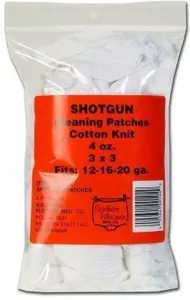
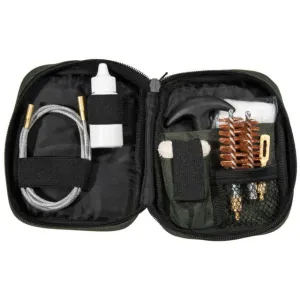
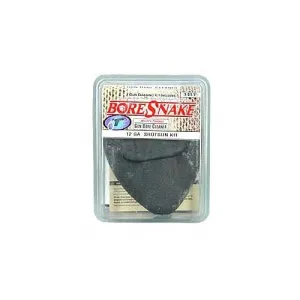
Start with quality ear protection, eye protection, a cleaning kit, and a box each of target loads and field loads. A sling is useful for hunting. Extra choke tubes expand the guns versatility. Budget about $100 for accessories on top of the gun cost.
4,715+ Gun & Ammo Deals
Updated daily from 200+ top retailers. Filter by category, caliber, action type, and price.
Related Guides