

Last updated August 2026 · By Nick Hall, shotgun owner with 20+ years across every major brand on this list
Affiliate disclosure: Some of the links below are affiliate links, meaning at no additional cost to you, we may earn a commission if you click through and make a purchase.
- Treat every gun as loaded
- Point the muzzle in a safe direction
- Keep your finger off the trigger until you’re ready to shoot
- Know your target and what’s beyond
Quick Answer: Benelli is our overall number-one shotgun brand for its bombproof inertia-driven semi-autos, with its parent-group sibling Beretta a razor-close second and the most versatile across the broadest range of use cases, thanks to Italian build quality, true innovation in gas (A300, A400, 1301) action design, and the deepest service-life record of any modern manufacturer.
Best premium European brand: Benelli (Beretta-owned), the gold standard for inertia-driven semi-autos (M2, M4, M1014). Best classic American brand: Browning, with the Citori O/U lineup and the gas-operated Maxus. Best service-grade American: Mossberg (500/590/590A1) and Winchester (SXP). Best ultra-budget brand: Stoeger (Beretta-owned), with M3000 series semi-autos at half the Benelli price.
The biggest mistake new shotgun buyers make is choosing the brand without considering action type. Pump-action wins for reliability and price, gas-operated wins for soft recoil, inertia-driven wins for cleanliness and parts simplicity. Match the action to the use, then the brand to the action. Every brand on this list was evaluated against documented service-life records and parts availability.
How we tested: Every pick here is ranked against our testing methodology. Minimum round counts, accuracy and reliability protocols, the failures that disqualify a gun.
Best Shotgun Brands in 2026 at a Glance
| Brand | Specialty | Country | Shop |
|---|---|---|---|
| BEST SEMI-AUTOS Benelli |
Inertia-driven semi-autos | Italy | Read More ↓ |
| BEST O/Us Beretta |
Premium O/U & semi-autos | Italy | Read More ↓ |
| BEST PUMPS Mossberg |
Pump-actions, value | USA | Read More ↓ |
| MOST ICONIC Remington |
Classic pump-actions | USA | Read More ↓ |
| BEST SPORTING Browning |
Sporting clays & upland | Japan/Portugal | Read More ↓ |
Table of Contents
Not All Shotgun Brands Are Equal. Here’s the Real Breakdown.
Picking a shotgun is easy. Picking a brand you can actually trust over years of hard use is a different question. For traditional twin-barrel brands like AYA, CZ, and Beretta SxS, see our best side-by-side shotguns roundup. The market is full of options, and plenty of them look great on paper until they don’t.
I’ve put time behind guns from most of these brands. Some are worth every penny of their premium price. Others punch well above their price point. A few have a complicated history you need to know about before you buy. This list covers the brands that consistently deliver, with honest notes on where each one falls short.
Whether you’re shopping for a home defense gun, a dedicated clay shooter, or a field gun that’ll take decades of abuse, the brand matters as much as the model. Let’s get into it.
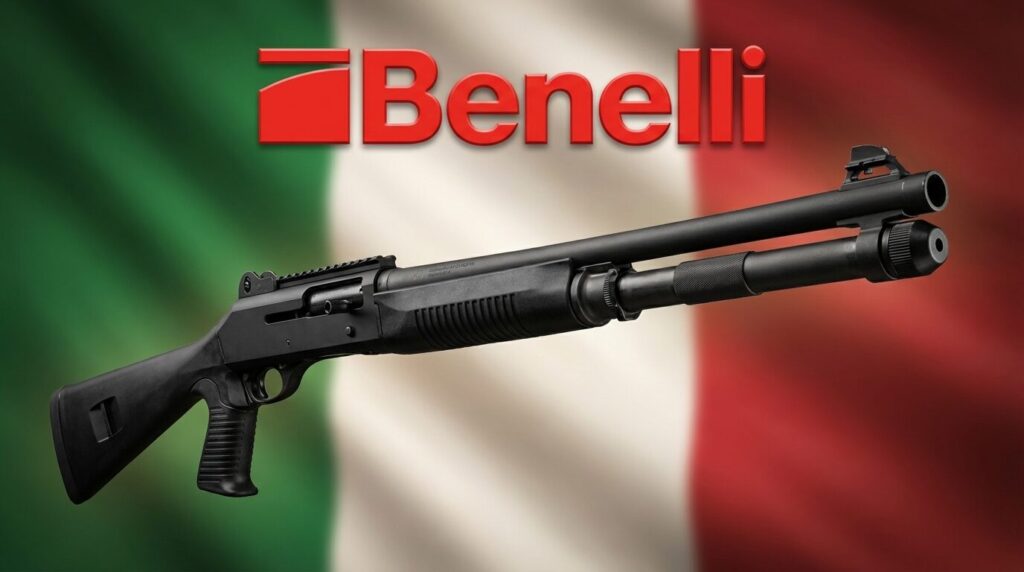
1. Benelli: The Gold Standard for Semi-Auto Shotguns
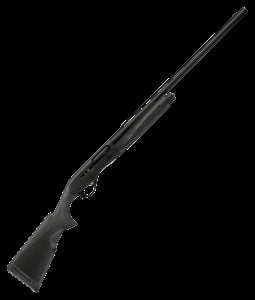
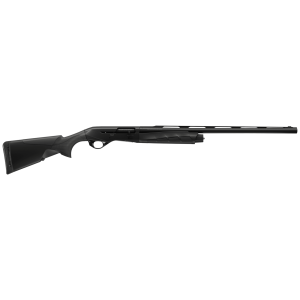
If you ask serious waterfowl hunters and competitive 3-gun shooters what brand they trust, Benelli comes up more than any other. The inertia-driven action they developed is genuinely brilliant: fewer parts than a gas-operated gun, less to clean, and it cycles everything from light target loads to 3.5-inch magnums without complaint.
The M2 and Super Black Eagle 3 are the go-to recommendations for good reason. They’re not cheap. You’re paying for an action that has proven itself in the worst field conditions imaginable, and that reliability track record is worth something real.
Benelli’s ergonomics aren’t everyone’s favorite. The ComforTech stock system helps with recoil, but out of the box the drop and length of pull don’t always fit shooters well. Plan on spending some time with it before you fall in love or decide it’s not for you.
For a deeper look at specific models, check out our full guide to the best Benelli shotguns. Short version: if you’re buying one semi-auto shotgun to last you the rest of your life, Benelli is the safe choice.

2. Beretta: Italian Craftsmanship at Every Price Point
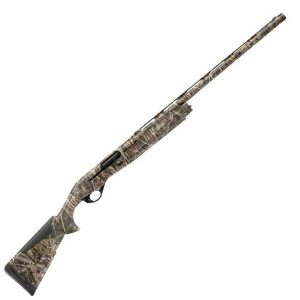
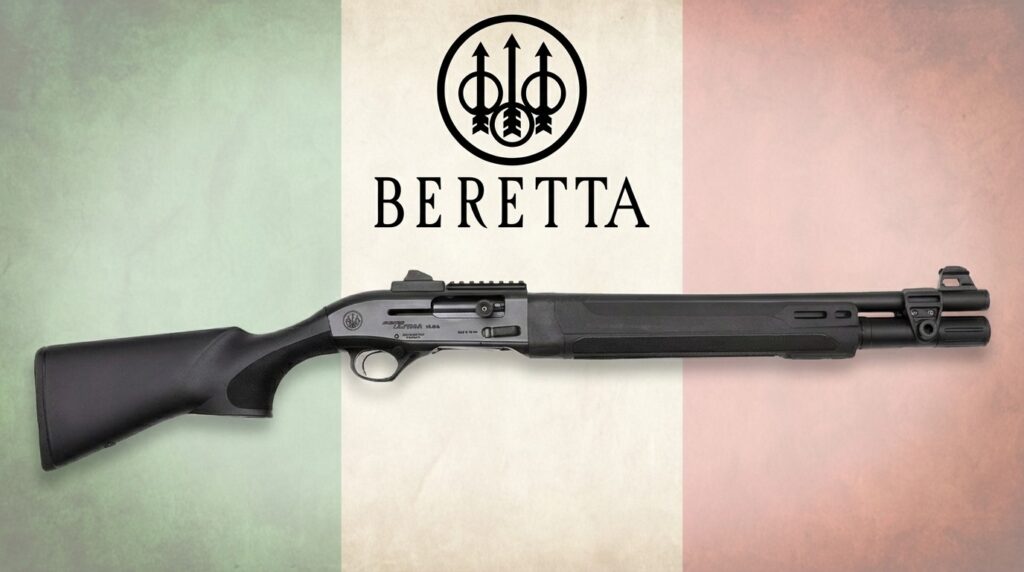
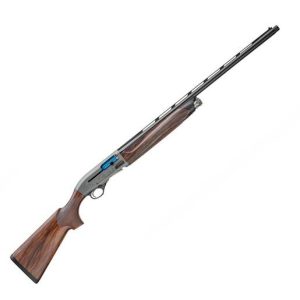
Beretta has been making guns since 1526. That’s not marketing copy. It’s a fact that should tell you something about how seriously they take this. Their shotgun lineup runs from the accessible A300 series all the way up to over-unders that cost more than a used truck, and quality shows at every level.
A400 series is where Beretta really shines for semi-auto buyers. The Kick-Off recoil reduction system is legitimately effective, and the gas system cycles a wide variety of loads reliably. Sporting clays shooters who shoot hundreds of rounds in a session love them for exactly that reason.
On the over-under side, the 686 Silver Pigeon is one of the best-selling sporting shotguns in history. There’s a reason you see them on every club range in the country. Great triggers, solid build quality, and they hold their value well if you ever decide to sell.
Beretta’s weakness is price-to-performance at the entry level. The A300 is a good gun, but at that price point Mossberg and others give you a harder fight for your dollar. Where Beretta earns its premium is in the mid-range and up.
3. Mossberg: The American Workhorse That Never Quits
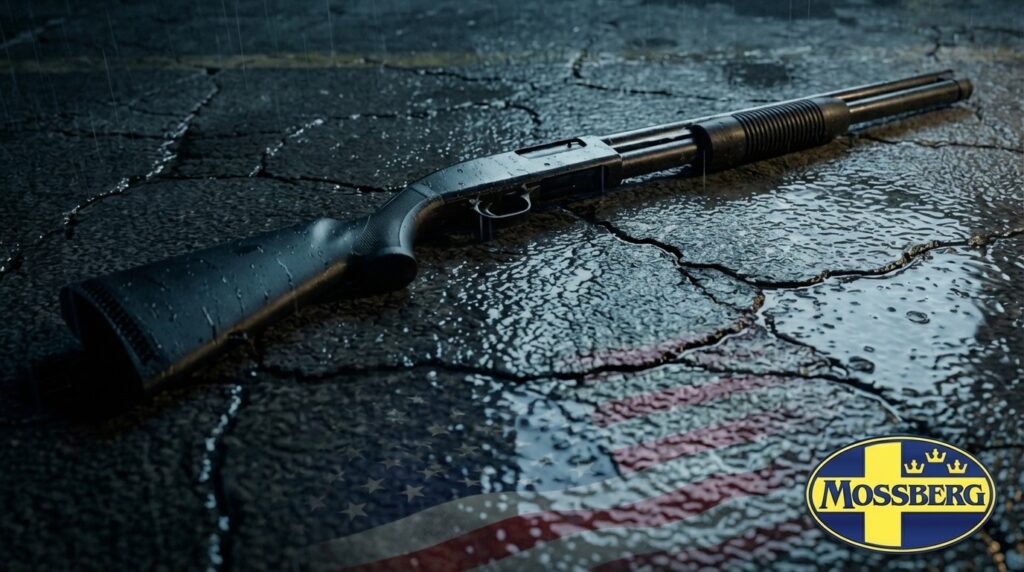
Mossberg built their reputation on the 500 and 590, and for good reason. These are no-frills, do-everything pump-action shotguns that have been trusted by military, law enforcement, and civilians for decades. The tang-mounted safety is ergonomically superior to the trigger-guard mounted safety on competing designs. That’s not an opinion. That’s physics.
590A1 is arguably the most battle-tested pump shotgun available at any price. Heavy-wall barrel, metal trigger group, bayonet lug if you’re into that sort of thing. It’s passed U.S. military testing and it’ll outlast most of its owners with basic maintenance. See our Mossberg 590A1 review and best pump-action shotguns list for where it stacks up against the competition.
Mossberg’s semi-auto lineup has improved significantly. The 940 Pro series has won over some skeptics who assumed Mossberg couldn’t compete with Italian gas guns. The 940 Pro Waterfowl in particular is a legitimate contender in the field gun market.
Honest knock on Mossberg is finish quality. The bluing on budget models can look a little rough, and the plastic furniture on base models is exactly what you’d expect at those prices. The bones are good. The cosmetics are functional, not pretty.
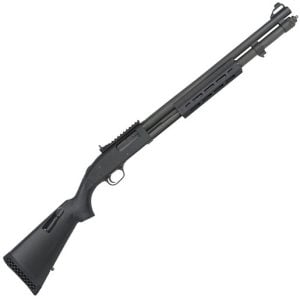
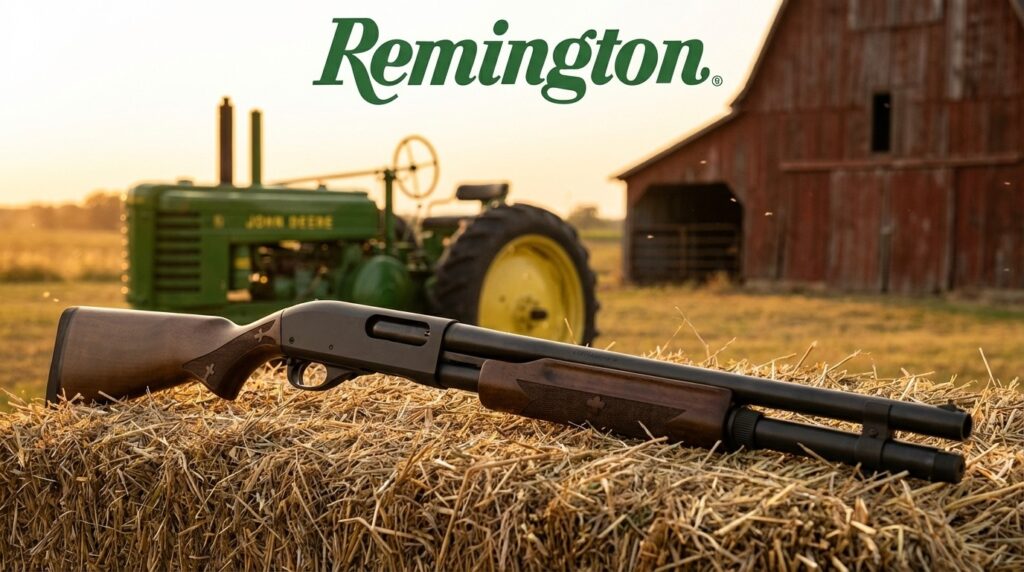
4. Remington: A Classic Brand With a Complicated Story
Let’s be honest about Remington. The brand went through bankruptcy and changed hands. Quality control under the old ownership got genuinely bad in the late 2010s, and people noticed. New Remington, under RemArms since 2021, is producing guns again from a new factory in LaGrange, Georgia after the historic Ilion, New York plant closed in 2024, and the early reviews are encouraging.
The 870 is still one of the best-designed pump shotguns ever made. The action is smooth, the parts availability is unmatched, and there are more aftermarket accessories for the 870 than for any other shotgun on the planet. Buying a new production 870 today carries less risk than it did five years ago, but do your homework on the specific production date. See our Remington 870 review for the full breakdown.
Vintage 870s from the 1970s and 1980s are legitimately great guns. If you find one at a gun show with a clean bore and tight action, it’s probably worth buying. That’s not a knock on the current guns. It’s just context for why the 870 has the legendary reputation it does.
V3 semi-auto is an underrated option that gets overlooked because of the brand’s rocky recent history. It’s a gas-operated gun that runs well and carries Remington’s sub-$1,000 price point. Worth a look if you’re open-minded about the new ownership.
5. Browning: For Shooters Who Want Beautiful and Functional
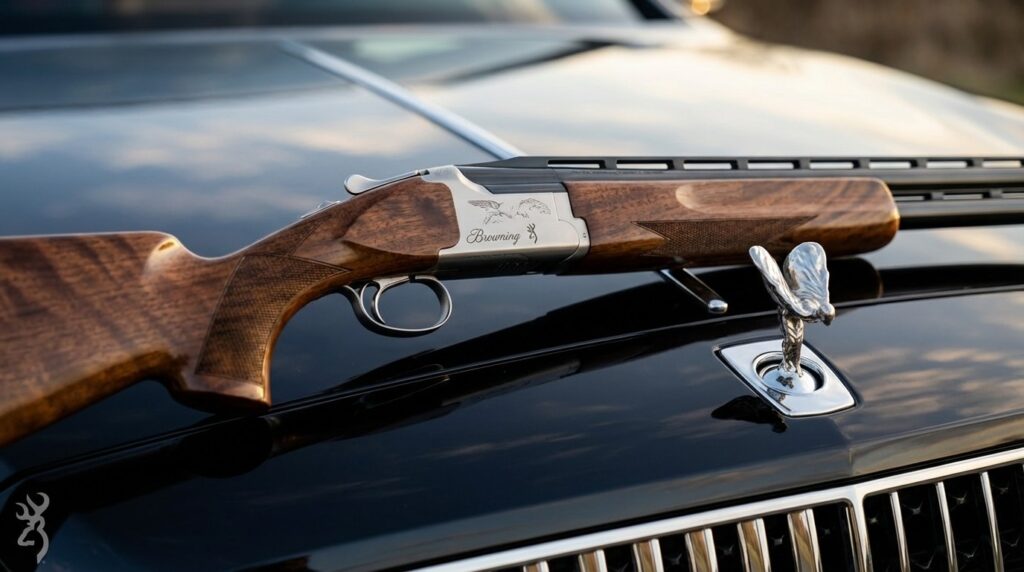
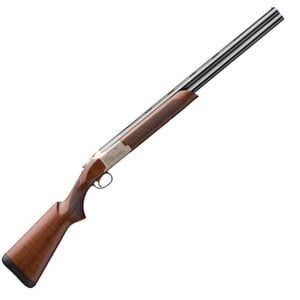
Browning occupies a specific lane: premium shotguns for serious hunters and sporting clays shooters who want a gun that looks as good as it performs. The Citori over-under has been in production since 1973 and it’s still a benchmark for the price range. That kind of longevity doesn’t happen by accident.
Maxus II is Browning’s semi-auto flagship and it handles light loads better than most gas-operated guns in its class. Browning’s Inflex recoil pad and Power Drive gas system make a real difference on long days at the range or in the blind. Sporting clays shooters who burn through a lot of shells appreciate that.
Here’s the thing with Browning: you’re paying for the name as much as the gun. That’s not a criticism. It’s just worth knowing. A Citori is a beautiful, well-made shotgun. So is a CZ Redhead Premier that costs $400 less. Decide what matters to you and spend accordingly.
Browning’s BPS pump is a sleek, bottom-ejecting design that left-handed shooters have loved for years. It’s not as widely known as the 870 or 500, but it’s a genuinely good gun that’s worth considering if you’re a lefty tired of getting brass in the face.

6. Winchester: The Best Budget Pump You Can Buy Right Now
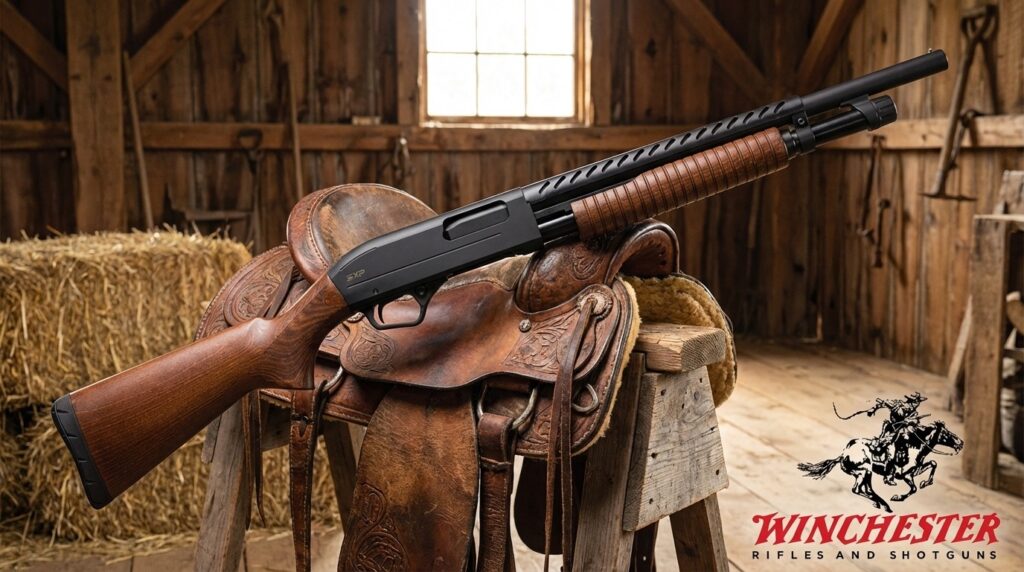
Winchester SXP (Super X Pump) doesn’t get the respect it deserves. It’s faster than an 870. The inertia-assisted pump stroke cycles noticeably quicker, and once you’ve spent some time with it, going back to a traditional pump feels slow. That’s not marketing. It’s a real functional difference you notice in the field.
Street prices on the SXP Defender frequently come in under $350, which puts it in direct competition with the Mossberg 500 and Remington 870. In that comparison, the SXP wins on action speed and loses on parts availability and aftermarket support. For most buyers, that tradeoff is perfectly fine.
Winchester also makes the SX4 semi-auto, which is a solid gas-operated option that competes with the Beretta A300 at a similar price point. The SX4 Waterfowl Hunter has developed a following among budget-conscious duck hunters who want reliability without the Italian price tag.
The weak point on Winchester shotguns is the synthetic stock finish. It feels slightly plasticky compared to Mossberg’s equivalent models. Functional, not a dealbreaker, but worth noting if you’re handling them side by side at the gun counter.

7. CZ-USA: Underrated Over-Unders and Exceptional Value
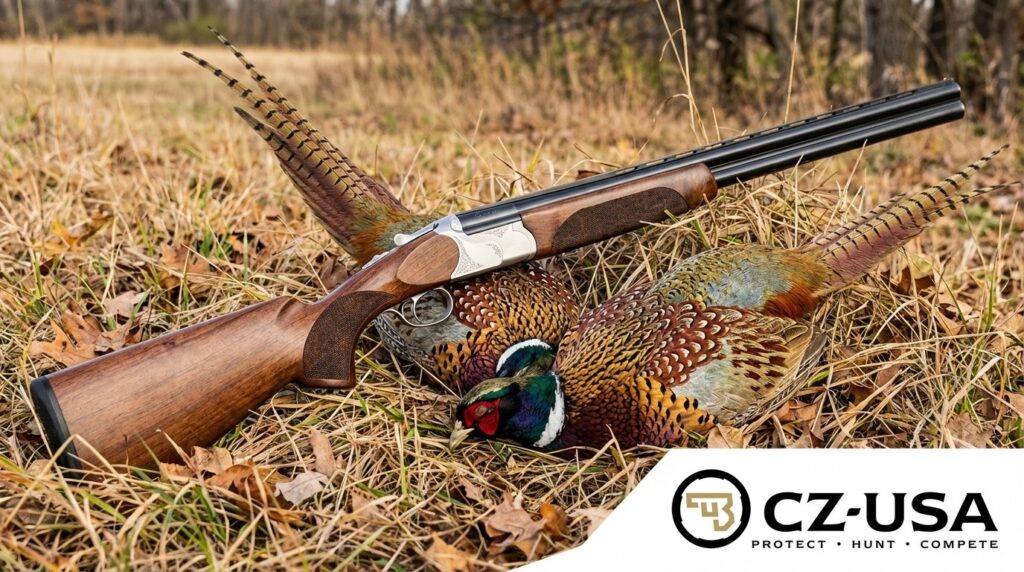
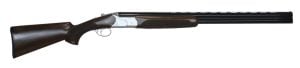
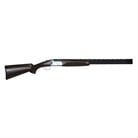
CZ-USA makes some of the best value over-under shotguns on the market. The Redhead Premier is a legitimately premium shotgun at a price that embarrasses comparably priced offerings from better-known brands. It’s Turkish manufactured with Czech oversight, and the quality control is tight enough that it shows in the finished product.
Chokes and Shotgun Gear
Best-scored accessories across 200+ retailers · Updated every 4 hours
12 Gauge Ammo on Sale
On-sale 12 gauge from 200+ retailers · Updated every 4 hours



All-American single-trigger over-under competes with Browning and Beretta at a significant price discount. If you’re a sporting clays shooter who wants an O/U without spending $2,000, CZ deserves a serious look. Most people who buy one and put rounds through it come away impressed.
CZ also makes the Redhead Premier Target specifically for competitive shooting, with a longer barrel, adjustable comb, and a single selective trigger. For newer competitive shooters who want a purpose-built gun without a Perazzi price tag, it’s hard to beat.
Knock on CZ-USA is brand recognition. If you show up at the club with a CZ, some people won’t know what it is. If that matters to you, buy the Browning. If you’d rather have an extra $400 in your pocket and a gun that performs just as well, go CZ.
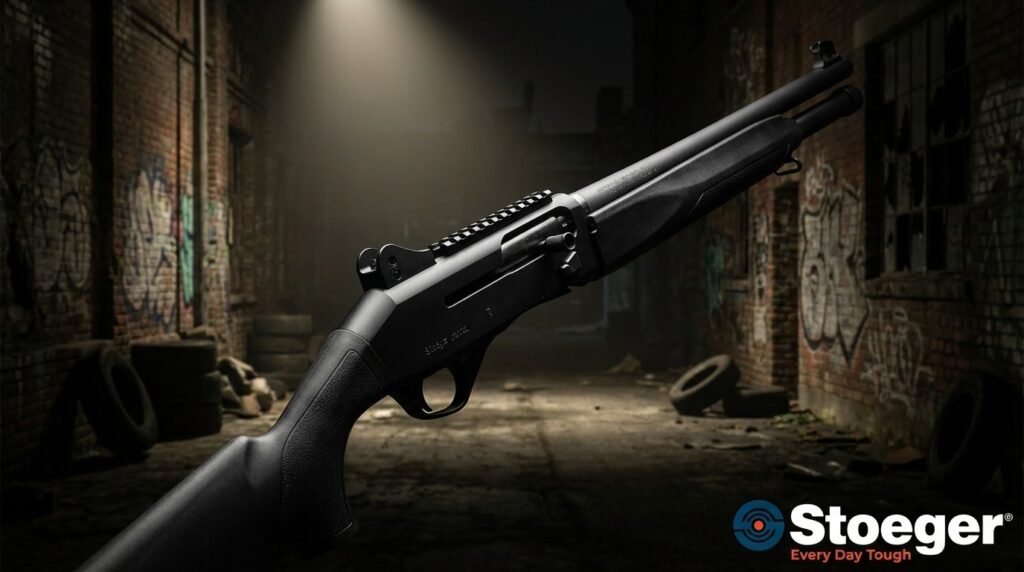
8. Stoeger: The Smart Entry Point for New Shotgun Buyers
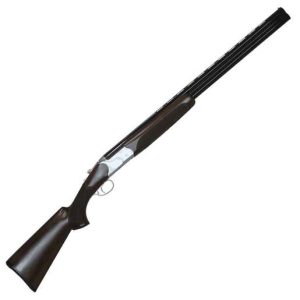
Stoeger is owned by Benelli. That matters because it means the engineering DNA behind the parent company trickles down to a brand that sells guns for $400 and under. The M3000 semi-auto uses an inertia-driven action that’s a simplified version of what Benelli puts in its flagship guns.
For a first shotgun, a home defense gun, or a dedicated dove hunting beater, the M3000 and M3500 represent real value. You’re not getting the fit and finish of a Benelli SBE3. You are getting a reliable inertia action at half the price, and for most purposes that’s plenty.
Stoeger Condor over-under is similarly positioned: a budget O/U that lets new shooters get into the game without a massive upfront investment. It’s a Turkish-made gun and it shows in some of the finer details. But the action is functional and the barrels shoot straight. That’s what matters when you’re learning.
Don’t sleep on Stoeger just because of the price point. Plenty of people buy an M3500 for turkey hunting and never feel the need to upgrade. Check out our full shotgun buying guide if you’re trying to figure out which platform makes sense for your use case.
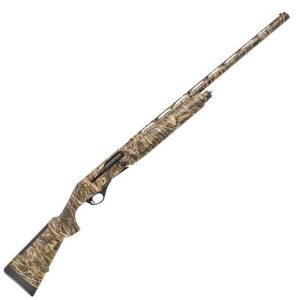
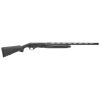
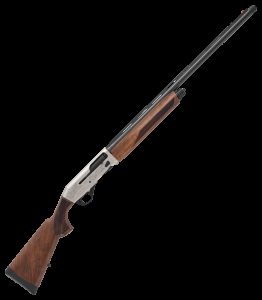
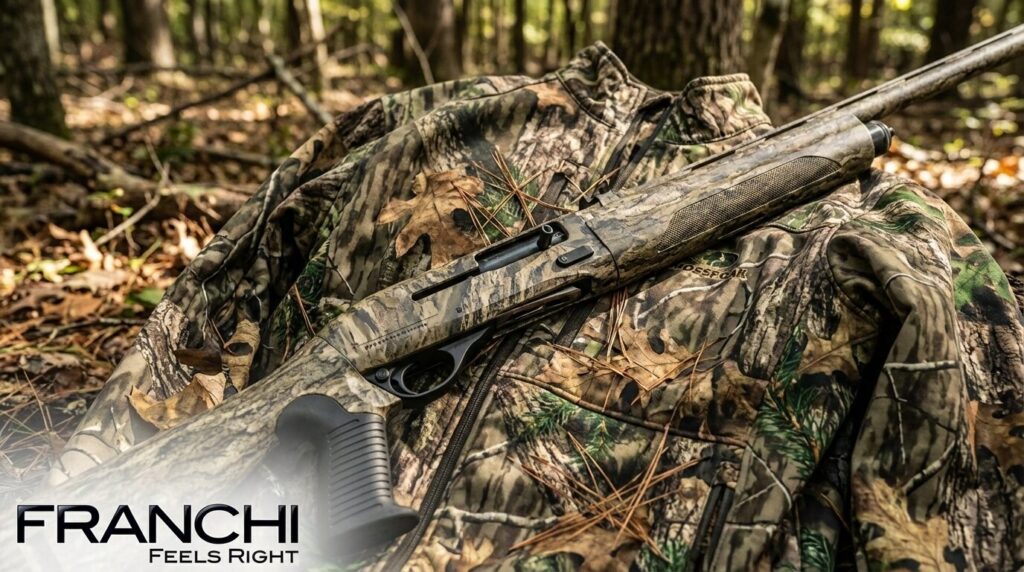
9. Franchi: The Forgotten Italian That Deserves More Attention
Franchi is another Benelli family brand, and like Stoeger it benefits from that relationship in ways that aren’t always obvious on the spec sheet. The Affinity series uses an inertia system and it’s been one of the most underrated waterfowl and upland guns on the market for years. People who buy them tend to keep them.
The Affinity 3.5 in particular is a legitimate competitor to guns costing several hundred dollars more. At around $700 to $800 street price, you’re getting Italian inertia reliability, a trim profile, and a gun light enough that carrying it through the woods all day doesn’t wreck you. Weight matters more than people think until they’ve hiked five miles with a heavy gun.
Franchi’s Instinct over-under is another hidden gem in the budget O/U market. The Prince of Wales grip and boxlock action give it a classic feel that stands out from the more modern-looking competition. If aesthetics matter to you and you’re shopping in the $700 to $900 range for an O/U, it’s worth handling one.
Reason Franchi doesn’t get more press is simple: Benelli’s marketing budget is all focused on Benelli. Franchi gets by on word of mouth from people who’ve actually shot them. Consider this your word of mouth.

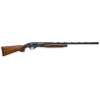
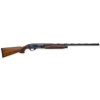
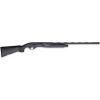
10. Weatherby: When You Want Maximum Versatility From One Gun
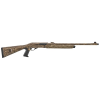
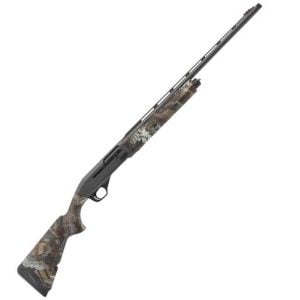
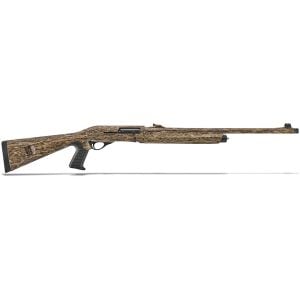
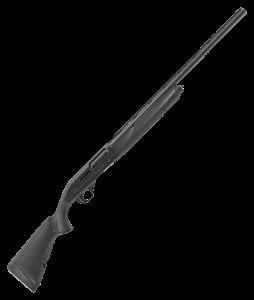
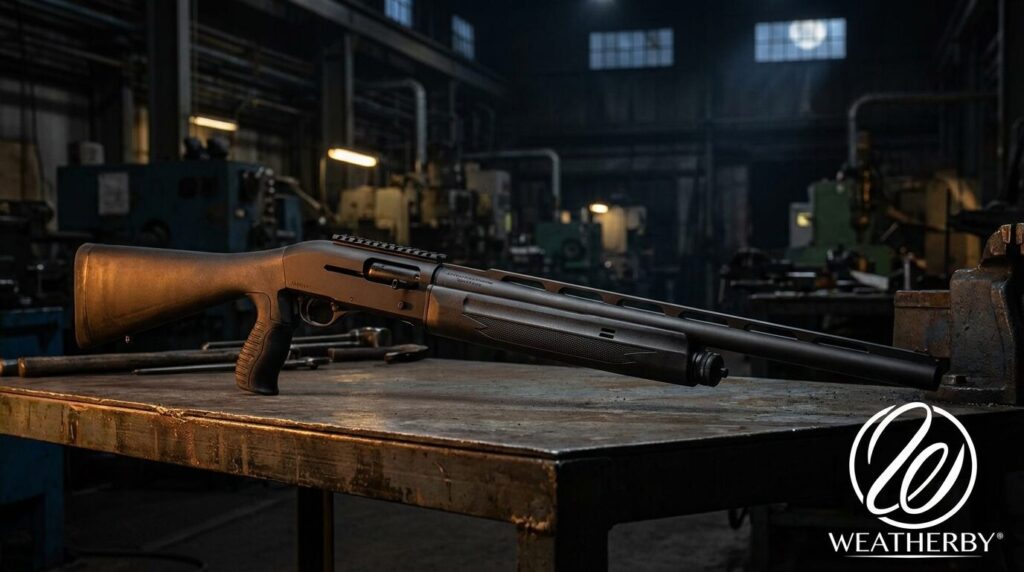
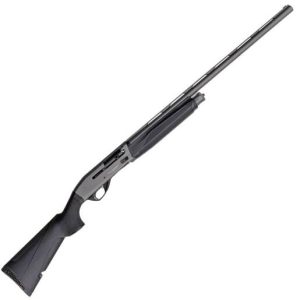
Weatherby is known for rifles first, and that reputation sometimes overshadows how good their shotguns are. The Element semi-auto is an inertia-driven gun built in Turkey that sells in the $700 range and has carved out a real following among upland bird hunters who want a light, fast-handling gun that doesn’t require a home equity loan.
SA-459 Synthetic is Weatherby’s entry into the tactical semi-auto space and it’s worth knowing about if you’re looking for a defensive semi-auto that isn’t a Benelli M4. At around $500 to $600, you’re getting an gas-operated shotgun with an 18.5-inch barrel, ghost ring sights, and a pistol grip stock. Functional and affordable.
Weatherby’s PA-08 pump gives you a traditional pump action at a price point that competes directly with the 870 and 500. The action is smooth, it’s well balanced, and it’s backed by Weatherby’s lifetime warranty. For buyers who care about warranty coverage, that matters.
Honest truth is that Weatherby shotguns don’t have the heritage of Mossberg or the prestige of Benelli. What they have is consistent quality at accessible prices and a company that stands behind their products. Sometimes that’s exactly what you need.
How to Choose the Right Shotgun Brand for You
Brand ranking posts are useful for context, but the right brand depends entirely on what you’re trying to do. Here’s the short version:
- Home defense on a budget: Mossberg 500/590 or Winchester SXP. Both are proven, affordable, and easy to find parts for.
- Waterfowl hunting, serious use: Benelli SBE3 or M2. If you’re hunting in serious weather, spend the money on the gun that won’t let you down.
- Sporting clays, mid-budget: Beretta A400 or CZ Redhead Premier. Both cycle light loads reliably, both hold up to high round counts.
- First shotgun, limited budget: Stoeger M3000 or Franchi Affinity. You get genuine inertia reliability at a price that doesn’t hurt as much if you scratch it.
- Over-under for the range: Browning Citori if you want the name, CZ Redhead if you want the value. The gap between them is smaller than the price difference suggests.
None of these brands make bad guns across the board. Every one of them makes at least one model worth owning. The differences are in price point, intended use, and the specific use cases each brand has optimized for over decades of production.
One more thing: don’t overlook defensive shotgun specific considerations when brand shopping. A gun that’s great for birds may not be configured right for home defense out of the box. Platform choice matters as much as brand choice when you start getting specific.
FAQ: Best Shotgun Brands
Frequently Asked Questions
What is the most reliable shotgun brand?
Benelli and Mossberg consistently top reliability rankings. Benelli's inertia-driven semi-autos have fewer moving parts and cycle reliably in harsh conditions. Mossberg's 500 and 590 pump-actions have passed U.S. military testing and are trusted by law enforcement agencies nationwide.
What shotgun brand do most hunters use?
Mossberg and Remington have the largest installed base among American hunters due to decades of affordable, widely available pump-action shotguns. For waterfowl specifically, Benelli's Super Black Eagle series dominates among serious duck and goose hunters willing to spend more.
Is Beretta or Benelli better?
They serve different strengths. Benelli excels at inertia-driven semi-autos that are lighter and simpler to maintain. Beretta offers a wider range including excellent gas-operated semi-autos and some of the best over-under shotguns at any price. For semi-auto reliability in bad conditions, Benelli has the edge. For sporting clays and O/U shotguns, Beretta wins.
Are Turkish shotguns any good?
Quality varies significantly by brand and model. Stoeger (owned by Benelli) and CZ-USA (Turkish manufacture with Czech oversight) produce reliable shotguns with good quality control. Budget Turkish imports from lesser-known brands can be hit-or-miss. Stick with established brands that have U.S. warranty support.
What is the best shotgun brand for home defense?
Mossberg is the top choice for home defense shotguns. The 590A1 and 500 series are purpose-built for defensive use with tang-mounted safeties, heavy-duty construction, and massive aftermarket support. Remington's 870 is a close second with even more aftermarket accessories available.
What happened to Remington shotguns?
Remington went through bankruptcy in 2020 after years of declining quality under Freedom Group ownership (2007-2020). The brand was acquired by RemArms/Roundhill Group, which resumed production in 2021. New production quality has been improving steadily, though many shooters still prefer pre-2007 Remington guns or recommend buying from other brands until the new ownership has a longer track record.
Is Browning worth the extra money over Mossberg?
It depends on your use case. For home defense or general-purpose use, Mossberg offers better value. For sporting clays, upland hunting, and over-under shotguns where fit, finish, and aesthetics matter, Browning's premium is justified by superior wood quality, better triggers, and refined ergonomics. The performance gap is smaller than the price gap suggests.
What is the best first shotgun brand for beginners?
Mossberg is the best brand for beginners. The 500 series is affordable, easy to operate, has an intuitive tang safety, and offers the most barrel and stock options for customization as your needs change. The Maverick 88 (made by Mossberg) is an even more affordable entry point that shares most 500 parts.
4,611+ Gun & Ammo Deals
Updated daily from 200+ top retailers. Filter by category, caliber, action type, and price.
Related Guides