

Last updated March 29th 2026
Some of the links below are affiliate links, meaning at no additional cost to you, we may earn a commission if you click through and make a purchase.
- Treat every gun as loaded
- Point the muzzle in a safe direction
- Keep your finger off the trigger until you’re ready to shoot
- Know your target and what’s beyond
| Shotgun | Gauge | LOP | Action | Price |
|---|---|---|---|---|
| BEST OVERALL Mossberg 500 Youth Super Bantam |
20 ga | 12"–14" adj. | Pump | Lowest Price ↓ |
| BEST VALUE Remington 870 Express Compact |
20 ga | 12" fixed | Pump | Lowest Price ↓ |
| BEST SEMI-AUTO Beretta A300 Ultima 20 Gauge |
20 ga | 13.5" | Semi-Auto | Lowest Price ↓ |
| BEST STARTER Savage Stevens 301 Single Shot |
.410 | 13" | Single Shot | Lowest Price ↓ |
| BEST O/U CZ Drake All-Terrain |
20 ga | 14" | O/U | Lowest Price ↓ |
Table of Contents
How we tested: Every pick here is ranked against our testing methodology. Minimum round counts, accuracy and reliability protocols, the failures that disqualify a gun.
Getting Your Kid Started Right: Choosing a Youth Shotgun in 2026
The first shotgun a kid shoots will either hook them for life or scare them off for good. That’s not an exaggeration. A gun with too much recoil, too long a stock, or too awkward a fit turns a first hunt into a miserable experience. Get it right and you’ve got a hunting partner for the next forty years. Get it wrong and the gun collects dust in a corner.
I’ve helped a handful of young hunters get started over the years, and the single biggest mistake I see parents make is handing a kid a full-size 12 gauge and expecting them to power through it. Don’t do that. Length of pull, gauge selection, and recoil management matter more for young shooters than any other factor. Fit a gun to the kid, not the other way around.
For most beginners under 12, a .410 or 20 gauge is the right call. The 20 gauge is genuinely versatile enough for birds, small game, and deer with the right load. A .410 is even lighter on recoil but limits your options. Once a kid is bigger and more experienced, stepping up to a full-size 20 gauge or eventually a 12 is natural. Check our shotgun buying guide if you want the full breakdown on gauges. Also please review our firearm safety and legal disclaimer before handling any firearm with a minor.
Eight guns made this list. All of them are genuinely good choices for young hunters depending on age, size, and what you’re hunting. Let’s get into it.
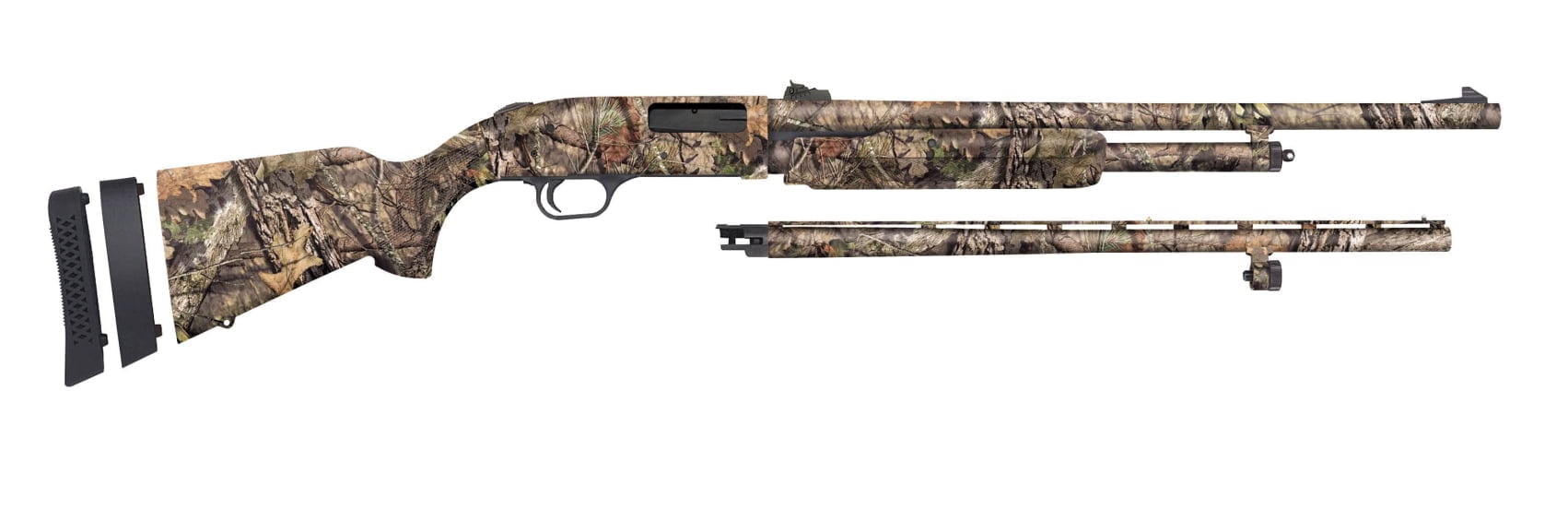
1. Mossberg 500 Youth Super Bantam. Best Overall Youth Shotgun
- Gauge: 20 gauge
- Barrel Length: 22 inches
- Action: Pump
- Weight: 5.25 lbs
- LOP: 12 to 14 inches (adjustable via two included spacers)
- Capacity: 5+1
- MSRP: ~$400
Pros
- Adjustable LOP from 12″ to 14″ means the gun grows with the kid
- Lightweight at 5.25 lbs. Manageable for smaller frames
- Mossberg’s tang safety is ambidextrous and easy for young shooters to reach
- Proven 500 action is boringly reliable
- Comes with two choke tubes (Mod and Full)
Cons
- Fixed 22″ barrel limits versatility vs. longer adult configurations
- 20 ga recoil is still real. Add a recoil pad if needed
- Synthetic stock isn’t the prettiest finish
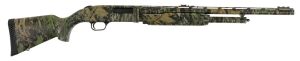
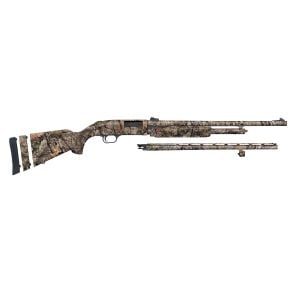
This is the gun I’d put in a kid’s hands first, almost every time. The adjustable stock is the real killer feature here. You get two spacers that let you dial the LOP between 12 and 14 inches, which covers a huge range of kid sizes from around 8 years old up through early teens. Buy it once and it fits for years instead of being outgrown after one season.
500 action is about as reliable as a pump shotgun gets. It’s the same platform Mossberg has been refining since 1961. Your kid can beat this thing through the brush, get it muddy, and it’ll keep running. Simple is good when you’re teaching fundamentals.
Mossberg put the tang safety right at the top of the receiver where a kid’s thumb naturally rests. That placement is genuinely safer for teaching good habits than a trigger guard safety. Young shooters can work it without repositioning their grip. That matters more than most parents realize when you’re building muscle memory from scratch.
20 gauge recoil is real but manageable for most kids 10 and up. Younger or smaller kids might benefit from a slip-on recoil pad on top of the factory pad. Don’t skip that step if you want them to come back for the next hunt without wincing at the memory.
Best For: Parents who want one gun that fits a growing kid for multiple seasons. The adjustable stock is worth every penny of the price premium over fixed-stock alternatives.
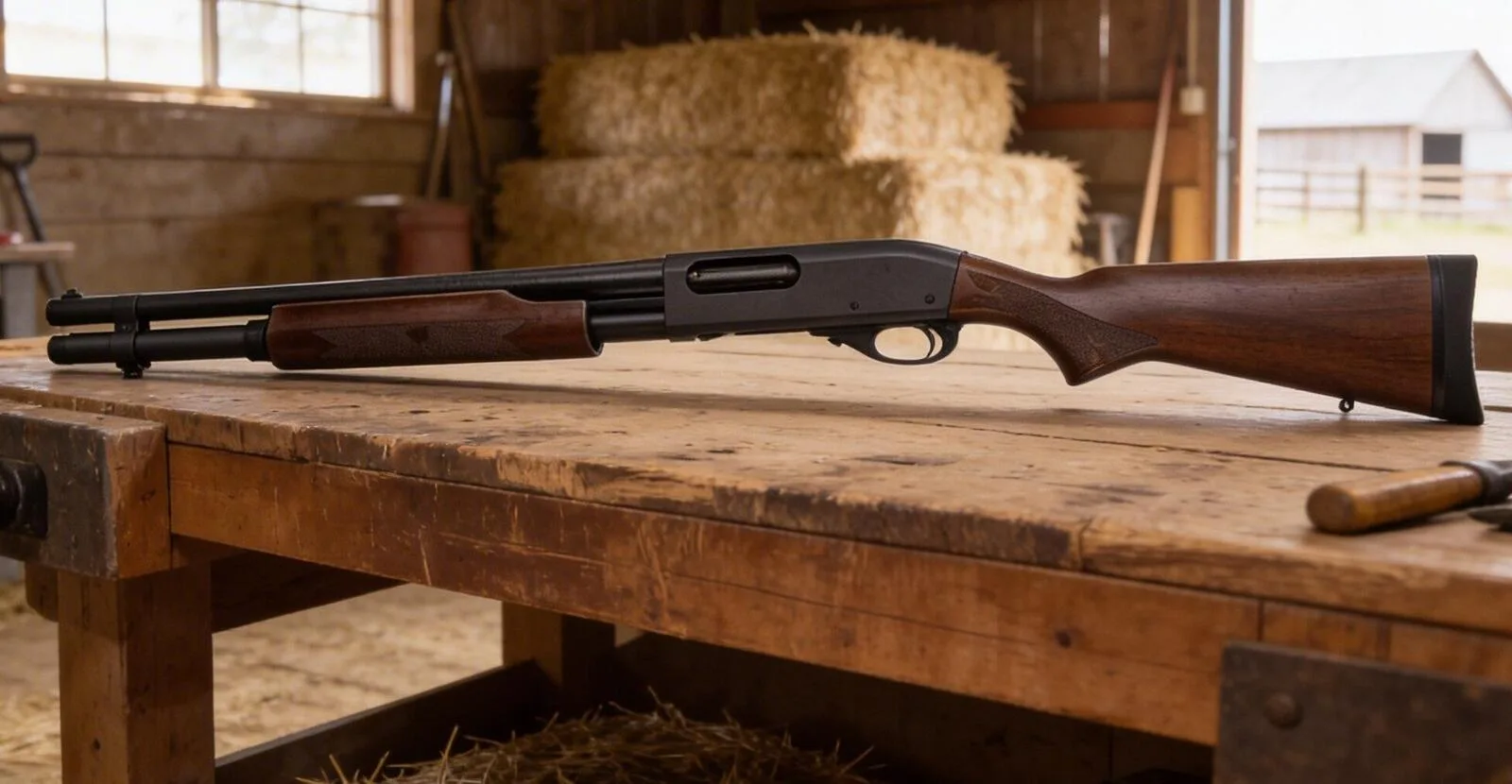
2. Remington 870 Express Compact. Best Budget Youth Pump
- Gauge: 20 gauge
- Barrel Length: 21 inches
- Action: Pump
- Weight: 6 lbs
- LOP: 12 inches
- Capacity: 4+1
- MSRP: ~$350
Pros
- 870 is one of the most proven pump actions ever built
- Short 12″ LOP fits smaller kids well
- 21″ barrel keeps overall length manageable
- Wide aftermarket for stocks, chokes, and accessories
- Matte blued finish holds up to field use
Cons
- Fixed LOP means the gun gets outgrown faster than adjustable alternatives
- Slightly heavier than the Mossberg Bantam at 6 lbs
- Remington’s post-bankruptcy QC has been inconsistent. Inspect before buying
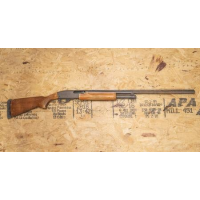
870 has probably put more birds in more bags than any other shotgun in American history. That’s not marketing. It’s just true. The action is smooth, reliable, and utterly familiar to any gun store employee or shooting coach your kid might encounter. If something goes wrong in the field, someone within earshot probably knows how to fix it.
At 12 inches of pull, this fits kids on the smaller end reasonably well. The 21-inch barrel keeps the overall length from being unwieldy while still giving good swing on birds. It’s not a flashy setup but it’s a seriously capable field gun at a price that won’t ruin your weekend budget.
One thing worth saying plainly: Remington had a rough stretch after bankruptcy and quality control wasn’t always great. If you’re buying new, pull the action a few times in the store and look it over. Most 870s coming out now are fine. Just don’t assume it without checking.
Best For: Budget-conscious parents who want a trusted American classic. Great for kids who are already close to adult size and won’t need to adjust LOP much.
3. CZ Drake All-Terrain. Best Youth Over/Under
- Gauge: 20 gauge
- Barrel Length: 28 inches
- Action: Over/Under Break Action
- Weight: 6.3 lbs
- LOP: 14 inches
- Capacity: 2
- MSRP: ~$700
Pros
- Break action is one of the safest configurations for teaching new shooters
- Visually obvious when empty. Great for range safety discipline
- CZ quality is excellent for the price point
- All-Terrain finish handles weather and field conditions well
- Two choke tubes included (IC and Mod)
Cons
- 14″ LOP is on the longer side. Better for older teens than small kids
- 28″ barrels make for a longer overall package
- O/U is not ideal for hunting situations where fast follow-up shots matter
If you want a kid to learn proper shooting discipline from day one, a break-action over/under is hard to beat as a teaching platform. Load two shells, close the action, shoot. When it breaks open the empties eject and everyone can see immediately that the gun is safe. For range instruction and bird hunting, that simplicity is genuinely valuable.
The Drake All-Terrain is one of the better-value O/Us on the market. CZ builds these in Turkey at a price point that undercuts most of the Italian competition without giving up meaningful quality. The blued barrels and matte walnut hold up to field conditions better than some of the fancier alternatives, which is what you want on a working hunting gun.
But the 14-inch LOP is the limiting factor here. This fits a teenager or a larger-framed 12-year-old well. Smaller kids will struggle with it. If your kid is 8 or 9 and on the slight side, look at the Stevens 301 first and come back to this in a couple years.
Best For: Older kids and teens learning wing shooting. Also a great choice if you want something that’ll transition to an adult gun without feeling like a toy.
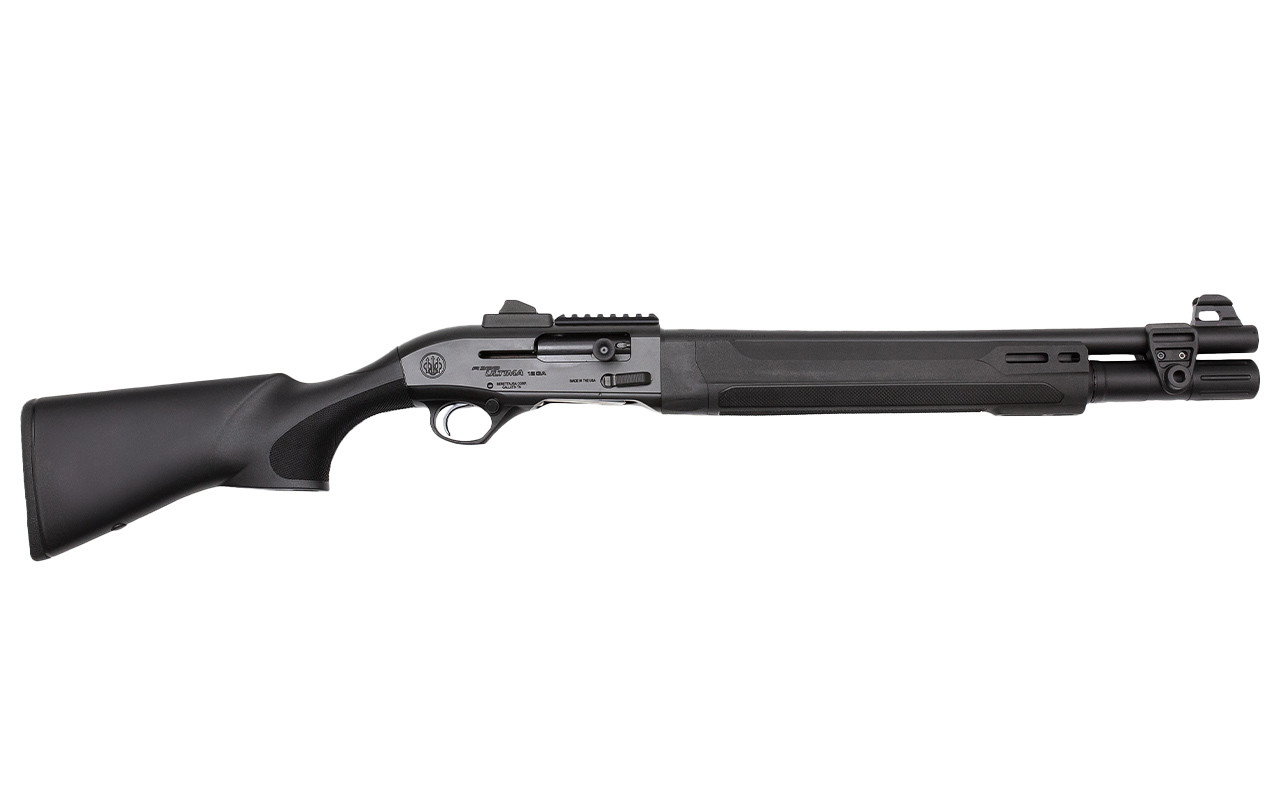
4. Beretta A300 Ultima 20 Gauge. Best Semi-Auto for Youth
- Gauge: 20 gauge
- Barrel Length: 26 inches (also available in 28″)
- Action: Gas-Operated Semi-Auto
- Weight: 5.7 lbs
- LOP: 13.5 inches
- Capacity: 4+1
- MSRP: ~$800
Pros
- Gas operation absorbs a significant portion of felt recoil
- Beretta’s Kick-Off system softens the recoil impulse further
- Italian quality and fit/finish well above this price point
- Reliable with a wide range of loads from light target to hunting loads
- 5.7 lbs is impressively light for a gas semi-auto
Cons
- $800 MSRP is a real investment for a kid’s first gun
- 13.5″ LOP is adult-sized. Not suitable for very young or small shooters
- Semi-autos require more maintenance discipline than pumps
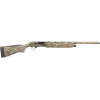
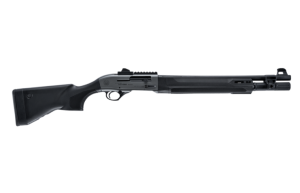
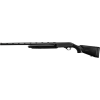
Here’s the thing about semi-autos and recoil: gas operation genuinely makes a difference. The A300 Ultima’s gas system spreads the recoil impulse over a longer cycle time, and combined with the 20 gauge’s already modest kick, you end up with a gun that bigger kids and teens can shoot all day without flinching. That’s not nothing when you’re trying to build good form instead of a flinch reflex.
This is premium Italian hardware at a surprisingly reasonable price for the Beretta name. The fit and finish are excellent, the action runs smooth, and it handles everything from light 2-3/4″ target loads to 3″ hunting loads without complaint. If you’re investing in a gun a teenager will carry for the next decade, this is the one.
Caveats are real though. Eight hundred dollars is a lot for a kid’s first shotgun. And the 13.5-inch LOP rules out younger or smaller shooters entirely. This is really a gun for a 14-15 year old who’s already done their time on a pump and is ready to step up. Buy it then and they’ll use it well into adulthood.
Best For: Teens who’ve already learned the basics and want a serious semi-auto that minimizes recoil. Also a great choice for a kid who’s shown they’re responsible enough to maintain a more complex action.
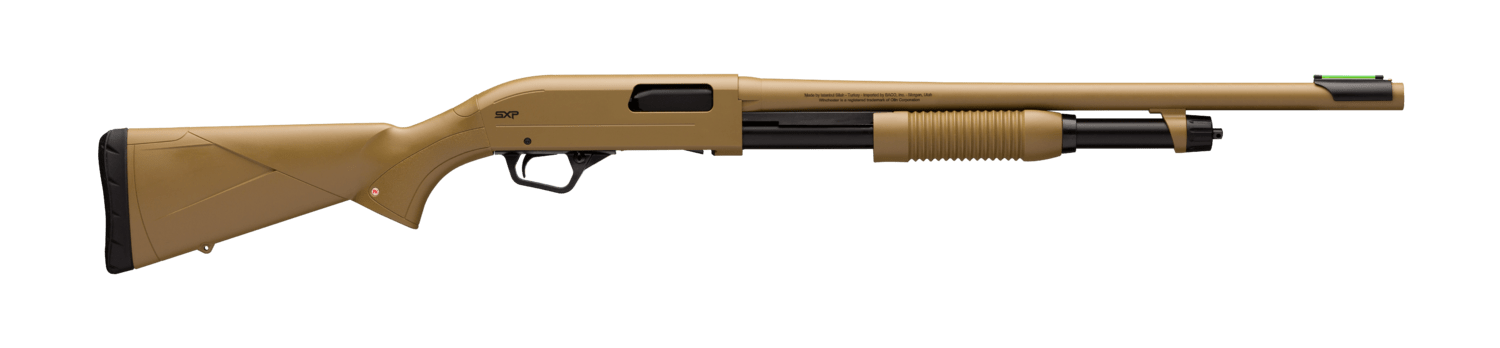
5. Winchester SXP Compact. Best Compact 12 Gauge for Teens
- Gauge: 12 gauge
- Barrel Length: 24 inches
- Action: Pump (Inertia-Assisted)
- Weight: 6.25 lbs
- LOP: 13 inches
- Capacity: 4+1
- MSRP: ~$430
Pros
- 12 gauge capability at a shorter LOP than most full-size guns
- Winchester’s Speed Pump action cycles faster than most competitors
- Inflex recoil pad meaningfully reduces felt recoil
- Versatile platform handles everything from upland birds to deer slugs
- Reasonable price for what you get
Cons
- 12 gauge is still 12 gauge. Recoil is real and can be punishing for lighter kids
- 13″ LOP still rules out younger or smaller shooters
- 24″ barrel is on the shorter end for wing shooting
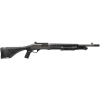
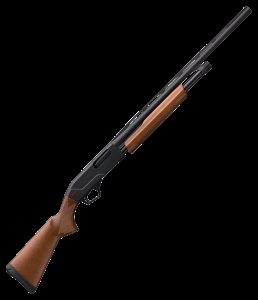
Some older teenagers flat out don’t want a 20 gauge. They want the real thing. The SXP Compact is the answer to that. A 12 gauge built with a shorter length of pull and a ported Inflex recoil pad that takes the sharpest edge off the kick. It’s not a 20 gauge, but it’s the least punishing 12 gauge platform in this price range.
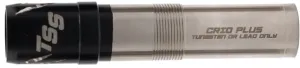
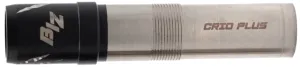
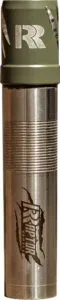
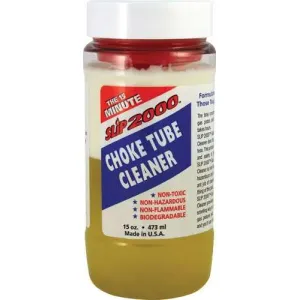
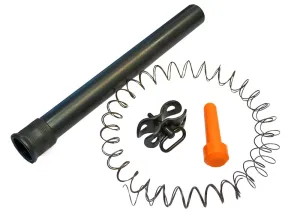
Chokes for a Youth Shotgun
Best-scored accessories across 200+ retailers · Updated every 4 hours
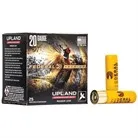
20 Gauge Ammo on Sale
On-sale 20 gauge from 200+ retailers · Updated every 4 hours


Winchester’s Speed Pump action is legitimately fast. The inertia-assist means the action unlocks quicker than a traditional pump, which matters on driven birds where a second shot in under two seconds is the difference between a double and a single. For a teen who’s serious about hunting, that’s a real benefit.
Be honest with yourself about your kid’s size and strength before buying this. A 13-inch LOP still isn’t tiny, and 12 gauge recoil with full-power loads will rattle a lighter shooter. Stick to 2-3/4″ target loads during early practice sessions. Build up to heavier hunting loads only after they’ve got form locked in and don’t flinch.
Best For: Bigger teens who’ve outgrown 20 gauge and want to hunt with the same shells dad uses. Great for deer and turkey hunters who need the extra performance.
6. Savage Stevens 301 Single Shot .410. Best First Gun for Small Kids
- Gauge: .410 bore
- Barrel Length: 26 inches
- Action: Single Shot Break Action
- Weight: 4.1 lbs
- LOP: 13 inches
- Capacity: 1
- MSRP: ~$160
Pros
- Barely any recoil. Genuinely comfortable for small kids
- 4.1 lbs is light enough for even younger children to carry comfortably
- Break-action is inherently safe and easy to verify as clear
- $160 is the most accessible price point on this list
- Single-shot forces deliberate aim and trigger discipline
Cons
- .410 is limited. Not ideal for waterfowl or longer range shots
- Single shot means no follow-up opportunity if you miss
- 13″ LOP is still longer than ideal for very small children
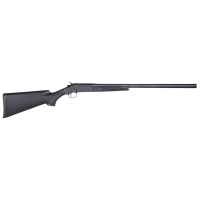
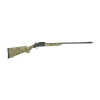
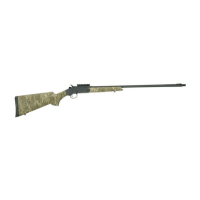
One hundred and sixty bucks. That’s it. For a kid who may or may not stick with hunting, who might grow three inches next year, or who just needs to get the fundamentals down before moving to something bigger, this is the right call. Don’t overthink it.
The .410 recoil is genuinely mild. Small kids who’d be bruised by a 20 gauge can shoot this comfortably. And because it’s a single-shot break action, there’s no pump to rack, no safety system to explain beyond the hammer, and the chamber is visually obvious when empty. That simplicity is a feature for new shooters, not a limitation.
Yes, the .410 is a limited tool compared to a 20 gauge. Squirrels and rabbits are absolutely fair game. Birds are doable at close range. But if you’re planning on duck hunting or anything past 30 yards, you’ll want the 20 gauge instead. Check our best .410 shotguns guide for a deeper look at what this gauge can and can’t do.
Best For: Young kids taking their very first steps with a shotgun, or any situation where you want absolute simplicity and minimal recoil above everything else. Upgrade path to a 20 gauge in a year or two is natural.
7. Mossberg SA-20 Youth. Best Youth Semi-Auto Under $500
- Gauge: 20 gauge
- Barrel Length: 20 inches
- Action: Gas-Operated Semi-Auto
- Weight: 5.5 lbs
- LOP: 13 inches
- Capacity: 4+1
- MSRP: ~$460
Pros
- Gas semi-auto noticeably reduces felt recoil vs. pump with same loads
- Compact 20″ barrel and 13″ LOP sized for youth shooters
- Under $500 makes it accessible for most budgets
- Mossberg’s tang safety works well for smaller hands
- Comes with one choke tube (Modified)
Cons
- 20″ barrel is very short. Swing-through on birds takes adjustment
- Gas system requires more cleaning than a pump action
- Only one choke tube included

SA-20 Youth sits in an interesting spot on this list: it’s a gas semi-auto at a price that actually competes with pumps. You’re getting meaningful recoil reduction from the gas system without paying Beretta money. For a kid who’s shown they’re ready for more than a single-shot but who still benefits from softer recoil, this fills that gap well.
That 20-inch barrel makes the whole package very compact and easy to carry, especially in thick cover. The trade-off is that your swing-through on crossing birds feels a little short. It’s something you adjust to, not a dealbreaker, but worth knowing upfront.
Mossberg’s tang safety is the same familiar placement as on the 500, which is a nice consistency if your kid has trained on the 500 and is stepping up. Same muscle memory, new platform. That’s a small thing but I appreciate it.
Best For: Kids who’ve outgrown a single-shot and want semi-auto recoil reduction without the premium price tag of the Beretta. Solid all-around hunting gun for upland and small game.
8. Henry Single Shot Youth .410. Best Heirloom Starter Gun
- Gauge: .410 bore
- Barrel Length: 22 inches
- Action: Single Shot Break Action
- Weight: 4.25 lbs
- LOP: 13 inches
- Capacity: 1
- MSRP: ~$475
Pros
- American-made with real walnut stock. Genuinely beautiful finish
- Transfer bar safety system is reliable and passive
- Henry’s fit and finish far exceeds the price class
- Lightweight at 4.25 lbs
- Built to last decades. A real hand-me-down gun
Cons
- Same .410 limitations as any gun in this gauge
- $475 is premium for a single-shot starter. You’re paying for the craftsmanship
- No optics mounting options out of the box
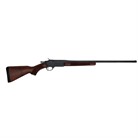
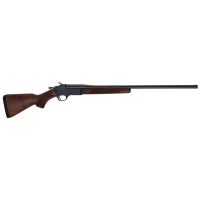
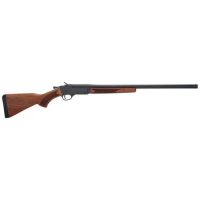
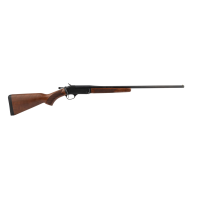
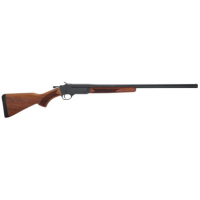
Henry makes guns differently from most American manufacturers. They’re still building in the USA with real walnut stocks and a level of fit and finish that genuinely impresses when you hold one. This .410 youth gun looks like something worth keeping for 50 years because it is. If you want to hand your kid a first gun that might eventually become a grandkid’s first gun, this is the one.
Transfer bar safety system means the gun can’t fire unless the trigger is pulled, even if dropped. For a young shooter learning the four rules, that passive safety system adds a layer of margin that parents tend to appreciate. It doesn’t replace training, but it’s a sensible design choice on a youth gun.
At $475 you’re paying a premium over the Stevens 301 for what is functionally a similar gun: single-shot .410 break action, light recoil, simple operation. The premium buys you American manufacturing, real walnut, and the Henry name. Whether that matters to you is personal. It matters to me.
Best For: Parents who want to buy once and buy something that’ll mean something 20 years from now. The Stevens 301 is the budget play; this is the heirloom play. Both are good choices depending on what you value.
How to Choose the Right Youth Shotgun: Gauge, LOP, and Recoil Explained
Length of pull is the single most important measurement when fitting a shotgun to a young shooter. LOP is the distance from the trigger face to the center of the butt pad. Adult shotguns run 14 to 14.5 inches. Most kids need somewhere between 11.5 and 13.5 inches depending on age and build. Mossberg makes a pump at three of those sizes, and our Mossberg 505 review lines them up by length of pull. A gun with too long a LOP forces a kid to lean away from the stock to reach the trigger, which kills their form and makes every shot a fight.
Gauge selection matters almost as much. The .410 is the softest-shooting option and the right choice for younger kids who are just learning. The 20 gauge is the sweet spot for most youth hunters: enough power for birds and small game, manageable recoil, and available everywhere. The 12 gauge is a real tool that belongs in an older teen’s hands, not a young beginner’s. Don’t rush it. Read our best 20 gauge shotguns guide for more on why the 20 gauge is such a strong choice for developing hunters.
Recoil management goes beyond just the gauge. Gas-operated semi-autos absorb a portion of the recoil impulse mechanically. Pumps and break-actions deliver it all directly to your shoulder. For a kid who’s already shown signs of flinching, stepping up to a gas semi-auto can break that pattern. Recoil pads help too, and a slip-on pad from Limbsaver or Pachmayr runs under $30 and makes a real difference on any gun.
Safety should be redundant, not optional. Teach the four rules relentlessly, use a gun with an easy-to-reach safety, and keep muzzle discipline as your first priority every single range trip. The mechanical safety on any of these guns is a backup. Discipline is the primary safety. See our firearm safety guidelines for more. Mossberg also make a smaller version of the same idea, and the 510 Mini Super Bantam drops length of pull to 10.5 inches for the youngest shooters.
FAQ: Best Youth Shotguns
Frequently Asked Questions
What gauge shotgun should a child start with?
Most children should start with a .410 bore or 20 gauge. The .410 has the lightest recoil and is ideal for ages 8-10. The 20 gauge is a better long-term investment as children grow.
What length of pull is right for a youth shotgun?
Youth shooters typically need a 12 to 13-inch length of pull, compared to the standard 14 to 14.5 inches on adult guns. Many youth shotguns come with adjustable stock spacers.
What age should a child start shooting?
Most children can begin learning around age 8-10, though maturity level matters more than age. Start with a certified youth shooting program or experienced instructor.
Is a .410 good for a first shotgun?
A .410 is excellent for very young or small-framed beginners because of minimal recoil. However, the small shot charge produces thin patterns. Many instructors recommend starting with a 20 gauge semi-auto for denser patterns.
Should I buy a youth or adult shotgun for my teenager?
For teenagers 14 and older who are still growing, consider an adult shotgun with an adjustable stock rather than a youth model they will quickly outgrow.
What is the best youth shotgun for hunting?
The Mossberg 500 Youth Super Bantam in 20 gauge is the best overall. It has an adjustable stock, proven reliability, and versatility for doves, ducks, turkeys, and deer.
Are youth shotguns safe?
Youth shotguns are as safe as any firearm when handled properly under adult supervision. Look for easy-to-operate safeties, manageable weight, and low recoil.
How much should I spend on a youth shotgun?
A quality youth shotgun costs between 200 and 500 dollars. The Stevens 301 at around 170 dollars is the budget floor. The Mossberg 500 Youth at around 400 dollars is the best value.
4,611+ Gun & Ammo Deals
Updated daily from 200+ top retailers. Filter by category, caliber, action type, and price.
Related Guides