

Last updated September 5th 2026 · By Nick Hall. I shoot and carry both calibers; this comparison pulls from that range time plus published ballistic data.
Affiliate disclosure: some links below are affiliate links. If you buy through them you still get the best price and you help us keep tracking deals, at no extra cost to you.
Table of Contents
How we tested: Every pick here is ranked against our testing methodology. Minimum round counts, accuracy and reliability protocols, the failures that disqualify a gun.
The Short Answer
Choose 9mm for self-defense, concealed carry and general shooting. It is cheaper, lower-recoil, higher-capacity and proven, and modern defensive loads make it plenty effective. Choose 10mm when you want serious power for hunting, woods and bear defense, and you can handle the recoil and the bigger gun.
These are not really competitors. The 9mm balances effectiveness, capacity, recoil and cost better than anything else made, which is why it dominates carry, duty and sport. The 10mm is a power cartridge that delivers roughly double the energy, which makes it a genuine hunting and outdoor-defense round, and costs you recoil, capacity, money and gun size to get there. Plenty of people own both and never feel the two overlap.
One warning before you shop, because it decides whether the 10mm is worth buying at all: a lot of what is sold as 10mm is not loaded anywhere near what the cartridge can do. That section is below and I would read it before you spend the money.
Also see our head-to-head comparison: .380 ACP vs 9mm.
9mm vs 10mm: Specs at a Glance
| Spec | 9mm Luger | 10mm Auto |
|---|---|---|
| Bullet diameter | .355 in | .400 in |
| Common bullet weights | 115 to 147 gr | 155 to 220 gr |
| Muzzle velocity (typical) | ~1,150 fps (124 gr) | ~1,300 fps (180 gr) full power |
| Muzzle energy (typical) | ~350 to 400 ft-lb | ~600 to 750 ft-lb full power |
| Recoil | Low | Stout |
| Typical capacity | 15 to 17+ (compacts 10 to 15) | 10 to 15 |
| Pistol size | Micro to full-size | Full-size and up |
| Typical ammo cost | ~$0.30 to $0.50/round | ~$0.70 to $1.50/round |
Figures from published manufacturer ballistic data and ANSI/SAAMI cartridge standards, cross-checked September 2026. Full-power 10mm figures assume ammunition loaded to the original specification, which many factory loads are not.
Two cartridges built for different missions. The 10mm roughly doubles the 9mm’s energy with a fatter, heavier bullet, and charges you stout recoil, lower capacity, bigger guns and pricier ammo for it. The 9mm trades raw power for the controllability, capacity and cost that make it the default defensive round.
Pros
- Low recoil, fast and accurate
- Highest capacity, often 15 to 17+ rounds
- Cheapest centerfire pistol round made
Cons
- Less energy than 10mm on game
- Not a serious bear-defense round
- Penetrates less through bone and barriers
Pros
- Roughly double the energy of 9mm
- Heavy bullets penetrate deep on game
- Real backcountry and bear-country option
Cons
- Stout recoil slows follow-up shots
- Lower capacity, larger pistols only
- Costs two to four times 9mm
Power and Energy
This is the core of it. Full-power 10mm Auto generates roughly 600 to 750 foot-pounds of muzzle energy against the 9mm’s 350 to 400, close to double. It throws a fatter .40-caliber bullet faster, which means more energy delivered, deeper penetration and more authority on large or tough targets. Where raw power matters, the 10mm is in a different class and the argument ends there.
The 9mm counters with per-shot effectiveness that is more than enough against people, especially with a modern expanding bullet. The gap only becomes decisive when the target is an animal or a barrier, where the 10mm’s extra energy and penetration do work the 9mm genuinely cannot.
The 10mm on the Box Is Not Always the 10mm in the Box

Here is the part almost nobody tells you before you buy, and it changes the whole comparison. When Norma first loaded the 10mm in 1983 it pushed a 200-grain bullet to roughly 1,200 fps. That is the cartridge everybody quotes. Then the FBI adopted it after the 1986 Miami shootout, found full-power recoil was more than many agents could run well, and asked for a reduced load. That load became known as 10mm Lite, and it dropped a 180-grain bullet down toward 1,000 fps.
The reduced load did not stay inside the FBI. Once the Bureau moved on, a lot of the commercial market kept loading 10mm at or near those softer numbers, which sit close to .40 S&W territory. So you can buy a box marked 10mm Auto, pay 10mm prices, feel 10mm recoil in a big heavy 10mm pistol, and be shooting ballistics your friend’s .40 matches.
The fix is to read the velocity on the box rather than the caliber. Loaders like Buffalo Bore, Underwood and DoubleTap publish full-pressure numbers, commonly a 200-grain bullet around 1,250 fps or a 220-grain around 1,200, and they do it within SAAMI pressure rather than as a +P novelty. If you are buying 10mm for bear country or hunting, that is what you want, and it is the only version of the cartridge that earns the recoil you are paying for. If the box does not print a velocity, treat that as an answer.
The flip side is useful too. If you like the platform but not the punishment, downloaded 10mm is a legitimate way to shoot a Glock 20 comfortably at the range and then load full-power ammo when it matters. Just make the choice deliberately instead of finding out at a chronograph. Our best 10mm ammo guide covers which loads are which.
Recoil, Muzzle Blast and Follow-Up Shots
The 9mm is one of the easiest centerfire pistol rounds to shoot well. Low, flat, manageable recoil lets you put fast accurate follow-ups on target, and that is a real defensive advantage, because hits matter more than power and the 9mm makes hits easier under stress.
Full-power 10mm kicks hard and it is snappy rather than a push. Add a loud report and a bright flash, and you have a round that demands a firm grip and honest practice to run quickly. In a defensive context a slower follow-up is a meaningful downside. For a single deliberate shot at a hog or a bear it barely matters at all.
Be honest with yourself about tolerance here, because a 9mm you shoot well beats a 10mm you flinch with, every time. And note the trap from the section above: the easy way to make a 10mm pleasant is to shoot downloaded ammo, which quietly removes the reason you bought it.
Capacity and Pistol Size

The 9mm wins capacity easily. A full-size holds 15 to 17 or more, and even compact carry guns manage 10 to 15. The wider 10mm cartridge fits fewer rounds in a similar-size gun, 10 to 15 in most, and only in larger pistols to begin with.
Size is the harder constraint. The 9mm comes in everything from a pocket micro-compact to a full-size duty gun, so you can build any carry setup around it. The 10mm needs the mass and the slide length to manage its recoil and feed reliably, which puts it in full-size and hunting pistols and nothing smaller. If you want a small concealable handgun, the 9mm is your only real option of the two.
Self-Defense Against People
Against human threats the 9mm is the modern consensus, and it is what most police and most trained civilians carry. A quality expanding bullet penetrates and expands reliably, the low recoil enables fast accurate follow-ups, and the capacity gives you more rounds before a reload. Decades of bullet development have gone into this cartridge specifically, more than any other handgun round on earth.
The 10mm works for defense, nobody is claiming otherwise, but it is more gun than the job requires for most people. Recoil slows you down, capacity is lower, and over-penetration through interior walls is a genuine consideration in a house. If you carry a 10mm daily because you also want it in the woods, that is a coherent choice. Choosing it purely as a defensive round against people is buying a problem you do not have.
Bear Defense and the Backcountry
The single strongest case for the 10mm is wilderness defense against large animals. Heavy, deep-penetrating loads give hikers, hunters and anglers a semi-auto option with magnum-class authority and more capacity than a revolver, which is exactly why it became the darling of the bear-country crowd. The 9mm is not a serious choice here and no amount of bullet technology changes that.
This is also where the download problem bites hardest. A bear-defense 10mm loaded to .40 S&W velocity is a bear-defense gun in name only. If this is your use case, buy full-power hard-cast or heavy bonded loads from a loader that publishes its velocities, and pattern them through your actual gun before you carry them.
Hunting with a Handgun
The 10mm is a legitimate handgun-hunting round for deer and hogs at close range, especially from a longer-barreled pistol that lets the powder finish burning and wrings out the velocity. You get decent capacity plus enough energy to take medium game cleanly inside sensible distances, which is a rare combination in a semi-auto.
The 9mm is not a hunting cartridge for anything larger than small game and pests, and most states will not let you use it on deer anyway. If handgun hunting interests you at all, the 10mm opens a door the 9mm cannot, and that is a real point in its favor for anyone who spends time outdoors. Our best 10mm pistols roundup covers the guns worth looking at.
The .40 S&W Middle Ground
The .40 S&W exists because of the 10mm. When the FBI found full-power 10mm too punishing, engineers worked out that most of the useful performance would fit in a shorter case in a smaller gun, and the .40 was the result. The 10mm is effectively the full-power parent of the .40, which is why it kicks noticeably harder than service rounds and why it lives in bigger pistols.
The awkward part for the .40 is that modern 9mm has narrowed its appeal from the other side. Bullet development gave the 9mm most of what the .40 was bought for, at lower recoil and cost. If you are mapping the power tiers, our 10mm vs .45 ACP and 9mm vs .45 ACP comparisons fill in the rest of the picture.
What They Cost to Shoot
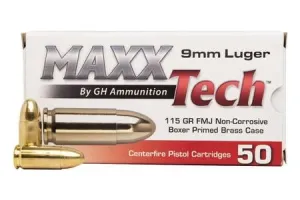
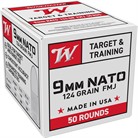
The 9mm is the cheapest and most available centerfire pistol round in America. Across the retailers we track as I write this, 9mm from a trusted seller starts around 50 cents a round and bulk practice ammo goes lower. Comparable 10mm starts near 70 cents and full-power hunting and bear loads run well past a dollar.
Availability matters as much as price. The 9mm is on every shelf in the country; 10mm is a special order in plenty of shops, and the full-power loads worth buying are the hardest to find of all. For training volume the 9mm wins overwhelmingly, and that is not a small thing, because trigger time is what makes you good. Most 10mm owners shoot it sparingly and practice with something else. Both cards below pull live prices so you can check the current spread yourself.
Which Caliber for a First Handgun
Buy the 9mm. This one is not close. A first handgun in 9mm is cheaper to buy, far cheaper to feed, easier to learn on, available in a size that fits your hand, and capable of every job a new shooter actually has. You will shoot it more, and shooting it more is the entire point.
The 10mm makes sense as a second gun bought for a specific reason: you hunt, you hike somewhere with bears, you want maximum handgun energy and you know why. Starting there tends to produce someone who owns a powerful pistol and cannot shoot it, which helps nobody.
Choose 9mm if…
You want a carry or defensive handgun, where capacity, low recoil and proven performance win. You shoot a lot or watch the budget. You want a small concealable gun. For self-defense, sport and general use, the 9mm is right for the overwhelming majority of shooters. Start with our best 9mm concealed carry guns.
Choose 10mm if…
You hunt with a handgun or want power on medium game. You carry in the backcountry or bear country. You want maximum handgun energy, you can manage the recoil and the bigger gun, and you are willing to buy ammunition loaded to full specification rather than whatever is cheapest on the shelf.
My Recommendation
For nearly everyone reading this, the answer is a 9mm, and the 10mm is a second gun you buy when a specific outdoor job appears. That is not a knock on the 10mm. It is a specialist and it is very good at what it specialises in.
If you do buy one, buy the ammunition as carefully as you buy the pistol. A Glock 20 fed downloaded factory ammo is a heavy, expensive .40 that kicks more than it should. The same gun fed a full-power 200-grain load is one of the most capable semi-auto sidearms you can carry into the woods. The gun is not what makes the difference here, and that is the part the spec sheets never tell you.
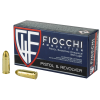
9mm Ammo: Live Prices

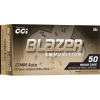
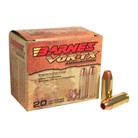
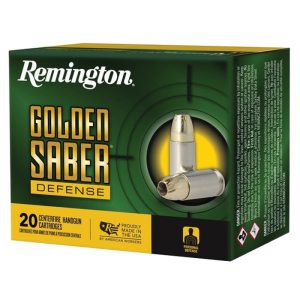
10mm Ammo: Live Prices


FAQ: 9mm vs 10mm
Is 10mm more powerful than 9mm?
Yes, significantly. The 10mm Auto produces roughly 600 to 750 foot-pounds of muzzle energy versus about 350 to 400 for 9mm, nearly double, with a heavier, wider bullet. That extra power makes the 10mm a hunting and outdoor-defense round, while 9mm is optimized for defense against people.
Is 9mm or 10mm better for self-defense?
For defense against people, 9mm is the better choice for most shooters. It has lower recoil for faster accurate follow-ups, higher capacity, cheaper practice ammo and highly effective modern defensive loads. The 10mm works but is more recoil and capacity penalty than the job requires.
Is 10mm good for bear defense?
Yes, the 10mm is one of the most popular semi-auto bear-country and backcountry defense calibers because of its energy and deep-penetrating heavy bullets. A 9mm is a poor choice against large animals. For the woods, the 10mm is the clear pick.
Does 10mm have more recoil than 9mm?
Much more. The 10mm is snappy and sharp, and it takes practice to shoot quickly and accurately, while the 9mm has low, easily managed recoil. For recoil-sensitive shooters and fast follow-up shots, the 9mm is far easier to handle.
Can you hunt with a 9mm or 10mm?
The 10mm is a legitimate handgun-hunting round for deer and hogs at close range thanks to its energy and penetration. The 9mm is not well suited to hunting medium game and lacks the power for clean kills. For handgun hunting, choose the 10mm.
Why is 10mm ammo more expensive than 9mm?
9mm is produced in enormous volume worldwide, making it very cheap, while 10mm is a lower-volume specialty cartridge. As a result 10mm costs two to four times as much per round and is less common on store shelves.
Is all 10mm ammo loaded to full power?
No, and this is the most useful thing to know before buying one. The original 1983 Norma load pushed a 200-grain bullet to roughly 1,200 fps. After the FBI adopted the cartridge and then asked for a reduced load, much of the commercial market kept loading 10mm at or near those softer numbers, which sit close to .40 S&W performance. Read the velocity printed on the box rather than the caliber. Buffalo Bore, Underwood and DoubleTap publish full-pressure figures, commonly 200 grains near 1,250 fps, and stay within SAAMI pressure while doing it.
Should my first handgun be a 9mm or a 10mm?
A 9mm, and it is not close. It is cheaper to buy, far cheaper to feed, easier to learn on, available in a size that fits your hand, and it does every job a new shooter actually has. The 10mm makes sense as a second gun bought for a specific reason such as handgun hunting or backcountry carry. Starting on a 10mm tends to produce an owner who has a powerful pistol and not enough trigger time to shoot it well.
3,979+ Gun & Ammo Deals
Updated daily from 200+ top retailers. Filter by category, caliber, action type, and price.
Related Guides