

Last updated March 29th 2026
Clay shooting splits into three games. This guide covers the all-rounders; for discipline-specific picks see the best trap shotguns, the best skeet shotguns, and the skeet and trap overview, and for the practical-shooting game, the best 3-Gun shotguns.
Some of the links below are affiliate links, meaning at no additional cost to you, we may earn a commission if you click through and make a purchase.
- Treat every gun as loaded
- Point the muzzle in a safe direction
- Keep your finger off the trigger until you’re ready to shoot
- Know your target and what’s beyond
| Shotgun | Gauge | Barrel | Action | Price |
|---|---|---|---|---|
| BEST OVERALL Beretta A400 Xcel |
12 ga | 28–32″ | Semi-Auto | Lowest Price ↓ |
| BEST O/U ALL-AROUND Browning Citori CXS |
12 ga | 28–30″ | Over/Under | Lowest Price ↓ |
| BEST O/U CLASSIC Beretta 686 Silver Pigeon I |
12 ga | 28–30″ | Over/Under | Lowest Price ↓ |
| BEST VALUE SEMI Mossberg 940 JM Pro |
12 ga | 24–30″ | Semi-Auto | Lowest Price ↓ |
| BEST DEDICATED TRAP CZ All American |
12 ga | 30–32″ | Over/Under | Lowest Price ↓ |
Table of Contents
How we tested: Every pick here is ranked against our testing methodology. Minimum round counts, accuracy and reliability protocols, the failures that disqualify a gun.
The Best Shotguns for Clay Shooting in 2026
Clay shooting is one of those sports that hooks you fast. You go out for a casual round of sporting clays with a buddy, break maybe half the birds on your first station, and suddenly you are researching dedicated target guns at 11pm. It happens to everyone. The good news is that choosing the right shotgun makes an enormous difference, and 2026 has a genuinely strong lineup to pick from across every budget and discipline.
Sporting clays, trap, and skeet all reward the same fundamentals: a smooth gun mount, good follow-through, and pointing instead of aiming. But the three disciplines pull in slightly different directions for equipment. Trap shooters tend to want longer barrels of 30 to 32 inches, higher ribs, and stocks with more drop to account for rising targets. Skeet favors shorter barrels and more neutral stock dimensions for fast crossing shots. Sporting clays sits in the middle but punishes you harder for a gun that does not fit. Check out our dedicated skeet and trap shotgun guide if one of those disciplines is your main focus.
I’ve been shooting clays for years, and what separates good clay guns from great ones is usually balance and pointability. A gun that balances between the hands and swings through a target without fighting you is worth more than raw technical specs. That said, specs matter too. Barrel length, rib height, choke system, and recoil management all pile up into something that either helps your scores or fights them. Our shotgun buying guide covers the basics if you’re starting from scratch.
The eight guns on this list cover the full range: dedicated sporting clays semi-autos, versatile over/unders, trap-specific setups, and value picks that punch well above their price. Every one of them will break birds. Some will break a lot more of them.
1. Beretta A400 Xcel. Best Semi-Auto for Sporting Clays
- Gauge: 12 gauge
- Barrel: 28″, 30″, or 32″
- Action: Semi-automatic with the Blink gas system
- Weight: ~8.0 lbs
- Chokes: OptimaBore HP, with five chokes included
- Rib: Tapered stepped rib, 10mm to 6mm
- MSRP: ~$1,999
Pros
- Blink gas system absorbs recoil dramatically for a 12 gauge
- Balances beautifully between the hands at all barrel lengths
- Micro-Core recoil pad is genuinely one of the best in the business
- OptimaChoke HP system is excellent and widely compatible
Cons
- Heavy at 8 lbs, which fatigues some shooters over a 200-round sporting clays day
- Price has climbed in recent years

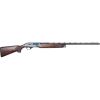
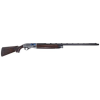
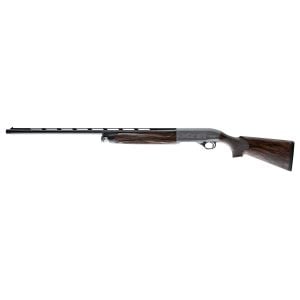
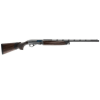
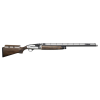
If you are serious about sporting clays and want a semi-auto that was purpose-built for the game, the A400 Xcel is the gun. Beretta’s Blink gas system cycles faster than pretty much anything else on the market, and the felt recoil is noticeably softer than competing semi-autos at the same price. On a 200-round sporting clays day, that matters more than most people expect going in.
Balance is excellent. Grip it, mount it, swing through a crossing teal target, and it just follows your hands. That is not something you can quantify in a spec sheet but you feel it instantly on the first station. The stepped rib gives you a cleaner sight picture than a flat rib, and the Micro-Core recoil pad soaks up the energy that the gas system doesn’t handle on its own.
OptimaChoke HP system means you have access to a massive range of aftermarket choke tubes, which matters when you’re dialing in your pattern for specific presentations. Skeet at 21 yards versus a long crosser at 45 yards calls for different chokes, and the A400 handles both with the right tube installed. Read our shotgun choke guide if you are still figuring out which constrictions to run.
Weight is the one honest knock. Eight pounds with a 30-inch barrel is a lot to carry through a 14-station sporting clays course on a warm day. Some shooters love the momentum, some hate it. If you’re used to lighter guns, budget a session or two for your swing to adjust.
Best For: Sporting clays shooters who want a premium semi-auto with excellent recoil management and a gun that genuinely fits the demands of a full day on the course.
2. Browning Citori CXS. Best Over/Under All-Around
- Gauge: 12 or 20 gauge
- Barrel: 28″ or 30″
- Action: Over/under, box-lock
- Weight: ~7.6 lbs, a 30-inch 12-gauge
- Chokes: Invector-DS, with three chokes included
- Rib: 10mm flat ventilated rib
- MSRP: ~$2,799
Pros
- Versatile enough for sporting clays, trap, and skeet without compromise
- Inflex Technology recoil pad is excellent at this price point
- Glossy walnut stock looks and feels premium
- HiViz Pro-Comp fiber optic sight is a nice standard feature
Cons
- Invector-DS chokes are less widely available than Beretta’s Optima system
- Price puts it squarely in premium territory

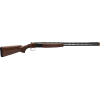

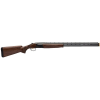
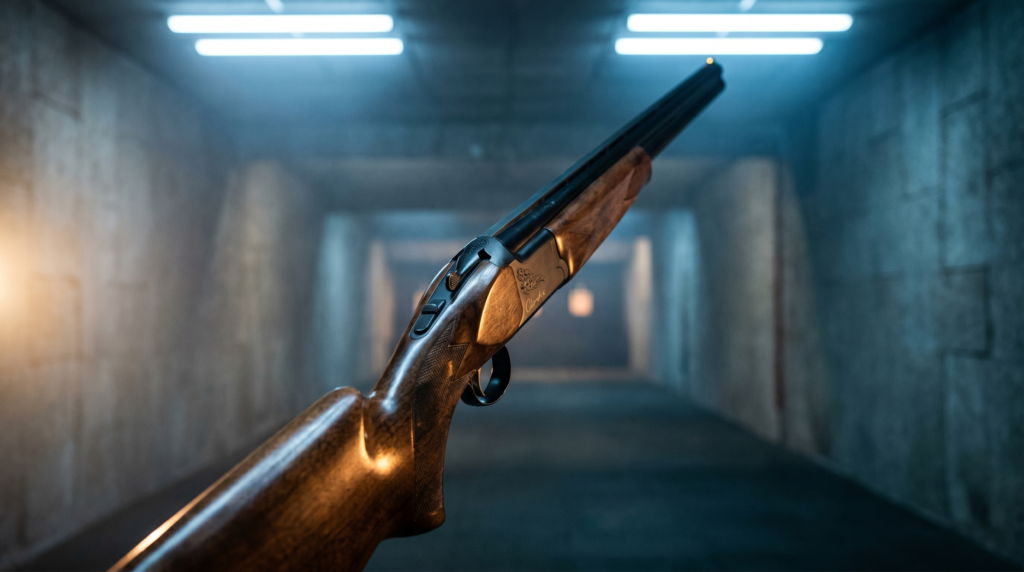
Browning’s Citori line has been the standard-issue over/under at American gun clubs for decades, and the CXS is the sporting-focused variant that most serious all-around shooters end up landing on. It is at home on a skeet field, a trap house, and a sporting clays course without feeling compromised anywhere. That’s a harder trick to pull off than it sounds.
10mm flat rib gives you a traditional sight picture that most shooters prefer for multi-discipline shooting. The stock dimensions are neutral enough that you can shoot it effectively at rising trap targets and crossing skeet birds without making major adjustments. The HiViz Pro-Comp fiber optic bead up front is a genuinely useful feature that does not cost extra.
Browning’s Inflex Technology recoil pad does real work. It’s not just cosmetically shaped rubber. The internal geometry redirects muzzle rise as well as absorbing recoil, and over 200 rounds you feel the difference. The walnut stock looks sharp and the fit and finish is exactly what you’d expect from Browning at this price. Not quite as fancy as an over/under twice the price, but genuinely nice.
The one mild frustration is the Invector-DS choke system. It works great, but the aftermarket is thinner than Beretta’s Optima system or Browning’s older Invector-Plus. You’ll find what you need, but you will have fewer exotic options to choose from. See our best over/under guide if the Citori’s price point has you flinching. Browning’s cheaper crossover is covered in our Browning Cynergy CX review.
Best For: Shooters who want one over/under that can handle all three clay disciplines without compromise, and who want that Browning fit and finish at a genuinely premium but not absurd price.
3. Beretta 686 Silver Pigeon I. Best Classic Over/Under
- Gauge: 12, 20, or 28 gauge; .410
- Barrel: 26″, 28″, or 30″
- Action: Over/under, Mobil-choke system
- Weight: ~6.8 lbs, a 28-inch 12-gauge
- Chokes: Optima-Choke HP, with five chokes included
- Rib: 6mm flat stepped rib
- MSRP: ~$2,349
Pros
- Gorgeous engraved receiver and high-grade walnut at this price
- Light and lively, excellent for skeet and fast sporting clays presentations
- Available in four gauges including 28 ga and .410
- Optima-Choke HP system has the best aftermarket of any choke system
Cons
- Lighter weight means more felt recoil with full 12-gauge target loads
- 6mm rib is low, which some trap shooters find less ideal

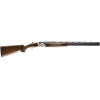
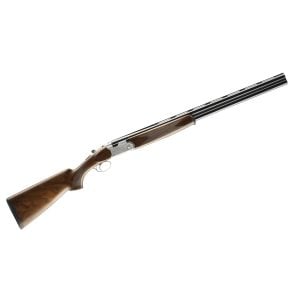
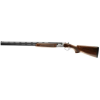
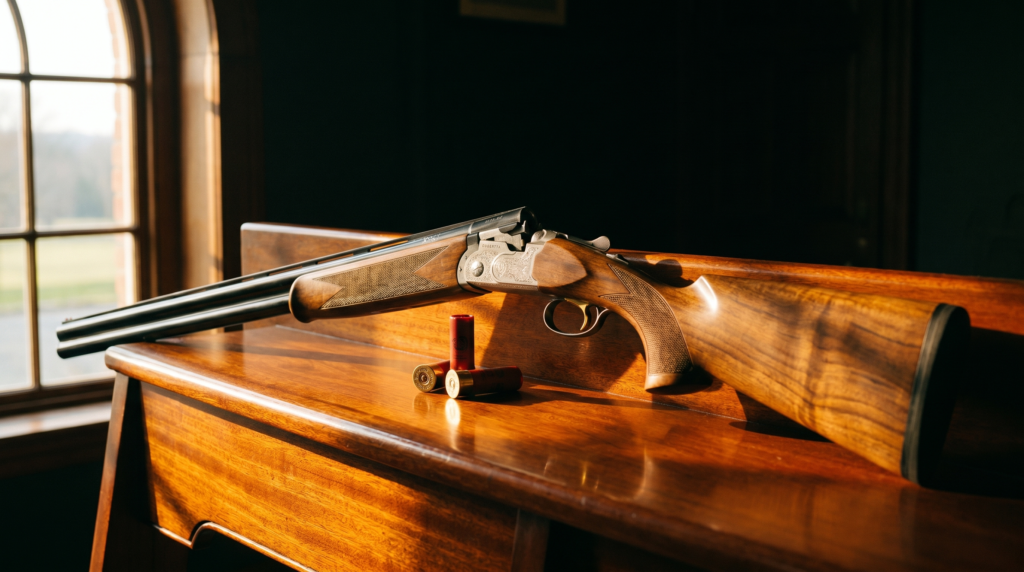
686 Silver Pigeon has been breaking clay targets since 1988, and the fact that it is still on the shelf and still selling tells you something. Beretta got the formula right early and hasn’t messed with it. At under 7 pounds in 12 gauge, it’s noticeably livelier than heavier sporting guns, and that is a genuine advantage when you are swinging through fast presentations. For an Italian alternative with extended chokes and ventilated side ribs, our Rizzini BR110 review ran a BR110 Sporting through 1,000 shells.
Receiver engraving is legitimately attractive, not stamped-on decoration. The walnut stock has real figure and the oil finish ages well. This is the kind of gun you do not feel embarrassed pulling out on a nice course, and it’ll still look good in 20 years if you treat it right. Some guns in this price range feel assembled, the 686 feels made.
Optima-Choke HP system is a major practical win. The aftermarket for these chokes is enormous. You can get Kicks, Patternmaster, Carlson’s, Muller, Kicks High Flyer, anything you want. The 12-gauge version ships with 5 chokes that cover everything from cylinder to full, but the real value is the availability of specialty chokes when you want them.
Weight is the honest tradeoff. Sub-7-pound 12 gauges kick more than 8-pound guns. If you’re shooting 200-round sporting clays days regularly, you’ll feel it at station 12 or 13. A lot of shooters solve this with lighter target loads, since a 7/8-ounce load at 1200 fps runs fine in any quality gun or by switching to the 20-gauge version, which is an absolute joy to shoot.
Best For: Skeet shooters and sporting clays shooters who want a lively, well-balanced over/under with genuine quality at a fair price, and who don’t need a dedicated trap setup.
4. CZ All American. Best Dedicated Trap Gun
- Gauge: 12 gauge
- Barrel: 30″ or 32″
- Action: Over/under, single selective trigger
- Weight: ~9.0 lbs
- Chokes: Flush-mount, with three chokes in Modified, Improved Modified and Full
- Rib: Adjustable step-rib, 9mm to 12mm
- MSRP: ~$1,099
Pros
- Adjustable rib is a feature you normally pay twice this price to get
- Long 30 and 32-inch barrels deliver proper trap swing and timing
- Heavy weight suppresses muzzle rise and recoil remarkably well
- Outstanding value for a dedicated trap gun
Cons
- Very heavy, not practical for sporting clays or skeet
- Not a versatile all-around gun
- Adjustable rib takes some time to dial in properly


If trap is your game and you do not want to spend $3,000 to $5,000 on a dedicated trap gun, the CZ All American is the answer. CZ built this specifically for the trap house, not as a general-purpose clay gun with “trap” in the name. The adjustable step-rib, the long barrel options, the 9-pound weight class, the full and improved-full chokes in the box. All of it points one direction: rising targets at 16 yards.
The adjustable rib is the headline feature and it earns its billing. Being able to set your point of impact means you can tune the gun to shoot exactly where you are looking on a rising clay rather than fudging your hold point. On fixed-rib guns, you adapt your technique to the gun. Here, the gun adapts to you. At this price that’s genuinely unusual.
Nine pounds sounds brutal, but for trap it is honestly close to ideal. The weight absorbs recoil, kills muzzle jump, and smooths out your swing on consistent rising angles. Trap is a deliberate, repetitive discipline. You are not chasing rabbits across the ground or scrambling for a chandelle overhead. The weight is your friend. Shoot 100 straight rounds of trap with this gun and your shoulder will be fine.
Don’t buy this for sporting clays. Seriously. A 9-pound gun with a 32-inch barrel is not built for a 14-station course with close rabbit targets and overhead birds. But take it to a trap house and it will absolutely do its job.
Best For: Dedicated trap shooters who want a properly spec’d trap gun without the premium price tag of a Browning XT or Perazzi.
5. Mossberg 940 JM Pro. Best Value Semi-Auto
- Gauge: 12 gauge
- Barrel: 24″ or 30″
- Action: Semi-automatic, gas-operated
- Weight: ~7.75 lbs
- Chokes: Accu-Choke, with five chokes included
- Rib: 10mm ventilated rib with fiber optic bead
- MSRP: ~$1,015
Pros
- Best value proposition in the semi-auto clay gun market
- Jerry Miculek collaboration brings real competitive input to the design
- Gas system handles light target loads reliably
- 10mm rib and fiber optic give a good sight picture out of the box
Cons
- Accu-Choke system has a smaller aftermarket than Beretta’s Optima
- Finish and feel is more workman than premium

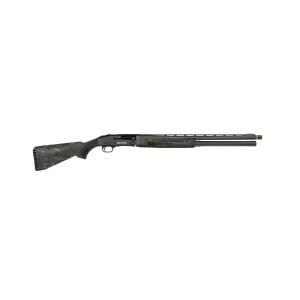
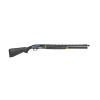
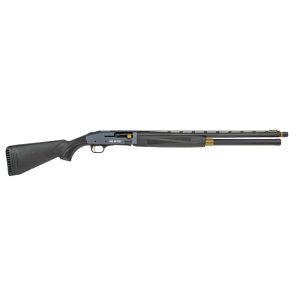
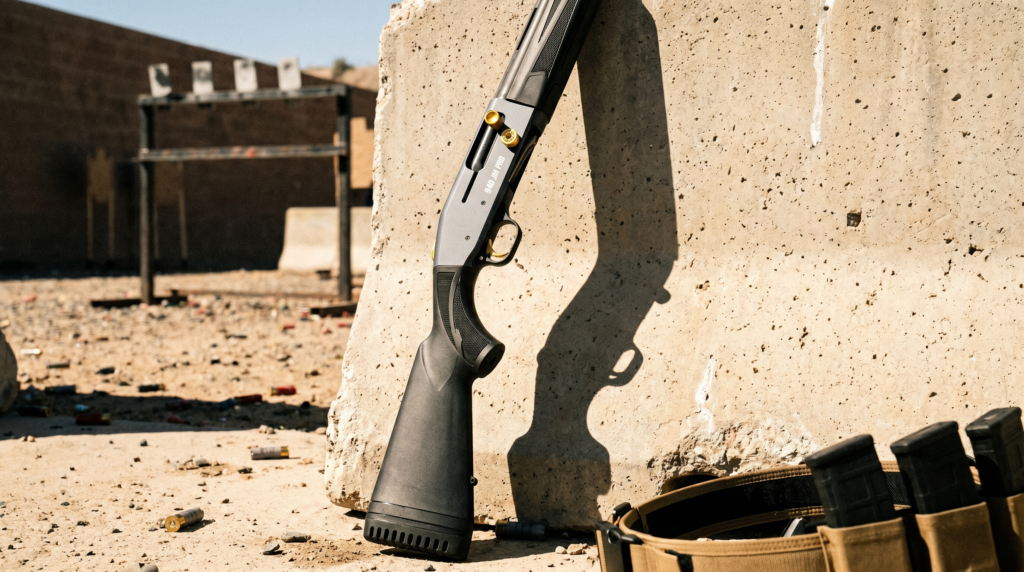
Mossberg collaborated with Jerry Miculek on the 940 JM Pro, and while Miculek’s primary game is 3-gun rather than clays, the improvements translate well. The gas system was tuned to cycle reliably with light 7/8 oz and 1 oz target loads, which is exactly what matters on a clays course. Mossberg’s older 930 had a reputation for being finicky with light loads. The 940 fixed that.
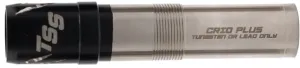
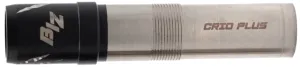
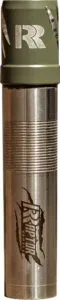
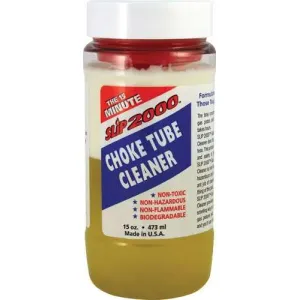
Chokes for Clay Targets
Best-scored accessories across 200+ retailers · Updated every 4 hours
12 Gauge Ammo on Sale
On-sale 12 gauge from 200+ retailers · Updated every 4 hours



At around $1,000, this is the semi-auto clay gun buy if budget is a real factor. The A400 Xcel is better. The 940 is good, and it’s nearly half the price. That gap matters when you’re also paying for ammo, course fees, and lessons. If you are putting that extra $1,000 into instruction time, you will break more birds in the long run anyway.
10mm ventilated rib and the fiber optic front bead give you a solid sight picture straight out of the box. The balance at the 30-inch barrel length is good. It is not the refined experience of a Beretta or Browning, but pick it up, mount it a few times, and it feels natural quickly. Mossberg kept the controls sensible and the stock dimensions reasonable for a broad range of shooters.
Best For: New clay shooters or budget-conscious experienced shooters who want a reliable, properly spec’d semi-auto without spending four figures on a Beretta.
6. Browning Cynergy CX. Best Value Over/Under
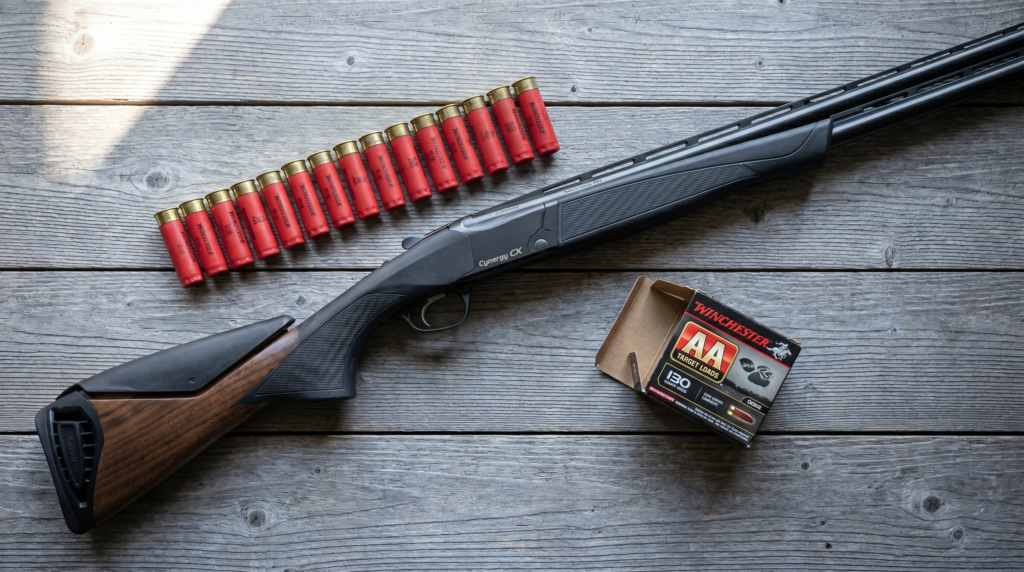
- Gauge: 12 or 20 gauge
- Barrel: 28″ or 30″
- Action: Over/under, MonoLock hinge system
- Weight: ~7.5 lbs, a 30-inch 12-gauge
- Chokes: Invector-DS, with three chokes included
- Rib: 10mm flat ventilated rib with fiber optic bead
- MSRP: ~$1,739
Pros
- MonoLock hinge is a genuinely different and effective recoil-management system
- Inflex Technology recoil pad further reduces felt recoil
- Noticeably softer to shoot than most O/Us at this price
- Solid Browning quality control and warranty
Cons
- Cynergy’s aesthetics divide opinion, the matte finish is polarizing
- Invector-DS choke aftermarket is still more limited than Beretta’s system
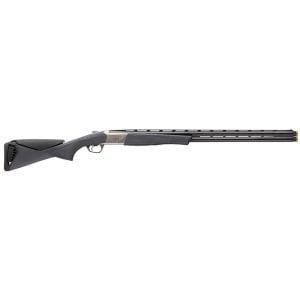

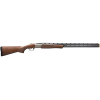
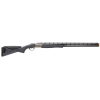
Cynergy is Browning’s modern over/under design, and the MonoLock hinge is the interesting part. Our Browning Cynergy Wicked Wing review covers the 3.5 inch waterfowl version. Traditional over/unders use a trunnion-style hinge that requires some stock wood to be removed to accommodate it. The MonoLock uses a single pin that allows the stock to run closer to the bore axis. The practical result is a lower felt recoil impulse. Not dramatic, but real.
CX variant hits around $1,700, which puts it right between the entry-level Browning options and the full Citori. You give up the fancy walnut and engraving of the Citori, but you keep the quality action and the Inflex pad. For a lot of shooters that is exactly the right trade. Looks matter, but they don’t break clays.
The matte finish is practical at the range, actually. You’re not going to be worried about scratches in the stock on a muddy sporting clays course. The controls are exactly what you expect from Browning: selector switch on the safety, smooth single selective trigger, predictable and consistent. There’s nothing surprising here, and that’s a compliment.
Best For: Shooters who want an over/under with genuinely reduced recoil at a price below the full Citori, and who aren’t bothered by the modern matte aesthetic.
7. Franchi Affinity 3 Sporting. Best Budget Sporting Clays Semi
- Gauge: 12 or 20 gauge
- Barrel: 28″ or 30″
- Action: Semi-automatic, INERTIA Driven system
- Weight: ~6.6 lbs in 12-gauge
- Chokes: Crio, with five chokes included
- Rib: 10mm ventilated rib with fiber optic bead
- MSRP: ~$1,099
Pros
- Extremely light at 6.6 lbs, excellent for all-day sporting clays comfort
- TSA recoil pad does real work for an inertia-operated gun
- Clean, modern aesthetics
- Good value for the quality of the action
Cons
- Inertia guns can be finicky with very light target loads below one ounce
- Less refined feel than Beretta or Browning at the same price
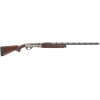
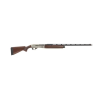
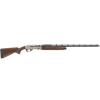
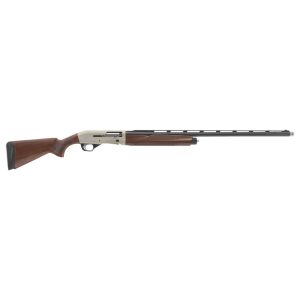
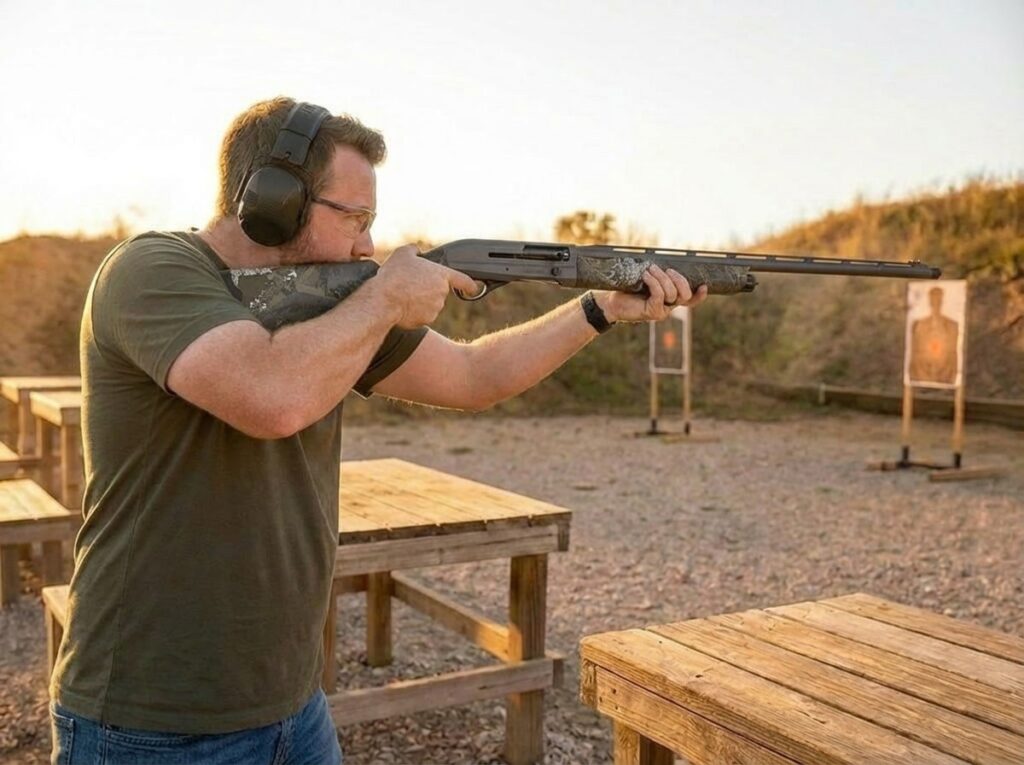
Franchi is the budget arm of the Benelli family, and the Affinity 3 Sporting runs the same INERTIA Driven system that Benelli uses in guns twice the price. The main benefit is simplicity. No gas ports to clean, no rings to wear out, just a spring and a bolt. The action is remarkably clean for the money.
At 6.6 pounds, this is the lightest semi-auto on this list by a meaningful margin. That has real consequences in both directions. Carry it through 14 stations on a hot afternoon and you’ll barely know it is there. Shoot 200 shells of target load and your shoulder will remind you that inertia guns hit harder than gas guns. The TSA recoil pad helps but doesn’t fully compensate. Run 1-1/8 oz loads and the difference fades. Drop to 7/8 oz and you’re rolling the dice on cycling.
10mm rib and fiber optic bead give you a good sight picture and the stock dimensions run a little more neutral than some sporting-specific guns, which is actually useful if you are shooting multiple disciplines. The trigger is acceptable but not impressive. It breaks consistently, which is really the minimum requirement for a clay gun.
Best For: Lightweight shooters, youth shooters, or anyone who prioritizes carry weight over recoil management on a sporting clays course.
8. Winchester SX4. Best Entry-Level Semi-Auto
- Gauge: 12 or 20 gauge
- Barrel: 26″, 28″
- Action: Semi-automatic, Active Valve gas system
- Weight: ~6.9 lbs, a 28-inch 12-gauge
- Chokes: Invector-Plus, with three chokes included
- Rib: Vented mid-rib, 8mm taper
- MSRP: ~$879
Pros
- Under $900 makes this the most accessible semi-auto on the list
- Active Valve gas system handles both light and heavy loads reliably
- Invector-Plus choke system has a deep aftermarket
- Solid Winchester build quality and reputation for reliability
Cons
- 26 and 28-inch barrel options cap out shorter than ideal for most clay disciplines
- 8mm rib is on the narrow side for a sporting clay gun
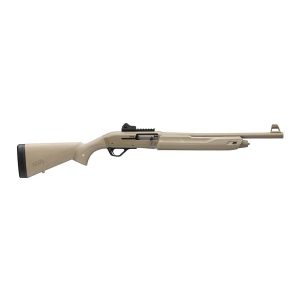

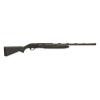
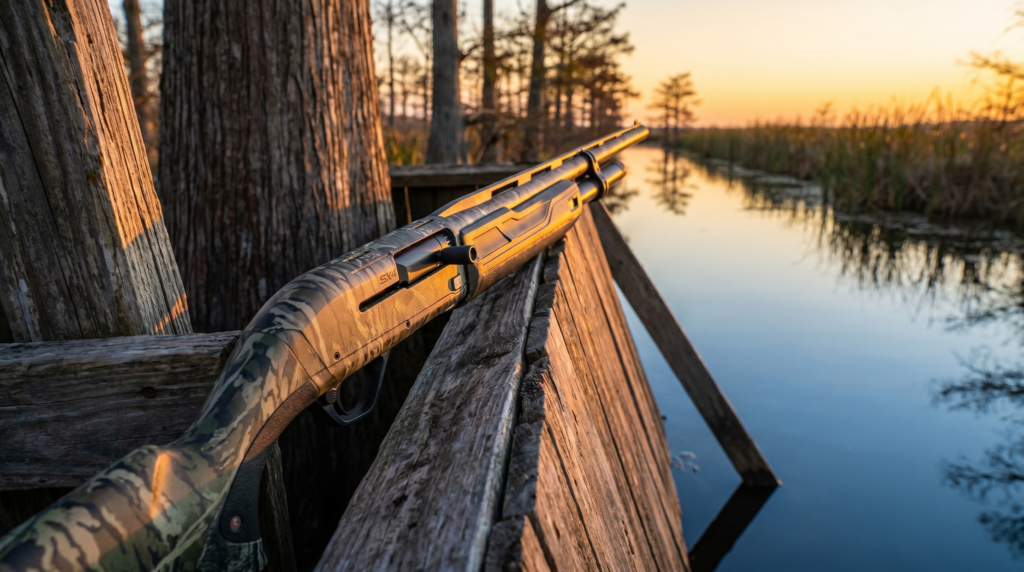
SX4 is the “I want to try sporting clays seriously but I do not want to spend $2,000 yet” gun. Under $900, gas-operated, reliable, and it comes from Winchester which means you’re not rolling the dice on an unknown brand. The Active Valve gas system handles everything from 2-3/4 inch light target loads to 3-inch magnums without adjustment. That flexibility matters if this gun will pull double duty as a hunting gun between clay seasons.
Barrel length is the honest limitation. The SX4 tops out at 28 inches in most configurations, and for sporting clays and especially trap, most serious shooters want 28 to 30 inches minimum. A 28-inch barrel works, but it gives you less time to develop your swing and does not carry through the target as smoothly as a longer tube. It’s a compromise worth knowing about before you buy.
The Invector-Plus choke system is a genuine bright spot. It is one of the most widely supported choke systems in the aftermarket. Browning also uses Invector-Plus, so the selection is enormous. You can find every constriction and pattern type you’d ever want. For a $879 gun, starting with good choke compatibility is a smart move.
Buy this as your first dedicated clay gun or as a practical range/hunting crossover. Shoot 200 rounds of sporting clays with it, see how serious you get, then upgrade to the A400 Xcel in a year if the bug bites. That is a completely legitimate progression and a lot of shooters go exactly that route.
Best For: First-time clay shooters who want a reliable gas-operated semi-auto from a trusted brand at a genuinely affordable price, and who plan to use it for hunting as well.
What to Look for in a Clay Shooting Shotgun
Barrel length is the first thing to get right. For sporting clays, 28 to 30 inches is the sweet spot for most shooters. Shorter barrels are faster to swing but harder to follow through on long crossing shots. Trap favors 30 to 32 inches because the longer barrel helps build momentum on those consistent rising angles and keeps muzzle jump down. Skeet can go a little shorter, 26 to 28 inches, because the targets are closer and faster. Don’t go shorter than 26 inches on any of the three disciplines unless you have a specific reason.
Rib height affects your point of impact and your perceived sight picture. A tall rib raises your eye above the receiver, which tends to make you shoot above your target. That’s intentional for trap, where you call the bird before it rises and need to shoot above your initial line of sight. For sporting clays and skeet, a standard or medium rib is generally more useful. Adjustable ribs solve the problem neatly but cost money.
Choke selection matters more than most new clay shooters realize. Skeet shooters run Skeet and Improved Cylinder almost exclusively. Trap shooters run Improved Modified and Full. Sporting clays is where things get interesting because presentations vary from 15-yard crossers to 50-yard outgoing birds, and the right choke changes with every station. Understand your choke system and the aftermarket behind it before you commit to a gun. Our full choke guide breaks this down clearly.
Recoil pads and gas systems matter a lot over a full session. The difference between a good recoil pad and a bad one becomes obvious around round 150. Gas-operated semi-autos generally beat over/unders for pure felt recoil, but the quality of the pad still matters significantly. Aftermarket pads from Kick’s or Pachmayr can upgrade any gun cheaply if the factory pad is not cutting it.
Stock fit is the factor that actually wins or loses birds, and it’s the one most shooters under-invest in. A gun that fits your length of pull, comb height, and cast makes gunmounting consistent and pointing instinctive. A gun that doesn’t fit makes you work against yourself. Before you buy a gun in person, mount it 20 times with your eyes closed and see where you are naturally looking when you open them. That quick test tells you more than an hour of reading reviews.
Sporting Clays vs Trap vs Skeet: Which Discipline Needs Which Gun
Trap is the most gun-specific of the three. The targets all rise away from you at predictable angles, which means you have time to be deliberate and you want a gun that is set up for that. Long barrels, higher ribs, stocks with more drop, and heavy chokes all make sense here. The CZ All American and the upper levels of Browning’s Citori trap line exist because trap shooters’ requirements are genuinely different from other clay shooters. If you only shoot ATA trap, let that drive your gun choice more than anything else on this list.
Skeet runs fast, close, and predictable. The eight stations form a semicircle and the targets cross at known angles from two houses. You see the same presentations every round. Guns that favor fast handling over raw momentum work well here. Short barrels, neutral stock dimensions, and open chokes are standard. The 686 Silver Pigeon in 20 gauge is legitimately one of the best skeet guns available at any price when it fits the shooter.
Sporting clays is the wild one. It’s designed to simulate field conditions, which means rabbits rolling across the ground, overhead chandelles, wide-angle crossers at 45 yards, and incoming birds that die right in front of you. No two courses are the same and no two stations are the same. A versatile all-around gun like the Beretta A400 Xcel or the Citori CXS handles this better than a gun optimized for one specific presentation type. Check out our skeet and trap guide if you’re deciding between the disciplines.
FAQ: Best Shotguns for Clay Shooting
New to the clay games? See our guide to trap vs skeet vs sporting clays for how each one works.
Frequently Asked Questions
What is the best shotgun for sporting clays?
The Beretta A400 Xcel is the best semi-auto for sporting clays. The Browning Citori CXS is the top over-under pick.
Should I buy an over-under or semi-auto for clays?
O/Us are traditional and offer two choke selections. Semi-autos reduce felt recoil by 20-30 percent, which matters when shooting 200+ rounds. Try both and see which gives you better scores.
What barrel length is best for clay shooting?
30 inches is the most versatile for all three disciplines. 28 inches works for skeet. 32 inches is preferred for trap.
What choke do I need for sporting clays?
Carry Improved Cylinder, Light Modified, and Modified chokes and swap based on the station. IC handles close targets, Modified handles longer crossers.
How much should I spend on a clay shooting shotgun?
A competitive clay gun costs 1,000 to 2,500 dollars. The Mossberg 940 JM Pro at around 1,000 dollars is the entry point. Browning and Beretta O/Us at 1,500-2,500 dollars are where most competitors land.
What is the difference between sporting clays, trap, and skeet?
Sporting clays simulates field shooting with varied presentations. Trap shoots rising targets from behind the shooter. Skeet shoots crossing targets from two houses at eight stations.
Do I need a dedicated clay gun?
For casual shooting, any shotgun works. For regular practice or competition, a purpose-built clay gun with longer barrels and proper rib height will significantly improve your scores.
What gauge is best for clay shooting?
12 gauge is standard for competition. It offers the densest patterns and widest ammo selection. 20 gauge is growing in popularity for sub-gauge events.
4,611+ Gun & Ammo Deals
Updated daily from 200+ top retailers. Filter by category, caliber, action type, and price.
Related Guides