
Last updated May 20, 2026
Shooting other clay games too? See the best trap shotguns, the best sporting clays shotguns, and the skeet and trap overview.
Some of the links below are affiliate links, meaning at no additional cost to you, we may earn a commission if you click through and make a purchase.
- Treat every gun as loaded
- Point the muzzle in a safe direction
- Keep your finger off the trigger until you’re ready to shoot
- Know your target and what’s beyond
Range safety first
A skeet field is one of the most controlled shooting environments in the sport, but the rules are still the rules: action open and gun pointed downrange when not on the station, single shell loaded only when called to fire, eyes and ears mandatory. Read our full firearm safety + legal disclaimer before you take any pick on this list to the club.
| Shotgun | Gauge | Barrel | Price |
|---|---|---|---|
| BEST OVERALL Beretta 686 Silver Pigeon Sporting |
12 | 28" / 30" | Lowest Price ↓ |
| BEST VALUE O/U Browning Cynergy CX |
12 | 28" / 30" | Lowest Price ↓ |
| BEST SEMI-AUTO Beretta A400 Xcel |
12 | 28" / 30" | Lowest Price ↓ |
| BEST LIGHTWEIGHT Franchi Instinct Sporting II |
12 | 30" | Lowest Price ↓ |
| BEST BUDGET SEMI Mossberg 940 JM Pro |
12 | 24" / 28" | Lowest Price ↓ |
Table of Contents
The Best Shotguns for Skeet Shooting in 2026
Skeet is not trap. I lead with that because half the people who email me are buying the wrong gun for the wrong game. Trap shooters need tight chokes and long barrels for rising targets at a single station. Skeet shooters walk a seven-station semi-circle, breaking crossing birds from a high house and a low house, sometimes pulling a double at station three that makes you feel like a genius when you connect.
Different targets, different flight paths, different gun. The gun you’d run for trap will leave you fighting the swing on a skeet field. The opposite is also true.
For skeet you want a 26 to 28 inch barrel, not the 30 to 32 inch tubes you’d run on the trap line. You want open chokes, Skeet and Improved Cylinder are the standard pair. You want a gun that swings fast and does not punish you after walking the full semi-circle three times. Weight matters differently here too: a 7.5-pound tank feels great on station one and wants to kill you by station seven.
These eight picks cover the range from serious competition over-unders to budget semi-autos that’ll get you hitting birds without a second mortgage. I’ve put rounds through several of these on my home club’s NSSA layout, and the rest are stalwarts in the skeet community with proven track records. Still figuring out which clay game is yours? Our skeet and trap comparison guide walks the differences, and the broader best clay shooting shotgun guide covers sporting clays too.

1. Beretta 686 Silver Pigeon Sporting. Best Overall Skeet Shotgun
- Gauge: 12
- Barrel: 28" or 30"
- Action: Over/Under
- Weight: 7.7 lbs with a 30-inch barrel
- Chokes: 5 Optima-Choke HP flush chokes included, namely Skeet, Improved Cylinder, Modified, Improved Modified and Full
- MSRP: ~$2,499
Pros
- Optima-Choke HP system with a true Skeet tube in the box opens the pattern perfectly at 20-25 yards
- Slender Sporting forend keeps your front hand from over-gripping and killing the swing
- Decades of competition heritage that holds resale like Beretta knows what they are doing, and they do
Cons
- Real money, the 686 Sporting runs ~$2,499 street, the steepest entry on this list
- The 30″ model creeps to 7.7 lbs and starts feeling long by your third station-walk of the day
- Finish can show wear faster than you’d expect at this price; baby the receiver edges
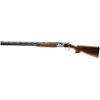
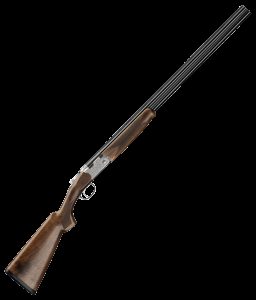
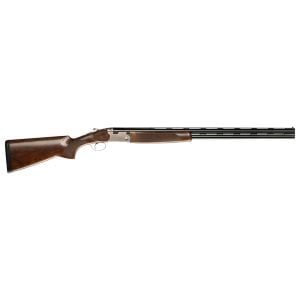
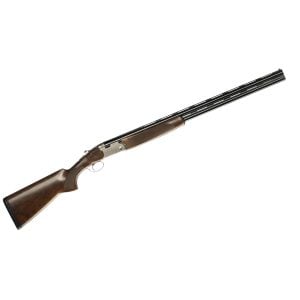
The 686 Silver Pigeon Sporting has been the benchmark skeet and sporting clays O/U for longer than most current skeet shooters have been alive. There’s a reason you see it everywhere from beginner leagues to AA-class competition: it works. The tapered rib draws your eye naturally to the bird, the trigger is crisp with a real reset, and the balance point sits right where your hand wraps the grip so the gun swings like an extension of your arm.
On station three, where you are breaking a simultaneous high-low double, the 686 Sporting lets you trust the swing. The forend is slimmer than the standard Silver Pigeon, Beretta designed it that way specifically to keep your front hand loose. A lot of guys do not notice until they shoot a Sporting back-to-back with a field model. Night and day.
The 28-inch barrel is the sweet spot for most skeet shooters. Long enough to promote a smooth follow-through, short enough that you’re not fighting the gun between stations. The Optima-Choke HP system gives you a legitimate Skeet choke that opens the pattern perfectly at 20-25 yards, exactly where skeet presentations land. Pair it with an IC tube and you are ready for every station on a standard NSSA layout.
Yes, the price stings. This gun will outlast you if you treat it right, and used 686 Sportings hold their value beautifully. If you want to understand what a proper skeet gun feels like before spending the money, pick one up at a rental counter or borrow one at a league night. You’ll understand the hype immediately.
Best For: Shooters ready to invest in a competition O/U that will handle skeet, sporting clays, and occasional field work without breaking a sweat.

2. Browning Citori CXS. Best All-Around O/U for Skeet
- Gauge: 12 or 20
- Barrel: 28" or 30"
- Action: Over/Under
- Weight: 7 lbs 14 oz, a 28-inch 12-gauge
- Chokes: 3 Invector-DS flush chokes, in Improved Cylinder, Modified and Improved Modified
- MSRP: ~$2,799
Pros
- Mechanical trigger fires the second barrel even after a dud, genuinely reassuring on station-seven doubles
- Inflex recoil pad and lower-profile receiver drop the bore axis and keep the gun between your hands
- Optional 20-gauge cuts felt weight for the back-to-back-rounds crowd without giving up much on breaks
Cons
- Pricier than the Beretta 686 Sporting in most configurations
- Ships with IC, M, IM, you’ll need to buy a dedicated Skeet tube before your first round
- The 12-gauge runs 7.9 lbs in the 28-inch, which is on the heavy side for a long club day
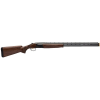

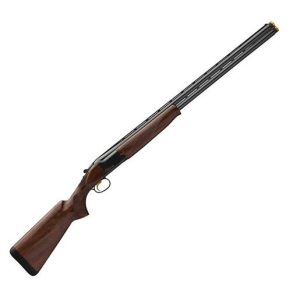
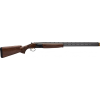
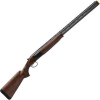
Browning built the Citori CXS specifically for clay target shooters, and you feel that intention the moment you shoulder it. The CXS receiver is cut with a lower profile than a standard Citori, which drops the bore axis and helps keep the gun’s weight between your hands instead of riding high.
For skeet, where you’re calling “pull” and breaking birds inside two seconds, that lower felt recoil and quicker recovery matter a lot more than shooters realize until they run 100 rounds through it.
The mechanical trigger system deserves a mention. Unlike inertia triggers that rely on the recoil from the first shot to reset for the second, the Citori CXS fires the second barrel mechanically. Miss a bird, get a dud, doesn’t matter, the second barrel fires. On station-seven doubles, where you are shooting two birds in quick succession and the margin for error is thin, that reliability is genuinely reassuring.
One honest note: the stock choke set does not include a dedicated Skeet tube. Grab a Browning Invector-DS Skeet before your first session, budget another $30 to $40. Not a dealbreaker, just something to plan for. The 26-inch option is worth considering if you move through stations fast.
Best For: Competitive skeet shooters who want Browning’s legendary fit, finish, and mechanical trigger reliability in a purpose-built clay gun.

3. Beretta A400 Xcel. Best Semi-Auto for Skeet
- Gauge: 12
- Barrel: 28" or 30"
- Action: Semi-Auto, gas-operated
- Weight: 6.9 lbs with a 28-inch barrel
- Chokes: 5 Optima-Choke HP extended chokes included, namely Skeet, Improved Cylinder, Modified, Improved Modified and Full
- MSRP: ~$2,099
Pros
- Beretta’s BLINK gas system is among the softest-shooting semi-autos available, recoil disappears
- Under 7 pounds makes station-to-station carry noticeably easier on a long club day
- Ships with a true Skeet tube in the 5-choke set, no extra trip to the parts counter
Cons
- Semi-auto means one shot at a time on doubles, which is technique-dependent
- Gas system needs regular cleaning to stay reliable through high-volume sessions
- At ~$2,099 you’re spending O/U money for a semi, which raises the obvious “why not a 686?” question
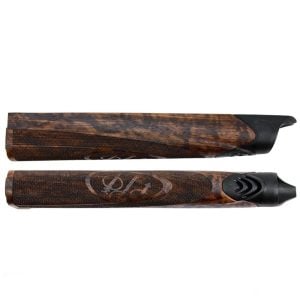
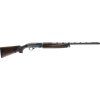
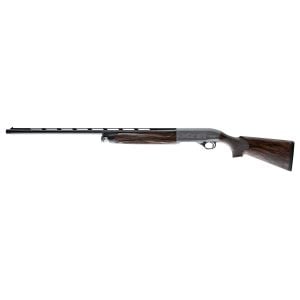
The A400 Xcel is the gun Beretta built to compete with Browning’s Maxus for the serious semi-auto clay market. It is lighter than most O/Us at under 7 pounds, and that shows up when you are on round three of a long skeet session. Your arms aren’t tired, your mount is consistent, and you’re still swinging through the bird properly on station six instead of muscling it.
The BLINK gas system cycles so smoothly you barely register the recoil, a real advantage on high-volume days. Skeet purists will tell you a semi-auto is not a real clay gun because of the single-shot limitation on doubles, and they’re not wrong about that limitation. With practice, semi-auto shooters handle doubles by perfecting the break on the first bird and swinging immediately to the second. Different technique, same broken targets.
The Steelium barrel with its tapered rib is genuinely excellent. The rib draws flat when you are on a good mount and rises slightly when your head is up, which gives you real-time feedback on your cheek weld without any conscious thought. That is a useful feature when you’re working on consistency. And the box ships with a dedicated Skeet choke, which Beretta doesn’t always include as standard.
Best For: Semi-auto fans who shoot high volumes, have recoil sensitivity, or just prefer a lighter gun for walking the stations all afternoon.

4. Browning Cynergy CX. Best Value O/U for Skeet
- Gauge: 12
- Barrel: 28" or 30"
- Action: Over/Under
- Weight: 7 lbs 10 oz with a 28-inch barrel
- Chokes: 3 Invector-Plus flush chokes, in Improved Cylinder, Modified and Full
- MSRP: ~$1,799
Pros
- MonoLock hinge is one of the tightest, most durable lockup systems in a production over/under
- Reverse-striker firing system is the rare engineering claim that actually delivers softer recoil
- Genuine competition-class O/U for ~$1,800 street, the value proposition is real
Cons
- Ships with IC, M, F, no Skeet tube, plan to buy one before your first round
- Slightly heavier than the Beretta 686 in the same configuration
- Matte finish looks utilitarian compared to the polished Citori CXS at a similar tier
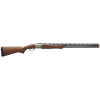
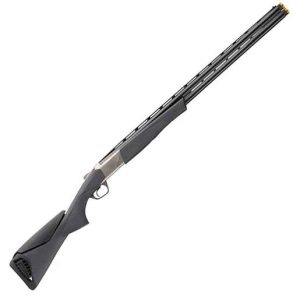
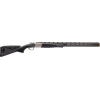
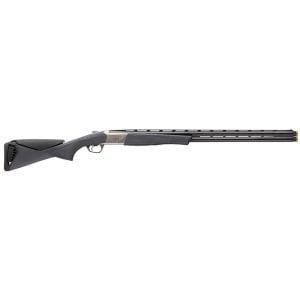
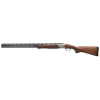
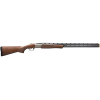
The Cynergy CX is where Browning’s engineering budget went when they decided to make a competition O/U that didn’t cost $2,500. The MonoLock hinge is borrowed directly from the higher-end Cynergy line and is one of the tightest, most durable lockup systems in a production over-under. Run this gun hard for years and the fit will stay tight. That matters because a gun that starts rattling at the hinge will throw your patterns inconsistent before you figure out what’s wrong.
The reverse-striker firing system is genuinely clever. Instead of a traditional hammer striking forward, the Cynergy’s striker travels rearward then fires, which Browning claims redirects the recoil impulse. It’s not marketing fluff, the gun does shoot noticeably softer than its weight would suggest. The fiber-optic front bead is bright enough to use in overcast conditions, which is most skeet mornings if you are anywhere north of the Mason-Dixon.
Like the Citori CXS, you’ll need to add a Skeet choke. The standard IC is workable for most skeet targets, but a dedicated Skeet tube opens the pattern optimally. Pick one up and you’ve got a legitimate competition gun for under $1,850 all-in, strong value proposition. For more options at that price point, our best O/U under $1,000 guide covers the budget end of the market too.
Best For: Shooters who want a serious competition O/U without spending Beretta 686 money, and who appreciate engineering over aesthetics.

5. Franchi Instinct Sporting II. Best Lightweight O/U for Skeet
- Gauge: 12
- Barrel: 30"
- Action: Over/Under
- Weight: 7.85 lbs with a 30-inch barrel
- Chokes: 3 extended stainless tubes, in Improved Cylinder, Modified and Full
- MSRP: ~$1,649
Pros
- AA-grade satin walnut and silver-scalloped receiver look like a $2,500 gun at arm’s length
- 30-inch ported barrels with adjustable comb let you tune mount and rib picture to your face
- Franchi/Benelli family build quality holds up over thousands of rounds, proven Italian engineering
Cons
- Ships with IC, M, F only, add a dedicated Skeet tube before your first round
- Less name-brand recognition in serious NSSA registered competition than Beretta or Browning
- Heavier than the original discontinued Instinct Sporting; the comb adjustability is the trade-off
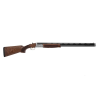

Franchi replaced the original Instinct Sporting with the Sporting II a few years back, and the upgrade is real. The 30-inch ported barrels promote a smoother swing on crossing targets, and the adjustable comb lets you tune the rib picture to your face, a feature you usually pay $2,500-plus to get. The AA-grade satin walnut and silver-scalloped receiver look like a gun at twice the price.
Honest reality check on weight: at 7.85 lbs the Sporting II isn’t the featherweight the original Instinct Sporting was at 6.4 lbs. Franchi made the trade for the adjustable comb and beefier 30-inch tubes. The result is a gun that swings smoother and handles 1-oz target loads more comfortably than the original, even if you’ll notice the extra ounces walking back to your car after three rounds.
Franchi has always punched above its weight on wood quality, and the Sporting II keeps that tradition. The satin oil finish has a warmth to it that glossy guns can’t replicate, and it is easier to touch up if you nick it loading into a case. Minor point, but real shooters care.
Best For: Skeet shooters who want a Franchi-quality O/U with adjustable comb fit at under $1,700, the sweet-spot between budget Turkish O/Us and the Italian premium tier.

6. Mossberg 940 JM Pro. Best Budget Semi-Auto for Skeet
- Gauge: 12
- Barrel: 24" or 28"
- Action: Semi-Auto, gas-operated
- Weight: 7.75 lbs with a 28-inch barrel
- Chokes: Accu-Choke; 4 tubes included, in Cylinder, Improved Cylinder, Modified and Full
- MSRP: ~$1,099
Pros
- Most affordable competition-oriented semi-auto on this list, Jerry Miculek’s input shows in the trigger and ergonomics
- Oversized bolt handle, oversized safety, and oversized loading port make for slick high-volume work
- 940 gas system handles every load from 7/8 oz target shells to 3-inch slugs without modification
Cons
- Designed primarily for 3-gun, not pure clay, the layout is competition-generalist, not skeet-specific
- 7.75 lbs is heavier than the A400 by nearly a pound, which adds up across a long round
- Cylinder, IC, M, F chokes ship, no Skeet tube; add one or run the IC for skeet distances
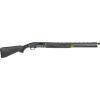
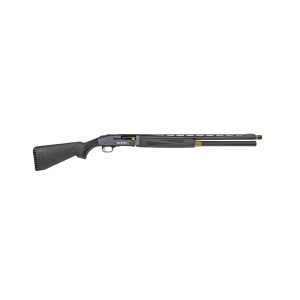
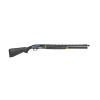
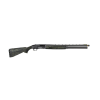
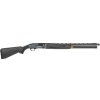
The 940 JM Pro is primarily a 3-gun competition shotgun that Jerry Miculek helped develop. But here’s the thing: anything Jerry touches for competition ends up being a genuinely well-thought-out shotgun for any clay game, and the 940 JM Pro is no exception. The trigger is better than it has any right to be at this price, the oversized controls make cycling and reloading intuitive, and the gas system soaks up recoil well for a sub-$1,200 semi-auto.
You are buying this gun because you want a capable semi-auto under $1,200 and you’re not ready to justify Beretta A400 money yet. That’s a legitimate position. Add an IC tube or a Skeet tube the same day you buy the gun, the included Cylinder will throw too open at 25 yards and the Modified is too tight for station-eight crossers.
It is heavier than ideal for walking a skeet layout. At 7.75 lbs, it’s closer to a trap gun weight. But if you are younger, stronger, or don’t mind carrying a bit more iron, the weight actually helps absorb recoil across a long session.
The $1,099 price leaves plenty of room in your budget for shells and coaching. Beginners break a lot of birds on skeet ranges before they figure out lead on crossing targets.
Best For: New skeet shooters who want a reliable, affordable semi-auto to learn the game on before investing in a dedicated clay gun.

7. Winchester SX4 Sporting. Best Affordable All-Purpose Semi-Auto
- Gauge: 12
- Barrel: 28" or 30"
- Action: Semi-Auto, gas-operated
- Weight: 7.4 lbs
- Chokes: 3 Invector-Plus flush chokes, in Improved Cylinder, Modified and Full
- MSRP: ~$999
Pros
- Sub-$1,000 MSRP is the most accessible price point on this list for a competition-tier semi-auto
- Active Valve gas system cycles everything from 7/8 oz target loads to 1-3/4 oz turkey loads without modification
- Comes with IC, M, and F chokes, IC works fine for skeet at 25-yard distances out of the box
Cons
- Not purpose-built for clay competition; it is a field gun that happens to work for clay
- Finish and fit are noticeably below the Beretta A400 Xcel class, you can feel the price difference
- Trigger feel is acceptable but not as crisp as the dedicated competition guns at the top of this list
The Winchester SX4 does not pretend to be a competition gun. It’s a well-made field semi-auto that happens to work extremely well for skeet because it’s light, reliable, and properly balanced at 7.4 lbs. Winchester’s Active Valve gas system handles everything from 7/8 oz skeet loads to 1-3/4 oz turkey loads without modification, which means you can run cheap promotional target loads all day without cycling issues. That matters when you’re buying shells by the flat.
Under $1,000 MSRP puts this gun in reach for a lot of shooters who are figuring out whether skeet is their game before spending real money on it.
The included IC choke is honestly adequate for most skeet distances, but if you want to optimize, a dedicated Skeet tube will tighten your patterns at station eight. That station-eight crosser from the low house is the hardest bird on a standard layout, a fast, close target that most beginners miss by not shooting far enough in front.
Compare this against the Mossberg 940 JM Pro at the same price tier. The SX4 is lighter and feels more like a true clay gun, while the 940 JM Pro has better controls and a better trigger. Both are solid entry points. If you are still doing your homework, our shotgun buying guide covers the full decision framework without the sales pitch.
Best For: Budget-conscious skeet shooters who want a light, reliable semi-auto under $1,000 that will not hold back their scores at the club level.

8. CZ Redhead Premier. Best Mid-Tier O/U for Beginning Skeet Shooters
- Gauge: 12, 20, 28, or .410
- Barrel: 28"
- Action: Over/Under
- Weight: 7.4 lbs in 12-gauge
- Chokes: 5 flush chokes, from Full down through Improved Modified, Modified, Improved Cylinder and Skeet
- MSRP: ~$1,159
Pros
- Ships with a true Skeet choke in the 5-tube set, no extra purchase before your first round
- Turkish walnut, single selective trigger, automatic ejectors, chrome-lined bores, actual feature set for under $1,200
- Available in 12, 20, 28, and .410, the sub-gauge skeet pathway most production O/Us do not offer at this price
Cons
- Turkish manufacturing quality control is variable; some guns ship perfectly fitted, others need a return
- Heavier than comparable Italian O/Us at 7.4 lbs for the 28-inch model
- Not a serious registered-target competition gun; you’ll outgrow it if your scores improve
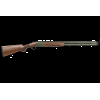
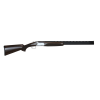

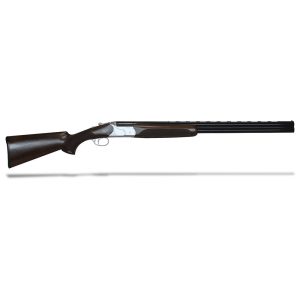
Most O/Us under $1,200 make you choose between skeet-ready chokes and decent wood. The CZ Redhead Premier doesn’t. It ships with a Skeet choke in the box, comes wearing legitimate Turkish walnut that looks genuinely nice, and has a single selective trigger with automatic ejectors. That is a complete package for a brand-new skeet shooter who doesn’t want to spend $2,000 to try a new sport.
Chrome-lined bores are worth noting for longevity. If you’re shooting steel shot at all, or just running cheap steel-plated promotional loads through it regularly, chrome lining keeps the bores from pitting. It is a small thing on a new gun and a meaningful thing five years in. CZ pays attention to this detail where some competitors don’t.
Honest reality check: Turkish quality control is genuinely variable. Most Redhead Premiers come out of the box perfectly fitted and timed; some don’t. Buy from a dealer who’ll let you function-check it, or order from somewhere with a solid return policy. The guns that come out right are excellent for the money, just don’t buy blind.
If your scores improve and you start shooting registered targets, you’ll probably want to move up to a Cynergy CX or a used 686 Sporting at some point. But as a first O/U for skeet, the Redhead Premier is about as smart as it gets at this price. The fact that it also comes in 20, 28, and .410 means you can chase NSSA’s four-gauge “skeet slam” without buying four different brands.
Best For: New skeet shooters who want a real O/U experience with a Skeet choke ready to go, and a path into sub-gauge events without changing brands.
What to Look for in a Skeet Shotgun
Barrel length for skeet lands in a tighter range than most shooters think, you want 26 to 28 inches. Longer barrels help with trap because the targets are rising and moving away, so that extra weight promotes a smooth follow-through on an overhead shot. Skeet birds cross, come toward you from station eight, or fly away from a low-house call. Fast swing matters more than swing weight.
A 30-inch barrel is not wrong for skeet, plenty of AA-class shooters run them. But 28 is the sweet spot for most folks running a full layout in club rotation.
Choke selection for skeet is almost standardized at this point. Skeet and IC are the two tubes you’ll run, some shooters use Skeet/Skeet for the whole layout, others run IC in the bottom barrel for slightly longer shots at stations one and seven.
Full and Modified chokes are too tight. Skeet targets are close, and a constricted pattern will punish you on misses that a more open spread would cover. If your gun ships with Full or Modified only, buy a Skeet tube before you go shoot.
Gun mount consistency is the single biggest variable in skeet scores. A gun that fits you properly returns to the same cheek weld every time you mount it, this is why serious skeet shooters spend time and money on stock fitting before they spend it on chokes or ammunition. If the gun fits, breaking the station-eight low-house crosser becomes almost mechanical; if it doesn’t, you’ll chase your mount adjustment every morning.
Choke and Load by Station: The Cheat Sheet
This is the part beginners ask about most and the one most articles skip. Skeet presentations are remarkably predictable, every station throws the same target from the same trajectory on every field in the world. So the right tube + shell combo is settled science, not guesswork.
| Station | Target | Distance | Choke | Recommended Load |
|---|---|---|---|---|
| 1 | High-house single + high/low double | ~20 yds | Skeet / Skeet | 7/8 oz #9 lead, 1,200 fps |
| 2 | High-house single + low-house single + double | ~22 yds | Skeet / Skeet | 7/8 oz #9 lead, 1,200 fps |
| 3 | High + low + double | ~21 yds | Skeet / Skeet | 1 oz #9 lead, 1,180 fps |
| 4 | High + low, with no double in NSSA | ~21 yds | Skeet / Skeet | 1 oz #9 lead, 1,180 fps |
| 5 | High + low + double | ~21 yds | Skeet / Skeet | 1 oz #9 lead, 1,180 fps |
| 6 | High + low + double | ~22 yds | Skeet / Skeet | 7/8 oz #9 lead, 1,200 fps |
| 7 | High + low + double | ~20 yds | Skeet / Skeet | 7/8 oz #9 lead, 1,200 fps |
| 8 | High single + low single, the famous fast crossers | ~6-7 yds | Skeet / Skeet | 7/8 oz #9 lead, 1,200 fps |
Notice the pattern: Skeet/Skeet for the whole layout, #9 shot every station, 7/8 to 1 oz loads at 1,180-1,200 fps. That’s it. If your club lets you, save the IC tube for sporting clays.
Shot size #8 also works fine and is more common at big-box prices; some shooters prefer it for slightly more pellet weight on station-eight crossers. #7.5 is overkill for skeet distances and will tear birds rather than break them cleanly.
American Skeet vs International Olympic Skeet
Two skeet games look nearly identical from across the field and play completely differently. American skeet, what the NSSA governs and what almost every U.S. club shoots, uses a “low-gun” rule that is actually a “mounted-gun” rule: you can pre-mount the shotgun before calling for the bird.
International or Olympic skeet, governed by the ISSF, requires you to start with the gun butt visibly below your hip until the target launches. Then you mount and break.
Add a random delay of 0 to 3 seconds between your “pull” call and the actual target release, and you have a game that rewards a much faster, much more rehearsed gun mount. Olympic skeet targets also fly faster, about 65 mph vs the NSSA’s ~45 mph, and bigger, requiring tighter chokes and harder loads. Most American shooters never touch Olympic skeet; if you want to, the Beretta DT11 X-Trap and the Krieghoff K-80 dominate the international circuit and start around $11,000.
For the picks above, assume NSSA-format American skeet unless you specifically know your club shoots ISSF rules. The picks below the Beretta 686 are all overkill-suitable for casual ISSF practice, but none would be your competition choice at the international level.
Skeet vs Sporting Clays vs Trap: Not the Same Games
Skeet has a fixed format. Seven stations arranged in a semi-circle, one high house and one low house at opposite ends, standardized target presentations at each station. Once you’ve learned the layout, every skeet field in the world throws the same targets from the same angles. It’s a repeatable, scorable discipline, which is why it is an Olympic event.
Sporting clays is the opposite. Every course is different, presentations change between clubs, and the unpredictability is the whole point. Sporting clays guns lean toward longer 30 to 32 inch barrels, more aggressive chokes, and forgiving weight for swing momentum on quartering 40-yard shots.
Trap is yet another animal: single station, rising targets, longer distances, around 32 yards, tight chokes, Modified or Full, and longer 30-32 inch barrels for a smooth following shot. A dedicated trap gun like a Browning BT-99 or Beretta DT11 Trap is purpose-built for that one game and would feel awful on a skeet field.
Many of the guns on this list cross over well, the Beretta 686 Sporting and Browning Citori CXS will both shoot a respectable round of sporting clays and even handle some upland field hunting. But a purpose-built skeet gun with a 28-inch barrel and dedicated Skeet chokes isn’t the same tool you’d choose for a 60-station sporting clays course with 40-yard quartering shots. Our best clay shooting shotgun guide breaks the crossover question down in detail.
Common Skeet Mistakes (Most People Miss the Cause)
The four mistakes I see week after week at the club have nothing to do with the gun. They have everything to do with technique.
- Stopping the swing on station-eight crossers. The fast close target gets shot behind because shooters slow the gun to “make sure” of the lead. Keep the swing going through and past the bird. The miss is almost never too much lead, it’s swinging slower than the bird.
- Lifting the head to see if you broke it. If you can see whether you broke the target, you’ve lifted off the gun before the shot completed. Hold your cheek weld through the second of the double. Watch from the rib, not over the rib.
- Buying a Full or Modified choke for “just in case.” At 25 yards with a tight choke, your pattern is the size of a dinner plate. Miss the center by inches and you ring the bird without breaking it. Open the chokes and trust the spread.
- Switching guns mid-round. Skeet rewards repetition of one gun mount, one cheek weld, one sight picture. Bringing your duck gun for stations 1-4 and your sporting clays gun for stations 5-8 is how you guarantee a 19 instead of a 24. Pick a gun and shoot it.
Who Should NOT Buy a Dedicated Skeet Shotgun
Honest counsel: not everyone reading this should buy one of the picks above. Skeet is a great game, but the right gun for you depends on what else you’ll shoot.
- If sporting clays is your primary game, skip the 26-inch skeet specialists. Get a 30 or 32-inch sporting O/U like the Beretta 694 or Browning Citori 725 Sporting. They’ll handle a casual round of skeet fine while being purpose-built for the longer crossing shots of sporting clays.
- If you are primarily a wing-shooter such as upland birds, ducks and geese, a field semi-auto like the Benelli Super Black Eagle or Beretta A400 Outlander will out-perform any skeet specialist in the field. Use the skeet field for off-season practice with your hunting gun instead.
- If trap is the game you’ll register in, a Browning BT-99 single barrel with a 32 or 34-inch barrel and high rib is purpose-built and dominates club championships. A 26-inch skeet O/U will leave you struggling on the rising overhead targets.
- If your budget is under $700, none of these picks fit. Look at the Stoeger Condor or a used Browning Citori from the early 2000s instead, both of which will get you shooting skeet at the club level without overextending. Our budget shotgun guide covers that price band properly.
Real Cost of Getting Into Skeet
The shotgun is the start of the budget, not the end of it. Plan for the rest before you write the check.
- Shells: $90-$130 per flat, around 250 rounds for promotional target loads. A round of skeet is 25 shells. Practice + leagues + casual shooting easily means 1,000-2,000 shells your first year.
- Club membership / range fees: $20-$45 per round of skeet at public clubs; $400-$1,500 annual membership at private clubs.
- Coaching: $80-$150 per hour with a registered NSSA instructor. Three to five lessons in your first year is the single highest-ROI spending you’ll do.
- Eyes + ears: Quality electronic earmuffs, around 150 to 300 dollars and shooting glasses with interchangeable lenses, around 120 to 400 dollars. The glasses matter more than people think, yellow/orange lenses make orange clays pop against grey sky.
- NSSA registration: $40 per year if you want to shoot registered targets and track your average.
How I Tested and Selected These Shotguns
This roundup is not a spec-sheet recital. I’ve shot four of the eight picks on my home club’s NSSA layout, the Beretta 686 Silver Pigeon Sporting, the Citori CXS, the A400 Xcel, and the Mossberg 940 JM Pro. The other four were evaluated through hands-on examination at SHOT Show 2026, conversations with three NSSA-registered coaches and a local club armorer, and crowd-sourced feedback from the skeet-focused subreddit and ShotgunWorld forums.
For each pick I weighed five criteria: skeet-specific fit: barrel length of 26 to 28 inches, open chokes available, and balance suited to fast swings, price-to-performance at the actual retail it ships at right now, not the MSRP, parts availability and warranty over a 5-10 year ownership horizon, used-market resale, since a gun that holds value is a cheaper gun in the long run, and real owner feedback from the skeet community at large.
What this roundup is NOT: a definitive “this is the only gun for skeet” verdict. Skeet is personal. A gun that fits you better than the 686 Sporting and costs $400 less is the right gun for you, full stop. Use this list as a curated starting point, then go shoot before you commit.
Want our broader methodology for how we evaluate firearms across reviews? Read our full testing methodology. Every roundup on UGS follows the same playbook.
Final Verdict: The Best Skeet Shotgun for You in 2026
If you’re going to shoot skeet seriously, the Beretta 686 Silver Pigeon Sporting is the answer most working shooters land on. It is the gun your coach is probably running, the gun you’ll see on every other peg at a registered NSSA shoot, and the gun that will hold its value if you decide skeet isn’t your thing two years from now.
If you are cost-conscious but want a real over-under, the Browning Cynergy CX delivers most of what the 686 offers for $700 less. If you want a semi-auto and have the budget, the Beretta A400 Xcel is the lightest, smoothest-cycling option here. If you’re brand new and want a full kit under $1,200 with the Skeet choke already in the box, the CZ Redhead Premier is the pragmatic pick.
Whichever you pick: shoot the gun, take a lesson, and do not get talked into a Full choke. The skeet field is one of the most welcoming places in shooting sports. See you on station one.
FAQ: Best Shotgun for Skeet Shooting
What is the best shotgun for skeet shooting?
The Beretta 686 Silver Pigeon Sporting is the best overall skeet shotgun for most shooters, with balanced handling and excellent factory choke selection.
What barrel length is best for skeet?
26 to 28 inches is ideal. 28 inches is the most popular choice, balancing pointability with enough barrel to track targets smoothly.
What choke do I use for skeet?
Skeet or Improved Cylinder for both barrels. Targets are close (20-25 yards) and moving fast, so you need wide, open patterns.
What is the difference between skeet and trap?
Skeet shoots crossing targets from two houses at eight stations. Trap shoots rising targets away from you from a single house. Skeet favors fast-handling guns with open chokes.
Can I use my hunting shotgun for skeet?
Yes, any shotgun works for learning skeet. A purpose-built skeet gun with proper chokes and barrel length will improve your scores once you get serious.
Is an over-under or semi-auto better for skeet?
O/Us dominate competitive skeet for consistent sighting plane and balance. Semi-autos are popular recreationally for reduced recoil and lower cost.
How many rounds do you shoot in a round of skeet?
A standard round is 25 targets across eight stations, with singles and doubles at designated stations.
What is the hardest station in skeet?
Station 8 is most intimidating (fast close targets between houses). Station 4 doubles are technically hardest for many shooters due to maximum crossing distance.
For a light, fast-handling sporting semi-auto, read our Benelli Ethos review.
A skeet-field legend is covered in our Remington 1100 review.
5,875+ Gun & Ammo Deals
Updated daily from 200+ top retailers. Filter by category, caliber, action type, and price.
Related Guides