

Last updated June 13, 2026 · By Nick Hall. I have run both cartridges across AR and AK-pattern rifles; this comparison pulls from that range time plus published ballistic data.
Affiliate disclosure: some links below are affiliate links. If you buy through them you still get the best price and you help us keep tracking deals, at no extra cost to you.
Table of Contents
- Treat every gun as loaded
- Point the muzzle in a safe direction
- Keep your finger off the trigger until you’re ready to shoot
- Know your target and what’s beyond
Quick Verdict
Short answer: choose 5.56 NATO for flat trajectory, longer range, light recoil and the deep AR-15 ecosystem. Choose 7.62×39 for a heavier bullet that hits hard up close, better performance through brush and barriers, and the rugged AK platform. They are the two great intermediate rifle cartridges, built around different philosophies.
Here’s the longer version. The 5.56 NATO is the fast, flat, accurate Western cartridge that defines the AR-15. The 7.62×39 is the heavier, slower Eastern cartridge that defines the AK. The 5.56 sends a light bullet very fast for a flat trajectory and longer reach with little recoil. The 7.62×39 sends a heavier bullet slower, with more drop and recoil but more punch up close and better barrier and brush performance.
Pick 5.56 for accuracy, distance, light recoil and the unmatched AR-15 aftermarket. Pick 7.62×39 for short-range power, the legendary reliability of the AK platform, and a heavier bullet that bucks brush. For many shooters the choice follows the rifle: AR means 5.56, AK means 7.62×39.
5.56 vs 7.62×39: Specs at a Glance
| Spec | 5.56 NATO | 7.62×39 |
|---|---|---|
| Bullet diameter | .224 in | .311 in |
| Common bullet weights | 55 to 77 gr | 122 to 124 gr |
| Muzzle velocity (typical) | ~3,000 fps (55 gr) | ~2,350 fps (123 gr) |
| Muzzle energy (typical) | ~1,300 ft-lb | ~1,500 ft-lb |
| Trajectory | Flat | More drop, rainbow past 300 yd |
| Practical effective range | ~500 yards | ~300 yards |
| Recoil | Light | Moderate |
| Signature platform | AR-15 | AK-47 / AKM |
The table captures the contrast. The 5.56 is the high-velocity, flat-shooting, longer-range round with light recoil. The 7.62×39 throws a heavier bullet with a bit more energy but drops faster and reaches less far. One is built for speed and reach, the other for close-range punch and reliability.
5.56 NATO Pros & Cons
Pros
- Flat trajectory and effective to about 500 yards
- High velocity and excellent accuracy
- Very light recoil, easy to shoot fast
- The deepest rifle aftermarket in the world via the AR-15
- Cheap, abundant ammo in countless loads
Cons
- Light bullet sheds energy past about 500 yards
- Less barrier and brush penetration than the heavier 7.62
- Less close-range thump than the bigger bullet
7.62×39 Pros & Cons
Pros
- Heavier bullet hits hard at close to medium range
- Better penetration through brush and light barriers
- Runs in the legendarily reliable AK platform
- Slightly more muzzle energy than 5.56
- Rugged, proven worldwide for decades
Cons
- More drop and shorter practical range than 5.56
- More recoil than the light, fast 5.56
- Generally less inherently accurate, and Russian import bans raised prices
Ballistics: Speed vs Mass
The 5.56 is the speed cartridge. A 55-grain bullet leaves the muzzle around 3,000 feet per second, shoots very flat, and stays useful to roughly 500 yards, which makes hitting at distance easy and forgiving. The 7.62×39 is the mass cartridge. Its 123-grain bullet leaves slower, around 2,350 fps, with a bit more energy but a noticeably more curved trajectory that drops fast past 300 yards.
So at distance the 5.56 wins on flatness and reach, while up close the 7.62×39’s heavier bullet delivers more thump. Inside 200 yards both are effective; past 300 the 5.56’s flat flight makes it the easier and more capable round.
Range and Accuracy
For distance and precision, the 5.56 is the clear pick. Its flat trajectory, high velocity and the AR-15’s inherent accuracy make it a confident hitter to 500 yards and a far better target round. The 7.62×39 is practical to about 300 yards on most rifles and is generally less accurate, partly due to the cartridge and partly the AK platform it usually rides in. If you value hitting at range, the 5.56 is the better cartridge.
Terminal Performance and Barriers
The 7.62×39’s heavier bullet shines up close and through stuff. It penetrates light barriers and brush better than the lighter 5.56, and its mass delivers solid energy on target inside its range, which is part of why it earned a reputation as a rugged close-quarters and brush-country round. The 5.56 relies on velocity and fragmentation for its terminal effect, which is excellent at speed but fades as the bullet slows at distance. For close, heavy-cover work, the 7.62 has an edge.
Recoil
The 5.56 barely moves, with light, flat recoil that lets you track the sight through fast strings, which is a real advantage for speed and for newer shooters. The 7.62×39 recoils more, a firmer push from the heavier bullet, though it is far from punishing and the AK’s mass helps. For the softest, fastest-shooting round, the 5.56 wins; the 7.62’s recoil is moderate and manageable.
The Platforms: AR-15 vs AK
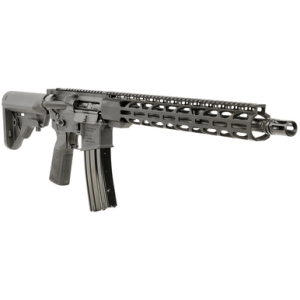
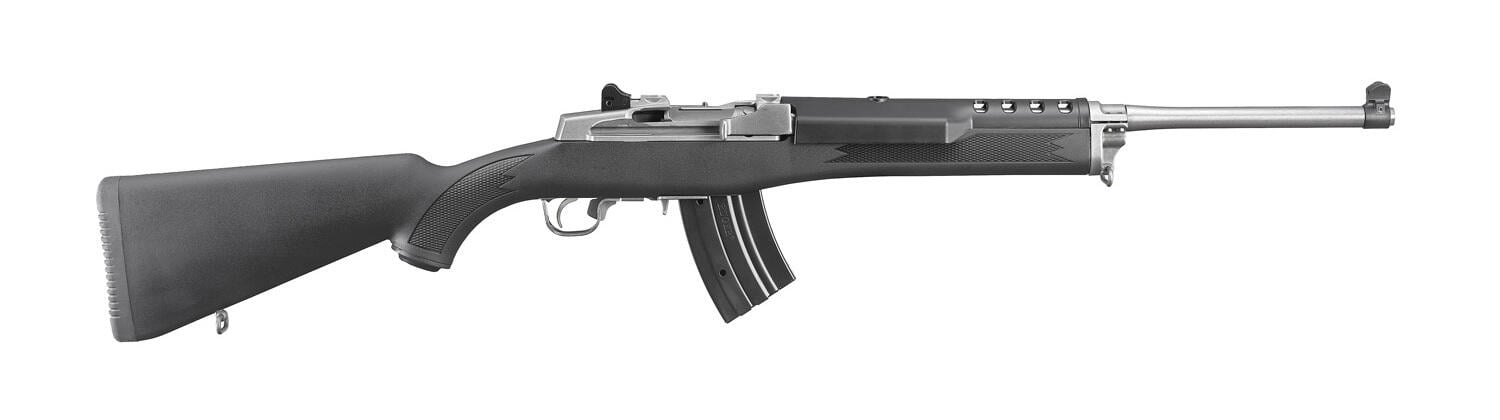
This comparison is really two rifle cultures. The 5.56 is the heart of the AR-15, with its modularity, accuracy and the deepest aftermarket on earth. The 7.62×39 is the soul of the AK, prized for brutal reliability in mud, sand and neglect. While 7.62×39 ARs and 5.56 AKs exist, most shooters pair each cartridge with its signature platform. Our best AR-15 rifles guide and our PSAK-47 vs WASR-10 AK comparison cover each side.
Reliability
Both are reliable in good rifles, but reputation favors the AK. The 7.62×39 in an AK is famous for running through filth that would choke other guns, a rugged simplicity that built its worldwide legend. The 5.56 AR-15 is also highly reliable when properly built and maintained, and decades of refinement have made it dependable, though it is a bit more sensitive to fouling than an AK. If absolute run-anything reliability is your priority, the AK and its 7.62 have the edge.
Ammo Cost and Availability
Historically the 7.62×39 was the cheapest centerfire rifle round thanks to abundant steel-case surplus imports, but the 2021 Russian ammo import ban raised prices and tightened supply, narrowing that gap. Today the 5.56 is the cheaper and more available round overall, with enormous domestic production and countless loads. Both remain affordable compared with magnum or specialty cartridges. Compare loads in our best AR-15 ammo and best 7.62×39 ammo guides.
Hunting
The 7.62×39 is the better deer cartridge of the two, roughly comparable to a .30-30 in performance and effective on deer-sized game inside about 150 to 200 yards, where its heavier bullet does clean work. The 5.56 is primarily a varmint and predator round and is restricted for deer in many states on energy grounds, though it works on smaller deer up close with the right bullet. For close-range deer hunting, the 7.62×39 is the more capable choice.
Home and Range Use
For home defense and general range work, both function well, and the choice again tracks the platform. A 5.56 AR is light, low-recoil, accurate and high-capacity, with defensive loads that perform well and over-penetrate less than many handgun rounds. A 7.62×39 AK is rugged and hard-hitting but heavier-recoiling and less precise. For most home-defense and high-volume range shooting, the 5.56 AR-15 is the more refined tool; the AK and 7.62 win on durability and simplicity.
Magazines and Capacity
Both commonly run 30-round magazines, so capacity is a wash, though the magazines themselves differ by platform and are not interchangeable. AR-15 5.56 magazines are cheap and ubiquitous, with countless options, while AK 7.62×39 magazines are rugged and proven and also widely available. Neither cartridge gives a real capacity advantage; the difference is which platform’s magazines you are buying into.
Who Each Round Is For
Choose 5.56 NATO if…
You want flat trajectory and range, with easy hits to 500 yards. You value accuracy, light recoil and the AR-15 ecosystem. You shoot a lot and want cheap, abundant ammo. For target work, distance, and a modular accurate rifle, the 5.56 is the pick for most American shooters.
Choose 7.62×39 if…
You want a heavier bullet that hits hard up close and through brush. You want the rugged, reliable AK platform. You hunt deer at short range or value barrier penetration. For close-range power and run-anywhere reliability, the 7.62×39 earns its legend.
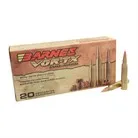
Live 5.56 Ammo Deals
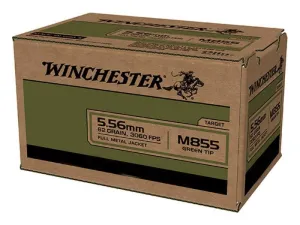
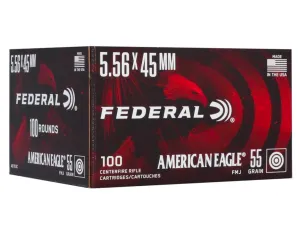
5.56 NATO Ammo on Sale
On-sale 5.56 from 200+ retailers · Updated every 4 hours





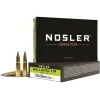
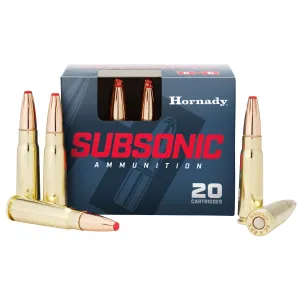
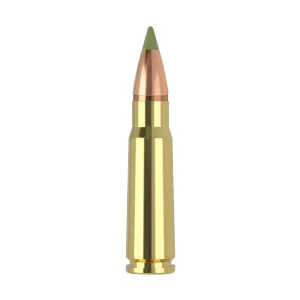
Live 7.62×39 Ammo Deals
7.62x39 Ammo on Sale
On-sale 7.62x39 from 200+ retailers · Updated every 4 hours



5.56 or 7.62×39: Which Should You Buy?
Buy 5.56 if: you want flat trajectory, longer range, light recoil, accuracy and the AR-15 aftermarket. That fits most American shooters and the AR platform.
Buy 7.62×39 if: you want a heavier hard-hitting bullet up close, the rugged AK, better brush and barrier performance, or a short-range deer round.
It often comes down to the rifle: most people choose the cartridge that matches their platform, AR for 5.56 and AK for 7.62×39. If you are weighing the rifles themselves, our AR-15 vs AR-10 and .300 Blackout vs 5.56 comparisons round out the AR-cartridge picture.
A Brief History of the Two Rounds
The 7.62×39 was the Soviet Union’s answer to the need for an intermediate cartridge, fielded in the SKS and then the legendary AK-47, and it went on to arm much of the world through the Cold War and beyond. It is rugged, proven and famously reliable in harsh conditions. The 5.56 NATO grew from the American 1960s push for a lighter, faster, flatter-shooting round, standardized across NATO and built around the AR-15 and M16 family, prioritizing accuracy, low recoil and the ability to carry more ammunition for the same weight.
These different design philosophies explain everything about how the two perform. The 7.62×39 was built for rugged reliability and close-to-medium-range punch, while the 5.56 was built for flat-shooting accuracy, light recoil and high ammo capacity. Comparing them is really comparing two national approaches to the same problem, both of which proved enormously successful and remain in wide use today.
Trajectory and Range
The 5.56 shoots much flatter and faster, giving it a meaningful advantage at distance where its light bullet drops less and is easier to hit with past 200 yards. The 7.62×39 fires a heavier, slower bullet on a more rainbow-like arc, which is fine inside 200 yards but requires more holdover as range grows. For longer shots and precise hits at distance, the 5.56 is the clear winner; for the close-to-medium engagements both cartridges were really designed for, the difference matters less than people assume.
Terminal Performance and Barriers
The two wound differently. The 5.56’s high velocity can cause dramatic fragmentation and tissue damage at close range with the right bullet, though performance depends heavily on velocity and barrel length. The 7.62×39’s heavier bullet delivers steady penetration and punches through intermediate barriers like brush and light cover more consistently. Hunters and defenders weigh this directly: the 5.56 excels with fast expanding bullets at speed, while the 7.62×39 offers reassuring penetration and is less affected by obstacles between muzzle and target.
Reliability and the Tapered Case
The 7.62×39’s heavily tapered case is part of why the AK is so legendarily reliable, since the shape feeds and extracts smoothly even when filthy. The cartridge tolerates dirt, neglect and abuse better than almost anything. The 5.56 is reliable in a well-maintained AR but is a bit more sensitive to fouling and prefers regular cleaning and lubrication. For absolute reliability in adverse conditions with minimal care, the 7.62×39 in an AK platform has earned its reputation, while the 5.56 trades a little of that ruggedness for accuracy and lighter recoil.
Magazines and Feeding
Platform choice shapes this comparison. The 5.56 lives in the AR-15 ecosystem with cheap, abundant, reliable magazines, while the 7.62×39 is most at home in the AK with its rugged steel magazines. The 7.62×39 can be chambered in AR-pattern rifles, but those builds historically had more feeding and magazine quirks because the cartridge’s taper and rim were designed around the AK. If you want the smoothest 7.62×39 experience, the AK platform is the natural home, while the 5.56 is the undisputed king of the AR-15.
Hunting Applications
For hunting, the 7.62×39 is the better deer and hog cartridge inside 150 yards, with a heavy bullet that resembles the proven .30-30 in performance and works well in brush. The 5.56 is primarily a varmint and predator round and is restricted or discouraged for deer in some states due to its light bullet, though it excels on coyotes and smaller game. If putting venison or pork in the freezer with your rifle matters, the 7.62×39 is the more capable hunting choice, while the 5.56 shines on small, fast pests at distance.
Ammo Cost and Construction
Both are among the more affordable centerfire rifle rounds, which is part of their popularity. The 7.62×39 is often found in inexpensive steel-cased imported ammo, making bulk practice cheap, though steel case and bimetal bullets wear barrels faster and some ranges restrict them. The 5.56 is available in cheap practice ammo and a vast range of quality brass-cased loads. For the lowest cost per round, surplus-style 7.62×39 often wins, while the 5.56 offers a wider spread of premium options for those who want match or defensive-grade ammunition.
Recoil and Controllability
Recoil is a clear win for the 5.56, which is notably soft-shooting and lets shooters stay on target for fast, accurate follow-ups, a major reason militaries favored it. The 7.62×39 kicks more, with a heavier push that is still manageable but slows rapid strings and tires newer shooters faster. For new shooters, smaller-statured shooters and anyone prioritizing fast accurate fire, the 5.56’s mild recoil is a genuine advantage, while the 7.62×39’s added push is the price of its heavier, harder-hitting bullet.
Common Myths
Myth: the 5.56 is a weak varmint round with no stopping power. The right bullet at speed is highly effective, which is why it remains a standard military and defensive cartridge. Myth: the 7.62×39 is wildly inaccurate. Quality ammo in a good rifle shoots well inside its intended ranges. Myth: 7.62×39 ARs never work. Modern dedicated 7.62×39 AR builds run well, though the AK remains the most proven home for the round.
Home Defense Considerations
Both serve as home-defense rifles, and the choice involves real trade-offs. The 5.56’s light, fast bullet can fragment quickly, and many defensive loads are designed to reduce over-penetration through walls, which appeals to home defenders worried about rounds traveling too far. The 7.62×39’s heavier bullet penetrates more and is harder to stop, a consideration in close quarters. Both are controllable in a carbine, but the 5.56’s lighter recoil and the availability of barrier-conscious defensive ammo give it a slight edge for the typical home-defense role indoors.
Barrel Length Effects
Barrel length changes each round’s character. The 5.56 depends heavily on velocity for terminal performance, so short barrels reduce its effectiveness and increase muzzle blast, while a 16-inch or longer barrel lets it perform as intended. The 7.62×39 is less velocity-dependent thanks to its heavier bullet and works well even from shorter barrels, which suits compact AK-style carbines. If you want a short, handy rifle, the 7.62×39 tolerates the chop better, while the 5.56 prefers a standard-length barrel to reach its full potential.
Suppressor Use
Suppressors work on both, but the experience differs. The 5.56 has a vast suppressor selection and is commonly suppressed, though it stays loud because the bullet breaks the sound barrier. The 7.62×39 can be suppressed as well, and subsonic loads exist for it, allowing a quieter setup with the right ammo and can. Neither is as quiet as a dedicated subsonic pistol cartridge, but for those wanting a suppressed rifle, the 5.56 has broader support while the 7.62×39 offers interesting subsonic options for a quieter heavy-bullet setup.
Which to Buy First
For a first rifle, the 5.56 AR-15 is the easy recommendation for most American shooters, thanks to cheap and plentiful ammo and magazines, mild recoil, flat trajectory, endless accessories and a vast support network that makes learning and upgrading simple. The 7.62×39 AK is a superb second rifle or a first choice for those who prioritize rugged reliability and close-range hunting punch. Many enthusiasts eventually own both, since they complement each other, but if you can buy only one to start, the 5.56 AR-15 is the more versatile, lower-cost entry.
The Ammo Supply Picture
Long-term ammo supply is worth weighing for a rifle you will feed for years. The 5.56 is manufactured domestically in enormous quantities, so its supply is deep and relatively stable, with countless brands and load options on shelves nationwide. The 7.62×39 has historically leaned on imported steel-cased ammo, which keeps it cheap but ties supply partly to import conditions that can shift. Domestic 7.62×39 production exists and is growing, but the 5.56 enjoys the more secure, homegrown supply chain, a practical point for anyone who wants confidence in feeding their rifle over the long haul.
Building and Customizing Your Rifle
Customization strongly favors the 5.56 AR-15, which sits at the center of the largest rifle accessory ecosystem in the world, with stocks, optics, triggers, handguards and parts for every budget and taste, making it endlessly buildable. The 7.62×39, whether in an AK or an AR, has solid but smaller aftermarket support, with the AK in particular following its own parts and accessory path. If you love tinkering, upgrading and tailoring a rifle exactly to your preferences, the 5.56 AR-15 offers unmatched options, while the 7.62×39 rewards those who appreciate the rugged simplicity of the AK platform as it comes.
How I Compared These Rounds
I ran both cartridges across AR and AK-pattern rifles and cross-checked every velocity, energy and ballistic figure against published manufacturer data and SAAMI specifications. Pricing reflects live tracking across the major retailers as of June 13, 2026. Because the two define different platforms, I focused the comparison on trajectory, range, terminal performance, recoil, reliability and cost, the factors that actually decide between them.
Related: New to the platform? Start with our AK-47 buyers guide before you spend a dime.
Bottom Line
The 5.56 NATO and 7.62×39 are the two great intermediate rifle cartridges, built around opposite philosophies. The 5.56 is the flat, fast, accurate, light-recoiling round of the AR-15, the better choice for range, distance and most American shooters. The 7.62×39 is the heavier, harder-hitting, rugged round of the AK, the better choice for close-range power, brush, and run-anywhere reliability. Pick the cartridge that matches how you shoot and the platform you want, and either will serve you well.
FAQ: 5.56 vs 7.62×39
Is 5.56 or 7.62x39 more powerful?
The 7.62x39 has slightly more muzzle energy and a much heavier bullet, so it hits harder up close. The 5.56 is faster and flatter with more energy retained at distance. Up close the 7.62 thumps harder; at range the 5.56 carries better.
Which has better range, 5.56 or 7.62x39?
The 5.56 has the clear range advantage. Its flat trajectory and high velocity make it practical to about 500 yards, while the heavier, slower 7.62x39 drops fast and is practical to about 300 yards. For distance shooting, choose 5.56.
Is 7.62x39 good for deer hunting?
Yes, at short range. The 7.62x39 performs roughly like a .30-30 and is effective on deer-sized game inside about 150 to 200 yards. The 5.56 is mainly a varmint round and is restricted for deer in many states, so the 7.62x39 is the better deer cartridge.
Does 7.62x39 have more recoil than 5.56?
Yes, somewhat. The heavier 7.62x39 bullet produces a firmer push than the light, fast 5.56, which has very mild recoil. The 7.62 recoil is moderate and manageable, but the 5.56 is the softer, faster-shooting round.
Which is cheaper, 5.56 or 7.62x39?
The 5.56 is now generally cheaper and more available. The 7.62x39 was historically the cheapest thanks to steel-case surplus imports, but the 2021 Russian ammo import ban raised its prices and tightened supply, narrowing the gap.
Can an AR-15 shoot 7.62x39?
Yes, AR-15s chambered in 7.62x39 exist, using modified magazines, though feeding can be more finicky than 5.56. Most 7.62x39 rifles are AK-pattern, and most AR-15s are 5.56. The cartridge usually follows the platform.
6,057+ Gun & Ammo Deals
Updated daily from 200+ top retailers. Filter by category, caliber, action type, and price.
Related Guides