

That thunderous boom and white cloud you have seen when someone hits a target at 300 yards almost certainly came from Tannerite. The Oregon company invented the binary exploding rifle target, and its name has become the word everyone uses for the whole category – the ProPack, the single 1/2 lb, 1 lb and 2 lb targets, the Brick and the rimfire White Lightning kit. Here is who they are, what they make, how it works, and how to use it responsibly.
Tannerite Deals — 41% Off or Better
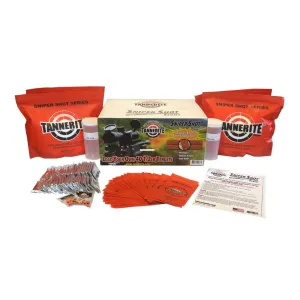
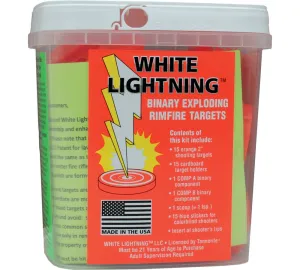
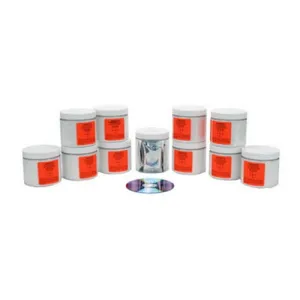
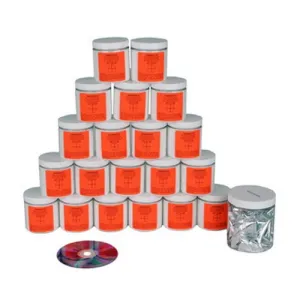
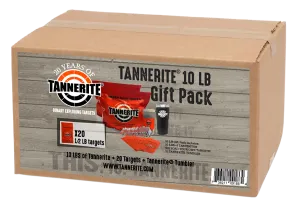
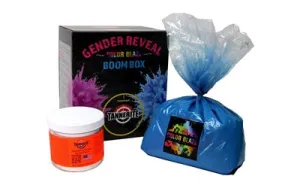
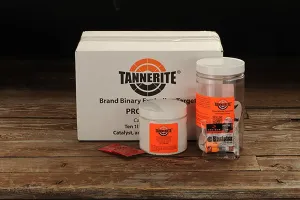
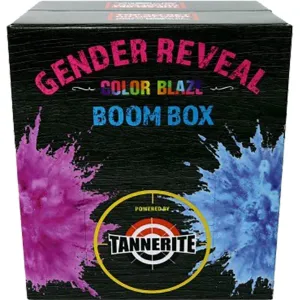
Table of Contents
Who Tannerite is
Tannerite is the Pleasant Hill, Oregon company that invented the binary exploding rifle target in 1996. Its targets ship as two non-explosive components that you mix on site; once mixed, the target detonates only when struck by a high-velocity centerfire rifle bullet, producing a cloud of vapor and a loud report.
The product was created by Daniel J. Tanner, who grew up fascinated by special effects, tinkering in his grandfather’s workshop. When he turned 21 and obtained a federal license, he set out to build an exploding target that was genuinely safe to ship, store and handle. He succeeded in 1996, formulated the Tannerite mixture and secured design and utility patents for it. The company, Tannerite Sports, has been the industry leader ever since.
The brand is such a category leader that “tannerite” has become the generic word people use for any binary exploding target – much like Kleenex or Velcro. Tannerite is in fact a registered trademark for one specific, patented product, and the company actively defends it. In tier terms, Tannerite is the original and the standard: trusted by hunters, law enforcement and the U.S. armed services, and the benchmark every cheaper generic is measured against.
How a binary target actually works
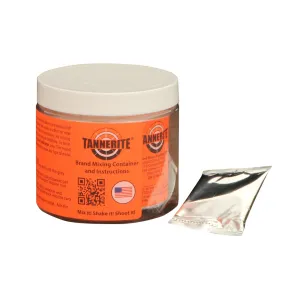
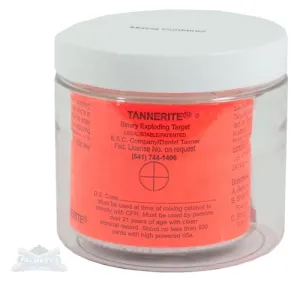
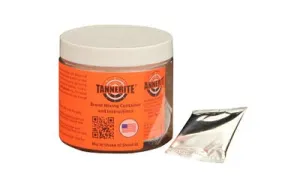
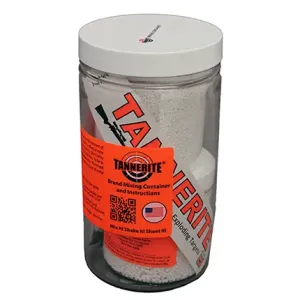
This is the clever part. A Tannerite target is sold as two separate, individually non-explosive ingredients: an oxidizer (the white pellets, primarily ammonium nitrate) and a small container of fine metal-powder catalyst. Apart, neither is an explosive, which is why you can legally buy and ship them without an explosives license. You combine them at the range – “mix it, shake it, shoot it” – and only the mixed compound is reactive.
Even mixed, it is deliberately hard to set off. Tannerite detonates only when struck by a bullet traveling at high velocity from a centerfire rifle – roughly 2,000 feet per second or more. It will not go off from a pistol, a shotgun, a rimfire .22 (the standard targets, anyway), a dropped container, a hammer blow or a flame. That high bar is the whole safety design, and it is what lets shooters use the targets to confirm a hit at distances where you cannot see the holes.
What Tannerite makes
Single targets and multi-packs
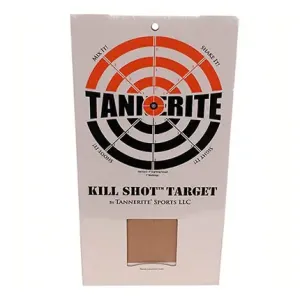
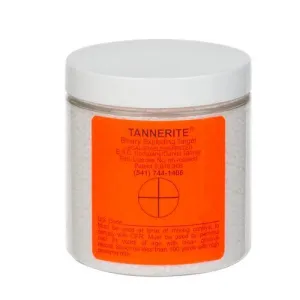
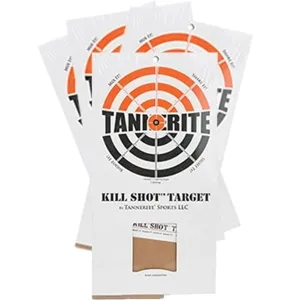
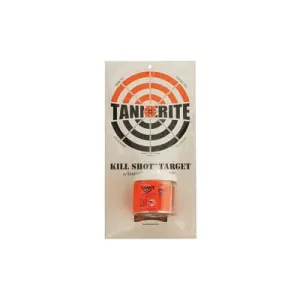
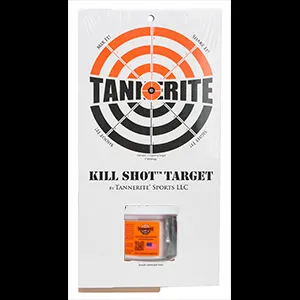
The core line is simple: single 1/2 lb, 1 lb and 2 lb reactive targets, each a jar of oxidizer with its catalyst, plus multi-packs like the ProPack 10 and ProPack 20, the Brick and Half Brick four-packs, and the Starter Pack for first-timers. Bigger jars make a bigger boom; the brand’s own guidance is to keep charges small and sensible.
Specialty kits
Beyond the basics there is White Lightning, a kit formulated to work with rimfire and lower-velocity rounds, the long-range Sniper Shot, and seasonal novelty products like the colored-powder Gender Reveal targets. The novelty items demand extra caution – more on that below.
Stands and accessories
Tannerite also sells target stands and holders to get the jar off the dirt and at a sensible height, which makes the hit easier to see and keeps the reaction up off the ground.
The legal and safety reality (read this first)
Tannerite is genuinely fun, and it is also a real explosive once mixed – so honesty matters more here than on any other product we list. A few hard truths:
- Check your state and local law. Exploding targets are restricted or effectively banned in some states (Maryland and California are the strictest), and rules change. The unmixed components are legal to buy in most of the country, but how you can possess and use the mixed target varies.
- Most public land says no. The U.S. Forest Service prohibits exploding targets on national forest land, largely because they have started wildfires. Many ranges and BLM areas ban them too. Use only where it is expressly allowed.
- Follow the published guidance. Tannerite’s own rules exist for good reason: keep charges small, stay well back, never add objects or shrapnel to a target, never use it in dry or fire-prone conditions, and never combine multiple large charges. Misuse has caused serious injuries, deaths and wildfires.
Used responsibly within the law, it is a great long-range hit indicator and a lot of fun. Used carelessly, it is dangerous and illegal. We list it on the understanding that you will treat it as the explosive it becomes.
How Tannerite compares
Among binary targets, Tannerite competes with cheaper generics like Sure Shot, Star Reloading and a host of unbranded “binary target” kits. They undercut Tannerite on price; Tannerite counters with the original patented formula, consistent quality and a long safety track record. The bigger comparison, though, is against non-explosive reactive targets: Birchwood Casey Shoot-N-C and Dirty Bird splatter targets that flash a bright halo on a hit, and AR500 steel targets that ring and last for thousands of rounds. If you want satisfying feedback without the boom, the legal headaches or the fire risk, those are the smarter everyday choice – which is the honest answer for most range trips.
Who should buy what
- Confirming long-range hits: a single 1/2 lb or 1 lb target on a stand – small, visible, sensible.
- A day of fun with friends (where legal): the ProPack 10 or 20 for value.
- First time: the Starter Pack, and read the instructions before you mix anything.
- Rimfire or lower-velocity rifles: the White Lightning kit.
- Everyday range feedback: honestly, skip the boom and shoot Birchwood Casey splatter targets or steel instead.
Look elsewhere entirely if you shoot on public land, in a fire-prone area, or in a restrictive state – in those cases a non-explosive reactive target is the right call, every time.
The Tannerite philosophy
Tannerite’s whole design ethos is “safe until you deliberately make it work.” The two-part chemistry, the high-velocity-only trigger, the published use guidelines – all of it exists so that a powerful product can be sold to the public responsibly. That engineering for safety, not just spectacle, is why Tannerite became the trusted original while the category filled up with imitators.
How to choose and use your Tannerite
Start with the law: confirm exploding targets are legal where you live and that the specific spot you will shoot allows them. Then size the charge to the job – a 1/2 lb target is plenty to confirm a hit and far safer than a big one. Put it on a stand on bare ground, well clear of brush, with everyone behind you at the distance the instructions specify. Mix only what you will shoot, never add anything to the jar, and never shoot it in dry, windy or fire-prone conditions. Done that way, it is a clean, dramatic hit indicator. Done any other way, it is a liability.
The word that became the category
It is a rare thing for a brand to become the dictionary word for an entire product type, but that is exactly what happened to Tannerite. From a young tinkerer in an Oregon workshop to a patented product trusted by the military, the company turned “an exploding target you can actually buy safely” into a household name – and then spent the years since reminding everyone that the genuine article is a specific, patented, responsibly engineered product, not just any jar of binary powder. Shoot it smart, shoot it legal, and it lives up to the name.
Shop Tannerite Targets & Prices
Live Tannerite exploding rifle targets, multi-packs and target stands with current prices, updated automatically.
Exploding Rifle Targets







Where Tannerite Fits in Our Buying Guides
- Best Rangefinders for Long-Range Shooting
- Best Spotting Scopes
- Best Ear Protection for Shooting
- Browse all gun gear and parts brands
Tannerite FAQ
Is Tannerite legal?
The unmixed components are legal to buy in most of the United States, because separately they are not explosives. But some states (notably Maryland and California) restrict or ban exploding targets, and most public land – including national forests – prohibits them. Always check your state and local law and the rules of the spot where you will shoot.
How is Tannerite set off?
Only by a bullet from a high-velocity centerfire rifle, roughly 2,000 feet per second or faster. It will not detonate from a pistol, shotgun, rimfire round, a fall, a hammer or fire. That high trigger threshold is the product’s core safety feature.
Who invented Tannerite?
Daniel J. Tanner formulated and patented the binary exploding rifle target in 1996. His company, Tannerite Sports, is based in Pleasant Hill, Oregon, and remains the industry leader.
Is all “tannerite” actually Tannerite?
No. “Tannerite” has become a generic word people use for any binary target, but it is a registered trademark for one specific patented product. Cheaper generics exist; Tannerite is the original.
Is Tannerite reusable?
No. It is a single-use consumable – one shot, one boom, and it is spent. For reusable feedback, steel targets or Birchwood Casey splatter targets are the better everyday choice.
What size Tannerite should I use?
For confirming a hit, a 1/2 lb or 1 lb target is plenty and far safer than a large charge. Tannerite’s own guidance is to keep charges small, stay well back and never combine large amounts.
Can I use Tannerite for a gender reveal?
Tannerite sells colored-powder Gender Reveal targets, but exploding-target reveals have caused fires and injuries when done carelessly. If you use one, do it only where legal, on cleared ground, away from anything flammable, and follow every safety instruction.
What tier is Tannerite?
The original and the standard: the patented, category-defining binary exploding target, trusted above the cheaper generics – to be used strictly within the law and the safety guidelines.
Related Targets & Training Brands
USA Gun Shop may earn a commission on purchases made through the links on this page, at no extra cost to you. We list products on merit; prices and availability are pulled live and can change. Always follow all applicable laws and the manufacturer’s safety guidance. Learn more at the official Tannerite site.
6,232+ Gun & Ammo Deals
Updated daily from 200+ top retailers. Filter by category, caliber, action type, and price.