

Last updated September 6th 2026
Some of the links below are affiliate links, meaning at no additional cost to you, we may earn a commission if you click through and make a purchase.
Table of Contents
How we tested: Every pick here is ranked against our testing methodology. Minimum round counts, accuracy and reliability protocols, the failures that disqualify a gun. Where we have not shot a specific variant ourselves, we say so in that section.
The Short Answer
The 22 ARC and .223 Remington both fire .224-inch bullets from an AR-15, and they aim at different jobs. Choose the 22 ARC for long-range varmint, predator and precision shooting, where heavy high-BC bullets and extra velocity stretch your effective range. Choose the .223 Remington for cheap, plentiful plinking, training, defense and close-range varmints, where its ubiquity and capacity win.
Hornady built the 22 ARC in 2024 to do something the .223 never could: fire heavy, high-ballistic-coefficient .224 bullets fast from a standard AR-15. The .223 has been in production since the 1960s and is still the most popular centerfire rifle cartridge in America for good reasons. This is not really a fight. It is two tools for two jobs that happen to share a bore.
Before you commit, read the section on what switching actually costs. The 22 ARC is not a barrel swap, and the parts list surprises people.
22 ARC vs .223 Remington: Specs at a Glance
| Spec | 22 ARC | .223 Remington |
|---|---|---|
| Introduced | 2024 | 1962 (civilian 1964) |
| Bullet diameter | .224 in | .224 in |
| Parent case | 6mm ARC / 6.5 Grendel | .222 Remington family |
| Common bullet weights | 62 to 88 gr | 55 to 77 gr |
| Typical loads | 62 gr at 3,300 fps / 88 gr at 2,820 fps | 55 gr at 3,240 fps / 77 gr at 2,750 fps |
| Standard twist | 1:7 | 1:8 to 1:9 |
| Bolt face | 6.5 Grendel (.441 in) | Standard AR-15 (.378 in) |
| AR-15 magazine | 6.5 Grendel pattern, ~25 rd | Standard, 30 rd |
| Ammo cost | Higher, growing | Cheapest, everywhere |
Figures from published Hornady and industry factory ballistics cross-referenced against ANSI/SAAMI cartridge standards, checked September 2026.
Pros
- Fires heavy high-BC bullets .223 cannot
- Far better wind resistance at distance
- More energy on coyotes past 300 yards
Cons
- Ammo is newer, pricier, harder to find
- Needs a new bolt and magazines
- Shorter barrel life than .223
Pros
- Cheapest centerfire rifle ammo made
- Standard 30-round AR-15 magazines
- Deepest rifle and parts ecosystem
Cons
- Cannot drive heavy high-BC bullets
- Loses badly to 22 ARC in wind
- Runs out of steam past 300 yards
Why the 22 ARC Exists
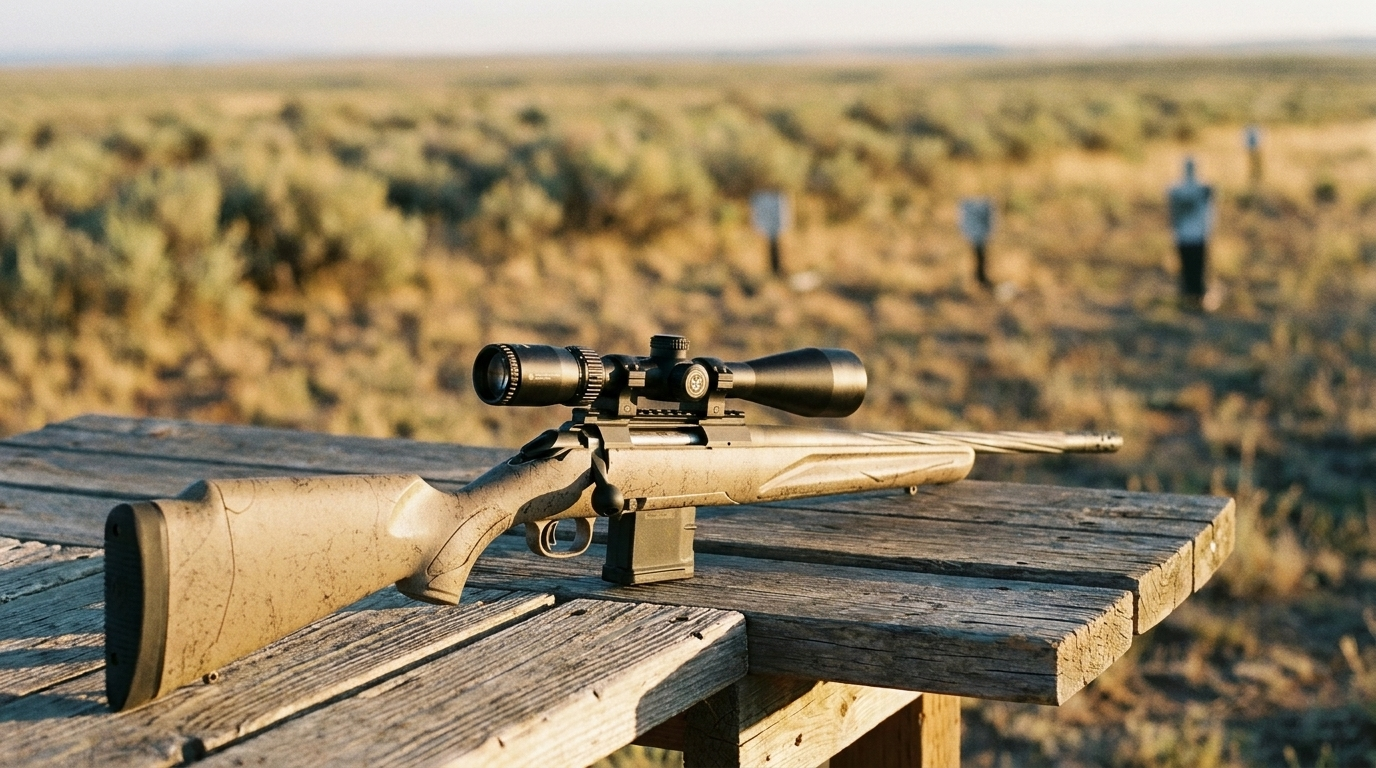
The .223 Remington’s limitation has always been its small case. It does brilliantly with light 55 to 77-grain bullets, and it cannot push the long, heavy, high-BC bullets that modern long-range shooting is built around. There is simply not enough powder capacity behind them.
The 22 ARC solves that by necking the fatter 6mm ARC and 6.5 Grendel case down to .224. The larger case holds more powder, and a fast 1:7 twist stabilises heavy 88-grain bullets, so the cartridge fires the wind-bucking projectiles the .223 cannot, out of a standard AR-15 lower. It is the long-range .22 the AR platform never had.
Be clear about what that means, because it is narrower than the marketing. The 22 ARC was designed around one specific capability: a heavy .224 bullet at useful speed. Almost everything good about it and every compromise it asks of you traces back to that single decision. If heavy bullets at distance are not what you do, you are paying for a capability you will not use.
Velocity and Energy
With light bullets the two are close at the muzzle. The 22 ARC pushes a 62-grain bullet around 3,300 fps and the .223 a 55-grain near 3,240. If you only ever read the top line of a ballistics chart, you would conclude these cartridges are nearly the same, and you would be wrong.
The separation comes with heavy bullets. The 22 ARC drives an 88-grain bullet at about 2,820 fps for roughly 1,550 foot-pounds, while the .223 tops out around a 77-grain at 2,750. That is a modest muzzle difference and a large downrange one, because the heavier, sleeker bullet keeps its speed while the lighter one bleeds it off.
On a coyote at 400 yards the 22 ARC arrives with meaningfully more energy and less drop, and that is the entire commercial case for the cartridge. Inside 200 yards, where most .224 shooting actually happens, the two put holes in things at a rate no animal could distinguish.
Trajectory and Wind: The Decisive Difference
Wind is where this stops being a close comparison. Heavy high-BC bullets resist deflection and hold velocity dramatically better than the light bullets the .223 is limited to. At 400, 600 and beyond, the 22 ARC drops less, drifts less and hits harder, which turns a .22-caliber AR into a genuine long-range tool.
The .223 is flat and accurate inside 300 yards and that covers most plinking and close varmint work honestly well. Push past that in any real wind and it falls behind fast, and it does so unpredictably, which is worse. Missing because you misjudged a 12 mph crosswind is more frustrating than missing because you misjudged range, since you can range a target and you can only estimate wind.
If your shooting happens at distance, this is the argument that should decide it. Everything else on this page is a cost or a convenience. Wind performance is capability.
Twist Rate and Bullet Weight
The twist rates tell you what each cartridge was designed to do. 22 ARC barrels come 1:7 as standard, because an 88-grain .224 bullet is long and needs a fast spin to stabilize. The .223 runs 1:8 to 1:9 in modern rifles, which handles its 55 to 77-grain range comfortably.
This is worth knowing if you are shopping used .223 rifles alongside a 22 ARC. Older .223 varmint barrels were often cut 1:12, made for 40 to 55-grain bullets, and they will not stabilize the 69 to 77-grain match bullets that get the .223 closest to competing here. A 1:12 .223 and a 1:8 .223 are effectively different cartridges in what they can shoot, and the 22 ARC’s advantage looks much bigger against the former than the latter. We cover the chamber side of that in 5.56 vs .223.
What Switching Actually Costs: Barrel, Bolt and Magazines
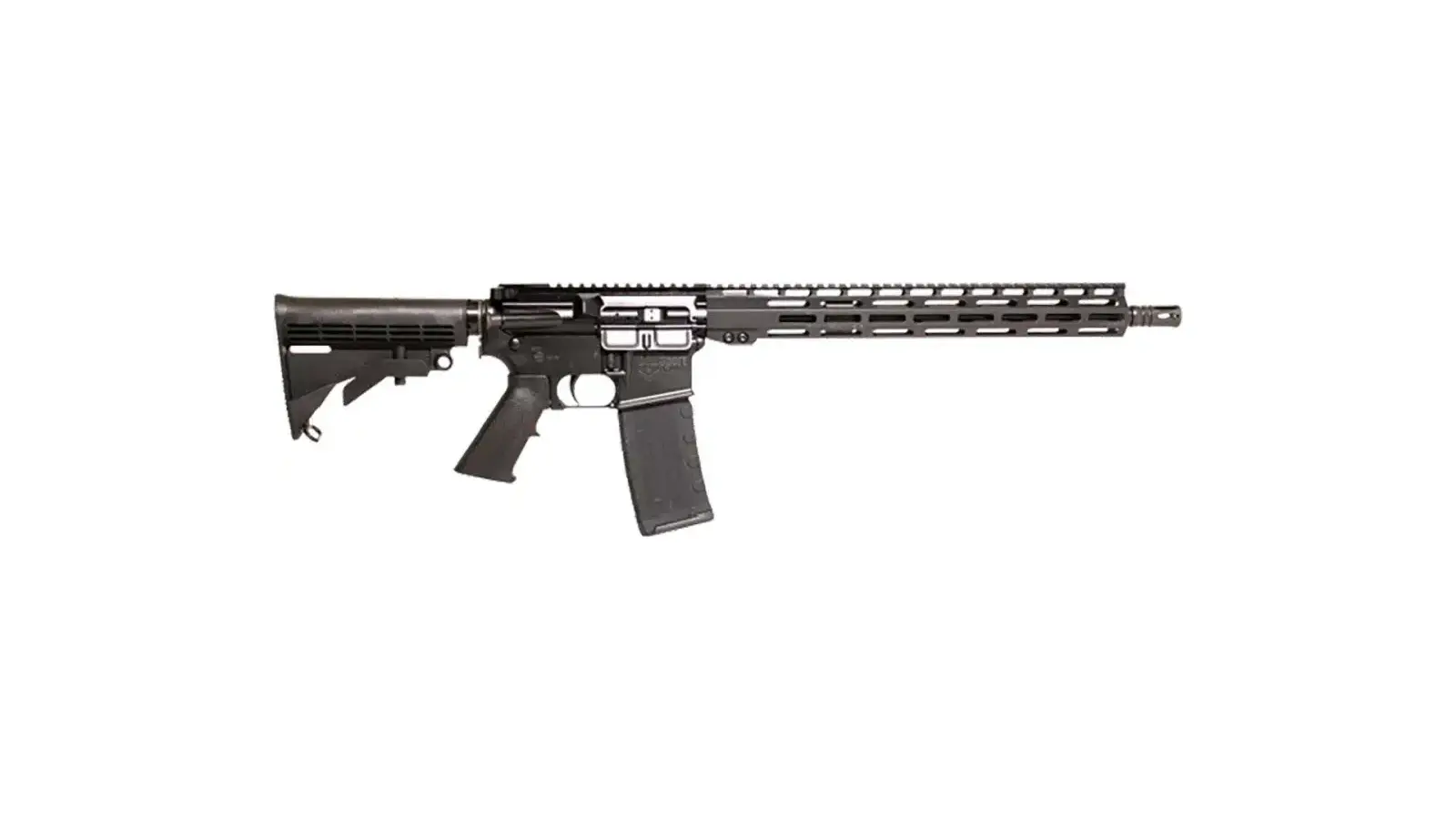
Here is the part that catches people, and it is the most practical thing on this page. Moving an AR-15 to 22 ARC is not a barrel swap. Because the cartridge is built on the fatter 6.5 Grendel case, it needs a different bolt face, so you are buying three things, not one:
- A 22 ARC barrel. Obvious, and the only part most people budget for.
- A 6.5 Grendel bolt. The .441-inch Grendel bolt face will not interchange with a standard AR-15 bolt. Your existing bolt carrier group is not reusable as-is.
- Grendel-pattern magazines. Your 30-round PMAGs do not feed it. Budget for a set, at higher cost and around 25 rounds each.
The good news is the lower receiver, trigger, stock, grip, handguard and optic all carry straight across, so buying a complete 22 ARC upper plus magazines is a genuinely clean way to add the capability to a rifle you already own. That is the setup most people end up with, and it is the one I would recommend: a .223 upper for volume and a 22 ARC upper for reach, sharing one lower.
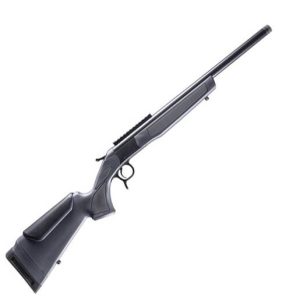
Just do not budget for a barrel and get surprised at the counter. And note that the ARC is not an AR-only cartridge: Ruger, Howa and CVA all chamber bolt-action and single-shot rifles for it, which is often the cheaper way in if you want the reach without owning the platform. Our best 22 ARC rifles guide covers the complete-rifle route if you would rather not build.
Barrel Life: The Cost Nobody Quotes
The 22 ARC burns noticeably more powder behind a .224-inch bullet than the .223 does. That is what buys the velocity, and it is also what wears the throat out faster. Every cartridge that pushes a small bore hard pays for it in barrel life, and the ARC is no exception.
For a varmint hunter shooting a few hundred rounds a season, this is irrelevant and you will never see the end of the barrel. For someone running high volume off a bench, it is a real line item, and it is worth factoring alongside the ammunition premium. The .223 is one of the gentler cartridges on a barrel, which is another quiet reason it remains the training round.
Nobody puts this on the box, and it is the kind of ownership cost that only shows up two years in. If your plan is to shoot a 22 ARC the way people shoot .223, price a spare barrel into that plan.
Recoil and Shootability
Both recoil very little, which is one of the joys of a .224-caliber AR. The .223 is famously mild, ideal for new shooters and high-volume plinking. The 22 ARC shoots heavier bullets and still kicks lightly, because the gas-operated AR soaks up most of what little there is.
Neither will punish you and both let you spot your own hits through the optic, which matters more for practical accuracy than most people credit. This is not a deciding factor between the two. Choose on range and ammunition cost, not recoil.
Magazines and Capacity
The .223 wins on capacity and simplicity. Standard AR-15 magazines, including cheap and ubiquitous 30-rounders, with no special parts and no thought required. For a defensive or high-volume role, that availability is a real advantage.
The 22 ARC feeds from 6.5 Grendel-pattern magazines that hold around 25 rounds and cost more. They are widely available and it is still an extra consideration and a small capacity hit. For a long-range varmint or precision gun, where you are shooting deliberately rather than running the magazine dry, it is a minor trade.
Ammo Cost and Availability
The .223 is the runaway winner and it is not close. It is the cheapest and most available centerfire rifle cartridge in the world, sold everywhere in bulk for plinking and in match grade for precision. Nothing the 22 ARC offers can compete on price or on the certainty that any shop in the country will have some. Our best AR-15 ammo guide covers the loads worth buying.
The 22 ARC is a 2024 Hornady cartridge, so it comes mainly from Hornady, costs considerably more, and can be scarce. Selection is growing and brass is available to handloaders, which is the route serious ARC shooters take. If you want to shoot a lot for a little, the .223 is unbeatable. If you want long-range performance and accept the running cost, the ARC delivers it.
What the 22 ARC Does Not Do
Worth being blunt, because new cartridges attract claims they never made. The 22 ARC is not a big-game round. It is a .224-inch bullet and most states that restrict .224 calibers for deer restrict this one too, so check your regulations before you plan a season around it. If big game is the goal, .223 vs .308 and .300 Blackout vs 5.56 cover the cartridges that actually do that job on an AR.
It is not a defensive upgrade either. Lower capacity, pricier ammunition and scarcer supply all point the wrong way for a rifle you keep for the house, where the .223 is better in every dimension that matters.
And it will not make a 300-yard shooter into a 600-yard shooter. The cartridge removes a ballistic limit; it does not supply wind reading, a stable position or a zero you trust. If you have not run out of .223 yet, you have not run out of .223 yet, and buying the ARC first is buying the answer to a question you have not asked.
My Recommendation
Buy the .223 Remington if you want cheap, plentiful, do-everything shooting. Unbeatable ammunition cost, 30-round magazines, minimal recoil and the deepest ecosystem in the industry make it the smartest choice for plinking, training, defense and close varmints, which is most of what AR owners actually do. Start with our best AR-15 rifles guide.
Buy the 22 ARC if you shoot .224 at distance and you have hit the .223’s ceiling in wind. Heavy high-BC bullets, better wind resistance and more downrange energy make it the clear pick for long-range varmint, predator and precision work.
For most people the .223 stays the default and the 22 ARC is the specialist second upper. That is the honest answer, and it is also the cheapest one: keep the lower, buy an ARC upper, a Grendel bolt and a set of magazines, and you have both cartridges for the price of neither rifle. If you shoot inside 300 yards, save the money and buy ammunition instead.
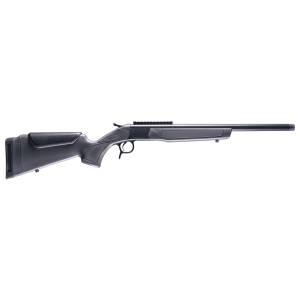
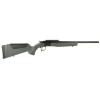
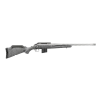
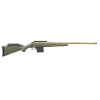
22 ARC Rifles: Live Prices
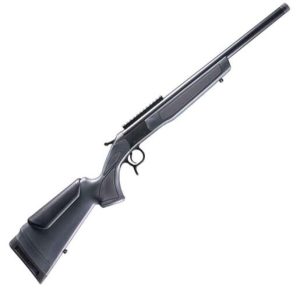
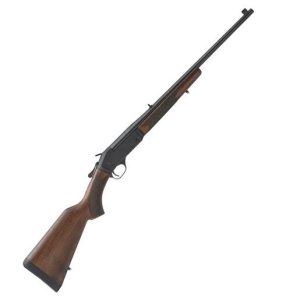
.223 Remington Rifles: Live Prices
FAQ: 22 ARC vs .223 Remington
Is the 22 ARC better than the .223 Remington?
For long-range varmint, predator, and precision shooting, yes, the 22 ARC is better, with heavy high-BC bullets, far superior wind resistance, and more downrange energy. For cheap, high-volume plinking, training, defense, and close varmints, the .223 Remington is better thanks to its unbeatable ammo cost, availability, and 30-round magazines.
What is the advantage of the 22 ARC over the .223?
The 22 ARC's big advantage is heavy, high-BC bullets. Its larger case and fast 1:7 twist let it fire 88-grain bullets the .223 cannot stabilize or drive, giving it dramatically better wind resistance, a flatter long-range trajectory, and more energy at distance, all from a standard AR-15.
Does the 22 ARC use the same magazines as the .223?
No. The .223 uses standard AR-15 magazines, including 30-rounders, while the 22 ARC feeds from 6.5 Grendel-pattern magazines that hold about 25 rounds because of its fatter case. The 22 ARC only needs a barrel, bolt, and Grendel-pattern mags to run in an AR-15.
Is the 22 ARC good for coyotes?
Yes, the 22 ARC is an excellent coyote and predator cartridge, especially at longer range. Its heavy high-BC bullets carry more energy and buck wind far better than the .223, extending your effective range on coyotes well past where the .223 starts to struggle.
Is the .223 enough for varmints?
Absolutely. The .223 Remington is a superb close to medium-range varmint cartridge, flat and accurate inside 300 yards and cheap enough to shoot all day. Its only real limit is long-range and windy conditions, where the heavier-bulleted 22 ARC pulls ahead.
Can you convert a .223 AR-15 to 22 ARC?
Yes, you can run the 22 ARC in an AR-15 lower by swapping to a 22 ARC barrel and bolt and using 6.5 Grendel-pattern magazines. It is a straightforward upper-build or upper-swap, which is part of the cartridge's appeal for shooters who already own an AR.
Which is cheaper to shoot, 22 ARC or .223?
The .223 Remington is far cheaper, being the most available and affordable centerfire rifle cartridge in the world, sold in bulk everywhere. The 22 ARC is newer and costs considerably more, so the .223 is the clear choice for high-volume, budget-conscious shooting.
What do I need to convert an AR-15 to 22 ARC?
Three parts, not one, and this is where budgets go wrong. You need a 22 ARC barrel, a 6.5 Grendel bolt (the .441-inch Grendel bolt face will not interchange with a standard AR-15 bolt, so your existing bolt carrier group is not reusable as-is), and Grendel-pattern magazines, since standard 30-round PMAGs will not feed it. Everything else carries straight across: lower receiver, trigger, stock, grip, handguard and optic. Buying a complete 22 ARC upper plus magazines is the cleanest route.
Does the 22 ARC wear out barrels faster than .223?
Yes. The 22 ARC burns noticeably more powder behind the same .224-inch bullet, which is what buys the velocity and what erodes the throat faster. For a varmint hunter shooting a few hundred rounds a season it is irrelevant. For high-volume bench shooting it is a real line item that belongs in the budget alongside the ammunition premium. The .223 is one of the gentler centerfire cartridges on a barrel, which is part of why it stays the training round.
5,380+ Gun & Ammo Deals
Updated daily from 200+ top retailers. Filter by category, caliber, action type, and price.
Related Guides