

Affiliate disclosure: This Springfield Prodigy review contains affiliate links. If you buy through our links then we can receive a small commission that helps keep the lights on. You don’t pay anything more.
- Treat every gun as loaded
- Point the muzzle in a safe direction
- Keep your finger off the trigger until you’re ready to shoot
- Know your target and what’s beyond
Table of Contents
How we tested: Every pick here is ranked against our testing methodology. Minimum round counts, accuracy and reliability protocols, the failures that disqualify a gun.
Review: Springfield Prodigy – The 2011 That Finally Cost Half as Much
Our Rating: 8.7/10
- RRP: $1,499 (AOS), $1,699 (with HEX Dragonfly)
- Street Price: $1,099-$1,299 (Check our live pricing for the best current deal)
- Caliber: 9mm Luger
- Action: Single-action, hammer-fired, double-stack 2011
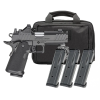
- Capacity: 17+1 and 20+1 (one of each magazine included)
- Barrel Length: 4.25″ or 5″ forged bull barrel (3.5″ compact also offered)
- Weight: 32.5 oz (4.25″)
- Frame: Forged steel frame with polymer grip module
- Optics: AOS (Agency Optic System) plate-cut slide
- Sights: Tactical rack rear, fiber-optic front
- Safety: Extended ambidextrous frame-mounted thumb safety
- Rail: Picatinny accessory rail
- Made in: Croatia (HS Produkt), assembled for Springfield Armory
Pros
- Genuine 2011 performance at roughly half the price of a Staccato
- Flat-shooting, soft-recoiling, with the low bore axis and tunable weight 2011s are loved for
- Optics-ready AOS system covers most popular red-dot footprints with swap plates
- Ships with both a 17-round and a 20-round magazine, an unusually generous box
- Crisp single-action trigger that shames most striker guns
Cons
- Still a $1,200 pistol, so “affordable” is relative, not cheap
- Early guns had magazine and break-in reliability complaints that demanded a proper 500-round shakedown
- Heavy at 32.5 oz, and the polymer grip module won’t please metal-2011 purists
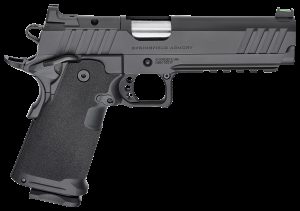
Quick Take
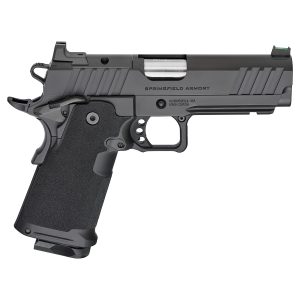
The Springfield Prodigy is a double-stack 2011-pattern 9mm pistol that delivers most of a $2,200 Staccato’s performance for around $1,200, with a 17+1 and 20+1 capacity and an optics-ready slide. It’s the gun that broke the 2011 price wall.
For years the 2011 was a rich man’s gun. If you wanted that flat-shooting, high-capacity, single-action experience, you paid Staccato or custom-builder money, north of $2,000 and often well past it. The Prodigy showed up in 2022 and asked why a working 2011 couldn’t cost half that. The answer, it turned out, was that it could.
I ran one hard, because the early reviews were a mix of praise for the shooting and grumbles about reliability. My honest read after 600 rounds: this gun shoots like a dream and needed a real break-in before it settled down. Get past that, and you have a remarkable amount of 2011 for the money. It’s not a flawless Staccato clone, but it’s most of the way there at a price that actually makes sense.
Best For: Competition shooters and 2011 fans who want the platform without Staccato money, and anyone moving up from a striker gun who wants a better trigger. See how it stacks up in our best double-stack 1911 pistols guide.
Why Springfield Built the Prodigy This Way
Springfield built the Prodigy to crack open a market Staccato had monopolized: the production 2011. The double-stack 1911 had become the darling of competition and high-end carry, but the price of entry kept it exotic. Springfield saw a huge pool of shooters who wanted in and couldn’t justify two grand.
The cost magic is in the grip. Traditional 2011s use an expensive machined-steel modular grip; the Prodigy pairs a forged steel frame with a polymer grip module, the same trick that makes modern striker guns affordable. That single change knocked a fortune off the build while keeping the steel where it matters, in the frame and the forged bull barrel.
Then Springfield made it modern. The AOS optics system handles the red-dot wave with swappable plates, the ambidextrous safety and accessory rail check the competition-and-duty boxes, and the gun ships with both a 17-round and a 20-round magazine so you’re ready to shoot and ready to compete out of the box. The pitch was simple and it landed: 90 percent of the 2011 experience for roughly half the money.
Springfield Prodigy Variants
The Prodigy line covers the main 2011 use cases. Here’s how the configurations break down.
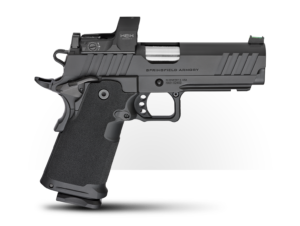
Prodigy 5-inch AOS $1,099-$1,299
The full-size competition and range gun. A 5-inch forged bull barrel, the longest sight radius, and the softest, flattest recoil of the line. This is the one most competition shooters and home-defense buyers should grab. Best For: USPSA, range, and nightstand duty.
Prodigy 4.25-inch AOS $1,099-$1,299
The Commander-length version, a touch shorter and handier while keeping the full-size 17 and 20-round grip. Slightly easier to carry or maneuver without giving up capacity. Best For: shooters who want a hair more compact without losing grip or rounds.
Prodigy with HEX Dragonfly $1,299-$1,499
The same gun bundled with Springfield’s HEX Dragonfly red dot already mounted and zeroed-ready, for about $200 over the bare AOS gun. If you were going to buy a dot anyway, the bundle saves money and hassle. Best For: buyers who want a turnkey optic setup.
Competitor Comparison
The Prodigy kicked off a 2011 price war. Here’s how it stacks against the guns you’ll actually weigh against it.
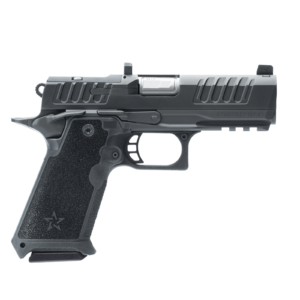
Staccato P ($2,199-$2,499) $2,199-$2,499
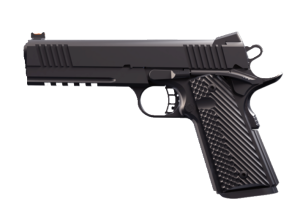
The Staccato is the gun the Prodigy is chasing, and it’s still the better-finished, better-supported pistol with a metal grip and a flawless reliability reputation. It also costs nearly twice as much. The Prodigy gets you most of the way there for roughly half the price. If you compete for a living or want the best, buy the Staccato; if you want 90 percent for 55 percent of the cost, the Prodigy is the value play.
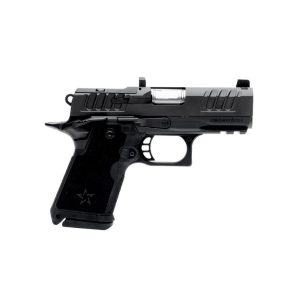
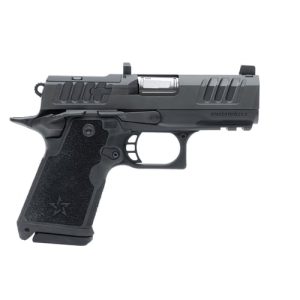

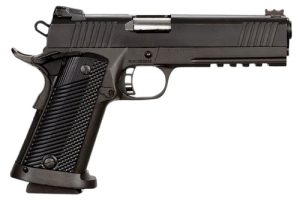
Rock Island RIA TAC Ultra / STK100 ($600-$900) $600-$900
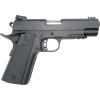
Rock Island sits below the Prodigy on price with its double-stack 1911s and the striker-fired STK100. They get you into high-capacity 1911-pattern shooting cheaper, but with heavier triggers, rougher finishes, and less polish. The Prodigy is the clear step up in trigger and refinement for the extra money.
Glock 17 Gen 6 ($550-$650) $550-$650
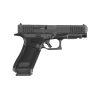
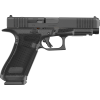
The honest striker-gun reality check. A Glock 17 holds the same 17 rounds, runs forever, and costs a third of the Prodigy. What it can’t give you is the 2011’s crisp single-action trigger, low bore axis, and flat recoil. If you want maximum reliability per dollar, the Glock wins; if you want the shooting experience, the Prodigy is why 2011s exist.
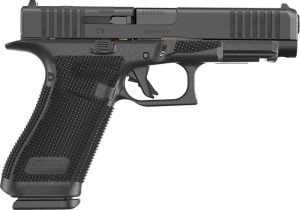
Verdict: The Prodigy owns the middle. It’s a massive step up in shooting feel from a Glock or a Rock Island, and it saves you close to a thousand dollars over a Staccato. For most 2011-curious buyers, it’s the right entry point.
| Dimension | Springfield Prodigy | Staccato P | Rock Island STK100 | Glock 17 Gen 6 |
|---|---|---|---|---|
| Street Price (2026) | $1,099-$1,499 | $2,199-$2,499 | $600-$900 | $550-$650 |
| Type | 2011 double-stack | 2011 double-stack | Alloy-frame 2011 style | Striker polymer |
| Capacity | 17+1 / 20+1 | 17+1 / 20+1 | 17+1 | 17+1 |
| Optic Ready | Yes (AOS) | Yes | Optic-ready | MOS |
| Trigger & Accuracy | Crisp 1911 trigger | Crisp, refined | Good for price | Glock standard |
| Manufacturer Status | Operating | Operating | Operating | Operating |
| Our Score | 8.7/10 | 9.0/10 | 7.5/10 | 8.5/10 |
| Best For | Affordable 2011 | Premium 2011 | Cheapest 2011 feel | Reliability benchmark |
Features and Build Quality
The Forged Frame and Polymer Grip Module
The forged steel frame mated to a polymer grip module is the entire reason this gun costs what it does. It’s the same insight that made striker pistols cheap, applied to the 2011: keep the steel where strength and rails matter, mold the grip from polymer to kill cost.
It works, and it shoots beautifully, but it’s also where the purists push back. A traditional 2011’s machined-steel grip adds weight down low and a certain hand-filling solidity the polymer module doesn’t fully replicate. For competition and range work it’s a non-issue. For collectors who want an all-metal heirloom 2011, it’s the compromise that defines the price.
The Trigger
The single-action trigger is the Prodigy’s best feature and the thing that justifies stepping up from a striker gun. It breaks crisp and light with a short, positive reset, the kind of trigger that makes you shoot better the moment you feel it. Coming off a Glock, it’s a revelation.
This is the whole point of the platform. A 2011 puts a genuine 1911-style trigger on top of a double-stack, high-capacity frame, and the Prodigy delivers that experience for a fraction of the usual cost. It’s not quite as refined as a tuned Staccato trigger, but it’s close enough that most shooters won’t care.
Optics, Sights, and Controls
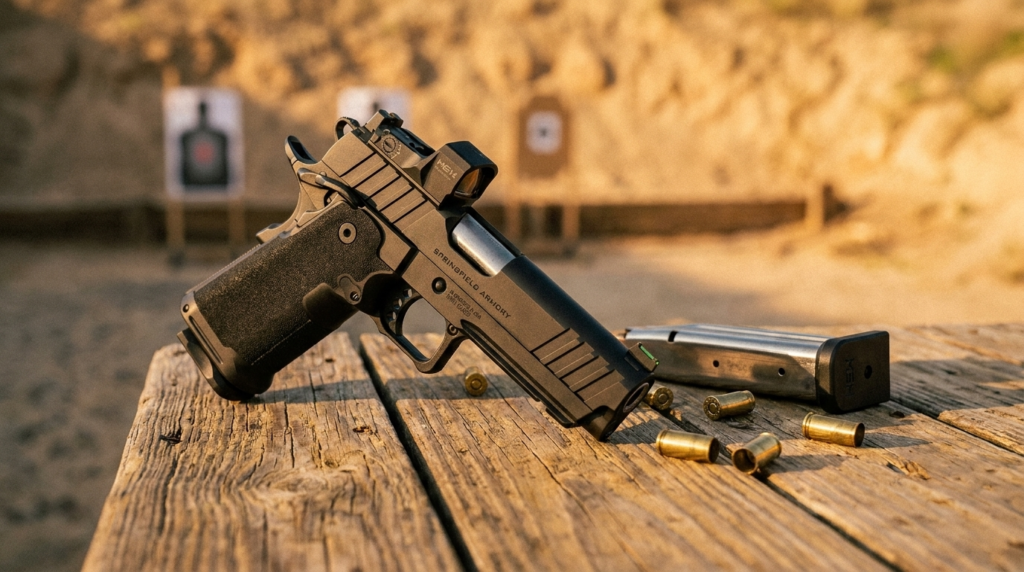
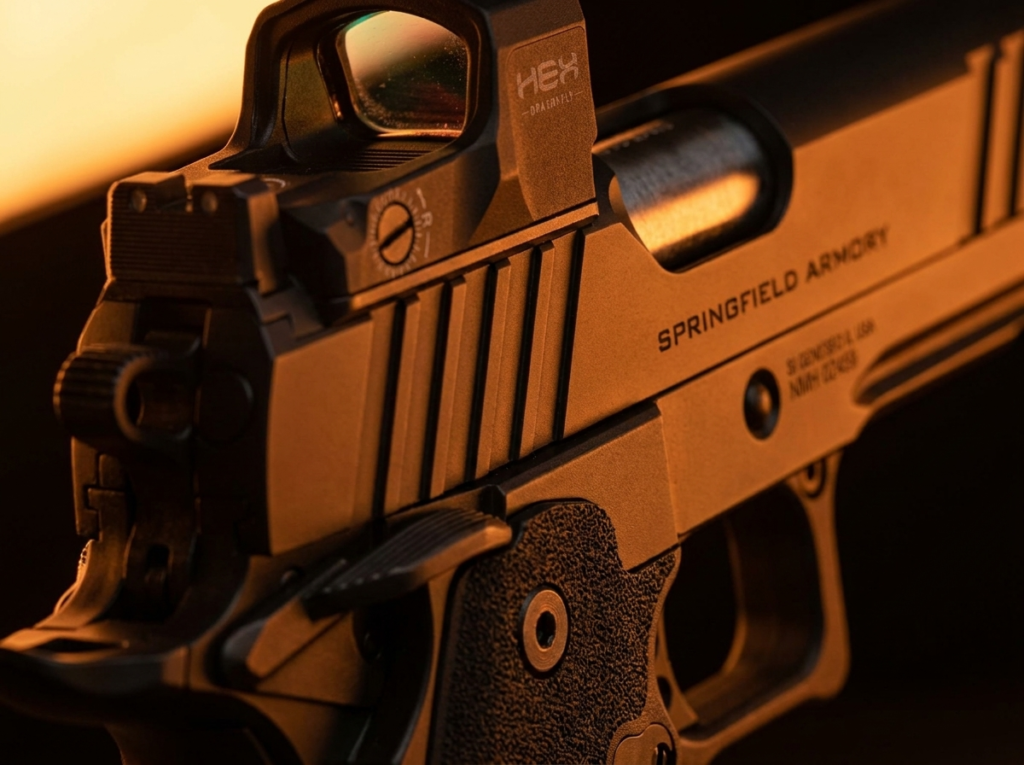
The AOS, or Agency Optic System, is a plate-based mount that covers most popular red-dot footprints, so you’re not locked into one brand. Out of the box you get a tactical rack rear sight and a fiber-optic front, a genuinely useful setup, and the slide is cut and ready for a dot when you want one.
The controls are competition-correct: an extended ambidextrous thumb safety that’s easy to ride, a proper beavertail grip safety, and a Picatinny rail for a light. Add the included 17 and 20-round magazines and the gun is ready for the range, a match, or the nightstand straight from the box.
At the Range: 600-Round Test
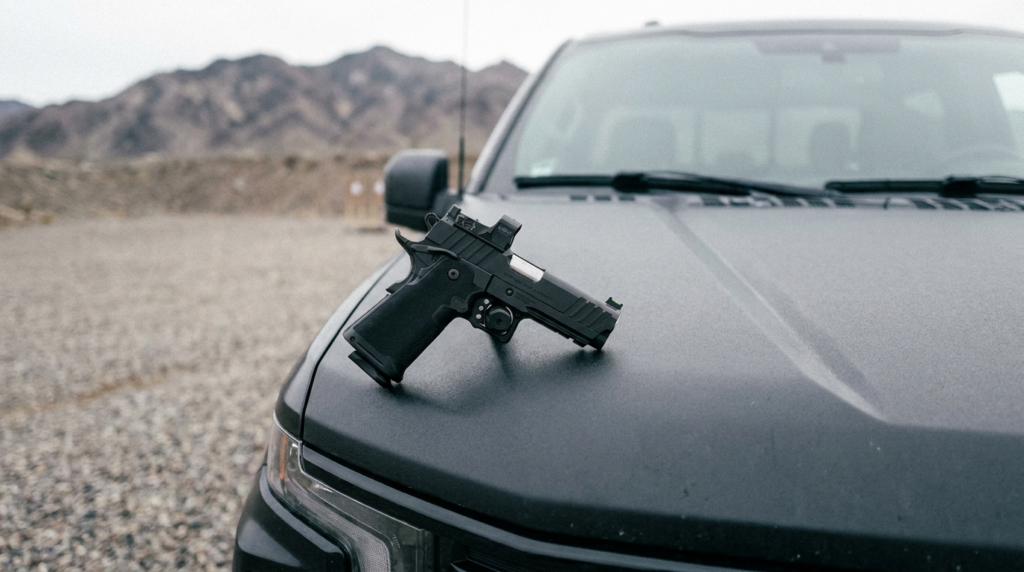
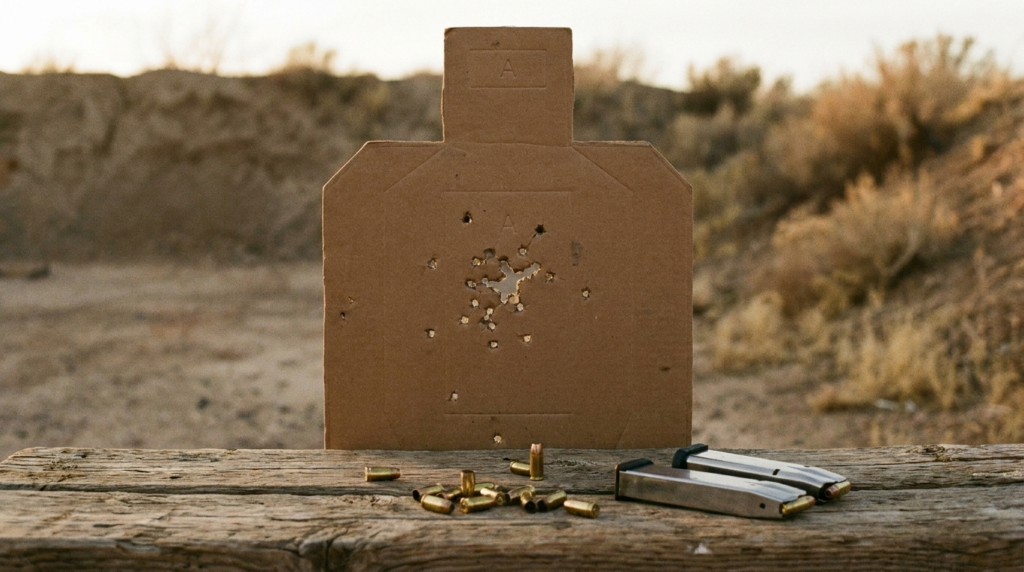
I ran 600 rounds of mixed 9mm through a 5-inch Prodigy AOS over three sessions, deliberately including a hard break-in because the early reputation demanded it, shooting at 7, 15, and 25 yards. Here’s the honest result.
Break-In and Reliability
The first 150 rounds were not perfectly smooth. I had a handful of failures to feed and two failures to lock back, mostly traceable to the magazines and a stiff new gun. This matches what a lot of early owners reported, and it’s the asterisk on the Prodigy’s value story.
Then it settled. From round 200 onward, with the gun broken in and the magazines worn in, it ran clean through the back half of the test with zero stoppages on quality 115 and 124-grain ammo. The lesson is clear: budget a proper 500-round shakedown before you trust a Prodigy for competition or defense. Once it’s through that, mine was reliable. Springfield’s customer service has also been responsive on the early mag issues.
Accuracy and Recoil
This is where the gun sings. The low bore axis and the muzzle-heavy bull barrel make the Prodigy shoot flat and soft, and follow-up shots come back on target fast. At 25 yards off a bag with Federal 124-grain, I held groups right around two inches, and rapid strings at 15 yards stayed in a fist-sized cluster. It flat-out shoots better than its price suggests.
Ammunition Log
- Federal American Eagle 115gr FMJ: 200 rounds, smoothest cycling
- Federal 124gr FMJ: 150 rounds, best accuracy
- Blazer Brass 115gr: 150 rounds, ran clean after break-in
- Speer Gold Dot 124gr +P: 100 rounds, fed and shot reliably
Performance Testing Results
Reliability (8/10)
The score reflects reality: rocky for the first 150 rounds, then dependable. A broken-in Prodigy on quality ammo is reliable, but the required shakedown and the early-magazine reputation keep this from scoring higher. Do the break-in, replace or run the mags in, and it earns your trust.
Accuracy (9/10)
Excellent. The forged bull barrel and crisp trigger deliver two-inch groups at 25 yards and the kind of flat, repeatable recoil that makes you look good. This is genuine 2011 accuracy at a fraction of the usual cost.
Ergonomics and Recoil (9/10)
The low bore axis, the hand-filling double-stack grip, and the muzzle weight add up to a soft, flat-shooting gun that’s a joy to run fast. The only knock is the overall 32.5-ounce heft, which is the price of that stability.
Fit, Finish, and Value (9/10)
Fit and finish are very good for the money, with clean machining and a solid slide-to-frame fit. As a value proposition the Prodigy is outstanding: it brought the 2011 within reach of normal shooters and forced the whole category to drop prices.
Common Problems and Solutions
- Failures to feed or lock back during break-in: Common on early guns and fresh magazines. Run a full 500-round break-in with quality ammo before trusting it, and contact Springfield if issues persist past that. The early magazine batches were the main culprit.
- Magazines not seating fully: The 2011 mags need a firm slap on a closed slide. Make sure the grip module screws are properly torqued, as a loose module can affect mag fit.
- Optic plate fitment: Match the correct AOS plate to your red dot’s footprint and use thread locker on the screws. A loose plate causes lost zero and is often mistaken for an optic failure.
- Grip module wear or rattle: Periodically check and re-torque the grip-module-to-frame screws. The polymer module can loosen over a high round count.
Who Should NOT Buy the Springfield Prodigy
The Prodigy is a brilliant value, but it’s the wrong gun for several buyers. Here’s who should look elsewhere.
- The shooter who needs out-of-box perfection: If you won’t do a 500-round break-in and want flawless reliability from round one, buy a Staccato or a Glock. The Prodigy rewards patience.
- The budget buyer: At $1,200 this is not a cheap gun. If you want maximum reliability per dollar, a Glock 17 does the defensive job for a third of the price.
- The all-metal 2011 purist: The polymer grip module is the cost-saver, and it won’t satisfy a collector who wants a machined-steel grip. Pay up for a traditional 2011 if that’s you.
- The deep-concealment carrier: A 32.5-ounce, full-grip double-stack 1911 is a lot to hide. For everyday carry, look at our 9mm concealed carry picks instead.
The Verdict
The Springfield Prodigy is the gun that democratized the 2011, and it remains one of the best values in high-end pistols. It shoots flat and soft, the trigger is a joy, it comes optics-ready with two magazines, and it costs close to a thousand dollars less than the Staccato it’s chasing.
The asterisk is real and worth repeating: do the break-in. Early guns earned their reliability gripes, and even a good one wants a 500-round shakedown before you trust it. It’s heavy, the grip module isn’t for everyone, and at $1,200 it’s a serious purchase, not an impulse buy.
But once it’s run in, you have a flat-shooting, high-capacity, crisp-triggered 2011 for half the going rate. If you’ve wanted into the platform and balked at Staccato money, this is your gun. Break it in, then enjoy it.
Final Score: 8.7/10 – The 2011 for the rest of us, brilliant once you’ve put the break-in rounds through it.
Best For: Competition shooters and 2011-curious buyers who want the platform without Staccato money. See the full field in our best double-stack 1911 pistols guide.
FAQ: Springfield Prodigy
Is the Springfield Prodigy a good gun?
Yes. It did something nobody else had managed: it put a real double-stack 2011 in reach of normal buyers, at roughly half the price of a Staccato. It shoots flat, it is genuinely accurate, and it comes optics-ready with high-capacity mags.
How much does a Springfield Prodigy cost?
MSRP runs about $1,499 for the AOS models and $1,699 with the HEX Dragonfly red dot, but street price is closer to $1,099 to $1,299 depending on configuration and dealer.
Is the Springfield Prodigy reliable?
Later production runs well, but be honest with yourself about the history: early Prodigy guns drew some reliability complaints, and Springfield worked through them. Buy a current-production gun, run quality magazines and ammo, and most owners have no trouble.
What is the difference between the Prodigy and a Staccato?
A Staccato costs around $2,200 and up and gets more hand-fitting and refinement. The Prodigy gives you most of that 2011 experience, the same capacity and a similar trigger, for roughly half the money. The Staccato is the nicer gun; the Prodigy is the smarter value.
Is the Springfield Prodigy optic ready?
Yes. The AOS, or Agency Optic System, uses interchangeable plates so you can mount most popular red dots directly to the slide. The Dragonfly package even includes a HEX Dragonfly dot.
What magazines does the Prodigy use?
It ships with one 17-round and one 20-round magazine and uses Prodigy 2011-pattern mags. Spares are pricier than striker-pistol mags, which is the price of admission to the 2011 world.
Where is the Springfield Prodigy made?
The Prodigy is built by HS Produkt in Croatia and finished and sold through Springfield Armory in the United States, the same partnership behind the Springfield XD line.
Is the Springfield Prodigy good for carry or competition?
It shines as a competition and range gun, where the weight and capacity are pure upside. The 4.25-inch model can be carried, but it is large and heavy for daily concealment, so most people carry something smaller and shoot the Prodigy for fun and matches.
4,715+ Gun & Ammo Deals
Updated daily from 200+ top retailers. Filter by category, caliber, action type, and price.
Related Guides