
- Treat every gun as loaded
- Point the muzzle in a safe direction
- Keep your finger off the trigger until you’re ready to shoot
- Know your target and what’s beyond
Last updated March 20th 2026
The 1911 has been customized by gunsmiths and owners since John Browning designed it over a century ago. That’s not marketing fluff. People have literally been fitting, tuning, and upgrading this platform since before World War I. The aftermarket is vast: match barrels, competition triggers, beavertail grip safeties, exotic grips in every material imaginable, and every spring, pin, and plunger the design requires. If you can name it, someone makes an upgraded version of it.
We compare 1911 parts from Brownells, MidwayUSA, Palmetto State Armory, Optics Planet, and 80+ other retailers so you can find the best price without calling six different shops. Filter by part type, brand, and price. Every link goes straight to the retailer.
Fair warning: the 1911 is not a Glock. Many parts require hand-fitting to work properly. Read the guide below before you buy so you know what’s truly drop-in and what’s going to need a file and some patience.


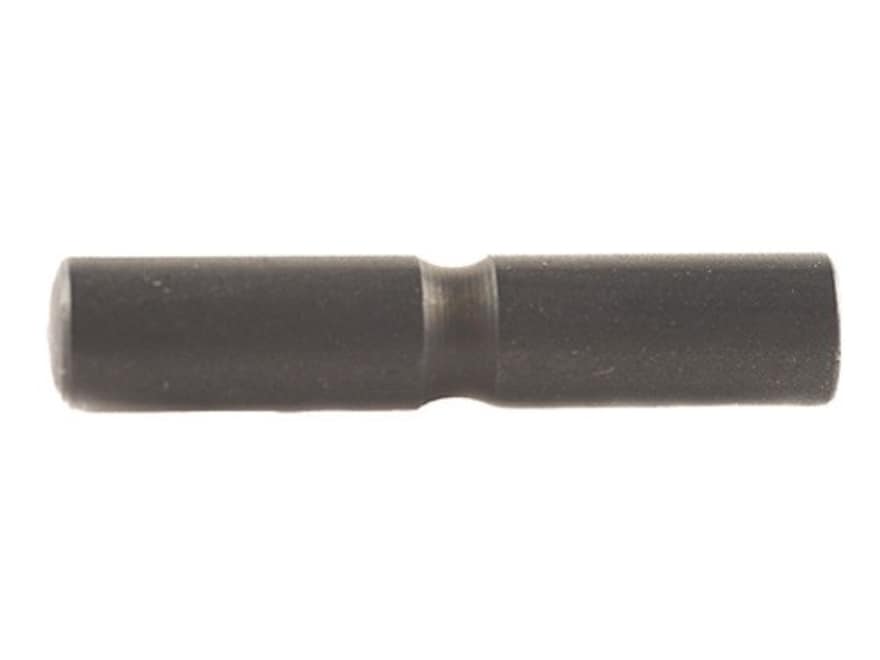


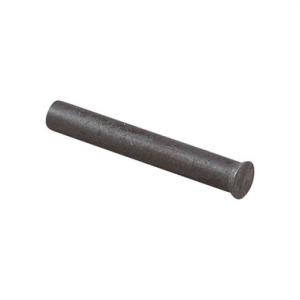
Wilson Combat Sear Pin B for 1911 Government and Officer Models
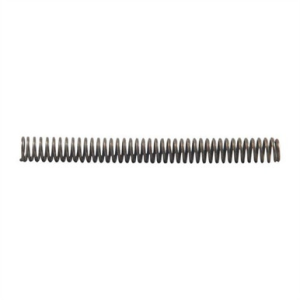
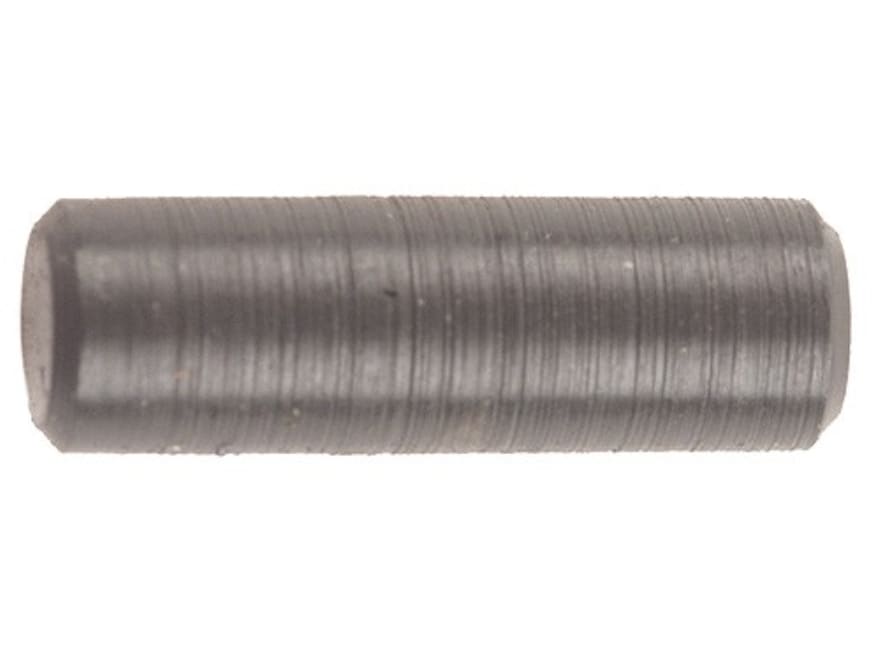
Wilson Combat 1911 Auto Factory Plus Firing Pin Spring Commander Government


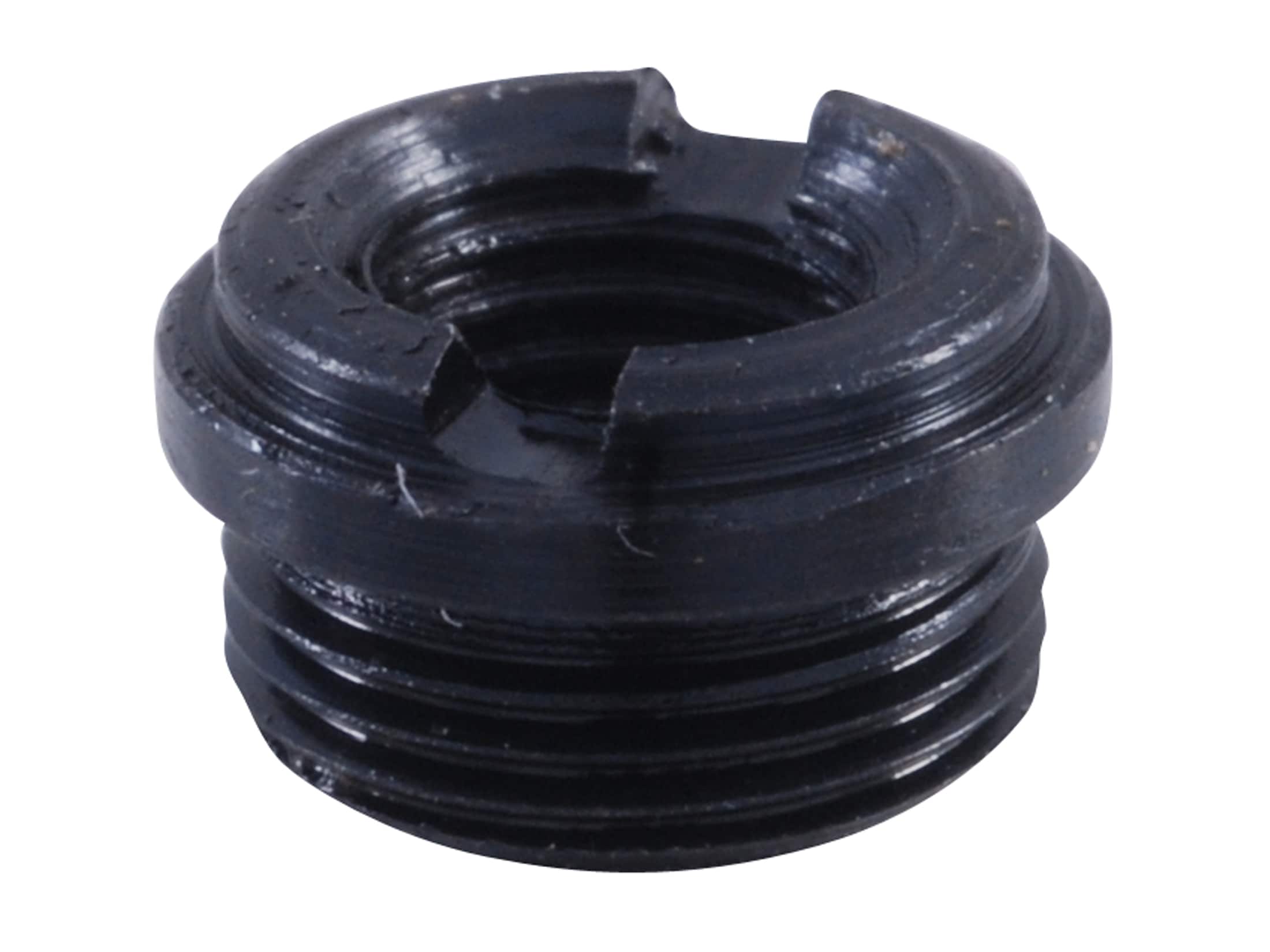
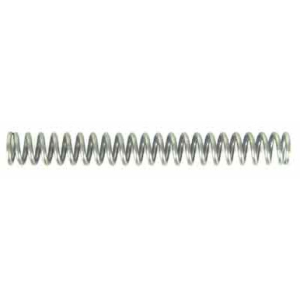
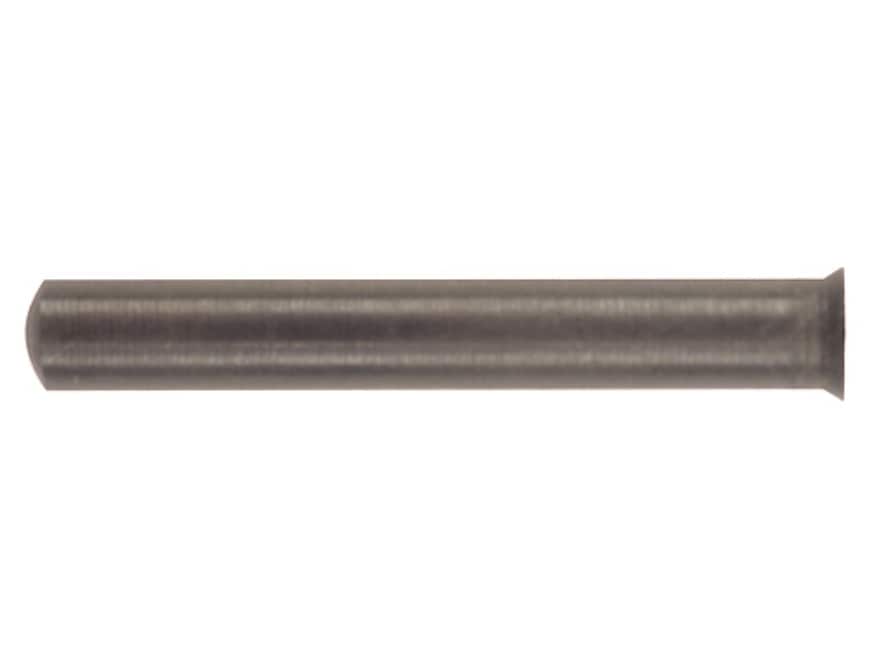
Wilson Combat Hammer Spring #19 19 lb Steel for Full Size Frame 1911s

 -22%
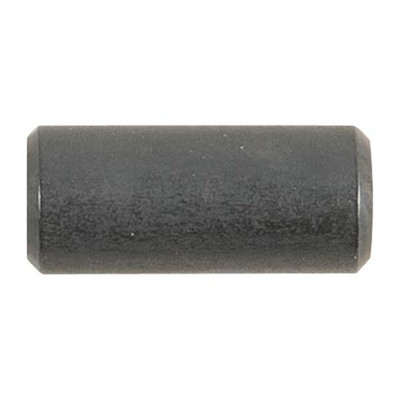
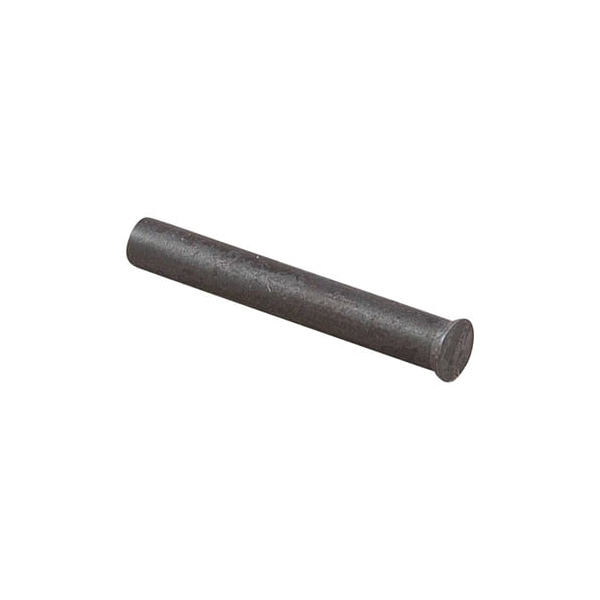
-22%Wilson Combat Sear Pin Fits 1911 Commander/1911 Commander Compact, Blue
 -22%
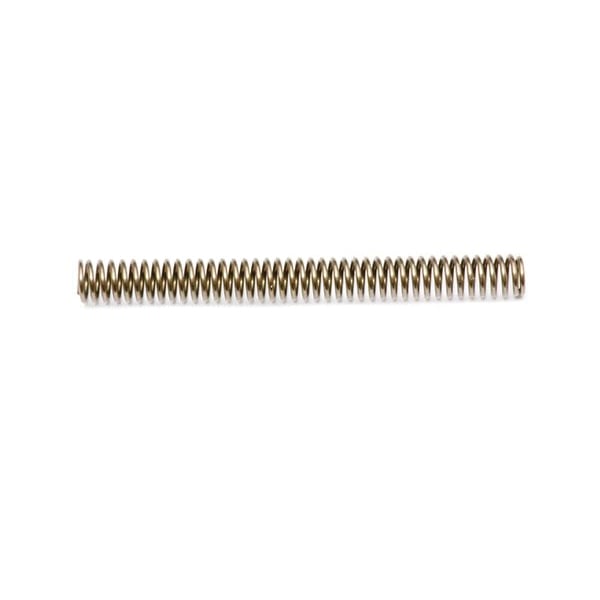
-22%Wilson Combat Firing Pin Spring Fits 1911 Commander/1911 Commander Compact

1911 Auto ''''factory Plus'''' Mainspring Pins - Mainspring Housing Pin (S)

Wilson Combat Factory Plus 1911 Mainspring Housing Pin Stainless Steel

1911 Auto ''''factory Plus'''' Hammer Strut Pins - Hammer Strut Pin (S)
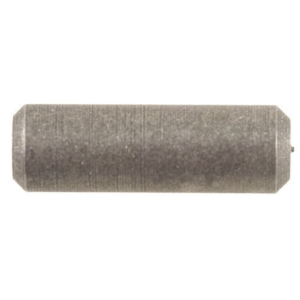
Wilson Combat Factory Plus 1911 Hammer Strut Pin Stainless Steel

Why 1911 Parts Aren’t Like Other Pistol Parts
Here’s the thing about the 1911 that trips up everyone who comes from the Glock or AR world: “drop-in” doesn’t always mean drop-in. The 1911 was designed in an era when hand-fitting was expected. Tolerances are tighter on quality guns, and parts from one manufacturer don’t always mate perfectly with a frame from another without some work.
A “drop-in” beavertail grip safety from Wilson Combat might need 20 minutes with a file to fit your Springfield frame. A match barrel from Ed Brown will almost certainly need the locking lugs lapped and the link pin fitted. Even something as simple as a thumb safety can require minor fitting to get the detent engagement right.
This isn’t a flaw. It’s what makes the platform special. A properly fitted 1911 with hand-tuned parts runs like a sewing machine and shoots like a laser. But you need to understand going in that buying parts is only half the job. Fitting them is the other half. If you don’t have the tools or confidence to do it yourself, budget for a gunsmith. A good 1911 smith is worth every dollar.
1911 Frame Sizes and Why They Matter for Parts
You can’t just buy “a 1911 barrel” or “a 1911 recoil spring” without knowing what size frame you’re working with. The 1911 comes in several frame sizes, and parts compatibility depends on which one you have.
Government (full-size): The original. 5″ barrel, full-length dust cover, standard recoil spring system. This is what most 1911 parts are designed for. When a listing says “1911” without specifying size, it almost always means Government.
Commander: Shortened slide and barrel (4.25″) on a full-size frame. The slide, barrel, recoil spring, and guide rod are all shorter than Government. Small parts like triggers, safeties, grips, mainspring housings, and fire control components are the same as Government. The Commander uses a heavier recoil spring (usually 18 to 22 pounds vs. 16 for Government) to compensate for the shorter slide travel.
Officer/Compact: Shortened slide AND shortened frame. 3.5″ barrel, shorter grip, and different grip screws and grips. Officer-size grips won’t fit a Government frame and vice versa. The recoil system is often a bull barrel with a full-length guide rod rather than the traditional bushing setup.
CCO (Commander Compact Officer): A Commander-length slide on an Officer-size frame. This hybrid uses Commander slide parts but Officer grips and grip-related components. Less common but popular as a carry setup.
Then add caliber into the mix. .45 ACP is the classic, 9mm is hugely popular for reduced recoil and higher capacity, and 10mm has a growing following for its power. The barrel, extractor, ejector, magazines, and recoil spring are all caliber-specific. Frame and most internal parts are shared across calibers within the same frame size.
Barrels: Bushing vs. Bull Barrel vs. Ramped
Barrel selection on a 1911 is more complicated than any other pistol platform. You need to know three things before you buy: your frame size, your barrel type (bushing or bull), and whether your frame is ramped or non-ramped.
Bushing barrels are the traditional design. The barrel fits through a barrel bushing at the muzzle end that centers the barrel in the slide. This is the original Browning design and what most Government and Commander 1911s use. Bushing barrels can be incredibly accurate when properly fitted. The bushing itself is a common upgrade: a tighter bushing improves lock-up and accuracy. Wilson Combat and EGW both make excellent match bushings.
Bull barrels are thicker at the muzzle and don’t use a bushing. The barrel fits directly into the slide. Bull barrel guns typically use a reverse recoil plug or a full-length guide rod instead of the standard spring and plug arrangement. You cannot put a bull barrel into a bushing-style slide without significant machining. They’re most common on Officer-size guns and competition builds.
Ramped vs. non-ramped is the one that catches people. A non-ramped barrel has a separate feed ramp on the frame itself. A ramped barrel (like Wilson/Nowlin or Clark/Para ramping) integrates the feed ramp into the barrel, which requires a matching cut in the frame. This is not a preference. It’s determined by your frame. Look at where the barrel meets the frame. If the frame has a built-in ramp below the chamber, you need a non-ramped barrel. If the frame has a larger cut-out for the barrel to provide its own ramp, you need a ramped barrel. Getting this wrong means the barrel won’t seat properly.
For most people upgrading a factory 1911, a match-grade bushing barrel from Wilson Combat or Ed Brown in the correct size and ramp configuration is the right call. Budget around $150 to $300 for the barrel and plan on having it fitted unless you have experience with barrel link pins, lug lapping, and hood fitting.
Triggers, Sears, and Hammer Sets
The fire control group is where most 1911 owners start upgrading, and where the most caution is needed. A bad trigger job on a 1911 is not just unpleasant. It’s dangerous. If the sear engagement is too shallow, you get hammer follow, which means the hammer follows the slide forward and fires the gun without you pulling the trigger. I’ve seen it happen at the range. It’s terrifying.
There’s a big difference between swapping just the trigger bow and doing a full fire control job. The trigger bow itself (the part your finger touches) is a relatively simple swap that changes the feel and reach. Short triggers, long triggers, flat triggers, curved triggers. This is mostly personal preference and is one of the easier parts to fit on a 1911.
A full fire control upgrade means replacing the sear, hammer, disconnector, and sear spring as a matched set. Wilson Combat Bullet Proof parts are the industry standard here. Pre-hardened, precisely ground, and designed to work together. EGW (Evolution Gun Works) makes excellent fire control components at a lower price point that are about 95% as good as Wilson for most shooters. Harrison Design parts are the competition-grade option.
One critical note: if your 1911 is a Series 80 design (like most Colts and Kimbers), you need Series 80-compatible parts. Series 80 adds a firing pin block safety with three extra components in the fire control group. Series 70 parts won’t work in a Series 80 gun without removing the firing pin safety, which some people do but I wouldn’t recommend for a carry gun.
Grips, Safeties, and External Controls
Grips are the one truly drop-in part on a 1911. No fitting required. Four screws out, old grips off, new grips on. This is where most people start, and for good reason. A nice set of grips transforms the look and feel of the gun for $30 to $100.
G10 grips are the most popular choice for carry and tactical use. They’re lightweight, textured, and impervious to moisture and chemicals. VZ Grips and LOK Grips are the two biggest names. Wood grips are classic and beautiful. Cocobolo, rosewood, and walnut are the traditional choices. Aluminum grips add weight for recoil reduction on full-size guns. They’re popular on competition and range guns.
Thumb safeties come in single-side and ambidextrous. An ambi safety is almost mandatory for left-handed shooters and popular with everyone else for faster manipulation. Wilson Combat and Ed Brown make the best ones, but fitting is usually required. The detent engagement and the radius where the safety meets the frame need to be tuned for reliable on/off without being too stiff or too loose.
Beavertail grip safeties like the Wilson Combat #416 are one of the most popular upgrades on the platform. They prevent hammer bite (where the hammer pinches the web of your hand during recoil) and provide a higher, more consistent grip. This is a part that almost always requires fitting. The tang and the frame need to be blended together, and the grip safety’s engagement with the trigger bow must be set correctly.
Mainspring housings are a quick swap between flat and arched profiles. Flat housings push your hand higher on the gun and are preferred by most competitive shooters. Arched housings fill the palm more and were the original military spec. Some mainspring housings integrate a magwell funnel for faster magazine changes. This is a true drop-in part with no fitting needed.
1911 Magazines: The One Part You Shouldn’t Cheap Out On
If there’s one universal truth about the 1911, it’s this: 90% of feeding problems are magazine problems. The 1911’s design relies heavily on the magazine to present cartridges at the right angle and the right height. A bad magazine turns a perfectly tuned gun into a jamming nightmare.
Wilson Combat 47D magazines are the gold standard. If your 1911 doesn’t run with a 47D, the problem is the gun, not the magazine. They’re the first thing any competent 1911 smith will test with when diagnosing feeding issues. At around $25 to $35 each, they’re not the cheapest option, but they’re worth every cent.
Chip McCormick (CMC) Power Mags and Tripp Research Cobra Mags are the other top-tier options. Both feed reliably and are built to last. Tripp’s hybrid-lip design is excellent for 9mm 1911s, which can be pickier about magazine geometry.
Avoid the generic no-name magazines that come bundled with budget 1911s. They’re the source of most “my 1911 is unreliable” complaints on every gun forum in existence. The first upgrade on any new 1911 should be a set of quality magazines. Buy three Wilson Combat 47Ds, test them, and move on with your life.
Best 1911 Parts Brands (And What Each Does Best)
The 1911 parts market has clear leaders in different categories. Here’s who to buy what from.
Wilson Combat: The 800-pound gorilla of 1911 parts. Their magazines (47D), Bullet Proof fire control parts, and beavertail grip safeties are industry benchmarks. If you only buy from one brand, Wilson is the safest bet across the board. Their parts catalog is also the most complete, so you can source almost everything from a single supplier.
Ed Brown: Outstanding barrels, thumb safeties, and slide stops. Their machining quality is top-notch. Ed Brown parts tend to need less fitting than competitors, which makes them a good choice if you’re doing the work yourself.
EGW (Evolution Gun Works): The value play. Their fire control parts, sights, and guide rods are excellent quality at 60% of Wilson Combat’s price. For most shooters, EGW parts perform within a hair’s breadth of the premium brands. Their HD sights are particularly popular as a factory sight replacement.
Fusion Firearms: Best known for affordable 1911 build kits and frames. If you’re building a complete 1911 from parts, Fusion offers frame-and-slide packages that give you a solid starting point without the premium brand markup. Quality is good for the money.
Harrison Design: The competition-grade option for fire control parts. If you’re building a race gun or a precision pistol, Harrison’s sears and hammers are the ones to beat. Priced accordingly.
Frequently Asked Questions
Browse Other Platforms
AK-47 Parts & Upgrades – Compare Prices • AR-10 / .308 Parts & Upgrades – Compare Prices • AR-15 Parts & Upgrades – Compare Prices • Glock Parts & Upgrades – Compare Prices • Shotgun Parts & Upgrades – Compare Prices • SIG P320 Parts & Upgrades – Compare Prices • SIG P365 Parts & Upgrades – Compare Prices
Author

14,506+ Gun & Ammo Deals
Updated daily from 10+ top retailers. Filter by category, caliber, action type, and price.