

Last updated May 22, 2026
Some of the links below are affiliate links. If you buy through them we may earn a small commission at no extra cost to you. It helps keep the lights on.
- Treat every gun as loaded
- Point the muzzle in a safe direction
- Keep your finger off the trigger until you’re ready to shoot
- Know your target and what’s beyond
Table of Contents
Hunting Dogs in 2026: Breeds, Training, and the State Law Patchwork
A good hunting dog is the most rewarding piece of equipment in the woods, and the most demanding. The dog isn’t really equipment at all, it’s a hunting partner with its own genetics, drive, attention span, and quirks. Choosing the right breed for your hunting style, training it properly, and knowing what’s legal where you hunt are three problems that overlap in ways that catch a lot of first-time bird-dog and hound owners off guard. This guide covers all three.
A note on legality up front: dog-hunting laws vary more dramatically state-to-state than almost any other aspect of hunting. Bear hounding is the norm in Wyoming, Montana, Wisconsin, and Idaho, and outright banned in Colorado, Oregon, California, and Washington. Mountain lion hounding flipped category in Colorado as recently as 2024. Blood-trail dogs for wounded deer recovery are legal in 30+ states and explicitly illegal in others. If you’re considering buying a hound for big-game work, know your destination state’s rules before the puppy comes home.
Bird Dogs: Pointers vs Flushers
Pointing Breeds
Pointing dogs find birds, hold a point until you arrive, and let you flush the bird on your terms. They’re the right choice for upland hunting, quail, pheasant, grouse, woodcock, chukar. The major pointing breeds:
German Shorthaired Pointer (GSP). The default versatile pointing breed in North America. Hunts close, points hard, retrieves to hand, swims. The GSP is the easiest breed to train for new bird-dog owners and the breed that handles the broadest range of bird species. The trade-off is that GSPs need work, a GSP without enough exercise becomes destructive in the home. Plan on 60-90 minutes of intense exercise daily, every day, for the dog’s full life.
English Pointer. The high-end specialist. Pure point, runs big, covers ground. English Pointers are bred for trial-style hunting on open country quail and pheasant, they don’t naturally retrieve and don’t particularly want to be house dogs. For serious upland-only hunters in open country, the English Pointer is unmatched. For most casual hunters, the GSP is the more versatile choice.
Brittany Spaniel. The smaller-package pointing breed. Hunts closer than a GSP or English Pointer, points effectively, retrieves to hand. Brittanys are also better house dogs than most pointing breeds, calmer indoors, more family-friendly. For hunters in tighter cover (Eastern grouse and woodcock country, for example), the Brittany’s close-working style is the right tool.
Vizsla and Weimaraner. Similar to the GSP in working style, with subtle differences. Vizslas tend to be slightly closer-working and more sensitive to training pressure; Weimaraners run bigger and tougher. Both work well for the all-around hunter who also wants a serious house dog.
Wirehaired Pointing Griffon and German Wirehair. The harsh-coat versatile breeds. Built for cold-weather hunting in nasty cover. The wire coat sheds water and resists thorns. For Western late-season pheasant or grouse hunting in serious cover, these breeds are purpose-built.
Flushing Breeds
Flushing dogs work close in front of the hunter, find the bird, and flush it on command (or autonomously, depending on style). They don’t hold a point, the bird gets flushed as soon as the dog locates it. This style works for hunters in tight cover, hunters who want the bird flushed reliably, or hunters who prefer a smaller dog.
English Springer Spaniel. The standard flushing breed. Works close (15-25 yards), flushes on command, retrieves to hand. Springers are the most popular flushing breed in North America for good reasons, they’re versatile, family-friendly, and trainable by most casual owners.
English Cocker Spaniel. The smaller cousin. Bred for tight-cover work and woodcock hunting. Working-line English Cockers (not the show-line “American” Cocker, which has been bred for appearance rather than work) are serious hunting dogs in a 25-35 lb package.
Boykin Spaniel. South Carolina’s state dog and the unofficial Southern flushing/retrieving breed. Built for hot weather, swamp work, and small-water duck hunting. Less common than Springers but well-regarded by hunters who’ve worked with them.
Retrievers: The Universal Hunting Dog
If you only own one hunting dog and you want maximum versatility, a Labrador Retriever is the answer. Labs are the most popular hunting breed in North America, the most versatile, and the easiest to train for casual owners. They retrieve waterfowl, work upland birds (less elegantly than a pointer but effectively), and double as world-class family dogs.
Labrador Retriever. The default. Three color varieties (black, yellow, chocolate) with effectively identical working temperament. American working-line Labs are slightly leaner, faster, and harder-driven than British working-line Labs (which are calmer and slightly larger). Either is a serious hunting dog. Avoid pet-line Labs from non-hunting breeders, they often lack the drive and trainability that make Labs special.
Chesapeake Bay Retriever. The heavy-cover, cold-water specialist. Built for North Atlantic duck hunting in winter. Chesapeakes are tougher than Labs, more independent, and slightly harder to train for first-time owners. For serious cold-water waterfowl hunting, the Chesapeake is the breed.
Golden Retriever. Working-line Goldens (not pet-line) are excellent retrievers and pointers. They’re slightly slower than Labs, slightly more sensitive, and slightly better with kids. For the family hunter who wants a dog that hunts hard but also reads books to the kids, a working-line Golden is the answer.
Nova Scotia Duck Tolling Retriever. The specialty pick. Smaller breed (35-50 lb) bred to “toll” ducks, running on the shoreline to attract waterfowl by simulating a curious fox. Niche, but works exceptionally for small-water duck hunters in the right conditions.
Hounds, Where State Law Matters Most
Hounds are a fundamentally different style of hunting. Rather than finding and flushing birds, hounds track game by scent over long distances. The hunter typically follows the hounds via GPS tracker rather than walking with them directly. The game (bear, mountain lion, raccoon, rabbit, depending on the breed) is treed, bayed, or driven to the hunter for the shot.
This is the most state-restricted form of hunting in North America. Bear hounding is legal in 18 states (mostly the Mountain West, Upper Midwest, and Southeast) and explicitly banned in others including California, Colorado, Oregon, and Washington. Mountain lion hounding flipped from legal to banned in Colorado via Proposition 127 in November 2024. Before considering a hound for big-game work, verify your state’s rules and the rules of any state you’d travel to hunt.
Bear and Lion Hounds
Plott Hound. The North Carolina state dog. Bred specifically for bear hunting in the Smoky Mountains. Aggressive, tough, with massive bay and tracking ability. Plotts are the bear hounder’s traditional choice in the Southeast and increasingly popular in Western states where bear hounding remains legal.
Black and Tan Coonhound. Originally bred for raccoon work but used widely for bear, lion, and bobcat in states where hounding is legal. Excellent cold-trailing ability, these dogs can pick up a track that’s hours old.
Walker Hound (Treeing Walker). The speed specialist. Fast, hot-trailing, excellent for treeing game once the track gets hot. Walker hounds are the most common large-game hound in the United States.
Bluetick Coonhound, Redbone Coonhound. Variations on the coonhound theme. Bluetick is slower-trailing but more methodical; Redbone is faster and more aggressive. Both work for raccoon, bear, and lion in states where legal.
For states where bear hounding remains legal (Wyoming, Montana, Idaho, and others), the standard hound-hunter rifle setup is a lightweight bolt-action or lever-action chambered for serious bear power, see our Best Hunting Rifles 2026 for picks. Backup firearm context: 10mm for bear defense and best shotguns for bear defense.
Small Game Hounds
Beagle. The rabbit hound. Beagles work in packs of 2-6 dogs, trail rabbits and hares through cover, and drive them back toward the hunter’s position. Rabbit hunting with beagles is one of the most accessible forms of hound hunting in the United States, beagle hunting is legal in essentially every state, the dogs are inexpensive, and the bag limits are generous.
Basset Hound (working line). Less common than beagles but exceptional for rabbit hunting in tighter cover where their slower pace lets the rabbit run circles back toward the hunter rather than escaping the area entirely.
Hog Dogs, Texas and the South
Hog hunting with dogs is a distinct discipline that mostly happens in Texas, Florida, and the Southeast. The dogs are typically a mix of bay dogs (Walker Hounds, Black Mouth Curs) that bay the hogs in place and catch dogs (typically Pit Bulls or American Bulldogs) that physically restrain the hog until the hunter arrives. This is intense, dangerous work for both dogs and hunters, bay dogs and catch dogs routinely take injuries from hog tusks.
Hog dog hunting is legal in Texas, Florida, Georgia, Alabama, Louisiana, and most other Southern states where wild hogs are present. The state laws on hog hunting are generally permissive, Texas in particular allows year-round hunting with dogs on private land with no bag limit. For the firearm side of hog hunting, see our Best AR-15 for Hunting roundup; AR-15s in 5.56 NATO, 6mm ARC, or .350 Legend are the dominant hog-rifle platforms.
Blood-Trail Dogs for Wounded Recovery
A separate category of hunting dog work: tracking wounded big game (typically deer) to recover animals that don’t drop on the shot. Blood-trail dogs use scent to follow a wounded deer’s trail hours or even days after the shot, much longer than the trail goes cold for human trackers. Modern bowhunting in particular benefits enormously from blood-trail dog availability.
This is legal in approximately 35 states as of 2026, with restrictions varying significantly. Most states require the dog be on a leash, that the hunter be present, and that the dog only be used for wounded-recovery (not initial location of game). Some states require a specific permit; others allow any licensed hunter to use a dog. Pennsylvania and Wisconsin, for example, legalized blood-trail dogs in the last decade after long debate; Michigan followed shortly after. Check your state’s specific blood-trail dog regulations before deploying one.
Blood-Trail Dog Breeds
Bavarian Mountain Hound. Purpose-bred German blood-tracking breed. The gold standard for serious recovery work, exceptional cold-trail ability and persistent on long tracks.
Hanoverian Hound. Older German tracking breed, similar to the Bavarian Mountain Hound in working style but slightly more independent. Less common in the US than the Bavarian.
Dachshund. The Standard Wirehaired Dachshund (not the toy or miniature varieties) is a serious blood-tracking dog. Small enough to work tight cover, persistent enough to follow cold trails, and far more capable than the breed’s reputation as a house pet suggests.
Many hunters who want blood-trail dog access without owning one personally contract with regional blood-tracking services. United Blood Trackers maintains a national database of certified handlers; check for tracker availability in your hunting region before each season.
Puppy vs Started Dog vs Finished Dog
Puppy (8-12 weeks, $1,000-2,500). The maximum-investment path. You’re responsible for everything: house training, basic obedience, retrieve and point training, exposure to gunfire, field manners. Expect 18-24 months before the dog is genuinely hunting-ready, and plan on 200-400 hours of personal training time across those months. The reward is a dog trained to your style.
Started dog (6-12 months, $2,500-5,000). A dog that’s been started by a professional trainer but is not yet finished. Basic obedience installed, retrieve or point drill established, gun-conditioned. Still needs significant field work and finishing under your direction. Good middle path for hunters who want some training control but don’t want to start from puppy.
Finished dog (2-4 years, $6,000-15,000). A fully-trained adult dog from a professional kennel. Sit, stay, come, heel; gun-broken; force-broken retrieve; honors other dogs’ points; reliably hunts. The expensive path, but the dog is ready to hunt the day it arrives. For hunters who don’t have the time or expertise to train, this is the right answer.
Rescue or older dog (variable, $200-1,500). Working-line hunting breeds appear in rescue more often than people realize. A 4-7 year old hunting-line Lab from a regional rescue can be a phenomenal hunting partner with a fraction of the training investment of a puppy. Verify the dog’s working background and temperament before committing.
Essential Gear for Hunting Dogs
E-collar. A quality electronic training collar is non-negotiable for any working hunting dog. The Garmin Tri-Tronics Pro line, Dogtra 1900S, and SportDOG SD-825X are the three workhorses. Budget $200-400 for a quality unit. The collar isn’t for punishment, it’s for communication at distance when the dog is beyond verbal range.
GPS tracking collar. The Garmin Alpha series is the dominant brand. For hounds running miles from the truck, the Alpha is the difference between knowing where the dog is and spending half the night searching for a missing dog. $700-1,000 for a complete system; expensive but worth it for serious hound owners.
Protective vest. For dogs working heavy cover or hog hunting, a Kevlar or heavy-canvas vest reduces injury risk significantly. Hog catch dogs specifically benefit from cut-vest protection. For upland bird dogs, a lighter chest protector against thorns and brush is the more common need.
Field first-aid kit. Tweezers (for ticks), styptic powder (for nail or pad cuts), self-adherent bandage wrap (for paw cuts), tourniquet for serious bleeding (yes, dogs can need tourniquets too), and the contact info for the nearest 24-hour veterinary emergency clinic. Snake bite is the field hazard most likely to require immediate veterinary attention; know which clinic to drive to before you need to.
Crate or kennel. A quality crate for transport is essential, both for safety in vehicles and for giving the dog a stable resting place at camp. Plastic airline-style crates work for most dogs; serious working dogs benefit from heavier-duty aluminum or fiberglass kennels.
Health and Field Hazards
Lyme disease and tick-borne illness. Hunting dogs spend more time in tick country than household pets. Use a vet-prescribed tick preventative (Bravecto, Simparica) year-round. Check for ticks after every hunt, pay particular attention to ear edges, between toes, and around the collar line.
Snake bite. Copperhead, rattlesnake, and cottonmouth bites are the most common serious snake-bite events for hunting dogs in the US. Consider rattlesnake vaccination if you hunt in serious snake country. Carry Benadryl as field first-aid (5 mg per pound) and know where the nearest emergency vet is located. Snake-avoidance training (using shocked exposure to live snakes) is offered by trainers in major snake regions and is worth the investment.
Heat stress. Dogs in hot weather can overheat far faster than the handler realizes. Working dogs at 80°F+ ambient temperature is high-risk territory, they can’t sweat, only pant. Carry water for the dog (often more than for yourself), schedule hunts for cool morning hours, and watch for early heat-stress signs (excessive panting, bright red tongue, stumbling).
Bear encounters. Hounds running bears can be killed by the bear they’re treeing or baying. This is rare but real. For non-hound hunters hunting bear country with bird dogs or retrievers, bear spray for yourself (and ideally a leash check) is the appropriate response, see our Hunting Safety Guide for the broader bear-safety protocols.
State Law Patchwork, The Full Picture
Dog hunting laws change frequently as ballot initiatives and legislative reform target specific practices. The current major divides as of 2026:
Bear hounding allowed: Wisconsin, Michigan, Minnesota, Wyoming, Montana, Idaho, Utah, Arizona, North Carolina, Virginia, West Virginia, and most of the Southeast. For Western public-land bear hounders, see our Best Hunting Rifles 2026 for rifle picks suitable for bear work.
Bear hounding banned: California, Colorado, Oregon, Washington (banned via ballot initiative in 1994/1996/2024 in respective states).
Mountain lion hounding allowed: Idaho, Montana, Utah, Wyoming, New Mexico, Arizona, Texas, parts of the Mountain West.
Mountain lion hounding banned: California (since 1990), Oregon (since 1994), Washington (since 1996), Colorado (since 2024 via Prop 127).
Hog dog hunting allowed (typically year-round on private land): Texas, Florida, Alabama, Georgia, Louisiana, Mississippi, South Carolina, Tennessee, Arkansas.
Blood-trail dogs for wounded deer recovery: Legal in 35+ states with varying restrictions. Verify your specific state’s regulations.
For the broader state firearm law reference (which intersects with dog hunting when you’re carrying a sidearm during hunts), see US Gun Laws by State.
Working with a Guide Who Provides Dogs
If you don’t want to own a hunting dog, you can hire a guide who does. Professional outfitters routinely include trained dog work as part of guided hunts, bear hounding outfitters in Idaho, bird-dog outfitters in Kansas, hog hunting outfitters in Texas. The fee structure is typically guide-day-rate plus animal-recovery fees if applicable.
Pros: zero training time investment, access to highly-trained professional dogs, the guide handles tracking and recovery. Cons: cost ($300-1,000+ per day for guided hunts), less personal connection to the hunt, dependent on the outfitter’s schedule and reputation.
For occasional hunters or hunters who want to try a dog-hunting style before committing to ownership, guided hunts are an excellent introduction. Many serious hunting-dog owners started with a few guided hunts before deciding which breed and discipline interested them most.
Live Shotgun Deals for Bird Dog Hunters
If you’re running bird dogs, your shotgun is your primary tool. Current deals across the hunting shotgun category, semi-autos, over-unders, and pumps suitable for upland and waterfowl work:
Top Hunting Shotgun Deals
Best-priced firearms across 200+ retailers · Updated every 4 hours

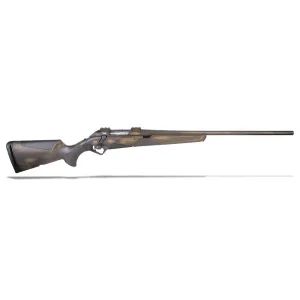
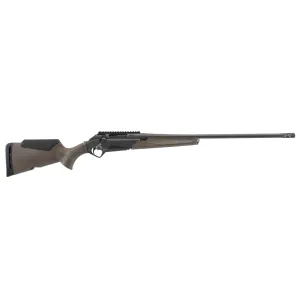
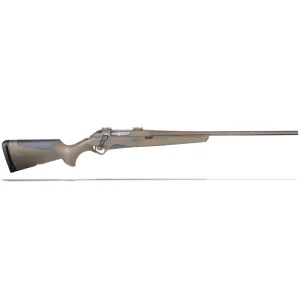


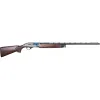
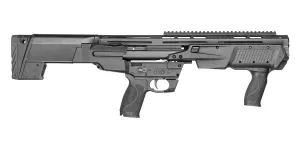
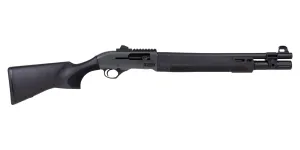
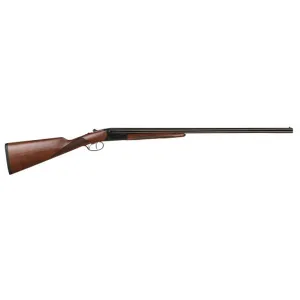
For the curated editorial picks, see Best 12-Gauge Hunting Shotguns 2026, Best Turkey Shotguns, and Best Duck Hunting Shotguns. For upland bird hunting specifically, the Beretta A300/A400, Benelli Montefeltro, Browning Citori, and CZ Drake are dominant in their respective price tiers.
FAQ: Hunting Dogs 2026
What’s the best all-around hunting dog breed?
For most American hunters, a Labrador Retriever from a working-line breeder. Labs handle waterfowl, upland birds, blood-trail work, and function as excellent family dogs. For upland-only hunters, a German Shorthaired Pointer is the more specialized answer.
How much does owning a hunting dog cost?
Purchase: $1,000-15,000 depending on whether you start with a puppy, started, or finished dog. Annual ongoing: $2,000-4,000 (food, vet care, training, gear). Lifetime: a working hunting dog represents a 10-14 year commitment of significant time and money. Plan accordingly.
Can I train my own hunting dog with no prior experience?
Yes, but plan to invest 200-400 hours of training time over 18-24 months, read multiple breed-specific training books (Wolters’ “Game Dog” for pointing/flushing dogs, Lardy’s program for retrievers), and consider professional finishing for the more advanced skills. Most first-time owners benefit from at least a few sessions with a professional trainer to verify their approach.
Is e-collar training cruel?
Modern e-collars used correctly are no more “cruel” than a leash. The stimulation levels on quality collars are tunable from imperceptible (just a vibration) to firm correction. Used as a communication tool by a trained owner, the e-collar is the safest way to maintain control over a working dog at distance. Used as a punishment device by an unskilled owner, it can damage the dog. The tool is value-neutral; the training approach determines the outcome.
Can I hunt with dogs on public land?
Generally yes, on most federal public land (National Forest, BLM) under state regulations. State WMAs vary, some prohibit hunting dogs during specific seasons or in specific units. National Wildlife Refuges typically restrict dog use to specific designated areas. See our Public Land Hunting Guide for the broader public-land regulatory framework.
What’s the difference between a working-line and pet-line breeder?
Working-line breeders prioritize hunting performance, drive, trainability, nose, structure. Pet-line breeders prioritize appearance, calm temperament, and family-friendliness. A working-line Lab and a pet-line Lab are nominally the same breed but functionally very different dogs. For serious hunting, always source from a documented working-line breeder.
Related Hunting Guides
Equipment selection: Best 12-Gauge Hunting Shotguns, Best Duck Hunting Shotguns, Best Turkey Shotguns, Best Hunting Rifles 2026, Best AR-15 for Hunting.
Hunting style and context: Rifle vs Bow Hunting, Public Land Hunting, Hunting Safety Guide, Best Guns for Hunting.
State firearm law context: US Gun Laws by State, Colorado, Oregon, Wyoming, Montana, Texas, Pennsylvania, Wisconsin, Michigan.
4,611+ Gun & Ammo Deals
Updated daily from 200+ top retailers. Filter by category, caliber, action type, and price.
Related Guides