

Last updated September 6th 2026
Some of the links below are affiliate links, meaning at no additional cost to you, we may earn a commission if you click through and make a purchase.
Table of Contents
How we tested: Every pick here is ranked against our testing methodology. Minimum round counts, accuracy and reliability protocols, the failures that disqualify a gun.
The Short Answer
Both are outstanding all-around hunting cartridges, and for deer at normal ranges either one is more gun than the job needs. Choose the .270 Winchester for a flatter-shooting, lighter-recoiling round that is superb on deer and open-country game. Choose the .30-06 Springfield for maximum versatility, with heavy bullets that handle elk, moose and bear with more confidence, at the cost of some recoil.
The .270 is the specialist that does deer brilliantly. The .30-06 is the generalist that does everything well. If you only hunt whitetail, this is close to a coin flip and you should buy the rifle that fits you rather than the cartridge that wins an argument.
Two things below are worth reading before you decide, because both cut against the standard advice: the recoil gap is smaller than the reputation, and bullet selection is where these two genuinely diverge.
Specs Comparison: .270 vs .30-06
| Metric | .270 Winchester | .30-06 Springfield |
|---|---|---|
| Bullet diameter | .277 in | .308 in |
| Common bullet weight | 130 to 150 gr | 150 to 220 gr |
| Typical muzzle velocity | ~3,000 fps (130 gr) | ~2,900 fps (150 gr) |
| Trajectory | Flatter | Slightly more drop |
| Recoil | Moderate | Moderate to stout |
| Best for | Deer, antelope, open country | Deer through elk and moose |
| Bullet selection | Good | Vast |
| Year introduced | 1925 | 1906 |
Figures from published manufacturer ballistic data and ANSI/SAAMI cartridge standards, cross-checked September 2026.
Pros
- Flatter trajectory on open country
- Lighter recoil with 130 grain loads
- Superb deer and antelope cartridge
Cons
- Narrower bullet-weight range
- Fewer premium bullet lines
- Light for elk and moose
Pros
- Bullet weights from 110 to 220 grains
- Handles deer through moose and bear
- Widest ammo selection of any cartridge
Cons
- More recoil with heavy loads
- Slightly more drop at distance
- More cartridge than deer require
The Core Difference: Bullet Diameter and Weight
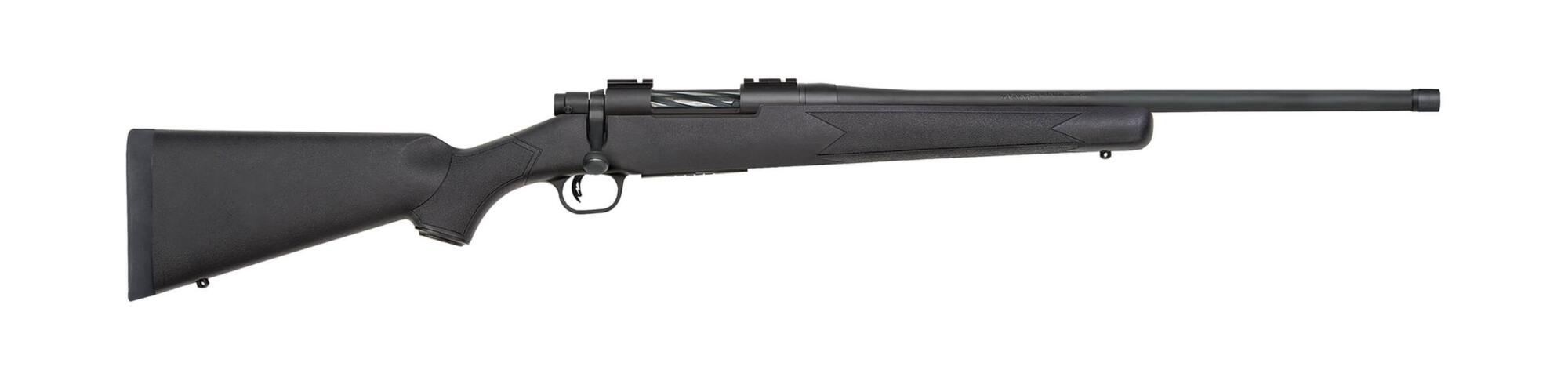
The .270 Winchester is the .30-06 case necked down to take a .277-inch bullet. That is the whole relationship, and everything that follows comes from it. A narrower bullet at the same case capacity means less mass moving faster, which buys a flatter trajectory and less recoil.
The .30-06 keeps the full .308-inch bore, so it can push much heavier bullets. That extra mass is what carries energy deep into an elk or a moose and what makes the cartridge work across a range of game the .270 was never built for. Speed on one side, mass and flexibility on the other.
Because they share a parent case, the rifles are the same size. Same action length, same magazine, same weight, same bolt throw. That matters more than it sounds: you are not choosing between a light rifle and a heavy one here, the way you are with .223 against .308. You are choosing which bullet comes out of an otherwise identical gun, which is why this argument has stayed alive for a hundred years without either side winning.
The O’Connor vs Keith Argument
This comparison has been running since the 1920s and it had two famous champions. Jack O’Connor spent a career arguing for the .270, on the grounds that a fast, flat, accurate bullet placed properly kills cleanly and lets you shoot better because it does not beat you up. Elmer Keith argued the opposite: that heavy bullets and big holes give you margin when the shot is imperfect and the animal is large.
They were both right, about different hunting. O’Connor shot a lot of open-country sheep and deer at distance. Keith shot a lot of big animals in heavy country. A century later the honest answer has not moved much: if your shooting looks like O’Connor’s, take the .270, and if it looks like Keith’s, take the .30-06.
Ballistics, Trajectory and Wind
The .270 shoots flatter, and at hunting distances it is a real advantage. A 130-grain bullet leaving at roughly 3,000 fps drops less than a 150-grain .30-06 load at the same range, which forgives a misjudged distance. Across a canyon at an animal you ranged badly, that is the difference between a hit and a miss.
Wind is more interesting, and it splits by load rather than by cartridge. The .270’s high-velocity bullets get to the target quickly, which limits drift. But the .30-06 loaded with a heavy, high-BC bullet holds its own and pulls ahead once the range stretches, because mass resists deflection. So the .270 wins the flat-trajectory argument outright, and the wind argument is a draw that depends entirely on which bullet you loaded.
Recoil Is Closer Than the Reputation Suggests
Here is the first thing that cuts against the standard advice. People talk about the .30-06 as though it is a different tier of recoil, and it is not, at least not in the loads most deer hunters actually shoot.
Put a 130-grain .270 and a 150-grain .30-06 in rifles of the same weight and the difference is real but modest. You feel it. You do not flinch at it. The gap opens up when you load the ’06 the way it is meant to be loaded for big game, at 180 grains and above, where it starts to push noticeably harder than anything the .270 offers.
So “buy the .270 because it kicks less” is only true for the loads you would use on elk. If you are a deer hunter shooting 150-grain factory ammo, you are choosing between two cartridges that feel much more alike than the internet suggests, and rifle weight and stock fit will affect your comfort more than the headstamp will. A light mountain rifle in .270 can kick harder than a heavy .30-06.
Bullet Selection Is the Real Divide
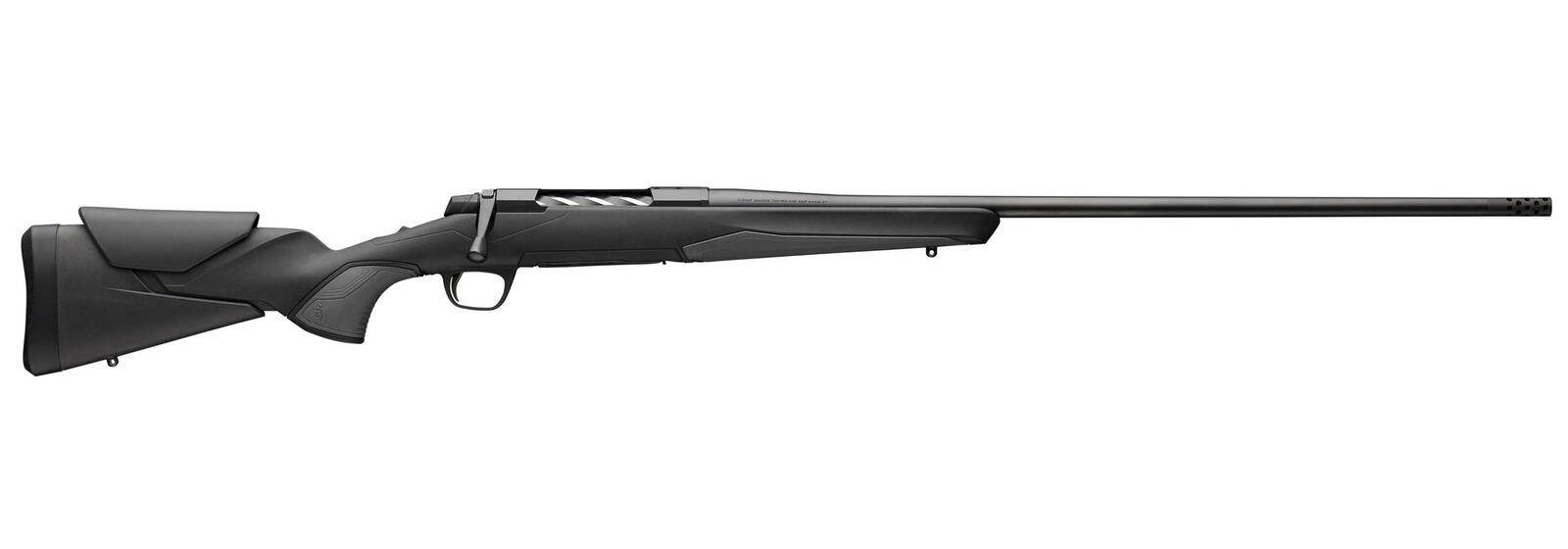
This is the difference that actually shows up at the counter, and it gets less attention than the ballistics do. The .30-06 shoots .308-inch bullets, which is the most popular rifle bore diameter in the world. Every new bullet technology, every premium bonded and monolithic design, every heavy-for-caliber match projectile arrives in .30 caliber first because that is where the volume is.
The .277 bore has never had that volume. For most of its life the .270 Winchester was almost the only cartridge using it, which kept the bullet catalogue narrow. It has improved lately, with 6.8 Western and .27 Nosler pulling new .277 projectiles into production, but the gap is still there.
What that means in practice: a .30-06 hunter chooses from 110 grains for varmints up to 220 for the biggest game, in essentially every premium line made. A .270 hunter is mostly choosing between 130 and 150 grains, in a smaller set of lines. If you like to tune a load to the animal, or you want one rifle that changes jobs when you change boxes, that flexibility is the .30-06’s strongest argument and it has nothing to do with trajectory.
Deer Hunting
For deer, both are overqualified and the .270 has a slight edge on style points. Flat trajectory, mild recoil and a 130-grain bullet that kills whitetail and mule deer cleanly at any sane distance. O’Connor built a reputation on exactly this and it still holds.
The .30-06 with a 150 or 165-grain load does the same job with a little more thump and a little more recoil. Neither will let you down. If deer is genuinely all you hunt, take whichever rifle shoulders better in the shop, because the cartridge is not the variable that will decide your season. Our best deer hunting rifles guide covers the guns worth shouldering.
Where the .270 does pull ahead is the long shot across a field or a canyon, and that is worth being honest about because it is where a lot of deer are actually shot. A flatter trajectory means a range estimate that is fifty yards off still puts the bullet in the vitals. The .30-06 asks you to be a bit more right about the distance. With a rangefinder in your pocket that difference shrinks to nothing, which is a large part of why this argument has softened over the last twenty years.
Elk, Moose and Big Game
Here the argument ends. The .30-06 with a 180 or 200-grain premium bullet is one of the great elk cartridges, and it has taken moose and bear for a century. The heavy bullet penetrates through heavy bone and thick muscle in a way lighter projectiles do not reliably manage.
The .270 has taken plenty of elk and it will keep doing so, with a premium 150-grain bullet and a hunter who picks shots carefully. It is legal, it is capable, and it is working closer to its limit. If elk is on your list rather than a possibility, the .30-06 gives you margin, and margin is the thing you want on an animal you might track for a mile.
Bullet construction closes part of that gap and it is worth spending money on. A bonded or monolithic 150-grain .270 bullet holds together and penetrates far better than a cheap cup-and-core of the same weight, and on an elk that is the whole ballgame. If you are taking a .270 after something big, the premium load is not an upgrade, it is the requirement. The .30-06 is more forgiving of a mediocre bullet, which is its own kind of advantage on a hunt you saved two years for.
The Brush-Busting Myth
You will hear that the .30-06 is the better timber cartridge because a heavy, slow bullet pushes through twigs and brush while a fast, light one deflects or blows up. It is one of the most repeated claims in hunting camps and it does not survive testing.
When people have actually shot bullets through screens of brush and measured where they land, everything deflects. Heavy round-nose bullets, light spitzers, fast and slow, big bore and small. Some deflect a little less than others and none of them deflect little enough to trust. A bullet that clips a branch on the way to a deer is a bullet you have lost control of, whatever is stamped on the case.
The practical advice is the same for both cartridges and it is not the advice the myth implies: find a clear lane and take the shot through it, or do not take the shot. Choosing a .30-06 over a .270 because you hunt thick country is choosing for a reason that does not hold. Choose it because you might shoot something bigger than a deer, which is a real reason, and shoot around the brush either way.
Rifle Selection and Availability
Both are chambered in essentially every bolt-action hunting rifle sold in America, which is a nice problem to have. The .30-06 has a small edge in sheer availability, particularly in older and used rifles, because it has been in production since 1906 and was the standard American hunting chambering for most of the last century.
The practical upshot is that you can walk into any gun shop in the country and find rifles and ammunition in both, and find them in stock in a small-town hardware store when your luggage does not arrive. Our best .30-06 rifles roundup covers that side of the shelf. That is a real advantage over more fashionable cartridges, and it applies to both of these.
What They Cost to Shoot
Close to a wash, which surprises people who assume the more common cartridge must be cheaper. Across the retailers we track as I write this, .270 Winchester from a trusted seller starts around $1.15 a round and .30-06 starts near $1.25. The gap is small enough that it should not decide anything.
Where cost does bite is premium hunting ammunition, which runs well past $2 a round in both, and that is the ammo you should actually be sighting in with. Budget for a box to zero and a box to practice, in the load you will hunt with, not the cheap soft points. Both cards below pull live prices so you can check the current spread yourself.
My Recommendation
If you hunt deer and open country and nothing bigger, take the .270. Flatter, softer, and superb at the job. You will shoot it well and it will not talk you out of practicing.
If elk, moose or bear are on the list, or you want one rifle for everything, take the .30-06. The bullet range is the reason, not the ballistics. One rifle that shoots 150 grains for deer and 200 grains for elk is a genuinely different tool from one that does not, and no amount of trajectory advantage replaces that.
For a first big-game rifle where you do not yet know what you will hunt, I would take the .30-06 and not think about it again. It is the more forgiving decision, it costs about the same to feed, and the recoil difference at deer-weight loads is smaller than its reputation. Buy good glass, sight it in with the ammunition you will hunt with, and the cartridge argument stops mattering. If you want the next tier up, our .308 vs .30-06 and 6.5 Creedmoor vs .300 Win Mag comparisons cover it, and .223 vs .308 covers the tier below.
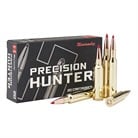
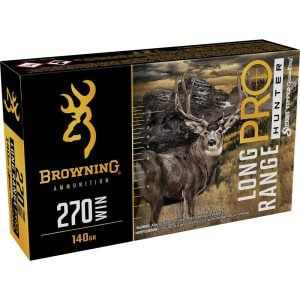
.270 Winchester Ammo: Live Prices

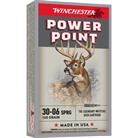
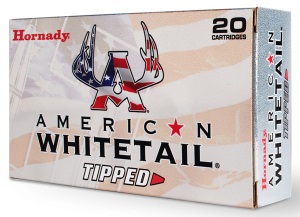
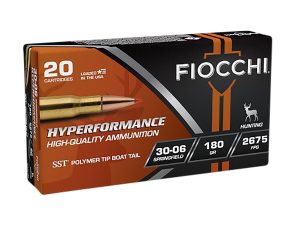
.30-06 Springfield Ammo: Live Prices


Frequently Asked Questions
Is the .270 or .30-06 better for deer hunting?
Both are excellent on deer. The .270 has a slight edge for a dedicated deer rifle thanks to its flatter trajectory and lighter recoil, which make it easy to shoot accurately. The .30-06 is also a superb deer cartridge and adds the ability to hunt bigger game with heavier bullets.
Can the .270 kill elk?
Yes. With premium controlled-expansion bullets and good shot placement, the .270 takes elk cleanly and many hunters have done so. That said, the .30-06 offers more margin on big game thanks to its heavier bullet options, so for regular elk and moose hunting the .30-06 is the more reassuring choice.
Does the .30-06 kick more than the .270?
Yes, but by less than most people expect. The .30-06 fires heavier bullets and produces more recoil than the .270, though it is very manageable in a properly fitted rifle with a good recoil pad. The .270 is the lighter-recoiling and easier-shooting of the two, which is one of its main advantages.
Which has more bullet and ammo options?
The .30-06. It is offered in an enormous range of bullet weights from about 110 to 220 grains and has the widest factory load selection of any hunting cartridge, which is why it is called the ultimate all-around round. The .270 has good selection but a narrower range focused on deer-sized game.
Are .270 and .30-06 the same case?
Essentially yes. The .270 Winchester is the .30-06 Springfield case necked down to hold a smaller .277-inch bullet, and both run in the same standard-length actions. The key difference is bullet diameter and the weights each can fire, which drives their different performance.
Does the .30-06 really kick much harder than the .270?
Less than its reputation suggests, at the loads most deer hunters shoot. Put a 130-grain .270 and a 150-grain .30-06 in rifles of the same weight and the difference is real but modest. The gap opens once you load the .30-06 at 180 grains and above for elk, which is where it starts to push noticeably harder. Rifle weight and stock fit will affect your comfort more than the cartridge does, and a light mountain rifle in .270 can kick harder than a heavy .30-06.
Why does the .30-06 have so many more bullet options?
Because it uses .308-inch bullets, the most popular rifle bore diameter in the world, so every new premium bonded, monolithic and heavy-for-caliber design arrives in .30 caliber first. The .277 bore the .270 uses never had that volume, since for most of its life the .270 Winchester was almost the only cartridge using it. It has improved lately with 6.8 Western and .27 Nosler pulling new projectiles into production, but a .30-06 hunter still chooses from 110 to 220 grains across essentially every line, while a .270 hunter is mostly picking between 130 and 150.
Is .270 or .30-06 ammo cheaper?
Close to a wash. Across the retailers we track, .270 Winchester from a trusted seller starts around $1.15 a round and .30-06 starts near $1.25, which is too small a gap to decide anything. Premium hunting loads run well past $2 a round in both, and that is the ammunition you should actually sight in with, so budget for it rather than zeroing on cheap soft points you will not hunt with.
3,979+ Gun & Ammo Deals
Updated daily from 200+ top retailers. Filter by category, caliber, action type, and price.
Related Guides