

Last updated June 13th 2026
Some of the links below are affiliate links, meaning at no additional cost to you, we may earn a commission if you click through and make a purchase.
- Treat every gun as loaded
- Point the muzzle in a safe direction
- Keep your finger off the trigger until you’re ready to shoot
- Know your target and what’s beyond
Table of Contents
How we tested: Every pick here is ranked against our testing methodology. Minimum round counts, accuracy and reliability protocols, the failures that disqualify a gun.
Quick Verdict: Glock 19 vs Glock 26
For most shooters the Glock 19 is the better all-around pick, since it carries more rounds, shoots more comfortably and still conceals well, which is why it is one of the most popular handguns in the world. Choose the Glock 26 when you need the smallest, most concealable Glock for deep carry, pocket-adjacent carry or a backup gun, and you are willing to trade a little capacity and grip length for that compactness. They share the same reliability and the same magazines, so the decision comes down almost entirely to size.
Specs Comparison: Glock 19 vs Glock 26
| Metric | Glock 19 | Glock 26 |
|---|---|---|
| Class | Compact | Subcompact |
| Caliber | 9mm | 9mm |
| Standard capacity | 15+1 | 10+1 |
| Barrel length | ~4.0 in | ~3.4 in |
| Overall length | ~7.3 in | ~6.5 in |
| Weight (loaded) | ~30 oz | ~26 oz |
| Grip | Full three-finger | Two-finger (pinky extension common) |
| Current generation | Gen 6 (also Gen 5) | Gen 5 |
| Magazine compatibility | Takes 15, 17, 33-rd | Takes its 10 plus all larger G19/G17 mags |
Pros
- More capacity at 15+1
- Full grip is more controllable and comfortable
- Longer sight radius aids accuracy
- Available in the latest Gen 6
- Still conceals well for most carriers
- The most popular do-everything Glock
Cons
- Slightly larger and heavier than the 26
- Grip prints more in deep concealment than the 26
Pros
- Smallest, most concealable standard Glock
- Excellent backup and deep-carry gun
- Accepts all larger Glock 9mm magazines
- Same reliability as the 19
- Easier to hide in light clothing
Cons
- Lower base capacity at 10+1
- Short grip needs an extension for a full hold
- Snappier recoil than the 19
- Currently Gen 5, not yet Gen 6
Same DNA, Different Size
The Glock 19 and Glock 26 are not really rivals from different families; they are two sizes of the same gun. Both are striker-fired 9mm Glocks sharing the same action, the same controls, the same reliability and the same basic manual of arms. If you can run one, you can run the other with no relearning, which is part of why so many people own both.
The difference is purely dimensional. The 19 is a compact built to do everything, while the 26 is a subcompact built to be as small as a standard double-stack Glock gets. Everything in this comparison flows from that single size difference, because in every other respect these two pistols are remarkably alike.
Size and Concealment
The Glock 26 is the easier gun to conceal, plain and simple. Its shorter grip and slide make it disappear under light clothing and ride comfortably in positions where the 19’s longer grip might print, which is exactly why it has long been a favorite for deep concealment and warm-weather carry. The grip, being the part that usually prints first, is where the 26’s smaller size pays off most.
The Glock 19 conceals well too, and most people carry one daily without trouble under normal clothing, but it asks for a bit more cover. For the majority of carriers the 19 hides just fine, and the 26’s advantage matters most for those in light clothing, smaller-statured carriers, or anyone who wants the most discreet option possible.
Capacity and Magazine Compatibility
The 19 starts ahead on capacity with 15+1 versus the 26’s 10+1, a meaningful difference for a primary defensive gun where more rounds before a reload is an advantage. But the story does not end there, because Glock’s magazine compatibility changes the math in the 26’s favor.
The Glock 26 accepts all larger Glock 9mm magazines, including the 15-round Glock 19 mag and the 17-round Glock 17 mag, so you can carry the tiny gun with a flush 10-rounder and load a 15 or 17-round backup magazine that drops right in. That flexibility is a big part of the 26’s appeal: subcompact size when you want it, full capacity on the reload, all sharing the same magazines as your bigger Glocks.
Shootability and Recoil
The Glock 19 is the more comfortable and controllable gun to shoot. Its full grip, longer slide and slightly higher weight tame recoil and make fast, accurate follow-up shots easier, so most shooters print better groups and run faster strings with the 19. For range sessions and serious practice, the 19 is simply more pleasant.
The Glock 26 is still very shootable for a subcompact, but its shorter grip and lighter weight make it snappier, and the short grip can leave a pinky searching for purchase unless you add an extension. It is controllable with practice, but the 19’s ergonomics give it a real edge in comfort and speed, which matters more the more you shoot.
Grip Length and the Pinky
Grip length is the most-felt difference between these two. The Glock 19 offers a full three-finger grip that fits most adult hands comfortably, while the standard Glock 26 grip is short enough that many shooters’ pinky dangles beneath the magazine, which hurts control. This is the single biggest reason some people prefer the 19.
The good news is the 26 is easy to fix. A pinky extension floorplate or a 12-round magazine gives a fuller hold, and slipping in a 15-round Glock 19 magazine turns the little 26 into a gun with a full grip and more rounds at the cost of some concealment. So the grip gap is real but adjustable, and how you set up the 26 determines how much it matters.
Generations: Glock 19 Gen 6 vs Glock 26 Gen 5
This is a genuine and current buying consideration. The Glock 19 is available in the latest Gen 6, which brought the factory Optic Ready System, a flat-faced trigger, front slide serrations and updated grip texture, on top of the proven Gen 5 features. If you want the newest factory features in this size class, the 19 is where Glock put them first.
The Glock 26 currently remains a Gen 5 pistol, as Glock has rolled out Gen 6 to the full-size and compact models first and the subcompacts typically follow later. The Gen 5 Glock 26 is an excellent, modern gun with the proven Gen 5 trigger and features, but if having the absolute latest generation matters to you, that currently points toward the 19.
Concealed Carry
Both are carried daily by huge numbers of people, and the right pick depends on your wardrobe and carry style. The Glock 19 is one of the best all-around carry guns made, balancing concealable size with 15 rounds and a full grip, and for most people in most clothing it conceals well on the belt inside the waistband.
The Glock 26 steps in when concealment is the top priority, for light clothing, appendix carry where a short grip prints less when seated, or as a discreet option for smaller-framed carriers. If you find the 19 just slightly too much gun to hide comfortably, the 26 solves that while keeping the same magazines and manual of arms.
Range and Duty Use
For range practice, training classes and any duty or home-defense role where concealment is not the priority, the Glock 19 is the better tool. Its capacity, full grip and longer sight radius make it more capable and more comfortable for high-round-count sessions, and it is a far more common choice for duty and nightstand use.
The Glock 26 can do these jobs, especially loaded with larger magazines, but it is really optimized for carry rather than the range. If a gun will spend most of its life being practiced with or sitting ready at home, the 19’s ergonomics make it the more sensible pick, with the 26 reserved for when small size truly matters.
Optics and Sights
The Glock 19’s longer slide gives it a longer sight radius, which aids precise aiming, and the Gen 6 and Gen 5 MOS versions make mounting a red dot easy at the correct height, a genuine modern advantage for a primary gun. If running an optic is part of your plan, the 19 is the more natural and better-supported host.
The Glock 26 can also be set up with a red dot in its MOS configuration, and a dot can actually help a small gun shoot better, but the shorter slide leaves less room and the subcompact is more often run with iron sights for simplicity. Both share the same sight options and upgrades, so improvements like night sights apply equally to either.
Backup and Deep-Carry Role
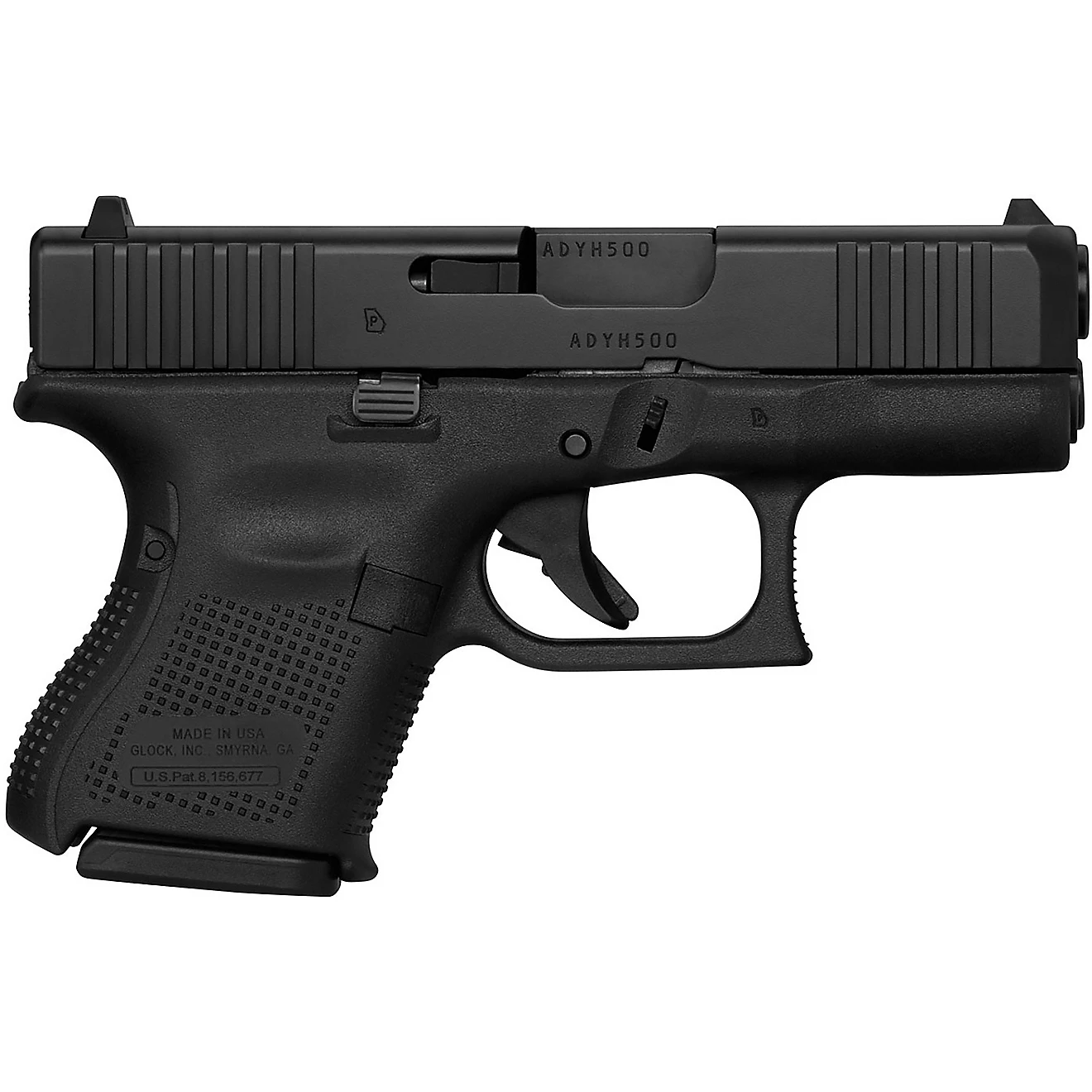
The Glock 26 truly shines as a backup gun or deep-concealment piece. Officers and serious carriers who run a larger Glock as a primary often choose a 26 as a backup precisely because it shares magazines and controls with their duty gun, so a 26 can run on the same 15 or 17-round magazines they already carry. That commonality is a powerful, practical advantage.
The Glock 19 is less suited to a pure backup role simply because it is larger, though plenty of people carry one as a primary and a 26 or 43X as a backup. If a backup or maximum-concealment role is on your list, the 26 is purpose-built for it, while the 19 remains the better do-everything primary.
Reliability and Maintenance
Reliability is a wash, and that is high praise, because both are exceptionally dependable. They share the same proven Glock action and run reliably with minimal maintenance through dirt, neglect and high round counts, which is exactly why the platform dominates police use. Neither gives you a reliability reason to choose it over the other.
Maintenance is identical and simple: field strip without tools, wipe down, lubricate the wear points and reassemble. Anyone who owns one will feel instantly at home maintaining the other, and both demand the same basic clearing discipline during takedown since the design requires a trigger press to disassemble. In short, they are equally trustworthy and equally easy to live with.
Aftermarket and Holsters
Both enjoy the enormous Glock aftermarket, so holsters, sights, triggers, magazines and parts are cheap and everywhere for each. The Glock 19 has the deepest holster selection of almost any handgun, with options at every price, while the 26 is also extremely well supported as a long-popular carry gun.
Because the two share so many parts and the same magazines, accessorizing either is easy and inexpensive, and many owners mix and match between their Glocks. This deep, affordable ecosystem keeps the long-term cost of ownership low for both and makes either easy to buy, sell or trade, which is part of the broader value case for choosing a Glock at all.
Glock 19 vs 26 vs 43X
It helps to place these two against the slimline Glock 43X, since carry buyers often cross-shop all three. The 43X is a slim single-stack-width gun that conceals like a thin pistol while holding 10 rounds, or up to 15 with aftermarket magazines, and it splits the difference for those who find the double-stack 26 a touch chunky in the grip.
The 26 is wider but shares magazines with the rest of the double-stack Glock line, which the 43X does not, so the choice is between the 43X’s slimness and the 26’s magazine commonality and capacity flexibility. If you already run a Glock 19 or 17, the 26’s shared magazines are a strong argument; if pure thinness is the goal, the 43X is worth a look alongside these two.
Which for New Shooters
For a newer shooter, the Glock 19 is usually the better first gun. Its full grip and milder recoil make it easier to learn on and more comfortable to practice with, which builds confidence and accuracy faster, and its capacity and versatility mean it can serve as a primary carry, home-defense and range gun all at once.
The Glock 26 is a fine gun for a new shooter focused specifically on concealment, especially with a grip extension to improve the hold, but the snappier recoil and shorter grip make it a slightly more demanding gun to master. For most beginners the 19 is the more forgiving and more flexible starting point.
Common Myths
Myth: the Glock 26 is too small to shoot well. With a grip extension or a larger magazine it is very controllable. Myth: the 19 is too big to conceal. Most people carry one daily without trouble. Myth: they use different magazines. The 26 accepts all larger Glock 9mm magazines, including the 19 and 17 mags. Myth: you must pick one. Many shooters run a 19 as a primary and a 26 as a backup on shared magazines.
A Brief History of the 19 and 26
The Glock 19 arrived in 1988 as a compact version of the original full-size Glock 17, trimming the barrel and grip just enough to improve concealment while keeping a high 15-round capacity. It struck such a perfect balance between size and capability that it became arguably the most popular handgun in the world, carried by police, militaries and civilians everywhere.
The Glock 26 followed in 1995 as the subcompact, taking the same double-stack 9mm concept down to its smallest practical size for deep concealment and backup use. Nicknamed the Baby Glock, it proved you could shrink the platform without losing the reliability or the magazine compatibility that made Glocks so useful. Both have been refined across generations since, but their roles have stayed the same.
Weight and All-Day Carry Comfort
Loaded, the Glock 26 is a few ounces lighter than the 19, and combined with its shorter grip that makes it slightly less noticeable over a long day on the belt or in the waistband. For carriers who prioritize forgetting the gun is there, the 26’s lower weight and smaller footprint add up to real comfort.
The Glock 19 is still light for its capability thanks to its polymer frame, and most people carry one all day without complaint, but the extra grip length is the part you feel most when sitting or bending. Neither is heavy by handgun standards, so this comes down to how much you value shaving off those last few ounces and that bit of grip.
Appendix vs Strong-Side Carry
Carry position shapes which gun fits better. For appendix carry, the Glock 26’s shorter grip prints less when you sit or bend, a genuine advantage in that position, and the gun tucks in tidily. Many appendix carriers favor the 26 or a slimline Glock for exactly this reason.
For strong-side hip carry under an untucked shirt, the Glock 19’s longer grip is easily covered and rewards you with better control on the draw and more capacity, so the 19 often makes more sense there. Think about how you actually carry day to day, because position frequently decides this matchup more than the raw size numbers do.
Accuracy and Sight Radius
The Glock 19’s longer barrel and slide give it a longer sight radius, which makes precise iron-sight shooting a little easier and helps at distance, and combined with its steadier full grip, most shooters simply shoot tighter groups with the 19. For deliberate accuracy work, the 19 has a modest but real edge.
The Glock 26 is plenty accurate for its defensive purpose, and at typical close carry distances the difference shrinks to nothing, but the shorter sight radius and snappier recoil make it a touch harder to wring out precise shots. For most defensive uses either is accurate enough; for range precision the 19 is the friendlier tool.
Carrying Spare Magazines
Spare-magazine strategy is where the shared-magazine design pays off again. A Glock 26 carrier can pocket a flush 10-rounder in the gun and carry a 15-round Glock 19 magazine as a reload, getting subcompact concealment with a full-size top-off. The longer spare also gives a full grip if you ever need to run the gun off the reload mag.
The Glock 19 carrier typically reloads with another 15 or a 17-round magazine, keeping things simple and high-capacity. Either way, both feed from the same readily available, inexpensive Glock magazines, so building out a set of spares is cheap and flexible, and you can share mags across your Glocks without a second thought.
Resale and Value
Both hold their value about as well as any handgun, thanks to the Glock platform’s massive popularity and steady demand on the used market. You can buy either new or used with confidence, and selling or trading one later is easy at predictable prices, which makes both low-risk purchases.
The Glock 19 has the larger used market simply because it is the more-produced model, so finding a deal on a used 19 is marginally easier, while the 26 holds value well as a sought-after carry and backup gun. With cheap, plentiful parts and magazines for both, the long-term cost of ownership stays low whichever you choose.
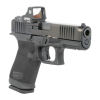
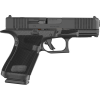
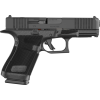
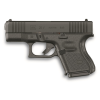
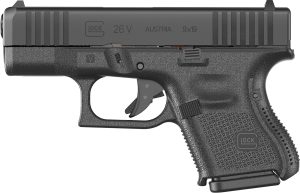
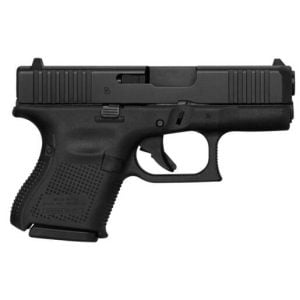
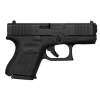
Glock 19 Live Prices
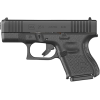
Glock 26 Live Prices
Which Should You Buy?
Buy the Glock 19 if you want one do-everything Glock for carry, home defense and the range, you value capacity and a full grip, or you want the latest Gen 6 features. This fits most buyers. Buy the Glock 26 if you need the most concealable standard Glock, you want a backup that shares magazines with your bigger Glocks, or maximum discretion in light clothing is the priority. The honest take: start with the 19 if you can only own one, and add a 26 later as a backup or deep-carry option, since they share magazines and feel.
How I Compared These
This comparison is based on hands-on experience with both pistols, Glock’s published specifications, and the practical realities of carrying, shooting and concealing each. I weighed capacity, grip length, recoil, concealment and the current generation lineup against how these guns actually perform day to day, and I checked live pricing across the retailers we track so the recommendation reflects what you will actually pay. Because the two are mechanically so similar, the focus is squarely on the size and carry trade-offs that genuinely separate them.
Bottom Line
The Glock 19 is the better choice for most shooters, offering more capacity, a more comfortable full grip, better range manners and the latest Gen 6 features in a package that still conceals well. The Glock 26 is the better choice when small size is the priority, as a deep-carry gun or a backup that shares magazines with your larger Glocks. They are two sizes of the same excellent, reliable pistol, so decide how small you truly need it to be, and the right one is clear.
Frequently Asked Questions
Is the Glock 19 or Glock 26 better for concealed carry?
Both conceal well. The Glock 26 is easier to hide thanks to its shorter grip, making it the better deep-concealment and warm-weather choice. The Glock 19 conceals fine for most people and offers more capacity and a full grip, so it is the better all-around carry gun if you can hide it comfortably.
Do the Glock 19 and Glock 26 use the same magazines?
The Glock 26 accepts all larger Glock 9mm magazines, including the 15-round Glock 19 magazine and the 17-round Glock 17 magazine. The Glock 19 cannot use the shorter 26 magazine flush, but the 26 running 19 or 17 mags is a popular setup that gives subcompact size with full capacity on the reload.
Is the Glock 26 hard to shoot?
It is snappier than the Glock 19 because it is smaller and lighter, and the short grip can leave a pinky dangling. Adding a pinky extension or a larger magazine makes it much more controllable. It is very shootable for a subcompact, just not as comfortable as the full-grip 19.
Is there a Gen 6 Glock 26?
As of 2026 the Glock 26 remains a Gen 5 pistol, while Glock has rolled out Gen 6 to the full-size and compact models first, including the Glock 19. The Gen 5 Glock 26 is still a modern, excellent gun, but if you want the latest generation in this comparison, that points to the 19.
Which should I buy first, the 19 or the 26?
For most people, the Glock 19 first. It is the more versatile do-everything gun for carry, home defense and the range. Many owners then add a Glock 26 as a backup or deep-carry piece, since it shares magazines and controls with the 19.
3,979+ Gun & Ammo Deals
Updated daily from 200+ top retailers. Filter by category, caliber, action type, and price.
Related Guides