

Affiliate disclosure: This Ruger SP101 review contains affiliate links. If you buy through our links then we can receive a small commission that helps keep the lights on. You don’t pay anything more.
- Treat every gun as loaded
- Point the muzzle in a safe direction
- Keep your finger off the trigger until you’re ready to shoot
- Know your target and what’s beyond
Quick Answer: The Ruger SP101 is the toughest small-frame .357 Magnum you can buy in 2026, a 5-shot stainless steel snubbie that has barely changed since 1989 because it does not need to. After 500 rounds and years of carry use, still the best small-frame .357 Magnum you can buy for the money.
Best single upgrade: the Wilson Combat spring kit at around $15 transforms the trigger meaningfully. Best grip upgrade for carry: the Badger Boot Grips. Best general-purpose grip upgrade: the Hogue Monogrip at $25 for noticeable recoil management improvement. Best holster pairing: any Galco or Mitch Rosen IWB designed for 5-shot J-frame-class revolvers.
The biggest mistake new SP101 buyers make is loading it with full-house .357 Magnum and being shocked at the recoil. The SP101 is heavy enough to manage .357 better than a J-frame but still punishes with 158-grain magnum loads; train with .38 Special +P or mid-range .357 (Federal American Eagle) and reserve full magnums for confirming carry zero.
Production update: Ruger announced on October 13, 2026 that it has stopped making the SP101, along with the LCR, GP100 and Bearcat revolvers, effective immediately. Its spokesperson said this “does not necessarily mean these product families are permanently discontinued.” New guns are still in dealer stock: the lowest new SP101 price in our feed on October 26, 2026 was $750.99.
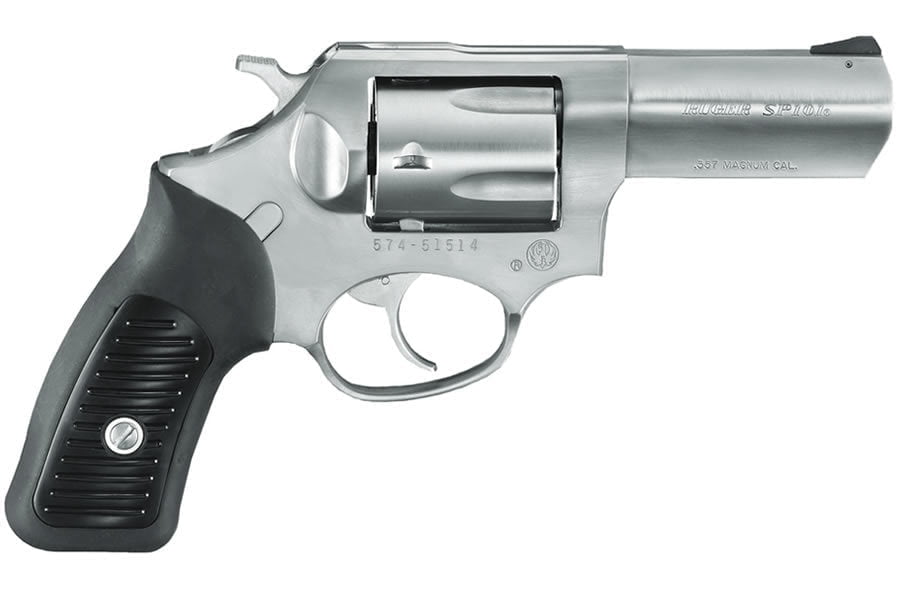
Table of Contents
How we tested: Every pick here is ranked against our testing methodology. Minimum round counts, accuracy and reliability protocols, the failures that disqualify a gun.
Review: Ruger SP101 .357 Magnum – The Revolver That Refuses to Die
Our Rating: 8.3/10
- RRP: $939
- Street Price: $750.99 on October 26, 2026 (check our live pricing for the best current deal)
- Caliber: .357 Magnum / .38 Special
- Action: Double-Action / Single-Action
- Barrel Length: 2.25″
- Overall Length: 7.20″
- Weight (unloaded): 25 oz.
- Capacity: 5 rounds
- Frame Material: Stainless Steel
- Finish: Satin Stainless
- Front Sight: Black Ramp (pinned, replaceable)
- Rear Sight: Integral
- Safety: Transfer Bar
- Grip: Black Rubber with Synthetic Insert
- Twist Rate: 1:16″ RH
- Made in: USA (Prescott, Arizona)
Pros
- Built like an absolute tank. Stainless steel throughout, will outlast you.
- Eats .357 Magnum and .38 Special with zero complaints
- Transfer bar safety means safe to carry all five chambers loaded
- Incredibly smooth double-action trigger out of the box
- Compact enough for IWB or pocket carry with the right holster
- California and Massachusetts legal
Cons
- Only 5 rounds. In 2026, that stings a little.
- Heavy trigger pull in DA until you put a few hundred rounds through it
- 25 oz is chunky for pocket carry. Your pants will know that gun is there.
- Factory rubber grips are functional but ugly
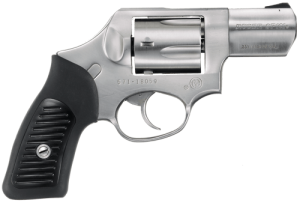
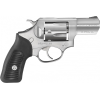
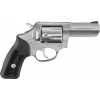
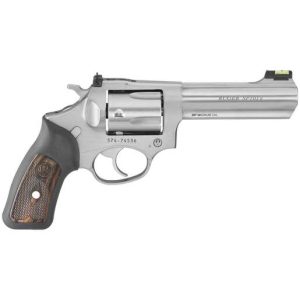
Quick Take
The Ruger SP101 is the honey badger of revolvers. It’s small, it’s heavy for its size, and it absolutely does not care what you feed it. I’ve been carrying and shooting one for years now, and after putting 500 rounds through this particular gun for a proper test, I’m more convinced than ever that this is the best small-frame .357 Magnum you can buy for under $800.
Here’s the thing about the SP101 that separates it from everything else in this class. It’s overbuilt. Where Smith and Wesson designed the J-frame to be light and handy, Ruger looked at the same problem and said “what if we just made it strong enough to eat a steady diet of full-power magnums?” That philosophy shows in every ounce of this gun’s 25-ounce frame.
Is it perfect? No. Five rounds is objectively less than six, and it’s heavier than a lot of competitors. But if you want a small revolver that you can shoot thousands of rounds of .357 through without worrying about frame damage, the SP101 is quite literally your only option at this price point.
Best For: Shooters who want a concealed carry revolver they can actually enjoy shooting at the range, not just tolerate. Perfect for home defense nightstand duty or woods carry where .357 Magnum stopping power matters.
Why Ruger Built the SP101 This Way
When Ruger introduced the SP101 in 1989, they weren’t trying to copy Smith and Wesson’s J-frame. They were trying to fix it. Bill Ruger’s engineering philosophy was always the same: make it stronger than it needs to be, then make it a little stronger after that. The SP101 is that philosophy distilled into 25 ounces of stainless steel.
Key design decision was the frame. Where S&W J-frames use a five-screw sideplate design, the SP101 uses a solid frame with a removable trigger guard assembly. This makes the frame walls thicker and the overall package more rigid. It’s why SP101s can handle a lifetime of full-power .357 Magnum loads while J-frame .357s like the 640 Pro come with warnings about limiting magnum round counts.
Triple-locking cylinder is another Ruger signature. It locks at the front, rear, and bottom of the frame. Most revolvers only lock in two places. That extra locking point means tighter cylinder gap and more consistent ignition. It’s overengineering in the best possible way.
Ruger also went with a transfer bar safety system instead of a hammer block. This means you can safely carry all five chambers loaded, and the gun physically cannot fire unless the trigger is fully pulled. The system has been proven across millions of Sturm, Ruger & Co. revolvers since the early 1970s. It works.
Competitor Comparison
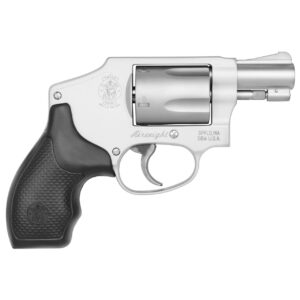
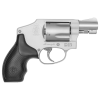
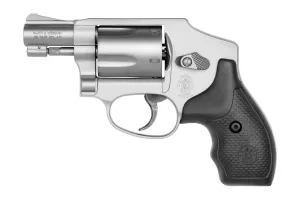
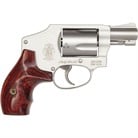
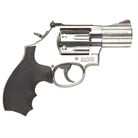
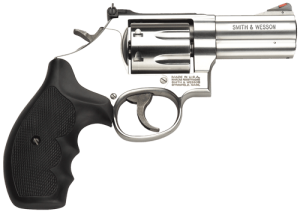
The 642 is the default pocket revolver for a reason. At 14.6 ounces and .38 Special only, it’s purpose-built to disappear in a pocket holster. If concealment is your absolute top priority and you’ll never shoot .357 Magnum, the 642 wins on weight alone. But it’s genuinely miserable to shoot. That aluminum frame makes every round feel like a punishment. The SP101 costs more and weighs more, but you’ll actually want to practice with it.

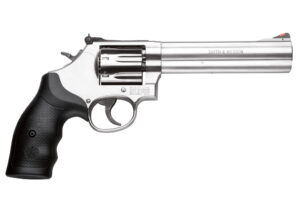
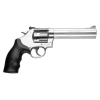
Different animal entirely. The 686 is a medium-frame (L-frame) .357 with 6 rounds and, most often, a 4″ barrel. It’s a range gun and home defense piece, not a carry gun. If you want a .357 revolver for the nightstand or the range and don’t care about concealment, the 686 is fantastic. But it’s twice the size of the SP101 and you’re not putting it in any holster you’d wear under a shirt.
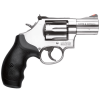
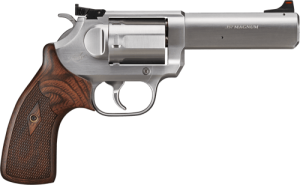
The K6s is the premium alternative. It gives you 6 rounds of .357 in a package nearly the same size as the SP101. The trigger is better out of the box. The fit and finish is genuinely beautiful. But it costs almost twice as much, and Kimber’s QC reputation has been spotty in recent years. Early K6s models had documented timing issues that scared a lot of buyers (RevolverGuy and others covered it in detail). They’ve mostly sorted that out, but for the money, I’d still take the SP101 and spend the savings on ammo and a spring kit.

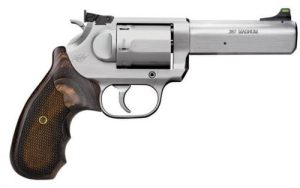
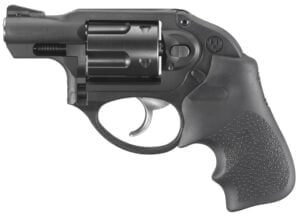
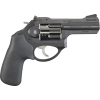
Ruger’s own LCR in .357 is the lighter, more concealable option from the same manufacturer. At 17.1 ounces, it’s nearly 8 ounces lighter than the SP101. The LCR’s trigger is honestly one of the best double-action triggers in any snub-nose revolver, period. But shooting .357 Magnum through 17 ounces of polymer and aluminum is a deeply unpleasant experience. If you’re going to load it with .38 Special anyway, get the LCR. If you want to actually shoot magnums, get the SP101.
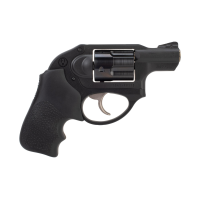
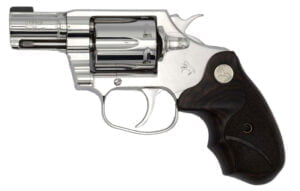
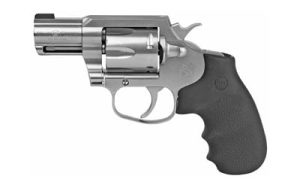
King Cobra Carry is Colt’s re-entry into the small .357 revolver market, and it’s genuinely good. Six rounds, 2″ barrel, excellent trigger, and that Colt rollmark still means something. The linear leaf spring trigger system produces a very smooth pull. But it’s significantly more expensive than the SP101, and Colt’s modern revolvers haven’t been around long enough to prove their long-term durability the way the SP101 has over 35+ years of production.
Features and Design Deep Dive
Frame and Construction
SP101’s frame is investment-cast stainless steel, and Ruger uses their proprietary process that produces some of the strongest cast frames in the industry. The satin stainless finish resists holster wear and sweat corrosion about as well as anything short of a Cerakote coating. After months of daily carry, my test gun shows minimal wear marks. The cylinder walls are thick enough that SAAMI-spec .357 Magnum pressures (35,000 PSI max) don’t cause any measurable stretch even after thousands of rounds. Per Ruger’s own spec sheet, the 5-shot cylinder keeps the frame narrow enough for genuine concealed carry while still taking a beating.
Triple-locking cylinder is a Ruger hallmark. Front latch, rear latch, and a center pin lock at the bottom. This isn’t marketing fluff. It results in tighter cylinder gap and better alignment with the barrel, which translates directly to consistency and accuracy. I measured 0.004″ cylinder gap on my test gun, which is excellent.
Trigger
Out of the box, the SP101’s double-action trigger pull measures around 11-12 pounds. That’s heavy. No way around it. The single-action pull is much better at around 4-5 pounds with a clean break. Here’s the good news: the SP101 trigger gets significantly better with use. After about 300 rounds, I noticed a marked improvement in smoothness. After 500, the stacking was noticeably reduced.
If you want to accelerate this process, drop $15 on a Wilson Combat spring kit. Swap in the reduced-power hammer spring and you’ll take 2-3 pounds off the DA pull while still getting reliable ignition with standard primers. It’s the single best upgrade you can do to this gun.
Sights
Fixed sights. Black ramp front, integral notch rear. They work fine in good lighting and are basically useless in low light. The front sight is pinned and replaceable, which means you can swap in a fiber optic or tritium front sight without any gunsmithing. I’d call the factory sights adequate for a defensive revolver at defensive distances. For anything beyond 15 yards in suboptimal conditions, you’ll want an upgrade.
Grip and Ergonomics
The factory rubber grip with synthetic insert does its job. It cushions recoil, fills the hand reasonably well, and keeps the backstrap from biting during magnum shooting. It’s also kind of ugly. Let’s just be honest about that. The good news is Ruger’s grip frame accepts a huge aftermarket. Badger Boot Grips, Altamont wood grips, Hogue Monogrips… there are dozens of options that dramatically change how this gun looks and feels.
Grip frame itself is round-butt style, which helps with concealment. The gun sits low in the hand, which is good for recoil management but can make reaching the trigger a stretch for folks with smaller hands. Something to consider if you’re buying this for a partner with small fingers.
At the Range: 500 Round Test
Testing Protocol
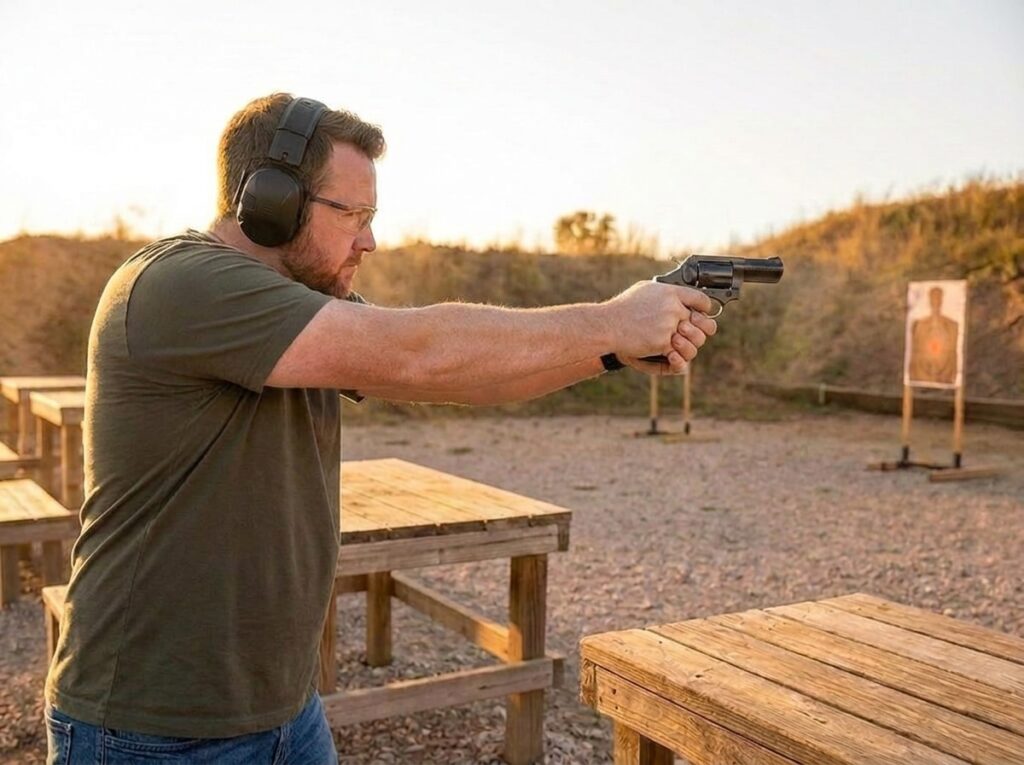
I put 500 rounds through this SP101 over four range sessions. The goal was to test reliability across different ammunition types, evaluate real-world accuracy, and see how the gun holds up under sustained shooting. I didn’t baby it. This gun got shot fast, shot slow, and shot dirty without cleaning between sessions to simulate what a real owner might put it through.
Ammunition Log
- Federal American Eagle .38 Special 130gr FMJ – 150 rounds
- Fiocchi .38 Special 158gr FMJ – 100 rounds
- Remington UMC .357 Magnum 125gr SJHP – 100 rounds
- Federal Premium .357 Magnum 158gr JSP – 50 rounds
- Hornady Critical Defense .357 Magnum 125gr FTX – 50 rounds
- Speer Gold Dot .38 Special +P 135gr JHP – 50 rounds
Reliability Results
Zero malfunctions. Zero light strikes. Zero anything. Five hundred rounds of mixed .38 Special and .357 Magnum from six different manufacturers, and not a single hiccup. This is about what I expected from a Ruger revolver, and it’s exactly what I got. The cylinder locked up tight before the test and locked up tight after. No change in timing, no looseness anywhere.
I didn’t clean the gun between sessions two and three (about 250 rounds of crud buildup) and it still functioned without complaint. Carbon fouling under the ejector star was the only noticeable buildup, and it didn’t affect function at all.
Accuracy Testing
At 7 yards (realistic defensive distance), I was keeping all shots inside 3 inches shooting double-action, which is about as good as it gets with a snub-nose and fixed sights. The gun shot slightly left with .38 Special loads and was dead-on with .357 Magnum. This is normal for fixed-sight revolvers since they’re regulated for one specific load.
At 15 yards, groups opened to about 4-5 inches in DA and tightened to 3 inches in SA. The Hornady Critical Defense 125gr FTX was the most accurate load I tested, consistently grouping under 3 inches at 15 yards from a rest. For a 2.25″ barrel revolver, that’s genuinely impressive.
Performance Testing Results
Reliability: 10/10
Nothing to report. 500 rounds of mixed ammo with zero issues. The SP101 is a revolver in the most traditional sense. You load it, you pull the trigger, it goes bang. Every single time. The transfer bar safety worked flawlessly, and the cylinder timing remained perfect throughout testing. This is the kind of gun that makes you understand why people trust revolvers for self-defense.
Accuracy: 8/10
Better than expected for a 2.25″ barrel. The fixed sights limit your precision at distance, but within 15 yards this gun shoots as well as you can hold it. The heavy frame helps here, because it doesn’t jump around the way a lightweight snub-nose does. You can actually watch your sights through recoil with .38 Special loads, which makes follow-up shots considerably faster.
Ergonomics and Recoil: 7/10
With .38 Special, the SP101 is a pussycat. Genuinely pleasant to shoot. The 25 ounces of stainless steel soaks up the recoil and makes range sessions enjoyable rather than endurance tests. Switch to .357 Magnum and you’ll definitely know about it. The gun is controllable but it’s not comfortable for extended shooting with full-power magnums. Twenty rounds of .357 in one session is my personal threshold before my hand starts complaining.
Factory grips do a reasonable job managing recoil, but they’re not amazing. Upgrading to a Hogue Monogrip or Badger Boot Grips makes a noticeable difference in how the gun handles .357 Magnum loads.
Fit, Finish, and QC: 9/10
Excellent across the board. The satin stainless finish is even and consistent. Cylinder gap was tight and uniform. Lockup was solid with zero play. The trigger face was smooth, the hammer spur was properly checkered, and the overall presentation was exactly what you’d expect from a $500+ revolver. Ruger’s quality control on the SP101 line has been consistently good for decades, and my test gun was no exception.
Known Issues and Common Problems
Heavy Double-Action Trigger
This is the most common complaint about the SP101, and it’s legitimate. The factory DA pull runs 11-12 pounds and has noticeable stacking. It gets better with use and dry-firing, but out of the box it’s heavy enough to affect accuracy for less experienced shooters. The Wilson Combat spring kit ($15) is essentially a mandatory upgrade for most owners. It drops the pull weight by 2-3 pounds without affecting reliability.
Ejector Rod Length
Short 2.25″ barrel means a short ejector rod. When you push the rod to eject spent cases, it doesn’t fully clear the cylinder. You need to tilt the gun muzzle-up and give the rod a firm, sharp push to clear all five cases. If you’re gentle about it, you’ll get spent brass stuck halfway out. This is annoying but it’s a physics problem inherent to any snub-nose revolver. Practice your reloading technique and it becomes second nature.
Weight for Pocket Carry
At 25 ounces unloaded (about 28 ounces loaded), the SP101 is heavy for pocket carry. Not impossible, but you’ll need a good belt and the right pants. Some owners eventually switch to IWB carry or just accept the weight penalty. If pocket carry is your primary use case and you’re not married to .357 Magnum, the Ruger LCR at 17 ounces is a much better choice.
Cylinder Release Stiffness
Some owners report the cylinder release latch being stiff out of the box. Mine was. It loosened up after about 100 open/close cycles. If yours is stiff, just keep working it. It’ll break in. Don’t try to file or modify the latch.
What Owners Are Saying
I dug through forums and Reddit to find what real SP101 owners think after living with this gun. Here’s a representative sample.
“I’ve had my SP101 for 12 years and probably 3,000+ rounds. Still locks up like new. The trigger smoothed out beautifully after the first 500 rounds. It’s the one gun I’d never sell.” – r/revolvers user
“Bought one for my wife. She loves it with .38 Special but won’t touch .357 Magnum in it. The double-action trigger was too heavy for her until I swapped in the Wolff spring kit. Now she shoots it every range trip.” – r/CCW user
“Best trail gun I’ve ever owned. It rides in a chest holster when I’m hiking in black bear country. Loaded with 158gr hardcast .357 it’s serious medicine. And the stainless shrugs off rain and sweat.” – RugerForum.com user
“My only complaint is 5 rounds. I came from a 686 with 6 rounds and losing one bugs me more than it should. But the SP101 disappears on my hip where the 686 never could.” – r/guns user
“The factory trigger is brutal. I’m talking like 13 pounds on my example. Yes it smooths out, but Kimber and Colt are shipping revolvers with 8-9 pound triggers from the factory. Ruger can do better.” – TheHighRoad.org user
“I pocket carried an SP101 for two years and switched to an LCR. The SP101 is a better gun in every way except weight, and weight is kind of everything for pocket carry. It lives in my nightstand now and I don’t regret the change.” – r/CCW user
Parts, Accessories and Upgrades
| Upgrade Category | Recommended Component | Why It Matters | Cost Estimate |
|---|---|---|---|
| Grips | Badger Boot Grips | Better recoil control, fills the hand properly, vastly improves aesthetics | $60 |
| Grips (Budget) | Hogue Monogrip | Soft rubber absorbs magnum recoil, full finger grooves, easy install | $25 |
| Grips (Aesthetic) | Altamont Rosewood | Gorgeous wood grips that make the SP101 look like a custom gun | $40 |
| Spring Kit | Wilson Combat Spring Kit | Drops DA trigger pull 2-3 lbs, dramatically improves shootability | $15 |
| Front Sight | XS Sights Big Dot Tritium | Visible in any lighting, fast target acquisition for defensive use | $60 |
| Speedloader | Safariland Comp I | Fastest reload option, reliable release, fits in a pocket | $15 |
| Pocket Holster | DeSantis Nemesis | Breaks up the outline, sticky exterior stays put in the pocket | $25 |
| IWB Holster | Vedder LightTuck | Adjustable cant and ride height, excellent retention for daily carry | $65 |
If I could only pick one upgrade, it’s the Wilson Combat spring kit. Fifteen dollars transforms the shooting experience. After that, grips are the biggest bang for your buck. The Badger Boot Grips are my personal favorite for a carry SP101, but the Hogue Monogrip is hard to beat at $25 if you just want better recoil management.
The Verdict
The Ruger SP101 is not the lightest revolver you can carry. It’s not the one with the most rounds. It doesn’t have the smoothest trigger out of the box, and its sights are nothing special. But it might be the most honest revolver on the market. It does exactly what it promises, it does it every single time, and it’ll keep doing it long after you’re gone.
There’s something deeply satisfying about a gun that hasn’t changed much since 1989 because it doesn’t need to. The SP101 is proof that getting the fundamentals right matters more than features. It’s a revolver for people who want a tool, not a toy. It works equally well as a nightstand gun, a trail companion, or a backup gun (BUG) for anyone already carrying a primary. And after 500 rounds and years of carrying one, I still think it’s the best small-frame .357 Magnum you can buy for the money.
If you’re cross-shopping with the Ruger GP100 and can’t decide, the question is simple: do you need to carry it? If yes, SP101. If no, get the GP100 for the extra round and the bigger grip. Both are tanks. Both will outlast you.
Final Score: 8.3/10
One thing has changed since we scored it. Ruger has stopped making the SP101, so a new one is now a buy-it-while-dealers-have-it decision. If you want a particular configuration new, don’t wait. Our news report on the Ruger production cuts covers what Ruger said and which models it keeps making.
Best For: Shooters who want a concealed carry revolver that can handle full-power .357 Magnum without flinching. Ideal for IWB carry, nightstand duty, trail gun, or anyone who values bulletproof reliability over capacity and weight savings.
See today’s Ruger SP101 prices from 200+ retailers in the price box above
FAQ: Ruger SP101
Is the Ruger SP101 reliable?
Extremely reliable. We fired 500 rounds of mixed .357 Magnum and .38 Special with zero malfunctions. The SP101 is built from solid stainless steel with a transfer bar safety. Ruger overbuilds these revolvers and they are known for lasting decades of hard use.
Is the Ruger SP101 discontinued?
Ruger stopped making it. On October 13, 2026, Ruger announced that it is ceasing production of the SP101, LCR, GP100 and Bearcat revolvers, effective immediately. Ruger said this does not necessarily mean the line is gone for good. New SP101s are still on sale from dealer stock: the lowest new price in our feed on October 26, 2026 was $750.99.
Can the Ruger SP101 shoot .38 Special?
Yes. The SP101 in .357 Magnum fires both .357 Mag and .38 Special ammunition interchangeably. Most owners practice with cheaper .38 Special and carry .357 Magnum for defense. The heavier frame makes .38 Special very comfortable to shoot.
Is the Ruger SP101 good for concealed carry?
It can be carried concealed but at 25 ounces it is significantly heavier than J-frame revolvers like the S&W 642 or Ruger LCR. It works best as a belt gun in an IWB holster rather than a pocket gun. The extra weight does tame .357 recoil considerably.
Ruger SP101 vs S&W 642: which is better?
Different tools for different jobs. The SP101 is a tank that handles .357 Magnum and weighs 25 ounces. The 642 is a featherweight pocket gun at 14.6 ounces in .38 Special only. Choose the SP101 for power and durability. Choose the 642 for effortless daily pocket carry.
Ruger SP101 vs Ruger LCR: which should I buy?
The LCR in .357 weighs 17.1 ounces with a smoother trigger, making it lighter and better for pocket carry. The SP101 handles .357 Magnum comfortably and will last generations. Buy the LCR for maximum concealability. Buy the SP101 if you want serious .357 capability and tank-like build quality.
What is the best ammo for the Ruger SP101?
For defense, Speer Gold Dot 135gr .357 Magnum Short Barrel is purpose-built for snubnose revolvers. Federal HST Micro 130gr .38 Special +P is excellent if you prefer less recoil. For practice, any standard .38 Special 130gr FMJ works well and saves money.
What are the best upgrades for the Ruger SP101?
The top three upgrades are Badger Boot Grips or Altamont rosewood grips for better ergonomics, a Wilson Combat spring kit to smooth the trigger for about 15 dollars, and an XS Sights Big Dot tritium front sight for low-light shooting. Total investment is about 115 dollars.
How accurate is the Ruger SP101?
Surprisingly accurate for a 2.25-inch barrel. We held 2.5-inch groups at 7 yards in single-action and 3.5-inch groups in double-action with .38 Special. The fixed sights are well-regulated for 130gr ammunition. The heavy frame and good trigger contribute to better accuracy than most snubnoses.
Related Revolver Guides
3,979+ Gun & Ammo Deals
Updated daily from 200+ top retailers. Filter by category, caliber, action type, and price.
Related Guides