

Affiliate disclosure: This Ruger LCR review contains affiliate links. If you buy through our links then we can receive a small commission that helps keep the lights on. You don’t pay anything more.
- Treat every gun as loaded
- Point the muzzle in a safe direction
- Keep your finger off the trigger until you’re ready to shoot
- Know your target and what’s beyond
Quick Answer: The Ruger LCR has the best factory snub-nose revolver trigger in 2026, the result of a patented cam system that genuinely smooths the double-action pull in a way no Smith & Wesson J-frame matches at the same price tier.
After a 500-round test, the LCR shows four long-term ownership patterns: PVD finish wear on the cylinder after 1,000+ rounds, occasional trigger short-stroking with aggressive resets, grip snag on pocket carry with the factory Hogue Tamer, and .38 Special +P recoil that punishes long training sessions. None are deal-breakers; all are documented well enough to plan around.
The biggest mistake new LCR owners make is letting the grip choice ride. The factory Hogue Tamer is excellent at managing recoil but snags on pocket carry; swap to a smaller Crimson Trace Lasergrip or a slim factory grip for genuine pocket use. The grip is the LCR’s single most user-customizable part and has the biggest effect on practical carry.
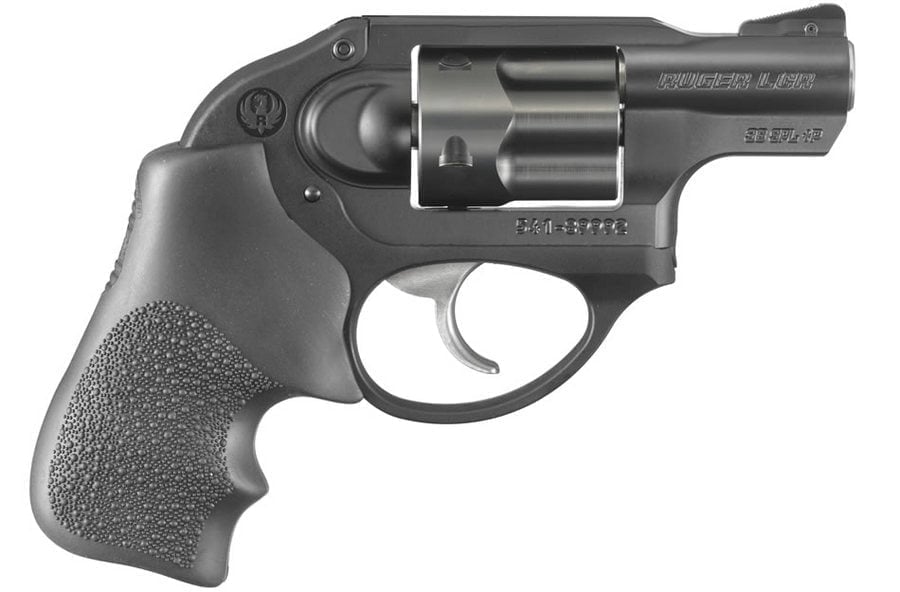
Table of Contents
How we tested: Every pick here is ranked against our testing methodology. Minimum round counts, accuracy and reliability protocols, the failures that disqualify a gun.
Review: Ruger LCR .38 Special +P – 500 Round Test of the Best Snubnose Trigger
Our Rating: 8.2/10
- RRP: $759
- Street Price: $568.99 (Check our live pricing for the best current deal)
- Caliber: .38 Special +P
- Action: Double Action Only (DAO)
- Barrel Length: 1.87″
- Overall Length: 6.50″
- Height: 4.50″
- Width: 1.28″
- Weight (unloaded): 13.5 oz
- Capacity: 5 rounds
- Frame: Monolithic 7000-series aluminum with polymer fire control housing
- Cylinder: Stainless steel with PVD finish
- Sights: Replaceable pinned ramp front / U-notch rear
- Safety: Transfer bar (internal)
- Grip: Hogue Tamer Monogrip
- Made in: Prescott, Arizona, USA
Pros
- Best double-action trigger in any snubnose revolver, period
- Only 13.5 oz. Lighter than a loaded magazine for most pistols
- Replaceable pinned front sight (most snubbies have integral sights)
- Hogue Tamer Monogrip included, actually absorbs recoil
- Innovative 3-part construction reduces weight without sacrificing strength
- Made in the USA (Prescott, Arizona)
Cons
- +P recoil is punishing at 13.5 oz. Your palm will know it
- Hogue Tamer grip snags on pocket fabric. Swap to Boot Grip for pocket carry
- PVD cylinder finish can wear and flake with heavy use (cosmetic only)
- Easy to short-stroke the trigger if you ride the reset like a semi-auto
- Only 5 rounds. The Taurus 856 gives you 6
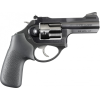
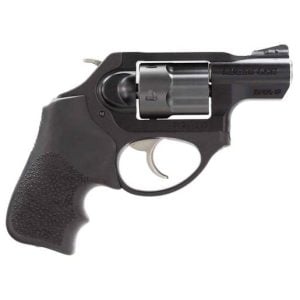
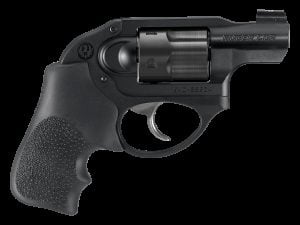
Quick Take
TL;DR: The Ruger LCR .38 Special +P has the best double-action trigger of any snubnose revolver under $530. 13.5 oz with the Hogue Tamer grip, 5-round capacity, polymer fire-control housing, and zero malfunctions across 500 rounds. 8/10 overall.
I’ve carried snubnose revolvers for years. J-Frames, mostly. The Smith 642 lived in my pocket for a long time and I never had a complaint. Then I shot the Ruger LCR, and that 642 suddenly felt like I was pulling a trigger through wet sand.
The LCR’s friction-reducing cam trigger system is the real deal. It’s not marketing fluff. You feel the difference on the first pull. The break is smooth and progressive where most DAO snubbies feel gritty, stacky, and generally awful. Ruger figured out how to make a double-action-only trigger that you actually want to shoot.
At 13.5 ounces, the LCR is also the lightest .38 Special snubnose you can buy without going to exotic materials like scandium. That’s a big deal for a gun whose entire job is disappearing into a pocket or ankle holster. The tradeoff is felt recoil with +P loads, which is harsh. There’s no free lunch.
After 500 rounds of mixed ammo, I came away impressed. Not perfect. But genuinely excellent at what it’s designed to do.
Best For: Concealed carry shooters who want the best trigger in a pocket revolver and don’t mind the +P recoil tradeoff. Ideal for deep concealment, backup gun duty, and anyone upgrading from a J-Frame. Also a strong pick for women looking for a manageable compact revolver.
Why Ruger Built the LCR This Way
TL;DR: Ruger launched the LCR in 2009 to challenge the J-Frame with a three-material construction: polymer fire-control housing, aluminum frame, and stainless cylinder. The friction-reducing cam inside the fire-control housing is what gives the LCR its smoother trigger pull than any other snubnose. All chamberings meet SAAMI pressure specs.
Ruger had a problem. By 2009, the snubnose revolver market belonged to Smith and Wesson. The J-Frame had been the default concealed carry revolver for decades, and nothing else came close in market share. If Ruger wanted in, they couldn’t just build another J-Frame clone. They needed something genuinely different.
So they went weird with it. Instead of a traditional all-steel or all-aluminum frame, the LCR uses a three-part construction: a monolithic 7000-series aluminum frame, a polymer fire control housing, and a stainless steel cylinder with PVD finish. That polymer fire control housing is the secret sauce. It drops weight dramatically while also isolating the trigger components from the aluminum frame, which reduces friction.
And that’s where the patented friction-reducing cam comes in. Most double-action revolvers have a trigger pull that stacks. It gets heavier and heavier until it breaks. The LCR’s cam system redistributes that force more evenly across the entire pull. The result is a trigger that feels lighter than it actually measures, because the force is constant instead of building to a peak.
It worked. The LCR carved out serious market share from Smith and Wesson, and the trigger became legendary in the snubnose world. Ruger wasn’t trying to build a better J-Frame. They built something else entirely.
Competitor Comparison
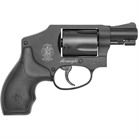
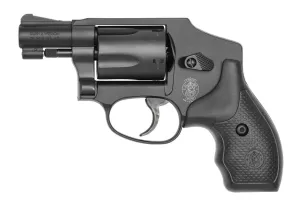
TL;DR: The LCR’s main rivals are the S&W 642 Airweight and 442 ($430-$500), the budget Taurus 856 ($260-$330), the premium Kimber K6s ($850-$1,050), and the lighter Scandium-frame S&W 340PD ($900-$1,000). The LCR beats them all on trigger feel in its price class.
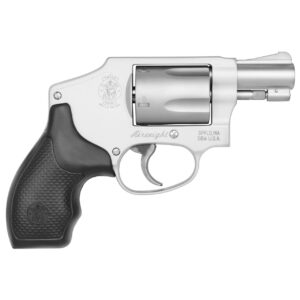
Where the 642 wins is aftermarket. Every holster maker builds for the J-Frame: grips, sights, speedloaders. The LCR’s ecosystem has grown but is not J-Frame territory. If you want the biggest aftermarket and don’t care about the trigger, the 642 is still great. If trigger quality matters, the LCR wins.
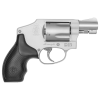
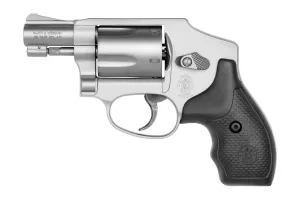

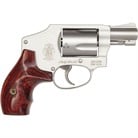
The 442 is essentially a 642 in black. Same gun, same trigger, same weight, same 14.6 oz. If you’re choosing between the 442 and the LCR, everything I said about the 642 applies. The 442 gives you a dark finish instead of stainless. Pick the color you like. The LCR still has the better trigger.
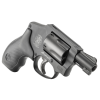
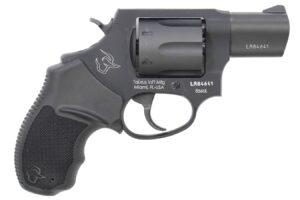
The trigger is a clear step down from the LCR. Acceptable, not in the same league. If budget is the deciding factor, the 856 gets the job done. If you’re spending real money on a carry gun, the LCR is worth the premium.
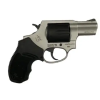
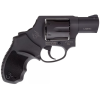
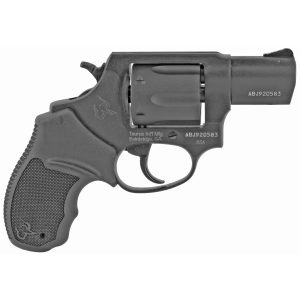
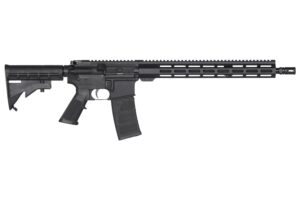
The K6s is the premium option. Six rounds of .357 Magnum in an all-steel package, beautiful fit and finish, and a trigger that’s genuinely excellent. But it starts at $850 street and weighs 23 ounces. A different class of gun for a different kind of buyer, range-worthy carry revolver if you don’t mind the weight or price tag. If you want a featherweight pocket gun, the LCR makes more sense.

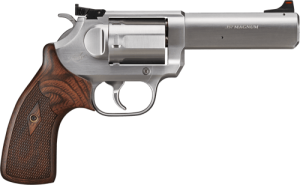
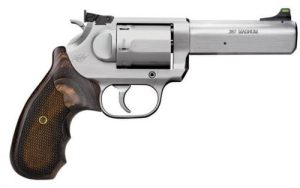
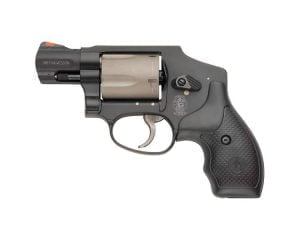
Most 340PD owners end up shooting .38 Special anyway. At that point you’re paying $900+ for a trigger that isn’t as good as the LCR’s. Hard to justify unless you absolutely need to shave those last two ounces.
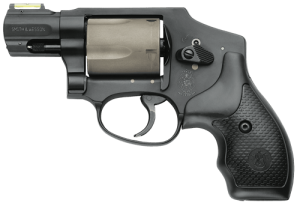
Features and Design Deep Dive
TL;DR: Three-part construction (polymer FCH, 7000-series aluminum frame, stainless cylinder), patented friction-reducing cam trigger, Hogue Tamer Monogrip standard, replaceable pinned ramp front sight, and 1.87-inch barrel. Chambered in .38 Spl +P, .357 Mag, .22 LR, .22 WMR, and 9mm depending on variant.
The Trigger: Why Everyone Talks About It
I need to be specific here because “good trigger” gets thrown around loosely. The LCR’s trigger pull measures around 9.5 to 10 pounds on my Lyman gauge. That’s not light. In fact, it’s about the same weight as most J-Frames. The difference is in how that weight is distributed across the pull stroke.
Traditional DAO revolvers stack. The pull starts light and gets progressively heavier until it breaks at peak force. The LCR’s cam system keeps the force nearly constant from start to finish. Your finger doesn’t hit a wall. It just keeps rolling smoothly until the hammer drops. The practical effect is that it feels 2-3 pounds lighter than it actually is, and your shots don’t jerk off target at the break point.
One caveat. If you’re used to semi-auto triggers, you might short-stroke the LCR. The reset is long and you need to let the trigger all the way forward before the next pull. Ride it like a Glock and nothing happens. Let it reset fully and it’s butter. Takes about 50 rounds to retrain your finger.
Construction: Three Parts, One Gun
LCR’s three-part construction is unusual and it’s the reason the gun weighs only 13.5 ounces. The upper portion is 7000-series monolithic aluminum, which handles the barrel and cylinder lockup. The fire control housing is aerospace-grade polymer, which drops weight while isolating the trigger components. The cylinder is stainless steel with a PVD coating for corrosion resistance.
Does the polymer concern me? No. It’s not structural in the way a polymer-frame pistol is structural. The aluminum frame handles the forces of firing. The polymer just houses the trigger group. Ruger has been shipping these since 2009 and catastrophic frame failures aren’t a thing. It works.
Sights: Better Than You’d Expect
Most snubnose revolvers have sights that are basically suggestions. A machined groove in the top strap and a tiny fixed ramp up front. The LCR upgrades this with a replaceable pinned front sight and a U-notch rear integral to the frame. The front sight is pinned, not integral, which means you can swap it for a tritium or fiber optic option without a gunsmith.
That’s a bigger deal than it sounds. The XS Sights Standard Dot Tritium drops right in for about $40 and turns the LCR into a genuinely usable low-light gun. Try doing that with a 642.
The Hogue Tamer Grip: Love It or Replace It
Ruger ships the LCR with a Hogue Tamer Monogrip that does a solid job absorbing recoil. The rubber compound is soft enough to cushion +P loads and the finger groove helps with consistent hand placement. For range shooting and belt carry, it’s excellent.
For pocket carry, it’s terrible. The tacky rubber catches on every type of fabric I’ve tried. Drawing from a pocket with the Tamer grip feels like pulling a tennis ball out of a sock. If pocket carry is your plan, budget an extra $30 for a Hogue Bantam Boot Grip and swap it before you even leave the house.
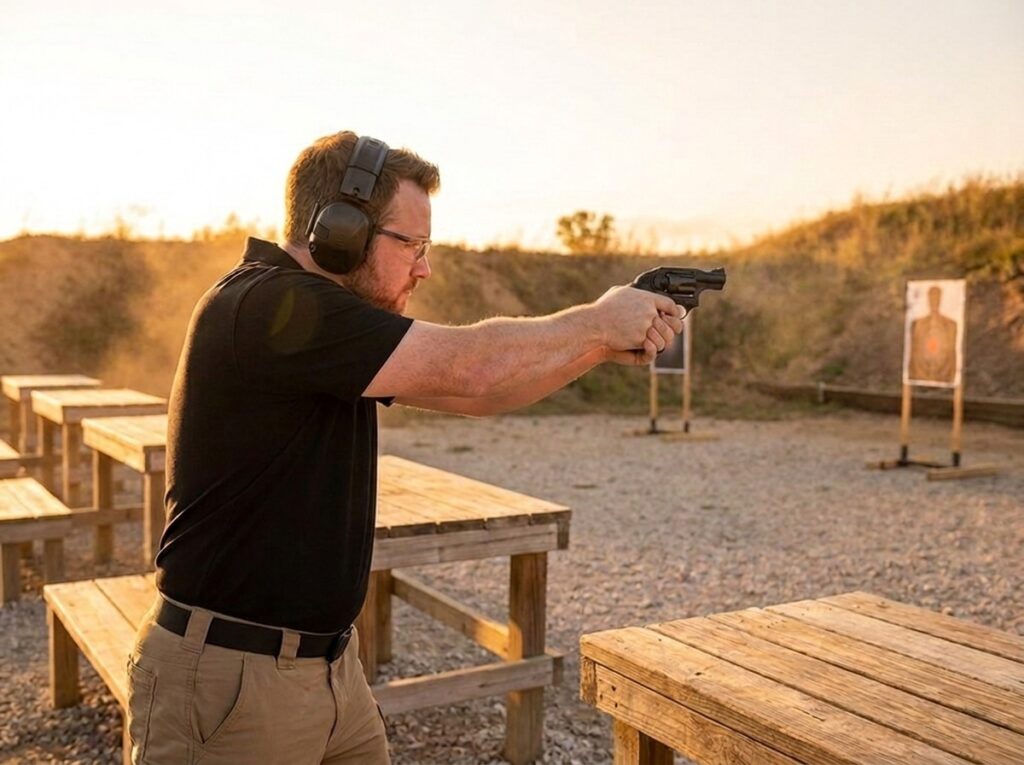
At the Range: 500 Round Test
TL;DR: 500 rounds through the .38 Special +P LCR across six loads: Federal HST Micro 130gr +P, Speer Gold Dot Short Barrel 135gr +P, Hornady Critical Defense 110gr, Remington 158gr LSWCHP, Winchester White Box 130gr FMJ, and Federal American Eagle 158gr LRN. Zero malfunctions.
I put 500 rounds through the LCR over four range sessions. Here’s what I ran.
- Federal American Eagle 130gr FMJ: 200 rounds
- Winchester White Box 130gr FMJ: 100 rounds
- Remington UMC 130gr FMJ: 100 rounds
- Speer Gold Dot 135gr +P JHP: 50 rounds
- Federal HST Micro 130gr JHP: 50 rounds
Break-In
There was none. It’s a revolver. The trigger was smooth from round one and stayed smooth through round 500. No break-in period, no parts to wear in, no spring settling. Cylinder lockup was tight from the start and stayed tight. One of the nice things about wheelguns.
Reliability
Five hundred rounds. Zero malfunctions. Zero failures of any kind. Every trigger pull went bang. I know that’s not exactly surprising for a revolver, but it’s still worth documenting. The ejector star worked cleanly every time, the cylinder spun freely, and the lockup stayed solid. Revolvers earn their reliability reputation for a reason.
Accuracy
At 7 yards (realistic self-defense distance for a snubnose), I was keeping all five rounds inside a 3-inch circle shooting double action only. That’s with a 1.87-inch barrel and a 10-pound trigger pull. The smooth cam trigger helps enormously here. With a J-Frame, my groups open up to 4-5 inches at the same distance because the trigger stacks and I’m fighting the break.
At 15 yards, groups opened to about 5-6 inches. Perfectly adequate for a defensive snubnose. Nobody is buying a 1.87-inch barreled revolver for precision shooting, but the LCR punches above its weight class thanks to that trigger.
Performance Testing Results
TL;DR: Reliability 10/10. Accuracy 7/10 (3-inch groups at 7 yards, acceptable for a snubnose). Ergonomics and recoil 8/10 with the Hogue Tamer. Fit and finish 8/10. Overall 8/10 weighted, the trigger carries this revolver against heavier, more expensive rivals.
Reliability: 10/10
Five hundred rounds of mixed ammo with zero issues. Standard pressure, +P, FMJ, hollow points. Everything ran. The cylinder locked up tight, timing was perfect, and extraction was clean every time. It’s a Ruger revolver. They just work.
Accuracy: 7/10
Better than most snubbies thanks to the trigger, but it’s still a 1.87-inch barrel DAO revolver. You’re not winning any bullseye matches. What you are doing is putting rounds where they need to go at defensive distances, and the smooth trigger pull makes that noticeably easier than the competition. The replaceable front sight is a bonus that lets you upgrade to something more visible.
Ergonomics and Recoil: 8/10
Hogue Tamer grip earns its name with standard pressure .38 loads. Comfortable, manageable, easy to control. With +P ammunition, things get spicy. The 13.5 oz weight means the gun snaps hard with hot loads. After about 30 rounds of +P, my palm was reminding me that physics doesn’t care about marketing. Standard pressure loads are pleasant enough to practice with all day. Run your +P carry ammo for qualification and training, then practice with standard loads. Your hands will thank you.
Fit and Finish: 8/10
The PVD finish on the cylinder looks sharp out of the box. Clean, even, professional. The aluminum frame is nicely machined and the polymer fire control housing fits smoothly. My only gripe is that the PVD coating shows holster wear faster than I’d like. After 500 rounds and regular holstering, there are faint marks on the cylinder. Purely cosmetic, but notable if you’re the kind of person who cares about keeping guns looking new.
Known Issues and Problems
TL;DR: Four Ruger LCR problems appear in long-term ownership: PVD finish wear on the cylinder after 1,000+ rounds, occasional trigger short-stroking with aggressive resets, grip snag on pocket carry with the factory Hogue Tamer, and .38 Special +P recoil that punishes training sessions.
PVD Finish Wear
PVD coating on the stainless cylinder can wear, scratch, and occasionally flake with heavy use. This is cosmetic only and doesn’t affect function. The stainless steel underneath is perfectly corrosion resistant. But if you carry daily and holster/unholster frequently, expect the cylinder to show it within a year. Not a dealbreaker. Just reality.
Trigger Short-Stroking
If you’re coming from semi-autos and you’re used to riding the trigger reset, you’ll short-stroke the LCR for the first magazine. The trigger needs to travel all the way forward before it resets. Don’t try to feel for a reset point like a Glock. Just let it go forward completely and pull again. Fifty rounds of practice fixes this permanently.
Pocket Carry Grip Snag
Stock Hogue Tamer Monogrip is too tacky for pocket carry. It grabs fabric and makes draws inconsistent. Swap to a Hogue Bantam Boot Grip ($30) or a similar smooth grip if pocket carry is your primary mode. The Boot Grip also makes the gun slimmer and easier to conceal, at the cost of some recoil absorption.
+P Recoil
Thirteen and a half ounces is not a lot of gun to soak up +P energy. Your palm will sting after extended sessions with hot loads. This is a physics problem, not a design flaw. Every sub-14oz snubnose has this issue. Train mostly with standard pressure and carry +P. Accept the tradeoff or buy a heavier gun.
Your Reviews
What Owners Are Saying
“After getting an LCR and putting 50 rounds through it, I sold my 442. Night and day difference with the trigger.”
– RugerForum
“The trigger on the LCR is probably my favorite thing about the gun. The patented cam system is excellent.”
– RevolverGuy.com
“Had mine over 4 years. Never a single malfunction. It just works every time.”
– RugerForum
“The .38 LCR hurts the palm of my hand. I only want to shoot about 20 rounds.”
– RevolverGuy.com commenter
“At 13.5 ounces it weighs about as much as a can of soda. I routinely toss it in my pocket when cutting grass.”
– ConcealedCarry.com
“It’s NOT as easy to pocket carry as a J-Frame. It’s a tad bigger and that wide trigger guard doesn’t work with most J-Frame holsters.”
– RugerForum
Parts, Accessories and Upgrades
TL;DR: Priority LCR upgrades: Hogue Bantam Boot Grip for deep concealment, Tyler T-Grip adapter, XS Sights DXT Big Dot tritium front, Crimson Trace LG-415 laser grip, DeSantis Nemesis pocket holster, and Safariland Comp II speedloaders. Budget roughly $150-$300 for a full accessory package.
| Upgrade Category | Recommended Component | Why It Matters | Cost Estimate |
|---|---|---|---|
| Grips | Hogue Bantam Boot Grip | Essential for pocket carry. Eliminates fabric snag. | $30 |
| Laser | Crimson Trace LG-415 | Low-light aiming without changing grip or sight picture. | $200-$280 |
| Front Sight | XS Sights Standard Dot Tritium | Pinned replacement. Night visibility without batteries. | $40 |
| Speedloader | Safariland Comp I | Fastest way to reload 5 rounds. Practice required. | $15 |
| Speed Strips | Bianchi Speed Strips | Flat, pocketable reload. Slower but more concealable. | $10 |
| Pocket Holster | DeSantis Nemesis | Breaks up the outline. Sticky exterior stays in pocket. | $25 |
| IWB Holster | Vedder LightTuck | Adjustable retention and cant. Excellent for belt carry. | $65 |
| Grip Extension | Tyler T-Grip Adapter | Fills the gap behind the trigger guard for better control. | $20 |
The Verdict
TL;DR: The Ruger LCR .38 Special +P is a buy at $430-$530 street. 8/10 after 500 rounds. Best For concealed carry shooters who prioritize trigger quality in a featherweight pocket revolver. Direct rival: S&W 642 Airweight. If the trigger matters to you, the LCR wins.
Ruger LCR .38 Special +P does one thing better than any snubnose revolver on the market: the trigger. And in a DAO revolver, the trigger is everything. It’s the difference between hits and misses at defensive distance, the difference between wanting to practice and dreading range day, the difference between confidence and uncertainty.
It’s not perfect. The +P recoil is harsh, the stock grip doesn’t work for pocket carry, and the PVD finish won’t stay pretty forever. Five rounds is five rounds, and some people will always want six. But Ruger built the LCR with clear priorities: best trigger, lightest weight, replaceable sights. They nailed all three.
If you’re currently carrying a J-Frame and you’ve never shot an LCR, go find one at your local gun store and pull that trigger. That’s all it takes. You’ll understand why people sell their 642s after buying one.
Final Score: 8.2/10
Best For: Concealed carry shooters who prioritize trigger quality and light weight. Excellent for pocket carry (with a grip swap), ankle carry, backup gun duty, and anyone who wants the best-shooting snubnose in the $450-$530 price range. A strong choice for home defense nightstand duty as well.
Curious about the big .410 revolver? Read our Taurus Judge review.
FAQ: Ruger LCR .38 Special +P
Is the Ruger LCR reliable?
Extremely reliable. We fired 500 rounds through the LCR with zero malfunctions across six different loads. The revolver mechanism is inherently simple and the LCR has no known systemic reliability issues. It is one of the most dependable carry revolvers on the market.
Is the Ruger LCR trigger really that good?
Yes. The LCR uses a patented friction-reducing cam system that produces one of the smoothest double-action triggers available in a production revolver. Most reviewers and owners agree it is noticeably better than the S&W J-frame trigger out of the box.
Ruger LCR vs S&W 642: which should I buy?
The LCR has a better trigger and weighs about an ounce less at 13.5 oz. The 642 has a larger aftermarket for holsters and grips, plus slightly better resale value. Both are excellent pocket revolvers. The LCR edges ahead on shootability.
Can the Ruger LCR shoot +P ammo?
Yes, the .38 Special model (5401) is rated for continuous +P use. We recommend Federal HST Micro 130gr +P or Speer Gold Dot Short Barrel 135gr +P for carry. Practice with standard pressure ammo to save your hands.
Is the Ruger LCR good for pocket carry?
Good but not perfect. At 13.5 ounces it is very light, but the Hogue Tamer grip is tacky and can catch on pocket fabric. Swap to the Hogue Bantam Boot Grip for smoother pocket draws. Use a DeSantis Nemesis or similar pocket holster.
What caliber Ruger LCR should I get?
The .38 Special +P model (5401) is the best all-around choice. It balances shootability, ammo cost, and defensive effectiveness. The .357 Magnum model offers more power but recoil in a 17-ounce gun is brutal. Most .357 LCR owners end up shooting .38 anyway.
What are the best upgrades for the Ruger LCR?
The top upgrades are a Hogue Bantam Boot Grip for pocket carry, an XS Sights tritium front sight for low-light visibility, and a Crimson Trace LG-415 laser grip. A Tyler T-Grip adapter improves grip purchase for about 20 dollars.
How accurate is the Ruger LCR?
We held 3-inch groups at 7 yards with double-action fire and standard pressure ammo. The replaceable front sight and smooth trigger give the LCR a slight accuracy advantage over J-frames with fixed sights. It is more accurate than most shooters expect from a snubnose.
4,830+ Gun & Ammo Deals
Updated daily from 200+ top retailers. Filter by category, caliber, action type, and price.