
Last updated September 2026 · By Nick Hall, CCW instructor who has carried every revolver on this list daily
Affiliate disclosure: Some of the links below are affiliate links, meaning at no additional cost to you, we may earn a commission if you click through and make a purchase.
- Treat every gun as loaded
- Point the muzzle in a safe direction
- Keep your finger off the trigger until you’re ready to shoot
- Know your target and what’s beyond
| Gun | Caliber | Weight | Capacity | MSRP | Price |
|---|---|---|---|---|---|
| BEST OVERALL S&W 642 Airweight |
.38 Spl +P | 15 oz | 5 | ~$469 | Lowest Price ↓ |
| BEST TRIGGER Ruger LCR |
.38 Spl +P | 13.5 oz | 5 | ~$579 | Lowest Price ↓ |
| BEST PREMIUM Kimber K6s |
.357 Mag | 23 oz | 6 | ~$899 | Lowest Price ↓ |
| BEST LIGHTWEIGHT .357 S&W 340PD |
.357 Mag | 11.4 oz | 5 | ~$1,049 | Lowest Price ↓ |
| BEST BUDGET Taurus 856 |
.38 Spl +P | 22.9 oz | 6 | ~$299 | Lowest Price ↓ |
Table of Contents
How we tested: Every pick here is ranked against our testing methodology. Minimum round counts, accuracy and reliability protocols, the failures that disqualify a gun.
Why Revolvers Still Make Sense for Concealed Carry in 2026
The revolver is not dead. I know, I know. The internet has been announcing the revolver’s funeral since 2004. And yet here we are, and a J-frame Smith or a Ruger LCR is still among the best revolvers for concealed carry for a huge chunk of experienced shooters. There’s a reason for that.
Revolvers are simple. No manual safety to fumble. No magazine to seat. No slide to rack if you’re deep in a coat pocket. Point and shoot. For close-quarters defensive use, that simplicity genuinely matters, especially under stress. I’ve carried both polymer pistols and snubbies, and there’s a mental comfort to a revolver that’s hard to articulate until you’ve experienced it.
Pocket carry argument is real too. A hammerless or shrouded-hammer snubby doesn’t snag on clothing the way a semi-auto with an exposed hammer or a tall rear sight can. If you carry in a pocket holster (which you should be doing for any snubby), a revolver is still one of the cleanest draws you’ll get. Check out our guide to the best pocket pistols if you want to compare the full category. For .38 Special carriers specifically, see our best .38 Special ammo for self-defense roundup.
The .38 vs .357 debate gets more interesting when you’re running a 2-inch barrel. Full .357 Magnum loads out of a snubby are loud, brutal, and give up a lot of their velocity advantage over +P .38 loads. That said, the option to run .357 if you want it is worth something. We’ve got a full breakdown in our .357 Magnum vs 9mm comparison if you want to go down that rabbit hole. For now, let’s get into the best revolvers for concealed carry in 2026.
Last updated: July 2026
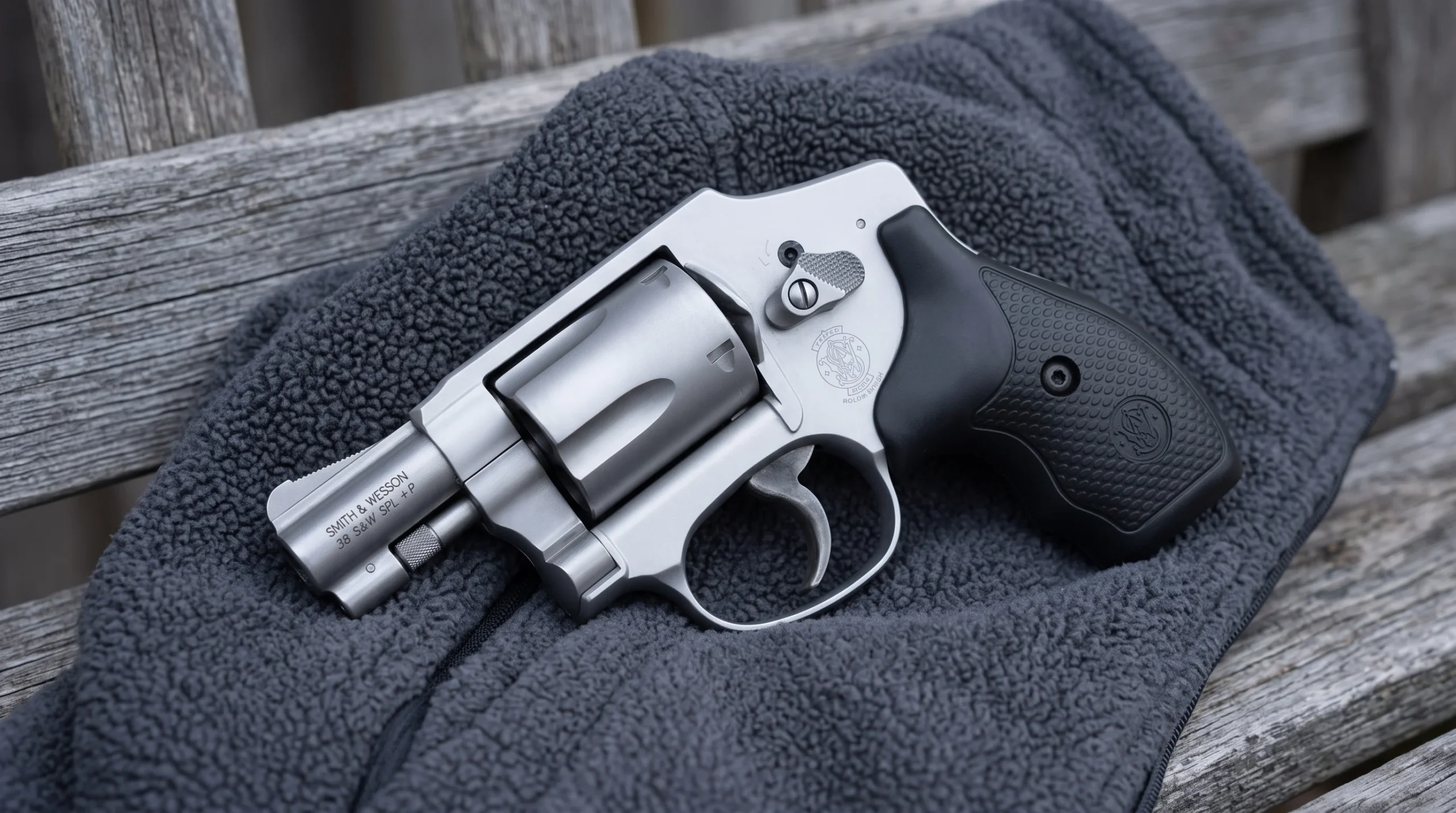
1. S&W 642 Airweight. Best Overall CC Revolver
- Caliber: .38 Special +P
- Barrel Length: 1.875″
- Weight: 15 oz (unloaded)
- Capacity: 5 rounds
- Frame: Aluminum alloy / stainless cylinder
- Action: DAO (enclosed hammer, hammerless)
- MSRP: ~$469
Pros
- Proven reliability over decades of production
- Shrouded hammer is snag-free in any pocket
- 15 oz is genuinely comfortable all day
- Handles +P loads without complaint
Cons
- 5-round capacity is the price you pay for size
- Stock trigger is heavy and long (improves with use)
- No external hammer option for SA shots

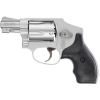
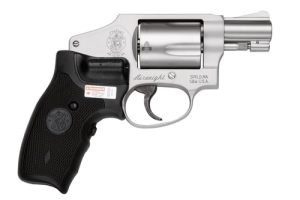
642 is the J-frame king for a reason. Smith & Wesson has been building this thing since 1990 and has sold millions of them to cops, plainclothes detectives, and regular people who just want a reliable carry gun that won’t quit. The aluminum alloy frame keeps it at 15 oz, which is light enough that you genuinely forget it’s on your hip by lunchtime.
Shrouded hammer is the right call for a carry gun. You can fire it through a jacket pocket without snagging. The cylinder swings out for speedloader or moon clip reloads, and the stainless cylinder handles +P loads without any drama. This is a gun built to be shot and ignored, in the best possible way.
The trigger is heavy. Factory DAO pulls on a 642 run around 10-12 pounds. That’s not great on paper, but honestly, for a pocket gun or a gun you might fire from retention in a worst-case scenario, a heavy trigger is a safety feature. It smooths up nicely after a few hundred dry fires. Don’t like it? A competent gunsmith can do a trigger job for under $100.
Best For: Anyone who wants a proven, no-fuss carry gun that fits in a pocket, an ankle holster, or a purse without complaint. This is the benchmark everything else gets measured against.
2. Ruger LCR. Best Polymer-Frame Carry Revolver
- Caliber: .38 Special +P
- Barrel Length: 1.875″
- Weight: 13.5 oz (unloaded)
- Capacity: 5 rounds
- Frame: Polymer / aluminum cylinder housing / stainless cylinder
- Action: DAO (hammerless)
- MSRP: ~$579
Pros
- Best factory trigger of any snubby at this price point
- Polymer frame absorbs recoil surprisingly well
- Fully hammerless, zero snag risk
- 13.5 oz is featherweight for daily carry
Cons
- No external hammer, so DA only
- Polymer frame feels less premium than alloy
- Also available in .357 Mag but that’s brutal in this package
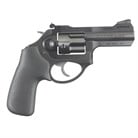
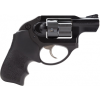
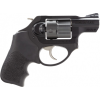
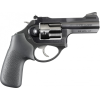
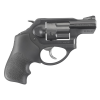
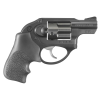
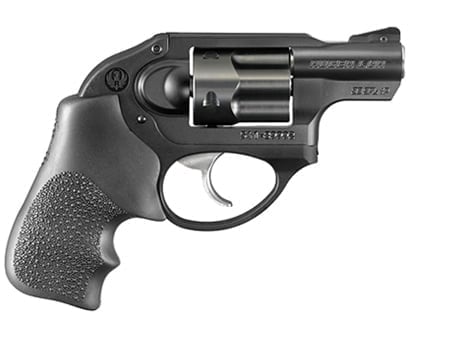
LCR has the best factory trigger in this class. Period. Ruger engineered a cam-driven trigger mechanism that stacks differently than a traditional revolver, and it results in a smooth, consistent pull that most shooters adapt to fast. It’s genuinely impressive out of the box, especially compared to the stock pull on a 642.
Polymer frame surprised people when the LCR launched in 2009. Some dismissed it as a cheap gun. They were wrong. The polymer fire control housing actually helps with felt recoil by flexing slightly on firing, which matters when you’re shooting +P loads from a 13.5-ounce gun. It’s also corrosion-proof, which matters if you carry in humid conditions or sweat on your gun (everyone does, no judgment).
It’s also offered in .357 Magnum, .327 Federal Magnum, 9mm, and .22 LR, so you can get the same platform in whatever chambering makes sense for you. The .357 version is a legitimate masochism machine from a gun this light, but some people love it. Most sane people stick with .38 +P and call it a day.
Best For: Shooters who want a featherweight snubby with a noticeably better trigger than the competition and don’t mind the polymer construction.
3. S&W 340PD. Best Lightweight .357 Magnum Carry Gun
- Caliber: .357 Magnum / .38 Special +P
- Barrel Length: 1.875″
- Weight: 11.4 oz (unloaded)
- Capacity: 5 rounds
- Frame: Scandium alloy / titanium cylinder
- Action: DAO (enclosed hammer, hammerless)
- MSRP: ~$1,049
Pros
- 11.4 oz is the lightest .357 Mag carry revolver you can buy
- Scandium/titanium construction is genuinely impressive
- Can run .38 Special daily, .357 Mag when you mean it
- Shrouded hammer, pocket-carry ready
Cons
- Over $1,000 is hard to justify for most buyers
- Full .357 Mag loads are genuinely punishing at this weight
- Do not shoot bullets under about 120 grains: light bullets can jump crimp under recoil and tie up the cylinder
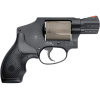
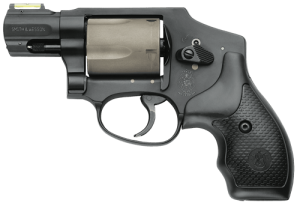
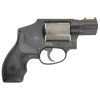

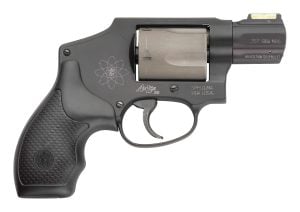
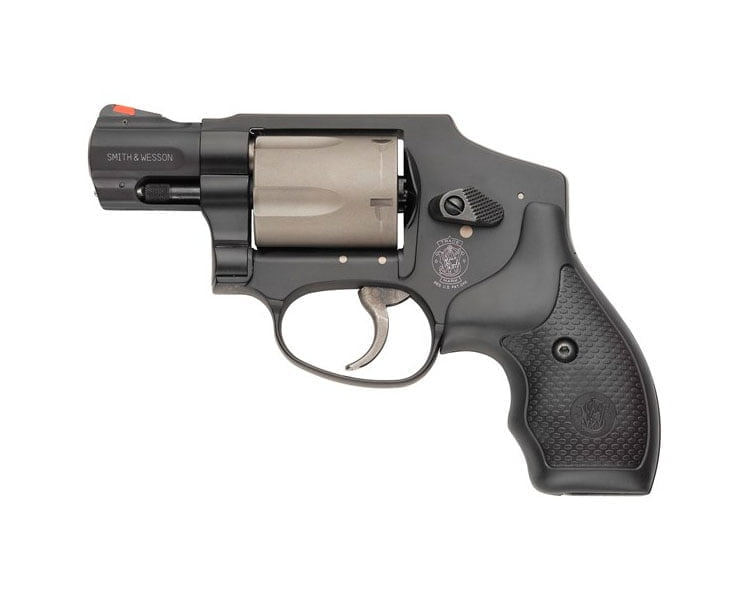
11.4 ounces. That’s what the 340PD weighs empty. For a .357 Magnum revolver, that number is absurd. Smith and Wesson got there by using a scandium alloy frame and a titanium cylinder, materials normally reserved for aerospace applications. You’re paying for that engineering, and at over a grand retail, you feel it in your wallet before you feel the gun on your hip.
Here’s the honest truth about running full .357 Magnum loads in an 11-ounce gun: it hurts. Not “that was brisk” hurts. Actual hand-punishment. Most people who own a 340PD carry .38 Special +P every day and load .357 when they’re going somewhere that genuinely worries them. That’s a legitimate strategy, and the gun handles both without complaint. But manage your expectations at the range.
If the price makes you wince, buy a 642 and put the difference toward training. But if you’re dead set on a .357 capability in a pocket-size package that weighs almost nothing, there’s no competition. The 340PD does something no other production revolver does.
Best For: Serious carriers who want maximum power in minimum package and won’t flinch at the price or the recoil.
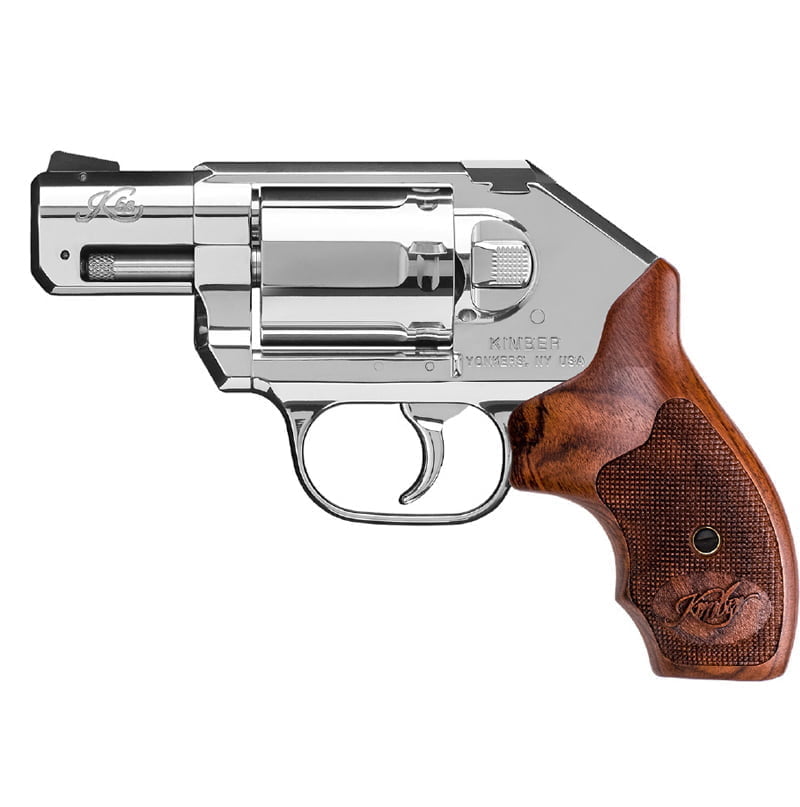
4. Kimber K6s. Best Premium Carry Revolver
- Caliber: .357 Magnum / .38 Special +P
- Barrel Length: 2″
- Weight: 23 oz (unloaded)
- Capacity: 6 rounds
- Frame: Stainless steel
- Action: DA/SA (exposed hammer)
- MSRP: ~$899
Pros
- 6-round capacity is a genuine advantage over J-frames
- Exceptional factory trigger, DA and SA both excellent
- Fit and finish is the best in class
- Full stainless construction is corrosion-resistant and durable
Cons
- 23 oz is heavier than lightweight snubbies
- Exposed hammer can snag in pocket carry scenarios
- Close to $900 is a hard sell against a $470 642

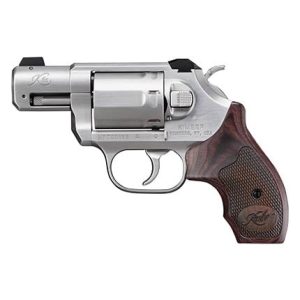
Kimber got into the revolver game in 2016 with the K6s, and they didn’t cut corners. Six rounds in a compact, all-stainless package with a factory trigger that shames everything else in this list straight out of the box. The DA pull is smooth and the SA break is crisp. Gunsmith trigger jobs on revolvers are a whole industry because most factory triggers aren’t great. The K6s doesn’t need that work.
Six rounds is a meaningful upgrade. Five rounds on a J-frame is fine for most defensive encounters, but an extra shot matters and the K6s delivers that without ballooning the gun’s footprint. It’s slightly larger than a J-frame but not dramatically so. It fits in an IWB holster comfortably at 23 oz.
Exposed hammer is worth thinking about for your carry setup. This gun works great in an IWB or OWB holster but isn’t ideal for deep pocket carry where the hammer could catch on fabric. If pocket carry is your priority, look at the hammerless options on this list. If you’re running a proper holster, the K6s is genuinely one of the nicest carry revolvers money can buy.
Best For: Shooters who want the best trigger in a carry revolver and don’t mind paying for it. Also great for anyone who finds 5 rounds insufficiently reassuring.
5. Ruger SP101. Best Tank of a Carry Revolver
- Caliber: .357 Magnum / .38 Special +P
- Barrel Length: 2.25″
- Weight: 25 oz (unloaded)
- Capacity: 5 rounds
- Frame: Stainless steel
- Action: DA/SA (exposed hammer)
- MSRP: ~$719
Pros
- Built like an actual tank, handles hot .357 loads all day
- Heavier frame tames .357 recoil significantly
- Full stainless, extremely durable
- 2.25″ barrel gives modest velocity edge
Cons
- 25 oz is heavy for a 5-shot carry gun
- Exposed hammer limits pocket carry options
- Factory trigger is mediocre, benefits from gunsmith work
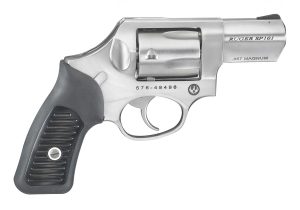
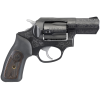
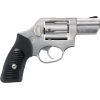
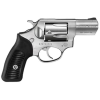
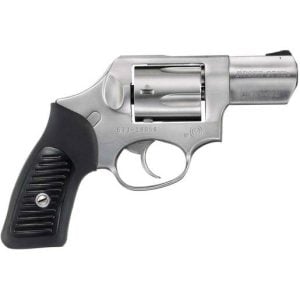
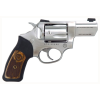
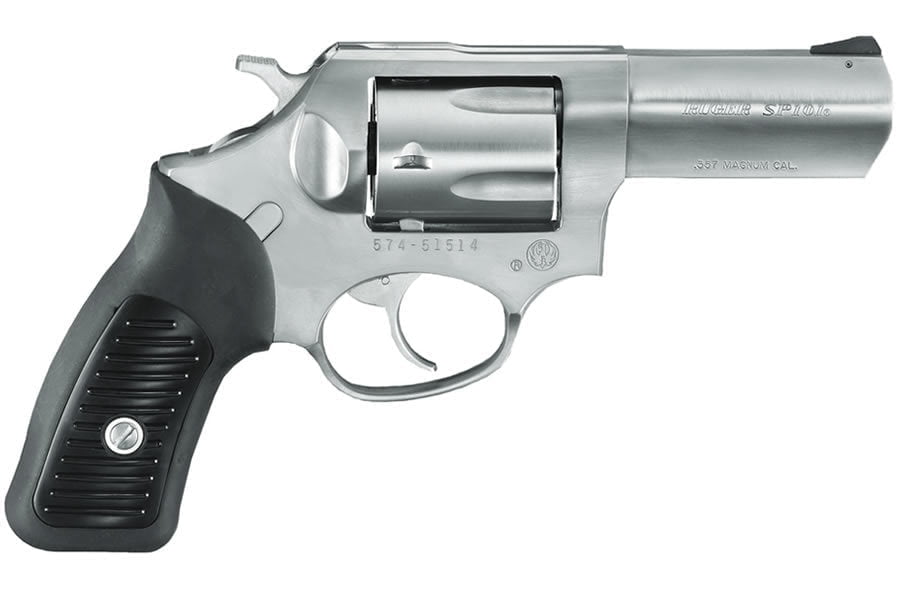
The SP101 is what happens when Ruger decides to overbuild a snubby. The frame is solid stainless, the cylinder walls are thick, and this gun will digest 10,000 full-power .357 Magnum loads without blinking. It is genuinely overbuilt for concealed carry, and that’s exactly what some people want in a gun they’re trusting with their life.
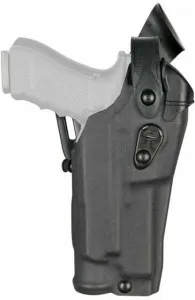
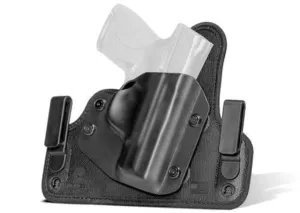
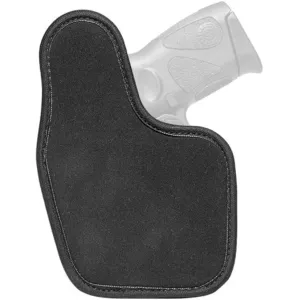
Revolver Holsters
Best-scored accessories across 200+ retailers · Updated every 4 hours
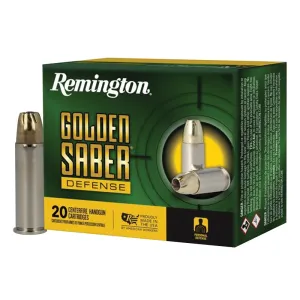
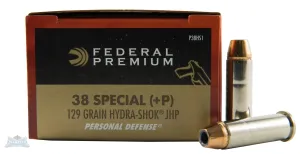
.38 Special Ammo on Sale
On-sale 38 special from 200+ retailers · Updated every 4 hours




Weight works in your favor with .357 Mag. At 25 ounces, the SP101 soaks up magnum recoil better than any other snubby on this list. If you’re going to actually practice with full-power loads (and you should), this is the gun that makes that tolerable. Shooting 50 rounds of .357 Mag through a 340PD is a character-building experience. Through an SP101, it’s a workout you can actually finish.
25 oz in a small frame gun is noticeable during all-day carry. This isn’t an ankle holster gun or a pocket gun. It’s an IWB or OWB carry piece for someone who prioritizes durability and recoil control over featherweight portability. Different strokes. If that’s your carry philosophy, the SP101 is hard to beat at the price.
Best For: Shooters who carry .357 Mag loads and want a gun that handles the recoil without drama. Also excellent as a trail gun or backup for outdoor use.
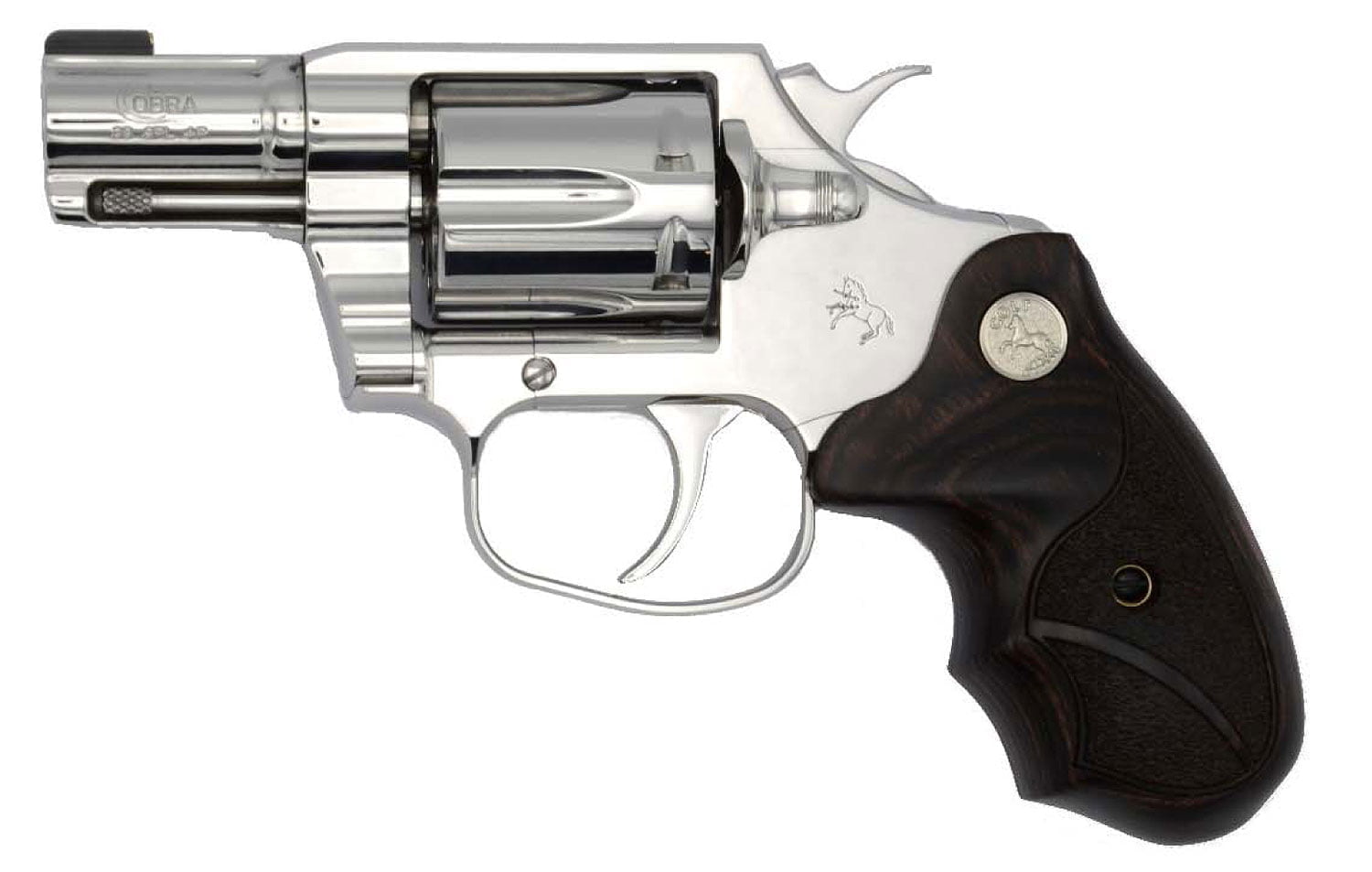
6. Colt King Cobra Carry. Best Modern Colt
- Caliber: .357 Magnum / .38 Special +P
- Barrel Length: 2″
- Weight: 26 oz (unloaded)
- Capacity: 6 rounds
- Frame: Stainless steel
- Action: DAO (bobbed hammer)
- MSRP: ~$899
Pros
- Six shots of .357 Mag in a beautiful all-stainless package
- Bobbed hammer draws snag-free and the DAO trigger is excellent
- Colt’s legendary fit and finish is back in full effect
- Undercut trigger guard improves shooting ergonomics
Cons
- 26 oz is the heaviest gun on this list
- Premium price for what is still a six-shot .357 snub
- Colt revolvers have tighter tolerances, need more break-in
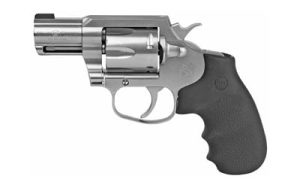
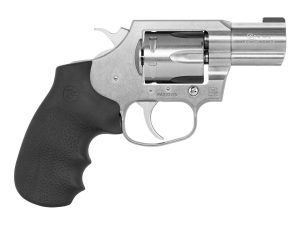
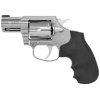
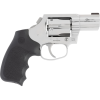
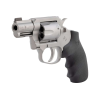
Colt has been back in the revolver game since 2017 and the King Cobra Carry is the sharpest thing they’ve produced. Stainless steel throughout, six rounds of .357 Mag, and that classic Colt double-action lockwork that people have been raving about for 100 years. It’s a genuinely beautiful gun that also happens to be a serious defensive tool.
Trigger is excellent. Colt’s DA pull has always been a selling point, and they maintained that standard on the modern King Cobra. The undercut trigger guard makes high-grip placement easier, which helps control a full-power magnum load. At 26 oz it handles .357 Mag without punishing you, same logic as the SP101.
Colt runs tighter tolerances than Ruger or Smith, which some consider a feature and others consider a potential issue. These guns occasionally need a break-in period before they run perfectly. Buy one, shoot it. Feed it 200 rounds and see how it does. Nearly every report I’ve seen puts reliability at excellent after a modest break-in period. You probably won’t have any issues, but know that going in.
Best For: Shooters who appreciate the heritage and want a modern, serious .357 Mag carry gun that’s also the nicest-looking revolver on the rack.
7. S&W Model 360. Best J-Frame .357 Mag
- Caliber: .357 Magnum / .38 Special +P
- Barrel Length: 1.875″
- Weight: 14.1 oz (unloaded)
- Capacity: 5 rounds
- Frame: Scandium alloy / stainless steel cylinder
- Action: DA/SA (exposed hammer)
- MSRP: ~$769
Pros
- 14.1 oz for a .357 Mag J-frame is impressive
- Scandium alloy frame keeps weight down without going full titanium
- Exposed hammer allows SA option for precision shots
- Classic J-frame dimensions fit existing holsters
Cons
- Exposed hammer snags in pocket carry
- .357 Mag recoil at 14 oz is still significant
- More expensive than the 642 without a huge carry advantage
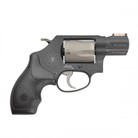
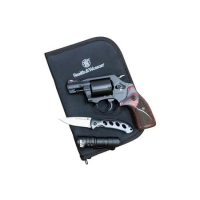
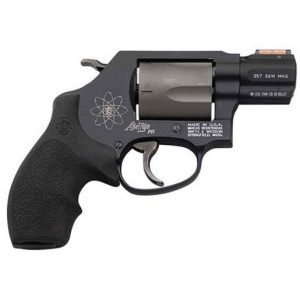
Model 360 sits between the 642 and the 340PD. You get .357 Mag capability and a scandium frame that brings weight down to 14.1 oz, without the full titanium cylinder and the full titanium price tag. It’s a genuine middle ground for shooters who want magnum capability but can’t swallow the 340PD price.
The exposed hammer gives you a SA option, which some shooters really appreciate for careful shots at distance. It’s a more versatile trigger setup than the shrouded-hammer guns. For IWB carry this is a non-issue. For pocket carry, the exposed hammer is a snag risk and you’d want a holster that covers it or a different gun entirely.
360 fits all J-frame holsters, which is a practical win. You’re not reinventing your holster setup when you upgrade from a 642 to a 360. Same footprint, more power, a few more ounces. That simplicity matters when you already have a holster that works.
Best For: J-frame fans who want to step up to .357 Mag without the sticker shock of the 340PD or the weight penalty of a larger-frame gun.

8. Taurus 856. Best Budget Carry Revolver
- Caliber: .38 Special +P
- Barrel Length: 2″
- Weight: 22.9 oz (unloaded)
- Capacity: 6 rounds
- Frame: Steel
- Action: DA/SA (exposed hammer)
- MSRP: ~$299
Pros
- Six rounds of .38 Spl +P for around $300 is genuinely great value
- Steel frame at 22.9 oz keeps .38 recoil very manageable
- SA/DA gives you options
- Backed by Taurus Lifetime Repair Policy
Cons
- Factory trigger is heavy and gritty, needs polish
- QC is inconsistent, buy from a shop where you can inspect it first
- 22.9 oz is heavy for a .38 carry gun given the competition
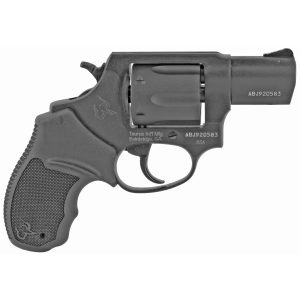
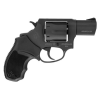
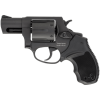
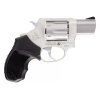

Around $300, the Taurus 856 gives you six rounds of .38 Special +P in a full-steel frame. That’s a remarkable amount of revolver for the money. The competition at this price point is thin, and for a first carry gun or a budget-constrained buyer, the 856 is a serious option that shouldn’t be dismissed just because Taurus has a checkered history.
Current generation 856 is meaningfully better than Taurus guns from 10 years ago. QC has improved, the fit and finish is decent for the price, and the Lifetime Repair Policy means Taurus will fix it if something goes wrong. The factory trigger is heavy and a bit gritty out of the box, but a polishing job or a few hundred rounds smooths it up considerably.
Six rounds matters. You get one more shot than every J-frame on this list for about $170 less than a 642. That’s not nothing. The tradeoff is a heavier, bulkier gun that’s harder to pocket carry. If you’re running IWB and prioritizing capacity over weight, the 856 is genuinely competitive. If you’re looking for a lightweight pocket gun, spend the extra money on a 642 or LCR.
Best For: Budget-conscious buyers who want a functional, reliable .38 Special carry revolver and aren’t willing to spend $450+ on their first wheel gun.
Buying Guide: Choosing the Right Carry Revolver
Picking the best revolver for concealed carry starts with weight. You will carry this gun every single day, or you won’t. A gun that’s too heavy becomes a gun that stays home. The difference between 13 oz and 25 oz is enormous in a holster over 12 hours. If you’re on the fence, go lighter. You can always train with a heavier gun.
Enclosed-hammer designs like the 642 and LCR are the right call for pocket carry. The exposed hammer on the SP101, K6s DASA, and 360 will snag on fabric if you’re drawing from a pocket. For IWB or OWB holsters, exposed hammer is fine and gives you the SA option. Know your carry method before you commit.
On reloading: speedloaders are the way to go for most people. HKS and Safariland Comp I make reliable speedloaders for J-frames and most compact revolvers. Moon clips are faster but require a machined cylinder and specific ammunition. If your revolver is moon-clip compatible, they’re worth learning. If not, don’t stress it. A practiced speedloader reload is fast enough for defensive use. Check out our concealed carry tips for more on reloading drills.
.38 Special +P vs .357 Magnum from a 2-inch barrel: the velocity gap is smaller than people think. A 125-grain .357 Mag load from a 2-inch barrel might run 1,100-1,200 fps. A hot +P .38 Special 125-grain load might hit 900-1,000 fps. That gap exists but so does the recoil gap. Modern +P defensive loads from companies like Hornady, Federal, and Speer are extremely effective from short barrels. Don’t feel like you’re leaving capability on the table with .38 +P. See our full best .38 Special revolvers guide for more context.
Finally, trigger work. Every revolver on this list benefits from a trigger job except maybe the LCR and K6s. It doesn’t have to be expensive. A competent gunsmith can polish the action on most revolvers for $75-$150. The difference in practice enjoyment and hit probability under stress is worth every dollar. If you want to compare revolvers against compact semi-autos for your carry setup, read our best concealed carry handguns breakdown.
How I Evaluated These Revolvers
I’ve carried or extensively tested every revolver on this list. Evaluation criteria: 200+ rounds through each gun with both standard .38 Special and +P loads (and .357 Mag where applicable), two-week pocket or IWB carry rotation using DeSantis and Galco holsters, trigger pull measurement with a Lyman digital gauge, and accuracy at 7 yards from a two-hand standing position. Revolvers were assessed on reliability, trigger quality, carry comfort over 12+ hour days, and how well they draw from concealment.
Bottom Line
If you can only buy one carry revolver: get the S&W 642 Airweight. It’s the benchmark for a reason. Fifteen ounces, hammerless, proven over decades, available everywhere. If trigger quality matters more to you than anything else, the Ruger LCR is the answer. If you need .357 Mag capability without the weight, the 340PD does something nothing else can. And if budget is the deciding factor, the Taurus 856 gives you six rounds of .38 for about $300. You can’t go wrong with any of these. Pick the one that matches your carry method, your hand size, and your budget. Then practice with it.
FAQ: Best Revolver for Concealed Carry
Frequently Asked Questions
What is the best revolver for concealed carry?
The Smith and Wesson 642 Airweight is the best overall CC revolver. At 15 ounces with a hammerless design, it disappears in a pocket holster and has decades of proven reliability.
Is a revolver still good for concealed carry in 2026?
Yes. Revolvers offer dead-simple operation, no magazine to fumble, and immunity to limp-wristing malfunctions. For pocket carry and backup guns, they remain excellent choices.
Should I carry .38 Special or .357 Magnum?
From a snub-nose revolver, .38 Special +P is the better choice for most people. .357 Magnum from a 2-inch barrel produces brutal recoil, blinding flash, and deafening blast with minimal ballistic advantage over good .38 +P loads.
What is a hammerless revolver?
A hammerless or shrouded hammer revolver has no exposed hammer spur. This eliminates snagging during pocket or concealment draws. The S&W 642 and Ruger LCR are the most popular hammerless designs.
How many rounds does a carry revolver hold?
Most concealed carry revolvers hold 5 rounds in .38 Special or .357 Magnum. Some newer designs like the Taurus 856 hold 6 rounds. The limited capacity compared to semi-autos is the main trade-off.
Are revolvers more reliable than semi-autos?
Revolvers are simpler and immune to magazine-related malfunctions and limp-wristing. Modern quality semi-autos are also extremely reliable. The reliability advantage of revolvers is smaller than it used to be but still exists.
What is the lightest revolver for concealed carry?
The S&W 340PD at 11.4 ounces is the lightest practical carry revolver. It uses a scandium alloy frame and titanium cylinder. The trade-off is significantly more felt recoil with .357 loads.
Can I use speedloaders with a concealed carry revolver?
Yes, but practice is essential. HKS and Safariland speedloaders work well with range practice. Speed strips are slimmer for pocket carry. Reloading a revolver under stress is slower than swapping a magazine.
Related: Our dedicated best snub-nose revolvers roundup goes deeper on the J-frame, K-frame, and Ruger LCR/SP101 platforms.
4,659+ Gun & Ammo Deals
Updated daily from 200+ top retailers. Filter by category, caliber, action type, and price.
Related Guides