

The Vortex Razor HD 4000 is the best rangefinder for most hunters and shooters, because it is the only unit here that ranges a deer past 2,000 yards without asking you to learn a ballistic app first. If you want firing solutions handed to you, the SIG SAUER KILO3K does it for $349.99 with Applied Ballistics built in. If you want the most usable ranging per dollar on this page, it is the Leupold RX-1400i TBR/W Gen 2 at $199.99, and the arithmetic further down proves it.
Below are the ten best rangefinders you can actually buy today, every published range figure taken from the manufacturer’s own spec sheet, plus the one number none of them put on the box: how far the thing actually reaches on an animal. For how rangefinders sit alongside scopes and red dots, start with our complete gun optics guide.
Some of the links below are affiliate links, meaning at no additional cost to you, we may earn a commission if you click through and make a purchase.
Table of Contents
How we tested: Every pick here is ranked against our testing methodology. Minimum round counts, accuracy and reliability protocols, the failures that disqualify a gun.
Best Rangefinders 2026 at a Glance
Every range figure in this best rangefinders table is the manufacturer’s published number. The deer column is the one that decides what you can actually use, and it is the column almost nobody prints.
| Rangefinder | Best for | Mag x obj | Reflective | Deer | Weight | MSRP |
|---|---|---|---|---|---|---|
| Vortex Razor HD 4000 | Overall | 7×25 | 4,000 yd | 2,200 yd | 9.9 oz | $729.99 |
| SIG SAUER KILO3K | Ballistics | 6×22 | 3,000 yd | 1,500 yd | 5.6 oz | $349.99 |
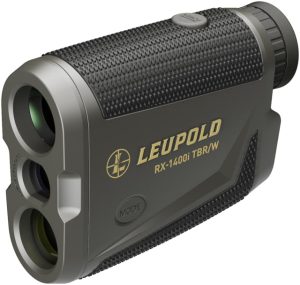
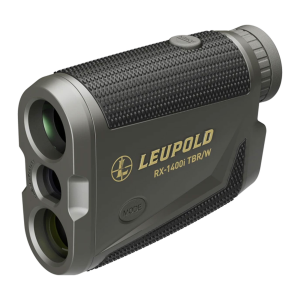
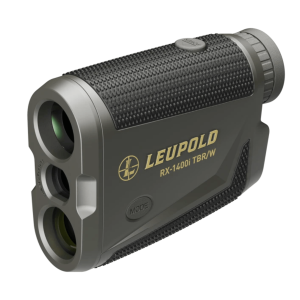
| Leupold RX-1400i TBR/W Gen 2 | Value | 5×21 | 1,400 yd | 900 yd | 5.1 oz | $199.99 |
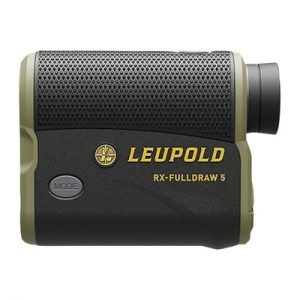
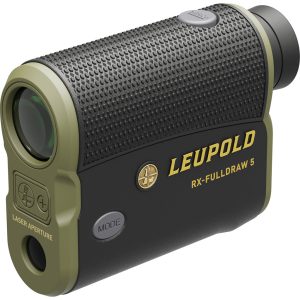
| Leupold RX-FullDraw 5 | Bowhunting | 6×22 | 1,200 yd | 900 yd | 7.5 oz | $499.99 |
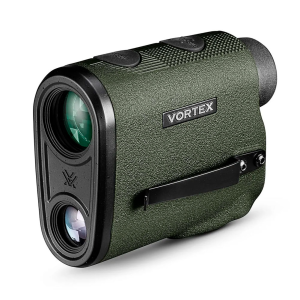
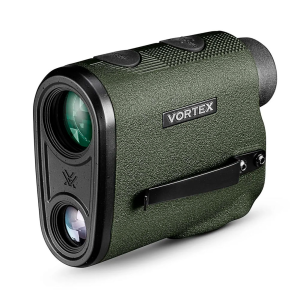
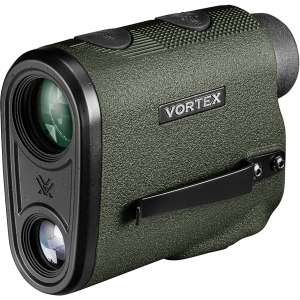
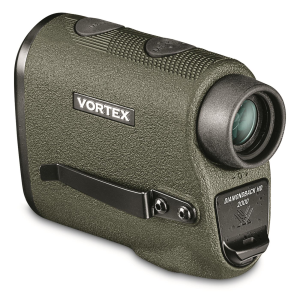
| Vortex Diamondback HD 2000 | Hunting | 7×24 | 2,000 yd | 1,400 yd | 7.6 oz | $449.99 |
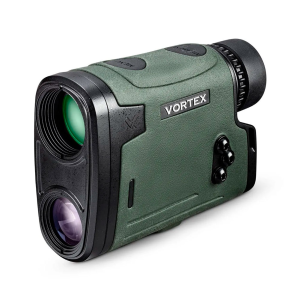
| Vortex Viper HD 3000 | Glass | 7×25 | 3,000 yd | 2,000 yd | 9.1 oz | $599.99 |
| Leupold RX-5000 TBR/W | Mapping | 8×30 | 5,000 yd | 2,000 yd | 9.7 oz | $799.99 |
| Revic BR4 | Long range | 10×25 | 4,000 yd | not published | 10 oz | $1,285 |
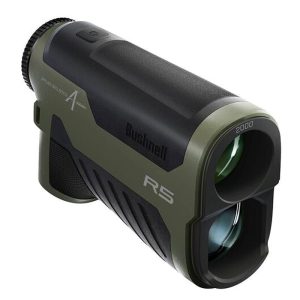
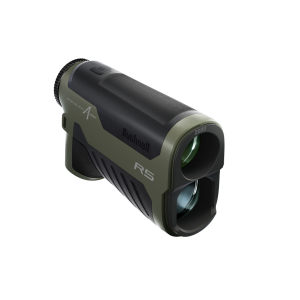
| Bushnell R5 2000 AB | Budget ballistics | 6×25 | 2,000 yd | 650 yd | 6.4 oz | $249.95 |
| Vortex Crossfire HD 1400 | Budget | 5×21 | 1,400 yd | 750 yd | 4.8 oz | $289.99 |
Read that table twice. The Bushnell has 2,000 in its name and 650 yards of deer range behind it. That gap is the whole subject of this guide, and there is a chart on it below.
1. Vortex Razor HD 4000. Best Rangefinder Overall
Pros
- 2,200 yards on deer, the longest published game figure of any handheld here
- 7×25 optic with the brightest, flattest view in the group
- Four target modes, including an extended-range mode for past a mile
- HCD returns one corrected number, so there is nothing to interpret under time pressure
- Vortex VIP warranty replaces a broken unit with no receipt and no questions
Cons
- $729.99 MSRP, though street price runs $400 to $500
- No onboard ballistic solver, that is the GB version
- 9.9 oz is heavier than the compacts, and you feel it on a bino harness
The Razor HD 4000 wins on one published figure: 2,200 yards on deer. Vortex prints reflective, tree and deer ranges for every rangefinder it sells, and the Razor reads 4,000 yards reflective, 2,500 on trees and 2,200 on deer, the highest game number on this page. The Leupold RX-5000 advertises 5,000 yards, 1,000 more than the Razor, and stops at 2,000 on an animal. The headline number is a mirror trick. The game number is the tool.
What you get for the money is a 7×25 optic that is genuinely easier to hold steady on a far target than the 5x compacts, HCD angle compensation that hands back a single corrected distance, and an extended laser range mode for the stuff past a mile that you will use twice a year and be glad of. Scan mode sweeps a hillside and updates live, which is how you actually find the range to an animal that will not stand still.
Be clear about what it is not. This is the standard Razor HD 4000, not the GB. There is no onboard ballistic solver and no Bluetooth. It gives you a corrected distance and expects you to know your dope. If you want the rangefinder to do the trajectory maths, that is the KILO3K below at half the money, and it is a fair question whether you would rather have the solver than the extra 700 yards of game range. Pair the Razor with a scope from our best rifle scopes guide and the ranging side of a long-range rig is finished.
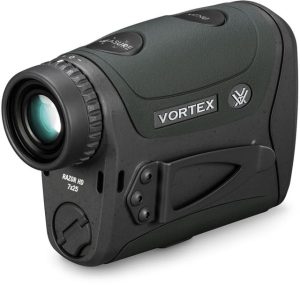

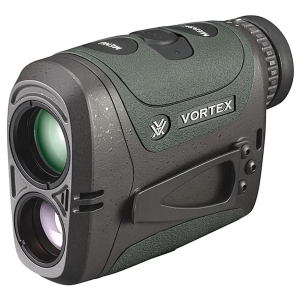
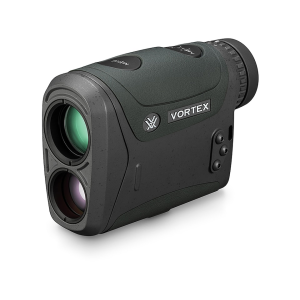
Best for: Hunters and shooters who want the longest real game range in a handheld and already know their drops.
2. SIG SAUER KILO3K. Best Ballistic Rangefinder
Pros
- Applied Ballistics Ultralite on board, with a bullet database and G1 and G7 drag curves
- Onboard temperature, pressure and humidity sensors feed the solution in real time
- BDX 2.0 lights the holdover dot in a paired SIG scope over Bluetooth
- 5.6 oz and 4.6 inches long, so it rides in a shirt pocket
- 1,500 yards on deer for $349.99, the second-best price per usable yard here
Cons
- Fog and extended-range modes need a menu dive to reach
- The solver is only as good as the muzzle velocity you feed it
- Owners report the display washes out in bright midday sun
The old version of this guide recommended “the Sig Kilo BDX”, which is a product family and not a thing you can buy. The unit worth naming is the KILO3K, and SIG’s own operator manual puts it at 3,000 yards reflective, 1,800 on trees and 1,500 on deer, in a body that weighs 5.6 ounces with the battery in it.
What makes it the ballistic pick is that the solver lives in the rangefinder. Applied Ballistics Ultralite is embedded, with a bullet database, G1 and G7 drag curves and up to 25 profiles, and onboard temperature, pressure and humidity sensors feed it live. Five range modes cover line of sight, angle modified range, archery, and the two BDX solver modes. Range an animal in BDX-U and the display gives you elevation and windage in MOA or MILs, and if you own a BDX scope the holdover dot lights up in the reticle over Bluetooth.
The honest limit is the one every solver has: it is arithmetic on the numbers you gave it. Feed it a muzzle velocity off the ammunition box rather than a chronograph and it will confidently return a wrong answer at 700 yards. If you handload for the rifle you are ranging with, our reloading guide covers building the consistent ammunition that makes a solver worth trusting. Buyers also flag the display as dim in bright sun, which is the recurring complaint in SIG’s own review section.
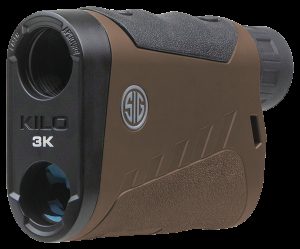
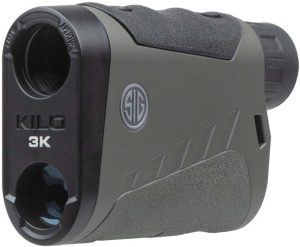
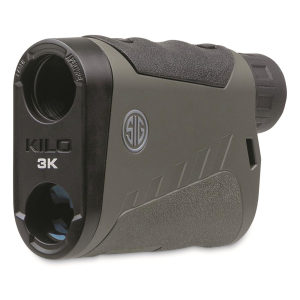
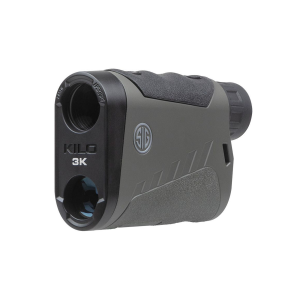
Best for: Shooters who want a firing solution in the display instead of a distance to do maths on.
3. Leupold RX-1400i TBR/W Gen 2. Best Value
Pros
- $199.99 MSRP and 900 yards on deer, the cheapest usable yard on this page at 22 cents
- TBR/W returns a ballistically corrected range, not just a horizontal one
- 5.1 oz, the second-lightest unit here
- Flightpath shows an arrow apex, so it covers bow work as well as rifle
- Red OLED display stays readable against dark timber
Cons
- 1,400 yards reflective is the shortest reach in the guide alongside the Crossfire
- No Bluetooth and no app, the ballistics are the onboard TBR/W table only
- 5x is a modest optic for picking an animal out of brush at distance
The RX-1400i TBR/W Gen 2 is the value answer and the arithmetic is not close. Leupold publishes 1,400 yards reflective, 1,200 on trees and 900 yards on deer, at an MSRP of $199.99. That works out at roughly 22 cents per yard of deer range, the lowest figure of any rangefinder in this guide, and it beats units costing two and a half times as much.
TBR/W does more than the plain horizontal-distance correction the budget units offer. It takes the angle and returns a ballistically equivalent range for your load, which is a different and more useful number than raw horizontal distance once the shot gets long. Flightpath adds the archery side, showing the highest point of an arrow flight so you can see whether a branch is going to eat it. At 5.1 ounces the thing disappears into a bino harness.
What you give up is reach and connectivity. 1,400 yards reflective is the floor of this guide, and on an animal you are done at 900. There is no Bluetooth, no app and no bullet database, so the ballistics are whatever the onboard TBR/W table gives you. For the overwhelming majority of hunting shots, which happen inside 400 yards, none of that matters, and that is why this is the unit most people should buy.
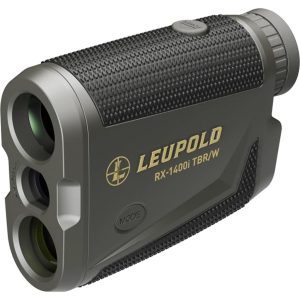
Best for: Almost everybody. Hunters who shoot inside 500 yards and want angle-corrected ranges without paying for reach they will not use.
4. Leupold RX-FullDraw 5. Best for Bowhunting
Pros
- Flightpath draws the apex of your arrow, so you see the branch before it eats the shot
- Takes bow velocity, peep height and arrow weight, down to inputs as low as 170 fps
- 900 yards on deer, the same published game range as the RX-1400i
- Last Target mode punches through rain, fog and snow
- 6×22 optic, a step up on the 5x compacts for picking an animal out of timber
Cons
- $499.99 MSRP for 1,200 yards reflective, the shortest reach on this page
- Everything clever about it is archery, so a rifle hunter is overpaying
- 7.5 oz against 5.1 oz for the Leupold RX-1400i TBR/W, which also does Flightpath
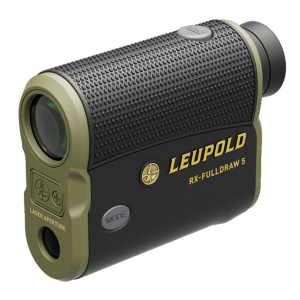
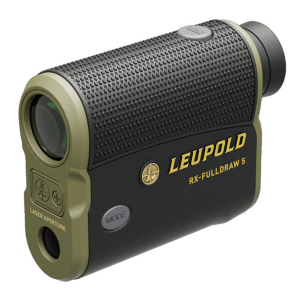
The RX-FullDraw 5 was the single biggest hole in the old version of this guide. It is the bowhunting rangefinder every expert list we checked recommends, and it was not here. Leupold publishes 1,200 yards reflective, 1,100 on trees and 900 on deer, which reads badly against everything else on this page until you understand that a bow shot happens inside 60 yards and the reach was never the point.
The point is Flightpath. Feed it your bow velocity, your peep height and your arrow weight, and it draws the highest point of the arrow arc against the target out to about 85 yards. That answers the question that actually kills bow shots from a treestand: not how far the deer is, but whether the limb between you and it is going to be in the way when the arrow is at its apex. Nothing else in this guide does that. The velocity input goes as low as 170 fps, so youth and low-poundage setups are covered too.
The uncomfortable comparison is the RX-1400i three slots up. It is $300 cheaper, 2.4 ounces lighter, publishes the same 900 yards on deer, and it has Flightpath as well. What the FullDraw 5 adds is a broader velocity range, a 6x optic instead of 5x, and an archery-first interface. If you are primarily a bowhunter that is worth the money. If you shoot a bow occasionally and a rifle mostly, buy the RX-1400i.
Best for: Bowhunters who shoot from elevated stands and need to know what the arrow clears.
5. Vortex Diamondback HD 2000. Best for Hunting
Pros
- 1,400 yards on deer, 70 percent of its advertised number and one of the honest ones here
- 7×24 with a red OLED display that holds up in last light
- 7.6 oz, comfortably lighter than the Razor and the Viper
- HCD and LOS, plus a plus or minus 60 degree angle reading for genuinely steep country
- Tripod adaptable, which matters if you are glassing a basin for hours
Cons
- $449.99 MSRP puts it $100 over the KILO3K, which ranges 100 yards further on deer
- No ballistic solver and no Bluetooth at a price where the SIG has both
- Two target modes only, Normal and Last, where the Crossfire has three
The Diamondback HD 2000 is the hunting pick because its numbers are the least oversold in the guide. Vortex publishes 2,000 yards reflective, 1,800 on trees and 1,400 on deer. That deer figure is 70 percent of the headline, where the Bushnell further down manages 33 percent and the Leupold RX-5000 manages 40 percent. When a company is willing to print a game number that close to its marketing number, that tells you something.
In the field it is a 7×24 with a red OLED display, HCD and LOS modes, and an inclinometer that reads to plus or minus 60 degrees, which is more slope than you will find outside genuinely vertical country. At 7.6 ounces it sits between the pocket compacts and the full-size Razor, and it takes a tripod, which is the difference between glassing a basin comfortably and giving up after twenty minutes. If you glass that long you want proper hunting binoculars alongside it.
The pressure on it comes from directly below in price. At $449.99 MSRP it sits $100 above the KILO3K, which ranges 100 yards further on deer, weighs two ounces less and has a full Applied Ballistics solver on board. What the Vortex has in return is the VIP warranty and a better optic. If you want a simple, tough ranging tool and no app on your phone, this is it. If you want the electronics, the SIG is the better buy.
Best for: Western hunters who glass steep country and want honest range figures without a phone in the loop.
6. Vortex Viper HD 3000. Best Glass for the Money
Pros
- 2,000 yards on deer, matching the $799.99 Leupold RX-5000 for $200 less
- 2,300 yards on trees, second only to the RX-5000 in this guide
- 7×25 HD optical system, the equal of the Razor
- 30 cents per yard of deer range, the best figure above the $350 mark
- Vortex VIP warranty
Cons
- CR123 battery instead of the CR2 almost everything else here uses
- 9.1 oz, so it is a harness optic and not a pocket one
- $599.99 MSRP with no solver, no Bluetooth and no mapping
The Viper HD 3000 is the quiet argument against spending more. Vortex publishes 3,000 yards reflective, 2,300 on trees and 2,000 on deer. The Leupold RX-5000 TBR/W, at $799.99, publishes exactly the same 2,000 yards on deer. Two hundred dollars separates them and on an animal they stop in the same place.
What the Viper gives you for the money is the optic. It is a 7×25 HD system, the same configuration as the Razor at the top of this page, and the view is flat and bright enough that you find the animal before you range it, which is the part of the job nobody writes specs about. HCD and LOS cover the angle work. It runs on a CR123 rather than the CR2 that almost everything else here takes, which is worth knowing before you build a spares kit around one battery.
Where it loses is features. There is no ballistic solver, no Bluetooth and no GPS pinning at a price where the KILO3K gives you Applied Ballistics for $250 less and the RX-5000 gives you onX integration for $200 more. This is a pure ranging instrument with very good glass, and if that is what you want it is the best value above $350 in the guide.
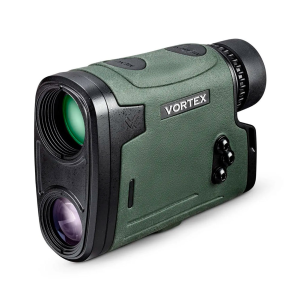
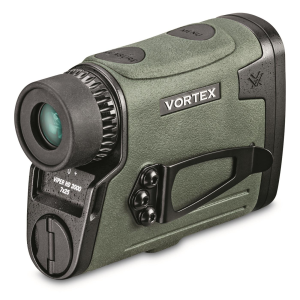
Best for: Hunters who want premium glass and 2,000 yards of game range and refuse to pay for an app.
7. Leupold RX-5000 TBR/W. Best for Mapping and Waypoints
Pros
- Drops a GPS waypoint on onX Hunt at whatever you just ranged, from where you stand
- Hornady 4DOF solver on board, not a lookup table
- 3,100 yards on trees, the longest non-reflective figure in this guide
- 8×30, the largest objective and the most magnification of any monocular here
- 3,000 actuations per CR123 battery
Cons
- 2,000 yards on deer from a 5,000 yard headline, a 60 percent haircut
- $799.99 MSRP buys the same deer range as the $599.99 Viper HD 3000
- 9.7 oz, and the pinning workflow means carrying a charged phone as well
The RX-5000 is here for one feature that nothing else in this guide has. Range a rub, a wallow, a downed animal or a glassed bedding area from where you are standing, and the RX-5000 will drop a GPS waypoint on it in onX Hunt over Bluetooth. You never walk to the spot. For anyone who scouts by glassing across a canyon, that changes how the day works.
The rest is a serious ranging instrument. It is an 8×30, the biggest optic in the group, with TBR/W and a full Hornady 4DOF ballistic calculator rather than a lookup table, plus Precision Cut Archery software on the bow side. Leupold publishes 5,000 yards reflective and 3,100 yards on trees, which is the longest non-reflective number on this page and the figure that matters if you shoot at steel or at rock faces.
Now the uncomfortable part. That 5,000 yard headline becomes 2,000 yards on deer, a 60 percent haircut, the steepest drop-off in this guide bar the Bushnell. The Viper HD 3000 publishes the same 2,000 on deer for $200 less. So you are not buying game range with that $200, you are buying onX pinning, the 4DOF solver and the bigger objective. If you use onX, that is easily worth it. If you do not, buy the Viper.
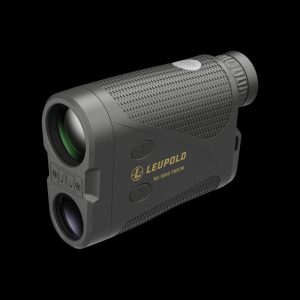
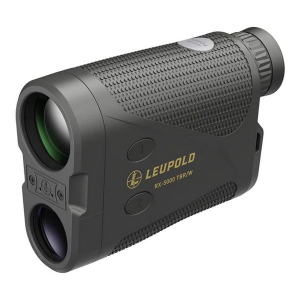
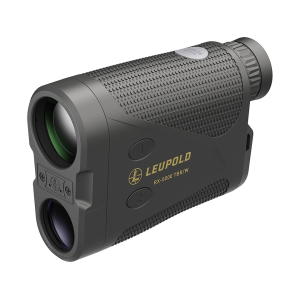
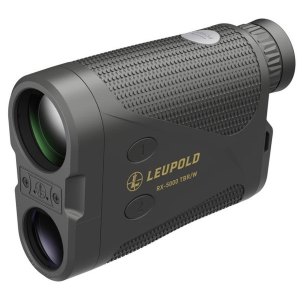
Best for: onX Hunt users who scout by glassing and want waypoints dropped from across the drainage.
8. Revic BR4. Best for Long Range and PRS
Pros
- Solves for Coriolis, spin drift and aerodynamic jump, not just drop and wind
- 10x optic, the most magnification of any handheld in this guide
- Base wind mode gives a firing solution on one button press, no menus
- Ten ballistic profiles stored on the device, standalone once synced
- 4,000 yards reflective from a 10 oz body
Cons
- $1,285, by some distance the most expensive unit here
- Revic publishes no tree or deer figure at all, only the reflective number
- Three merchants stock it, so there is little price competition
The BR4 is the specialist and it is honest about it. Revic publishes a 10x monocular ranging to 4,000 yards on reflective targets, with onboard sensors for temperature, pressure, incline and azimuth feeding a solver that accounts for spin drift, aerodynamic jump and Coriolis. That is a different class of arithmetic from the hold-under tables in the hunting units above.
The feature that justifies it on a clock is base wind mode. You preload the wind speed you deal with most often in the Revic Ops app, and one press of the fire button confirms a wind hold with no menu at all. For a stage where the shot has to happen now, that is the difference between a hit and a timeout. For deliberate long-range work you switch to Vector Wind and dial speed and direction on two arrows.
Here is what we could not verify and will not invent. Revic publishes no tree range and no deer range for the BR4, only the 4,000 yard reflective figure. Every other manufacturer in this guide prints a game number. So if you are buying this to range elk across a basin, you are buying on the reflective number alone, and the pattern on this page is that game range lands somewhere between a third and three quarters of it. This is a target-shooting instrument. Buy it for steel and for match stages.
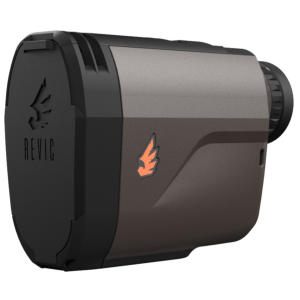
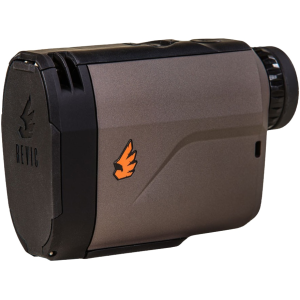
Best for: PRS and ELR shooters who need a wind hold on one button press and solve past 1,000 yards.
9. Bushnell R5 2000 AB. Best Budget Ballistic Rangefinder
Pros
- Applied Ballistics Ultralite at $249.95, which nothing else here manages
- ARC gives true horizontal distance in regular, bow and AB modes
- 6×25, the largest objective of any budget unit in this guide
- 6.4 oz with a CR2 and a lifetime Ironclad warranty
- Accurate to plus or minus 1 yard across its whole range
Cons
- 650 yards on deer against a 2,000 yard name, the worst ratio in this guide
- The ballistic solution only runs to 800 yards, well short of the 2,000 on the box
- IPX4 is splash resistant, not the full waterproofing the Leupolds and Vortex units carry
The R5 2000 AB earns its slot for one reason: it is the only rangefinder in this guide under $250 with Applied Ballistics Ultralite on board. Bushnell prices it at $249.95, gives it a 6×25 optic, ARC angle compensation in regular, bow and AB modes, and Bluetooth to the Bushnell Ballistics app for custom profiles. On paper that is a lot of technology for the money.
Then read Bushnell’s own spec sheet properly. The unit is called the R5 2000. Bushnell’s published deer range is 650 yards. That is 33 percent of the number in the product name, the worst ratio of any rangefinder on this page, and it is Bushnell printing it, not us. The ballistic solution has its own separate ceiling: Applied Ballistics runs to 800 yards here, not 2,000. So the honest description of this device is a 650 yard game rangefinder with an 800 yard solver, wearing a 2,000 yard badge.
Judged as that, it is still good. Six hundred and fifty yards is more game range than most hunters will ever use, and having a real ballistic solver at this price is genuinely rare. Just know that the $199.99 Leupold RX-1400i ranges 250 yards further on deer for $50 less, without the solver. Note also the IPX4 rating: splash resistant, not submersible, where the Vortex and Leupold units here are fully waterproof.
Best for: Shooters who want a real ballistic solver under $250 and shoot inside 650 yards.
10. Vortex Crossfire HD 1400. Best Budget Rangefinder
Pros
- 4.8 oz, the lightest rangefinder in this guide by a clear margin
- Three target modes, Normal, First and Last, more than the Diamondback above it
- HCD angle compensation at the bottom of the price list
- Red TOLED display rather than a black LCD, so it reads in low light
- Vortex VIP warranty on a $290 optic
Cons
- 750 yards on deer, second lowest in the guide
- 5×21 is the smallest optic here, and it shows when you are hunting for the animal
- No ballistic solver of any kind
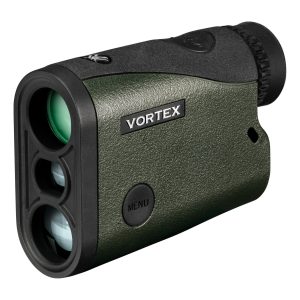
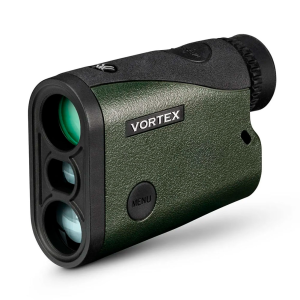
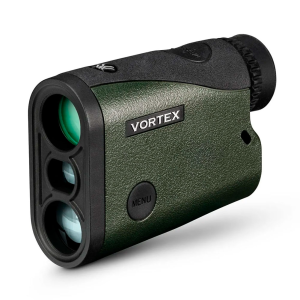
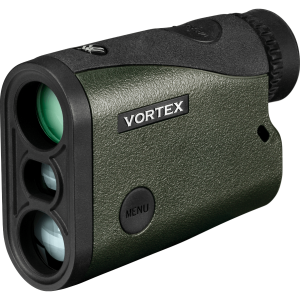
The Crossfire HD 1400 is the pocket answer. Vortex publishes 1,400 yards reflective, 950 on trees and 750 on deer, in a 4.8 ounce body that is the lightest thing in this guide. It has three target modes where the more expensive Diamondback HD 2000 has two, HCD angle compensation, and a red TOLED display that stays legible in the last light of the day.
The weight is the argument. Rangefinder weight is the spec you feel every hour of a mountain day and nobody thinks about in the shop. At 4.8 ounces this rides in a chest pocket and you forget it is there, where the 9.9 ounce Razor HD 4000 needs a harness slot it has to earn. For a hunter who ranges half a dozen times a day inside 400 yards, that trade is worth more than 1,450 yards of game range they will never use.
Be aware of what the price actually buys, though. At $289.99 MSRP it is $90 more than the Leupold RX-1400i, which publishes 150 more yards on deer, weighs 0.3 oz more, and adds TBR/W ballistic correction on top of plain angle compensation. Street pricing closes most of that gap, and the Vortex warranty is the best in the business, but on the published specification the Leupold is the better buy. Buy the Crossfire for the weight.
Best for: Hunters who count ounces and range inside 400 yards.
What a 2,000 Yard Rangefinder Actually Does on a Deer
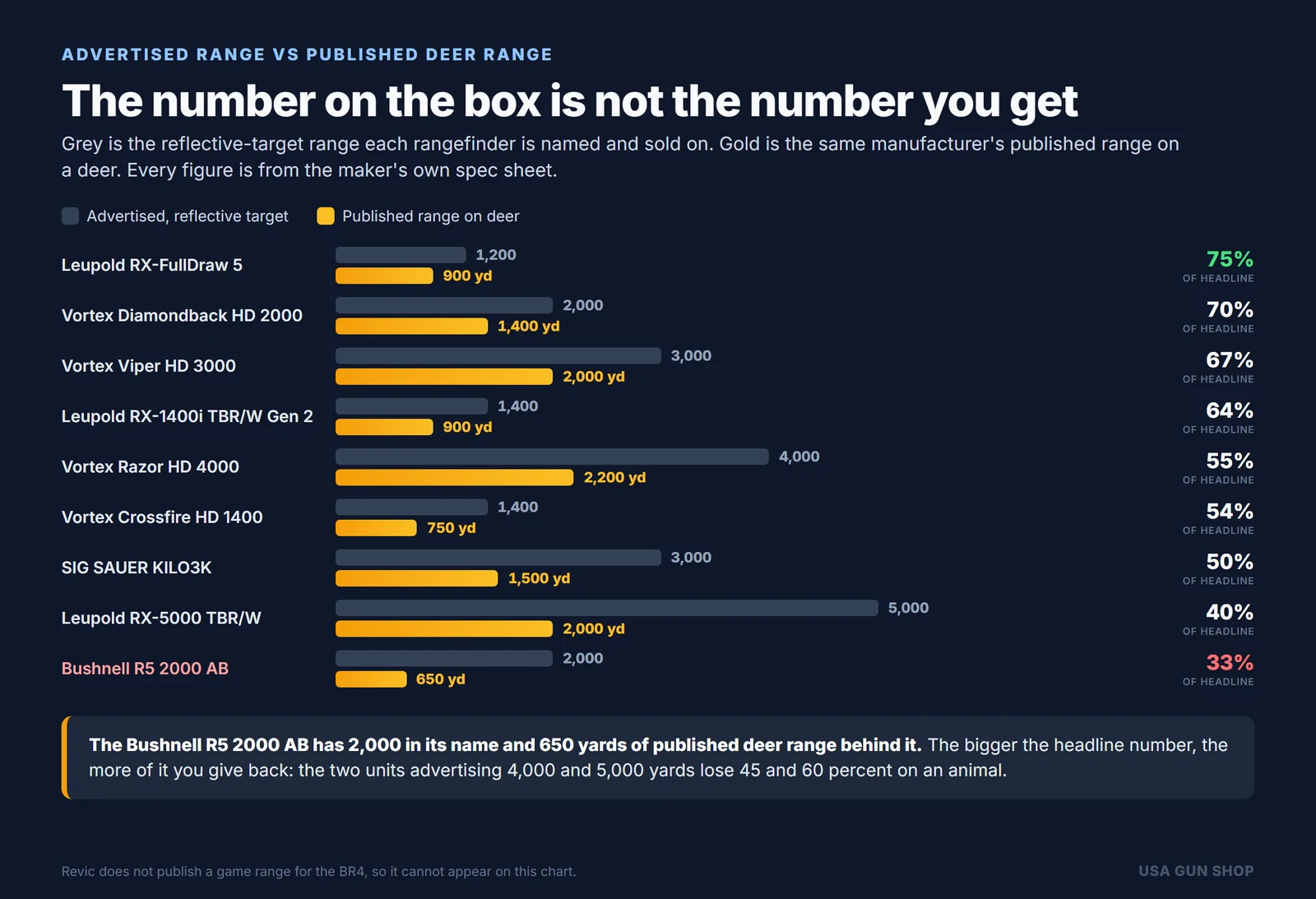
Every one of the best rangefinders in this guide is named and sold on its reflective range. That figure is measured against a flat, bright, laser-friendly target under good conditions. An animal is none of those things: it is matte, it is brown, it absorbs the pulse instead of bouncing it, and it is rarely standing in the open.
Most manufacturers publish a game figure alongside the headline. Almost nobody puts the two side by side, because the gap is embarrassing. Here it is, using only each manufacturer’s own published numbers.
| Rangefinder | Advertised (reflective) | Published deer range | Deer as % of headline |
|---|---|---|---|
| Leupold RX-FullDraw 5 | 1,200 yd | 900 yd | 75% |
| Vortex Diamondback HD 2000 | 2,000 yd | 1,400 yd | 70% |
| Vortex Viper HD 3000 | 3,000 yd | 2,000 yd | 67% |
| Leupold RX-1400i TBR/W Gen 2 | 1,400 yd | 900 yd | 64% |
| Vortex Razor HD 4000 | 4,000 yd | 2,200 yd | 55% |
| Vortex Crossfire HD 1400 | 1,400 yd | 750 yd | 54% |
| SIG SAUER KILO3K | 3,000 yd | 1,500 yd | 50% |
| Leupold RX-5000 TBR/W | 5,000 yd | 2,000 yd | 40% |
| Bushnell R5 2000 AB | 2,000 yd | 650 yd | 33% |
| Revic BR4 | 4,000 yd | not published | unknown |
Three things fall out of that table. First, the number in the product name is never the number you will use. A Crossfire HD 1400 ranges a deer at 750. A Bushnell R5 2000 ranges a deer at 650. Buying by the badge means buying a third to a half of what you thought.
Second, the haircut gets worse as the headline gets bigger. The two units advertising 4,000 and 5,000 yards give back 45 and 60 percent of it on an animal. The FullDraw 5, which advertises the least reach of anything here, keeps 75 percent of it. Long reflective numbers are chasing a specification, not a use case.
Third, one manufacturer does not publish a game figure at all. Revic prints 4,000 yards reflective for the BR4 and nothing else. At $1,285 that is a conspicuous omission, and it is why the BR4 is filed under target shooting on this page rather than hunting.
Angle Compensation: What the Correction Is Worth in Yards
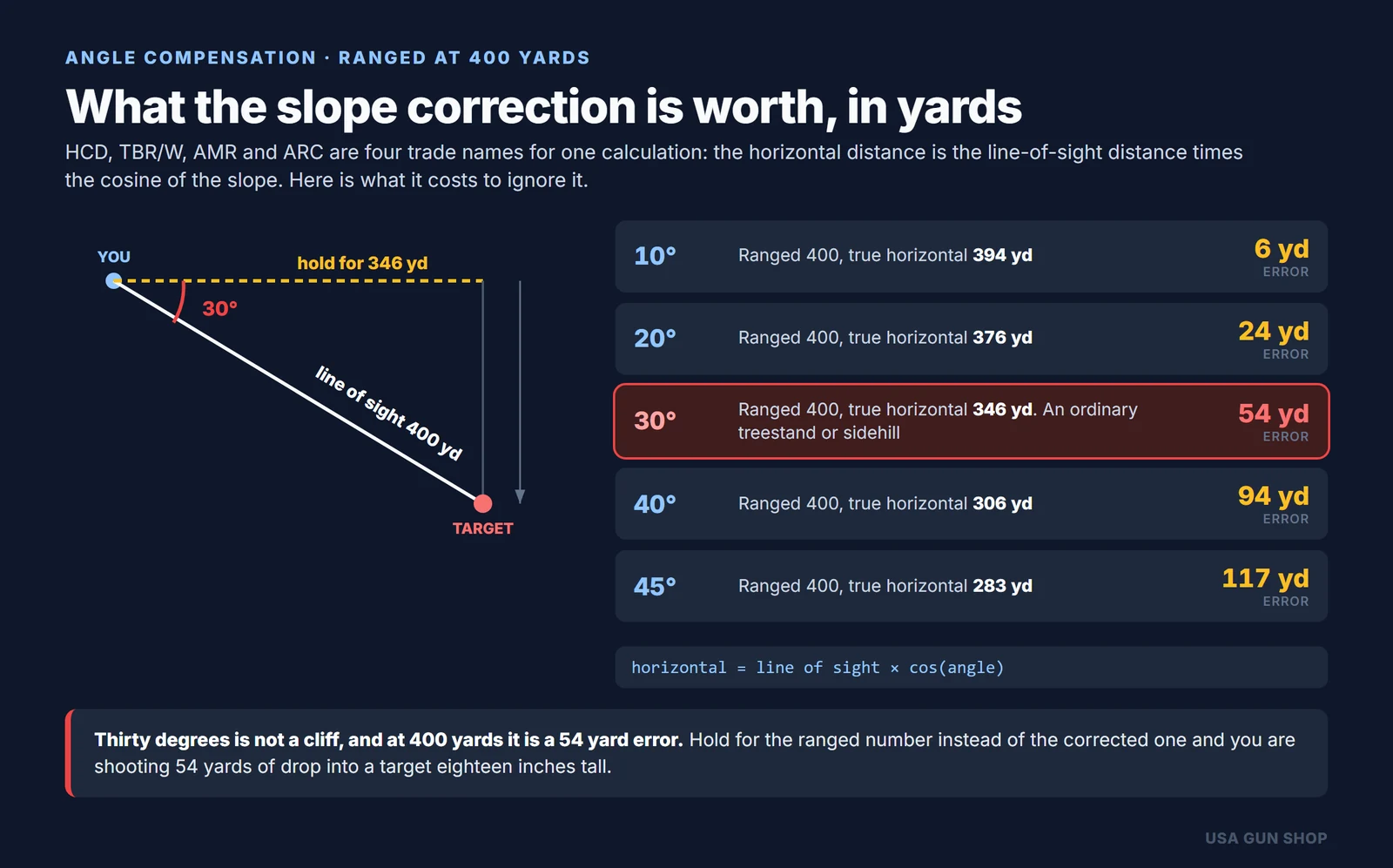
Every one of the best rangefinders here advertises angle compensation under some acronym. Vortex calls it HCD, Leupold calls it TBR/W, SIG calls it AMR, Bushnell calls it ARC. All of them are solving the same triangle, and the correction is not a mystery: the horizontal distance is the line-of-sight distance multiplied by the cosine of the slope angle.
Nobody publishes what that is worth in yards, so here it is. These figures are arithmetic and you can check every one of them on a calculator.
| Slope angle | Ranged 400 yd, hold for | Error if you ignore it | Ranged 600 yd, hold for | Error if you ignore it |
|---|---|---|---|---|
| 10 degrees | 394 yd | 6 yd | 591 yd | 9 yd |
| 20 degrees | 376 yd | 24 yd | 564 yd | 36 yd |
| 30 degrees | 346 yd | 54 yd | 520 yd | 80 yd |
| 40 degrees | 306 yd | 94 yd | 460 yd | 140 yd |
| 45 degrees | 283 yd | 117 yd | 424 yd | 176 yd |
Read the 30 degree row, because 30 degrees is an ordinary treestand or a modest sidehill, not a cliff. At 400 yards it is a 54 yard error. Hold for 400 when the answer is 346 and you are shooting more than 50 yards of drop into a target that is a foot and a half tall. At 600 yards the same slope is an 80 yard error, which is not a wounded animal, it is a clean miss.
Two practical conclusions. Under about 200 yards on gentle ground, angle compensation is a rounding error and you can safely ignore it. Past 300 yards on anything sloped, it stops being a feature and starts being the reason to own the rangefinder at all. That is why there is no unit in this guide without it.
One distinction worth having. Plain horizontal-distance modes, Vortex HCD and Bushnell ARC, give you the flat-ground equivalent distance. Leupold TBR/W and SIG AMR go a step further and return a ballistically equivalent range for your specific load, which diverges from raw horizontal distance as the shot gets long. Both are correct. The second is more useful past 500 yards.
Does Paying More Buy More Range?
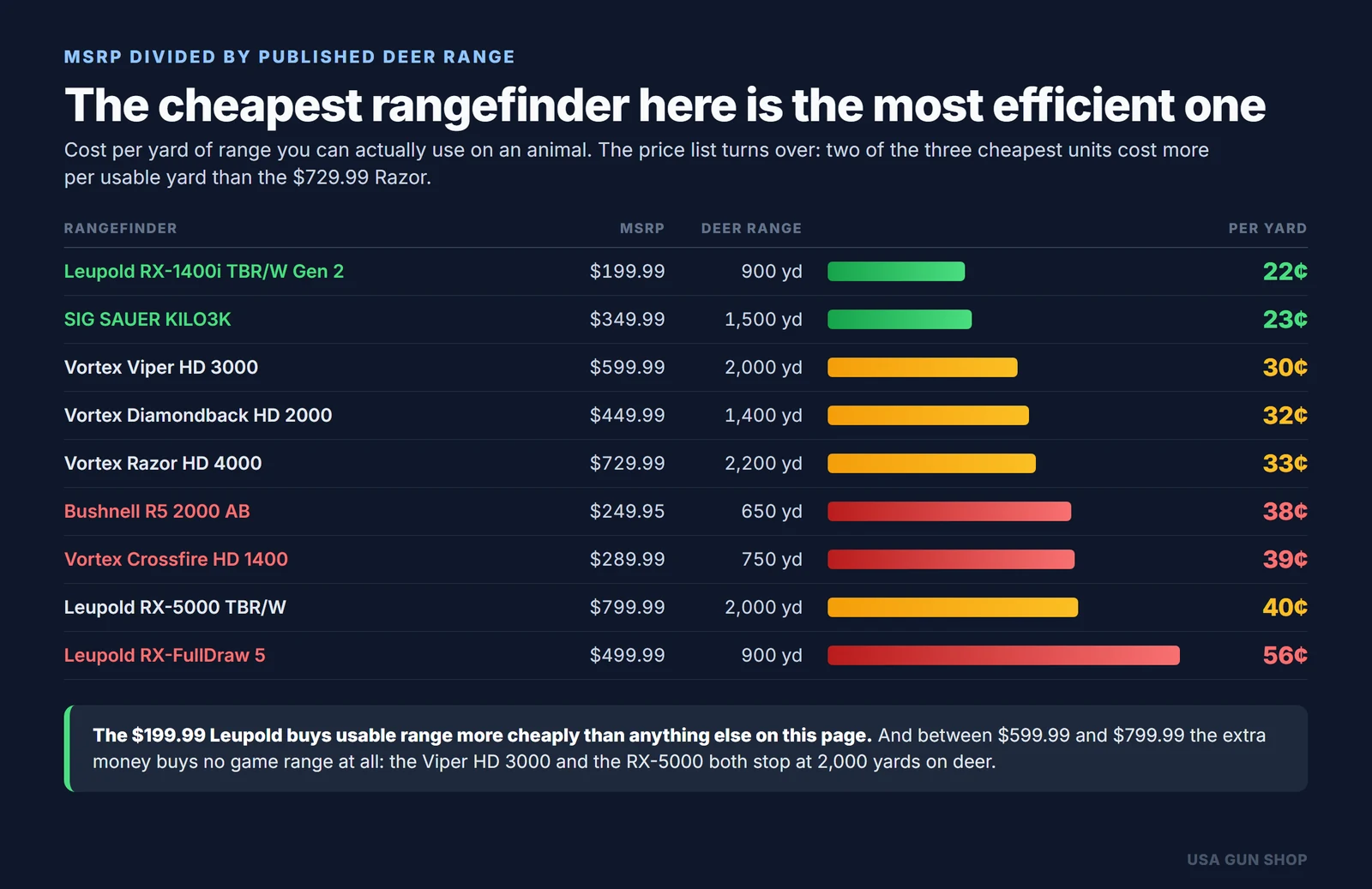
Divide each MSRP by its published deer range and the price list turns over. This is cost per yard of range you can actually use on an animal.
These figures use each manufacturer’s MSRP, because that is the number they all publish and it is the only basis on which they can be compared fairly. Street prices run well below it, often by a third, and the live pricing cards next to each pick above show what the unit actually costs today. The ranking below barely moves when you swap MSRP for street price, because the discounting is broadly proportional.
| Rangefinder | MSRP | Deer range | Cost per usable yard |
|---|---|---|---|
| Leupold RX-1400i TBR/W Gen 2 | $199.99 | 900 yd | 22 cents |
| SIG SAUER KILO3K | $349.99 | 1,500 yd | 23 cents |
| Vortex Viper HD 3000 | $599.99 | 2,000 yd | 30 cents |
| Vortex Diamondback HD 2000 | $449.99 | 1,400 yd | 32 cents |
| Vortex Razor HD 4000 | $729.99 | 2,200 yd | 33 cents |
| Bushnell R5 2000 AB | $249.95 | 650 yd | 38 cents |
| Vortex Crossfire HD 1400 | $289.99 | 750 yd | 39 cents |
| Leupold RX-5000 TBR/W | $799.99 | 2,000 yd | 40 cents |
| Leupold RX-FullDraw 5 | $499.99 | 900 yd | 56 cents |
The cheapest rangefinder in the guide is also the most efficient one, and the two units at the bottom of this table are the two cheapest units people reach for when they want to spend less. The Bushnell and the Crossfire cost more per usable yard than the $729.99 Razor.
That does not make the expensive units bad buys, and it does not mean cost per yard is the only thing to optimise. The FullDraw 5 is last on this table and it is still the right rangefinder for a bowhunter, because Flightpath is not a ranging feature and the table cannot see it. The Crossfire is second last and it is still the right answer if you count ounces. What the table kills is the assumption that spending more automatically buys more reach on an animal. Between $600 and $800 in this guide, it buys none at all.
How to Choose the Best Rangefinder for You
A rangefinder removes the single biggest variable in a long shot. Get the distance wrong and a perfectly tuned rifle and a perfectly built load will still miss. Everything below is the order the decisions actually matter in. If you hunt after dark the ranging problem changes shape entirely, and our best thermal scopes guide covers that side of it.
Start with the deer range, not the model number
The best rangefinder for you is the one whose published game figure clears your longest honest shot, so find that number and buy against it. As the table above shows, it runs between a third and three quarters of the advertised reflective number. Decide the furthest you will genuinely shoot at an animal, add a comfortable margin, and buy the cheapest unit whose deer figure clears it. For most hunters that is a number under 500 yards, which every rangefinder in this guide clears easily.
Angle compensation is not optional
At 30 degrees and 400 yards the uncorrected error is 54 yards. Every unit here has some form of it. The distinction worth paying for is between plain horizontal distance, which Vortex HCD and Bushnell ARC give you, and a ballistically equivalent range for your load, which Leupold TBR/W and SIG AMR give you. If your shots are inside 300 yards the two are indistinguishable. Past 500 they are not.
Decide whether you want a solver on board
A ballistic solver turns the range into a firing solution, elevation and wind, in the display. The KILO3K and the R5 2000 AB carry Applied Ballistics, the RX-5000 carries Hornady 4DOF and the BR4 carries Revic’s own. The catch is that a solver is arithmetic on the numbers you feed it. If you will not chronograph your load and keep a real profile updated, you are paying for a feature that will lie to you politely. If you will, it is the most useful money on this page.
Weight is the spec you feel every day
The spread here is 4.8 oz for the Crossfire HD 1400 to 10 oz for the Revic BR4, so the heaviest unit is more than double the lightest. A pocket-weight rangefinder gets carried and used. A heavy one gets left in the truck on the second day of a mountain hunt, and a rangefinder in the truck has a deer range of zero.
Glass and display, because you have to find the animal first
Magnification here runs 5x to 10x and objectives run 21 mm to 30 mm. The 5×21 compacts are fine for a field edge and hard work for picking a bedded animal out of dark timber at 600. A spotting scope is the tool for studying an animal at that distance, not a rangefinder. A red OLED or TOLED display, which every unit in this guide has, stays readable at last light where a black LCD disappears into the shadows exactly when you need it.
Target modes and beam divergence
First, Last and Normal modes decide what the unit reports when there is brush between you and the target. Last mode reads through intervening branches to the animal behind them, which is the one that matters in timber. Beam divergence, published by SIG at 1.5 by 0.2 mrad for the KILO3K, describes how wide the laser has spread at distance. A narrow beam threads gaps; a wide one lights up the branch instead of the deer.
Battery, weather sealing and warranty
Most units here run a CR2. The Viper HD 3000 and RX-5000 take a CR123, which is worth knowing before you standardise a spares kit. Sealing varies more than people expect: the Bushnell R5 2000 AB is IPX4, splash resistant rather than submersible, where the Vortex and Leupold units are fully waterproof. On electronics that live in the rain, the Vortex VIP and Leupold lifetime warranties are worth real money.
How I Chose the Best Rangefinders
Ranking the best rangefinders on feel is nearly worthless, because the thing they do is return a number and every unit here returns a number that looks equally confident. So this guide is built on published specifications and arithmetic, and it says where each figure came from.
Every range, weight, magnification and price figure on this page was taken from the manufacturer’s own specification: the Vortex product spec sheets, the Leupold RX product pages, the Bushnell R5 2000 AB spec block, the Revic BR4 product listing, and SIG SAUER’s own KILO3K operator manual for the figures SIG does not print on the product page. Where a manufacturer does not publish a number, this page says so rather than filling the gap.
The comparisons are then arithmetic anyone can repeat. Deer range as a percentage of advertised range is one division. Cost per usable yard is MSRP divided by published deer range. The angle compensation table is line-of-sight distance multiplied by the cosine of the slope angle, which is what every one of these devices is computing internally under its own trade name.
The list of best rangefinder candidates came from what the field currently recommends. We read the current expert round-ups, counted how many picks each carries, and noted which models appear on all of them. That is how the RX-FullDraw 5 and the RX-5000 got added and how a model that appears on none of them got removed. Stock was then checked against live retailer inventory, because a recommendation you cannot buy is not a recommendation.
Mistakes to Avoid When Buying the Best Rangefinder
Buying the badge. A model called 2000 is telling you what it does to a road sign, not to an elk. Look up the game figure before you buy anything.
Paying for reach you will never use. The gap between a 900 yard deer figure and a 2,200 yard one is $530 of MSRP and, for a hunter whose longest ethical shot is 400 yards, no practical difference whatsoever.
Assuming the solver ceiling matches the ranging ceiling. The Bushnell R5 2000 AB ranges to 2,000 yards and solves to 800. Those are two different numbers on the same spec sheet and they are easy to conflate.
Trusting a solver you never fed properly. A ballistic computer with a guessed muzzle velocity produces a wrong answer with total confidence. Chronograph the load or turn the solver off.
Ignoring the slope until you are on it. Thirty degrees at 400 yards is a 54 yard error. If you hunt anything other than flat farmland, angle compensation is the feature, not a bonus.
Skipping the sealing rating. IPX4 means splash resistant. It does not mean you can drop it in a creek. Check it before you buy something that lives on a harness in the rain.
What We Removed From This Guide, and Why
The previous version of this page carried six picks. One of them has been dropped: the Nikon Prostaff 1000. It is not discontinued and Nikon still lists it, so this is not a stock problem. It came out for two reasons.
First, it did not appear on a single current expert round-up we checked while rebuilding this guide, where the Razor HD 4000 and the RX-1400i appeared on all of them. Second, and more concretely: Nikon publishes a 1,000 yard reflective range and roughly 600 yards on deer for it, at street prices around $200. The Leupold RX-1400i TBR/W Gen 2 costs $199.99, publishes 900 yards on deer, and adds TBR/W ballistic correction on top. Same money, 50 percent more game range, better angle maths. There is no case for the Nikon at that price.
Two models that the expert round-ups do recommend are also absent, and it is worth saying why. The Maven RF.1 and CRF.1 appear on three of the lists we read, and neither is carried by any retailer in our live inventory, because Maven sells direct. We do not list what we cannot check the price of. The same applies to the Vortex Impact 1000 and the Bushnell Prime 1700, both discontinued at retail.
The Bottom Line: the Best Rangefinder to Buy
The best rangefinder for most people is the Leupold RX-1400i TBR/W Gen 2. At $199.99 it publishes 900 yards on deer, carries real ballistic range compensation rather than plain horizontal distance, weighs 5.1 ounces and costs 22 cents per usable yard, the lowest figure in this guide. For the hunter who shoots inside 500 yards, which is nearly all of them, nothing here is a better buy.
Spend more only for a specific reason. The SIG SAUER KILO3K at $349.99 adds a genuine Applied Ballistics solver and 600 more yards of game range. The Vortex Razor HD 4000 buys the longest published deer range of any handheld here, 2,200 yards. The Leupold RX-FullDraw 5 is the answer if you shoot a bow from a stand, because Flightpath tells you what the arrow clears. The Revic BR4 is a match instrument and priced like one.
And whatever you decide is the best rangefinder for your money, look up its deer figure before you hand any over. On this page it runs from 33 percent of the advertised number to 75 percent of it, and the badge on the front tells you nothing about which end you are at.
Last updated August 24th 2026
How far can a rangefinder actually range a deer?
Between 33 and 75 percent of its advertised number, based on the manufacturers own published figures. The Bushnell R5 2000 AB advertises 2,000 yards and publishes 650 yards on deer. The Vortex Razor HD 4000 advertises 4,000 and publishes 2,200. Look up the game figure before you buy, because the reflective number in the product name is measured against a flat bright target and an animal is neither.
What is angle compensation on a rangefinder, and how much does it matter?
It converts the straight-line distance into the horizontal distance the bullet actually drops over. Vortex brands it HCD, Leupold TBR/W, SIG AMR and Bushnell ARC, and all four compute line of sight multiplied by the cosine of the slope. At 30 degrees, an ordinary treestand angle, a 400 yard reading corrects to 346 yards. Ignoring that is a 54 yard error, which is a clean miss on a deer.
What is the best rangefinder for the money?
The Leupold RX-1400i TBR/W Gen 2. At $199.99 MSRP it publishes 900 yards on deer, which works out at 22 cents per usable yard, the lowest figure of the ten rangefinders in this guide. It also carries TBR/W ballistic correction rather than plain horizontal distance, and Flightpath for bow work, at a price below two units that range less far on an animal.
Do you need a rangefinder with a ballistic solver?
Only if you will feed it real data. A solver like Applied Ballistics in the SIG KILO3K or Hornady 4DOF in the Leupold RX-5000 turns the range into an elevation and wind hold, which is genuinely useful past about 500 yards. It is arithmetic on the numbers you give it, so a guessed muzzle velocity produces a confident wrong answer. Chronograph the load or leave the solver alone.
What is the best rangefinder for bowhunting?
The Leupold RX-FullDraw 5. Its Flightpath feature takes your bow velocity, peep height and arrow weight and draws the highest point of the arrow arc out to about 85 yards, so you can see whether a branch will be in the way at the apex. That is the question that actually kills treestand shots, and nothing else in this guide answers it.
Does spending more buy more range on an animal?
Not reliably. The $599.99 Vortex Viper HD 3000 and the $799.99 Leupold RX-5000 TBR/W both publish 2,000 yards on deer, so the extra $200 buys onX waypoint pinning and a bigger objective rather than reach. At the other end, the $249.95 Bushnell and the $289.99 Vortex Crossfire both cost more per usable yard than the $729.99 Razor HD 4000.
What magnification should a rangefinder have?
The units in this guide run from 5x21 to 10x25. Five power is fine for a field edge and hard work for picking a bedded animal out of dark timber at 600 yards. Six or seven power with a 22 to 25 mm objective is the practical sweet spot: enough to identify the target, not so much that hand shake makes it hard to hold the beam on it.
Can a rangefinder work in rain, fog or low light?
Low light is fine, and every unit here uses a red OLED or TOLED display that stays readable at dawn and dusk where a black LCD disappears. Rain, fog and snow scatter the laser and shorten your effective range, which is why SIG includes a dedicated fog mode and Leupold builds a last-target mode to punch through it. Check the sealing rating too: the Bushnell R5 2000 AB is IPX4, splash resistant rather than submersible.
Is a rangefinder or a rangefinding binocular better?
Rangefinding binoculars merge glassing and ranging into one unit, which suits Western hunting where you spend hours behind glass, but they are heavier and cost considerably more. A standalone rangefinder is lighter, cheaper and enough for most hunters. The weight spread in this guide alone is 4.8 oz to 10 oz, and a rangefinder left in the truck has a deer range of zero.
4,021+ Gun & Ammo Deals
Updated daily from 200+ top retailers. Filter by category, caliber, action type, and price.
Related Guides