
Last updated and checked November 18, 2026 · By Nick Hall, NFA owner who has followed every 2026 suppressor ruling and state bill
Suppressors are legal to own in 42 states and banned in 8 states plus Washington, D.C. The federal tax stamp has been $0 since January 1, 2026, and since October 9, 2026, ATF says it won’t enforce the NFA’s registration or approval rules for suppressors. That’s an enforcement policy, not a repeal, and your state still gets the final say. You can hunt with one in 41 of the 42 legal states; Connecticut is the exception. And in 20 of the legal states, state law still refers to federal registration or federal law, so skipping the Form 4 isn’t a safe bet there yet. The map, the full 50-state table and what changed this year are below.
Table of Contents
How we tested: Every pick here is ranked against our testing methodology. Minimum round counts, accuracy and reliability protocols, the failures that disqualify a gun.
Suppressor Laws by State at a Glance
Green states have no state law that ties suppressor ownership to federal registration, so a dealer can sell you one on a Form 4473 with a background check under ATF’s current policy. Orange states allow suppressors, but their statutes still mention NFA registration, a federal license or “federal law.” Red means civilian ownership is banned. The white dot marks Connecticut, the one legal state where you can’t hunt with one.
What Changed for Suppressors in 2026
Three things happened this year, and they stack on top of each other.
- January 1: the tax went to $0. The One Big Beautiful Bill Act cut the $200 NFA tax on suppressors, SBRs, SBSs and AOWs to zero. Machine guns and destructive devices still carry the $200 tax. More in our $0 tax stamp guide.
- August 5: a federal court in Texas ruled. In Silencer Shop Foundation v. ATF (N.D. Tex.), the court blocked enforcement of the NFA’s registration and approval rules for untaxed items, but only for the plaintiffs, their members and their customers. The order took effect after a seven-day stay. See what the injunction did and why DOJ did not appeal.
- October 9: ATF extended it to everyone. ATF said it “will not enforce the NFA’s registration, tax-stamp or related requirements” for suppressors, SBRs, SBSs and AOWs, nationwide. Our ATF guidance story covers the details.
Two more cases are still live: Brown v. ATF in Missouri, which the State of Missouri has joined, and Roberts v. ATF in Kentucky, with hearings set for December 3 and December 11, 2026. The registry itself is under constitutional challenge there.
The catch is in ATF’s own guidance. It says the policy “does not supersede state and local laws” and that ATF “cannot opine on whether holding an unregistered firearm or silencer pursuant to ATF’s enforcement discretion will qualify for state-law purposes as lawfully held (or registered) under federal law.” That’s why your state matters more than ever.
Federal Law vs. State Law: How the Split Works
Two layers of law apply to every suppressor. Federal law, the National Firearms Act, makes suppressors legal to own, and since October 9, 2026, ATF says it won’t enforce the NFA’s registration, tax-stamp or approval rules for suppressors. ATF warns enforcement could resume if the tax, the court case or the policy changes. State law can be stricter, and nothing at the federal level loosens a state ban. If your state prohibits civilian suppressor ownership, you cannot legally own one there, period. Possessing a suppressor in a banned state is a serious crime. Always clear the state hurdle first.
States Where Suppressors Are BANNED for Civilians
Civilian suppressor ownership is prohibited in these eight states plus the District of Columbia. Do not attempt to buy, build, or possess a suppressor if you live here:
- California
- Delaware
- Hawaii
- Illinois
- Massachusetts
- New Jersey
- New York
- Rhode Island
- Washington, D.C.
None of these changed in 2026. Delaware, Illinois and New York also ban hunting with a suppressor in a separate statute. The federal Justice Department has challenged the D.C. ban in court, but there’s no ruling and the ban is in force.
Can You Skip the Form 4 in Your State?
This is the question most buyers are asking now, and the answer depends on how your state wrote its suppressor law. Many states made suppressors legal years ago with an exemption tied to the NFA. While every suppressor had to be registered, that wording didn’t matter. Now that ATF has stopped enforcing registration, it decides whether an unregistered suppressor is legal under state law.
- No tie (22 states): state law doesn’t mention federal registration. You can buy on a Form 4473 with a background check under ATF’s policy. Kansas and South Dakota joined this group with 2026 laws.
- Registration tie (7 states): Alaska, Georgia, Montana, Ohio, Oregon, Washington and Wisconsin. The statute names NFA registration. Keep filing the Form 4 until your state changes its law.
- “Federal law” tie (13 states): Arizona, Colorado, Connecticut, Iowa, Louisiana, Michigan, Minnesota, Mississippi, Missouri, Nevada, North Carolina, North Dakota and Pennsylvania. The statute says “in compliance with,” “authorized by” or “not in violation of” federal law, or names a federal license. Whether an unregistered can held under ATF’s policy meets that wording hasn’t been tested in court.
That’s a stricter count than you’ll see from some dealers, who list 27 “free” states. They treat the “federal law” wording in Arizona, Iowa, Louisiana, Minnesota and Missouri as satisfied. They may well be right, and Mississippi’s Attorney General has said the Form 4 is “voluntary” under his state’s similar wording. But until a court or your state says so, I’d file the Form 4 in any orange state. It’s free, and ATF still processes them. Ohio (SB 214) and Alaska (the AG’s fix request) are both trying to remove their ties.
Suppressor Legality by State (All 50 + D.C.)
“Own” means civilian ownership is legal under state law. “Hunt” means state law allows using one while hunting; “registered only” means the hunting rule requires a federally registered suppressor or federal license, even under ATF’s policy. The fourth column is the state-law registration tie explained above. Rules for specific game and seasons can differ, so confirm with your state wildlife agency before you hunt suppressed.
| State | Own one? | Hunt with one? | State law tied to federal registration? | Notes |
|---|---|---|---|---|
| Alabama | Yes | Yes | None | |
| Alaska | Yes | Yes | Registration | Defense requires possession “in accordance with registration” under the NFA. The acting AG asked lawmakers for a fix in October 2026. |
| Arizona | Yes | Yes | Federal law | Excludes items held “in compliance with federal law.” |
| Arkansas | Yes | Yes | None | Silencer language removed from state law in 2019. |
| California | No, banned | No | n/a | |
| Colorado | Yes | Yes | Federal license | Defense requires “a valid permit and license.” |
| Connecticut | Yes | No | Federal law | The only legal state that bans hunting with one (C.G.S. 26-75). |
| Delaware | No, banned | No | n/a | |
| Florida | Yes | Yes | None | |
| Georgia | Yes | Limited | Registration | Hunting only on your own land, private land with the owner’s permission, or designated public land. |
| Hawaii | No, banned | No | n/a | |
| Idaho | Yes | Yes | None | |
| Illinois | No, banned | No | n/a | |
| Indiana | Yes | Yes | None | |
| Iowa | Yes | Yes | Federal law | Bars possession “in violation of federal law.” |
| Kansas | Yes | Yes | None | 2026 law (HB 2501) removed suppressors from the state weapons statute. |
| Kentucky | Yes | Yes | None | |
| Louisiana | Yes | Yes | Partial | Firearm law says “registered or transferred” under federal law; the hunting statute still mentions a tax stamp. |
| Maine | Yes | Yes | None | |
| Maryland | Yes | Yes | None | State police advisory of October 2026 covers SBRs and SBSs, not suppressors. |
| Massachusetts | No, banned | No | n/a | |
| Michigan | Yes | Yes | Federal license | Exempts a person “licensed by the secretary of the treasury.” Bills to remove the tie are in committee. |
| Minnesota | Yes | Yes | Federal law | Bars a suppressor “not lawfully possessed under federal law.” |
| Mississippi | Yes | Yes | Federal law | The Attorney General said on October 12, 2026 that the Form 4 is “voluntary” for Mississippians. |
| Missouri | Yes | Yes | Federal law | Bars possession “in violation of federal law.” Missouri is suing ATF over the registry. |
| Montana | Yes | Registered only | Registration | Hunting requires a suppressor “registered with” ATF. The AG warned in August 2026 that unregistered possession is a felony risk. |
| Nebraska | Yes | Yes | None | |
| Nevada | Yes | Yes | Federal law | Bars a silencer “unless authorized by federal law.” |
| New Hampshire | Yes | Yes | None | |
| New Jersey | No, banned | No | n/a | |
| New Mexico | Yes | Yes | None | |
| New York | No, banned | No | n/a | |
| North Carolina | Yes | Yes | Federal law | Requires compliance with the NFA, so in practice registration. |
| North Dakota | Yes | Yes | Federal law | Exempts a person who “has complied with the National Firearms Act.” |
| Ohio | Yes | Registered only | Registration | Exempts suppressors “registered in the national firearms registration.” SB 214, which removes this, went to the Governor in November 2026. |
| Oklahoma | Yes | Registered only | None | No tie for possession, but hunting requires a suppressor “registered in compliance with” federal law. |
| Oregon | Yes | Yes | Registration | Defense that the silencer “was registered as required under federal law.” |
| Pennsylvania | Yes | Yes | Federal law | Defense if the owner “complied with the National Firearms Act.” |
| Rhode Island | No, banned | No | n/a | |
| South Carolina | Yes | Yes | None | |
| South Dakota | Yes | Yes | None | 2026 law (SB 2) took silencers off the controlled weapons list. |
| Tennessee | Yes | Yes, with proof | None | Wildlife rules say hunters need proof of the “required federal license” on them. |
| Texas | Yes | Yes | None | |
| Utah | Yes | Yes | None | |
| Vermont | Yes | Yes | None | Hunting allowed since 2022, made permanent in 2024. |
| Virginia | Yes | Yes | None | A 2026 law restricts sales of some rifles with threaded barrels; suppressors stay legal. |
| Washington | Yes | Yes, registered only | Registration | Using one is a crime “unless the suppressor is legally registered.” Hunting has been legal since 2011. |
| West Virginia | Yes | Yes | None | |
| Wisconsin | Yes | Registered only | Registration | Hunters need “the proper federal firearm license” for the suppressor. |
| Wyoming | Yes | Yes | None | |
| Washington, D.C. | No, banned | No | n/a |
Hunting With a Suppressor
Hunting suppressed has gone mainstream. Of the 42 states where suppressors are legal to own, 41 let you hunt with one. Connecticut is the only holdout: you can own a suppressor there, but C.G.S. 26-75 says “no person shall use any silencer on any firearm when hunting.”
Washington is often listed as a no-hunting state, and that’s wrong. Washington legalized suppressor use in 2011, and its wildlife rules don’t mention suppressors at all. What Washington law does say is that using one is a gross misdemeanor “unless the suppressor is legally registered and possessed in accordance with federal law,” so a can you bought on a 4473 without a Form 4 isn’t safe to hunt with there.
Five other states also tie hunting to registration or a federal license: Montana, Oklahoma, Ohio, Wisconsin and Tennessee, where you must carry proof. Georgia allows it only on your own land, private land with the owner’s permission or designated public land. If you’re in one of these states and skipped the Form 4, don’t hunt with that suppressor until your state changes its law.
Traveling With a Suppressor
ATF’s FAQ says it “will not enforce § 5861(j) as applied to unregistered NFA items,” which is the federal rule against carrying unregistered NFA items across state lines. Suppressors also don’t need the Form 20 that SBRs and SBSs still need for interstate travel.
State law is the problem. Never bring a suppressor into or through California, Delaware, Hawaii, Illinois, Massachusetts, New Jersey, New York, Rhode Island or D.C., even in a locked case. And an unregistered suppressor that’s legal in a green state may not be legal in an orange state on your route. If you travel with one, a registered suppressor and a copy of your approved Form 4 are still the safest way to do it. Check every state you’ll pass through, and talk to a firearms attorney if you’re unsure.
Where to Buy a Suppressor Now
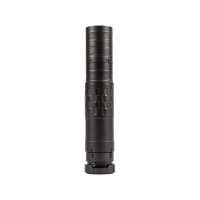
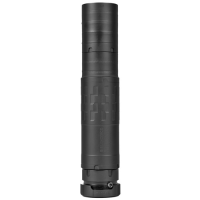
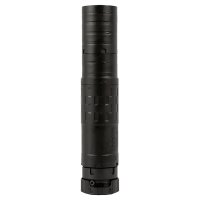
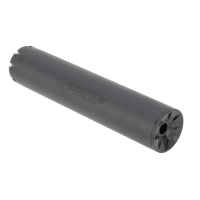
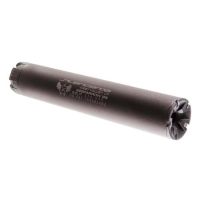
If your state allows it, these are three of the cans I’d start with, with live prices from the dealers we track. All three are picks from our best suppressors guide, and our how to buy a suppressor guide walks through the 4473 and Form 4 routes step by step.
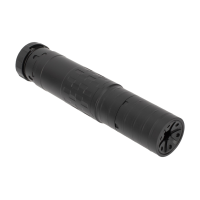
SilencerCo Omega 36M: best overall
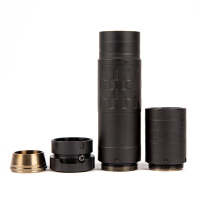
Dead Air Nomad-30: best for hunting rifles
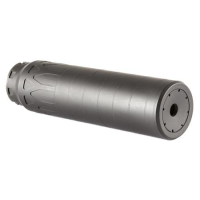
SilencerCo Sparrow 22: best first can
These Laws Change, Verify Before You Buy
Suppressor law is the most active area of firearms policy right now. Kansas and South Dakota changed their laws in 2026, Ohio’s bill is on the Governor’s desk, Alaska and Montana have fixes coming in 2027, and ATF’s policy could be reversed. Treat this page as an accurate snapshot as of the date at the top, not a permanent legal guarantee, and always confirm your current state and local rules with a licensed NFA dealer in your state or a qualified firearms attorney before purchasing.
Disclaimer: This article is for general informational purposes only and does not constitute legal advice. Firearms and NFA laws are complex, vary by state and locality, and change frequently. The status of suppressor ownership and hunting use in your state can change after this page’s last update. Always verify current federal rules with the ATF and confirm your state and local laws with a licensed NFA dealer or a qualified firearms attorney before purchasing, transporting, or using any suppressor. Possessing a suppressor where it is prohibited is a serious crime.
Related Guides
- How to Buy a Suppressor in 2026: The Complete Guide
- The $0 Suppressor Tax Stamp: What Changed in 2026
- Best Suppressors in 2026: Top Silencers for Every Caliber
- ATF Stops Enforcing NFA Registration for Suppressors, SBRs
- Ohio Suppressor Laws
- What Is the National Firearms Act? NFA Explained
Frequently Asked Questions
What states are suppressors illegal in?
Civilian suppressor ownership is banned in eight states plus Washington, D.C.: California, Delaware, Hawaii, Illinois, Massachusetts, New Jersey, New York, and Rhode Island. Suppressors are legal to own in the other 42 states.
Do I still need a Form 4 for a suppressor?
Federally, ATF says it won't enforce the Form 4 or registration for suppressors since October 9, 2026, so a dealer can sell you one on a Form 4473 with a background check. But 20 states have laws that refer to NFA registration or federal law, including Alaska, Georgia, Montana, Ohio, Oregon, Washington and Wisconsin. In those states, file the Form 4 until your state changes its law. It's free, and ATF still processes them.
Is the ATF suppressor change permanent?
No. It's an enforcement policy, not a repeal of the National Firearms Act. ATF warns enforcement could resume if the tax returns, the court ruling is overturned or the policy is rescinded. The underlying court order in Silencer Shop Foundation v. ATF only covers the plaintiffs, their members and their customers.
Are suppressors legal in Texas and Florida?
Yes. Suppressors are legal to own in Texas and Florida, neither state ties ownership to federal registration, and you can hunt with one in both. Texas took suppressors off its prohibited weapons list in 2021.
Can I hunt with a suppressor?
In 41 of the 42 states where suppressors are legal, yes. Connecticut is the only one that bans hunting with a suppressor. Montana, Oklahoma, Ohio, Washington and Wisconsin require a federally registered suppressor (or federal license) for hunting, Tennessee wants proof on you, and Georgia limits where you can use one. Confirm game and season rules with your state wildlife agency.
Does the $0 federal tax stamp override my state suppressor ban?
No. Neither the $0 tax nor ATF's October 9, 2026 enforcement policy changes state law. ATF's own guidance says it does not supersede state and local laws. If your state bans civilian suppressor ownership, you still cannot legally own one there.
Can I travel into or through a state where suppressors are banned?
Never bring a suppressor into a state where it is banned, even in transit. ATF says it won't enforce the federal interstate transport rule for unregistered suppressors, but state laws along your route still apply, and some legal states only allow registered suppressors. A registered suppressor with your approved Form 4 is the safest way to travel. Talk to a firearms attorney if you're unsure.
Will these suppressor laws change?
Yes, and they already are. Kansas and South Dakota removed their state restrictions in 2026, Ohio's SB 214 went to the Governor in November 2026, and Alaska and Montana are working on fixes. ATF's policy could also be reversed. Check your state law again before you buy.
Sources: state statutes and wildlife regulations for each state (citations in our research file), ATF’s October 2026 NFA transfer guidance and FAQ, the judgment in Silencer Shop Foundation v. ATF (N.D. Tex.), the Federal Register notice on the $0 NFA tax, and the American Suppressor Association’s state tracker. Checked November 18, 2026.
2,799+ Gun & Ammo Deals
Updated daily from 200+ top retailers. Filter by category, caliber, action type, and price.
Related Guides