

The SIG Sauer P229 is the compact workhorse of the classic SIG line: hammer-fired, DA/SA, with a machined stainless slide on an alloy frame. It carried federal agents for decades and it shoots softer than any polymer compact its size, because it’s heavier than all of them. Its aftermarket is small but precise, and the upgrades that matter are grips, the trigger, sights and magazines.
We have also corrected two things on this page. SIG don’t publish the figure this page used to quote for the SRT trigger kit, and we have replaced it with what they do say. And the SRT has a consequence for taking your pistol apart that SIG document in an appendix and nobody selling the kit mentions. That’s the section directly below.

Table of Contents
How we tested: Every pick here is ranked against our testing methodology. Minimum round counts, accuracy and reliability protocols, the failures that disqualify a gun.
SIG P229 Upgrades at a Glance
| Category | Our Pick | Fits | Why It Makes the List |
|---|---|---|---|
| Grips | Hogue rubber or G10 | P228/P229 | Two screws, biggest change in feel |
| Trigger | SIG SRT kit | P220/P226/P228/P229 | Shorter travel before the reset |
| Night sights | Trijicon Bright & Tough | P220/P225/P226/P229 | Tritium you can find in the dark |
| Magazine | SIG factory 15-round | Match E2 or older grip | Full capacity, and a real fitment trap |
| Barrel | SIG factory or threaded | P229 and P229-1 | Accuracy, or a thread for a can |
| Weapon light | Streamlight TLR-7 | Railed frames only | 500 lumens on a slim body |
| Laser | Crimson Trace Lasergrips | P228/P229 | Replaces the grips, no rail needed |
| Holster | Molded Kydex or leather | P229, rail and optic cuts vary | Retention and a repeatable draw |
| Recoil spring | SIG guide rod assembly | P228/P229/P250 | The wear part nobody replaces |
| Grip screws | SIG factory | P229 | Buy them with the grips, not after |
What SIG Actually Say About the SRT
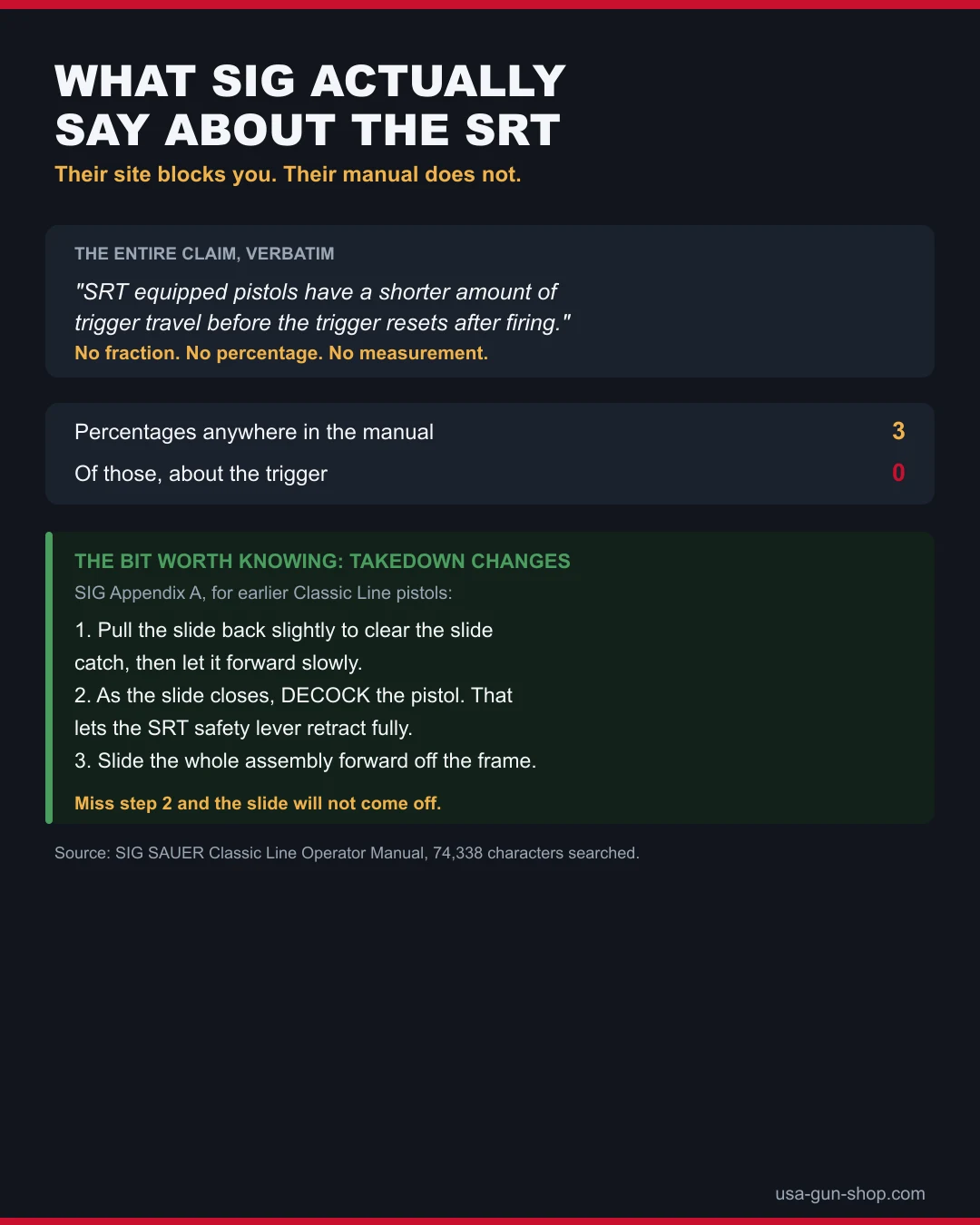
This page used to tell you the SRT kit “cuts the trigger’s reset distance roughly in half”. We went looking for where that number came from, and we can’t find SIG saying it.
Getting SIG’s own words took a detour. Their website answers every request from us with an HTTP 403, product pages and the manuals library alike. But SIG’s Classic Line operator’s manual is mirrored publicly, and the P229 is a Classic Line pistol. We searched all 74,338 characters of it. Here is the entire claim SIG make for the SRT:
SRT (Short Reset Trigger) equipped pistols have a shorter amount of trigger travel before the trigger resets after firing.
That’s it. No fraction, no percentage, no measurement. The manual contains exactly three percentages and all three are 40% relative humidity in the long-term storage section, which is about a dehumidifier and not a trigger. We checked what that 40% referred to before assuming, because a percentage sitting inside a document about the right product is exactly the sort of number that gets borrowed by mistake.
None of this makes the SRT a bad upgrade. It’s still the modification most P229 owners make, it ships standard on Legion and Elite guns, and the difference is obvious the first time you shoot a pair. We just are not going to put a number on it that its maker never published.
The bit nobody selling SRT kits tells you
Buried in the same manual, section 7.1 carries a note: earlier model SIG pistols fitted with an SRT “might require an different procedure for disassembly”, and it points to Appendix A. Appendix A says that earlier Classic Line pistols were built with an SRT safety lever that needs this sequence to take the slide off:
- Pull the slide back slightly to clear the slide catch lever, hold it, and let it move forward slowly.
- As the slide reaches its closed position, decock the pistol. That lets the SRT safety lever retract completely so the slide can come off the frame.
- Slip the whole assembly, slide and barrel and recoil spring and guide rod, forward and off the frame.
Miss step two and the slide does not come off. If you have ever fitted an SRT and then found takedown fighting you, that’s the answer, and it’s not a fault. SIG even print a phone number in that appendix for people who get stuck.
One honest limit on this. SIG write “earlier model Classic Line Pistols (especially P220)”. They don’t write P229. The P229 is a Classic Line pistol, so the appendix is addressed to a group that includes it with the P220 called out by name, and that’s as far as the document goes. Know the procedure exists before you need it.
Why there are no dimensions on this page
You would expect a parts guide to open with a specification table. We can’t give you one we trust. The manual’s own specifications section reads: “Specification tables for each Classic line model are available on-line at, sigsauer.com.” That’s the site returning 403. So SIG’s manual hands its numbers to a page you may not be able to open, and rather than copy figures from a retailer listing and call them specifications, we have left them out.
Know Your Trigger System Before You Buy an SRT
This is the question the page skipped, and it decides whether pick two applies to your pistol at all. SIG’s manual lists four trigger actions across the classic line: Double Action/Single Action, Single Action Only, Double Action Only, and Double Action Kellerman, which everyone calls DAK. The P229 was sold in several of them, and plenty of DAK guns went to federal agencies and then into the used market.
Two lines from SIG’s own feature table matter here. Of DAO and DAK pistols they write: “Low Profile Hammer. DAO hammers do not have a traditional spur because there is no need to manually cock the hammer.” And: “No Decocking Lever. The hammer in DAO pistols always returns to the decocked position, so there is no need for a decocking lever.”
Now read that against the takedown appendix above, which instructs you to decock the pistol at step two. A gun with no decocking lever is a different animal, and an SRT kit that replaces the sear and safety lever is sold for the DA/SA guns. So before you spend the money: look at your hammer. If it has a spur and there’s a lever on the frame behind the trigger, you have a DA/SA gun and the kit below is the one for you. If the hammer is a low rounded stub and there’s no decocking lever, you have a DAO or DAK pistol and you need to check the listing names your trigger system before ordering anything that touches the fire control parts.
SIG’s own function check, by trigger system
Since you’ll have the gun apart, SIG’s manual also carries a function check, and they’re clear about when to run it: “It should be performed after the completion of repairs and after each cleaning and assembly of the pistol.” Magazine out, chamber visually and physically confirmed empty, muzzle in a safe direction, then the test depends on what you own:
- DA/SA. The hammer should release from the single action position. Then release the trigger and push forward on the hammer spur: the hammer must not contact the firing pin.
- DAO and DAK. Press the trigger. The hammer must cock and release.
- SAO. Pressing the trigger releases the hammer from cocked, once the manual safety is disengaged.
That second half of the DA/SA check is the one worth internalizing. Pushing forward on the hammer and confirming it cannot reach the firing pin is a direct test of the automatic firing pin safety, which is the part standing between a dropped pistol and a discharge. It takes five seconds and it’s the last thing you should do after any work on the gun.
The P229 Magazine Trap
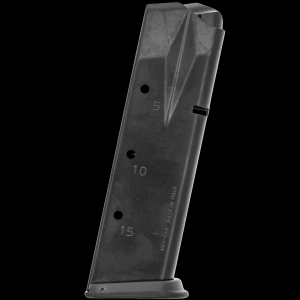
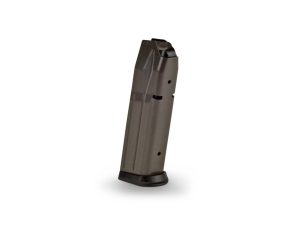
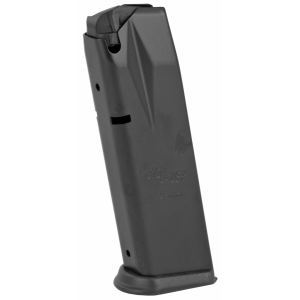
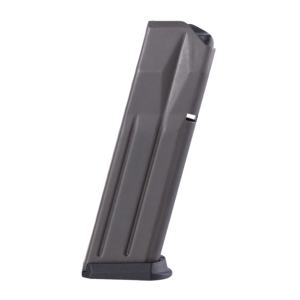
This is the one that costs people money, and you can see it happening in the listings themselves. Pull up 15-round P229 magazines at any retailer and you’ll find them sold as separate products described as “E2 Grip Style”, “Legacy Model” and “Older Models”. Those are not marketing words. They’re different parts.
SIG revised the P229 grip and frame over the gun’s life, and the magazine followed. A magazine cut for an E2 grip frame isn’t the one an earlier P229 wants, and the listings are careful to say which is which precisely because buyers get it wrong. The price block below carries both descriptions on purpose, so you can see the split rather than have us hide it behind one headline.
Before you order, look at your own magazine and read the description in the listing against it. If a listing doesn’t say which frame it is for, that’s a reason to buy somewhere else rather than a reason to guess. The same applies to the P229-1, which appears as its own variant in barrel and magazine listings.
Best Grips: Hogue
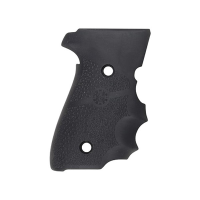
The P229 wears removable grip panels held by two screws, which makes this the easiest real upgrade on the gun and the one you feel most. Hogue’s wraparound rubber grips with finger grooves fill the hand and add grip on a pistol whose factory panels go slick when wet. Their G10 panels are the other direction: thinner, harder, and aggressively textured without adding bulk.
Pick by what your hand actually wants. Rubber with finger grooves if you want to fill the hand and soften recoil, G10 if the gun already fits and you want texture and a slimmer profile. Both are listed for the P228 and P229 together, which is genuine: those two share a frame for grip purposes. Order grip screws at the same time, for reasons covered further down.
Best Trigger Upgrade: SIG SRT Kit
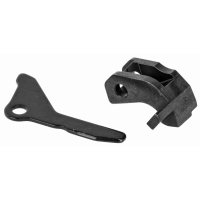
The Short Reset Trigger is a genuine SIG parts kit that replaces the sear and safety lever, and in SIG’s own words it gives “a shorter amount of trigger travel before the trigger resets after firing”. In practice that means your finger travels less between shots in single action, so a controlled pair is quicker and steadier. It’s standard equipment on Legion and Elite guns, which tells you what SIG think of it.
Grayguns sell their own SRT kit alongside SIG’s, and the listings below carry both. Fitting one means detail-stripping the pistol, so it’s the job on this page most likely to end up with a gunsmith. Read the takedown section above before you start, because the part you’re installing is the part that changes how the gun comes apart.
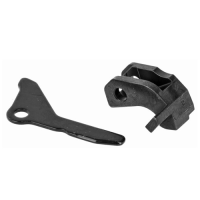
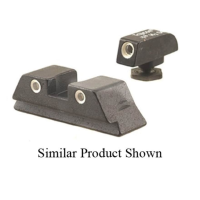
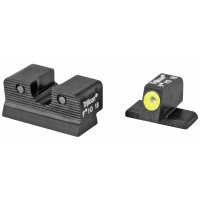
Best Night Sights: Trijicon
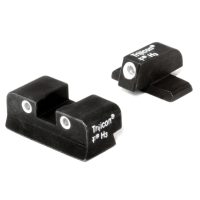
A tritium set gives you a front sight your eye finds in daylight and a lit aiming point when it’s dark, and Trijicon’s Bright & Tough sets are the long-standing default for the classic SIGs. They come in plain three-dot and in the HD pattern with a wide high-visibility front, which is the one we would fit to a defensive gun.
Most of these sets are listed for several models at once, most often the P220, P225, P226 and P229 together, and that’s correct rather than careless: the classic SIGs share a sight dovetail across those guns. A listing naming your pistol among several is a good listing. Tritium dims over years rather than rounds, so a suspiciously cheap used set has already spent much of its life.
Best Magazine: SIG Factory 15-Round
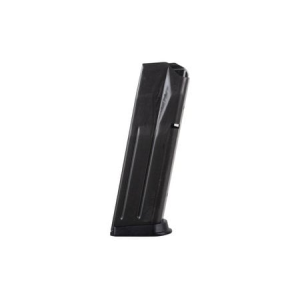
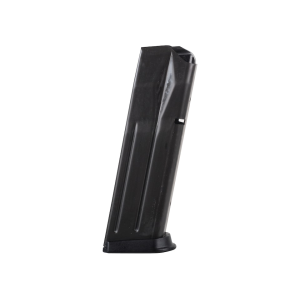
Fifteen rounds is the full-capacity 9mm P229 magazine, and factory SIG magazines are the safe choice. Read the section above before you buy, because this is the pick where getting it wrong is easy: the listings below deliberately show the E2 grip style, the legacy model and the older-model versions side by side, and they are not interchangeable.
Magazines are consumable. Springs take a set, followers wear, and a magazine is the single most common cause of a stoppage in any semi-auto. Buy several of the right one rather than one of each hoping something fits, and mark them so a range magazine never ends up in a carry gun by accident.
Best Barrel: SIG Factory or Threaded
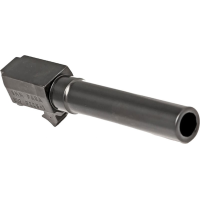
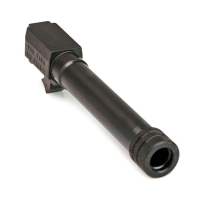
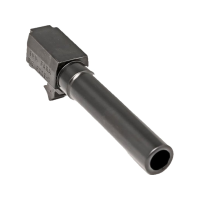
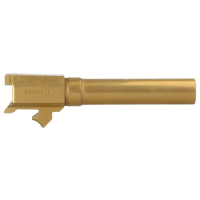
A barrel is an optional upgrade on a carry gun and a necessary one if you want a suppressor. SIG sell factory 3.9 inch replacements in Nitron and a threaded version for the P229 and P229-1, and both drop in without fitting. If your barrel is simply worn out from a long service life, this is also how you fix that.
Watch the variant naming here as carefully as on the magazines, because barrels are listed separately for the P229 and the P229-1. And watch the prices: searches for P229 barrels pull complete pistols into the same results at four figures. We filter those out below, but nobody does that for you on a retailer’s own search page.
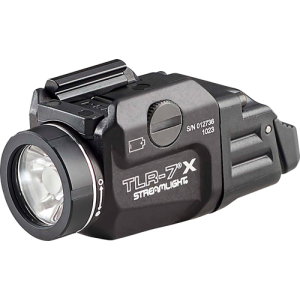
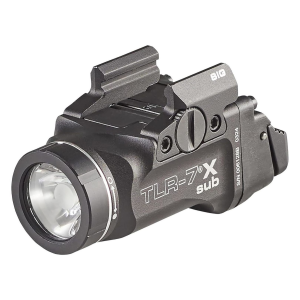
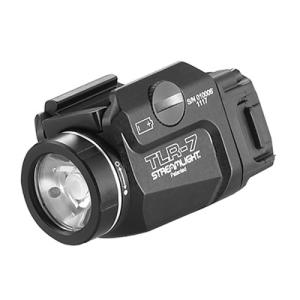
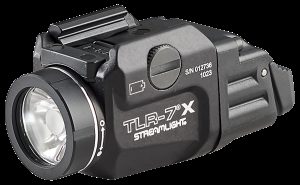
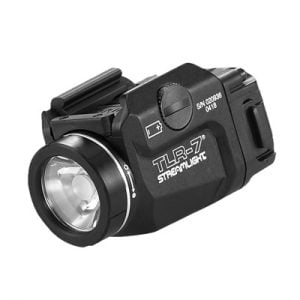
Best Weapon Light: Streamlight TLR-7
Railed P229 frames take a light, and the TLR-7 is the one that suits a compact pistol: 500 lumens in a slim body with a short head that doesn’t hang past the muzzle or fight your holster. Confirm your frame has a rail first, because not every P229 does, and a light is the one pick here that a railless gun simply can’t use.
Shopping note. The TLR-7 and the newer TLR-7X are different products at different prices and they share almost all of their name, so the listings mix them. Decide which you want before you compare prices, then add a holster molded for the gun and the light together, because a light-bearing pistol does not fit a bare-gun holster.

Best Laser: Crimson Trace Lasergrips
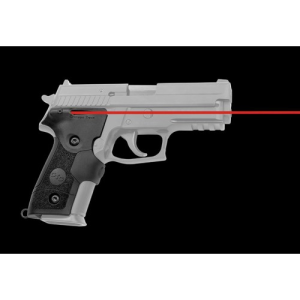
Crimson Trace Lasergrips are the neat answer for a P229 without a rail, because they’re the grip panels: the laser lives in the panel and switches on when you take a firing grip. Nothing hangs off the gun, the holster you already own still fits, and there’s no switch to find under stress.
They replace the grips, so this pick and the Hogue panels are alternatives rather than companions. Zero it at the distance you would really use it, which for most people is across a room. One warning from building this page: a search for a P229 laser returns complete pistols fitted with Lasergrips at around 800 dollars, and it’s easy to mistake that for the price of the laser.
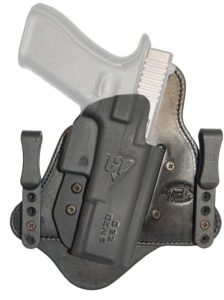
Best Holster: Molded Kydex or Leather
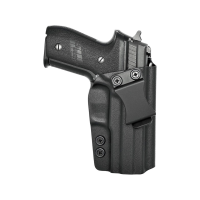
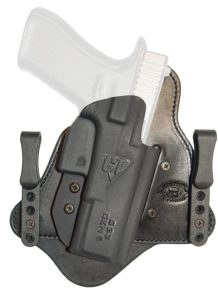
The P229 is a heavy compact, which makes the holster and the belt matter more than they do with a polymer gun. A molded rig gives you retention you can trust and a draw that repeats. Kydex is crisper and leather is quieter against a car seat and kinder to a Nitron finish; both are represented below.
Match three things before you order: whether your frame has a rail, whether a light is mounted, and whether your slide is optic cut, because holster makers now list P229 shells for optic-ready guns as separate products. Inside the waistband disappears better under a shirt; outside the waistband carries a steel pistol more comfortably for a full day. Buy for how you’ll actually carry it rather than how you imagine you’ll.
Best Wear Part: Recoil Spring Guide Rod
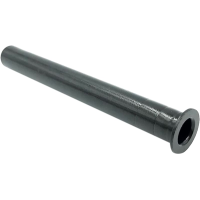
The recoil spring assembly is a consumable, and on a pistol this old it is the cheapest fix for problems people blame on magazines and ammunition for months. A tired spring throws brass further than it used to, makes the slide feel harsh, and eventually leaves the gun short of going fully into battery.
SIG’s own guide rod assembly is listed for the P228, P229 and P250 together and costs about the same as a box of ammunition. Replacing it is a field-strip job with no fitting at all. If your P229 has thousands of rounds through it and has never had a new spring, do this before you spend money on anything else on this page.
Buy These With the Grips: Grip Screws
An unglamorous pick that saves an annoying week. SIG grip screws take a hex key, they’re small, and the heads round off if the key is worn or the screw was overtightened by the last owner. Discovering that halfway through fitting new panels means the gun sits in pieces until a two-dollar part arrives.
Order a set with your grips and keep the old ones as spares. Use the correct size key rather than the nearest one, and do not crank them down: the panels only need to be held, and overtightening is what creates the next stripped screw.
Whole Guns Sold as P229 Parts
Every price block on this page runs against live retailer listings, so we see what a P229 parts search returns before you do. On this pistol one problem dominates, and it’s worth naming because it distorts what a part appears to cost.
Complete pistols keep landing in parts results. Building this page we filtered out a 799 dollar P229 Elite fitted with Crimson Trace Lasergrips from the laser results, a 1,299 dollar P229 Equinox Elite from the barrel results, P229 Legion pistols between 1,235 and 1,599 dollars from a grip search, a 714 dollar P229 Elite from a grip screw search, and a 649 dollar police trade-in from the trigger kit results.
The reason is mundane and it won’t be fixed by the retailers. A pistol that ships with Lasergrips says “Lasergrips” in its title. A Legion says “G10 Grips”. A threaded-barrel model says “Barrel”. Search engines match words, so the gun outranks the part. The practical effect for a shopper is that the cheapest-looking result and the most expensive result on the same page can be the same category of thing, and a reader skimming prices concludes a laser costs eight hundred dollars.
The rest of what we filtered
- P320 optic plates. A search for a P229 red dot mount returns mounting plates for the P320 and the M17. Different pistol, different slide, and it’s why there’s no optic card on this page.
- Police trade-in magazines. A search for extended P229 magazines returned used law enforcement magazines in .357 SIG and .40 S&W. Used magazines are a false economy and the wrong caliber besides.
- Glock holsters. Broadening the holster search pulled in 1791 Gunleather rigs listed for Glock 17 and 19. Same maker, same style, wrong gun.
- P220 sights, wrongly. Our first filter excluded anything mentioning the P220 and cut the card from nine rows to one, because Trijicon list most classic SIG sets for the P220 and P229 together. That was our error, not the listings’. The classic SIGs genuinely share a sight dovetail.
That last one is the useful rule in both directions. A listing that names your gun among several is a good listing. A listing that names only a different gun isn’t. And a listing whose price is four figures is not a part at all.
How to Prioritize Your P229 Build
The P229 arrives well sorted, so the work is fitting it to you and keeping it healthy. In order:
- Grips, with screws. Two screws, the biggest change in how the gun feels, and the cheapest.
- A recoil spring if the pistol has real mileage. Do this before anything expensive.
- The SRT kit, and read the takedown appendix above before you fit it.
- Night sights, checking the set is listed for your model.
- Magazines, matched to an E2 or an older frame, and bought several at a time.
- A holster, then a light if the frame is railed, or Lasergrips if it’s not.
Want the background on the gun first? Read our SIG P229 review, then see how it stands in our best compact 9mm pistols roundup. Prefer the full-size sibling? See our SIG P226 parts guide. Feed it with quality 9mm ammo.
Frequently Asked Questions
What is the best upgrade for a SIG P229?
Grips, and order a set of grip screws at the same time. The P229 wears two-screw panels, so this is the cheapest change and the one you feel most: Hogue rubber to fill the hand, or G10 for texture without bulk. If the pistol has real mileage, replace the recoil spring assembly before anything else, because a tired spring causes problems people blame on magazines for months.
What is a SIG SRT kit?
SRT stands for Short Reset Trigger. It is a genuine SIG parts kit that replaces the sear and safety lever, and it comes standard on Legion and Elite guns. In SIG own words, from their Classic Line manual, SRT equipped pistols "have a shorter amount of trigger travel before the trigger resets after firing". That is the whole published claim. You will see it described as halving the reset, and we cannot find SIG saying that anywhere, so we are not repeating a number its maker never printed. The difference is real and obvious to shoot; the figure is folklore.
Does an SRT change how you take a SIG apart?
It can, and SIG document it in an appendix almost nobody reads. Their manual notes that earlier Classic Line pistols fitted with an SRT may need a different takedown procedure: pull the slide back slightly to clear the slide catch and let it forward slowly, then as the slide reaches its closed position decock the pistol, which lets the SRT safety lever retract fully so the slide comes off the frame. Miss the decocking step and the slide will not come off. SIG name the P220 in particular rather than the P229, but the appendix addresses Classic Line pistols as a group.
How do I know which P229 trigger system I have?
Look at the hammer and the frame. SIG sold the classic line in four trigger actions: DA/SA, Single Action Only, Double Action Only and Double Action Kellerman, the DAK. Their own table says DAO and DAK pistols have a low profile hammer with no spur and no decocking lever, because the hammer always returns to decocked. So a spurred hammer plus a lever on the frame means DA/SA. A rounded stub of a hammer and no lever means DAO or DAK. This matters before you buy anything that touches the fire control parts, an SRT kit included.
Which magazine fits my SIG P229?
Read the listing rather than the capacity. Retailers sell 15-round P229 magazines as separate products described as E2 Grip Style, Legacy Model and Older Models, and those are different parts rather than different wording. SIG revised the P229 grip and frame over the life of the gun and the magazine followed. Compare the description against the magazine already in your pistol, and if a listing does not say which frame it is cut for, buy somewhere that does.
Are Mec-Gar magazines good for the SIG P229?
They are well regarded and widely sold for the P229, and plenty of owners run nothing else. SIG factory magazines are the other safe choice. The thing that actually catches people out is not the brand but the frame the magazine is cut for, and the capacity printed in the listing: 10-round versions sit in the same search results as the 15-round ones. Buy several of the right one rather than one of each hoping something fits.
Does the SIG P229 have a rail for a light?
Newer P229 models including the P229-1 carry an accessory rail that takes a light or a laser. Some older P229 pistols do not. Confirm your own frame before buying a weapon light, because it is the one upgrade a railless gun simply cannot use. If yours has no rail, Crimson Trace Lasergrips are the neat way around it: the laser lives in the grip panels, so nothing hangs off the pistol and the holster you already own still fits.
Do I need a gunsmith to upgrade a SIG P229?
Some of it is drop-in and some is not. Grips, grip screws, magazines, the recoil spring assembly, lights, lasers and holsters go on at home with basic tools, and sights are easier with a sight pusher. The SRT kit means detail-stripping the pistol and is the job most likely to end up with a gunsmith. Whoever does the work, run SIG own function check afterward: their manual says to perform it after repairs and after every cleaning and reassembly.
4,830+ Gun & Ammo Deals
Updated daily from 200+ top retailers. Filter by category, caliber, action type, and price.
Related Guides