

Last updated August 25, 2026 · By Nick Hall. I have built up more than one budget 1911 and got the order wrong at least twice. Every price below is the lowest live offer in our parts feed on the day of the update.
Affiliate disclosure: some links below are affiliate links. If you buy through them you still get the best price and you help us keep tracking deals, at no extra cost to you.
Table of Contents
- Treat every gun as loaded
- Point the muzzle in a safe direction
- Keep your finger off the trigger until you’re ready to shoot
- Know your target and what’s beyond
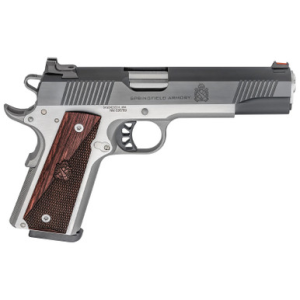
No handgun on earth is more upgradeable than the 1911. John Browning’s design is more than a century old and an entire industry exists to refine it, which means you can take an affordable Mil-Spec gun and, one part at a time, build it into something that shoots like a pistol costing three times as much.
This is the guide to the 1911 upgrade parts that actually matter, in the order that gives you the most shooter for your money, with honest notes on what needs a gunsmith and what does not.
One principle first. The 1911 is a fitted gun. Bolt-on parts like grips, sights and magazines are easy. Internal parts like sears, hammers and barrels often need hand-fitting by a competent gunsmith to be safe and reliable. Know which is which before you spend anything.
How we tested: Every pick here is ranked against our testing methodology. Minimum round counts, accuracy and reliability protocols, the failures that disqualify a gun. Where we have not shot a specific variant ourselves, we say so in that section.
The Upgrade Order, and What Each Costs
If you do nothing else, work down this table in order. It is sorted by how much shooting improvement you get per dollar, not by how exciting the part is.
| Order | Upgrade | From | Fitting | Why it matters |
|---|---|---|---|---|
| 1 | Magazines | $61 | None | Fixes more “unreliable 1911” complaints than everything else combined |
| 2 | Sights | $41.95 fiber, $128 night | Dovetail tool or gunsmith | You notice it every single time you pick the gun up |
| 3 | Grips | $25 | Two screws | Biggest change in feel for the least money |
| 4 | Recoil spring | $25 | None | A wear item most owners never replace |
| 5 | Trigger and fire control | $18 | Gunsmith | Where a 1911 starts to feel custom |
| 6 | Magwell and mainspring housing | $59.95 | Drop-in on most frames | Faster reloads and a better grip in one part |
| 7 | Match barrel | $58.99 | Gunsmith | Only pays off on a gun you shoot for groups |
| 8 | Beavertail | Varies | Gunsmith on an uncut frame | Stops hammer bite, seats the gun higher |
The Best 1911 Upgrade Parts by Category (Live Prices)
Category-by-category picks for a full-size Government 1911, each with a live price check across the retailers we track. Most fit standard 5in Government-pattern guns. Always confirm fit for your pistol, because Commander, Officer and 2011-pattern guns differ.
Best Magazine: Wilson Combat ETM
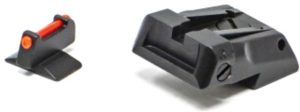
Best Night Sights: Trijicon HD
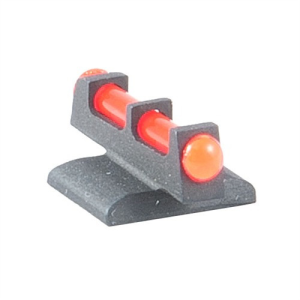
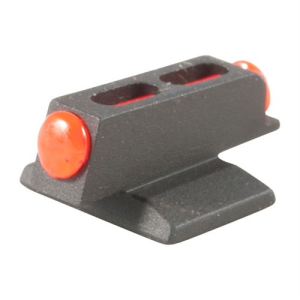
Best Budget Sight Fix: Fiber-Optic Front
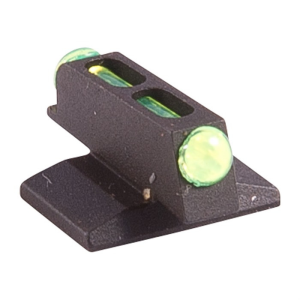
Night sights are the full answer, but a fiber-optic front alone costs a third as much and fixes the worst thing about GI sights, which is that you cannot find the front post quickly. If money is tight, do this first and add a rear later.
Best Grips: Hogue
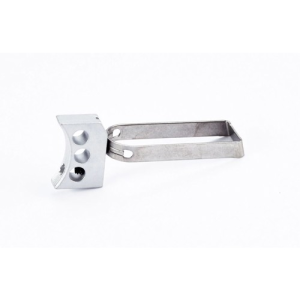
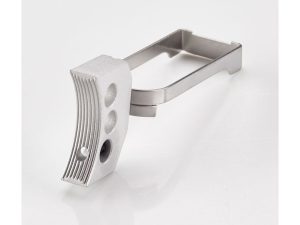
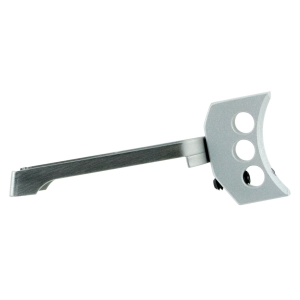
Best Trigger & Internals: Wilson Combat
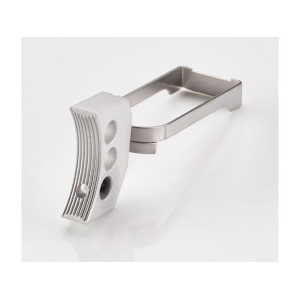
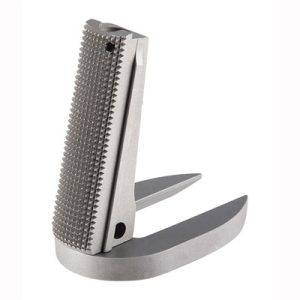
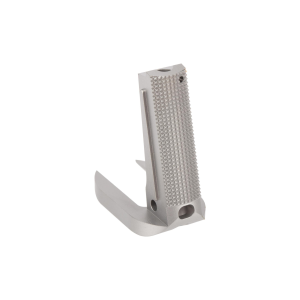
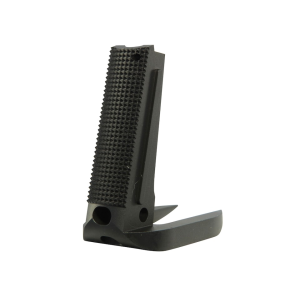
Best Magwell: Magwell Mainspring Housing
The magwell and the mainspring housing are one part on a 1911, which makes this the most efficient upgrade on the list. You get a funnel for faster reloads and a checkered or flat housing that changes how the grip fills your hand, for one price and one pin.
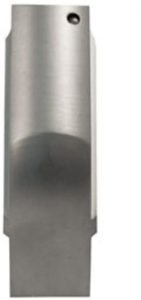
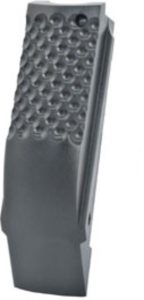
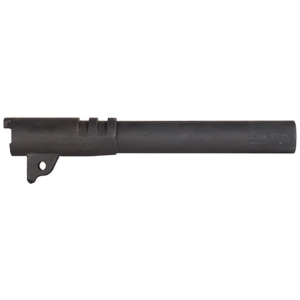
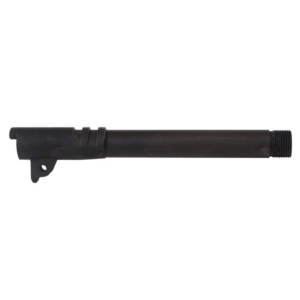
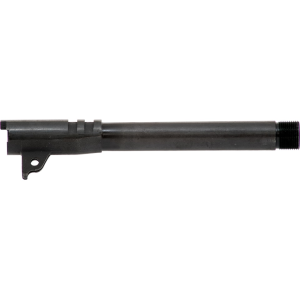
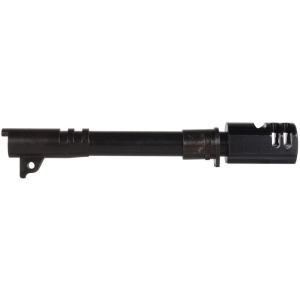
Best Match Barrel: Swenson Semi Drop-In
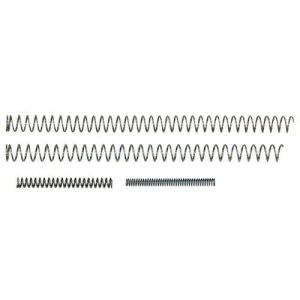
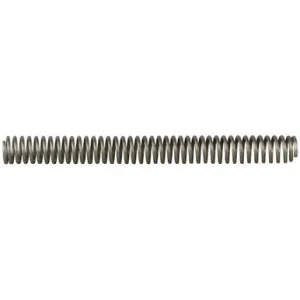
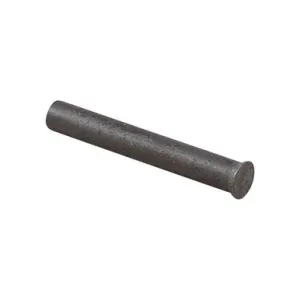
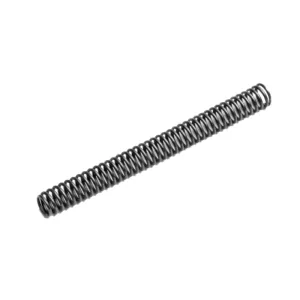
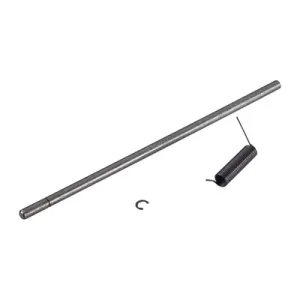
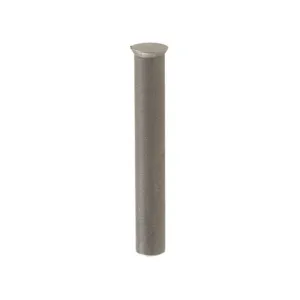
Best Recoil System: Full-Length Guide Rod
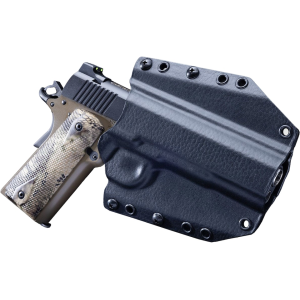
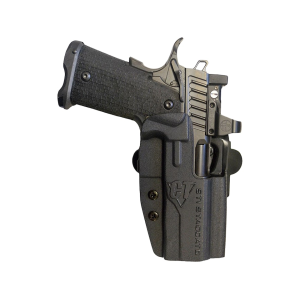
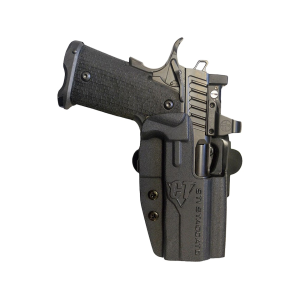
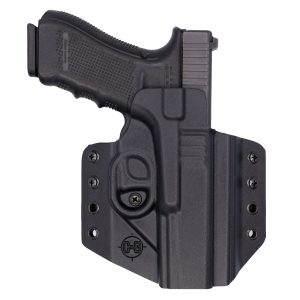
Best Holster: Molded Kydex
1. Magazines: the most important upgrade
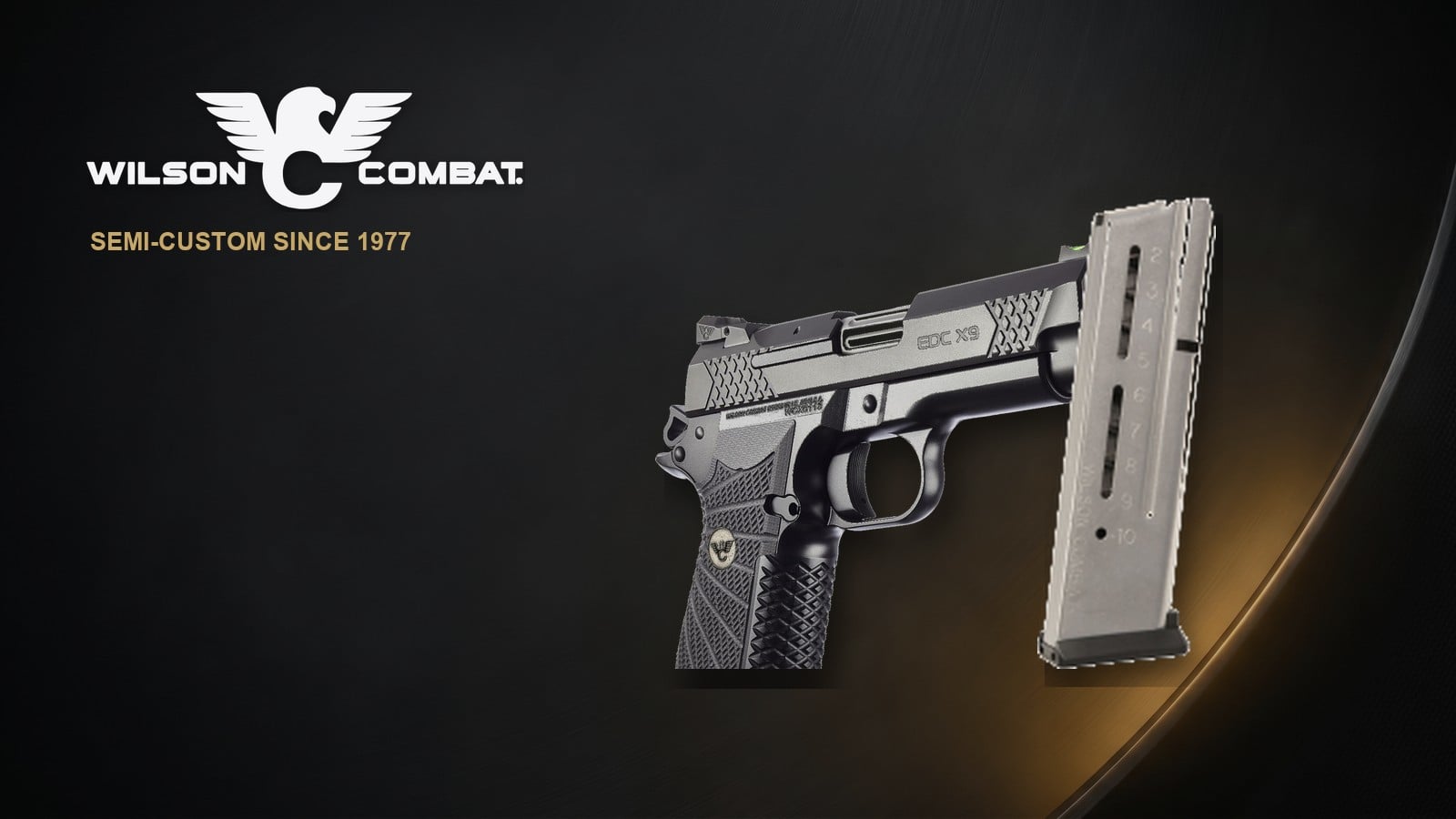
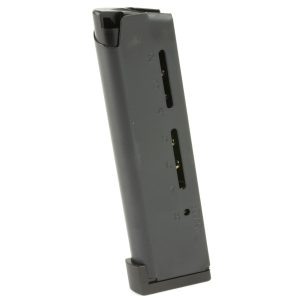
Start here, always. The single most common cause of a 1911 malfunction is a cheap or worn magazine, and a quality mag fixes more “unreliable 1911” complaints than any other part. Wilson Combat ETM and 47D magazines and Ed Brown magazines are the gold standard.
Buy a handful of proven mags before you spend a dollar on anything else. At $61 for a Wilson ETM that feels steep next to a $15 GI magazine, and it is still the best money you will spend on the gun. Browse the full lineup in our magazine and loader brand directory.
One thing worth knowing if you are cross-shopping the double-stack side of the platform: a Springfield 1911 DS 20-round magazine is $33.59, so the wide guns are not the magazine money pit they are made out to be. We get into that in 1911 vs 2011.
2. Sights
Factory GI sights are tiny, snag-prone and hard to see, and they are the next thing to go. A good set of night sights or a fiber-optic front transforms how fast and confidently you shoot the gun.
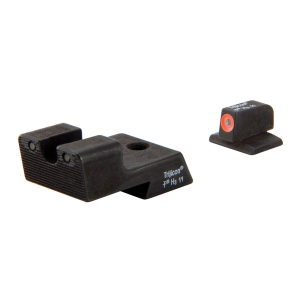
The front sight is staked or dovetailed depending on the gun, and the rear is dovetailed, so this is often a quick job with the right tool, or a few minutes at a gunsmith. Budget $41.95 for a fiber-optic front or about $128 for a full Trijicon night set. It is the upgrade you notice every time you pick the gun up.
3. Grips
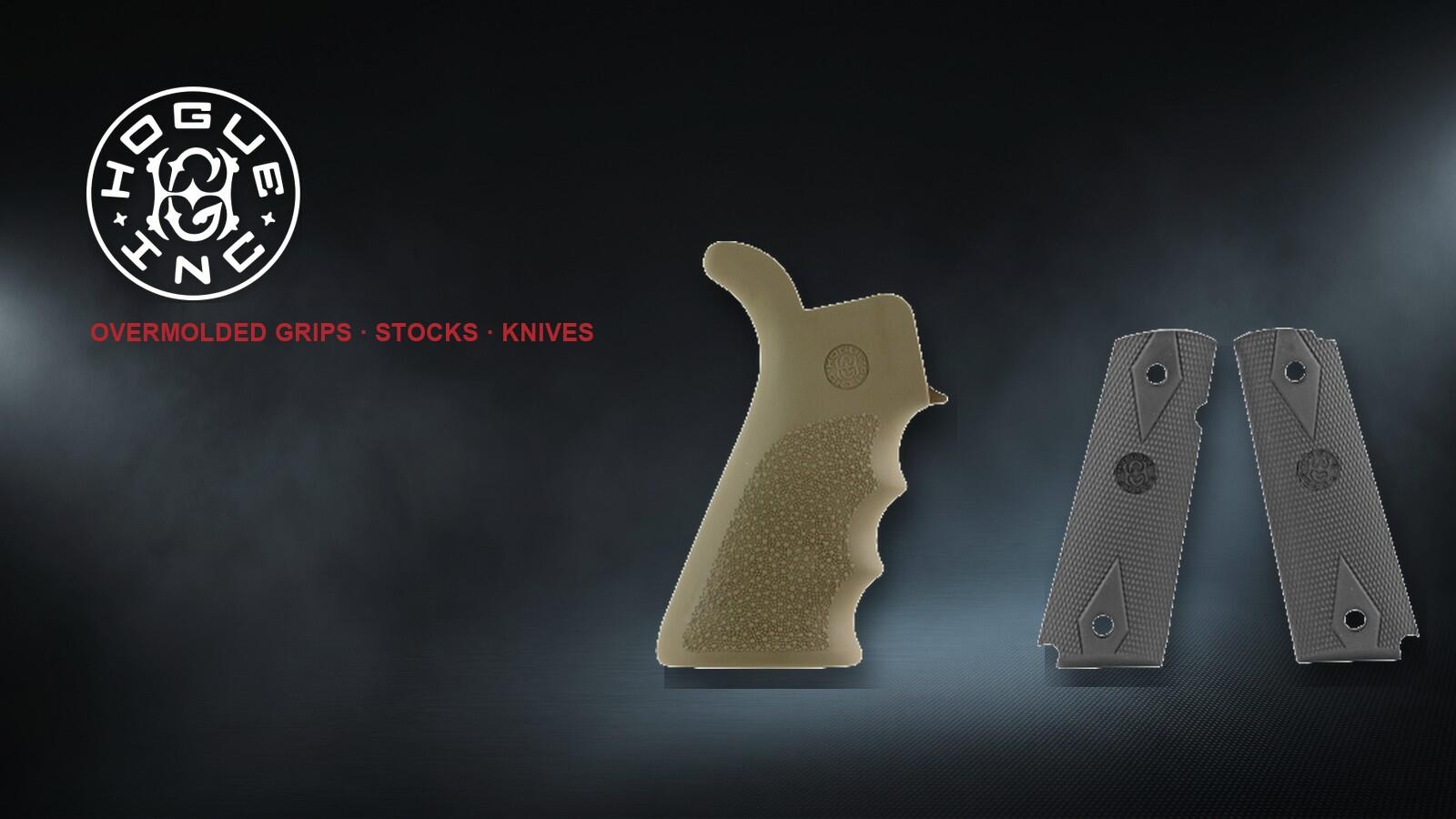
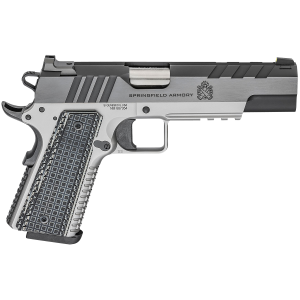
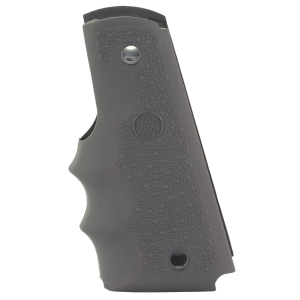
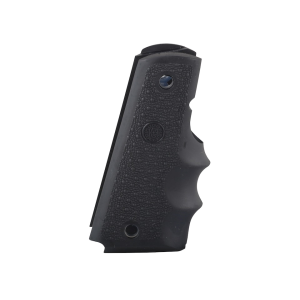
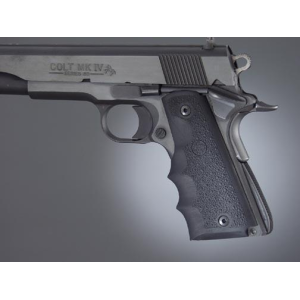
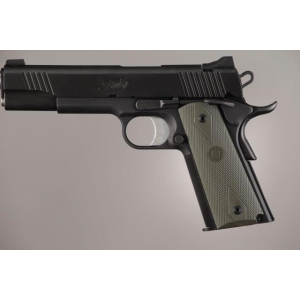
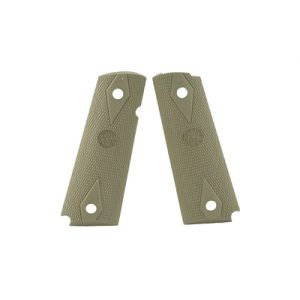
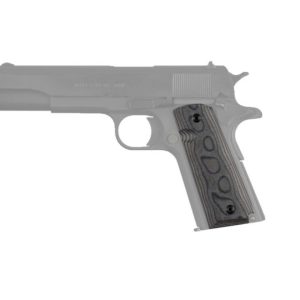
The easiest upgrade of all, and a surprisingly big one. Swapping the factory panels for Hogue wraparound rubber, or aggressive G10, or classic wood, changes how the gun feels and points more than you would expect, for the price of two magazines and the turn of two screws.
Match the grips to how you carry. Slim panels for concealment, aggressive texture for the range. At $25 it is the cheapest way to make the pistol feel like yours, and you can do it at the kitchen table in five minutes.
4. Trigger and internals
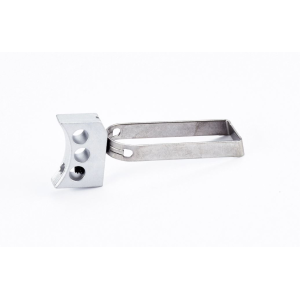
This is where a 1911 starts to feel custom. A crisp trigger pull comes from a quality hammer, sear and disconnector set, often paired with an adjustable trigger and a lighter mainspring. Wilson Combat and Ed Brown make match-grade fire-control parts that are the benchmark.
The honest caveat: hammer and sear fitting affects whether the gun is safe to carry. Unless you genuinely know what you are doing, have these parts fitted by a gunsmith. Done right, the result is the famous glass-rod 1911 break, and it is the single biggest change in how the gun shoots.
5. Beavertail, mainspring housing and controls

The ergonomic layer. A beavertail grip safety stops hammer bite and seats the gun higher in your hand. A checkered or arched mainspring housing improves grip, and a magwell version funnels reloads. An extended thumb safety and a slightly larger magazine release speed everything up.
Ed Brown is famous for its beavertails and mainspring housings. Many of these are drop-in on a properly cut frame, but a beavertail on an older GI frame needs the frame radiused, which is gunsmith work and not a small job.
Worth being straight about availability here. Beavertail grip safeties and extended thumb safeties are the two parts on this page our retailers do not currently stock as individual components, so there is no live card for them. Order direct from Ed Brown or Wilson Combat, or have your gunsmith supply the part with the fitting.
6. Match barrel and bushing
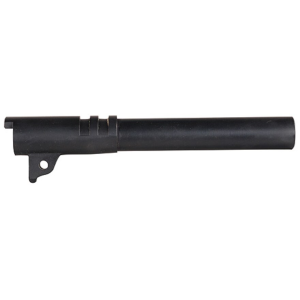
For accuracy, a hand-fitted match barrel and bushing tighten the lockup and shrink your groups. A Swenson semi drop-in Government barrel starts at $58.99, which is far less than most people assume.
The fitting is the expensive part, and this is firmly gunsmith territory. On a gun you shoot for accuracy it pays off on paper. On a carry gun that already groups fine, spend the money on ammunition instead. Fusion Firearms and the premium 1911 houses build match barrels in a range of calibers if you want to go further.
7. Recoil system
The full-length guide rod is the 1911’s most debated upgrade. Some shooters swear by the slightly smoother cycling. Purists point out that Browning’s original GI rod runs perfectly and is easier to field-strip without a paperclip.
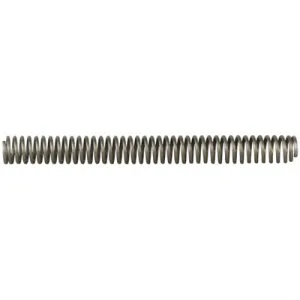
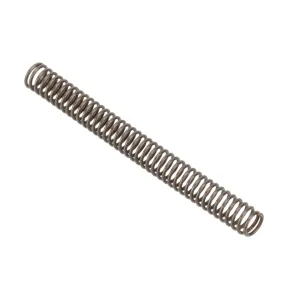
A fresh recoil spring at the right weight for your load matters far more than the rod itself, and it is a wear item most owners never replace. Our honest take: change the spring on schedule, around every 3,000 rounds, and treat the full-length guide rod as preference rather than performance.
What to Upgrade First on Your Particular 1911
The generic order above is right for most guns, but the starting point differs by maker. Here is where the money actually goes depending on what you own.
Tisas and Rock Island
Both come in around $300 to $350 and both arrive mechanically sound with the corners cut on the parts you touch. Magazines first, because one mediocre magazine ships in the box. Then sights, then grips. Leave the internals alone at first. These guns run reliably out of the box and the trigger improves on its own over a few hundred rounds.
If you have the double-stack Tisas rather than a single-stack, the parts list changes and 2011-pattern magazines are not interchangeable. Our Tisas 1911 Duty DS review covers that gun specifically.
Springfield Mil-Spec and Garrison
These already have a forged frame and slide and a decent barrel, so the money goes on ergonomics rather than mechanicals. Sights first on the Mil-Spec, because the GI three-dot is the weakest thing on the gun. Then a beavertail if you get hammer bite, then grips.
Kimber and Colt
Both arrive with most of the ergonomic upgrades already fitted, so there is less low-hanging fruit. Magazines still matter, and a recoil spring at the right weight is worth doing on any gun with rounds through it. Beyond that you are into match barrels and fire control, which is real gunsmith money. See our Kimber 1911 guide and the Colt 1911 lineup for what each already includes.
What a Full Build Actually Costs
People talk about building up a budget 1911 without ever putting a number on it, so here is the running total at today’s live prices, starting from a $299.99 Tisas 1911A1.
| Stage | Spend | Running total |
|---|---|---|
| Tisas 1911A1 Government | $299.99 | $299.99 |
| Three Wilson ETM magazines | $183 | $482.99 |
| Fiber-optic front sight | $41.95 | $524.94 |
| Hogue grips | $25 | $549.94 |
| Recoil spring and guide rod | $24.99 | $574.93 |
| Magwell mainspring housing | $59.95 | $634.88 |
| Wilson trigger kit | $18 | $652.88 |
So about $653 in parts, plus fitting, turns a $300 gun into something that shoots and feels a long way above its price. Worth knowing what that number sits next to: a Springfield 1911 Mil-Spec is $569.99 as it comes, and a Tisas 1911 Duty DS double-stack is $663.99.
That is the honest tension in this whole exercise. Build for the shooting you actually do and the parts you actually want, not to beat a factory gun on a spreadsheet, because at this total you will not. Where a build wins is that every part is the one you chose. If you would rather just buy the finished article, start with the best 1911s under $1,000.
What Not to Upgrade
Three things people spend money on that rarely earn it back.
- A lighter trigger for its own sake. Below about 3.5 lb on a carry gun you are buying risk, not performance.
- A full-length guide rod on a gun that already runs. It is preference. Spend it on the recoil spring instead.
- A match barrel on a carry gun. Fitting costs more than the barrel, and you will never shoot the difference at defensive distances.
Tools You Actually Need
You can do magazines, grips, recoil springs and most mainspring housings with a bench block, a set of proper gunsmith screwdrivers and a punch set. That is perhaps sixty dollars of tools that will outlive the gun.
Sights need a dovetail pusher or a gunsmith. Hammers, sears, beavertails and barrels need a gunsmith, full stop. The line is simple: if getting it wrong makes the gun fire when it should not, pay somebody.
Don’t Forget a Holster
A built-up 1911 deserves a holster that fits it and a gun belt that carries it. The 1911’s slim profile carries beautifully in good leather or kydex, and Galco and Cebeci Arms leather and Alien Gear kydex all make 1911-specific rigs. See the full range in our holster and carry gear brand directory.
Shop 1911 Upgrade Parts by Brand
Every brand above has a full profile in our brand directory, with the lineup, where it is made, honest comparisons and live prices. The makers that matter most for the 1911:
- Wilson Combat, the benchmark for 1911 magazines, fire control and parts
- Ed Brown, beavertails, mainspring housings and match internals
- Fusion Firearms, 1911 barrels and components in many calibers
- Hogue, grips that change how the gun feels
- Galco and Alien Gear, 1911 holsters
Popular 1911 Upgrade Parts In Stock
Related Guides
- Best 1911 Pistols Under $1,000
- Best Custom 1911 Handguns
- Best Subcompact 1911 Pistols
- Pistol and Glock Parts Brand Directory
- Holster and Carry Gear Brand Directory
1911 Upgrade FAQ
What is the first 1911 upgrade I should buy?
Magazines, every time. The most common cause of a 1911 malfunction is a cheap or tired magazine, and a good one fixes more "unreliable 1911" complaints than any other part. A Wilson Combat ETM runs about $61 against $15 for a GI magazine, and it is still the best money you will spend on the gun. Buy a handful before you spend a dollar on anything else.
Which 1911 upgrades need a gunsmith?
Internal fire-control parts (hammer, sear, disconnector), a beavertail on an uncut frame, and a match barrel and bushing. Those affect whether the gun is safe and reliable, so they get fitted properly. Grips, sights, magazines, recoil springs, mainspring housings and most drop-in parts are do-it-yourself with a bench block and proper screwdrivers. The line is simple: if getting it wrong makes the gun fire when it should not, pay somebody.
What does a full 1911 build cost?
About $653 in parts on top of a $299.99 Tisas 1911A1, so roughly $950 all in before gunsmith fitting. That covers three Wilson ETM magazines at $183, a fiber-optic front sight at $41.95, Hogue grips at $25, a guide rod and spring at $24.99, a magwell mainspring housing at $59.95 and a Wilson trigger kit at $18. Worth knowing a Springfield Mil-Spec is $569.99 as it comes.
Are aftermarket 1911 parts reliable?
From reputable makers like Wilson Combat and Ed Brown, yes. These are the parts the custom shops themselves use. The risk is almost never the part, it is improper fitting. Buy quality and have the internal parts fitted correctly and you will not have problems.
Do I need a full-length guide rod?
No. It is a preference, not a performance upgrade. A fresh recoil spring at the correct weight matters far more, and it is a wear item most owners never replace. Browning's original GI rod runs perfectly and is easier to field-strip without a paperclip. Change the spring around every 3,000 rounds and treat the rod as taste.
Can I make a budget Mil-Spec 1911 shoot like a custom gun?
Largely, yes, and that is the beauty of the platform. Quality magazines, better sights, a fitted trigger group, a beavertail and good grips get you most of the way to a custom feel for a fraction of the cost. What you will not buy is the hand-fitted slide-to-frame tolerances that make a Wilson or a Nighthawk feel the way it does.
What should I upgrade first on a Tisas or Rock Island 1911?
Magazines, then sights, then grips. Both guns come in around $300 to $350 and arrive mechanically sound with the corners cut on the parts you actually touch. Leave the internals alone at first, because they run reliably out of the box and the trigger improves on its own over a few hundred rounds.
Why can I not find a beavertail grip safety in your price cards?
Because none of the eleven retailers we track stocks them as individual parts right now, and neither are extended thumb safeties. That is an honest gap rather than an oversight. Order direct from Ed Brown or Wilson Combat, or have your gunsmith supply the part along with the fitting, since a beavertail on an older GI frame needs the frame radiused anyway.
5,743+ Gun & Ammo Deals
Updated daily from 200+ top retailers. Filter by category, caliber, action type, and price.
Related Guides