

If you have ever loaded your own ammunition, chased a long-range hit, or carried a pistol for defense, you have almost certainly trusted something with the Hornady name on it. The company is one of the few that touches every part of the shooting world at once: the Lock-N-Load presses and dies that handloaders build their benches around, hunting bullets like the ELD-X and InterLock, the Critical Defense rounds in millions of carry guns, and the cartridges Hornady invented outright — the 6.5 Creedmoor and the .17 HMR among them. Here is who they are, what they make, and what is worth buying.
Hornady Deals — 30% Off or Better
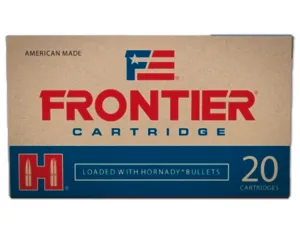
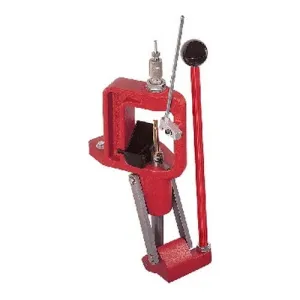
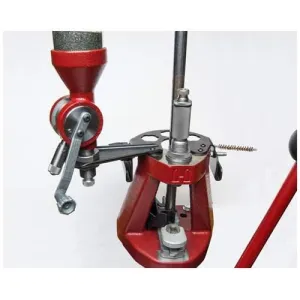
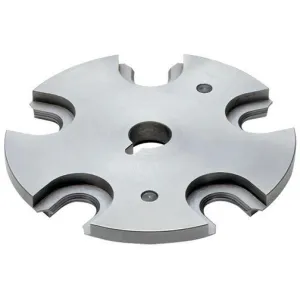

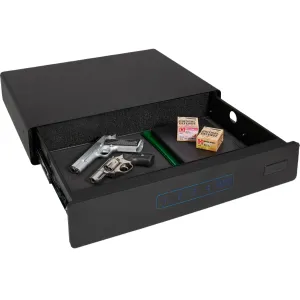


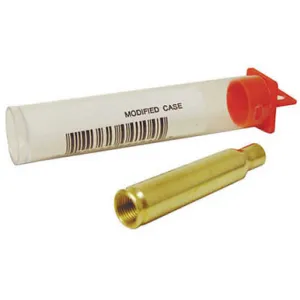
Table of Contents
Who Hornady is
Hornady is a Grand Island, Nebraska company that touches every corner of the shooting world, from the Lock-N-Load presses and dies handloaders build their benches around to hunting bullets, match ammunition and defensive Critical Defense loads.
Hornady Manufacturing was started in 1949 by Joyce Hornady, a hunter and competitive shooter in Grand Island, Nebraska, who was frustrated that good bullets were hard to get and expensive after the war. He bought surplus bullet-making machinery, set up shop, and began turning out his own .30-caliber bullets. The company never left Grand Island, and it is still there today.
The story has a hard chapter. On January 15, 1981, Joyce Hornady was flying his own twin-engine Piper to the SHOT Show in New Orleans with two colleagues, engineer Edward Heers and customer-service manager Jim Garber. In heavy fog on the approach to Lakefront Airport, the plane went down in Lake Pontchartrain and all three men were killed. Joyce’s son Steve Hornady stepped in and ran the company forward; today Steve’s son Jason — the third generation — is a vice president, and the family still owns and runs the business. That continuity is unusual in this industry, and it shows in how the company behaves.
On the quality ladder, Hornady sits in a sweet spot most brands never find: serious, accurate, genuinely innovative gear at prices a working shooter can actually pay. It is not the cheapest name on the shelf and it is not boutique either. You are paying for engineering and consistency, not a label.
What Hornady makes
Bullets and ammunition
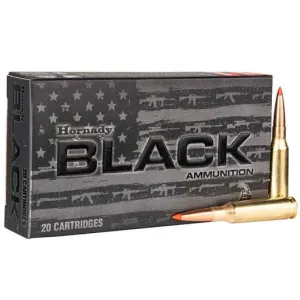
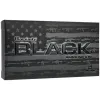
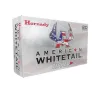
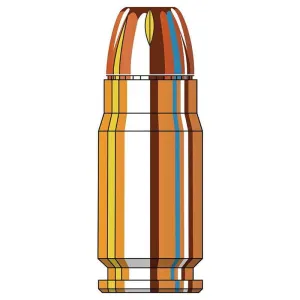
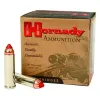
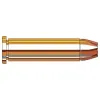
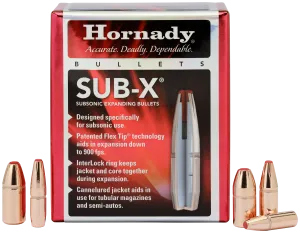
This is the heart of the company. For hunters, the InterLock is the classic cup-and-core bullet with a locking ring that holds the jacket and core together on impact, while the ELD-X and match-grade ELD Match use Hornady’s Heat Shield tip for long-range accuracy. The CX is their modern lead-free copper hunting bullet, the SST a fast-expanding deer bullet, and the FTX the flex-tipped round that made LEVERevolution ammo safe and effective in tube-magazine lever guns. Loaded ammunition lines include Precision Hunter, Superformance, American Whitetail, Frontier, the budget-friendly Black line, and the XTP pistol bullet that powers much of their handgun lineup.
Defensive ammunition
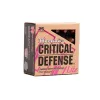
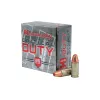
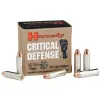
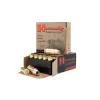
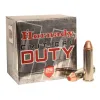
Critical Defense is built for concealed-carry pistols and revolvers — its FTX bullet has a polymer plug in the hollow point so it expands reliably even after passing through heavy clothing. Critical Duty is the heavier-barrier, FBI-protocol version aimed at duty pistols. Both are among the most widely carried defensive loads in the country.
Reloading presses and dies
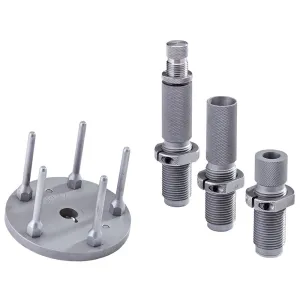
Hornady’s reloading line is anchored by the Lock-N-Load bushing system — a quick-change bushing that lets you snap dies in and out without screwing them in and re-setting them every time. It runs through the single-stage Lock-N-Load Classic, the Iron Press, and the flagship Lock-N-Load AP progressive, which can turn out hundreds of rounds an hour. Their die sets, powder measures, and case-prep tools all use the same ecosystem.
Tools, scales and case prep
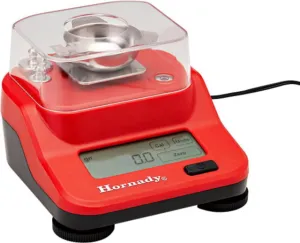
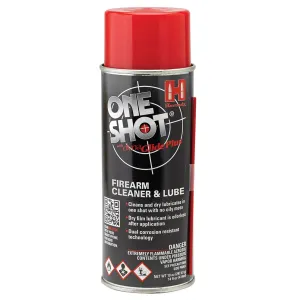
Beyond presses, Hornady makes the gear that fills a loading bench: digital and beam scales, powder tricklers and measures, the Lock-N-Load Concentricity Tool, the OAL gauge for measuring your rifle’s exact throat length, case trimmers, the One Shot case lube, and hand priming tools.
Security and storage
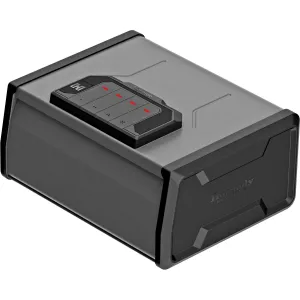
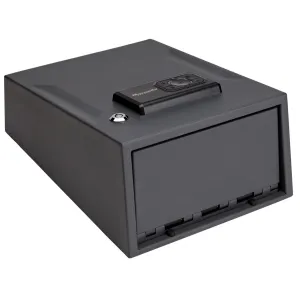
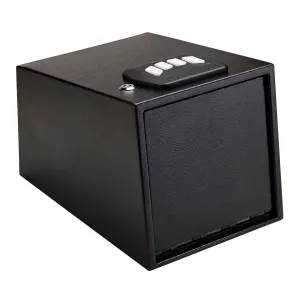
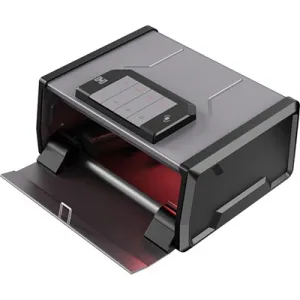
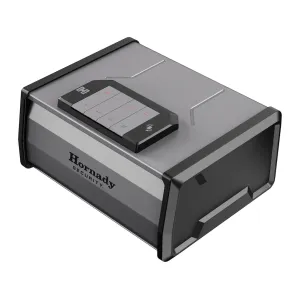
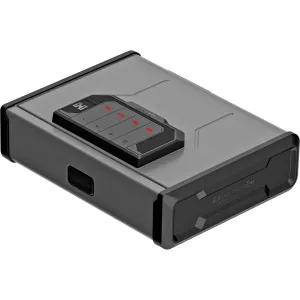
Since launching a security division in 2013, Hornady has made quick-access safes — the RAPiD Safe opens by RFID wristband, key fob, or fingerprint for fast bedside or vehicle access. In 2015 the company bought SnapSafe, known for modular safes that ship in pieces and assemble where a one-piece safe could never fit.
The cartridges Hornady invented
Few companies have shaped what Americans actually shoot the way Hornady has. In 2002 they developed the .17 HMR, the flat-shooting rimfire that became a small-game and varmint staple overnight. In 2007 Hornady’s ballisticians introduced the 6.5 Creedmoor, a cartridge so well-balanced for accuracy in a short action that it reshaped competition and hunting alike and is now offered by nearly every rifle maker. The company also partnered with Ruger on the .204 Ruger, .375 Ruger, and .480 Ruger, and built the modern long-range PRC family — the 6.5 PRC, .300 PRC, and 7mm PRC. When a cartridge catches fire in the last twenty years, odds are good Hornady is behind it.
Build quality and the engineering behind it
What separates Hornady is that it treats itself like an engineering company, not just a bullet factory. The clearest example is the Heat Shield tip: using Doppler radar, Hornady’s engineers discovered that conventional polymer bullet tips were actually melting in flight from air friction, deforming just enough to change the bullet’s ballistic coefficient downrange. They answered it with a new polymer that has roughly two and a half times the melting point, holding its shape — and its accuracy — all the way to the target. That kind of problem-solving runs through the reloading gear too, where the Lock-N-Load bushing turned die changes from a chore into a click.
How Hornady compares
On the reloading bench, Hornady’s main rivals are RCBS, Lee, Redding, and Dillon. RCBS makes famously rugged single-stage presses like the Rock Chucker; Redding is the benchrest accuracy favorite; Lee is the budget king; and Dillon owns the high-volume progressive market with its no-questions warranty. Hornady’s honest position is the best all-rounder — the Lock-N-Load AP is faster and more convenient than most single-stage rigs and cheaper than a comparable Dillon, though dedicated high-volume loaders often still prefer Dillon’s support, and benchrest perfectionists lean Redding or Forster. On ammunition, Hornady competes with Federal, Sierra, Nosler, and Barnes, and tends to win on innovation and value while Federal’s HST and Sierra’s MatchKings hold their own loyalists.
Who should buy what
- New handloaders: the Lock-N-Load Classic single-stage kit — everything to start, with room to grow.
- High-volume pistol loaders: the Lock-N-Load AP progressive press.
- Long-range hunters: Precision Hunter ammo or ELD-X bullets in 6.5 Creedmoor, .300 PRC, or 7mm PRC.
- Concealed carriers: Critical Defense in your carry caliber.
- Lever-gun owners: LEVERevolution with the FTX bullet.
- Quick-access storage: the RAPiD Safe for a nightstand or truck.
Who should look elsewhere? If you load thousands of rounds a month and want a single brand’s hand-holding for life, Dillon may suit you better; if you chase the last thousandth of an inch in benchrest groups, a Redding or Forster single-stage is the purist’s pick. For nearly everyone in between, Hornady is the easy call.
The Hornady philosophy
Hornady’s whole approach can be summed up as “accurate, dependable, and within reach.” The company spends real money on aeroballistics, Doppler radar, and its own testing tunnels, then folds that science into products a regular shooter can afford. It would rather solve a real problem — tip melt, fiddly die changes, slow safe access — than chase spec-sheet bragging rights. That practical, problem-first mindset is exactly what you would expect from a family that has run the same Nebraska shop for three generations.
How to choose your Hornady setup
Start with what you actually do. If you shoot factory ammo, match the load to the job — Critical Defense for carry, Precision Hunter or American Whitetail for the field, Frontier or Black for high-volume range days. If you are getting into reloading, begin with a single-stage Lock-N-Load kit and a good scale, learn the fundamentals, then step up to the AP progressive once you are loading enough volume to justify it. Add the OAL gauge and a concentricity tool when you start chasing precision, and finish the bench with One Shot lube and a quality trimmer. Buy the press and dies first; the accessories make far more sense once you know how you load.
From a Nebraska shop to the cartridge that changed the sport
It is worth sitting with how much one mid-sized family company in Grand Island has changed American shooting. Hornady did not just make better versions of existing things — it created the .17 HMR and the 6.5 Creedmoor, rounds that millions of people now shoot without thinking about where they came from. It pulled the science of long-range ballistics out of the lab and put it in a hunting bullet anyone can buy. And it did all of it while staying privately held and rooted in the same town where Joyce Hornady set up his surplus machinery in 1949. The red box on the shelf carries more history than most shooters realize.
Shop Hornady Parts & Prices
Live Hornady products and current prices, organized by department and updated automatically.
Reloading Presses
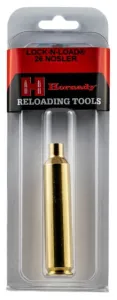




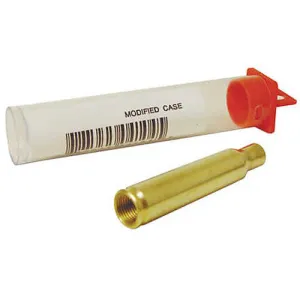

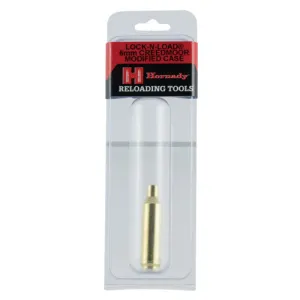
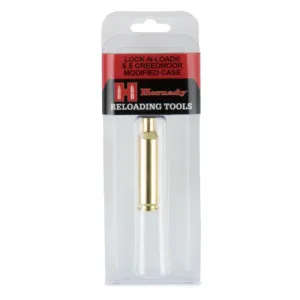

Reloading Tools & Accessories


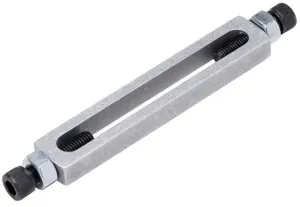

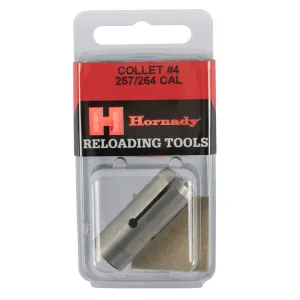



Bullets & Components




Gun Safes



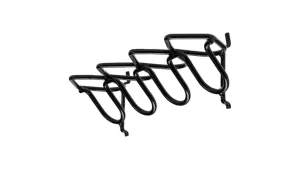
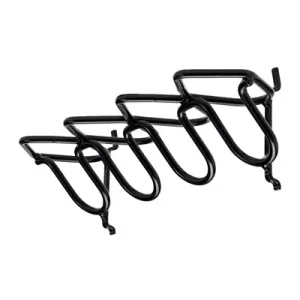
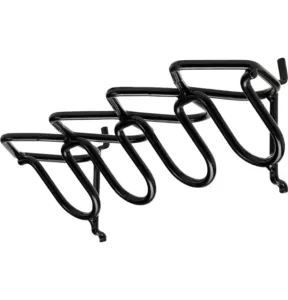
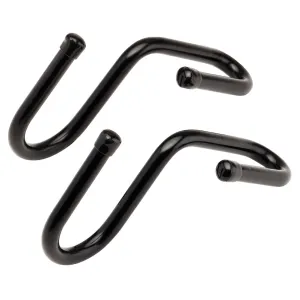
Gun Racks & Storage

Cleaning & Lubes


Shop Hornady Factory Ammunition
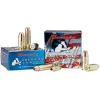
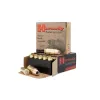
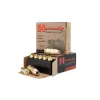
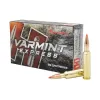
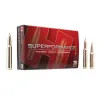
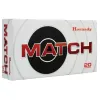
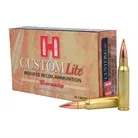
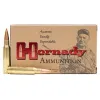
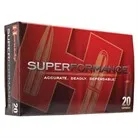
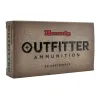
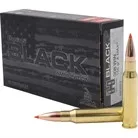
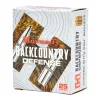
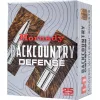
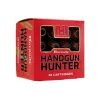
Hornady is not only a components giant — it is a major loaded-ammunition maker. Here is its factory ammo by caliber, from Critical Defense and American Gunner to the ELD Match and Precision Hunter loads that built its reputation, with live prices updated automatically.
Hornady 9mm Ammo
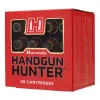
Hornady .223 / 5.56 Ammo
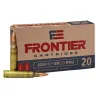
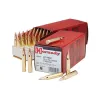
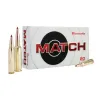
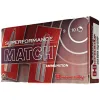
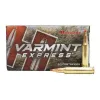
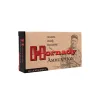
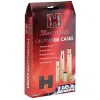
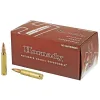
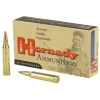
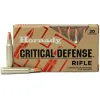
Hornady 6.5 Creedmoor Ammo
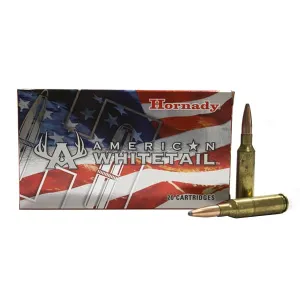
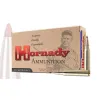
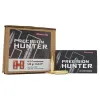
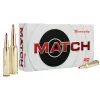
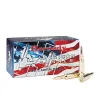
Hornady .308 Win Ammo
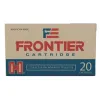
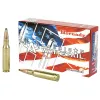
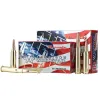

Hornady .38 Special / .357 Ammo
Where Hornady Fits in Our Buying Guides
- Best 9mm Ammo
- Best Concealed Carry Ammo
- Best Home Defense Ammo
- Best Deer Hunting Cartridges
- Best 6.5 Creedmoor Rifles Under $1,000
- Best Gun Safes
Hornady FAQ
Where is Hornady made and based?
Hornady is headquartered in Grand Island, Nebraska, where it was founded in 1949, and the bulk of its products are made there. It is still owned and run by the Hornady family.
Did Hornady really invent the 6.5 Creedmoor?
Yes. Hornady’s ballisticians introduced the 6.5 Creedmoor in 2007. It was designed for accuracy and easy reloading in a short-action rifle, and it became one of the most popular precision cartridges ever made. Hornady also developed the .17 HMR rimfire in 2002.
What is the Lock-N-Load bushing system?
It is Hornady’s quick-change die system. Each die screws once into a bushing, and the bushing snaps into and out of the press with a twist — so you can swap dies in seconds instead of re-threading and re-adjusting them every time.
Is Critical Defense good carry ammo?
It is one of the most trusted defensive loads available. Its FTX bullet has a polymer insert in the hollow point that helps it expand reliably even after passing through heavy clothing, which has long been a weak point for ordinary hollow points.
How does Hornady reloading gear compare to Dillon and RCBS?
Hornady is the best all-rounder. The Lock-N-Load AP progressive is faster than single-stage presses and costs less than a comparable Dillon, though true high-volume loaders often prefer Dillon’s support and benchrest shooters lean toward Redding. RCBS is the rugged single-stage benchmark.
What is the Heat Shield tip?
It is a heat-resistant polymer bullet tip used in Hornady’s ELD-X and ELD Match bullets. Hornady found with Doppler radar that ordinary polymer tips melt slightly in flight and lose accuracy; the Heat Shield material has a far higher melting point and holds its shape all the way to the target.
Who founded Hornady?
Joyce Hornady founded the company in 1949. He died in a 1981 plane crash on the way to the SHOT Show, and the family has run the business ever since, now into its third generation.
What tier is Hornady?
Mid-to-upper tier — serious, innovative, accurate gear at a working shooter’s price, sitting between budget brands and boutique specialists.
Compare Hornady Head-to-Head
- Hornady vs Federal — bullet-tech innovator (Critical Defense, ELD, FlexLock) versus the LE duty benchmark (HST, Gold Medal), with a full spec table and live prices. Both American-made.
Related Reloading Brands
USA Gun Shop may earn a commission on purchases made through the links on this page, at no extra cost to you. We list products on merit; prices and availability are pulled live and can change.
5,743+ Gun & Ammo Deals
Updated daily from 200+ top retailers. Filter by category, caliber, action type, and price.