

If you have ever cast your own bullets, cleaned a batch of brass in a vibratory tumbler, or thumbed through a fat orange reloading manual at the bench, you have already met Lyman. The Connecticut company has been making tools for shooters since 1878, and today its catalog runs from the Brass Smith presses and dies that turn empty cases back into live ammunition, to the Cyclone and Turbo tumblers that polish them, to the bullet molds and lead furnaces that almost nobody else still makes. Here is who they are, what they make, and what is worth buying.
Lyman Deals — 25% Off or Better
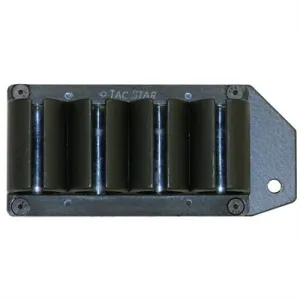
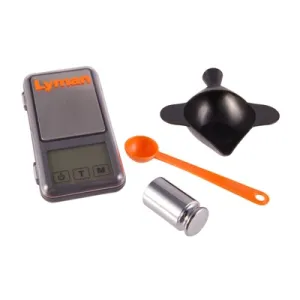
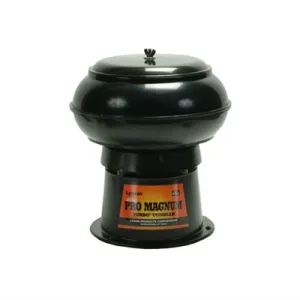
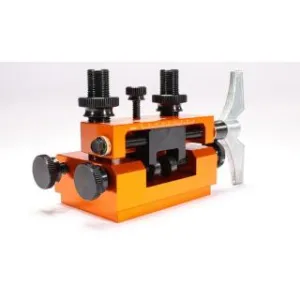
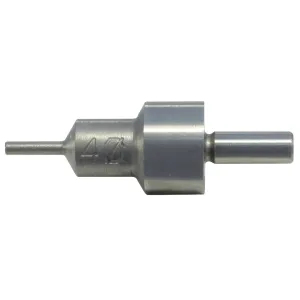
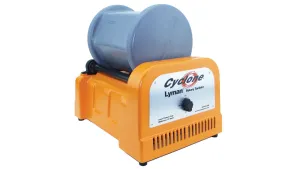
Table of Contents
Who Lyman is
Lyman is a Middletown, Connecticut company founded in 1878 that makes reloading presses, dies, tumblers, powder scales, bullet molds and gunsmithing tools, and still publishes one of the most widely used reloading manuals in the hobby.
Lyman started with a sight, not a press. In 1878 an avid outdoorsman and inventor named William Lyman designed and began selling the No. 1 Tang Sight — an aperture sight with a small disc and a large opening that all but disappeared from the shooter’s view, fixing the dim, hard-to-see vernier sights of the day. It worked well enough that Lyman built his own factory in Middlefield, Connecticut in 1880 and kept inventing. By the time he died of pneumonia in 1896, he held patents on 17 different gun sights.
The company became a reloading name almost by accident. In 1925 the Lymans bought the Ideal Manufacturing Company, a maker of handloading tools, bullet molds and dies — and that acquisition pointed Lyman at the reloading bench for the next hundred years. Along the way its engineers came up with two things every handloader now takes for granted: carbide dies for straight-wall pistol cases, and the vibratory tumbler for cleaning brass. Both were genuinely new when Lyman introduced them. The company was bought by private investors in 1978, moved its headquarters back to Middletown, Connecticut, and still runs from there today.
Lyman sits in the value-to-midrange tier of the reloading world, and it has earned that spot honestly. You are not paying for the last thousandth of an inch of precision the way you do with a benchrest die — you are paying for a deep, sensible catalog of tools that work, backed by the most widely read reloading manuals in the hobby. For most handloaders, that is exactly the right trade.
What Lyman makes
Reloading presses
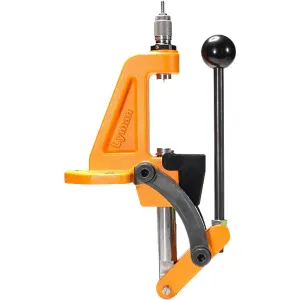
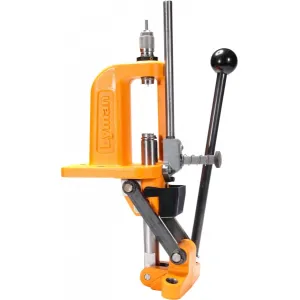
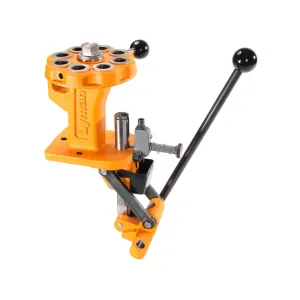
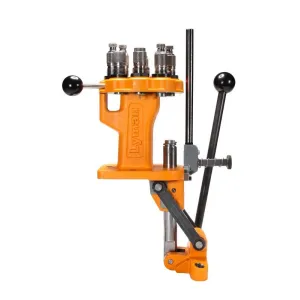
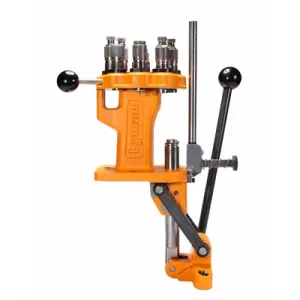
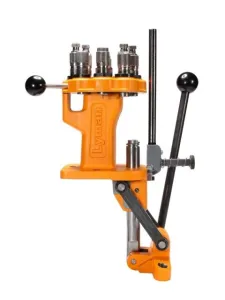
The Brass Smith line covers the bench: the Victory single-stage press for precision rifle loading, the Ideal turret press for shooters who want to keep a die set indexed, and the All-American 8 turret for higher volume. They are heavy cast-iron tools priced well under the boutique presses, and they are a common first press for new reloaders.
Dies, case prep and trimmers
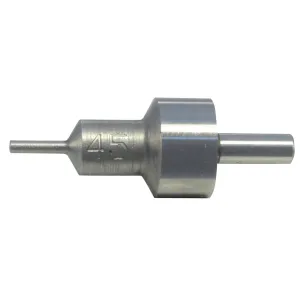
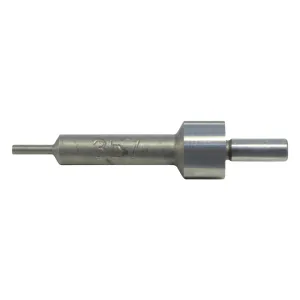
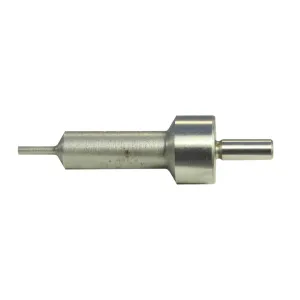
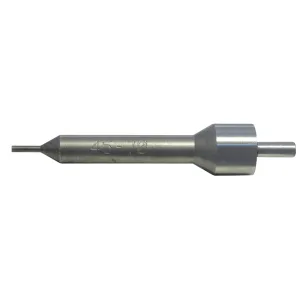
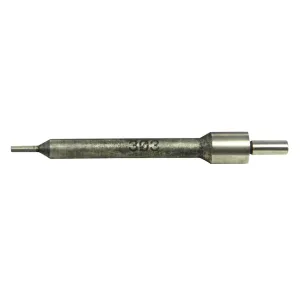
Lyman makes full die sets in carbide and steel, plus the case-prep gear that goes with them — the E-ZEE Trim hand case trimmer with caliber-specific pilots, power trimmers, primer pocket tools and chamfer/deburr tools. This is the unglamorous half of reloading, and Lyman covers all of it.
Powder scales and dispensers
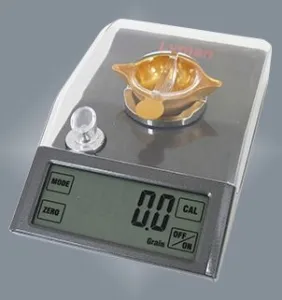
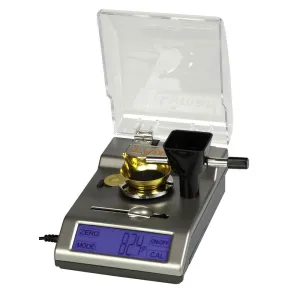
The Gen 6 touchscreen digital powder scale and dispenser is Lyman’s automated answer to throwing charges by hand, alongside the Pro-Touch and traditional beam scales for reloaders who trust a balance beam over electronics.
Brass cleaning and tumblers
Lyman more or less invented this category. The Turbo vibratory tumblers run dry media for a quick polish, while the Cyclone rotary tumbler uses stainless pins and water for the deep, inside-and-out clean that wet tumbling is known for.
Bullet casting
This is where Lyman stands almost alone. It still makes bullet molds, lead furnaces and casting accessories at a time when most companies have abandoned the craft. If you cast your own lead bullets, Lyman is very likely the name on your mold.
Gunsmithing tools and manuals
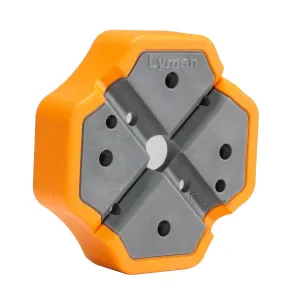
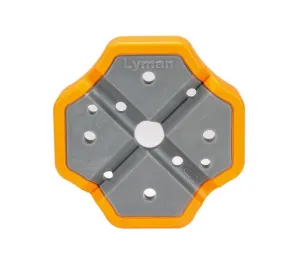
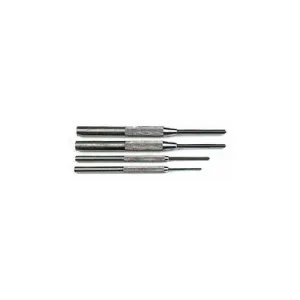
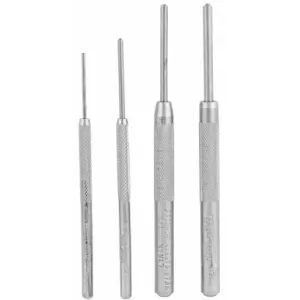
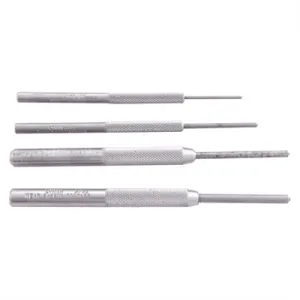
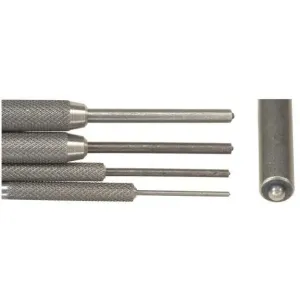
Beyond reloading, Lyman builds a respected line of gunsmithing tools — brass and steel punch sets, the Smith-series bench tools, torque wrenches, maintenance mats and vises — and publishes the Lyman Reloading Handbook, an independent load-data reference that many handloaders treat as the bench bible because it is not tied to a single powder or bullet maker.
Build quality and where it is made
Lyman’s core hardware — presses, molds, dies, the cast-iron tools — is built to take decades of use, which is why used Lyman gear from the 1970s and 80s still turns up working on benches today. Some of the newer electronics and accessories are imported, which is part of how the prices stay reasonable. The honest summary: Lyman builds dependable, repairable tools at a fair price rather than chasing the absolute precision ceiling.
How Lyman compares
Against RCBS, the other big all-rounder, the two are close competitors on presses and dies, and choosing between them often comes down to which green-or-orange ecosystem you already own. For ultimate precision — minimum case runout, match-grade neck tension — dedicated handloaders reach past both for Redding or Forster dies. For high-volume progressive output, Dillon owns that bench. Where Lyman wins is breadth and value: it is the one company that will sell you the press, the dies, the tumbler, the scale, the bullet mold and the manual, and not empty your wallet doing it.
Who should buy what
- The first-time reloader: a Lyman reloading kit or the Brass Smith Victory single-stage press — everything you need to learn on, at a sane price.
- The precision rifle loader: the Victory single-stage press paired with quality dies; step up to Redding dies if you are chasing the smallest groups.
- The high-volume pistol shooter: a turret press and carbide dies, though a dedicated progressive from Dillon will out-pace it if volume is the whole point.
- The brass fanatic: the Cyclone rotary tumbler for spotless inside-and-out cases, or a Turbo vibratory tumbler for fast dry polishing.
- The bullet caster: Lyman molds and a lead furnace — there is barely anyone else left to buy them from.
If you want the last increment of match-grade precision or you are loading thousands of rounds a week, look at the specialists. For nearly everyone else learning the craft or loading good practical ammunition, Lyman is the right call.
The Lyman philosophy
Lyman’s whole approach has been the same since the tang-sight days: solve a real problem at the bench with a tool that lasts, and price it so an ordinary shooter can own it. That is why the company became famous for inventions like the vibratory tumbler and carbide pistol dies rather than for luxury price tags, and why a Lyman manual is on so many benches. It is engineering in service of the working handloader.
How to choose your Lyman setup
Start with the press, because it anchors everything else. If you load rifle for accuracy, a single-stage like the Victory is the right base; if you load a lot of pistol, a turret saves time. Add a die set in carbide for straight-wall cases, then case-prep tools — a trimmer with the right pilots, primer tools and a chamfer/deburr tool. Pick a tumbler next: a Turbo vibratory unit if you want fast and simple, the Cyclone if you want cases clean inside and out. Add a scale or the Gen 6 dispenser to meter powder, and grab the current Lyman Reloading Handbook for load data before you throw a single charge. Build the bench in that order and you will not buy anything twice.
One company, a whole family of brands
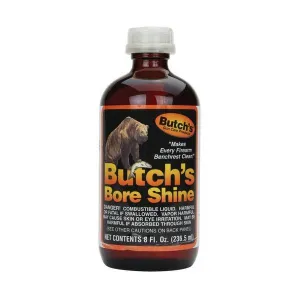
The orange Lyman wordmark is only part of the story. The company today owns a small constellation of shooting brands: Pachmayr grips and recoil pads, A-Zoom aluminum snap caps, Trius clay-target throwers, TacStar tactical accessories, Butch’s gun-care products, and Mark 7 automated reloading machines for the highest-volume loaders. So a single Connecticut company that started with one man’s gun sight in 1878 now touches casting, reloading, cleaning, grips and clay shooting — which is a fair definition of staying power.
Shop Lyman Parts & Prices
Live Lyman products and current prices, organized by department and updated automatically.
Reloading Tools


Reloading Presses





Reloading Components



Gunsmithing Tools





Cleaning Solvents & Lubes







Where Lyman Fits in Our Buying Guides
- Reloading: The Complete Beginner’s Guide
- The Best Reloading Presses
- The Best Reloading Dies
- The Best Reloading Kits
- The Best Brass Tumblers
- Is Reloading Worth It?
Lyman FAQ
Where is Lyman based?
Lyman Products is headquartered in Middletown, Connecticut, where it has been since private investors bought the company in 1978. It was founded just down the road in Middlefield in 1878.
How old is Lyman?
Lyman dates to 1878, making it one of the oldest continuously operating companies in the American shooting industry — older than smokeless powder itself.
What is Lyman best known for?
Reloading tools. Lyman engineers invented the vibratory tumbler for cleaning brass and carbide dies for straight-wall pistol cases, and the Lyman Reloading Handbook is one of the most widely used load-data manuals in the hobby.
Does Lyman still make bullet molds?
Yes. Lyman is one of the very few mainstream companies that still produces bullet molds, lead furnaces and casting gear — a craft most makers have dropped.
Lyman or RCBS?
They are close rivals on presses and dies, and either makes a fine first setup. The choice usually comes down to which ecosystem and accessories you already own. For ultimate precision, handloaders look to Redding or Forster; for high-volume progressive loading, to Dillon.
What other brands does Lyman own?
Lyman owns Pachmayr, A-Zoom, Trius, TacStar, Butch’s and the Mark 7 automated reloading line — a whole family of shooting brands under one roof.
Does Lyman make reloading kits for beginners?
Yes. Lyman sells all-in-one reloading kits that bundle a press, scale, case-prep tools and a manual, which is why they are a common starting point for new handloaders.
What tier is Lyman?
Value-to-midrange: dependable, repairable reloading and gunsmithing tools at a fair price, with the broadest catalog in the business rather than a boutique price tag.
Related Reloading Brands
- Dillon Precision Parts
- Lee Precision Parts
- Redding Parts
- Frankford Arsenal Parts
- Hornady Parts
- RCBS Parts
USA Gun Shop may earn a commission on purchases made through the links on this page, at no extra cost to you. We list products on merit; prices and availability are pulled live and can change.
5,743+ Gun & Ammo Deals
Updated daily from 200+ top retailers. Filter by category, caliber, action type, and price.