

Last updated August 2026 · By Nick Hall, who has owned, installed and bolted down safes from most of the brands below
Some of the links below are affiliate links, meaning at no additional cost to you, we may earn a commission if you click through and make a purchase.
- Treat every gun as loaded
- Point the muzzle in a safe direction
- Keep your finger off the trigger until you’re ready to shoot
- Know your target and what’s beyond
The short version: a gun safe is a steel box rated for two separate jobs, keeping people out and keeping fire out, and almost nothing printed on the box tells you how well it does either. Real full-size safes start around $700. Below that you’re buying a cabinet, which is a different product with a different job.
This category comes in six shapes, and picking the shape is the decision that matters. A $110 pistol vault beside the bed and a $3,100 fire-rated long gun safe in the garage are not competing with each other. Most owners end up running both.
The two numbers to check before anything else are steel gauge and whether the fire rating was verified by an independent lab. Capacity is inflated by every manufacturer without exception, so it’s the one number I ignore completely.
Table of Contents
How we tested: Every pick here is ranked against our testing methodology. Minimum round counts, accuracy and reliability protocols, the failures that disqualify a gun. Where we have not shot a specific variant ourselves, we say so in that section.
What a Gun Safe Actually Costs
Prices move with the market and the cards on this page read live from retailer feeds, so treat these bands as the shape of the category rather than fixed figures. What matters is that each jump buys you something specific, and the biggest jump in real protection happens between $500 and $1,000.
| Price band | What you get | Full guide |
|---|---|---|
| Under $200 | Single-pistol vaults and lock boxes. 16 to 20 gauge steel. | Safes under $300 |
| $200 to $500 | Under-bed safes, larger pistol vaults, gun cabinets. | Safes under $500 |
| $500 to $1,000 | The first real full-size safes. 12 to 14 gauge, verified fire ratings. | Safes under $1,000 |
| $1,000 to $2,000 | Thicker steel, better locks, 60 minute plus fire ratings. | Safes under $2,000 |
| $2,000 to $4,000 | Heavy fire-rated safes, 7 to 10 gauge bodies, 40 plus long guns. | Long gun safes |
| $4,000 and up | Burglary-rated safes and vault doors. | Brand rankings |
The band that trips people up is $500 to $1,000. That is where a safe stops being a locked cabinet and starts being a safe, and it’s where I’d put the money if you’re only buying once. Below $500 you’re paying for a deterrent. Above $2,000 you’re paying for fire performance and for steel a pry bar cannot fold.
The Six Types of Gun Safe
Every product sold as a gun safe falls into one of six shapes. Work out which shape you need first, because the shape decides the price, the weight, and whether the thing will fit through your own front door.
| Type | Typical price | Steel | Fire rated | Best for |
|---|---|---|---|---|
| Full-size long gun | $700 to $2,000 | 11 to 14 gauge | Yes, 30 to 90 min | The main collection |
| Entry-level full-size | $600 to $900 | 14 gauge | Yes, 30 to 60 min | A first real safe |
| High-capacity | $1,500 to $3,500 | 10 to 12 gauge | Yes, varies | 20 plus long guns |
| Heavy fire-rated | $2,500 to $6,000 | 7 to 10 gauge | Yes, 90 min plus | Fire is the main risk |
| Pistol or nightstand vault | $50 to $400 | 14 to 18 gauge | Rarely | Fast access, child safety |
| Under-bed, in-wall, vehicle | $150 to $600 | 14 to 16 gauge | Rarely | Concealment and placement |
| Gun cabinet | $150 to $500 | 16 to 20 gauge | No | Budget and child access control |

Full-Size Long Gun Safes
The default shape. A steel cabinet tall enough to stand rifles upright, with a fire liner and a mechanical or electronic lock. This is what people picture when they say gun safe, and it’s where most collections end up. Expect 400 to 900 pounds empty, so delivery and placement need settling before you order, not after.
Browning Sporter series, live pricing across retailers
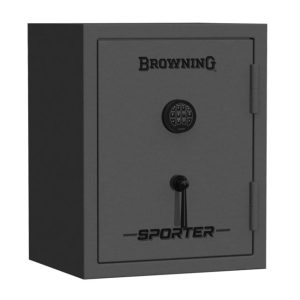
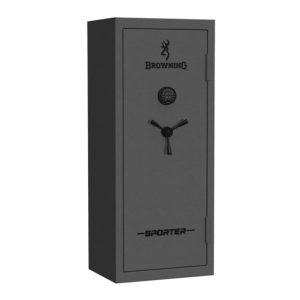
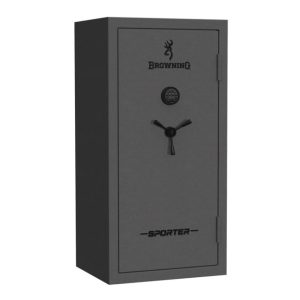
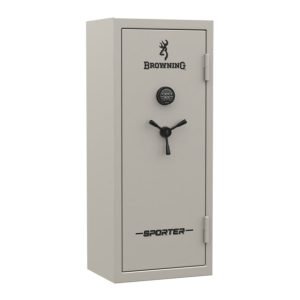
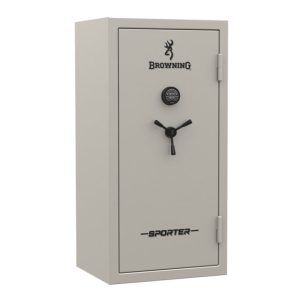
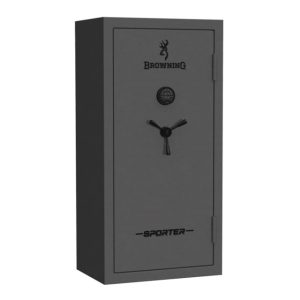
If this is the shape you need, the long gun safe guide goes deeper on interior layouts and door organization.

Entry-Level Full-Size Safes
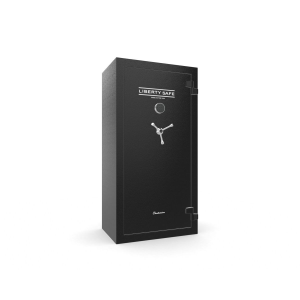
The same shape built to a price. Thinner steel, shorter fire ratings, simpler locks. The Liberty Centurion line is the honest end of this category and the cheapest thing I would still call a safe. It’s the right buy for a first safe holding four to eight guns, and it’s a genuinely different product from a $200 cabinet.
Liberty Centurion 18 and 24, live pricing




High-Capacity Safes
Once you pass roughly 20 long guns the problem stops being security and becomes geometry. Wide-body safes trade fire rating for interior volume, and the advertised gun count assumes bare rifles with no optics fitted. Buy on interior width and shelf layout, not on the number printed on the door.
Winchester wide-body safes, live pricing
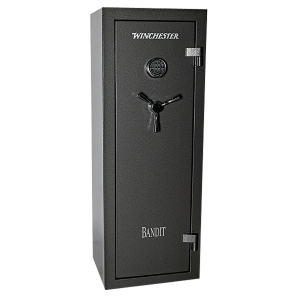
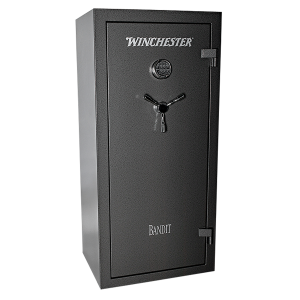
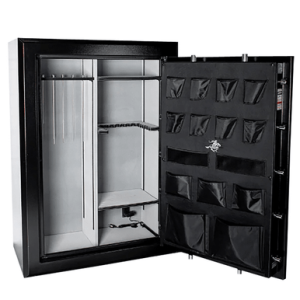
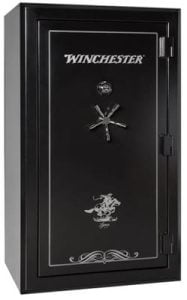
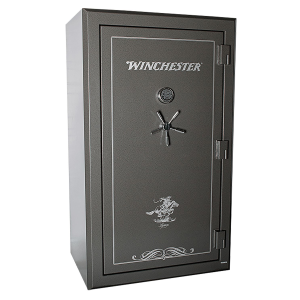
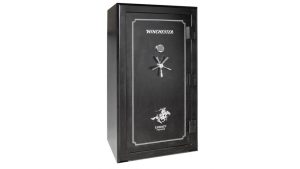
The gun safe sizes guide has the real capacity maths for scoped rifles.
Heavy Fire-Rated Safes
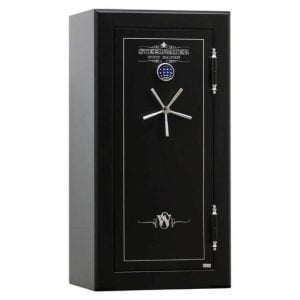
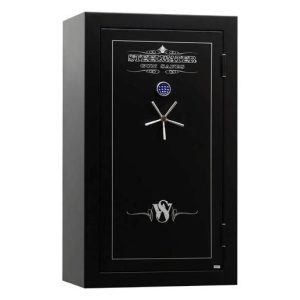
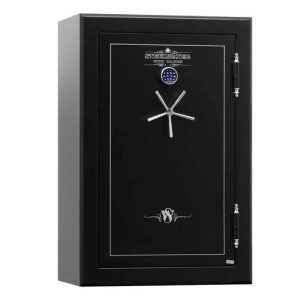
Where fire is the main threat rather than theft, the build changes. Thicker composite liners, longer verified ratings, and a great deal more weight. Steelwater and Sports Afield both submit to independent testing at this level, which is the reason to pay for them. Plan on a ground floor and a concrete slab.
Steelwater heavy and extreme duty, live pricing
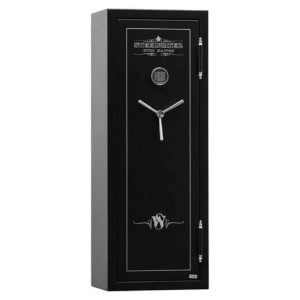
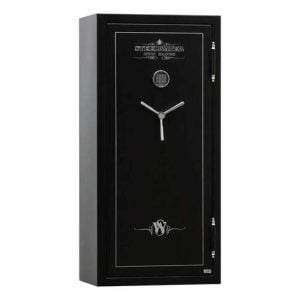
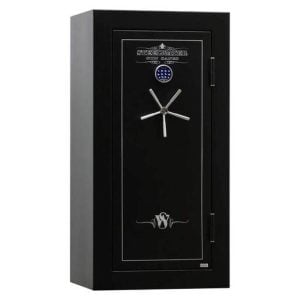
More on ratings in the fireproof safe guide and the fire ratings explainer.

Pistol and Nightstand Vaults
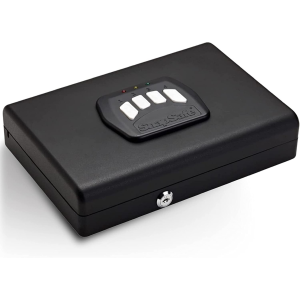
A small steel box for one or two handguns, opened by keypad, biometric reader or key. The job here is speed and keeping a loaded pistol away from children, not resisting a sustained attack. Nothing in this category stops a thief who gets time alone with it, so it gets bolted or cabled to something structural.
SnapSafe keypad vaults, live pricing
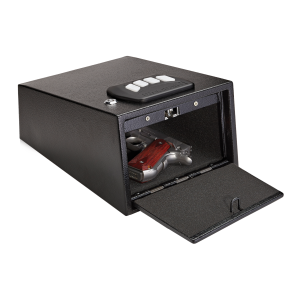
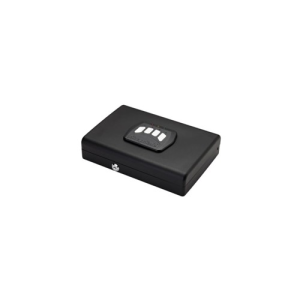
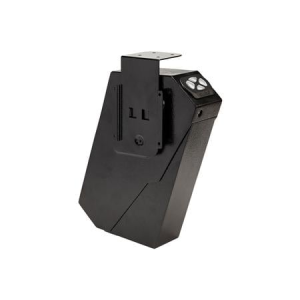
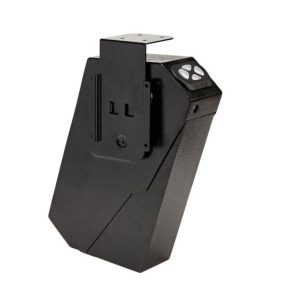
See the nightstand safe picks and the biometric safe comparison for how the lock types hold up in practice.

Under-Bed, In-Wall and Vehicle Safes
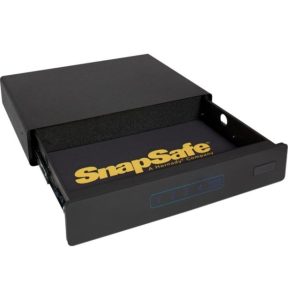
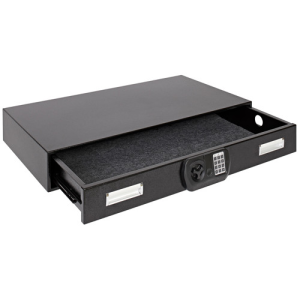
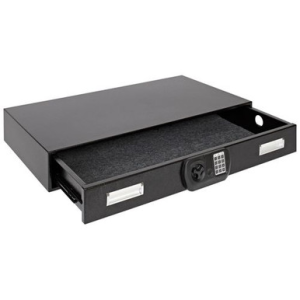
The concealment shapes. Long shallow boxes that slide under a bed, units that sit between wall studs, and compact vaults that cable into a vehicle. They solve placement problems a full-size safe cannot, and they all trade steel thickness for the shape. Treat them as fast access and child access control.
SnapSafe under bed safes, live pricing
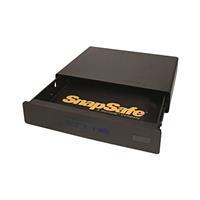
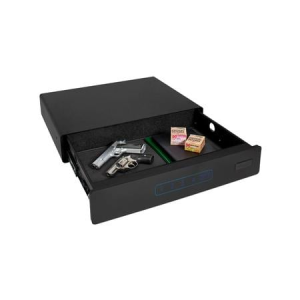
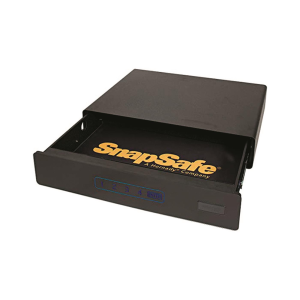
Also see under-bed safes, wall-mounted safes, car safes and hidden safes.
Gun Cabinets
Worth naming because they are sold alongside safes and priced far below them. A cabinet is 16 to 20 gauge sheet steel with a simple lock and no fire liner. It keeps children and opportunists out of your guns, which is a real job, and it does nothing against a tool attack or a house fire. Buy one knowing that is the trade.
The safe versus cabinet comparison lays out where the line sits, and the cabinet picks cover the ones worth owning.
How Many Guns Actually Fit
Every safe manufacturer inflates capacity. A 48-gun safe is rated by standing bare rifles shoulder to shoulder with no scopes, no slings, and no shelf space allocated. In the real world plan for 60 to 70 percent of the advertised number. A 48-gun safe holds 30 to 35. A 24-gun safe holds 14 to 18. Always size up.
This is the single most common regret I hear from safe owners, and it’s expensive to fix because the second safe costs as much as the first plus another delivery. Buy at least 50 percent more capacity than your current collection needs.
Full breakdown in the gun safe sizes guide and the 24-gun safe comparison.
Fire Ratings: What the Numbers Actually Mean
A fire rating tells you how long the safe interior stays below a set temperature during a fire. Two numbers matter, duration in minutes and test temperature in degrees Fahrenheit. A 60 minute rating at 1200 degrees means the interior stayed below the threshold for 60 minutes in a 1200 degree fire.
Here is the catch. Some ratings are verified by independent labs such as Intertek or UL Solutions. Others are self-tested by the manufacturer, which means trust us. An independently verified 45 minute rating is worth more than a self-claimed 90 minute rating, every time.
For most homeowners 60 minutes at 1200 degrees or higher is solid. In a wildfire-prone area aim for two hours. Remember the safe protects whatever is inside it, so documents, external drives and other irreplaceables belong in there alongside the guns.
Steel Gauge and Why It Matters
Steel gauge runs backwards. Lower numbers mean thicker steel, so 7-gauge is thicker than 11-gauge, which is thicker than 14-gauge. Here’s what the numbers buy:
- 7 to 9 gauge: Serious security. Very hard to breach with hand tools. Found on high-end safes and vault doors.
- 10 to 12 gauge: Good security. Resists pry attacks and most power tools. The sweet spot for most gun owners.
- 14 gauge: Entry level. Deters casual attempts, will not stop a determined attacker with tools. The minimum I would recommend.
- 16 to 20 gauge: Cabinet grade. A locked metal box. Fine for keeping children out, not much beyond that.
Check whether the gauge spec covers the body, the door, or both. Some safes pair a thick door with a thinner body, which is a cost-cutting move. The door matters most because that’s where thieves attack, and the body still matters.
Locks: Electronic, Mechanical or Biometric
The lock is the part you touch every day and the part most likely to fail, so it is worth more thought than it gets. Three types are sold and each fails differently.
- Mechanical dial: slow to open, close to unbreakable, and immune to dead batteries. A good dial outlives the safe. The choice if the safe is opened rarely.
- Electronic keypad: quick, easy to share a code, and dependent on a battery you’ll forget to change. Quality varies enormously between a UL-listed lock and a generic one. Check which is fitted before buying.
- Biometric: fastest when it works, and it doesn’t always work. Wet, cold, dirty or cut fingers defeat readers. Every biometric safe worth owning has a keypad or key backup, and you should test the backup before you rely on the reader.
On a full-size safe holding a collection I would take a mechanical dial or a UL-listed electronic lock. On a bedside vault, where the whole point is opening it in the dark in three seconds, biometric or keypad earns its place. The electronic versus mechanical lock comparison goes through the failure modes properly.
What a Gun Safe Does Not Do
Selling the limits matters as much as selling the product. A gun safe is not a vault, and four things it will not do catch owners out:
- It’s not fireproof. It’s fire resistant for a rated time at a rated temperature, and past that the contents cook. No safe on the market is fireproof.
- It does not stop a thief with time and tools. It buys minutes. Bolting it down and keeping it out of sight buys more than upgrading the steel does.
- It does not control humidity. A sealed steel box in a garage grows rust, which is why dehumidifiers exist and why humidity control is a separate job.
- It does not protect anything while it is standing open, which is the most common real-world failure and the reason a second fast-access vault is worth the money.
RSC Ratings and What Counts as a Real Safe
Most products sold as gun safes are Residential Security Containers, not safes in the strict sense. An RSC rating certifies the unit resisted a defined tool attack for a defined time, and RSC Level I is five minutes against hand tools. That’s a meaningful bar and a much lower one than buyers assume.
True burglary ratings sit above that and cost several thousand dollars. Unless you’re storing something extraordinary, a well-built RSC bolted to concrete is the sensible target. The RSC versus true safe explainer covers where the line falls and when paying up is justified.
Where to Put It and How to Bolt It Down
Bolt your safe to the floor. Even a 700 pound safe tips with a pry bar and rolls out on a furniture dolly. A bolted safe forces the thief to attack it in place, which costs time and makes noise. Most residential burglaries run under 10 minutes, so make those minutes expensive.
Concrete slab is the ideal anchor. On a suspended timber floor the weight itself becomes the problem before the bolts do, and a full safe on an upper floor needs the joist span checked first. Every full-size safe ships with mounting hardware. Use it.
Practical detail in how to bolt down a gun safe, where to put a gun safe, second floor weight limits and how to move one.
Storage Laws and Insurance
Storage requirements are set by state, not federally, and several states now mandate locked storage in defined circumstances. California maintains its own approved device list through the California Attorney General, and buying off-list there creates a compliance problem no amount of steel fixes.
A safe can also cut what you pay to insure a collection, and some carriers raise the scheduled limit for firearms stored in a rated safe. Check before you buy rather than after. See gun safe storage laws by state, California-compliant safes and safes and homeowners insurance.
Which Gun Safe Should You Buy?
If you want the shortlist rather than the category, we rank the manufacturers and name a flagship model for each in the gun safe brand rankings. That page is the one to read when you have settled on a shape and want to know whose version to buy.
- First safe, mixed collection: a 12 to 14 gauge full-size safe in the $700 to $1,000 band, bolted to concrete.
- Handgun by the bed: a keypad or biometric vault, cabled or bolted down. Speed matters more than steel.
- Fire is the real risk: pay for an independently verified 60 minute rating before you pay for extra capacity.
- Renting, or upstairs: an under-bed or wall unit. Check the floor before a full-size safe goes up any stairs.
- Children in the house: locked storage on every firearm in the home, which in practice means a cabinet plus a bedside vault.
Whatever you buy, the safe only works bolted down and closed. The most common failure I see is a good safe left open all evening because opening it is inconvenient, which is an argument for a fast bedside vault alongside the big one.
Delivery, Weight and Getting It Inside
The part nobody plans for. A 60-gun safe weighs more than a grand piano and arrives on a pallet at the curb. Standard freight delivery means exactly that, the curb, and inside delivery to a specific room is a paid extra that is worth every dollar.
Measure the route before you order. Door widths, stair turns, and the angle into the room defeat more safe purchases than budget does. A safe 40 inches wide will not turn a 36 inch corner, and finding that out with 700 pounds on a dolly in your hallway is a bad afternoon. Modular safes exist for exactly this reason and assemble inside the room from panels a person can carry.
Full detail in how to move a gun safe and the gun safe weight guide.
How We Assess Gun Safes
Everything on this page comes from handling these products and from the published specifications, not from repeating manufacturer copy. For each safe we check five things:
- Steel gauge on body and door separately, because a thick door on a thin body is a common cost-cutting move that spec sheets hide.
- Who verified the fire rating. An independently tested figure counts. A self-certified one is a claim, and we say so.
- Lock type and whether it is UL listed, since the lock is the component most likely to fail in normal use.
- Real capacity against the advertised number, assuming scoped rifles and slings rather than bare guns standing shoulder to shoulder.
- Live price across retailers, which is why the cards on this page update on their own rather than quoting a figure that went stale months ago.
Where a claim cannot be verified, this page says the claim is unverified rather than repeating it as fact. Prices shown in the cards come straight from retailer feeds and change without notice.
Frequently Asked Questions
What is a gun safe?
A gun safe is a steel container built to resist both forced entry and fire, with an interior laid out for firearms. It differs from a gun cabinet in steel thickness, lock quality and the presence of a fire liner. Most products sold as gun safes are certified as Residential Security Containers rather than as true burglary safes.
How much does a gun safe cost?
Pistol vaults start near $50 and full-size safes worth owning start around $700. The $500 to $1,000 band is where a locked cabinet becomes a genuine safe with 12 to 14 gauge steel and a verified fire rating. Heavy fire-rated safes run $2,500 to $6,000, and burglary-rated safes and vault doors sit above that.
What size gun safe do I need?
Buy bigger than you think. Every manufacturer inflates capacity by 30 to 50 percent because the rating assumes bare rifles with no optics or slings. A 24-gun safe holds 14 to 18 scoped rifles in practice, and a 48-gun safe holds 30 to 35. Size up by at least half again on your current collection.
What fire rating should a gun safe have?
A minimum of 30 minutes at 1200 degrees Fahrenheit for basic protection, and 60 minutes or more if you store documents and valuables alongside the guns. In a wildfire-prone area aim for two hours. Who verified the rating matters more than the number, so an independently tested 45 minute rating beats a self-claimed 90.
What gauge steel is best for a gun safe?
Lower gauge numbers mean thicker steel. 7 to 9 gauge is premium security grade, 10 to 12 gauge suits most gun owners, and 14 gauge is the minimum worth calling a safe. Anything from 16 to 20 gauge is cabinet grade. Check whether the quoted gauge covers the body, the door, or both.
Is a biometric gun safe better than a keypad?
Biometric is faster for quick access and less reliable, because wet, cold, dirty or cut fingers defeat the reader. Keypads are slower and more dependable, and mechanical dials are the most dependable of all. Use biometric on a bedside vault where seconds matter, and a dial or UL-listed electronic lock on a full-size safe.
Do I need to bolt down my gun safe?
Yes, always. Even a 700 pound safe can be tipped with a pry bar for leverage and wheeled out on a furniture dolly. Bolting forces a thief to attack the safe in place, which costs time and makes noise, and most residential burglaries run under 10 minutes. Concrete is the ideal anchor and every full-size safe ships with hardware.
Are gun safes really fireproof?
No safe is fireproof. Safes are fire resistant for a rated duration at a rated temperature, and past that point the contents cook. A 60 minute safe protects for 60 minutes at the tested temperature and no longer, which is why the verified rating and the test temperature both matter.
What is the difference between a gun safe and a gun cabinet?
A cabinet is 16 to 20 gauge sheet steel with a simple lock and no fire liner, and it costs $150 to $500. A safe uses 14 gauge or thicker, carries a fire rating and a better lock, and starts around $700. A cabinet keeps children and opportunists out. It will not survive a tool attack or a house fire.
6,216+ Gun & Ammo Deals
Updated daily from 200+ top retailers. Filter by category, caliber, action type, and price.
Related Guides
Hi,
I was just inquiring if you are a drop shipper?
Thank you
Mike C..