

If you have ever stood at a loading bench and watched a finished cartridge drop into a bin every time you pull the handle, there is a good chance you were running a Dillon. Dillon Precision is the name in progressive reloading — the blue presses that turn handloading from a slow, one-round-at-a-time chore into a production line. From the entry-level Square Deal B to the legendary RL550C, the high-output XL750, and the commercial-grade RL1100, Dillon builds the machines serious shooters load thousands of rounds on. Here is who they are, what they make, and what is worth buying.
Table of Contents
Who Dillon is
Dillon Precision is the name in progressive reloading, building the blue presses that turn handloading from a one-round-at-a-time chore into a production line. Based in Scottsdale, Arizona, it backs its machines with a famous No B.S. lifetime warranty.
Dillon Precision was founded by Mike Dillon in the late 1970s in Scottsdale, Arizona, to bring progressive reloading presses — once an industrial-only idea — to ordinary shooters. He started small, building presses in a garage, and grew the company into the dominant force in high-volume handloading. It is still headquartered in Scottsdale; fittingly, the street the factory sits on is named Dillons Way.
Then there is the part of the story most people do not expect. In the early 1990s Mike Dillon bought a handful of surplus M134 Miniguns — the electrically-driven, multi-barrel Gatling guns made famous on Vietnam-era helicopters — and found them plagued by feeding problems. So his engineers redesigned the gun’s feeder and key components to make it reliable. That side project became Dillon Aero, and the resulting M134D was certified for U.S. military use in 2003. The same company whose press loads your range ammo also builds the miniguns mounted on modern attack helicopters. Mike Dillon died in 2016, but both companies carry on.
On the quality ladder, Dillon sits at the premium end of reloading gear, and it backs that up with the most famous promise in the industry: the “No B.S. Warranty.” There are no warranty cards, no registration, no serial numbers. If a hobby-grade Dillon machine ever breaks, wears out, or is damaged, the company fixes or replaces it — no questions asked, often for free. That single policy has built a level of loyalty most brands can only dream of.
What Dillon makes
Progressive presses
This is the company. The Square Deal B is the compact, affordable starter press for pistol shooters. The RL550C is the iconic four-station workhorse — manually indexed, endlessly versatile, and the press most reloaders cut their teeth on. The XL750 is the auto-indexing five-station machine for higher volume, and the RL1100 (and its Super 1050 lineage) is the commercial-grade press for people loading serious quantities. The single-stage AT500 rounds out the bottom of the line.
Dies and toolheads
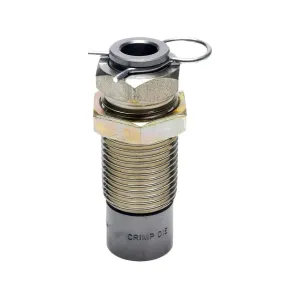
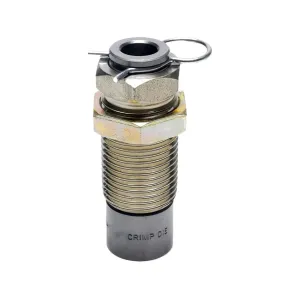
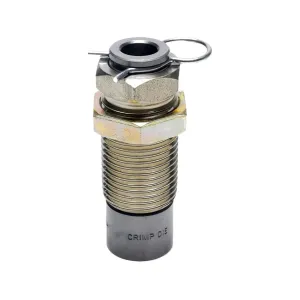
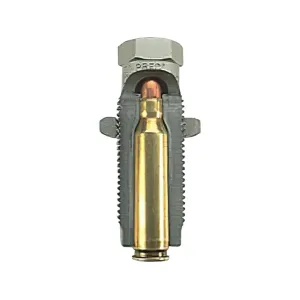
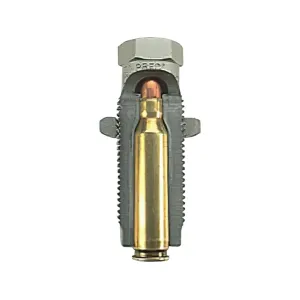
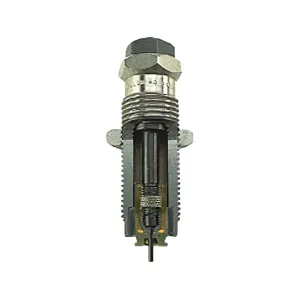
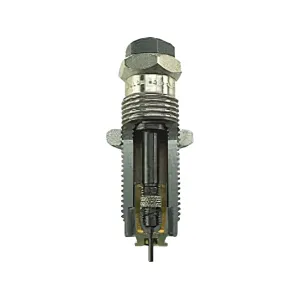
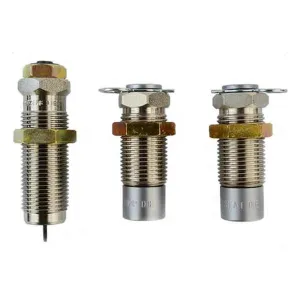
Dillon makes its own carbide pistol and rifle dies designed for high-speed progressive loading, along with the quick-change toolheads that let you swap an entire die setup in seconds. The toolhead system is a big part of why changing calibers on a Dillon is so fast.
Caliber conversions and case feeders
A Dillon is built to run many calibers. The caliber conversion kits and case feeders let one press load everything from .380 to .308 and beyond, and the automatic case feeder is what unlocks the press’s real speed once you are loading in bulk.
Tools, accessories and the Blue Press
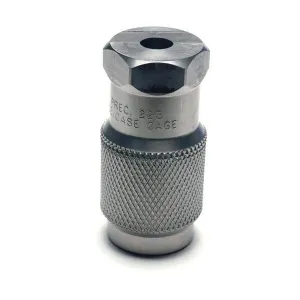
Beyond presses, Dillon makes the gear that fills a loading room: the Super Swage 600 primer-pocket swager, case gauges, the CV-2001 case tumbler, powder checks, low-powder sensors, strong mounts, and bench accessories. The company is also known for the Blue Press, its long-running catalog that doubles as a shooting magazine.
Build quality and the engineering behind it
Dillon presses are built like shop tools, not consumer goods — heavy cast frames, hardened steel, and tolerances meant to survive hundreds of thousands of rounds. That industrial mindset traces straight back to the company’s roots and to Dillon Aero, where the same culture builds weapons that have to work the first time, every time, in combat. The honest counterpoint is cost: a Dillon costs more up front than most rivals, the entry-level Square Deal B uses proprietary dies rather than standard ones, and caliber conversions add up. But the No B.S. Warranty and the sheer longevity of the machines are exactly why owners consider them buy-it-for-life purchases.
How Dillon compares
Dillon’s main rivals are Hornady, RCBS, Lee, and Redding. Hornady’s Lock-N-Load AP is the closest progressive competitor and costs less, with a strong bushing system; RCBS makes rugged presses and famously good single-stage rigs; Lee is the budget champion; and Redding owns the benchrest-precision single-stage world. Dillon’s honest position is the best high-volume progressive system, period — fastest to run, easiest to keep running, and backed by a warranty nobody else matches. Where it does not compete is single-stage precision: a bench-rest shooter chasing tiny groups loads on a Redding or Forster, not a Dillon. Buy Dillon when your priority is loading a lot of excellent, consistent ammo quickly.
Who should buy what
- The first-time progressive loader (pistol): the Square Deal B.
- The do-everything handloader: the RL550C — the classic first “real” Dillon.
- The high-volume pistol/rifle shooter: the XL750 with a case feeder.
- The commercial or competition reloader: the RL1100.
- The shooter prepping range brass: the Super Swage 600 and a CV-2001 tumbler.
Who should look elsewhere? If you load tiny batches of ultra-precise rifle ammo, or you simply want the cheapest way to start, a single-stage Lee or RCBS makes more sense. For anyone who values speed, durability, and support, Dillon is the call.
The Dillon philosophy
Dillon’s whole approach comes down to “treat people the way you want to be treated, and build things that do not break.” The No B.S. Warranty is not a marketing gimmick — it is the company’s actual operating principle, and it shapes everything from how the presses are engineered to how the service department behaves. Pair that with the engineering rigor that also produces combat miniguns, and you get a brand that earns trust the hard way: by standing behind the product for as long as you own it.
How to choose your Dillon setup
Start with how much you shoot and what. If you load one or two pistol calibers and want simplicity, the Square Deal B gets you going. If you want flexibility across many calibers, the RL550C is the smart all-rounder and the easiest to learn on. Once you are loading several thousand rounds a year, step up to the XL750 and add a case feeder — that combination is where the real speed lives. Budget for caliber conversion kits for each cartridge you load, add a Super Swage for crimped military brass, and finish with a good tumbler and case gauge. Buy the press first; the accessories make far more sense once you know your volume.
From a Scottsdale garage to attack helicopters
It is hard to think of another company with Dillon’s split personality. On one bench, a man building presses so regular people could load their own ammo affordably and reliably; on another, that same outfit rebuilding the most fearsome airborne machine gun in the world until it ran flawlessly. The throughline is reliability — an obsession with making machines that simply work, then standing behind them without excuses. Whether it is a cartridge dropping off an RL550C or a minigun on a Black Hawk, the Dillon name means the thing will run. That is why the blue presses have an almost cult following, and why “No B.S.” became more than a warranty — it became the whole identity.
Caliber conversions and building out a Dillon
A Dillon is a system, not just a press, and most of what owners buy after the machine itself is what lets it do more. The big one is the caliber conversion kit: because a progressive is set up around a specific cartridge, a conversion kit plus the right dies lets a single press load 9mm one day and .223 the next. Many owners go further and keep a dedicated toolhead for each caliber, with the dies left adjusted, so switching cartridges is a two-minute swap instead of a full re-setup.
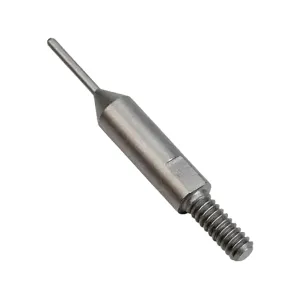
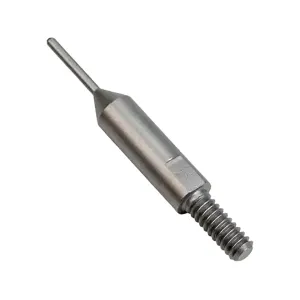
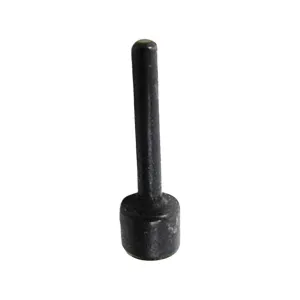
From there the upgrades are about speed and convenience. A casefeeder is the single biggest jump in output, dropping a case into each station automatically, while a bullet tray, a low-powder and primer alarm, and the Strong Mount and bullet bin make a long loading session smoother. Spare primer pickup tubes and small pins are cheap insurance to keep on the bench.
Backed by Dillon’s No B.S. lifetime warranty, a press bought today can be fed conversions and accessories for decades. The conversion kits, toolheads, casefeeders and spare parts that expand a Dillon are listed in the carousels below.
Shop Dillon Precision Parts & Prices
Live Dillon Precision products and current prices, organized by department and updated automatically.
Reloading Presses



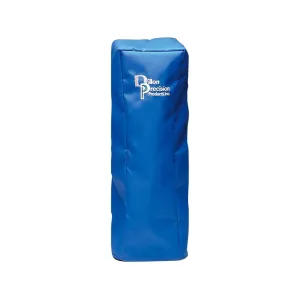


Reloading Dies




Reloading Tools & Accessories




Where Dillon Fits in Our Buying Guides
- The Best Reloading Presses
- The Best Reloading Dies
- The Best Reloading Kits
- The Best Brass Tumblers
- Best 9mm Ammo
Dillon Precision FAQ
Where is Dillon Precision based?
Scottsdale, Arizona, where the company was founded by Mike Dillon in the late 1970s. The factory sits on a street named Dillons Way, and the company is still headquartered there.
What is the No B.S. Warranty?
It is Dillon’s lifetime warranty on its hobby-grade reloading machines. There are no warranty cards, no registration, and no serial numbers required — if the machine breaks, wears out, or is damaged, Dillon repairs or replaces it, no questions asked. It is the most famous warranty in reloading.
Which Dillon press should a beginner buy?
For a pistol-only shooter who wants simplicity, the Square Deal B. For most people who want flexibility across calibers, the RL550C is the classic first “real” Dillon and the easiest to learn the progressive process on.
What is the difference between the RL550C and the XL750?
The RL550C is a manually-indexed four-station press — versatile and simple. The XL750 is an auto-indexing five-station press built for higher volume, especially with a case feeder added. Heavy shooters go XL750; all-rounders love the 550.
Is Dillon really connected to the minigun company?
Yes. Dillon Aero grew out of Mike Dillon’s effort to fix the reliability of surplus M134 Miniguns; the redesigned M134D was certified for U.S. military use in 2003. The same family of companies makes both reloading presses and modern helicopter miniguns.
How does Dillon compare to Hornady for reloading?
Both make excellent progressives. Hornady’s Lock-N-Load AP costs less and has a great bushing system; Dillon is the high-volume benchmark — faster, famously durable, and backed by the No B.S. Warranty. Benchrest precision loaders, by contrast, lean toward Redding or Forster single-stage presses.
How many rounds can a Dillon load per hour?
It depends on the press and the operator, but a progressive like the RL550C can comfortably load several hundred rounds an hour, and the auto-indexing XL750 more still, which is why high-volume pistol shooters favor them.
What tier is Dillon?
Premium — the top of the progressive-reloading market, built buy-it-for-life and supported by a no-questions lifetime warranty.
Compare Dillon Head-to-Head
- RCBS vs Dillon — the single-stage precision workhorse (Rock Chucker) versus the progressive volume king (RL 550C), with a full spec table and live prices. Both American-made.
Related Reloading Brands
USA Gun Shop may earn a commission on purchases made through the links on this page, at no extra cost to you. We list products on merit; prices and availability are pulled live and can change.
5,743+ Gun & Ammo Deals
Updated daily from 200+ top retailers. Filter by category, caliber, action type, and price.