

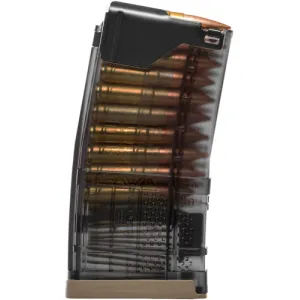
Look at an AR-15 magazine you can see through, with the cartridges stacked up inside like a battery gauge, and you are almost certainly looking at a Lancer. The L5AWM — the translucent magazine with steel feed lips — is the product that made the name, but Lancer Systems is really an aerospace materials company that happens to make gun parts: carbon-fiber handguards, carbon-fiber stocks, and complete L15 and L30 rifles built around them. Here is who they are, what they make, and what is worth buying.
Lancer Systems Deals — 23% Off or Better
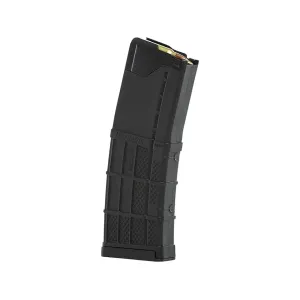
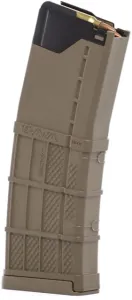
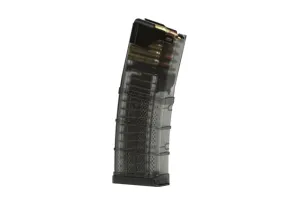
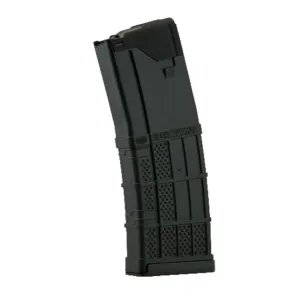
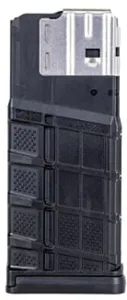
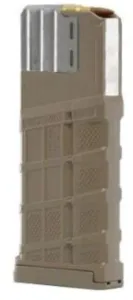
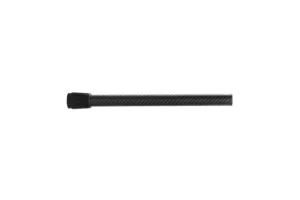
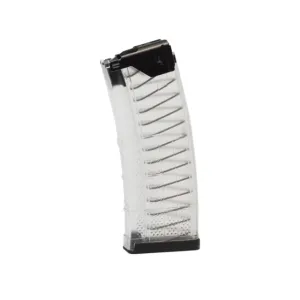
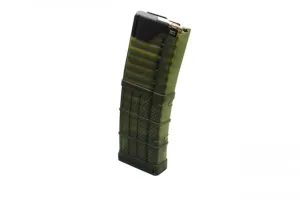
Table of Contents
Who Lancer Systems is
Lancer Systems is an aerospace materials company that makes gun parts, best known for the L5AWM translucent magazine with steel feed lips. It also builds carbon-fiber handguards and stocks, and is based in Quakertown, Pennsylvania.
Lancer Systems was founded in 2007 in Quakertown, Pennsylvania, by Greene, Tweed & Co. — and that parentage is the whole personality of the company. Greene, Tweed is a materials-science firm with roots in the 1860s that makes high-performance seals and composites for aerospace; its materials are found in the vast majority of the Western world’s commercial and military aircraft, in places like landing-gear sealing systems. Lancer was spun up to point that same advanced-materials expertise at firearms and defense.
That is why a Lancer product so often solves a problem with a better material rather than a flashy feature. The company is not a garage AR shop that grew up; it is an engineering house that already knew how to mold composites and machine to tight tolerances, and decided the gun world was full of parts it could simply build better.
In tier, Lancer sits at the premium-but-practical end. A Lancer magazine costs a few dollars more than the default polymer mag, and a carbon-fiber handguard costs real money, but the pricing is tied to genuine engineering rather than branding. You are paying for the materials, not a logo.
What Lancer makes
L5AWM magazines
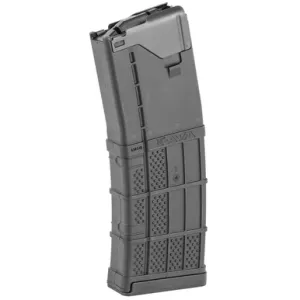
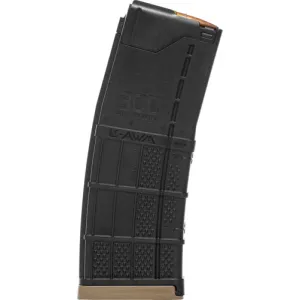
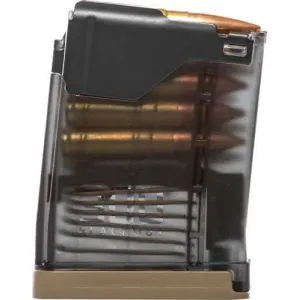
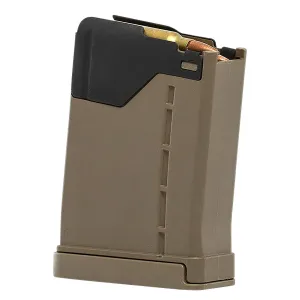
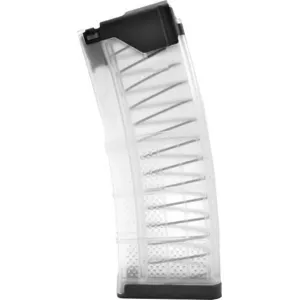
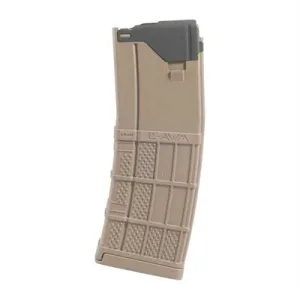
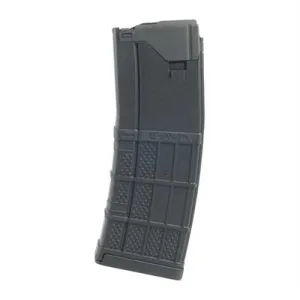
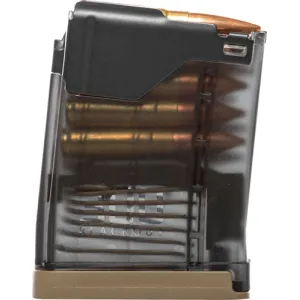
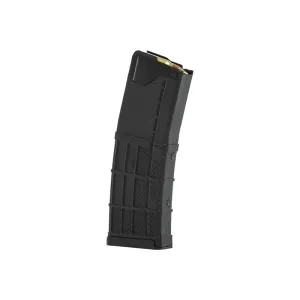
The flagship. The L5AWM (Advanced Warfighter Magazine) is a hybrid: a one-piece polymer body with steel feed lips. Feed lips are the part of a magazine that actually controls the rounds, and they are the classic weak point of an all-polymer mag — so Lancer made them out of steel and molded the body around them. Many are translucent, so you can see your round count at a glance, and they come in smoke, FDE, and a range of colors, in 5.56, .300 Blackout, and limited-capacity versions. The L7AWM is the .308/AR-10 sibling.
Carbon-fiber handguards
Lancer’s carbon-fiber free-float handguards (the LCH family, including the octagon-profile rifles) are genuinely light and stiff, with M-LOK attachment. This is the product where the aerospace materials background shows most plainly — a real carbon-fiber weave, not a printed pattern.
Carbon-fiber stocks
Fixed carbon-fiber rifle stocks in classic A1 and A2 lengths, for builders who want a retro silhouette at a fraction of the weight.
Rifles, receivers and pistols
Complete L15 rifles and pistols in 5.56 and .300 Blackout and L30 rifles in .308/6.5 Creedmoor, plus stripped receivers and builder kits for people assembling their own.
Accessories
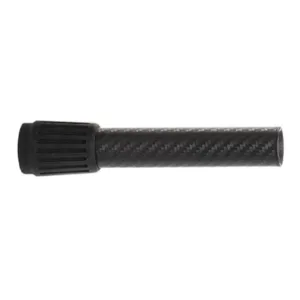
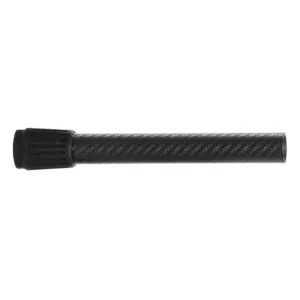
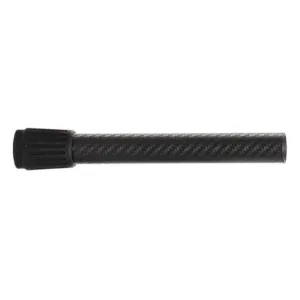
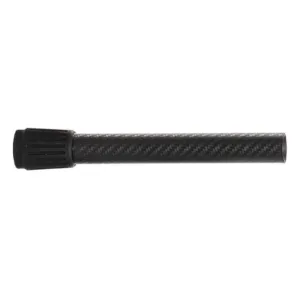
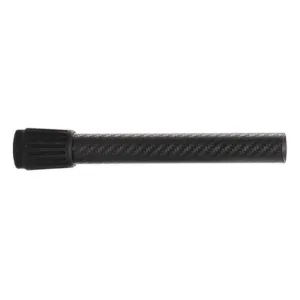
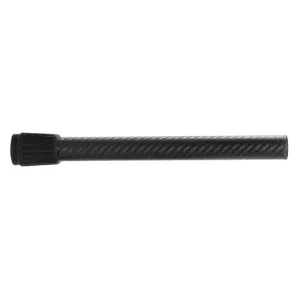
Muzzle devices, suppressor covers, shotgun magazine extension tubes, and a line of accessories for the Laugo Alien pistol round things out.
Build quality and the materials story
Everything traces back to materials. The L5AWM’s steel feed lips address the one failure mode polymer mags are known for; the handguards and stocks use real carbon-fiber layup rather than filled plastic; and the tolerances reflect a parent company that machines parts for aircraft. Lancer products are made in the USA in Pennsylvania. The honest counterpoint is that this engineering costs money — you can buy three basic polymer mags for the price of two Lancers — so the value case rests on whether you want the steel feed lips and the translucency badly enough to pay for them.
How Lancer compares
In magazines, the benchmark is the Magpul PMAG, with Hexmag and the aluminum USGI mag rounding out the field. The PMAG is cheaper, battle-proven, and the default for good reason. Lancer’s pitch against it is specific: steel feed lips and a translucent body so you can count rounds. Neither is strictly “better” — the PMAG is the value and ubiquity champion, the Lancer is the engineered-materials choice. In carbon-fiber handguards Lancer competes with Brigand Arms and a handful of boutique makers, and against aluminum rails from Geissele, Midwest Industries and BCM it trades a little ruggedness for a real weight savings.
Who should buy what
- The shooter who wants to see their round count: a translucent L5AWM in smoke.
- The builder chasing the lightest setup: a Lancer carbon-fiber handguard and stock.
- The .308/AR-10 owner: the L7AWM magazine.
- The .300 Blackout shooter: a clearly-marked Lancer Blackout mag, so you never mix it with 5.56.
- The buyer who wants it all from one maker: a complete L15 rifle.
Who should look elsewhere? If you just need a pile of cheap, reliable mags for a truck gun or a training stash, buy PMAGs and spend the savings on ammo. Lancer is the right call when the materials matter to you — the steel feed lips, the translucency, the carbon fiber.
The Lancer philosophy
Lancer thinks like a materials engineer: find the part everyone tolerates as “good enough,” figure out why it fails, and fix it with a better material. Steel feed lips on a polymer mag is the cleanest example — it is not a new shape or a marketing angle, it is a small, correct engineering decision that happens to solve the exact thing that breaks. That mindset is what you are buying into across the whole catalog.
How to choose your Lancer setup
Start with the magazine, because it is the cheapest way to find out if you like the brand. Buy a couple of translucent L5AWMs in your caliber and run them hard. If you like them, the carbon-fiber handguard is the next step up — it is the upgrade you feel every time you shoulder the rifle, because the gun balances differently when the front end is that light. Stocks and complete rifles come after, once you know you want the whole Lancer system. Always color-code by caliber: keep 5.56 and .300 Blackout in obviously different mags so you never load the wrong one.
From landing gear to the firing line
It is worth sitting with how unusual Lancer’s origin is. Most gun-parts companies are founded by shooters or gunsmiths. Lancer was founded by a 160-year-old aerospace materials company that already supplied seals and composites to nearly every aircraft in the Western fleet, and simply turned those capabilities toward firearms. The translucent magazine that looks like a clever gimmick is actually the visible tip of a very deep materials-science iceberg — the same kind of thinking that keeps landing gear sealed at altitude, applied to the humble AR-15 mag.
Shop Lancer Systems Parts & Prices
Live products and current prices for Lancer Systems, organized by department and updated automatically.
Rifle Magazines
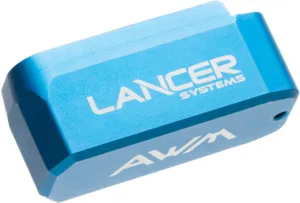
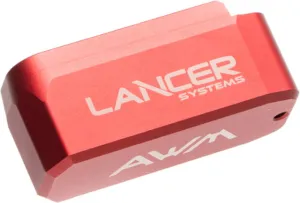
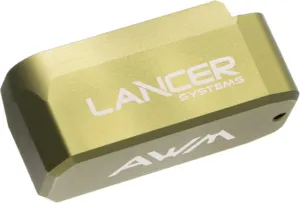
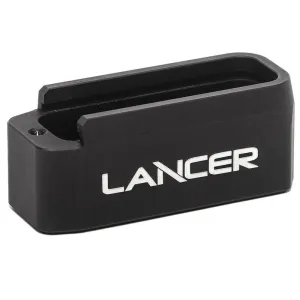
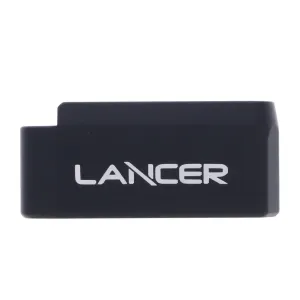
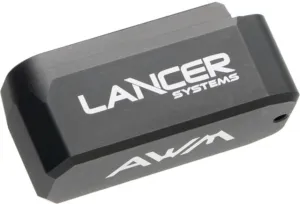
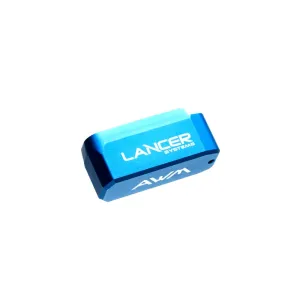
Magazine Extensions


Shotgun Magazines
Where Lancer Fits in Our Buying Guides
- The Best AR-15 Parts & Accessories
- The Best AR-15 Handguards
- Free-Float vs Drop-In Handguards
- The Best AR-15 Rifles
Lancer Systems FAQ
Where is Lancer Systems based?
Quakertown, Pennsylvania. The company was founded there in 2007 by the aerospace materials firm Greene, Tweed & Co., and products are made in the USA.
What makes the L5AWM magazine different?
It has steel feed lips molded into a polymer body. Feed lips are the weak point of all-polymer mags, so Lancer made that part out of steel. Many L5AWMs are also translucent, so you can see how many rounds are left.
Are Lancer mags better than Magpul PMAGs?
Different, not strictly better. PMAGs are cheaper and battle-proven. Lancer’s advantages are the steel feed lips and the see-through body. If those features matter to you, pay for the Lancer; if you just want reliable mags at the lowest price, the PMAG is hard to beat.
Are Lancer carbon-fiber handguards real carbon fiber?
Yes — they use a genuine carbon-fiber layup, not a printed pattern, which is where Lancer’s aerospace-materials parent company shows. They are light, stiff and M-LOK compatible.
Does Lancer make complete rifles?
Yes. The L15 is their 5.56 and .300 Blackout AR-15 line and the L30 is the .308/6.5 Creedmoor AR-10, alongside receivers and builder kits.
Why are Lancer mags translucent?
So you can see your round count at a glance. They come in smoke and several colors; the smoke version lets you watch the stack go down as you shoot.
What does the steel feed lip on a Lancer magazine do?
Most polymer magazines wear at the feed lips over time. Lancer molds steel feed lips into its translucent body, combining the light weight and see-through wall of polymer with the durability of metal where it matters most.
What tier is Lancer Systems?
Premium-but-practical. The prices reflect real materials engineering rather than branding, sitting a step above mass-market polymer parts.
Related AR-15 & Rifle Parts Brands
- CMMG Parts
- Ballistic Advantage Parts
- Timber Creek Outdoors Parts
- Geissele Parts
- ODIN Works Parts
- Apex Tactical Specialties Parts
USA Gun Shop may earn a commission on purchases made through the links on this page, at no extra cost to you. We list products on merit; prices and availability are pulled live and can change.
5,743+ Gun & Ammo Deals
Updated daily from 200+ top retailers. Filter by category, caliber, action type, and price.