

Affiliate disclosure: This article contains affiliate links. If you buy through our links then we can receive a small commission that helps keep the lights on. You don’t pay anything more.
Quick Answer: Maryland has restrictive gun laws in 2026. Wear and Carry Permits are now “shall-issue” through Maryland State Police (post-Bruen 2022) but require 16+ hours of training, fingerprinting, and a $75+ fee.
Maryland bans “regulated firearms” (a state-defined list including most semi-automatic rifles), magazines over 10 rounds (sale and transfer banned), and most NFA items. Standard handgun purchases require a Handgun Qualification License (HQL), a 4-hour training course, and a 7-day waiting period.
The biggest mistake new Maryland gun owners make is bringing standard-capacity magazines from out of state, which can be a misdemeanor. Maryland honors no out-of-state CCW permits. The 2023 SB 1 law expanded sensitive places, banning carry in most public buildings, schools, parks, healthcare facilities, public transit, and any private property without explicit consent.
Last updated July 2026 · By Nick Hall, CCW instructor familiar with Maryland’s layered firearms regime including the Handgun Qualification License, the Wear and Carry Permit, the regulated firearms list, and the SB 1 sensitive places law
Disclaimer: This is an editorial round-up of Maryland gun laws. We do our best to make sure it’s correct, but do not rely on this as legal advice. Maryland gun law is complex and ongoing Bruen-related litigation is changing the enforcement landscape. Consult a Maryland-licensed firearms attorney for any specific question.
Best-priced firearms across 200+ retailers · Updated every 4 hours
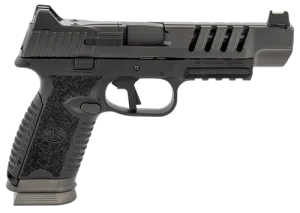
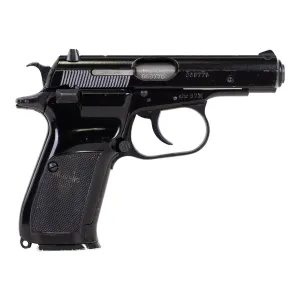
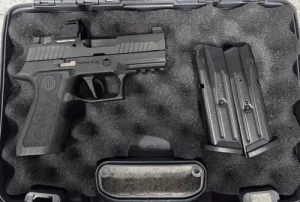
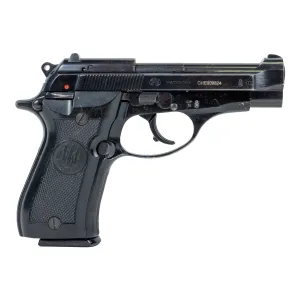
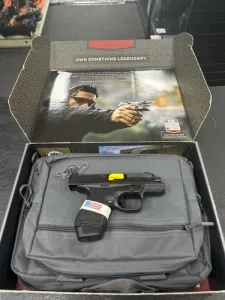
![FN 509 COMPACT [BLK] *10-ROUND*](https://www.usa-gun-shop.com/wp-content/uploads/ugs/img-cache/db4f97c202e578c705506c0de2da3203.webp)
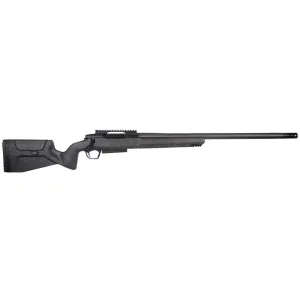
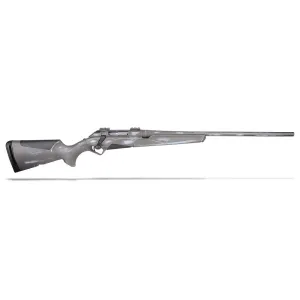
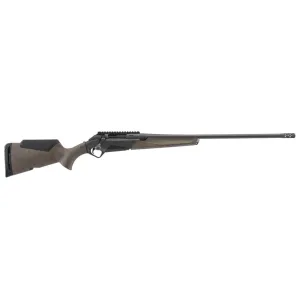
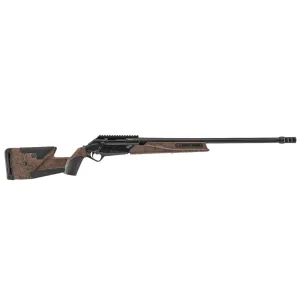
Looking for a brick-and-mortar shop in Maryland? See our best gun stores in Maryland guide for verified FFL dealers, ranges, and gunsmiths near you.
Best-priced ammunition across 200+ retailers · Updated every 4 hours


Table of Contents
Intro
TL;DR: Maryland gun laws in 2026 are among the most restrictive in the country. Maryland requires extensive licensing and permitting. Handgun Qualification License (HQL) required to purchase or possess a handgun, Wear and Carry Permit (WCP) required for concealed carry (open carry banned), assault weapons ban, 10-round magazine cap, red flag law, and a “duty to retreat” outside the home. The 2023 SB 1 “sensitive places” law added extensive off-limits zones, with one private-property provision currently enjoined.
Maryland went through a regulatory whirlwind after the Supreme Court’s 2022 Bruen decision. The state’s may-issue concealed carry regime was struck down, forcing Maryland to issue shall-issue Wear and Carry Permits. In response, the 2023 legislature passed SB 1 (“The Gun Safety Act”), which added sweeping “sensitive places” where carrying is prohibited, churches, parks, public transit, schools, private property not expressly opened to firearms, and more.
Most of SB 1 has been upheld in litigation. One provision, the default prohibition on carrying in private property open to the public, was enjoined in 2024. The rest of the sensitive-places list is enforced. Combined with Maryland’s pre-existing Handgun Qualification License, assault weapons ban, and 10-round magazine cap, the overall framework is one of the most restrictive in the country.
If you’re a Maryland gun owner, moving here, or passing through, this page covers the 2026 rules with statute citations and official sources.
Maryland Gun Laws: The Highlights
TL;DR: Maryland gun laws require an HQL for handgun purchase, WCP for concealed carry (shall-issue post-Bruen), no open carry, AWB, 10-round mag cap, universal background checks, red flag law (ERPO), duty to retreat outside home, partial preemption.
- Handgun Qualification License (HQL) required to purchase or possess a handgun under Md. Code Pub. Safety § 5-117.1. 4-hour training course minimum, fingerprints, background check, $50 fee, 10-year validity.
- Wear and Carry Permit (WCP) shall-issue post-Bruen under Md. Code Pub. Safety § 5-306. 16-hour initial training, 8-hour renewal training.
- Open carry of handguns is prohibited. Handguns must be concealed with a valid WCP.
- Assault Weapons Ban (regulated firearms list) under Md. Code Crim. Law § 4-301 through § 4-306. Covers AR-15s, AK variants, and specific named firearms.
- 10-round magazine capacity limit under Md. Code Crim. Law § 4-305.
- Universal background checks on regulated firearms. Private sales of regulated firearms (handguns, AR-15s) must go through an FFL or Maryland State Police.
- Red flag law (ERPO) under Md. Code Pub. Safety § 5-601 et seq. since 2018.
- SB 1 of 2023 (“Gun Safety Act”) sensitive places restrictions, most upheld in litigation, one private-property provision enjoined in 2024.
- Duty to retreat outside the home. Castle Doctrine applies only within your dwelling (Maryland common law + case law).
For the official state resource, see the Maryland State Police HQL page.
Key Information at a Glance
Key Information: Maryland Gun Laws at a Glance (2026)
Fast answers first, with official sources at the bottom.
| Permitless Carry | No (WCP required for concealed) |
|---|---|
| Open Carry | Prohibited for handguns |
| Concealed Carry | Shall-issue WCP post-Bruen, 21+ |
| Handgun Qualification License | Required to purchase or possess a handgun |
| Background Checks | Universal for regulated firearms |
| Waiting Period | 7 days on regulated firearms (handguns, AR-15s) |
| Purchase Age | 21+ handguns, 18+ long guns |
| Magazine Capacity Limit | 10 rounds (Crim. Law § 4-305) |
| Assault Weapon Ban | Yes (regulated firearms list, Crim. Law § 4-301) |
| Red Flag Law | Yes (ERPO, Pub. Safety § 5-601) |
| Sensitive Places | SB 1 (2023), extensive, one provision enjoined |
| Stand Your Ground | No, Duty to Retreat outside home |
| Castle Doctrine | Yes (in-home only) |
| State Preemption | Partial |
| NFA Items (Suppressors/SBRs) | Legal with federal and state approval |
Official Maryland Resources
Handgun Qualification License (HQL): Required to Purchase or Possess
TL;DR: Maryland gun laws require an HQL under Md. Code Pub. Safety § 5-117.1, administered by the Maryland State Police Licensing Division, to purchase or possess a handgun. Requires 4-hour training minimum, fingerprints, background check, $50 fee. Valid 10 years. The Fourth Circuit Court of Appeals upheld the HQL requirement in August 2024.
The HQL is the entry point for Maryland handgun ownership. You cannot purchase, rent, or receive a handgun as a gift in Maryland without one. Requirements include:
- U.S. citizenship or lawful permanent residence
- Maryland residency
- Age 21 or older
- Not federally prohibited under 18 U.S.C. § 922(g)
- 4-hour Firearms Safety Training Course from a Qualified Handgun Instructor (classroom instruction plus live-fire component)
- Livescan fingerprints submitted for background check (valid 12 months from submission)
- Application fee of $50
The HQL is valid for 10 years. Renewal requires updated fingerprints (if older than 12 months) and a background check but does not require repeating the training course. The NRA-backed challenge to the HQL requirement was dismissed by the en banc Fourth Circuit in August 2024, leaving the requirement in place.
Wear and Carry Permit (WCP): Concealed Carry in Maryland
TL;DR: Maryland gun laws shifted to shall-issue for the Wear and Carry Permit post-Bruen (2022). 16-hour initial training, 8-hour renewal training, fingerprints, background check. Only concealed carry is permitted, open carry of handguns is prohibited.
Before the 2022 Bruen decision, Maryland was a may-issue state where most WCP applications were denied for lack of “good and substantial reason.” Bruen struck down that standard, and Maryland now issues WCPs on a shall-issue basis under Md. Code Pub. Safety § 5-306 to any qualifying applicant.
Requirements for a Maryland WCP:
- Age 21 or older
- 16-hour initial training course (8-hour renewal)
- Live-fire qualification
- Fingerprints and background check
- No disqualifying criminal history or mental health commitments
The initial fee is $75 plus $50 for fingerprints. The WCP is valid for 2 years, then 3 years on renewal. There is no training-hour exemption for prior military or law enforcement, though they may be eligible for expedited processing.
Open Carry Prohibited
TL;DR: Maryland gun laws prohibit open carry of handguns. Handguns must be concealed, and only with a valid Wear and Carry Permit. Long guns may be open-carried in limited rural settings but are heavily restricted in urban and suburban areas.
Unlike most states, Maryland does not permit open carry of handguns even with a WCP. Md. Code Crim. Law § 4-203 prohibits wearing or carrying a handgun openly. The WCP authorizes concealed carry only.
Long guns (rifles and shotguns) may be transported openly for hunting, target shooting, or similar lawful purposes, but displaying a long gun in public outside those contexts can constitute disorderly conduct or creating a public disturbance. The practical rule: in Maryland, you do not openly carry any firearm.
Regulated Firearms and Assault Weapons Ban
TL;DR: Maryland has a statutory “regulated firearms” list under Md. Code Crim. Law § 4-301 that includes handguns, AR-15s, AK-47s, and other semi-automatic rifles. New sales of banned assault weapons have been prohibited since 2013 (the Firearms Safety Act).
Maryland’s approach is different from most AWB states. Rather than a feature test (California-style), Maryland uses a named-firearms list. Specific makes and models are listed as “assault long guns” and cannot be sold, transferred, or manufactured in the state after October 1, 2013. Copies and variants of the listed firearms are also banned.
Possession of pre-October 2013 assault long guns is generally grandfathered, provided the owner registered them with the Maryland State Police Secretary. Today, Maryland residents can only acquire the non-banned variants of semi-automatic rifles, or buy the banned variants out-of-state (though transporting them into Maryland is a separate problem).
Magazine Capacity: 10-Round Limit
TL;DR: Maryland gun laws cap magazines at 10 rounds under Md. Code Crim. Law § 4-305. Sale, transfer, manufacture, or possession of magazines over 10 rounds is prohibited, with narrow exceptions. Pre-2013 larger-capacity magazines in certain cases are grandfathered.
Maryland prohibits the manufacture, sale, and transfer of magazines with a capacity greater than 10 rounds under Md. Code Crim. Law § 4-305. The law also criminalizes possession in specific contexts, though possession alone of a pre-ban magazine is generally not prosecuted.
In practice: you cannot legally buy 11+ round magazines in Maryland. Magazines imported from out-of-state (for example, a 17-round Glock factory magazine) cannot be sold in Maryland. Retail purchase is capped at 10 rounds across handguns, rifles, and shotguns.
Purchasing a Firearm in Maryland
TL;DR: Maryland gun laws require universal background checks on regulated firearms (handguns, assault weapons) administered by Maryland State Police and federal NICS. 7-day waiting period on regulated firearms. HQL required for handguns. Age 21+ for handguns, 18+ for long guns.
Here’s the step-by-step for a first-time Maryland handgun buyer:
- Obtain your HQL first. Required before any handgun purchase. Complete the 4-hour safety course, submit fingerprints, pass the background check.
- Choose a licensed dealer. Handguns and regulated firearms must be purchased through an FFL or sold through the Maryland State Police private-sale process. For local shops, see our best gun stores in Maryland guide.
- Complete the federal Form 4473 and Maryland Application and Affidavit to Purchase a Regulated Firearm (77R). Both are required for regulated firearms.
- Wait 7 days. Maryland imposes a 7-day waiting period on regulated firearm purchases (handguns, regulated long guns). The dealer cannot transfer the firearm until the Maryland State Police completes the background check, which generally takes 7 business days.
- Take delivery. After the 7-day period and approval, you can pick up the firearm.
Non-regulated long guns (most bolt-action rifles, pump shotguns, break-action firearms) are subject to federal NICS only, with no state waiting period or HQL requirement. Age 18+ is the minimum for long gun purchases at FFLs.
Sensitive Places Under SB 1 (2023)
TL;DR: The 2023 Gun Safety Act (SB 1) added an extensive list of “sensitive places” where concealed carry is prohibited even with a WCP. Most of the list was upheld in 2024 litigation. The default prohibition on carrying in private property open to the public was enjoined.
Maryland’s response to shall-issue concealed carry was to dramatically expand the places where carry is prohibited. Under SB 1 and codified changes to Md. Code Crim. Law, concealed carry is prohibited in:
- K-12 schools and colleges
- Government buildings and state facilities
- Places of public assembly (stadiums, arenas, theaters)
- Places of worship (enjoined in 2024 but under appeal)
- Parks and playgrounds
- Public transportation
- Health care facilities
- Bars and restaurants serving alcohol
- Demonstrations and special events
- State parks, state forests, and Chesapeake and Atlantic Coastal Bays Critical Area
- Federal buildings under 18 U.S.C. § 930
The law also originally created a default prohibition on carrying into private property open to the public (such as retail stores) unless the owner expressly permitted firearms. That provision was enjoined by federal court in 2024 and is not currently enforced, pending further litigation.
State Preemption and Local Rules
TL;DR: Partial state preemption. Localities cannot regulate firearm sales or possession, but retain authority over discharge, carry in county-owned facilities, and storage regulations in certain contexts.
Maryland has partial state preemption on firearms regulation. Counties and municipalities cannot create their own licensing schemes, magazine limits, or registration requirements that go beyond state law. However, local governments retain some authority over firearms discharge within city limits and may post restrictions on county-owned property (like libraries, parks, and government buildings).
Federal Law Still Sets the Ceiling
TL;DR: Maryland’s restrictive laws operate inside federal constraints. NFA rules, federal prohibited-person lists, and gun-free federal buildings apply. Maryland does not add state-level restrictions to federal NFA items.
Maryland cannot override federal firearm law (which provides the ceiling, not the floor, in Maryland’s case). Federal prohibited-person rules under 18 U.S.C. § 922(g) apply. Federal buildings remain gun-free zones under 18 U.S.C. § 930. NFA items require ATF approval through the Form 4 tax-stamp process.
Reciprocity: Out-of-State Permits
Maryland Concealed Carry at a Glance
Constitutional carry: No
Honors non-resident permits: No — out-of-state permits not honored
Classification: No reciprocity
Map base: Wikimedia Commons (CC BY-SA). Color overlay and reciprocity data by USA Gun Shop.
Can I Carry in Maryland?
Select your home state to see if your permit authorizes carry in Maryland.
TL;DR: Maryland does NOT recognize concealed carry permits from other states. Out-of-state permit holders cannot carry in Maryland unless they also hold a Maryland Wear and Carry Permit. Non-residents can apply for a Maryland WCP.
Maryland is one of the most restrictive states on reciprocity. Under Md. Code Pub. Safety § 5-306, the state does not recognize concealed carry permits issued by any other state. If you have a Florida, Texas, or Pennsylvania permit, it does not authorize you to carry concealed in Maryland.
Non-residents can apply for a Maryland WCP. The requirements and fees are the same as for residents, though non-residents must demonstrate a connection to Maryland (regular travel for business, family in the state, etc.) and complete the 16-hour training.
Outgoing: the Maryland WCP is recognized in roughly 30 states through their own reciprocity provisions. The permit is valuable for cross-state travel even though Maryland gives no reciprocity in return.
Maryland Self-Defense Laws: Duty to Retreat and Castle Doctrine
TL;DR: Maryland is a Duty to Retreat state outside the home. Castle Doctrine applies only within your dwelling. This is a major difference from most other states and is developed primarily through common law and Maryland case law rather than a single Stand Your Ground statute.
Maryland is one of the few states that still requires a duty to retreat before using deadly force in self-defense. If you are outside your home and a safe avenue of retreat is available, you must take it before resorting to deadly force, unless doing so would increase your danger.
Inside your home (dwelling), the Castle Doctrine applies. Maryland courts have long recognized that a person in their own home has no duty to retreat before defending against an unlawful intruder using reasonable force. This includes deadly force when the person reasonably believes the intruder intends serious harm.
Outside the home, use of deadly force requires:
- Reasonable belief of imminent death or serious bodily injury
- Force used must be proportionate to the threat
- You must not have been the initial aggressor
- You must have attempted to retreat if a safe retreat was available
This is substantially more restrictive than Stand Your Ground states. Maryland juries and prosecutors will examine whether retreat was possible in self-defense cases.
Red Flag Law: Extreme Risk Protection Orders
TL;DR: Maryland has had a red flag law (ERPO) since October 2018 under Md. Code Pub. Safety § 5-601 et seq. Petitioners include law enforcement, family members, health professionals, and others.
Maryland’s ERPO law allows a broad set of petitioners to request a court order removing firearms from a person deemed a danger to themselves or others. Eligible petitioners include:
- Law enforcement officers
- Physicians, psychologists, and licensed mental health professionals
- Spouses, former spouses, cohabitants
- Family members related by blood, marriage, or adoption
- Current or former dating partners
- Individuals with a child in common with the respondent
- Legal guardians
An interim ERPO can be issued ex parte for up to 7 days, followed by a temporary ERPO hearing. A final ERPO can last up to one year and is renewable. The subject has the right to appear at the full hearing with counsel.
NFA Items: Suppressors, SBRs, and Machine Guns
TL;DR: NFA items (suppressors, SBRs, SBSs, pre-1986 machine guns) are legal in Maryland with proper federal ATF approval. No additional state-level prohibitions, though Maryland-specific notification to the State Police is required for certain items.
Maryland does not prohibit NFA items beyond federal requirements. Suppressors are legal for ownership, target use, and hunting (subject to state hunting regulations). SBRs and SBSs are legal. Lawfully registered pre-1986 civilian machine guns are legal. All require the federal ATF Form 4 process (fingerprints, background check). The transfer tax is now $0 for suppressors, SBRs, SBSs, and AOWs as of January 1, 2026; machine guns and destructive devices remain taxed at $200.
Maryland-specific requirement: for certain regulated firearms including SBRs, the buyer must also comply with the state’s regulated firearms purchase process and possibly obtain relevant state notifications. Check with the Maryland State Police for current guidance when acquiring NFA items.
Maryland Suppressor Facts & Figures
| Suppressor ownership | Legal for civilians with federal ATF registration (Form 4, fingerprints, NICS check). Maryland adds no state suppressor ban. |
| Hunting with a suppressor | Legal for all game, no special Maryland permit is required. Individual Wildlife Management Areas can restrict use, so check local WMA rules before you hunt. |
| State suppressor permit | None required beyond the federal Form 4. |
| 2026 federal $0 tax stamp | $0 for suppressors, SBRs, SBSs and AOWs (down from $200), effective January 1, 2026. Machine guns and destructive devices are still taxed at $200. |
Thinking about buying a suppressor? See our guides on how to buy a suppressor in 2026, the best suppressors for every caliber, and the $0 tax stamp explained.
Recent Changes (2023-2026)
TL;DR: 2023 SB 1 (Gun Safety Act) expanded sensitive places and regulated firearms provisions. 2024 Fourth Circuit upheld the HQL requirement. Federal court enjoined one SB 1 private-property provision. Maryland shall-issue WCP fully operational post-Bruen.
- Bruen decision (June 2022): Struck down Maryland’s may-issue concealed carry permit standard.
- SB 1 / Gun Safety Act (2023): Maryland’s legislative response. Added extensive sensitive-places list, enhanced the WCP process, and tightened private property default rules.
- Federal injunction (2024): District court enjoined the private-property default prohibition provision. Appeal is ongoing.
- Fourth Circuit en banc ruling (August 2024): Upheld Maryland’s Handgun Qualification License against NRA-backed challenge.
Several challenges to the regulated firearms list, magazine cap, and sensitive places provisions remain pending in federal court. For current status, see the Maryland General Assembly bill tracker.
Our Take
TL;DR: Maryland is one of the most restrictive gun law states in the country. Plan for extensive licensing, training, waiting periods, a 10-round magazine cap, and the regulated firearms list. The sensitive-places list and duty-to-retreat outside the home are major differences from most other states.
For a regulatory comparison, the closest regulatory peer for handgun licensing is New York, which requires a pistol license under NY Penal Law § 400.00 for any handgun possession.
Maryland does not reward casual gun ownership. Between the HQL, the WCP, the regulated firearms list, the 10-round magazine cap, and the sensitive-places law, the regulatory overhead is substantial. If you’re a Maryland resident planning to own and carry, budget time and money for the two licensing processes (HQL then WCP), plan your training around the total 20 hours of coursework, and know the sensitive-places list thoroughly.
The duty to retreat outside the home is the single most underappreciated Maryland rule. In most states, a self-defense claim doesn’t require you to retreat first. In Maryland, it does, except in your dwelling. That changes the legal calculus if you’re ever forced to use deadly force outside the home.
Practical takeaways:
- Get your HQL first. No handgun purchases without it.
- Get the WCP if you want to carry concealed. Open carry is not an option.
- Study the sensitive-places list and the currently-enjoined private property provision. Don’t assume a retail store welcomes firearms.
- Understand duty to retreat. Your legal defense calculus outside the home is different from Stand Your Ground states.
- Buy 10-round magazines in-state, or accept that you cannot bring larger-capacity magazines into Maryland for retail purchase.
Bookmark the Maryland State Police HQL page and Maryland General Assembly statute search for current law.
Maryland-Specific Carry Questions
How did the Bruen ruling change Maryland Wear and Carry Permits?
The US Supreme Court’s Bruen ruling required Maryland to abandon the discretionary good-and-substantial-reason standard that historically blocked most Wear and Carry Permit applications. Maryland has transitioned to a shall-issue framework while enacting SB 1 and related sensitive-location restrictions. Permit issuance has increased substantially since 2022, but the sensitive-location restrictions limit where permit holders can lawfully carry, including most public spaces in certain jurisdictions.
What is the Maryland Handgun Qualification License, and is it required to purchase?
The Handgun Qualification License is required to purchase, rent, or receive a handgun in Maryland. The license requires a state-approved firearm safety training course, fingerprinting, and a background check, and is administered by the Maryland State Police. The HQL is separate from the Wear and Carry Permit, the HQL authorizes acquisition, the Wear and Carry Permit authorizes concealed public carry.
Does Maryland restrict magazine capacity and assault weapons?
Yes. Maryland caps new magazine acquisition at 10 rounds and prohibits the sale, manufacture, and transfer of firearms meeting the state’s assault-weapon definition under the Firearm Safety Act of 2013. Magazines lawfully owned before the effective date are grandfathered for personal possession. Pre-ban registered firearms remain in possession, but new sales are restricted.
Can I carry into Baltimore or Annapolis with a Wear and Carry Permit?
Yes, subject to Maryland’s sensitive-location list which is extensive and includes mass-transit, schools, government buildings, certain public events, and many private establishments. Baltimore and Annapolis follow the statewide sensitive-location framework rather than separate city restrictions. The 2023 sensitive-locations expansion materially narrowed where permit holders can lawfully carry.
Frequently Asked Questions
What is the Maryland Handgun Qualification License (HQL)?
The HQL is a mandatory license to purchase, rent, or possess a handgun in Maryland under Md. Code Pub. Safety § 5-117.1. Requirements include a 4-hour firearms safety training course, livescan fingerprints, a background check, and a $50 fee. The HQL is valid for 10 years. The Fourth Circuit Court of Appeals upheld the HQL requirement en banc in August 2024. You cannot purchase or possess a handgun in Maryland without an HQL.
Is Maryland a constitutional carry state?
No. Maryland requires a Wear and Carry Permit (WCP) to carry a concealed handgun under Md. Code Pub. Safety § 5-306. Following the 2022 Bruen Supreme Court decision, Maryland is now shall-issue for the WCP to any qualifying applicant age 21 or older who completes the 16-hour initial training course. Open carry of handguns is prohibited entirely.
Does Maryland have an assault weapons ban?
Yes. Maryland maintains a named-firearms 'regulated firearms' list under Md. Code Crim. Law § 4-301. The Firearms Safety Act of 2013 prohibited the sale, manufacture, and transfer of listed assault long guns including AR-15s, AK-47 variants, and specific semi-automatic rifles. Possession of pre-October 2013 assault long guns is grandfathered if registered with the Maryland State Police.
What is Maryland's magazine capacity limit?
Maryland limits magazine capacity to 10 rounds under Md. Code Crim. Law § 4-305. Sale, manufacture, and transfer of magazines holding more than 10 rounds is prohibited. Retail purchase in Maryland is capped at 10 rounds across handguns, rifles, and shotguns.
Does Maryland recognize out-of-state concealed carry permits?
No. Maryland does not recognize concealed carry permits from any other state. Out-of-state permit holders cannot carry concealed in Maryland. Non-residents can apply for a Maryland Wear and Carry Permit, but the requirements and fees are the same as for residents and require the full 16-hour training course.
Does Maryland have a Stand Your Ground law?
No. Maryland is a Duty to Retreat state outside the home. If a safe avenue of retreat is available before using deadly force in self-defense, you must take it. The Castle Doctrine applies only within your dwelling, where Maryland case law has long recognized that a person in their own home has no duty to retreat before defending against an unlawful intruder.
Does Maryland have a red flag law?
Yes. Maryland has had an Extreme Risk Protection Order (ERPO) or red flag law since October 2018 under Md. Code Pub. Safety § 5-601 et seq. Petitioners include law enforcement, physicians, mental health professionals, family members, cohabitants, and dating partners. An interim ERPO can be issued ex parte for up to 7 days; a final ERPO can last up to one year and is renewable.
What are Maryland's sensitive places restrictions?
Maryland's SB 1 of 2023 (Gun Safety Act) added extensive sensitive-places restrictions where concealed carry is prohibited even with a valid Wear and Carry Permit. These include K-12 schools, colleges, government buildings, places of public assembly, places of worship (currently enjoined), parks, public transportation, health care facilities, bars, demonstrations, state parks and forests, and federal buildings. The default prohibition on carrying in private property open to the public (retail stores, etc.) was enjoined by a federal court in 2024 and is not currently enforced, pending appeal.
Explore More States
Alabama Gun Laws (2026): Constitutional Carry, Stand Your Ground & Full Freedom, Alaska Gun Laws, Arizona Gun Laws (2026): Constitutional Carry, No Limits & Stand Your Ground, Arkansas Gun Laws (2026): Constitutional Carry, No Limits & Stand Your Ground, Bruen Decision Explained (2026): NYSRPA v. Bruen, History-and-Tradition Test & Downstream Litigation, California Gun Laws (2026): CCW, AWB, Roster & Everything You Need to Know, Castle Doctrine Explained (2026): All 50 States, Civil Immunity & Presumption of Reasonable Fear, Colorado Gun Laws (2026): 15-Round Cap, SB25-003 Semi-Auto Ban & Red Flag Law, Connecticut Gun Laws (2026): Permits, Carry Rules & Restrictions, Constitutional Carry States (2026): Complete List of 29 Permitless Carry States, Florida Gun Laws (2026): Constitutional Carry, Open Carry & Stand Your Ground, Georgia Gun Laws (2026): Constitutional Carry, No Limits & Full Freedom, Hawaii Gun Laws (2026): Registration, Permits & The Strictest State, Idaho Gun Laws (2026): Constitutional Carry, Stand Your Ground & Full Freedom, Illinois Gun Laws (2026): FOID Card, CCL, AWB & What You Need to Know, Indiana Gun Laws (2026): Constitutional Carry, Free Lifetime License & Stand Your Ground, Iowa Gun Laws (2026): Constitutional Carry, Strict Scrutiny & Full Freedom, Kansas Gun Laws (2026): Constitutional Carry, Stand Your Ground & Full Immunity, Kentucky Gun Laws (2026): Constitutional Carry, CDWL & Stand Your Ground, Louisiana Gun Laws (2026): Constitutional Carry at 18, CHP & Stand Your Ground, Louisiana Lets 18-Year-Olds Carry, Then Won’t Issue Them a Permit, Maine Gun Laws (2026): Constitutional Carry, 72-Hour Wait & Red Flag Law, Massachusetts Gun Laws (2026): Chapter 135, LTC, FID & AWB, Michigan Gun Laws (2026): CPL, License to Purchase, Red Flag & Safe Storage, Minnesota Gun Laws (2026): Permit to Carry, Permit to Purchase & Red Flag, Mississippi Gun Laws (2026): Constitutional Carry, Enhanced Permit & Stand Your Ground, Missouri Gun Laws (2026): Constitutional Carry, Lifetime CCW & Stand Your Ground, Montana Gun Laws (2026): Constitutional Carry (HB 102), MCWP & Stand Your Ground, Nebraska Gun Laws (2026): Constitutional Carry (LB 77), CHP, HPC & Castle Doctrine, Nevada Gun Laws (2026): CCW, Universal Background Checks, Red Flag & Ghost Gun Ban, New Hampshire Gun Laws (2026): Constitutional Carry, PRL & Stand Your Ground, New Jersey Gun Laws (2026): FPIC, PPH, Chapter 131 CCP & Sensitive Places, New Mexico Gun Laws (2026): CHL, Universal Background Checks, HB 129 Status & Article 2 Section 6, New Mexico’s Waiting Period Lost in Court and Still Applies to You, New York Gun Laws (2026): CCIA, Pistol License, SAFE Act & Sensitive Locations, North Carolina Gun Laws (2026): CHP, SB 41 Repeal & Stand Your Ground, North Dakota Gun Laws (2026): Constitutional Carry, Class 1 & Class 2 CWL, Ohio Gun Laws (2026): Constitutional Carry (SB 215), CHL & Stand Your Ground, Oklahoma Gun Laws (2026): Constitutional Carry (HB 2597), SDA License & Make My Day, Oregon Gun Laws (2026): CHL, Measure 114 Status, SB 243 & Sandoval, Pennsylvania Gun Laws (2026): LTCF, PICS, Crawford & 18 Pa.C.S. § 6109, Red Flag Laws by State (2026): Complete List of 21 ERPO States, Rhode Island Gun Laws (2026): Blue Card, Dual Permits, 10-Round Cap & 2026 AWB, South Carolina Gun Laws (2026): Constitutional Carry, CWP & Stand Your Ground, South Dakota Gun Laws (2026): Constitutional Carry, Three-Tier Permits & Stand Your Ground, Stand Your Ground States (2026): Complete List of 38 SYG States, Tennessee Gun Laws (2026): Constitutional Carry, Enhanced HCP & Stand Your Ground, Texas Gun Laws (2026): Constitutional Carry, LTC, Castle Doctrine & Civil Immunity, Universal Background Check States (2026): Complete List of 22 UBC States, Utah Gun Laws (2026): Constitutional Carry, CFP, Stand Your Ground & Reciprocity, Vermont Gun Laws (2026): “Vermont Carry,” Universal Background Check & Magazine Cap, Virginia Gun Laws (2026): CHP, Universal Background Checks & Substantial Risk Order, Virginia Halts Private-Sale Background Checks Again (2026), Washington Gun Laws (2026): CPL, Universal Background Checks, Magazine Cap & 2023 AWB, West Virginia Gun Laws (2026): Constitutional Carry, CHL & Stand Your Ground, Wisconsin Gun Laws (2026): CCL, Castle Doctrine & Reciprocity, Wyoming Gun Laws (2026): Constitutional Carry, CFP, Stand Your Ground & 2A Sanctuary
4,009+ Gun & Ammo Deals
Updated daily from 200+ top retailers. Filter by category, caliber, action type, and price.