

Affiliate disclosure: This post contains affiliate links. If you buy through our links we may earn a small commission at no extra cost to you. Prices and availability change often, so always check current pricing before you buy.
Last updated: June 19, 2026
Table of Contents
- Treat every gun as loaded
- Point the muzzle in a safe direction
- Keep your finger off the trigger until you’re ready to shoot
- Know your target and what’s beyond
The Sig P226 and the Sig P320 are both proud members of the SIG Sauer family, but they could hardly be more different in how they work. The P226 is a heavy, all-metal, hammer-fired classic that earned its reputation on military and police duty belts for decades. The P320 is a light, polymer, striker-fired, modular pistol that beat everyone, including the P226’s own cousin, to win the U.S. Army contract. One is old-school steel and a refined trigger. The other is modern, modular, and lighter on the wallet.
I have spent real time behind both, and choosing between them is less about which is better and more about which kind of pistol you actually want. This guide breaks down every difference that matters, from the frame material to the trigger to the safety conversation around the P320, so you can buy the right SIG the first time.
How we tested: Every pick here is ranked against our testing methodology. Minimum round counts, accuracy and reliability protocols, the failures that disqualify a gun. Where we have not shot a specific variant ourselves, we say so in that section.
Quick Verdict
If you want a modern, lightweight, optics-ready pistol that you can reconfigure as your needs change, and you want to spend less money, the Sig P320 is the pick. If you love the feel of an all-metal pistol, want the soft-shooting weight and the famous SIG single-action trigger, and you value a decades-long track record, the Sig P226 is worth every extra dollar. The P320 is the better value and the more flexible carry gun. The P226 is the more refined gun to shoot and the one collectors and traditionalists reach for.
Sig P226 vs Sig P320: Specs Compared
| Spec | Sig P226 (9mm) | Sig P320 Full-Size (9mm) |
|---|---|---|
| Frame | Aluminum alloy (metal) | Polymer with steel chassis |
| Action | Hammer-fired DA/SA | Striker-fired |
| Barrel length | 4.4 in | 4.7 in |
| Overall length | 7.7 in | 8.0 in |
| Height | 5.5 in | 5.5 in |
| Width | 1.5 in | 1.6 in |
| Weight (empty) | ~34 oz | ~29.5 oz |
| Capacity | 15+1 (18-rd mags available) | 17+1 |
| Decocker / manual safety | Decocker, no manual safety | None standard (no decocker) |
| Optics-ready | Only on RX / Legion RX models | Widely available (X-series) |
| Modular fire-control unit | No | Yes |
| Made in | Exeter, New Hampshire | Newington, New Hampshire |
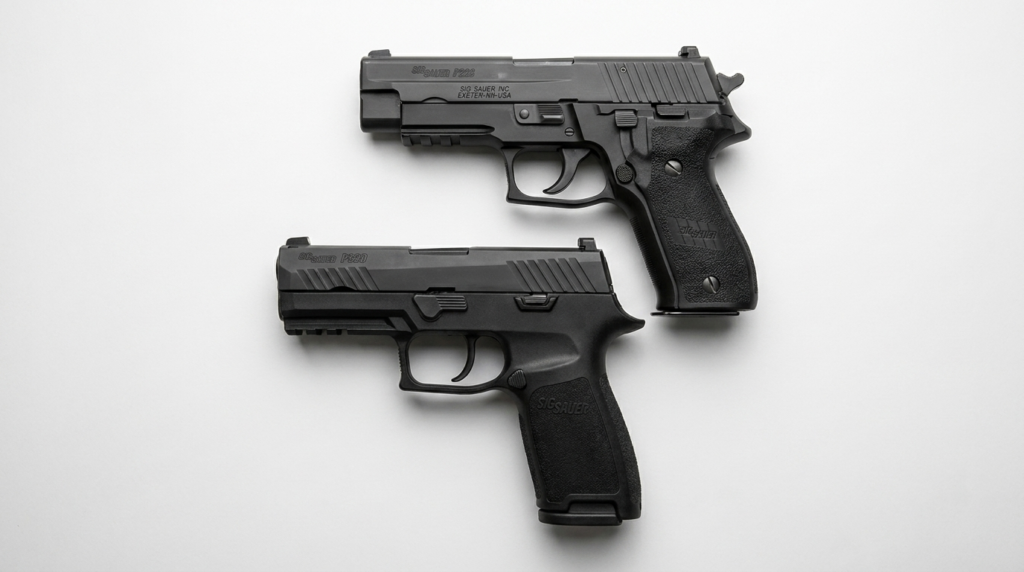
The spec sheet shows two pistols built on completely different philosophies. The P226 is heavier, hammer-fired, and fixed in its layout. The P320 is lighter, striker-fired, and built around a modular chassis you can rebuild into almost any size. Both shoot 9mm, both hold a similar number of rounds, and both wear the SIG name with pride. Everything else is a choice.
Sig P226 Pros and Cons
Pros
- All-metal build feels premium and shoots incredibly soft
- The single-action trigger is one of the best in the business
- Decades-long track record with military and police units
- Heavier weight soaks up recoil for fast, flat follow-up shots
- Decocker lets you safely lower the hammer without the trigger
Cons
- Heavy to carry all day at around 34 ounces
- Premium price, often well over a thousand dollars
- The double-action first shot takes practice to master
- Not optics-ready unless you buy an RX or Legion model
Sig P320 Pros and Cons
Pros
- Modular fire-control unit lets you change size, caliber, and grip
- Lighter and easier to carry every day
- Widely available optics-ready, perfect for a red dot
- Costs hundreds less than a P226
- The same striker trigger pull on every single shot
Cons
- Polymer frame feels less premium than steel
- Has been the subject of uncommanded-discharge lawsuits
- Striker trigger is not as crisp as the P226 single action
- No decocker or external hammer to verify condition by feel
Metal vs Polymer Frame
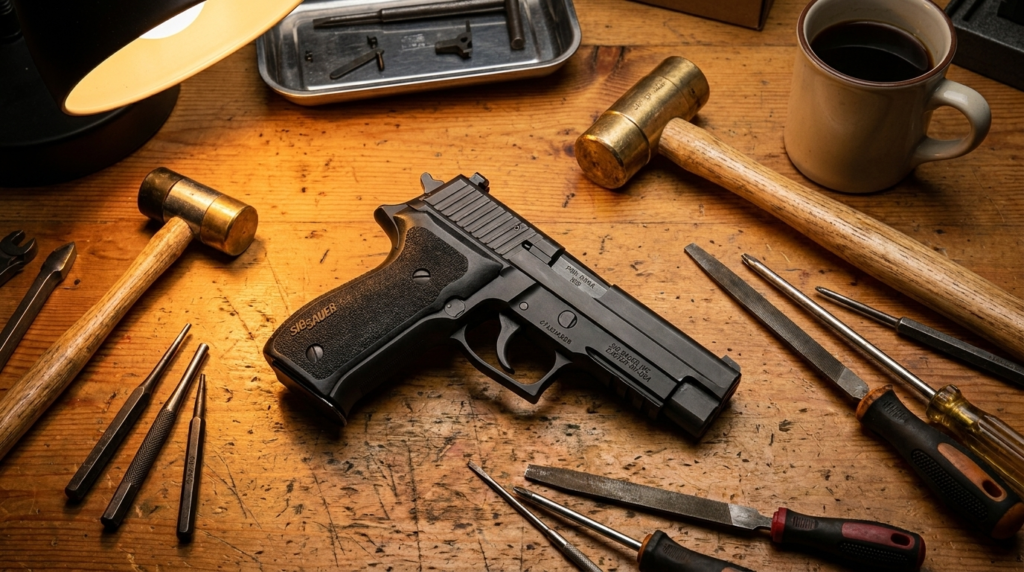
This is the first thing you notice when you pick both up. The P226 is built on an aluminum alloy frame and feels like a tool that was machined to last a lifetime. That metal adds weight, and weight is your friend at the range because it eats recoil and keeps the gun flat between shots. The P320 uses a polymer grip module wrapped around a small steel chassis, which is the actual serialized part. It feels lighter and more modern in the hand, and it shrugs off weather and sweat, but it does not have the dense, solid feel of the all-metal SIG. Neither is wrong. One feels like heritage, the other feels like the future.
Hammer-Fired vs Striker-Fired
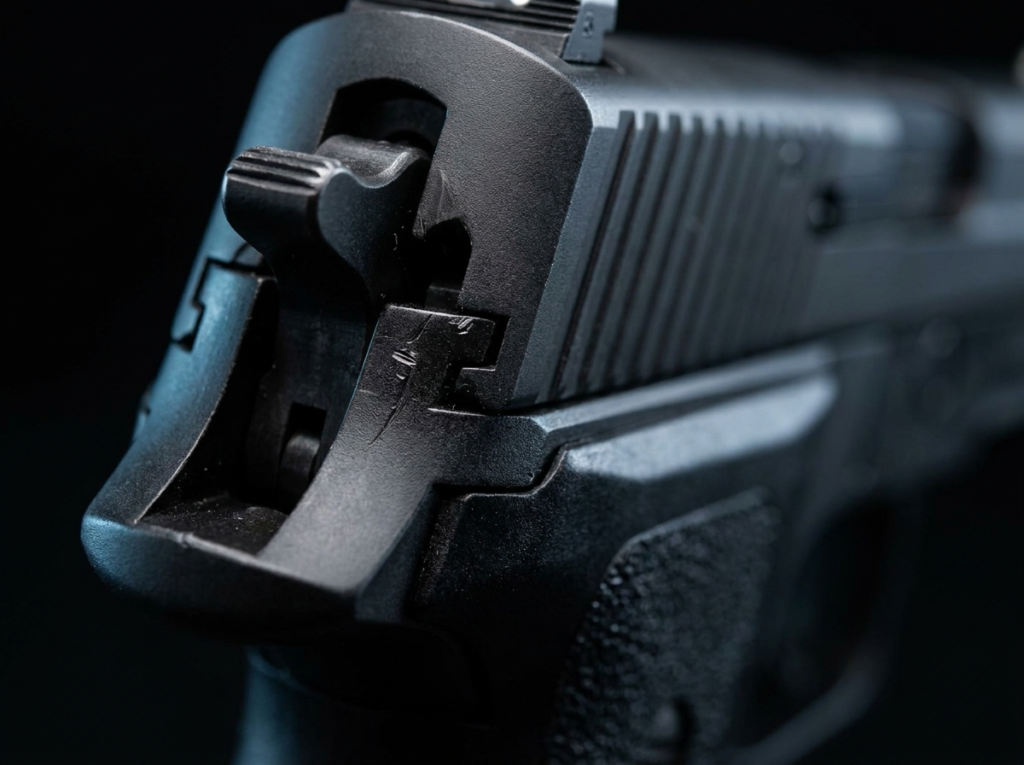
The P226 is a traditional double-action / single-action hammer gun. The first shot, with the hammer down, is a long, heavy double-action pull, and every shot after that is a short, light single-action pull. You use the decocker to safely lower the hammer when you are done. Some shooters love this system because that long first pull is an added layer of safety, and the single-action shots that follow are superb. The P320 is striker-fired, so every pull is the same medium-weight press from the first round to the last. There is no hammer to see or feel and no decocker. The P320 is simpler to learn. The P226 rewards the shooter who masters it.
The P320 Modular Fire-Control Unit
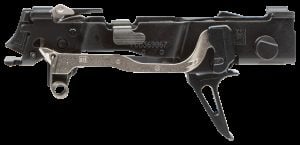
This is the P320’s headline feature and the P226 has no answer for it. On the P320, the serialized part that is legally the firearm is a small stainless steel fire-control unit. You can drop that unit into a full-size grip module today and a compact or carry module tomorrow, change the slide and barrel, even switch calibers, all without buying a second gun. That means one P320 can be a duty pistol, a carry pistol, and a range gun depending on how you build it. The P226 is a fixed design. What you buy is what you keep. For shooters who like to tinker or who want one serial number to cover several roles, the P320 is in a class of its own.
Trigger Compared
On pure trigger feel, the P226 wins for most shooters once the hammer is cocked. That single-action break is clean, light, and a big reason the gun is so accurate. The catch is the heavy first double-action shot, which takes practice to shoot well. The P320 trades that peak single-action feel for total consistency. Every shot is the same, which makes the gun easier to learn and to shoot predictably under stress. If you want the best trigger on shot two through fifteen, the P226 has it. If you want every shot to feel identical, the P320 delivers that.
Weight and Recoil
The P226’s metal frame makes it about four to five ounces heavier than the full-size P320. On the belt that weight is a burden. At the range it is a gift. The heavier P226 stays flatter and kicks softer, which makes long practice sessions more pleasant and fast strings easier to control. The P320 is no punisher, and its lighter weight is exactly what you want for all-day carry, but back to back the P226 is the softer-shooting gun. Pick your priority, comfort on the belt or comfort on the trigger.
Capacity
Both pistols carry plenty of 9mm. The full-size P320 holds 17+1 in its standard magazine. The P226 holds 15+1 in its standard flush magazine, and 18-round extended magazines are easy to find if you want more. In practice the capacity difference is small and not a deciding factor for most buyers. Both give you more than enough rounds for duty, home defense, or competition.
Sights and Optics
If a red dot is in your plans, the P320 makes it easy. The X-series and many standard P320 models come optics-ready from the factory, and the platform was built with modern optics in mind. The P226 is mostly a traditional iron-sight gun. You can get a factory optics cut on the RX and Legion RX models, but the standard P226 needs slide work to mount a dot. For a shooter committed to a red dot, the P320 is the simpler and cheaper path.
Reliability and Heritage
Both guns are proven. The P226 carries one of the strongest reputations in the handgun world, with a long history of hard service including elite military units, and the version used by Navy special operators is the stuff of legend. The P320 won the U.S. Army’s Modular Handgun System trial and serves today as the military’s M17 and M18, which is about as serious a vote of confidence as a pistol can get. Feed either one good ammo and keep it maintained and it will run. The heritage is different, but the reliability is there on both.
The P320 Safety Question
It would be dishonest to compare these guns without mentioning the elephant in the room. The P320 has been the subject of a number of lawsuits alleging uncommanded discharges, where owners claim the gun fired without the trigger being pulled. SIG Sauer maintains that the P320 is safe and points to its design and testing, and the company ran a Voluntary Upgrade Program back in 2017 to improve drop safety on early guns. Many agencies and shooters carry the P320 every day without issue. We are not here to settle the dispute, only to make sure you know it exists so you can decide for yourself. As with any striker-fired pistol with no manual safety, always carry it in a quality holster that fully covers the trigger guard. The P226, by contrast, has decades of service with no comparable controversy.
Concealed Carry
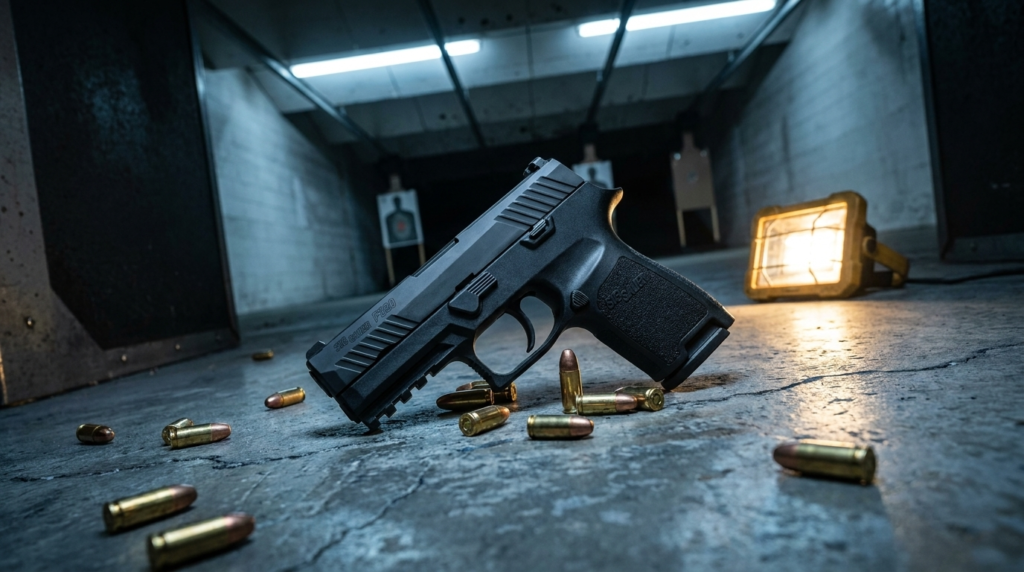
For everyday concealed carry, the P320 is the easier gun to live with, and not just because of weight. It comes in compact and carry sizes thanks to the modular system, it is optics-ready, and it costs less to set up the way you want. The full-size P226 can be carried, and plenty of people do it, but its weight and thickness make it a commitment, especially in warm weather. If carry is your main mission, lean P320, ideally in a compact or carry configuration. If you want a P226 specifically for carry, look at the carry-length variants and pair it with a strong belt.
Duty, Range, and Nightstand
Step away from deep concealment and the P226 makes a lot of sense again. As a duty gun, a range gun, or a nightstand gun, its weight, soft recoil, and superb trigger are pure advantages, and the metal frame will outlast almost anything. The P320 covers these roles well too, with the bonus that one chassis can serve as your duty gun and your carry gun. For a do-everything modern pistol, the P320. For a gun that lives at the range or by the bed and is a joy to shoot, the P226.
Price and Value
This is one of the clearest gaps between the two. The P320 typically costs hundreds of dollars less than a P226, and that is before you factor in the modular system that lets one purchase fill several roles. The P226 is a premium pistol, and the Legion models climb higher still. You are paying for the metal frame, the trigger, and the heritage. If raw value drives your decision, the P320 wins easily. If you want the finer gun and the badge of owning a classic SIG, the P226 earns its premium. Check the live pricing below, since both move with the market.
Aftermarket and Holsters
Both pistols are well supported, but in different ways. The P320 has exploded in popularity, so holsters, grip modules, slides, and parts are everywhere, and the modular system invites customization. The P226 has a deep, mature aftermarket built over decades, with excellent holsters and quality upgrade parts, though it is a fixed platform so you are dressing up one configuration rather than rebuilding the gun. Whichever you choose, plan on a quality holster and belt, because good support gear matters as much as the pistol for comfort and concealment.
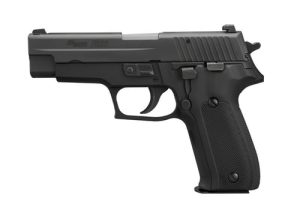
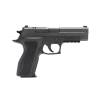
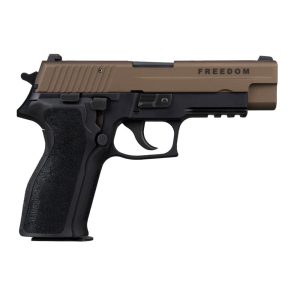
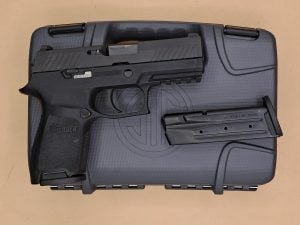
Sig P226 Live Pricing
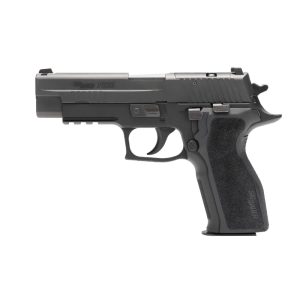
Sig P320 Live Pricing
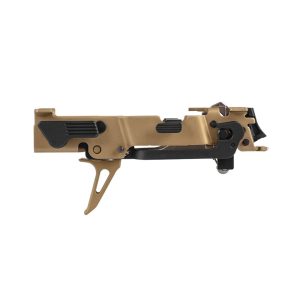
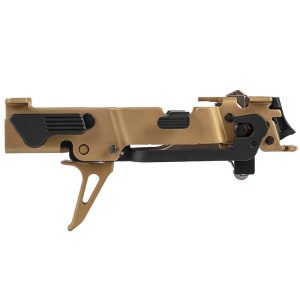
Why the P320 Exists
The P320 was SIG’s answer to a changing market and a changing military. For years the armed forces carried the Beretta M9, and when the Army opened the Modular Handgun System competition to replace it, SIG built the P320 around exactly what the program asked for, a modular design that could be sized and serviced without a gunsmith. SIG won that contract in 2017, and the P320 became the M17 and M18. That origin explains the gun’s whole personality. It was designed to be flexible, easy to maintain, and ready for optics, because that is what a modern fighting pistol needs. The P226, by contrast, comes from an earlier era when a duty pistol was a fixed, all-metal tool, and it is a brilliant example of that older school.
P226 Variants Worth Knowing
The P226 comes in more flavors than most people realize. The standard Nitron is the classic black duty gun. The MK25 is the version built to the Navy special-operations spec, complete with corrosion-resistant coatings and an anchor stamp. The Legion series is the premium tier, with a gray finish, reduced grip, upgraded trigger, and X-Ray sights, and it is the one most enthusiasts lust after. There are also RX models that ship with a red dot already mounted. If you decide the P226 is your gun, it is worth knowing these tiers, because the jump from a standard Nitron to a Legion is a real step up in both feel and price.
P320 Variants and the X-Series
The P320 line is just as deep, and the modular system means the variants blur together in the best way. The standard P320 comes in full-size, carry, compact, and subcompact builds. The X-series, including the X-Carry and X-Five, brings a flat trigger, a better grip texture, an optics cut, and improved sights, and it is where a lot of serious shooters land. Because the fire-control unit is the serialized part, you can often buy one X-series gun and add grip modules later to cover more roles. That flexibility is the whole point, and it is something the P226 simply cannot match.
Maintenance and Field Stripping
Both guns are simple to maintain, with a small twist that reflects their designs. The P226 field strips by locking the slide back and rotating the takedown lever, a process SIG owners have done for decades. The P320 strips without ever touching the trigger, which is a nice safety feature, by locking the slide and turning its takedown lever to free the slide assembly from the fire-control unit. Both are tool-free and quick to clean. Parts and springs for each are widely available, and neither gun asks much of its owner beyond basic cleaning and the occasional spring change. On upkeep, they are about equal.
Common Myths About the P226 and P320
A few myths cling to these guns. The first is that the P226 is outdated. It is not. It is an older design, but a refined one that still shoots better than most modern pistols. The second is that the P320 is just a cheap plastic gun. The polymer grip is wrapped around a serious steel chassis, and the gun won the most demanding military trial in a generation. The third is that the double-action first shot on the P226 makes it inaccurate. It does not, it simply takes practice, and once mastered the gun is a tack-driver. Clearing up these three saves a lot of bad assumptions on both sides.
Which Should You Buy?
Buy the Sig P320 if you want a modern, lighter pistol, you plan to run a red dot, you like the idea of reconfiguring one gun into many roles, you carry every day, or you simply want the most capability for the money.
Buy the Sig P226 if you love the feel and soft recoil of an all-metal pistol, you want the famous SIG single-action trigger, you value a long and clean service record, and you mostly shoot at the range or keep the gun for home defense rather than deep concealment.
Still torn? New shooters and dedicated carriers are usually happiest with the P320 for its simplicity, weight, and value. Experienced shooters who appreciate a refined trigger and a metal frame, and who do not mind the weight or the price, will love the P226.
Resale and Holding Value
One last thing worth weighing is how each gun holds its value. The P226, especially the Legion and MK25 versions, tends to keep its worth well on the used market because it is a respected classic with a loyal following. The P320 sells in huge numbers, so used prices are softer, but the modular system means you can sell or swap a grip module or slide rather than the whole gun if your needs change. If you think you might resell down the road, the P226 generally returns more of your money, while the P320 gives you more ways to adapt without selling at all. Either way, buy the one you actually want to shoot, not the one you hope to flip.
How I Compared These
This comparison draws on hands-on time with both pistols at the range and on the belt, checked against SIG Sauer’s published specifications and our own reviews of each gun. I focused on the differences that actually change a buying decision, frame material, action type, modularity, trigger, weight, optics, and the safety conversation around the P320, rather than spec-sheet trivia. Where a figure can vary slightly by source, such as empty weight, I used SIG’s numbers and rounded honestly. Both guns were judged in their standard factory form.
The Bottom Line
The Sig P226 and Sig P320 are two excellent pistols built for two different kinds of shooter. The P226 is the refined, all-metal classic, heavier, pricier, and a genuine pleasure to shoot, with a heritage few guns can match. The P320 is the modern, modular, lighter, and more affordable pistol that the U.S. military chose, with the flexibility to be many guns in one. Decide whether you want classic steel and a great trigger, or modern flexibility and value, and the right SIG becomes obvious.
Related Comparisons and Reviews
- Sig Sauer P320 Review
- Used Sig P226 Buying Guide
- Glock 19 vs Sig P320
- Sig P320 vs S&W M&P 2.0
- Sig Sauer vs Glock
Frequently Asked Questions
Is the Sig P226 or P320 better?
Neither is simply better. The P320 is lighter, modular, optics-ready, and cheaper, which makes it the better value and carry gun. The P226 is an all-metal, hammer-fired classic with a superb trigger and soft recoil, which makes it the nicer gun to shoot at the range. Choose based on which kind of pistol you want.
What is the main difference between the P226 and P320?
The P226 has a metal frame and a hammer-fired double-action / single-action trigger. The P320 has a polymer frame, a striker-fired trigger, and a modular fire-control unit that lets you change its size and caliber. They are built on completely different designs.
Is the Sig P320 safe to carry?
SIG Sauer maintains the P320 is safe, and large agencies and the U.S. military carry it daily as the M17 and M18. It has also been the subject of lawsuits alleging uncommanded discharges. As with any striker pistol without a manual safety, always carry it in a quality holster that fully covers the trigger guard.
Why does the military use the P320 and not the P226?
The P320 won the U.S. Army Modular Handgun System trial in 2017 and was adopted as the M17 and M18. Its modular fire-control unit, lighter weight, and optics readiness fit the modern requirement. The P226 served earlier and still has a strong military and police legacy.
Which SIG is better for concealed carry?
The P320 is the easier gun to carry because it is lighter and comes in compact and carry sizes. The full-size P226 is heavier and thicker, so while you can carry it, most people find the P320 more practical for everyday concealment.
Is the P226 worth the higher price?
If you value an all-metal build, soft recoil, and the famous SIG single-action trigger, yes. You are paying for the frame, the trigger, and decades of heritage. If raw value and flexibility matter more, the P320 gives you more capability for less money.
5,743+ Gun & Ammo Deals
Updated daily from 200+ top retailers. Filter by category, caliber, action type, and price.
Related Guides