

Last updated June 13th 2026
Some of the links below are affiliate links, meaning at no additional cost to you, we may earn a commission if you click through and make a purchase.
- Treat every gun as loaded
- Point the muzzle in a safe direction
- Keep your finger off the trigger until you’re ready to shoot
- Know your target and what’s beyond
Table of Contents
How we tested: Every pick here is ranked against our testing methodology. Minimum round counts, accuracy and reliability protocols, the failures that disqualify a gun.
Quick Verdict: Springfield Hellcat vs Glock 43X
Both are superb micro-compact 9mm carry guns, and you would be well served by either. Choose the Springfield Hellcat if you want the highest flush capacity in the smallest possible package, since it holds 11+1 standard in a gun shorter than the 43X. Choose the Glock 43X if you want a slimmer, taller grip that many find more comfortable, the option of 15-round steel magazines, and the unmatched Glock ecosystem. The Hellcat wins on capacity-to-size, while the 43X wins on grip comfort, magazine upgrades and support.
Specs Comparison: Hellcat vs Glock 43X
| Metric | Springfield Hellcat | Glock 43X |
|---|---|---|
| Caliber | 9mm | 9mm |
| Standard capacity | 11+1 (13+1 extended) | 10+1 (15 with steel mags) |
| Barrel length | 3.0 in | 3.4 in |
| Overall length | ~6.0 in | ~6.5 in |
| Width | ~1.0 in | ~1.1 in (slim) |
| Weight (loaded) | ~22 oz | ~23 oz |
| Optics ready | OSP models | MOS models |
| Typical price | $450 to $550 | $430 to $550 |
Pros
- Highest flush capacity in its class at 11+1
- One of the smallest 9mm carry guns made
- OSP optics-ready models available
- Aggressive Adaptive grip texture
- 13+1 with the extended magazine
Cons
- Aggressive texture can be sharp for some
- Snappier recoil than slightly larger guns
- Smaller aftermarket than Glock
Pros
- Slim, taller grip many find more comfortable
- Runs 15-round Shield Arms steel magazines
- The Glock aftermarket and holster ecosystem
- Easy, familiar Glock manual of arms
- MOS optics-ready option
Cons
- Lower base capacity at 10+1
- Slightly larger and longer than the Hellcat
- Stock 10-round flush capacity trails the Hellcat
Two Micro-Compact 9mm Carry Guns
The Hellcat and Glock 43X are direct rivals in the micro-compact carry class, the category of slim, light 9mm pistols built to conceal easily while holding more rounds than the old single-stack pocket guns. Both are 9mm, both weigh around 22 to 23 ounces loaded, and both are designed for everyday concealed carry, so they are genuinely cross-shopped by the same buyers.
The core difference is philosophy. The Hellcat chases maximum capacity in the smallest possible footprint, while the Glock 43X chases comfort and slimness with a taller grip and the option of high-capacity steel magazines. Both arrived in 2019 and helped define the modern micro-compact boom alongside the Sig P365. Understanding their different priorities explains the practical trade-offs that follow.
Background
Springfield Armory launched the Hellcat in 2019 to challenge the Sig P365, leading with class-leading capacity, advertising 11+1 standard and 13+1 with the extended magazine in a remarkably small package. It quickly became one of the best-selling carry guns in America on the strength of that capacity-to-size ratio and its optics-ready OSP versions.
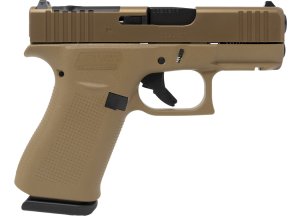
Glock answered the micro-compact wave the same year with the 43X, which kept the slim single-stack-width slide of the Glock 43 but added a longer grip for a 10-round magazine and a full hand hold. It became hugely popular, especially once aftermarket steel magazines boosted its capacity. Both guns are products of the same 2019 carry revolution, approaching it from opposite directions of capacity versus comfort.
Capacity
Out of the box, the Hellcat leads on flush capacity, holding 11+1 in its standard magazine and 13+1 with the slightly extended one, which is exceptional for a gun this small and was its original headline feature. For a shooter who wants the most rounds in the smallest gun without any aftermarket parts, the Hellcat is the winner.
The Glock 43X holds 10+1 in its factory flush magazine, trailing the Hellcat, but it has a trick: aftermarket Shield Arms steel magazines boost it to 15 rounds in the same grip, leapfrogging the Hellcat. So the capacity verdict depends on setup. Stock for stock the Hellcat wins; with Shield Arms magazines the 43X pulls ahead. How you plan to run the gun decides which carries more.
Size and Concealment
The Hellcat is the smaller gun overall, with a shorter 3.0-inch barrel and a roughly 6.0-inch overall length, making it slightly easier to conceal and a touch handier in the smallest carry positions. For pure minimum footprint, the Hellcat has the edge, which matters for pocket-adjacent carry or very light clothing.
The Glock 43X is marginally larger, with a 3.4-inch barrel and a taller grip, but it is notably slim, which helps it conceal flat against the body. The taller grip is the part most likely to print, so the Hellcat’s shorter grip is slightly more discreet, while the 43X’s slimness aids concealment in its own way. Both hide easily for most carriers, with the Hellcat winning on raw smallness.
Grip and Ergonomics
This is where many shooters favor the Glock 43X. Its grip is taller and gives most hands a full three-finger hold even with the flush magazine, and the slim profile feels comfortable and familiar, with the well-known Glock texture and angle. For shooters who dislike a pinky dangling, the 43X’s grip is a real comfort advantage in this class.
The Hellcat’s grip is shorter to keep the gun small, so the standard magazine gives a two-finger-plus hold that some shooters extend with the 13-round magazine for a fuller grip. Its Adaptive grip texture is aggressive and secure, though some find it sharp against bare skin during long carry. Grip preference is personal, but the 43X is often praised as the more comfortable hold, while the Hellcat trades some grip length for size.
Shootability and Recoil
Both are snappy compared to full-size guns, as all micro-compacts are, but the differences are real. The Glock 43X’s taller grip and slightly larger size give many shooters better control and a more comfortable shooting experience, making it a touch easier to run accurately during practice. The fuller hold helps manage recoil.
The Hellcat is very controllable for its tiny size, and its aggressive texture helps lock it in, but the shorter grip and smaller frame make it a bit snappier and can be less comfortable over a long range session. Both are entirely manageable for defensive shooting, and either rewards practice. The 43X edges it for shooting comfort, while the Hellcat is impressive given how small it is.
Trigger
Both have decent striker triggers typical of the carry class, neither a target trigger but both adequate for defensive accuracy. The Hellcat’s trigger is serviceable with a usable break, and many shooters find it perfectly fine for a carry gun, though it is not a standout feature.
The Glock 43X has the familiar Glock trigger, consistent and predictable, with the enormous Glock aftermarket meaning a cheap trigger upgrade is available if you want to improve it. Out of the box the two are close, with neither trigger being a reason to choose one over the other, and the 43X having the edge in available upgrades thanks to the Glock parts ecosystem.
Sights and Optics
Both offer optics-ready versions, the Hellcat in its OSP configuration and the Glock 43X in MOS, so either can mount a compact carry red dot, which is increasingly popular even on small carry guns. The Hellcat OSP has been a strong seller precisely because it made an optics-ready micro affordable and accessible.
On iron sights, the Hellcat often ships with good usable sights including a tritium or high-visibility front, while the Glock’s factory sights are basic and commonly upgraded, with the deep Glock aftermarket making night sights cheap and plentiful. Both end up well-sighted, with the Hellcat slightly ahead from the box and the 43X offering more and cheaper sight and optic options through the Glock ecosystem.
The Shield Arms Magazine Factor
One aftermarket product reshapes this comparison: Shield Arms steel magazines turn the Glock 43X from a 10-round gun into a 15-round gun in the exact same grip, matching or beating the capacity of much larger pistols while keeping the slim carry size. This upgrade is wildly popular among 43X owners and is a major reason many choose the platform.
It does require swapping to a steel magazine catch for best reliability, a simple modification, but the payoff is class-leading concealed capacity. The Hellcat has no comparable jump available, topping out around its 13+1 extended magazine. So if maximizing capacity in a slim package is your goal, the 43X with Shield Arms magazines is the strongest option in this matchup, flipping the Hellcat’s stock capacity advantage.
Reliability
Both have earned solid reliability reputations and are trusted daily by huge numbers of carriers. The Glock 43X carries the Glock name and its associated expectation of running reliably with minimal maintenance, backed by the platform’s broader track record, which gives many buyers confidence.
The Hellcat has also proven dependable since its 2019 launch and is widely carried without issue, performing well in reviews and real-world use. Both should be tested with your chosen defensive ammunition before you trust them, as any carry gun should be. Neither has a meaningful reliability disadvantage, so this category is effectively a tie between two proven micro-compacts.
Aftermarket and Holsters
The Glock 43X wins on ecosystem, as Glocks always do. It enjoys the deep Glock aftermarket and an enormous selection of holsters, sights, triggers, magazines and parts, much of it cheap and plug-and-play, plus the Shield Arms magazine option. For a shooter who wants endless, affordable accessory choices, the 43X is hard to beat.
The Hellcat is also well supported, being one of the best-selling carry guns, with plenty of holsters, sights and accessories available, just a smaller and somewhat pricier pool than the Glock’s. You will not struggle to find gear for a Hellcat, but the 43X offers more options at lower prices. This category favors the Glock, consistent with its broader platform advantages.
Concealed Carry
Both are purpose-built for concealed carry and excel at it, riding comfortably inside the waistband and concealing under normal clothing for most people. The Hellcat’s smaller overall size gives it a slight edge for the deepest concealment and the lightest setups, while its shorter grip prints a little less.
The Glock 43X conceals very well too thanks to its slimness, and many find it more comfortable to carry all day because the fuller grip is easier to manage on the draw without adding much bulk. Both come in optics-ready versions for a dot-equipped carry setup. For everyday carry either is excellent, with the Hellcat favoring minimum size and the 43X favoring grip comfort.
Price and Value
The two are closely priced, both typically landing in the mid-400s to mid-500s depending on configuration, so neither is a clear budget winner. Both deliver a lot of carry gun for the money and represent strong value in the competitive micro-compact class.
Value considerations tip on the extras: the 43X’s Shield Arms magazines add cost but deliver class-leading capacity, while the Hellcat gives high capacity and an optics-ready slide at its base price. The Glock’s cheaper and deeper aftermarket can lower long-term costs for accessories. Overall the two are comparable on value, with the choice resting on features and feel rather than price.
New Shooters
For a newer shooter buying a first carry gun, the Glock 43X is often the slightly friendlier choice thanks to its fuller grip and marginally larger size, which make it more comfortable to shoot and easier to control while learning, plus the simple Glock manual of arms. That comfort encourages the practice that builds skill.
The Hellcat is also a fine first carry gun, especially for someone who prioritizes the smallest possible package, though its snappier recoil and aggressive texture make it a touch more demanding to shoot well at first. Either works for a new carrier; the 43X is the gentler introduction, while the Hellcat rewards a shooter who wants maximum capacity and minimum size from the start.
Common Myths
Myth: the Hellcat is hard to shoot because it is tiny. It is snappy but very controllable for its size, and the extended magazine improves the grip. Myth: the 43X is stuck at 10 rounds. Shield Arms steel magazines take it to 15 in the same grip. Myth: one clearly conceals better. Both conceal easily; the Hellcat is smaller, the 43X is slim and comfortable. Myth: you must pick the higher-capacity one. Buy the one that fits your hand and carry style best.
Maintenance and Field Stripping
Both are simple to maintain and field strip without tools, asking only for routine cleaning and lubrication to keep running, which is exactly what you want in a carry gun that may sit in a holster for long stretches. The Glock 43X uses the familiar Glock takedown that requires a trigger press, demanding strict clearing discipline, while the Hellcat uses its own straightforward takedown.
Neither is fussy day to day, and both tolerate the lint, sweat and neglect that carry guns endure better than older designs. Parts and armorer support lean toward the Glock thanks to its huge ecosystem, but the Hellcat is also easy to service with growing parts availability. For most owners maintenance is a non-issue with either, and a quick wipe-down and re-lube keeps both reliable.
Variants and Family
Both sit in useful families worth knowing. The Hellcat has grown into a line that includes the standard Hellcat, the larger Hellcat Pro with a longer grip and slide for more capacity and easier shooting, and the Hellcat RDP with a compensator, so you can step up in size while keeping the same feel if you want more gun later.
The Glock 43X shares its frame with the Glock 48, which adds a longer slide and barrel for a slightly larger but still slim carry gun, and both come in MOS optics-ready versions. That gives 43X buyers a natural step up to the 48 using the same magazines. Both families let you find a slightly bigger sibling on the same platform, which is handy if your needs change.
Carry Positions and Holsters
Both excel across carry positions, and both are well supported by holster makers, so you can set up either for appendix, strong-side or inside-the-waistband carry without trouble. The Hellcat’s smaller size gives it a slight edge for appendix carry and the most discreet setups, since its shorter grip prints less when seated or bending.
The Glock 43X’s slim profile rides flat against the body and conceals well on the hip or appendix, and its larger holster selection through the Glock ecosystem means more options at lower prices. Either disappears under normal clothing in a quality holster. Choose based on your preferred carry position and wardrobe, since both are easy to dress around and well served by the holster market.
Backup and Deep-Carry Role
Both make capable backup guns, but the Hellcat’s smaller footprint gives it a slight advantage for a true backup or deep-concealment role, slipping into spots where even a slim 43X feels a touch large. Its high capacity in a tiny package is appealing for a second gun that does not give up rounds.
The Glock 43X is more often a primary carry gun thanks to its comfortable grip, though it can serve as a backup too, especially for those already in the Glock ecosystem. If a dedicated backup or maximum-concealment role is your goal, the Hellcat edges it on size, while the 43X remains the more comfortable everyday primary of the two.
Resale and Long-Term Value
Both hold their value well as popular, in-demand carry guns with active used markets, so either is a low-risk purchase that is easy to sell or trade later. The Glock 43X benefits from the broader Glock platform’s steady demand and the largest used market, making it marginally easier to move on at a predictable price.
The Hellcat holds value well too on the strength of its popularity and class-leading capacity, and its optics-ready OSP versions remain sought after. With affordable accessories and magazines for both, the long-term cost of ownership stays reasonable either way. Neither will leave you stranded, and both are mainstream enough that buying, selling or accessorizing is simple.
Training and Practice
Whichever you choose, proficiency comes from practice, and micro-compacts demand it more than larger guns because their short sight radius and snappy recoil are less forgiving. Both the Hellcat and the 43X reward regular range time and dry-fire work on the draw, grip and trigger press, and an optics-ready model with a red dot can speed up target acquisition for shooters willing to train with it.
The Glock 43X is marginally more pleasant to practice with for long sessions thanks to its fuller grip, which can mean more rounds downrange and better skill over time, while the Hellcat asks for a firmer hold to manage its smaller frame. Either way, a carry gun you practice with often beats a larger one left in the safe, so pick the one you will actually train with and commit to regular reps.
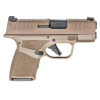
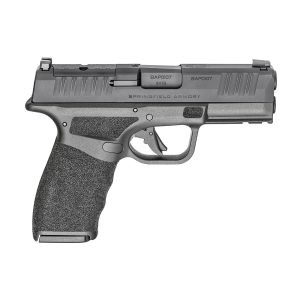
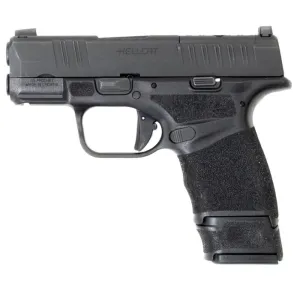
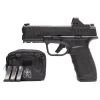
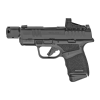
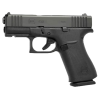
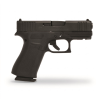
Springfield Hellcat Live Prices
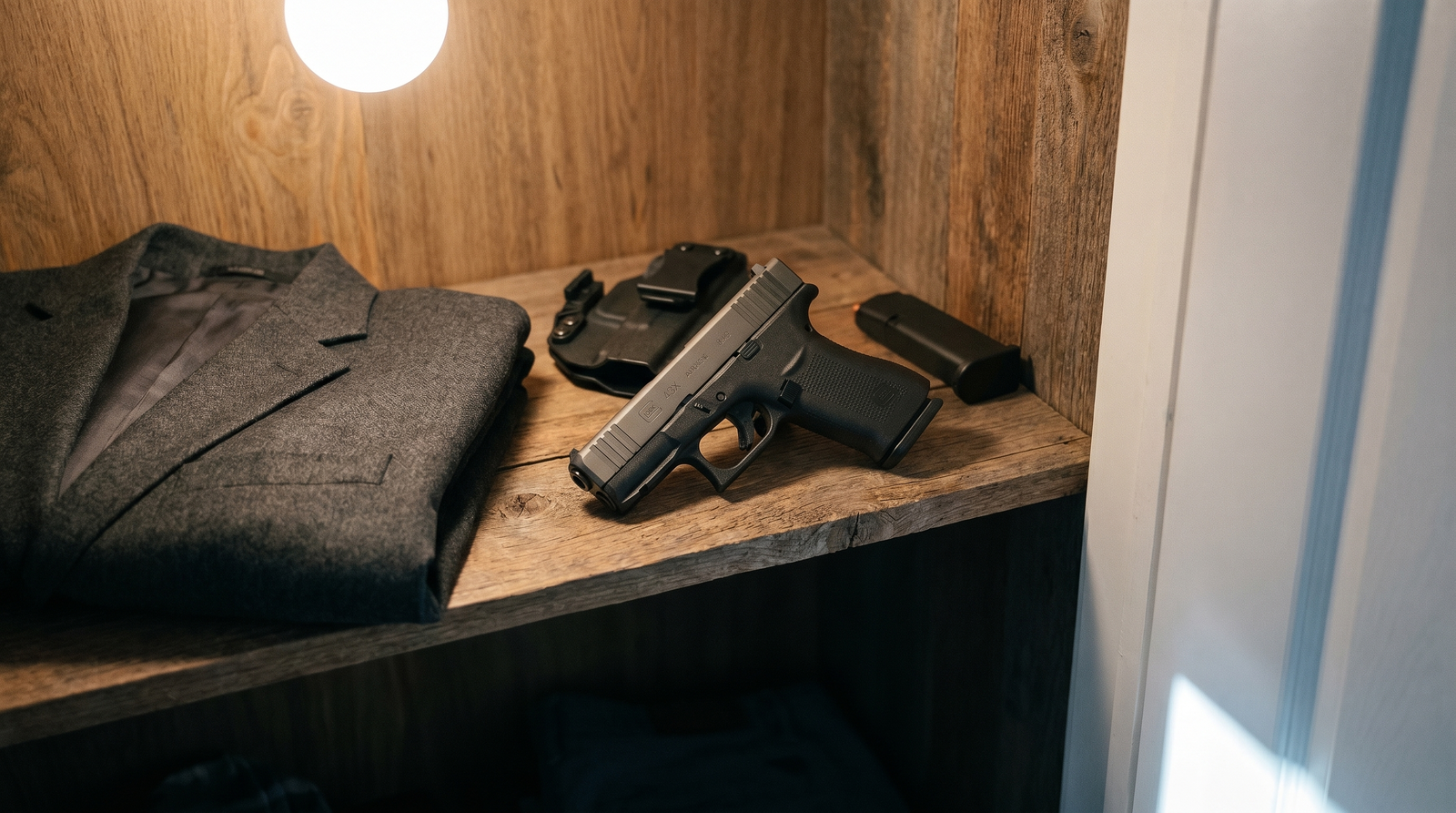
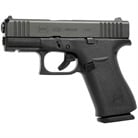
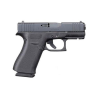
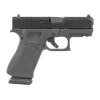
Glock 43X Live Prices
Which Should You Buy?
Buy the Springfield Hellcat if you want the highest flush capacity in the smallest gun, you value minimum size for deep concealment, or you like an aggressive grip and an affordable optics-ready slide. Buy the Glock 43X if you want a more comfortable full grip, the option of 15-round steel magazines, the deep Glock ecosystem, or a familiar Glock manual of arms. The honest take: the Hellcat wins for maximum capacity in minimum size, while the 43X wins for grip comfort, capacity upgrades and support, and both are top-tier carry guns.
How I Compared These
This comparison is based on hands-on experience with both micro-compacts, their published specifications, and the practical realities of carrying, shooting and concealing each. I weighed capacity, size, grip comfort, recoil, optics support and the all-important Shield Arms magazine factor against how these guns actually perform for daily carry, and I checked live pricing across the retailers we track. The aim is an honest, use-case-based recommendation, because both are excellent and the right pick depends on whether you prioritize size, capacity or grip comfort.
Bottom Line
The Springfield Hellcat and Glock 43X are two of the best micro-compact 9mm carry guns made, and either will serve you well. The Hellcat wins for cramming the highest flush capacity into the smallest package, ideal for deep concealment. The Glock 43X wins for its comfortable slim grip, the option of 15-round steel magazines and the unmatched Glock ecosystem. Decide whether you prioritize minimum size and stock capacity or grip comfort and magazine upgrades, and the right carry gun becomes clear.
Frequently Asked Questions
Is the Springfield Hellcat or Glock 43X better for concealed carry?
Both are excellent. The Hellcat is smaller overall with higher stock capacity at 11+1, making it ideal for minimum size and deep concealment. The Glock 43X has a more comfortable full grip and can run 15-round steel magazines, plus the deep Glock ecosystem. The right pick depends on whether you prioritize size or grip comfort.
Does the Hellcat hold more rounds than the Glock 43X?
Stock, yes. The Hellcat holds 11+1 flush and 13+1 extended, while the 43X holds 10+1 from the factory. However, aftermarket Shield Arms steel magazines boost the 43X to 15 rounds in the same grip, which flips the capacity advantage if you choose to run them.
What are Shield Arms magazines for the Glock 43X?
They are aftermarket steel magazines that increase the Glock 43X from 10 to 15 rounds in the same grip size, giving it class-leading concealed capacity. They are very popular with 43X owners and usually pair best with a steel magazine catch, a simple swap. The Hellcat has no comparable capacity jump.
Which is more comfortable to shoot, the Hellcat or 43X?
Many shooters find the Glock 43X more comfortable thanks to its taller, fuller grip and slightly larger size, which aid control. The Hellcat is very controllable for its tiny size but is snappier and has an aggressive texture. Both are manageable for defensive shooting.
Are the Hellcat and 43X both optics ready?
Yes. The Hellcat OSP and the Glock 43X MOS are both optics-ready and accept a compact carry red dot. A dot can help a small carry gun shoot better, and both make the setup straightforward as long as you buy the optics-ready version.
3,979+ Gun & Ammo Deals
Updated daily from 200+ top retailers. Filter by category, caliber, action type, and price.
Related Guides