

Two guns built Remington into an American institution, and odds are you can picture both: the 870 pump shotgun, the best-selling shotgun in history, and the 700 bolt-action rifle, the benchmark hunting and sniper platform for more than half a century. Around them sits a 200-year catalog — the 1100 and 11-87 semi-auto shotguns, the Model 7600 pump rifle, the 1911 R1 pistol — from the oldest gun maker in America. Here is who they are, what they make, and what is worth buying.
Remington Deals — 31% Off or Better
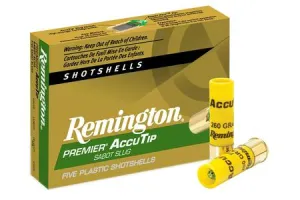
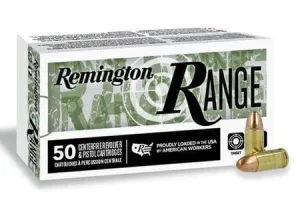
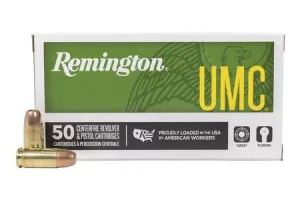
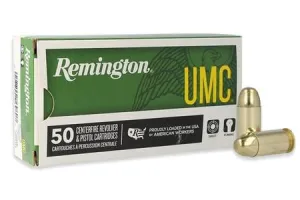

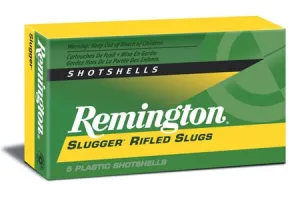
Table of Contents
Who Remington is
Remington is America’s oldest gunmaker, founded in 1816 in Ilion, New York. It is best known for the Model 870, the best-selling shotgun in history, and the Model 700 bolt-action rifle, and today operates as RemArms out of LaGrange, Georgia.
Remington begins with one stubborn young man and a barrel. In 1816, in upstate New York, 23-year-old Eliphalet Remington II decided he could build a better rifle than he could buy, so he forged his own barrel. He took the finished gun to a local shooting match, finished second — and before he left the field, so many shooters had asked him to make barrels for them that he was, effectively, in the gun business. That is the founding story, and it is true. By 1828 he had moved the operation to Ilion, New York, where Remington would build guns for nearly two centuries.
That makes Remington the oldest firearms manufacturer in the United States, and one of the oldest companies in the country still making its original product. Along the way it armed both sides of more than one war, pioneered the typewriter, and put the 870 and 700 into millions of American hands. It is a genuinely foundational name in the industry.
The recent history is rockier, and honesty demands telling it. After years under investment-firm ownership, Remington Outdoor Company filed for bankruptcy in 2020 and was broken into pieces. The firearms business — the 870 and 700 — was bought by the Roundhill Group and now operates as RemArms, which moved the company’s headquarters to LaGrange, Georgia in 2021. The ammunition business went its own way, and Marlin was sold off to Ruger. Remington today is a rebuilding company carrying a 200-year-old name.
What Remington makes
The 870 pump shotgun
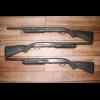
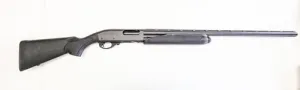
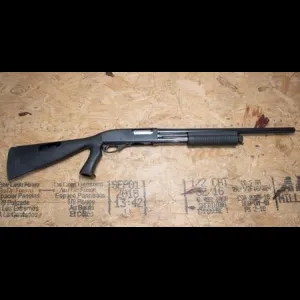
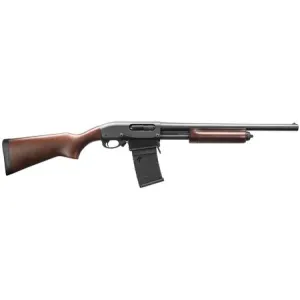
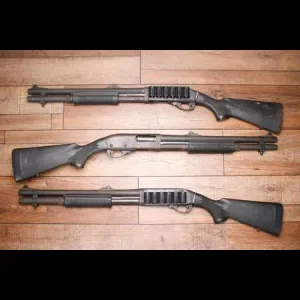
The 870 is the heart of the brand: a steel-receiver pump shotgun introduced in 1950 that has sold more units than any other shotgun ever made. Police, soldiers, hunters, and home defenders have all carried it. The current 870 Fieldmaster and the tactical models keep the line going, and the platform’s deep parts catalog — barrels, stocks, forends, magazine extensions — means one 870 can be configured a dozen ways.
The 700 bolt-action rifle
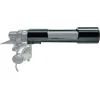
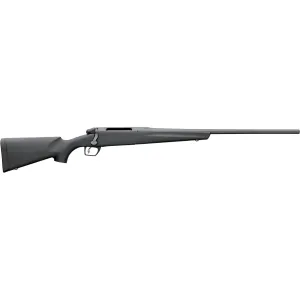
The 700 is the other pillar: a 1962 bolt-action whose round receiver and famous “three rings of steel” lockup made it the benchmark for accuracy and the basis for the U.S. military’s M24 and M40 sniper rifles. It remains one of the most customized rifle actions in the world.
Semi-auto shotguns and pump rifles
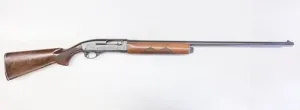
The gas-operated 1100 and 11-87 are smooth, soft-shooting semi-auto shotguns beloved by clays and waterfowl shooters, and the Model 7600 pump and Model Four cover hunters who want a fast-cycling rifle.
Pistols, parts, and the swap-barrel system
Remington has built the 1911 R1 series of M1911 pistols, and the brand’s real day-to-day strength for owners is parts: because the 870 and 1100 use interchangeable barrels, a hunter can run a long vent-rib field barrel and a short slug or security barrel on the same gun. Stocks, forends, and magazines round out a catalog built to keep decades-old guns running.
Build quality and an honest reckoning
For most of its history, “Remington 870” was a byword for a tank — an all-steel pump you could hand down for generations, and the millions of older 870 Wingmasters out there earn that reputation. The honest caveat covers the 2010s: under cost-cutting corporate ownership, the budget 870 Express developed a real reputation for rough finish, occasional rust, and inconsistent quality, and the 700’s older “Walker” trigger was the subject of years of lawsuits over alleged unintended discharges and an eventual settlement. RemArms, now in Georgia, is working to rebuild the quality reputation the name was built on. Buy a clean older Wingmaster or a current production gun, and you are getting the real thing; the cautionary period is the discount-era Express guns.
How Remington compares
In pump shotguns the eternal fight is the 870 versus the Mossberg 500: the Remington has a steel receiver and a slightly smoother, more refined feel, while the Mossberg counters with a better-placed tang safety, lighter weight, and usually a lower price. In bolt rifles the 700 faces the Savage 110, Ruger American, and Tikka — newer designs that often beat it on out-of-the-box value, while the 700 still wins on the sheer depth of its aftermarket. Remington’s edge across the board is legacy and parts support; few platforms have more accessories made for them.
Who should buy what
- The all-purpose shotgun buyer: an 870 Fieldmaster, or a clean used Wingmaster.
- The deer or big-game hunter: a Model 700 in your caliber of choice.
- The clays and waterfowl shooter: an 1100 or 11-87 semi-auto.
- The home-defender: an 870 with an 18.5-inch barrel.
- The 870 owner: a second barrel — turn one shotgun into two.
If you want the newest engineering or the best price on a first bolt rifle, a Tikka or Ruger American may serve you better. Remington is the right call when you want a proven platform with two centuries and an endless parts shelf behind it.
The Remington philosophy
From Eliphalet’s first barrel onward, Remington’s identity has been the workhorse — guns built in huge numbers, for ordinary hunters and working professionals, designed to be fixed, fed, and modified rather than coddled. The 870 and 700 are not fancy; they are foundational, the platforms everything else gets measured against. That is also why the parts ecosystem is so deep: these are guns meant to be kept running for a lifetime.
How to choose your Remington setup
Start with the platform. For a shotgun, the 870 covers nearly everything — pick a field model and add a second barrel for the job it can’t already do; for volume shooting, look at an 1100. For a rifle, the 700 is the bolt-action to build on; choose the caliber for your game and consider a trigger and stock upgrade, since the action is the part you are really buying. With either gun, factory barrels, stocks, and forends are how you tailor it — and a clean older Remington is often the best value on the used rack.
Two hundred years from one barrel
Think about the arc. A young man in 1816 forges a single rifle barrel because he is sure he can do better than the shops, and two centuries later the company that grew from that barrel has built more shotguns and bolt rifles than almost anyone on earth. Remington survived the Civil War, two world wars, the typewriter age, and finally a bankruptcy that scattered its pieces — and the firearms name endures, rebuilding now from Georgia. The 870 in the closet and the 700 in the deer stand are pieces of the oldest gun-making story in America. The barrels, stocks, and parts on this page are how you keep that story shooting.
What Remington owners upgrade
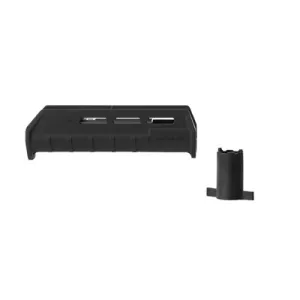
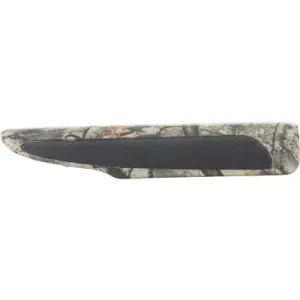
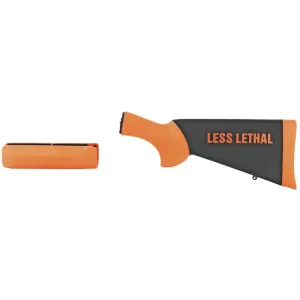
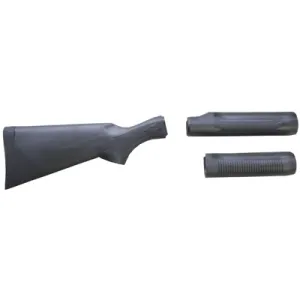
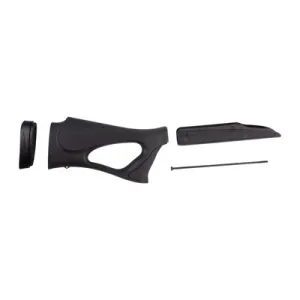
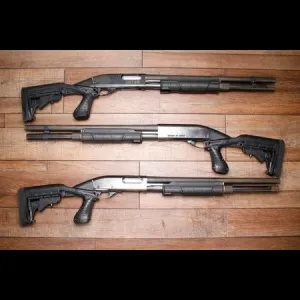
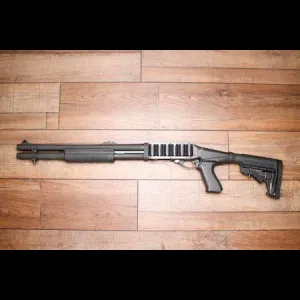
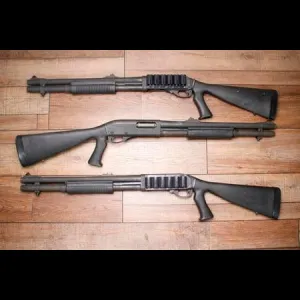
The 870 and 700 are two of the most heavily aftermarket-supported guns ever made, so a huge slice of Remington ownership is parts. On the 870, the common upgrades are a metal follower and a stronger magazine spring, an extended magazine tube for more rounds, a side-saddle shell carrier on the receiver, and ghost-ring or rifle sights in place of the bare bead. Many owners replace the forend and stock outright; a Magpul SGA stock and MOE forend are among the most popular swaps for turning a field gun into a defensive or 3-gun setup.
On the bolt-action 700, the platform’s whole appeal is how easily it builds out. A drop-in aftermarket trigger (Timney is the usual pick) cures the gun’s old liability, and from there owners add a better stock or chassis, upgraded bottom metal with a detachable magazine, and a quality scope base and rings. The 700’s footprint is so standard that an entire industry of barrels, stocks and triggers exists to fit it.
It is also worth keeping the wear parts on hand. Extractors, ejectors, firing pins and magazine springs are the small components that eventually need replacing on a working 870 or 700, and they are inexpensive insurance. Whichever Remington you own, the odds are good the upgrade or spare you want is a drop-in part, which is exactly what this page is here to help you find.
Shop Remington Parts & Prices
Live Remington products and current prices, organized by department and updated automatically.
Remington Shotguns
Remington Rifles

Stocks


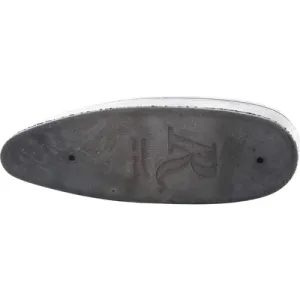



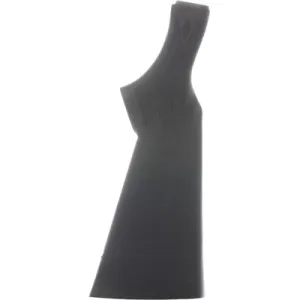
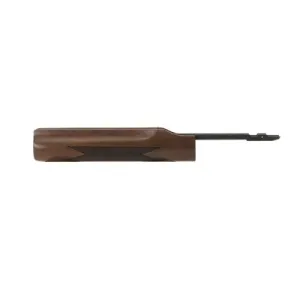
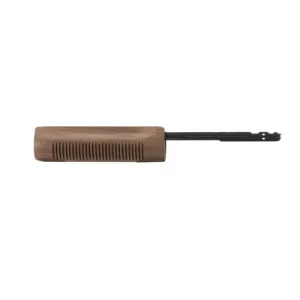
Forends

Grips







Magazines




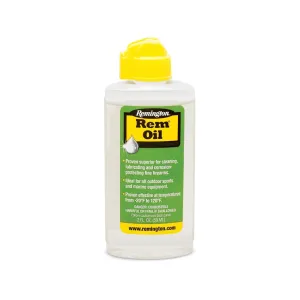
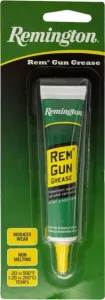
Cleaning & Maintenance




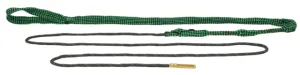
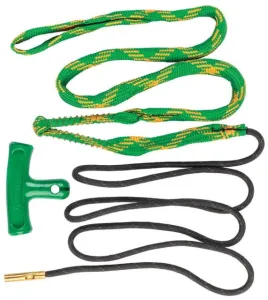
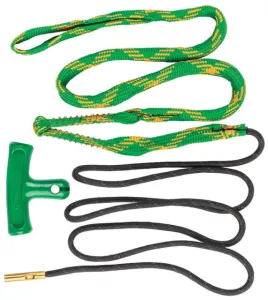
Shop Remington Factory Ammunition
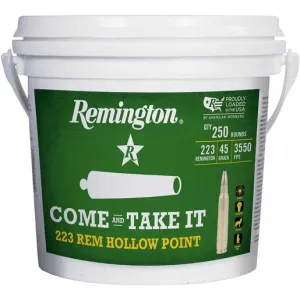
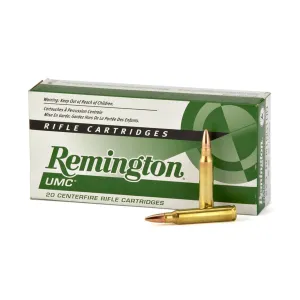
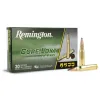
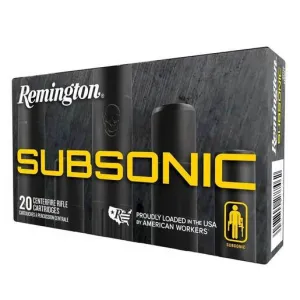
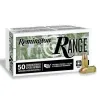
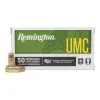
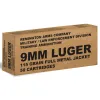
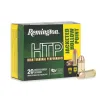
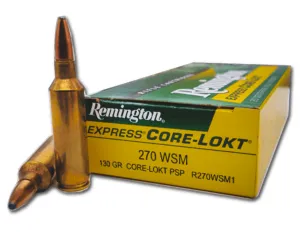
Remington is one of America’s oldest and largest ammunition makers, and its loaded ammo is as iconic as its rifles. The Core-Lokt hunting line has been called “the deadliest mushroom in the woods,” UMC covers high-volume range shooting, HTP and Golden Saber handle defense, and Remington’s shotshells — from Premier to Gun Club — are a mainstay of the clays range and the duck blind. Here is its factory ammo by caliber, with live prices updated automatically.
Remington 12 Gauge Shotshells


Remington .30-06 Springfield Ammo
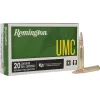
Remington .223 / 5.56 Ammo
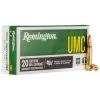
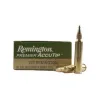
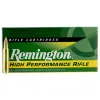


Remington .308 Win Ammo
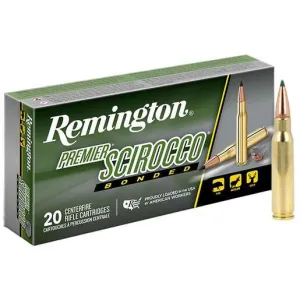
Remington 9mm Ammo


Remington .270 Win Ammo
Where Remington Fits in Our Buying Guides
- The Best Remington Shotguns
- Remington 870 Review
- Remington 700 Review
- Remington 870 vs Mossberg 500
- The Best Deer-Hunting Rifles
- The Best Hunting Rifles
Remington FAQ
How old is Remington?
It was founded in 1816 by Eliphalet Remington in New York, which makes it the oldest firearms manufacturer in the United States and one of the oldest companies in the country still making its original product.
Where are Remington guns made now?
The firearms business operates as RemArms, which moved its headquarters to LaGrange, Georgia in 2021 after the 2020 bankruptcy that split the old company apart.
Is the Remington 870 still good?
The older all-steel 870 Wingmaster is a legendary tank, and current RemArms production is rebuilding the quality. The cautionary era is the cost-cut 2010s 870 Express guns, which earned a reputation for rough finish and rust.
870 or Mossberg 500?
The 870 has a steel receiver and a smoother feel; the Mossberg 500 has a better-placed tang safety, lighter weight, and a lower price. Both are excellent — it comes down to safety placement and budget.
Why is the Model 700 so popular?
Its round receiver and “three rings of steel” lockup made it exceptionally accurate and easy to build on, which is why it became the U.S. military’s sniper-rifle base and the most customized bolt action around.
Can I swap barrels on an 870?
Yes. The 870 (and the 1100) use interchangeable barrels, so one shotgun can wear a long field barrel and a short slug or security barrel, swapped in seconds.
What happened to Remington in its bankruptcy?
Remington Outdoor went bankrupt in 2020. The firearms business was bought out and relaunched as RemArms in LaGrange, Georgia in 2021, while the ammunition arm and Marlin were sold off separately, with Marlin going to Ruger.
What tier is Remington?
Value-to-mid: mass-produced, foundational American shotguns and rifles with the deepest parts support in the business, now rebuilding under new ownership.
Related Firearm Manufacturers Brands
USA Gun Shop may earn a commission on purchases made through the links on this page, at no extra cost to you. We list products on merit; prices and availability are pulled live and can change.
5,743+ Gun & Ammo Deals
Updated daily from 200+ top retailers. Filter by category, caliber, action type, and price.